
On a 14,000-foot summit day, extra oxygen can take the edge off a headache, steady your breathing at a rest stop and clear some of the mental fog. It cannot replace acclimatization, and it cannot treat serious altitude illness. A small portable can is a comfort tool for the final push. It is not a rescue device, and your turnaround time and your symptoms still make the real decisions.
This guide explains what happens to your body above 13,000 feet, where portable oxygen fits on a Colorado-style 14er, how to use it, and the signs that mean you stop climbing and go down.
TL;DR
- The air on a 14er still contains about 21% oxygen. What drops is air pressure, so each breath delivers less oxygen to your blood.
- Supplemental oxygen can ease mild altitude symptoms such as headache, but descent is the definitive treatment for severe illness.
- A portable can gives short, targeted relief at rest stops. Serious expedition climbing uses professional bottles and masks, which is a different category.
- Acclimatize, hydrate, start early and set a hard turnaround time. Oxygen supports that plan; it never replaces it.
- Confusion, loss of balance, a wet cough or breathlessness at rest mean you go down, not up.
Table of Contents
- What actually changes on a 14er
- How common is altitude sickness on a 14er?
- What supplemental oxygen can and can’t do
- A summit-day plan that doesn’t rely on oxygen
- Using portable oxygen on summit day
- When to stop and go down
- Our perspective
- Choosing a can for your summit day
- How canned oxygen compares with other options
- Other altitude activities
- FAQ
- Sources
What actually changes on a 14er
Many hikers assume there is less oxygen in the air up high. The percentage stays the same: atmospheric air holds 20.95% oxygen by volume from sea level to the highest mountain top. The change is pressure. As you climb, the air thins, so each lungful contains fewer oxygen molecules, and the oxygen in your blood drops with it.

A pulse oximeter shows this clearly. According to a Colorado physician quoted by the Summit Daily, readings around 95-96% are typical in Denver, and visitors from sea level may fall to around 88% or lower in the mountains before their bodies adjust. On the summit of a 14er you are higher still, and your body has had far less time to adapt than a resident’s.
You can see the effect of your own elevation with our altitude to oxygen level calculator. Our explainer on breathing in thin air walks through the numbers in more detail, and a piece on why Denver at 5,280 feet already lowers your oxygen shows how much of the effect begins before you ever reach the trailhead.
Why summit day feels harder than the approach
Several things stack up at once on summit day:
- Elevation gain at the end. The steepest, highest ground comes when you are already tired.
- Exertion. Working harder raises your oxygen demand just as supply falls.
- Early start and low appetite. Many hikers skip food and water in the dark and pay for it by the top.
- Time pressure. Afternoon storms in the Rockies push you to move fast when your body wants to slow down.
As one GearJunkie piece on climbing a 14er puts it, with less oxygen in the air your whole body works harder, and a mild headache is a common result above 8,000 feet.
How common is altitude sickness on a 14er?
More common than most hikers expect. A free guide from The Next Summit states that altitude sickness affects 1 out of 2 people who climb a 14er. The usual first sign is a headache, often with dizziness, nausea or poor sleep the night before.
The 14ers.com FAQ also notes that altitude sickness is common for people coming to Colorado from low elevation. If you flew in from sea level two days ago, you are the person most likely to feel it.
What supplemental oxygen can and can’t do
Be clear about the limits first, because they protect you.
The CDC Yellow Book describes supplemental oxygen at low flow rates as a way to improve altitude headaches, but not a cure. For severe conditions such as high-altitude pulmonary edema (HAPE) and high-altitude cerebral edema (HACE), descent remains the definitive treatment.
In practical terms:
| Situation | Can extra oxygen help? | What to do |
|---|---|---|
| Mild headache, fatigue, a breathless rest stop | It may give short relief | Rest, drink, eat, try a few breaths, and reassess |
| Headache that worsens or comes with nausea | It may ease it briefly, but this is a warning sign | Stop climbing and consider descending |
| Stumbling, confusion, unusual drowsiness | Not a fix | Descend now with help; call for rescue if needed |
| Wet cough, breathlessness at rest, chest tightness | Not a fix | Descend now; seek medical care |
Medical oxygen at altitude is about restoring oxygenation toward normal, not pushing past it. Saturation cannot be raised above 100%, and the NCBI describes normal resting saturation at sea level as 95% to 100%, with values below 90% clinically abnormal. A can is not a way to “supercharge” your performance. At best it brings you a little closer to how you would feel lower down.
Portable cans versus expedition systems
The oxygen you hear about on the world’s highest peaks is a different system entirely. A mountaineering planning guide notes that most climbers on those peaks carry oxygen in bottles and breathe it through a face mask. Expedition planning there involves hours of continuous flow from multiple cylinders.
The stakes at that scale are extreme. The Lancet Respiratory Medicine reports that abrupt exposure to the altitude of Everest would cause loss of consciousness in under three minutes, and that survival there depends on weeks of progressive acclimatization.
A 14er is a long way from that. At roughly 14,000 feet, most healthy, acclimatized hikers need no oxygen at all. A portable can is for the in-between moments: the rest stop on the ridge, the last 500 vertical feet when your head is pounding, or the walk back down when you feel flat.

A summit-day plan that doesn’t rely on oxygen
The best summit-day oxygen strategy starts days earlier.
- Arrive early and sleep high or moderate. If you live near sea level, give your body at least a night or two at elevation before a big objective. Denver and the Front Range are a start, not a finish.
- Hydrate and eat steadily. Drink before you feel thirsty and snack every 45 to 60 minutes, even without appetite.
- Start before dawn. Summit by late morning so you are down before afternoon storms.
- Set a turnaround time. Pick a clock time, for example noon, and respect it even if the summit looks close.
- Carry a pulse oximeter if you like data. Readings are a prompt to watch symptoms, not a green light to keep climbing.
- Know your partner’s baseline. People hide symptoms. Ask directly about headache, nausea and balance.
- Plan the descent as the real finish line. Summit is halfway.
For headache management in particular, see our guide to high altitude headache relief options that actually work. If nausea is the main problem, altitude nausea relief for hikers explains why descending comes first. Some hikers also ask their doctor about preventive medication; the CDC Yellow Book lists acetazolamide and dexamethasone for altitude illness, and a physician who knows your history is the right person to decide whether either suits you.
Using portable oxygen on summit day
If you decide to carry a can, treat it like any other piece of safety kit: know it before you need it.
Before the trip
Try it at home so the mouthpiece, trigger and cap are familiar. Cold fingers and gloves make fiddly gear frustrating at 14,000 feet. Keep the can inside your jacket or pack near your body on a cold morning, and keep it away from heat, flame and sparks, as oxygen supports combustion. Our how to use canned oxygen guide covers handling and safe use step by step.
On the mountain
- Sit or stand still. Use it at a rest stop, not while scrambling.
- Breathe slowly. Exhale fully, then take a deep, calm inhalation from the mouthpiece. Rushed breaths waste both gas and the benefit.
- Reassess after a few minutes. Check the headache, dizziness and energy against how you felt before.
- Use it as information. If symptoms return fast, or worsen, that is your body telling you something. Descend.
Our article on how to use supplemental oxygen on summit attempts goes deeper into pacing and timing, and why supplemental oxygen helps at high altitude explains the physiology.
Mental clarity at the top
Poor focus is one of the quieter hazards on a summit. Foggy thinking leads to missed turns, skipped food and slow decisions on exposed terrain. Our clinician-reviewed piece on portable oxygen and brain fog at altitude looks at what hikers report and where the limits are.
When to stop and go down
This section matters more than any product. Go down, do not wait for a better moment, if you notice any of the following:
- A headache that keeps getting worse despite rest, fluids and a few breaths of oxygen.
- Loss of coordination, difficulty walking in a straight line, or confusion.
- Breathlessness while sitting still, or a persistent wet or bubbling cough.
- Unusual drowsiness, or a partner who is acting out of character.
The CDC states that descent is the definitive treatment for HAPE and HACE. Reaching lower ground, even 1,000 to 2,000 feet, often makes a clear difference, but anyone with these signs should be evaluated by a medical professional afterward. Relying on a can to push through severe symptoms can delay the descent that actually treats the problem. If someone cannot walk safely, call 911 and stay with them.
Our perspective
We make portable oxygen, so you might expect us to tell you it solves summit day. It doesn’t, and we would rather you hear that from us.
What we hear from hikers, athletes and travelers is simple: they want a calm, reliable way to catch their breath and think clearly when they feel depleted. That is a real need, and a can with a zero-leak mouthpiece and trigger-lock cap is designed to make it easy to use without a mask or prescription. Our cans hold 98% pure oxygen with essential oil blends, and they are built with input from athletes and scientists.
But we also believe in being honest about physiology. Oxygen at altitude restores; it does not make you superhuman. Acclimatization, food, water, pacing and a willingness to turn around are what get people home. We want our product to be the thing in your pack that helps you breathe easier at a rest stop, never the reason you ignored a warning sign.
If you remember one thing: use oxygen to feel better, then use that clearer head to make a good decision.
— Paul
Choosing a can for your summit day
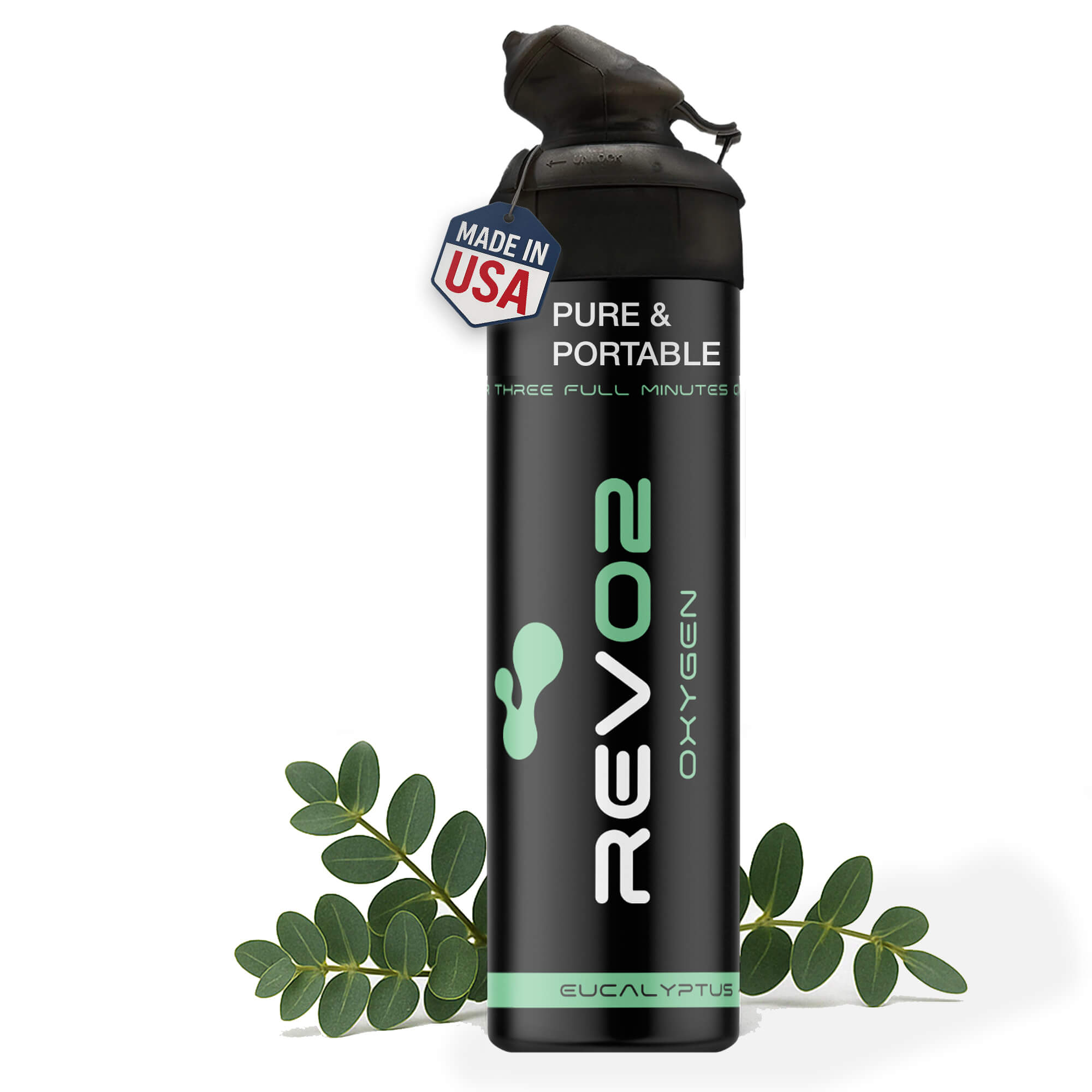
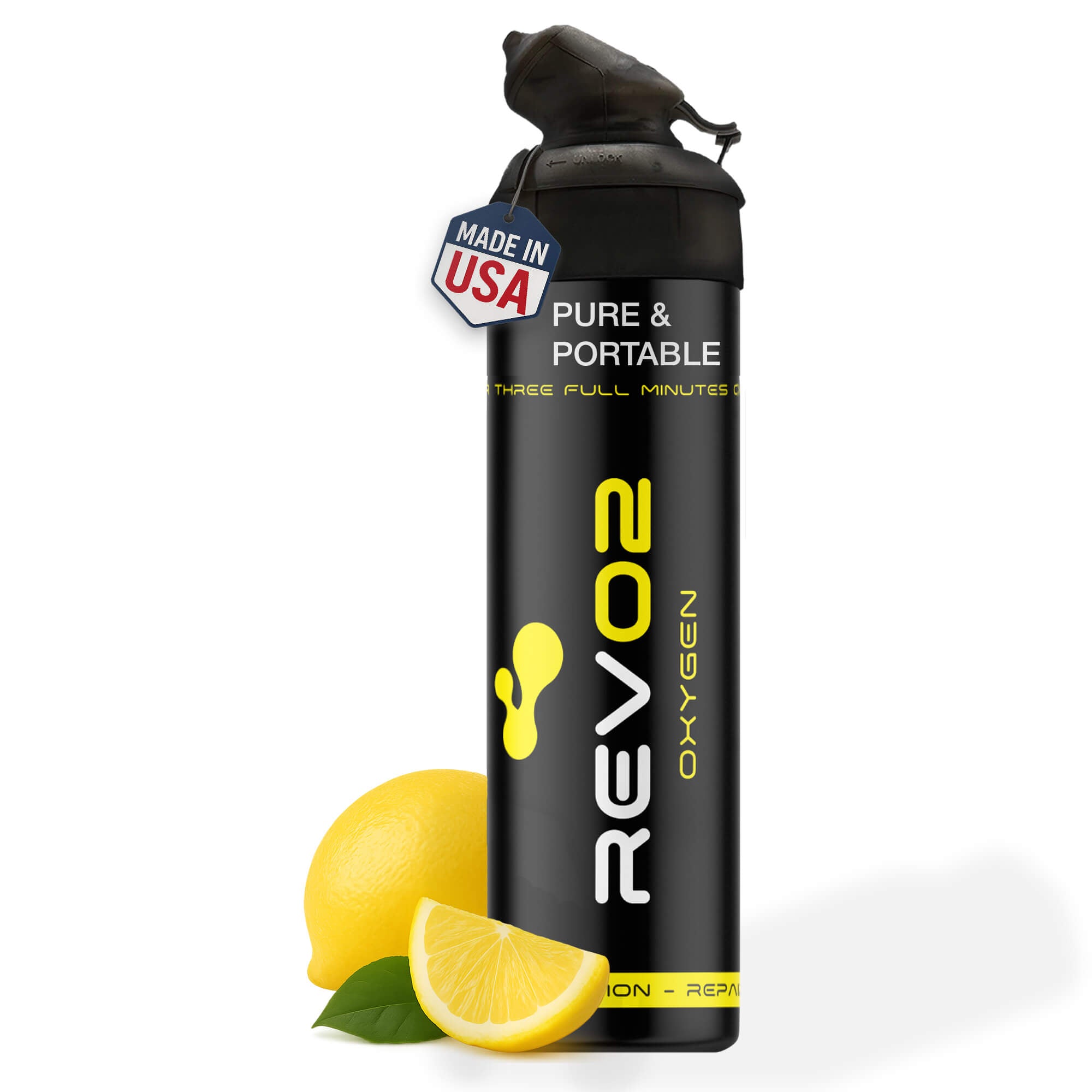
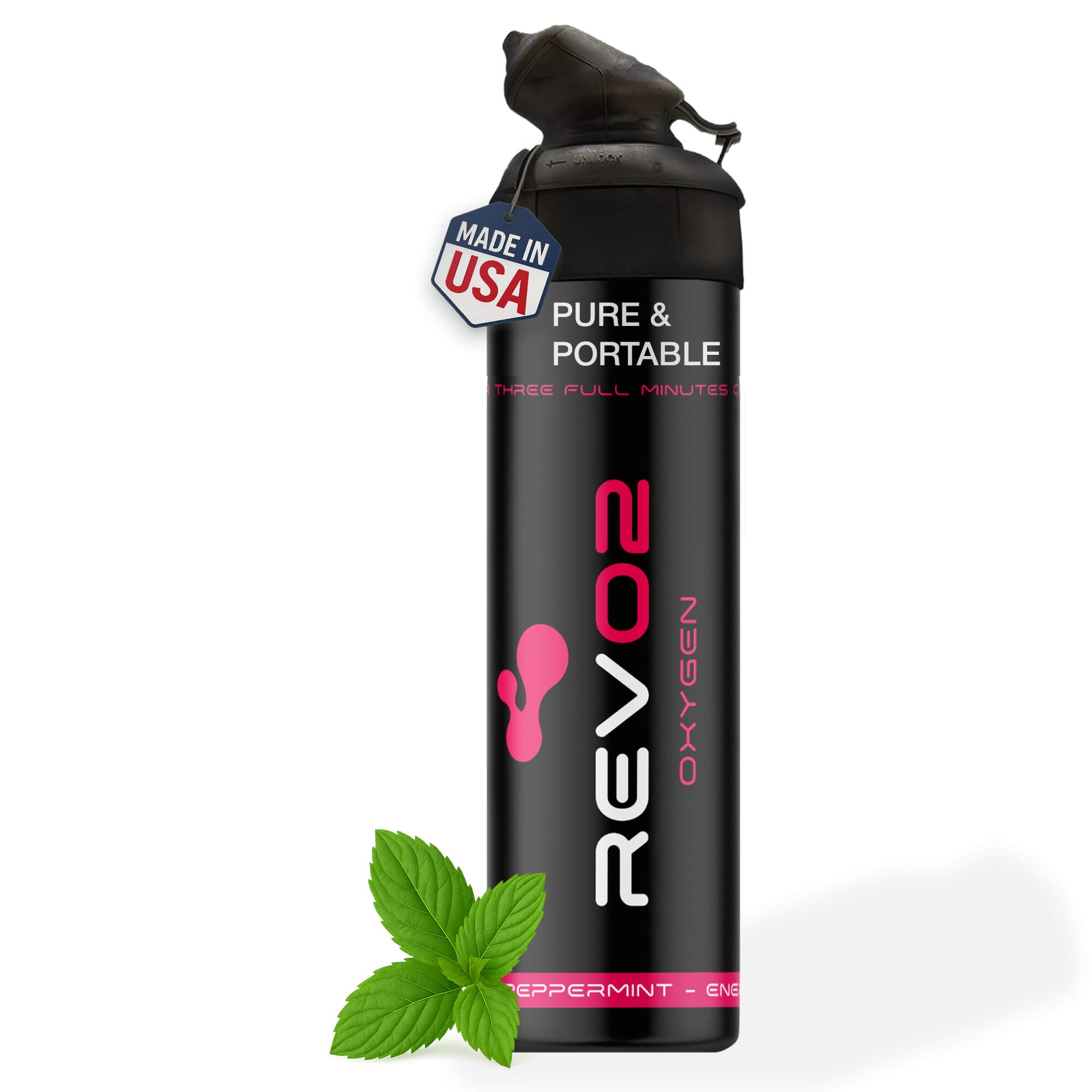
If you want a portable option in your pack, we offer three blends of 98% pure oxygen in 10L large cans. They differ mainly in the essential oil infusion:
- Peppermint Oxygen: Energy & Endurance: a crisp, refreshing choice for the climb itself.
- Lemon Oxygen: Recovery & Immunity: a lighter option many hikers like for the descent and the evening after.
- Eucalyptus Oxygen: Focus & Relaxation: a menthol-style blend for settling your breathing and your mind.
You can compare all three on our canned oxygen collection. For a group trip, the peppermint multi-packs let you stock up in one order. Prices are shown at checkout on each product page.
How canned oxygen compares with other options
Hikers usually weigh a few types of help. Here is how they differ, by category:
| Option | Best for | Limits |
|---|---|---|
| Slow ascent and acclimatization | Preventing most altitude illness | Takes time many trips don’t have |
| Prescription medication | Prevention when advised by a doctor | Requires a medical visit; side effects possible |
| Portable canned oxygen | Short relief at rest stops, no prescription needed | Brief; not treatment for serious illness |
| Medical or expedition oxygen systems | Prescribed therapy or extreme peaks | Heavy, regulated, mask-based; overkill for most 14ers |
| Descent | Treating moderate to severe altitude illness | Requires giving up the summit |
The row that never loses is descent. Everything else supports it.
Other altitude activities
The same logic applies away from the trail. Skiers and riders can read our take on oxygen for snowboarding, which frames it as relief between runs, not a cure. If you are researching supplements, top supplements to prevent altitude sickness covers what people try and what to ask your doctor.
FAQ
Do you need oxygen to climb a 14er?
No. Most healthy, acclimatized hikers climb 14ers without any supplemental oxygen. Time to adjust, steady pacing, food and water matter far more. A can is an optional comfort item for rest stops, not a requirement.
Can a canned oxygen product treat altitude sickness?
Not serious altitude sickness. The CDC says supplemental oxygen can improve altitude headaches but is not a cure, and that descent is the definitive treatment for HAPE and HACE. Use a can for short relief of mild symptoms and descend if symptoms persist or worsen.
When should I use oxygen on summit day?
Use it at a rest stop when you feel breathless, foggy or have a mild headache, then reassess a few minutes later. Don’t use it to keep climbing through worsening symptoms. If you feel better, treat that as a chance to think clearly about your turnaround time.
Is more oxygen always better?
No. Your blood saturation tops out at 100%, so there is a ceiling on benefit at normal pressure. Very high oxygen exposure under pressure, as in hyperbaric settings, can cause oxygen toxicity, which is a medical-setting concern rather than one for hikers using a short breath from a can.
What should I do if my partner seems confused near the summit?
Turn around and descend immediately with them. Confusion and loss of balance are warning signs of HACE. Don’t leave them alone, and call 911 if they can’t walk safely.
Sources
- CDC Yellow Book: High-Altitude Travel and Altitude Illness
- CDC: Respiratory Protection for Oxygen Deficient Atmospheres
- The Lancet Respiratory Medicine: Breathless and dying on Mount Everest
- Summit Daily: Understanding the body’s performance at high elevation
- The Next Summit: Altitude Sickness 101 guide
- 14ers.com Frequently Asked Questions
- GearJunkie: Climbing a 14er, 5 Lessons to Remember
- Planning and preparation: Supplementary oxygen
- NCBI: oxygen saturation reference
- NCBI StatPearls: Hyperbaric Physiological and Pharmacological Effects of Gases