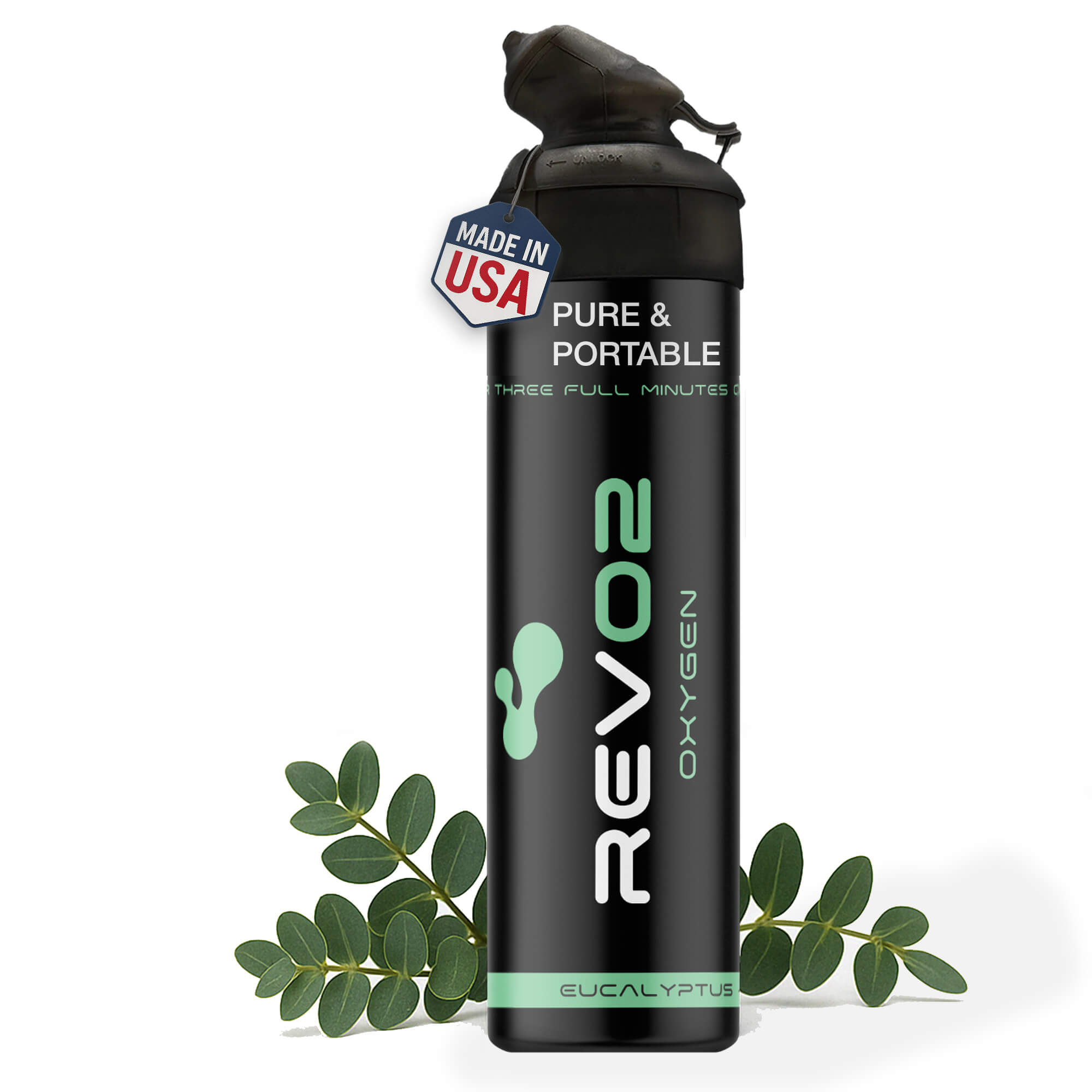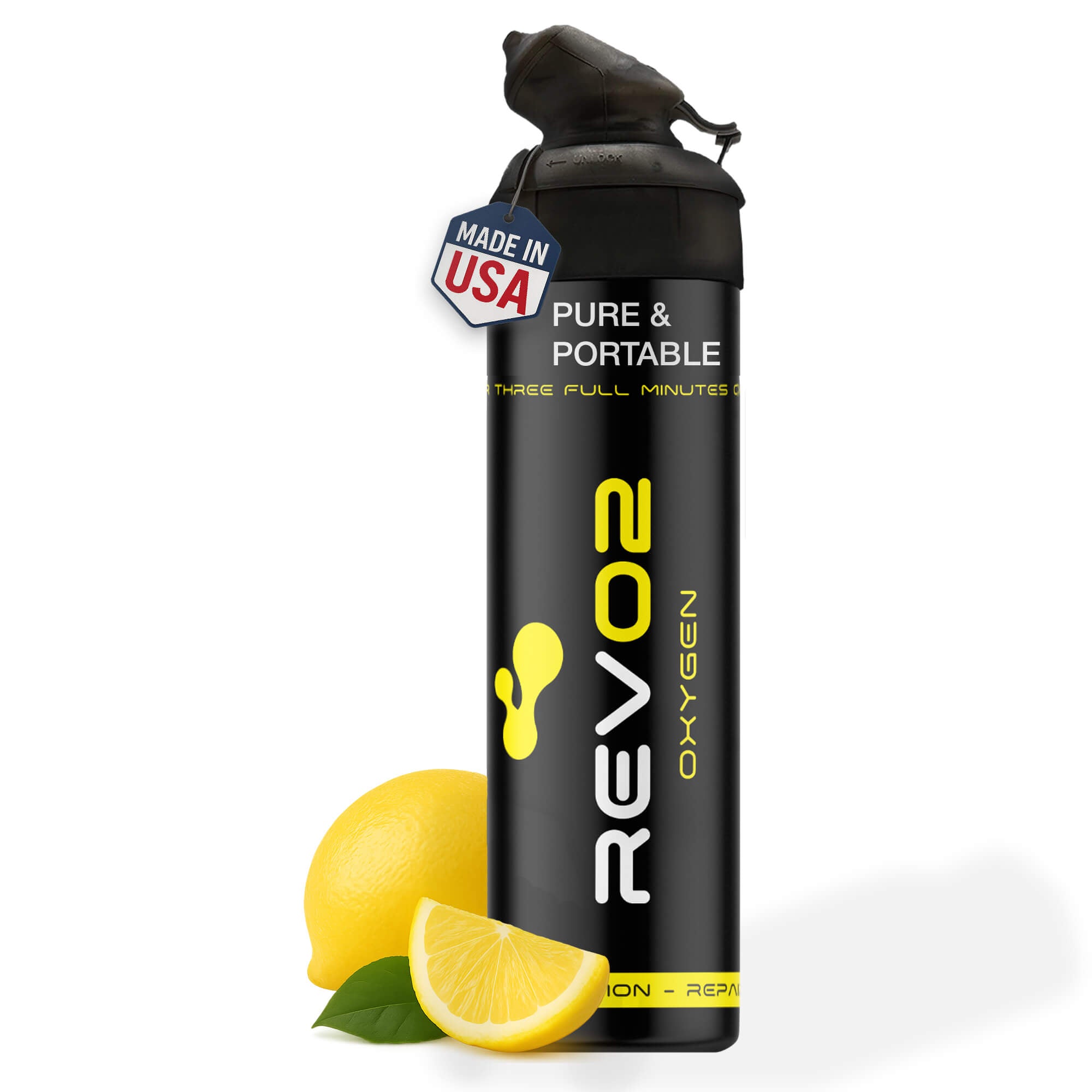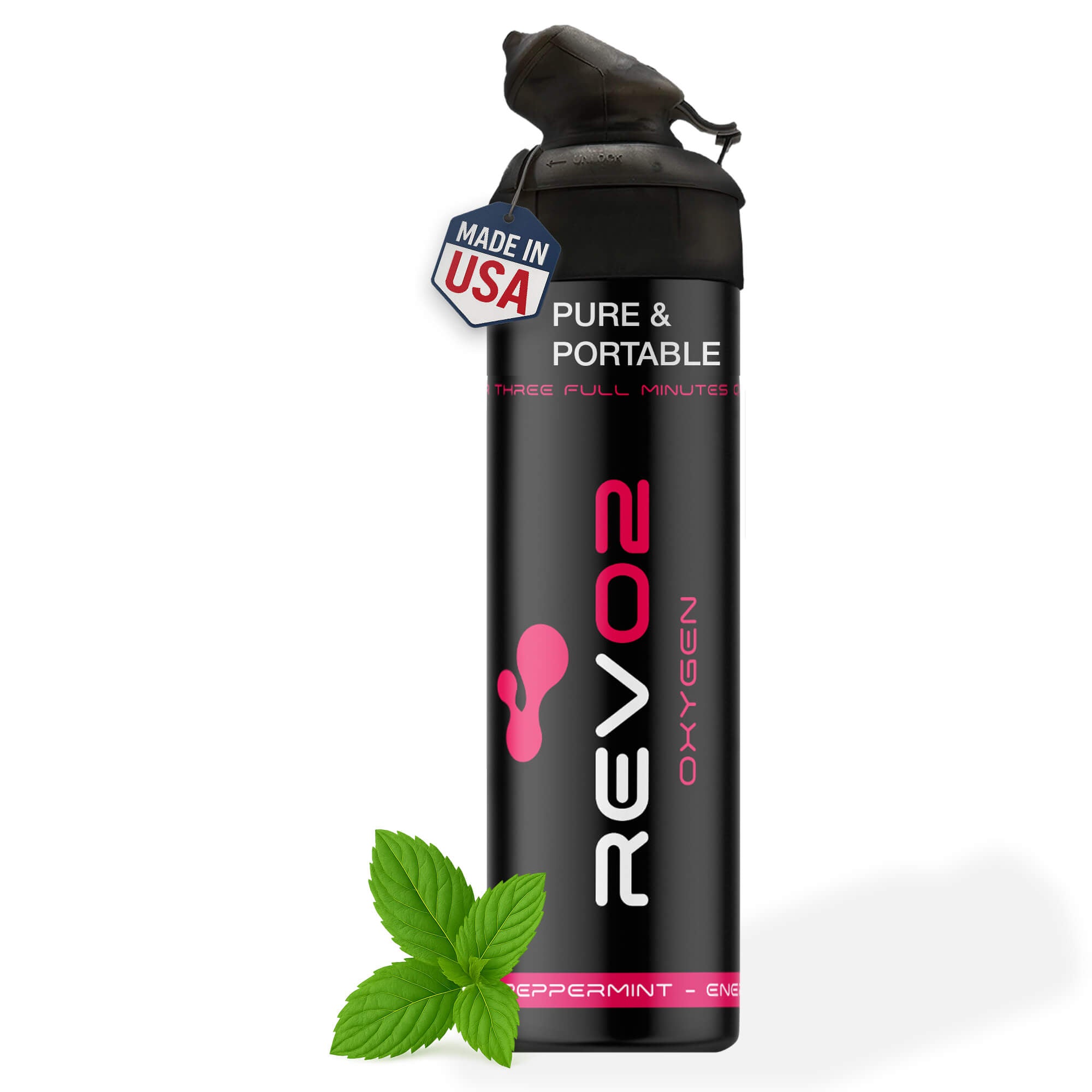

Short answer: small handheld oxygen cans offer brief, real relief from mild altitude symptoms, but they are not a substitute for descent or continuous medical oxygen. If you feel dizzy, headachy, or short of breath above 14,000 feet, use a can for a few minutes while you rest, reassess, and prepare to descend if symptoms persist. The sections below explain why that caution matters and how to use oxygen wisely on a 14er.
TL;DR:
- Handheld oxygen cans provide only a few minutes of relief at 14,000 feet and cannot replicate continuous oxygen therapy shown to significantly increase blood saturation.
- Using oxygen at 1 to 2 liters per minute can improve symptoms within 30 minutes, but descent remains the essential treatment for serious altitude illness like HAPE or HACE.
- Cans are best used during brief rest stops to alleviate mild symptoms, not as a means to continue climbing through worsening conditions.
- Signs of severe altitude illness, such as confusion, worsening headache, or shortness of breath at rest, require immediate descent and medical attention, not supplemental oxygen alone.
- Most cans hold limited oxygen, enough for only a few deep breaths, making multiple cans necessary for all-day relief and emphasizing their role as short-term support rather than a safety solution.
Table of Contents
- What altitude does to breathing at 14,000 feet
- What the evidence actually says about canned oxygen versus continuous flow
- How to use a canned oxygen can on a 14er
- Limitations and safety: red flags and when to descend
- Evidence summary: what the research and guidance actually support
- A field-tested view on when a can earns its place in your pack
- REV/O2 oxygen cans for hikers who want relief they can trust
- FAQ
- Sources
What altitude does to breathing at 14,000 feet
At sea level, the air you breathe is about 21% oxygen. As you climb, the percentage of oxygen in the air stays the same, but barometric pressure drops, so each breath delivers fewer oxygen molecules to your lungs. At 14,000 feet, the effective inspired oxygen concentration works out to roughly 12 to 13%, according to the Peak Steward Manual published by 14ers.org. Your body is essentially breathing air that functions like a thinned-out version of what it is used to.
This drop triggers hypoxia, a state of reduced oxygen delivery to tissue, and your body compensates by breathing faster and raising your heart rate. For many hikers this shows up as a mild headache, fatigue, or shortness of breath on exertion, the early signs of acute mountain sickness (AMS).
Pulse oximeters, small clip-on devices that measure blood oxygen saturation (SpO2), have become a popular tool for monitoring this response in the field. A few things are worth knowing before you rely on one:
- SpO2 readings naturally fall as you gain elevation, so a lower number alone is not an emergency.
- A downward trend over time, combined with symptoms, is more meaningful than a single reading.
- Cold fingers and poor circulation can produce inaccurate readings, so warm your hands before checking.
Breathing a few lungfuls of concentrated oxygen does raise your blood oxygen saturation for a short window. That is a real, measurable effect. The challenge is that the boost fades once you stop inhaling the extra oxygen, which sets up the central question of how much that brief lift actually accomplishes on a long climb.
What the evidence actually says about canned oxygen versus continuous flow
The clearest guidance on treating altitude symptoms comes from the CDC Yellow Book, which states that supplemental oxygen delivered at 1 to 2 liters per minute can improve AMS headache within about 30 minutes. Critically, the same guidance identifies descent, not oxygen, as the definitive treatment for serious conditions like high-altitude pulmonary edema (HAPE) and high-altitude cerebral edema (HACE).
At 2 liters per minute of continuous flow, oxygen saturation reliably climbs into the 95 to 98% range even at simulated 14,000 feet, according to a controlled chamber study of unacclimatized participants. That gap matters because it shows oxygen’s benefit depends heavily on dose and duration, not just presence.

A separate randomized trial testing low-flow oxygen after rapid ascent found that supplemental oxygen improved walking times and reduced AMS symptoms compared to no oxygen at all. Both studies used continuous delivery systems, not single-breath cans, and that distinction is where the math gets unforgiving for handheld products.
A typical handheld can holds a small volume of oxygen. Delivering that volume at a clinical flow rate of 1 to 2 liters per minute would empty the can in just a few minutes. Most cans are not designed to be metered that slowly. They are built for a handful of deep inhalations rather than sustained administration, which means:
- A single can realistically provides a few minutes of symptomatic relief at best.
- It cannot replicate the sustained oxygen correction seen in continuous-flow studies.
- Repeated cans in quick succession do not equal continuous therapy; they are a series of short boosts, not a steady supply.
None of this means canned oxygen is useless. It means its role is narrow: short-term symptom relief and recovery support, not a clinical treatment for worsening altitude illness.
How to use a canned oxygen can on a 14er
If you decide to carry a can on a climb, treat it as a tool for brief relief, not a safety net for serious symptoms. Here is a practical sequence:
- Recognize the right moment. Use a can for mild symptoms, a pounding headache, lightheadedness, or breathlessness after a steep pitch, not for confusion, staggering, or chest tightness, which signal something more serious.
- Find a safe stop. Step off the trail somewhere stable, sit if possible, and remove your pack to ease chest expansion.
- Breathe deliberately. Take 10 to 15 slow, deep inhalations from the can, pausing briefly between each one rather than rushing through the canister.
- Rest and reassess. Wait 5 to 10 minutes and check how you feel, and check your pulse oximeter reading if you are carrying one.
- Repeat or move on. If symptoms ease, continue cautiously at a slower pace. If they do not improve or worsen, begin your descent plan.
For a day hike, two or three small cans is a realistic range for most people, enough for a couple of rest-stop boosts without adding meaningful pack weight. Beyond that, you are better off carrying a pulse oximeter, over-the-counter analgesics for headache, and an extra insulating layer, all of which weigh less and do more for overall safety than a fourth or fifth can.
Pro Tip: Use oxygen during planned rest stops to normalize your breathing after a hard push, not as a reason to keep climbing through worsening symptoms.
Limitations and safety: red flags and when to descend
Canned oxygen has a narrow job, and knowing where that job ends is what keeps a hard day from becoming a dangerous one. The symptoms below are not ones to manage with a can and a rest break:
- Confusion, slurred speech, or trouble walking in a straight line (possible HACE)
- A persistent cough, pink or frothy sputum, or unusual shortness of breath at rest (possible HAPE)
- A headache that worsens despite rest, hydration, and oxygen
- Severe fatigue that does not improve after 20 to 30 minutes of rest
Any of these calls for immediate descent, according to CDC guidance, which identifies descent as the primary treatment for serious altitude illness rather than oxygen or medication alone. Leaning on a can to “push through” these symptoms creates a false sense of security. You may feel briefly better, keep climbing, and lose the window where descending under your own power was still possible.
If descent is delayed by terrain or weather, field first aid includes rest, supplemental oxygen if available, and dexamethasone for suspected HACE, administered according to medical guidance, while someone in your group contacts emergency services. A can of oxygen can buy a little comfort during that wait. It cannot buy time indefinitely.
Evidence summary: what the research and guidance actually support
Supplemental oxygen at 1 to 2 liters per minute can ease AMS headache within about 30 minutes, but descent remains the definitive treatment for serious high-altitude illness. CDC Yellow Book
Chamber studies show 2 liters per minute of continuous oxygen flow reliably corrects hypoxemia at simulated 14,000 feet, reaching 95 to 98% saturation in unacclimatized participants, a benchmark that highlights how small a single-breath can is by comparison. Investigative reporting from CU Anschutz adds an important nuance: part of the relief people feel from canned oxygen may come from slower, deliberate breathing itself, combined with a short rise in inspired oxygen, rather than from any lasting physiologic correction. Taken together, the guidance and the trial data point the same direction: oxygen helps, dose and duration decide how much, and a 5-liter can sits far below the threshold studied in clinical settings.
A field-tested view on when a can earns its place in your pack
I have carried canned oxygen on enough high mountains to trust it for exactly one thing: taking the edge off a bad patch so I can think clearly enough to decide whether to keep going or turn around. I do not expect it to fix altitude illness, and I tell other hikers the same thing. My own routine on a summit day is simple: a can in the pack, a pulse oximeter on my wrist, and a firm rule that two unimproved rest stops means we turn back.
— Paul
REV/O2 oxygen cans for hikers who want relief they can trust
We built REV/O2 around the same problem described above: hikers need a fast, reliable way to catch their breath at altitude without carrying medical equipment up a mountain.
There are three flavor-driven products designed for different moments on the trail:
- Peppermint Oxygen, Energy & Endurance, suited to pushing through a steep pitch or a long summit push.
- Lemon Oxygen, Recovery & Immunity, a good fit for rest stops and the hike back down.
- Eucalyptus Oxygen, Focus & Relaxation, useful when a headache or racing mind needs to settle before you keep moving.
If you are planning a 14er, our canned oxygen collection is the simplest place to compare single cans against multipacks for a full day on the mountain. For the breathing technique and pacing covered earlier in this guide, our how-to-use guide walks through the same deep-breath sequence in more detail. Pack one or two cans alongside your pulse oximeter and layers, not as a replacement for either, and you will have a practical tool for the moments when a few clear breaths make the difference between pushing on safely and turning back early.
FAQ
What altitude do you need oxygen for hiking?
Many hikers experience mild effects of reduced oxygen as they ascend, with symptoms often appearing before 14,000 feet. At 14,000 feet, effective inspired oxygen drops to roughly 12 to 13%, compared with 21% at sea level, which is why many climbers carry a can or watch for AMS symptoms at that elevation.
How many bottles of oxygen do you need to climb Mount Everest?
Everest expeditions use large compressed cylinders with diluter-demand regulators delivering continuous flow for many hours at a time, a setup documented in reports from the American Alpine Club. That system has little in common with small handheld cans used on 14ers, which hold only a few liters and are meant for brief, single-session relief rather than multi-day continuous use.
Does canned oxygen help altitude sickness?
Canned oxygen can ease mild symptoms like headache and breathlessness for a short period, partly from the oxygen itself and partly from the slower, deeper breathing it encourages. It is not a treatment for serious altitude illness, and CDC guidance identifies descent as the primary treatment once symptoms become severe.
How long will canned oxygen last?
A typical handheld can holds a limited volume of oxygen, enough for several deep inhalations before running out. This translates to a short duration of use per can, which is why most hikers carry multiple cans for a day climb rather than relying on a single canister.
Sources
- High-Altitude Travel and Altitude Illness | CDC Yellow Book™
- Trial on oxygen supplementation improving performance and AMS symptoms (PubMed 21962052)
- Chamber study comparing continuous flow and pulsed dose oxygen at simulated altitude (PubMed 25945551)
- Does Oxygen in a Can Deliver on Its Altitude and Energy Claims? | CU Anschutz news
- 14ers