
Yes, altitude causes brain fog. Reduced oxygen availability above roughly 8,000 feet slows attention, memory, and reaction time in most people, and the effect is usually reversible. If you or a teammate feels foggy, stop ascending, rest, hydrate, and watch for worsening symptoms. Confusion, stumbling, or severe headache means descend immediately and get medical care. This guide covers why it happens, how to tell mild fog from a dangerous illness, and what actually helps.
TL;DR:
- Most cognitive effects from altitude begin around 2,500 meters (8,200 feet), with significant declines in memory, attention, and reaction times above 4,000 meters (13,100 feet).
- Prevention measures like staged ascent, gradual elevation gain, and acetazolamide significantly reduce the risk of altitude brain fog and serious illness.
- Symptoms like ataxia, severe confusion, and unresponsiveness indicate high-altitude cerebral edema requiring immediate descent and medical intervention.
- Hydration, carbohydrate-rich meals, and avoiding alcohol support mental clarity, while portable oxygen can offer short-term relief but does not replace descent for serious symptoms.
- Individual risk factors include rapid ascent, pre-existing health conditions, poor sleep, and physical exertion during initial days at altitude.
Table of Contents
- How Reduced Oxygen at Altitude Affects Brain Function
- Brain Fog vs. Dangerous Altitude Illness: Know the Difference
- Elevation Thresholds, Exposure Time, and Who’s at Risk
- Prevention That Actually Works: Staged Ascent and Acetazolamide
- Treating Brain Fog and Altitude Illness: Descent, Oxygen, and Medication
- A Field Checklist for Brain Fog at Altitude
- Where Portable Oxygen Fits: Honest Guidance on REV/O2
- Does Repeated High-Altitude Exposure Cause Lasting Cognitive Effects?
- Eating and Drinking for Mental Clarity at Altitude
- Caffeine, Nootropics, and Other Cognitive Aids: What the Evidence Actually Shows
- Age, Fitness, and Health Conditions: Why Brain Fog Hits People Differently
- Author Perspective: Evidence First, Product Second
- Travel-Ready Oxygen for the Moments That Matter
- Sources
- FAQ
How Reduced Oxygen at Altitude Affects Brain Function
The mechanism starts with air pressure, not oxygen concentration. Earth’s atmosphere is still about 21% oxygen at 14,000 feet, but the total air pressure drops, so each breath delivers fewer oxygen molecules to your lungs. This is hypobaric hypoxia, and it’s the physiological root of every altitude-related symptom, cognitive or otherwise. Blood oxygen saturation (SpO2), which sits near 98% at sea level, can fall into the high 80s or lower at elevation, and the brain notices immediately since it uses roughly 20% of the body’s oxygen despite being a small fraction of its weight.
Your body responds fast. Breathing rate increases within minutes to pull in more air, and blood vessels in the brain dilate to push more blood, and with it more oxygen, toward neural tissue. That cerebral vasodilation is a reasonable short-term fix, but it comes with a cost: some researchers connect it to the throbbing, pressure-like headache that often accompanies acute mountain sickness. The compensatory system buys time, not immunity.
Below that adaptive layer, altitude exposure appears to trigger oxidative stress, mitochondrial dysfunction, and changes in blood-brain barrier permeability, according to a 2023 mechanistic review in Frontiers in Physiology. Mitochondria are the cell’s oxygen-burning power plants, and when oxygen delivery falls short, they produce more reactive byproducts than the cell can neutralize. That cellular stress, compounded across billions of neurons, is a plausible driver of the sluggish, static-filled thinking climbers describe at elevation. The blood-brain barrier changes may also let inflammatory signals reach brain tissue more easily than they would at sea level, though the exact clinical significance is still being worked out.
What does this actually feel like in practice? A meta-analysis pooling multiple high-altitude studies found a moderate negative effect of hypoxia on cognitive performance overall, with the sharpest declines in long-term memory and perceptual function. Attention and executive control, the mental functions you use for route-finding, decision-making, and reading a map under stress, also take a measurable hit. Reaction time slows too, which matters more than it sounds. A climber who is a half-second slower to react on an exposed ridge, or a driver navigating a mountain pass, is operating with a real and quantifiable deficit, even if they feel mostly normal.
The CDC Yellow Book frames this as part of a broader acclimatization process: your body needs three to five days to substantially adjust ventilation and circulation to a new elevation. Cognitive symptoms often show up before that adjustment is complete, which is exactly why the first days at altitude are when brain fog is most noticeable and most manageable, provided you don’t push higher too fast.
Brain Fog vs. Dangerous Altitude Illness: Know the Difference
Not all altitude-related confusion is created equal, and knowing the difference can matter more than any other piece of advice in this article.
Mild brain fog from acute mountain sickness (AMS) typically shows up 12 to 48 hours after arriving at a new elevation. It feels like mental fatigue you can’t quite blink away: trouble concentrating, a mild headache, slight nausea, and disrupted sleep. Most cases resolve on their own within a day or two, especially if you hold your current altitude instead of climbing higher. Roughly 20% to 25% of travelers ascending to high elevation experience some degree of AMS, and the majority recover fully within 24 to 48 hours with rest and no further ascent.
High-altitude cerebral edema, or HACE, is a different animal entirely. This is a medical emergency, not an inconvenience, and it requires immediate descent.
- Ataxia — the inability to walk a straight line, like failing a sobriety test
- Severe, progressive confusion that goes beyond simple fogginess
- Decreasing level of consciousness, from unusual drowsiness to unresponsiveness
- Severe headache that doesn’t respond to standard pain relief
- Symptoms worsening over hours, not staying flat or improving
The CDC Yellow Book describes HACE as a form of encephalopathy demanding urgent descent and supplemental oxygen. If you see these signs in yourself or a teammate, there is no “wait and see.” You move down, now.
One complication worth flagging: altitude-related confusion can look a lot like other conditions. Hypoglycemia, alcohol intoxication, dehydration, and even carbon monoxide exposure from a poorly ventilated tent stove can all mimic AMS symptoms. If a fix like food, water, or rest doesn’t bring noticeable improvement within a couple of hours, that’s a signal to reassess the cause rather than assume it’s “just the altitude.”
Elevation Thresholds, Exposure Time, and Who’s at Risk
Altitude cognitive effects aren’t a light switch that flips at some magic number, but the research does show meaningful thresholds. The meta-analysis on high-altitude hypoxia and cognition found significant cognitive effects becoming apparent starting around 2,500 to 3,000 meters (roughly 8,200 to 9,800 feet), with effects intensifying substantially above 4,000 meters (about 13,100 feet). Below that range, most healthy people notice little to no cognitive change.

Exposure duration matters just as much as elevation. The same research identified two distinct danger windows: acute exposure under three days, when your body hasn’t yet adjusted ventilation and blood chemistry, and chronic exposure beyond 30 days, when sustained hypoxia appears to take a different kind of toll on cognitive function. Oddly, the middle stretch, roughly four to thirty days, tends to show relatively better cognitive performance as acclimatization mechanisms kick in.
Individual risk varies widely, and several factors predict who struggles most:
- A personal history of altitude sickness on previous trips
- Ascending faster than roughly 1,600 feet (500 meters) of sleeping elevation per day
- Heavy physical exertion in the first 24 to 48 hours before acclimatizing
- Poor sleep quality, which compounds cognitive slowing independently of hypoxia
- Underlying cardiovascular, respiratory, or sleep-disordered breathing conditions
The first three to five days at a new elevation are the critical window. That’s the timeframe the CDC identifies for acute acclimatization, when breathing rate and circulation adjust to the thinner air. Sleep is often the first thing to suffer, and poor sleep at altitude compounds cognitive slowing in a way that’s easy to underestimate. Most travelers see meaningful improvement in mental clarity by day four or five if they haven’t climbed higher in the meantime.
Prevention That Actually Works: Staged Ascent and Acetazolamide
Prevention beats treatment at altitude, and the evidence on what works is more settled than most travelers assume.
- Ascend gradually. Once above roughly 10,000 feet, keep daily sleeping-elevation gains under 1,600 feet (500 meters), and build in a rest day every 3,000 feet of gain. This single habit prevents more cases of altitude illness than any pill or gadget.
- Consider acetazolamide prophylaxis. The Wilderness Medical Society strongly recommends acetazolamide at 125 mg every 12 hours, started the day before ascent, for travelers heading rapidly to elevations above 2,700 meters or with a history of AMS. It works by nudging your kidneys to acidify the blood slightly, which stimulates breathing and speeds acclimatization. Side effects include tingling fingers and a metallic taste from carbonated drinks, both harmless but worth knowing about in advance.
- Preacclimatize where feasible. Spending a few nights at moderate elevation before a big push, or using altitude tents in the weeks prior, can meaningfully blunt the initial hit for travelers with tight schedules.
- Protect your sleep and skip the alcohol. Alcohol suppresses the ventilatory drive you need most during acclimatization, and poor sleep independently worsens cognitive performance regardless of oxygen levels.
Pro Tip: Start acetazolamide the night before you gain significant elevation, not the morning after symptoms appear. It’s a prevention tool, not a rescue medication, and its effect on ventilation takes time to build.
You’ll see plenty of claims online about electrolyte blends, essential oils, and herbal remedies preventing altitude sickness. Some of these, like supplement combinations aimed at supporting acclimatization, may offer modest supportive benefit as part of a broader hydration and nutrition strategy, but none carry the guideline-level evidence backing staged ascent or acetazolamide. Treat them as complementary at best, never as a substitute for pacing your climb correctly.
Treating Brain Fog and Altitude Illness: Descent, Oxygen, and Medication
Treatment at altitude follows a clear hierarchy, and the order matters as much as the individual steps.
- Stop ascending immediately. This is step one for any cognitive or physical symptom, no exceptions.
- Consider descent for symptoms that are moderate, worsening, or not improving with rest. For HACE or high-altitude pulmonary edema (HAPE), descent is not optional.
- Use supplemental oxygen to bring SpO2 above 90% when available, particularly during descent logistics or overnight at high camps.
- Administer dexamethasone for moderate-to-severe illness. Guideline summaries from the Wilderness Medical Society update identify descent, supplemental oxygen, and dexamethasone as the top-tier interventions for HACE and serious AMS.
Dexamethasone is a corticosteroid that reduces brain swelling and can produce dramatic symptom improvement within hours, but it treats the symptom, not the underlying hypoxia. Climbers sometimes use it to “buy time” during a descent, which is medically reasonable, but resuming ascent while still on dexamethasone is dangerous since the drug can mask worsening illness underneath.
Acetazolamide plays a dual role: it’s the prevention drug of choice, but it also has a place in treating mild AMS by accelerating the same acclimatization process it’s designed to speed up beforehand. For milder discomfort, simple analgesics can address altitude headache and antiemetics can help with the nausea that frequently rides alongside cognitive symptoms, though neither addresses the oxygen deficit driving the fog itself.
Portable hyperbaric chambers, sometimes called Gamow bags, offer a field-portable way to simulate descent by increasing pressure around the patient. They’re genuinely useful in remote expedition settings where actual descent is delayed by terrain or weather, but they’re a bridge to real descent, not a replacement for it. If a chamber is your only tool, use it while arranging evacuation, not as a final solution.
A Field Checklist for Brain Fog at Altitude
When you or a teammate starts feeling mentally slow, work through this quickly:
- Stop climbing. Hold your current elevation until symptoms clarify.
- Rest and hydrate. Dehydration compounds hypoxia’s effect on thinking.
- Check SpO2 with a pulse oximeter if you’re carrying one. A reading below 80%, or one that’s dropping rather than stable, warrants concern regardless of how you feel.
- Avoid alcohol and sedatives. Both suppress breathing exactly when you need it most.
- Reassess in 2 to 4 hours. Mild fog with stable or improving symptoms means rest another day at that elevation. Any red flag from ataxia to severe confusion means descend now.
Pro Tip: A single pulse oximeter reading is a data point, not a diagnosis. Trend matters more than any one number, so check every few hours rather than once and moving on.
Where Portable Oxygen Fits: Honest Guidance on REV/O2
Portable canned oxygen, including Revo2’s 98% pure formulations with a zero-leak mouthpiece, can offer short-term symptomatic relief when you’re feeling foggy or fatigued at elevation. Think of it as an adjunct you reach for while resting, hydrating, and deciding whether to descend, not a fix for the underlying hypoxia.
Clinicians are candid about the limits here: recreational canned oxygen often produces brief subjective relief but doesn’t meaningfully change systemic acclimatization, and relying on it instead of descending can mask a worsening condition. Use it as a bridge, monitor your symptoms honestly, and prioritize descent if anything trends the wrong direction. Revo2’s usage guidance covers safe application in more detail.
Does Repeated High-Altitude Exposure Cause Lasting Cognitive Effects?
Most acute brain fog resolves fully once you descend or fully acclimatize, but repeated or extended exposure raises separate questions researchers are still untangling. Acute ventilatory and circulatory adjustments happen fast, within that three-to-five-day window, but some evidence suggests that neural-level changes from extreme or prolonged exposure can take longer to resolve than the basic physiological markers.
A Nature Reviews Disease Primers overview of neurological complications at altitude notes that subtle cognitive and psychiatric symptoms sometimes persist beyond the classic acute illness window, and some studies have documented structural brain changes in populations with extensive high-altitude exposure, such as mountaineers who’ve spent months across multiple expeditions or people who live at extreme elevation long-term. These findings don’t mean occasional high-altitude travel causes permanent damage for most people. They do mean chronic, repeated exposure deserves more caution than a single trip, particularly for anyone doing extended expedition work at 5,000 meters or above.
The practical takeaway for most readers is reassuring: a week-long trek or a ski trip at 9,000 feet is very unlikely to leave lasting cognitive traces once you’re back at sea level. The concern scales with cumulative time spent at extreme elevation, not with the occasional vacation to altitude.
Eating and Drinking for Mental Clarity at Altitude
Hydration status directly affects how foggy you feel at elevation, partly because dehydration alone impairs concentration and partly because altitude increases fluid loss through faster breathing and drier mountain air. Aim for pale yellow urine as a rough hydration gauge and increase water intake beyond your sea-level habit, particularly during the first few acclimatization days.

Carbohydrate-heavy meals may offer a genuine edge at elevation. Carbohydrates require less oxygen to metabolize than fat or protein, which matters when oxygen delivery is already constrained. Many high-altitude guides recommend shifting meal composition toward more carbohydrates during the acclimatization window, not as a performance hack but as a way to reduce the metabolic oxygen demand your body has to compete for.
Avoid overloading on caffeine and alcohol beyond your normal intake, since both have mild diuretic effects that can worsen dehydration, and alcohol specifically suppresses the ventilatory drive you’re relying on to adjust. Electrolyte replacement, particularly sodium and potassium, supports fluid balance during the heavier breathing and increased urination that come with early acclimatization, though it’s a supportive measure rather than a treatment for hypoxia itself.
Caffeine, Nootropics, and Other Cognitive Aids: What the Evidence Actually Shows
Caffeine remains the most defensible cognitive aid for altitude fog, largely because its effects on alertness and reaction time are well established at sea level and there’s no strong reason to think altitude changes that mechanism. It won’t fix hypoxia, but a modest dose can offset some of the attention and reaction-time decline that altitude studies consistently document, without adding meaningful risk for most healthy travelers.
Nootropic supplements marketed specifically for altitude cognition are a murkier category. Evidence supporting most of these products is thin compared to the guideline-backed research behind acetazolamide or staged ascent, and claims often outpace what’s actually been studied at elevation specifically, as opposed to in general cognitive-performance contexts. That doesn’t mean every ingredient is useless, but it does mean readers should weigh marketing claims against the much stronger evidence base for pacing, hydration, and pharmacologic prophylaxis.
The honest position: caffeine in moderation is reasonable and low-risk, staged ascent and acetazolamide carry the actual evidence weight, and anything marketed as a nootropic “fix” for altitude-specific brain fog deserves skepticism until better research exists.
Age, Fitness, and Health Conditions: Why Brain Fog Hits People Differently
Two people on the same trek can have wildly different experiences with altitude cognition, and individual susceptibility explains most of that gap. Age plays a role, though not in the direction many assume. Older travelers aren’t automatically at higher risk for AMS itself, but pre-existing cardiovascular or respiratory conditions, which become more common with age, can compound hypoxia’s cognitive effects.
Fitness level is a common source of false confidence. Being aerobically fit helps with exertion at altitude, but it does not protect against AMS or altitude-related brain fog, since the two involve different physiological systems. Some of the fastest, fittest athletes on a mountain are just as susceptible to cognitive slowing as a sedentary traveler, sometimes more so if their fitness leads them to ascend faster than their acclimatization can keep pace with.
Pre-existing conditions that affect breathing, circulation, or sleep, including sleep apnea, chronic obstructive pulmonary disease, and certain heart conditions, tend to amplify both the frequency and severity of cognitive symptoms at elevation. Anyone managing one of these conditions should talk with a doctor before high-altitude travel and should carry a pulse oximeter as a routine precaution rather than an optional extra.
Author Perspective: Evidence First, Product Second
The guideline research is unambiguous: staged ascent and acetazolamide prevent more cognitive fog than any product you can buy, and descent remains the definitive treatment when symptoms worsen. Supplemental oxygen and medications are useful adjuncts, not substitutes for pacing your climb. A canned oxygen product can ease a rough moment while you rest or arrange descent, but if it lets you convince yourself things are fine when they’re not, it’s working against you. Carry a pulse oximeter, know your personal risk factors, and talk with a doctor before any high-risk trip.
— Paul
Travel-Ready Oxygen for the Moments That Matter
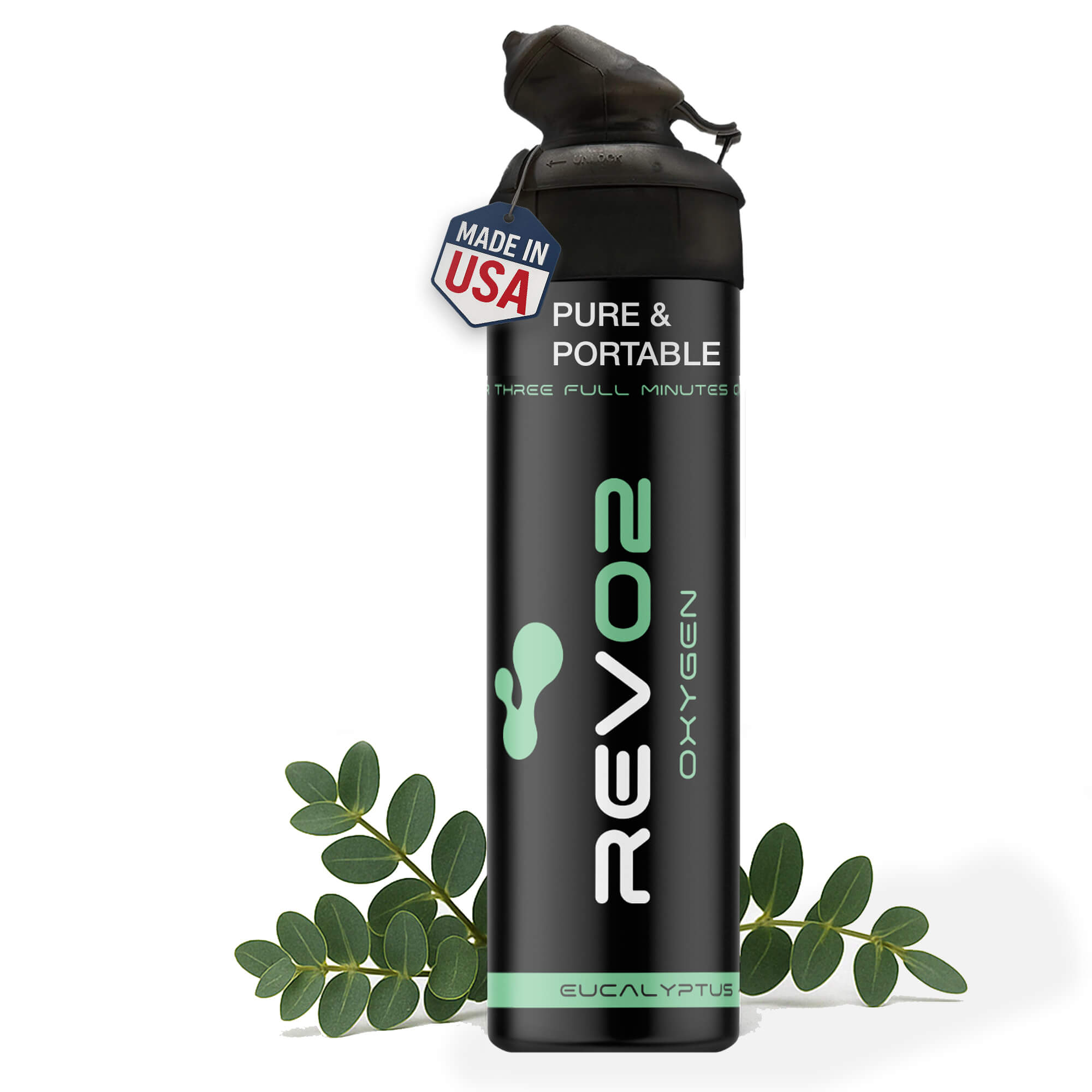
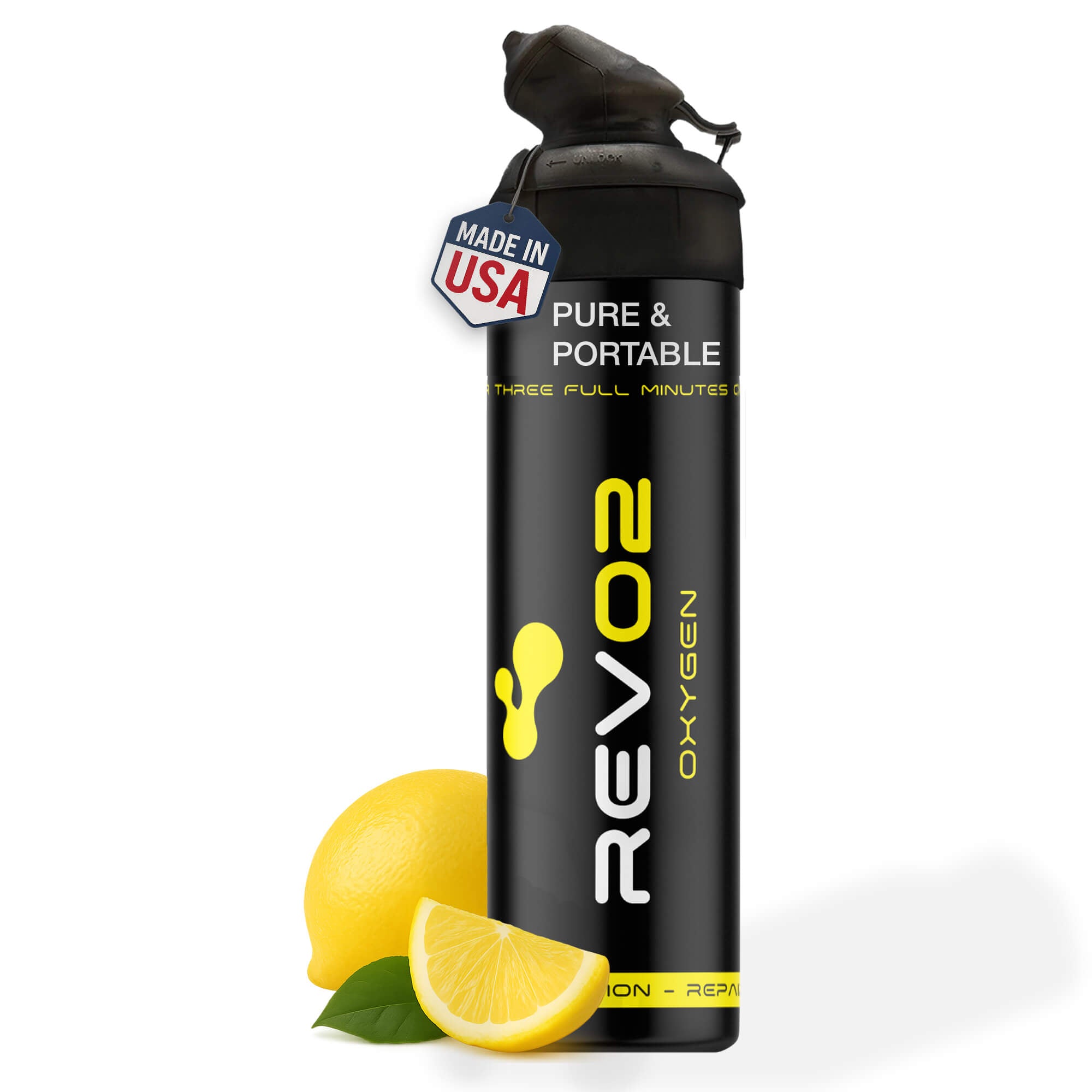
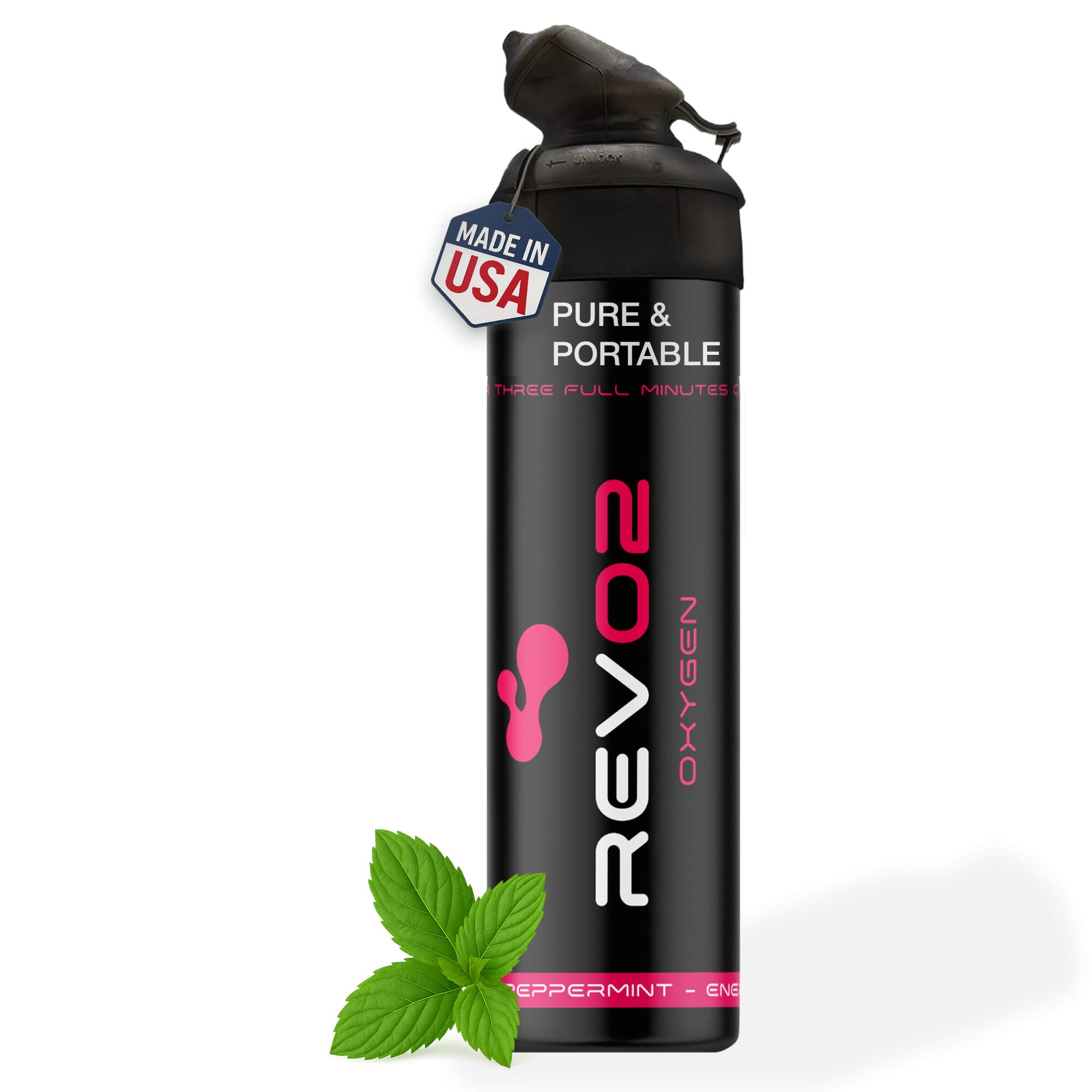
A staged ascent and a pulse oximeter will do more for your brain fog than anything in a can, but there’s real value in having a fast, portable option for the rough patches in between. Revo2’s canned oxygen lineup comes in three formulations built around different needs: Peppermint for energy and endurance during a demanding push, Lemon for recovery and immune support after a long day, and Eucalyptus for focus and relaxation when your head needs to clear.

Each can delivers 98% pure oxygen through a zero-leak mouthpiece, so nothing escapes between inhales, unlike bulkier mask-based systems built for clinical settings rather than a backpack. That makes it a genuinely travel-friendly option for hikers, athletes, and altitude travelers who want something to reach for during a foggy moment while they rest, hydrate, and assess whether descent is the right call. Full usage instructions live on Revo2’s safety and how-to guide, which is worth reading before your trip, not during it. If moderate or severe symptoms show up, descent and medical care come first. For everything short of that, browse the full product lineup and pack a can before your next high-elevation trip.
Sources
- Wilderness Medical Society Practice Guidelines for the Prevention and Treatment of Acute Altitude Illness_ 2014 Update
- Meta-analysis: high-altitude hypoxia impact on cognitive function
- Mechanism, prevention and treatment of cognitive impairment caused by high altitude exposure
- Does oxygen in a can deliver on its altitude and energy claims? (CU Anschutz)
FAQ
Does Zofran help with altitude sickness?
Zofran (ondansetron) can help control the nausea and vomiting that often accompany acute mountain sickness, but it does nothing to address the underlying hypoxia or brain fog. It’s a symptom-control tool, not a treatment for altitude illness itself, and it doesn’t replace descent, oxygen, or acetazolamide when those are indicated.
What are the best electrolytes for high altitude?
Sodium and potassium replacement supports fluid balance during the heavier breathing and increased urination altitude causes, and most standard electrolyte mixes work fine for this purpose. There’s no altitude-specific electrolyte formula proven superior, so consistent hydration matters more than any particular brand or blend.
How can I prevent altitude sickness naturally?
The strongest non-drug prevention is staged ascent: keep sleeping-elevation gains under about 1,600 feet per day above 10,000 feet, and build in rest days. Prioritizing sleep, staying hydrated, avoiding alcohol, and shifting toward carbohydrate-heavy meals during acclimatization all support the process, though none replace pacing your climb correctly.
Which essential oils can help with altitude sickness?
Essential oils like peppermint or eucalyptus, the kind found in flavor-infused canned oxygen products, may offer a pleasant sensory boost, but there’s no strong clinical evidence they treat altitude sickness or reverse hypoxia-driven brain fog. Treat them as a comfort measure alongside proven strategies like staged ascent and acetazolamide, not a substitute for them.
How long does altitude brain fog usually last?
Mild cognitive fog from acute mountain sickness typically resolves within 24 to 48 hours if you rest at your current elevation and avoid climbing higher. Most travelers notice substantial improvement by day three to five as acclimatization catches up, though full recovery timing varies by individual risk factors and elevation.