
Yes, you can get altitude sickness in Aspen. The town sits at 7,908 feet above sea level, high enough that visitors from sea level often feel a headache, poor sleep or unusual tiredness in the first day or two. Most cases are mild and pass as your body adjusts. This guide explains why Aspen’s elevation matters, what the symptoms look like, how to prepare, and when a symptom stops being a nuisance and becomes a reason to go down and see a clinician.
TL;DR
- Aspen is at about 7,908 feet, and the lifts and trails take you several thousand feet higher.
- Mild altitude sickness feels like a hangover: headache plus tiredness, dizziness, nausea or poor appetite, usually starting 2 to 12 hours after arrival.
- Take it easy for the first 48 hours, skip or limit alcohol, drink plenty of water, and consider sleeping the first night in Denver.
- Worsening breathlessness at rest, a persistent cough, confusion or stumbling means descend and get medical care right away.
- A small can of oxygen can give brief comfort, but it does not replace acclimatization or descent.
Table of Contents
- How high is Aspen, really?
- Who is likely to feel it
- Symptoms and timing
- How to prepare before you arrive
- A simple first-48-hours plan
- What to do if symptoms start
- Warning signs that need urgent care
- Where supplemental oxygen fits
- Our perspective
- Pack a can for your Aspen trip
- FAQ
- Sources
How high is Aspen, really?
The City of Aspen’s recreation guide puts the town at 7,908 feet, with a high alpine climate, low humidity and year-round sunshine. The city’s own visitor guidance rounds that to close to 8,000 feet (2,438 meters) and describes Aspen as one of the most elevated cities in the United States.
That is the floor, not the ceiling. According to Aspen Valley Health, the Roaring Fork Valley starts at 5,761 feet in Glenwood Springs and climbs to 7,908 feet in Aspen, while the summits of Aspen Mountain, Aspen Highlands, Snowmass Mountain and Independence Pass average just over 12,000 feet. The same health system notes that skiing or hiking can add another 3,000 to 4,000 feet of ascent, with less oxygen and less humidity than at sea level.
The air at altitude is not a different mixture. It contains the same share of oxygen, but lower air pressure means each breath delivers less of it. If you want the physics in plain language, our explainer on what happens to the air you breathe at 10,000 feet walks through it.
Who is likely to feel it
Aspen Snowmass says altitude sickness is common at 8,000 feet and that about 20% of people develop mild symptoms between 2,000 and 3,000 meters (6,300 to 9,700 feet). Guests arriving from sea level or other low elevations are the ones who most need to give their bodies time to adjust.
The city’s Good Neighbor Guide adds a reassuring note: many visitors are not affected by the altitude at all. Others notice shortness of breath on the stairs, a slight headache, increased thirst and sometimes disturbed sleep. You cannot reliably predict which group you will fall into from your fitness level alone, so plan as if you might feel it.
A few situations deserve extra care:
- Arriving fast from sea level. A morning flight into Aspen or a drive straight from Denver gives your body very little transition time.
- Underlying heart or lung conditions. The American Lung Association advises that anyone visiting an unfamiliar altitude should speak with a health care provider before traveling, especially with asthma, emphysema or pulmonary fibrosis.
- Other chronic conditions. The National Park Service notes that travelers with high blood pressure, diabetes, or conditions affecting the brain, heart and lungs face greater danger in the mountains.
- Seniors. If you are older or traveling with an older relative, a conversation with a primary care provider before the trip is a sensible first step.
Symptoms and timing
The CDC describes acute mountain sickness (AMS) as feeling much like an alcohol hangover. Headache is the cardinal symptom, usually joined by at least one of loss of appetite, dizziness, fatigue, nausea or occasionally vomiting.
Onset is typically 2 to 12 hours after arrival or after climbing to a higher elevation, often during or after the first night. The same CDC chapter says AMS generally resolves within 12 to 48 hours if you do not ascend farther. That timing explains why the first night in town is often the worst one.
Aspen Valley Health lists a wider set of things visitors report: nausea, insomnia, shortness of breath, headache, constipation, intestinal gas, restlessness, a fast heartbeat, nasal congestion, cough and fatigue. They also point out that several of these can be caused by heart disease or an infection, which is one more reason to get checked if something feels off rather than assuming it is only the elevation.

Sleep is often the first thing to go
Light, broken sleep and vivid waking in the night are among the most common complaints. If that is your experience, our guide to sleeping better at altitude in the first 3 to 7 nights covers practical habits for the first few evenings.
Headache
A pounding headache on day one is the classic sign. Hydration, rest and an over-the-counter pain reliever are the usual first steps, and our overview of high altitude headache relief options goes through what travelers commonly try. Check with your doctor or pharmacist about any medication that suits your health history.
How to prepare before you arrive
The National Park Service puts it simply: the easiest way to treat AMS is to prevent it. For an Aspen trip, prevention comes down to a few choices you make before and during the first days.
Stage your ascent
Aspen Valley Health suggests spending your first night in Colorado in Denver (5,280 feet), roughly 3,000 feet lower than Aspen, then taking it easy for the first day or two after you arrive in town. If you want to know what Denver itself does to your oxygen level, we wrote about it in why Denver at 5,280 feet lowers your oxygen.
For longer itineraries that continue higher, the CDC recommends acclimatizing for a minimum of 2 to 3 nights at around 8,000 to 9,000 feet before going higher. The Wilderness Medical Society guidance cited there advises against ascending to a sleeping altitude of 9,000 feet or more in a single day, and, once above 9,800 feet, rising no more than about 1,650 feet per night in sleeping altitude. Aspen Valley Health’s guide adds a planned extra day of acclimation for every 3,300 feet you climb.

Hydrate and watch alcohol
The city’s recreation guide recommends drinking twice the amount of water you would at home and monitoring alcohol over the first few days, because you will feel it faster than usual. The CDC goes further and advises avoiding alcohol for the first 48 hours and keeping exercise mild for those same 48 hours.
One small detail from the same CDC guidance: keep up your regular caffeine habit. Dropping it suddenly can cause a withdrawal headache that is easy to mistake for an altitude headache.
Think about what you take with you
Some travelers also read about supplements and routines for the trip. Our roundup of supplements people consider for altitude sickness is a starting point for questions to bring to your clinician, and if you are curious about prescription options, our five-night plan for avoiding altitude sickness without Diamox explains how pacing and habits fit together. Endurance athletes who train in the mountains often also read about cordyceps for endurance athletes; as with any supplement, run it past your doctor first.
A simple first-48-hours plan
Here is a practical rhythm for a sea-level visitor:
- Day of arrival: Eat a normal, carbohydrate-friendly dinner, drink water steadily, and skip the celebratory cocktails. Walk slowly.
- First night: Keep your room cool and your head slightly raised if you can. Expect lighter sleep than usual.
- Day two: Choose a gentle stroll through town or along the river rather than a summit hike. Carry water and sun protection, since the air is dry and the sun is strong.
- Day three onward: Add activity in steps. If a day at 8,000 feet feels easy, you can plan something higher the next day, keeping your sleeping elevation at or near town level.
For more trip planning detail across the state, see our Colorado altitude tips.
What to do if symptoms start
For mild symptoms, Aspen Valley Health advises resting, not going higher for one to two days, drinking plenty of water, and considering a pain reliever or anti-nausea medication. If symptoms get worse, descend as quickly as you can. The CDC notes that AMS improves rapidly with a descent of 300 meters (1,000 feet) or more, and in the Aspen area that can be as simple as heading down-valley.
Aspen Valley Health’s primary care team puts the principle well: symptoms are a warning to scale back and protect yourself, and listening to your body matters above all.
Where to get care locally
If symptoms persist or worry you, Aspen Valley Health says to call 911 or visit Aspen Valley Health in Aspen, the Snowmass Clinic in Snowmass Base Village, or After-Hours Medical Care in Basalt. On the mountain, call ski patrol.
Warning signs that need urgent care
Most altitude sickness stays mild. A small number of cases turn into high-altitude pulmonary edema (HAPE, fluid in the lungs) or high-altitude cerebral edema (HACE, swelling of the brain). Gunnison Valley Health reports that HAPE affects between 1 in 1,000 and 1 in 10,000 outdoor enthusiasts in Colorado each year, and that HACE is rare at elevations under 11,500 feet but can be life-threatening.
Their physician’s guidance is direct:
- Struggling to breathe while resting, or a significant or persistent worsening cough: get seen right away.
- Acting confused, stumbling, or hard to wake: get the person to a lower elevation and to medical care immediately.
Aspen Valley Health also lists worsening shortness of breath, increased cough and severe trouble breathing among the more serious symptoms, with care available at its emergency department or an after-hours urgent care clinic. Do not wait for these to pass overnight, and never let someone with these signs go higher.
Where supplemental oxygen fits
The CDC Yellow Book explains that supplemental oxygen at 1 to 2 liters per minute improves headache within about 30 minutes and resolves other AMS symptoms over hours, although it is rarely available. It also states that the small handheld cans of compressed oxygen can provide brief relief but hold too little oxygen, 5 liters at most, for sustained improvement.
That is the right way to think about a portable can: a short, convenient breather for a moment of breathlessness or fatigue, used alongside the habits above. It is not a substitute for acclimatizing, and it is never a reason to keep climbing when symptoms are getting worse. Descent and medical care come first. For more on how portable oxygen is used by hikers and travelers, see our piece on supplemental oxygen for altitude and our guide to fast altitude nausea relief for hikers.
Our perspective
We built REV/O2 for people who want a little more support from the air they breathe: athletes after a hard session, hikers on a high trail, travelers stepping off a plane into thin air, and anyone having a draining day.
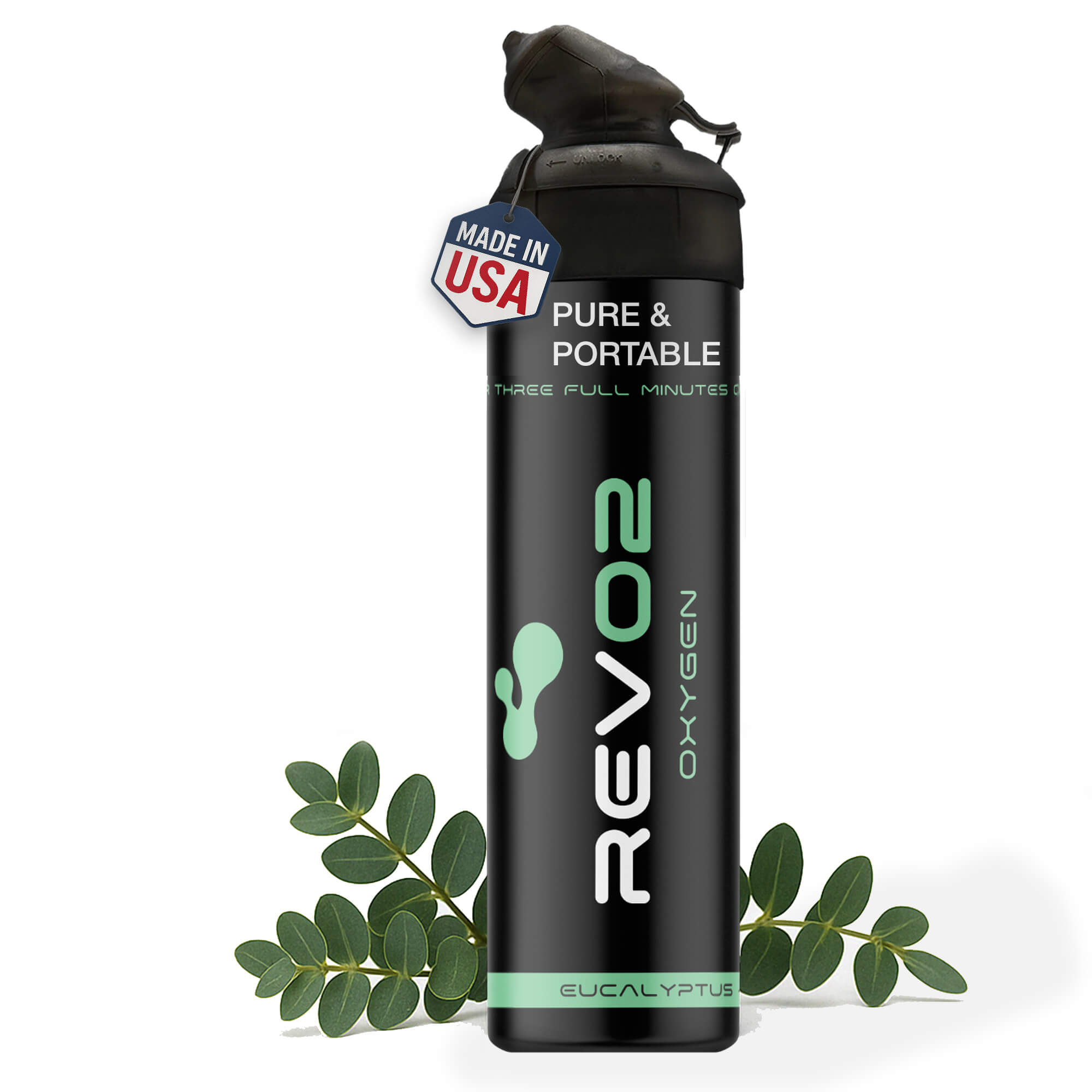
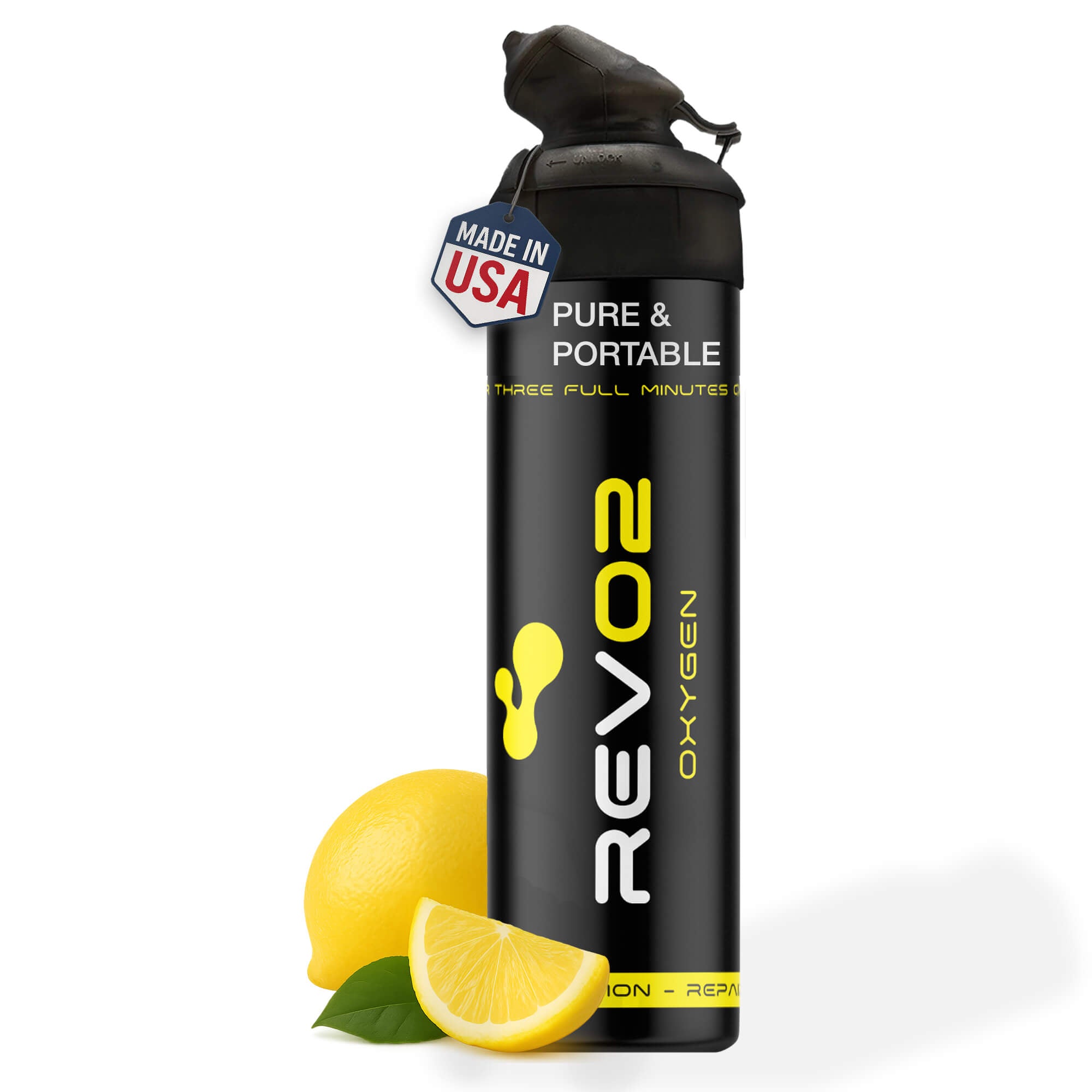
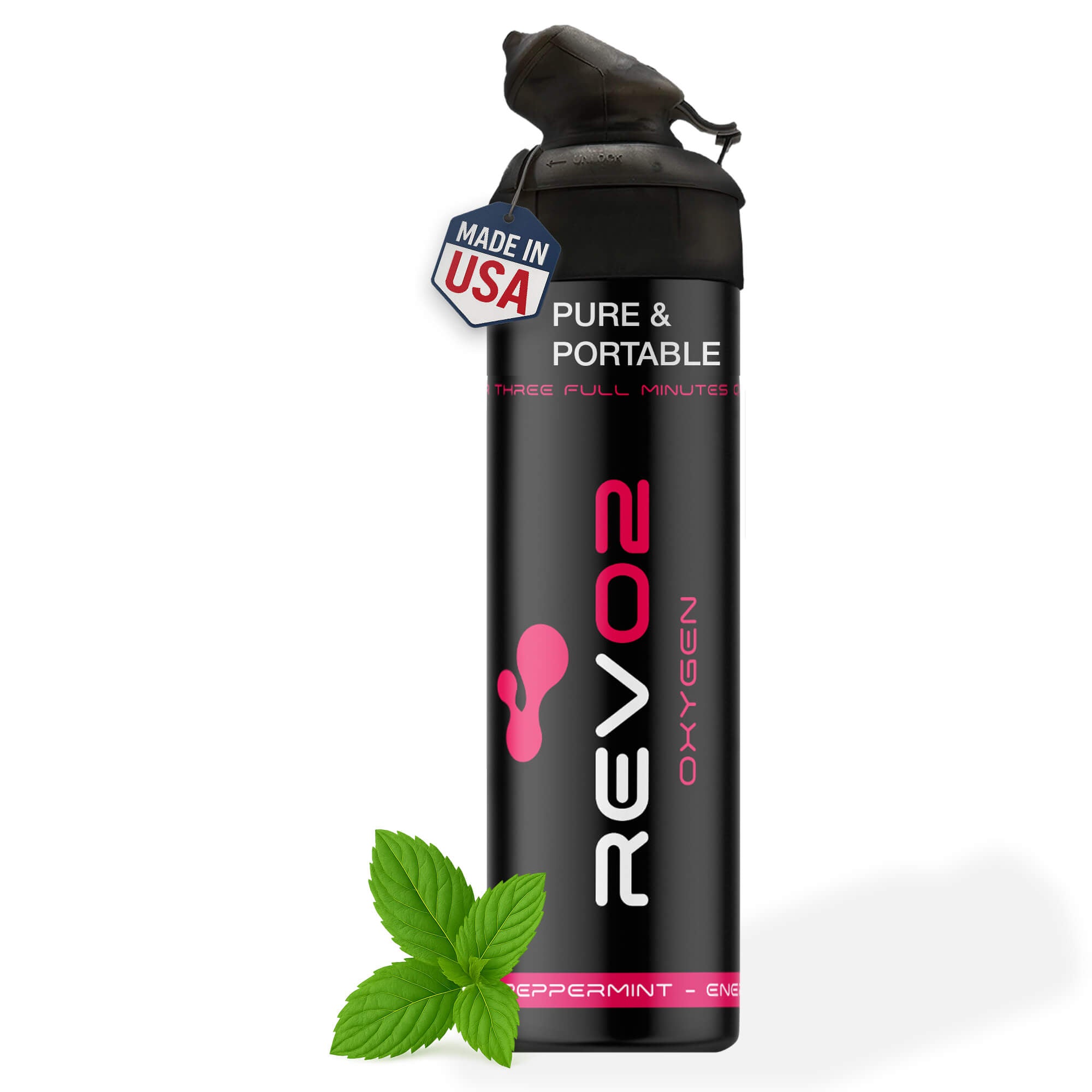
Our cans hold 98% pure oxygen, with peppermint, lemon or eucalyptus essential oil infusions, and a zero-leak mouthpiece and trigger-lock cap designed so that less of each breath of oxygen is wasted. There is no mask, no prescription and no heavy equipment to carry.
In a place like Aspen, we see portable oxygen as one more tool in a calm, sensible routine: arrive gradually, hydrate, rest, pace your first days, and keep a can in your bag for the moments when you want a quick, easy breath of oxygen-rich air. We are also clear that serious symptoms call for descent and a clinician, not for another few breaths from a can.
That honesty is part of why we design for everyday use, and why we encourage you to treat your body’s signals with respect.
Paul
Pack a can for your Aspen trip
If you want a portable option for the first days at elevation, REV/O2 makes 98% pure oxygen cans in three blends: Peppermint for energy and endurance, Lemon for recovery and immunity, and Eucalyptus for focus and relaxation. You can compare them on our canned oxygen collection, or go straight to the peppermint 10L can if energy on the trail is your priority.

For groups or longer stays, our bundle builder lets you mix blends. Check the product pages for current pricing and details.
FAQ
Is Aspen high enough to make you sick?
For some people, yes. Aspen is about 7,908 feet, and about 20% of people develop mild symptoms between 6,300 and 9,700 feet. Many visitors feel nothing, while others notice a headache, poor sleep or breathlessness on stairs. Arriving gradually and resting early on lowers the odds of a rough start.
When does altitude sickness start after arriving in Aspen?
The CDC says onset is usually 2 to 12 hours after arrival, often during or after the first night. Aspen Snowmass describes a similar window and compares the feeling to a bad hangover. Mild AMS typically fades within 12 to 48 hours if you do not go higher.
How long does it take to adjust to Aspen’s elevation?
Mild symptoms commonly ease within a couple of days. Full acclimatization takes longer: Aspen Snowmass says it takes about three to six weeks for the body to fully acclimate to high altitude. For a short trip, plan a gentle first two days rather than waiting to feel perfect.
Should I go to the hospital for altitude sickness in Aspen?
Seek care right away for trouble breathing at rest, a worsening cough, confusion, stumbling or difficulty waking. Aspen Valley Health advises calling 911 or visiting its emergency department, Snowmass Clinic or After-Hours Medical Care in Basalt when symptoms persist or worry you. Descend while you arrange care.
Can canned oxygen help with altitude sickness?
The CDC says small handheld cans can give brief relief but hold too little oxygen for sustained improvement. Use a can as a short, convenient breather, and rely on rest, hydration, gradual ascent and descent if symptoms worsen.
Sources
- A-Z Guide, City of Aspen Recreation
- Living at Altitude: A Guide for Visitors and Locals, Aspen Valley Health
- The Effects of Altitude Sickness in Aspen, Aspen Valley Health
- An Acclimatization Guide to High Altitude, Aspen Valley Health
- Tips for Healthy Living at Altitude, Aspen Valley Health
- Guide to Altitude Sickness and Elevation in Aspen Snowmass
- High-Altitude Travel and Altitude Illness, CDC Yellow Book
- How Altitude Sickness Affects Your Lungs, American Lung Association
- Altitude Sickness: What Are the Signs and When to Seek Care, Gunnison Valley Health
- Acute Mountain Sickness, Rocky Mountain National Park