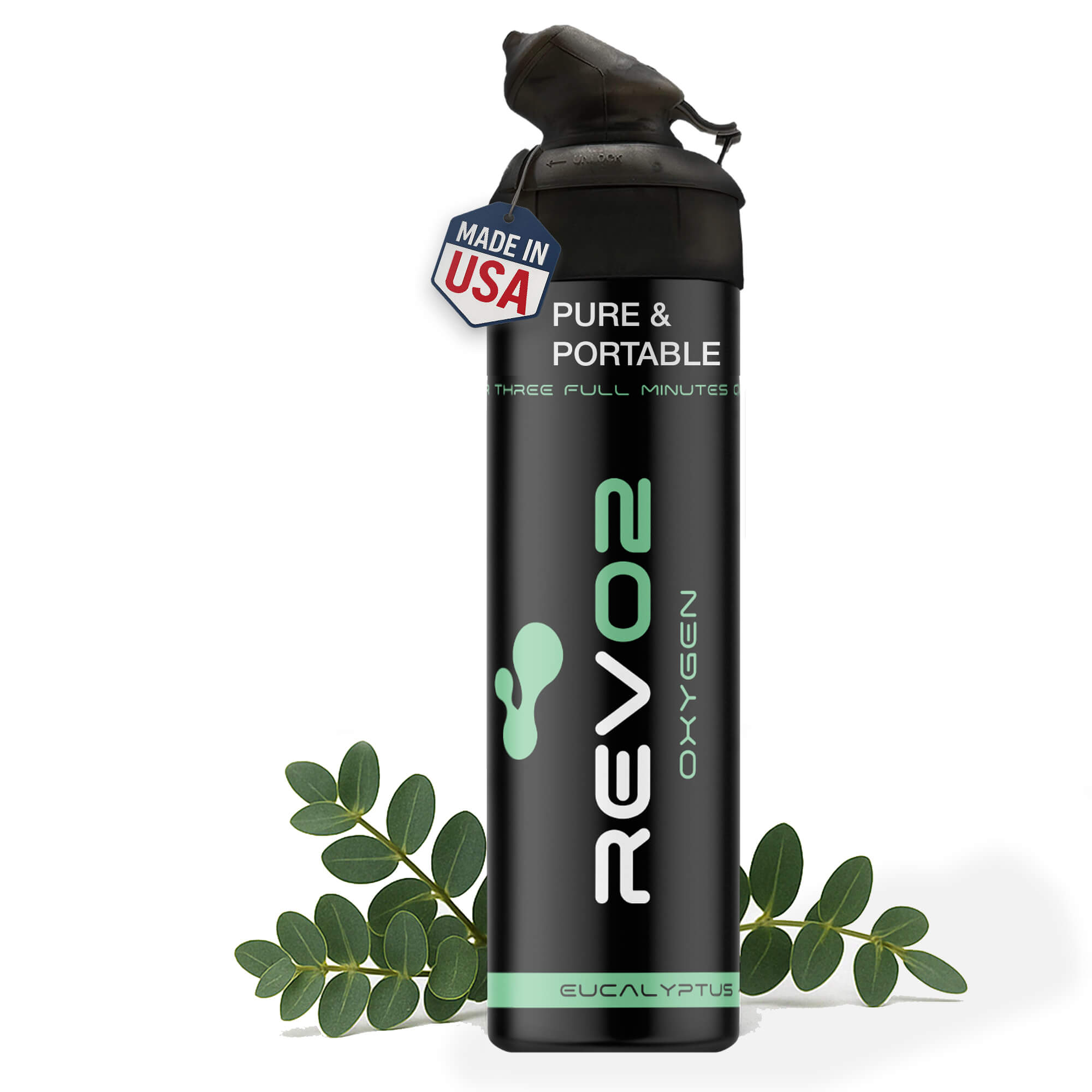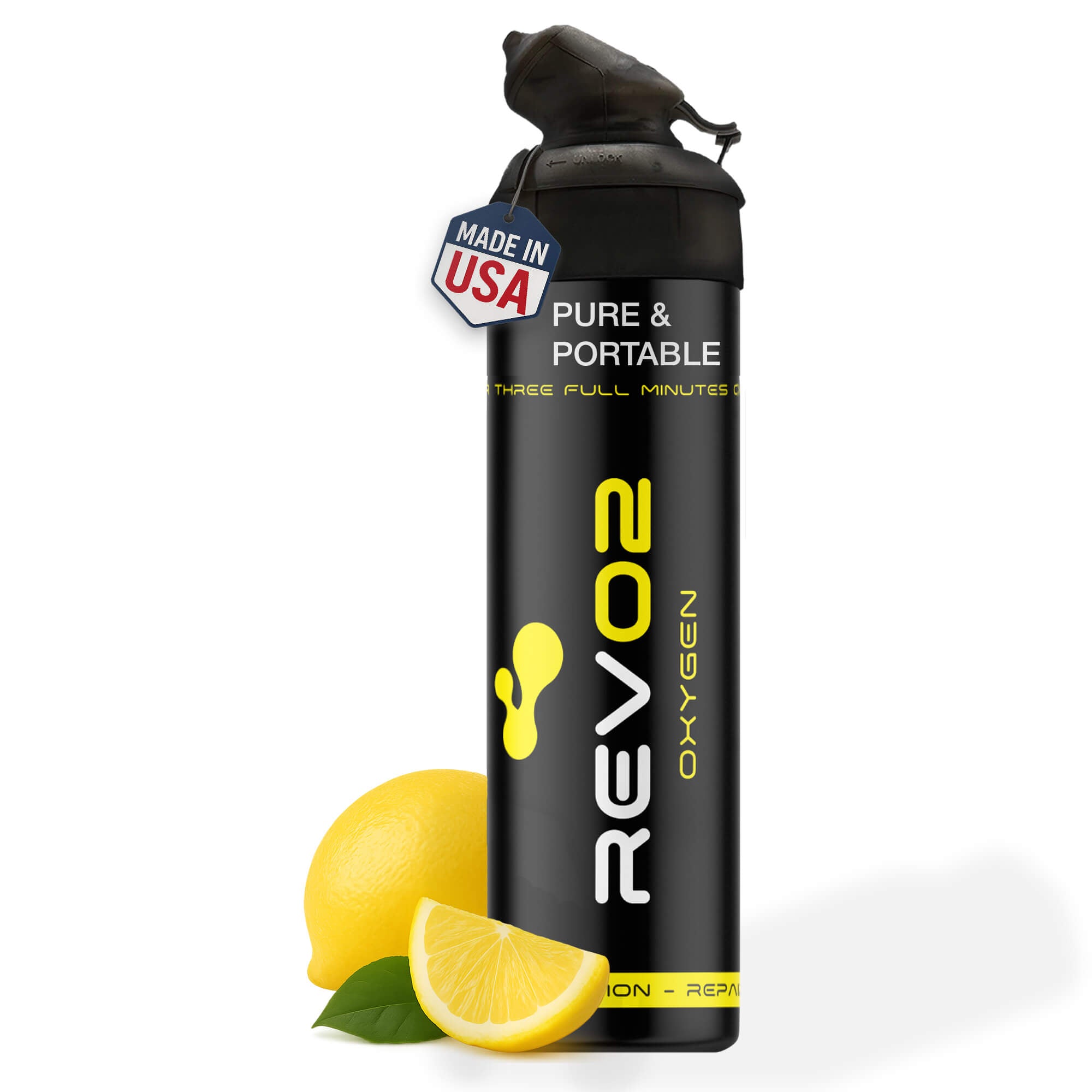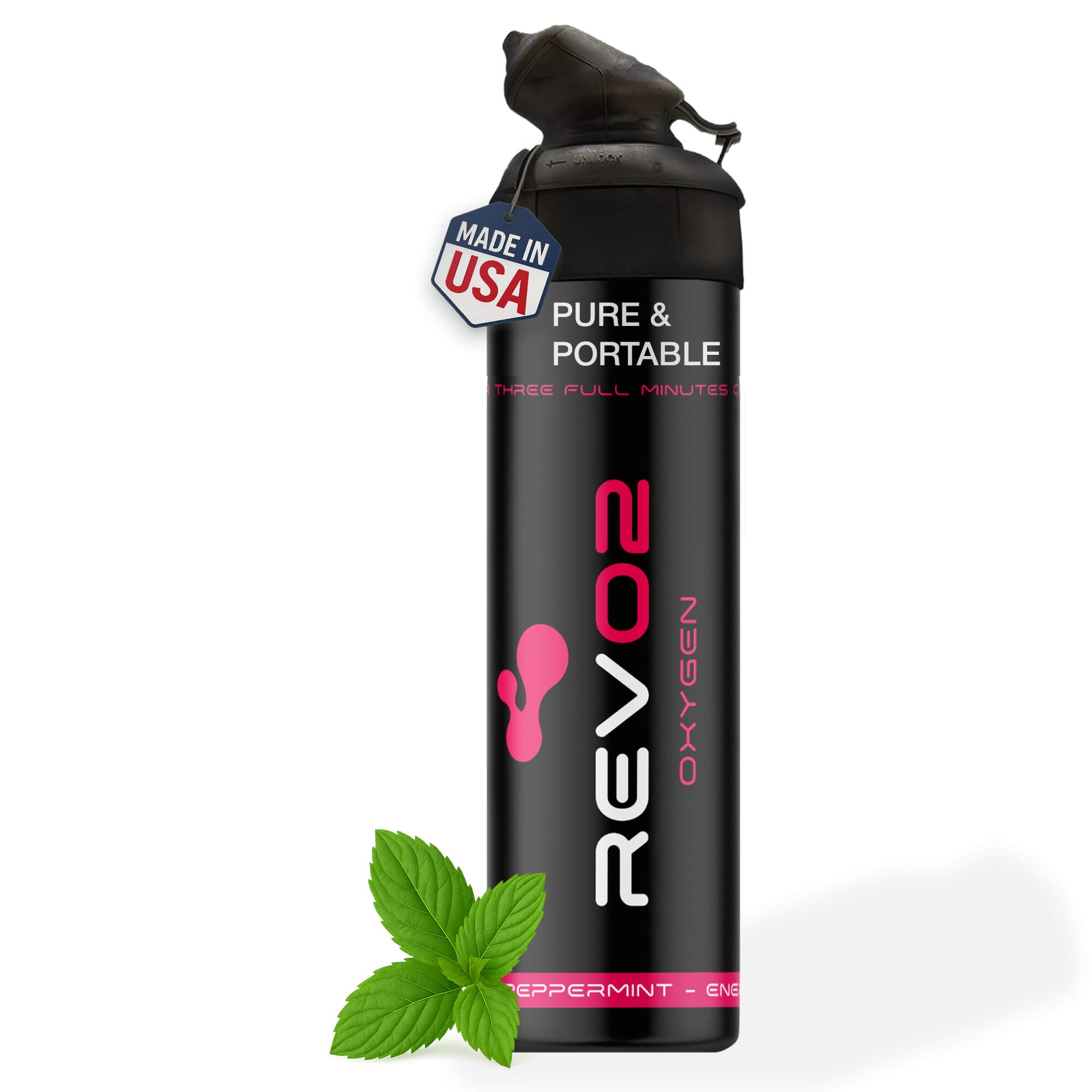

Yes, supplemental oxygen can give fast, temporary relief for breathlessness and mild altitude symptoms while snowboarding, but it is not a replacement for acclimatization or medical treatment for serious altitude illness. Canned oxygen offers brief relief between runs, while concentrators and cylinders provide more sustained support for longer stays. Descent remains mandatory when symptoms turn severe, a point the CDC Yellow Book makes clear.
TL;DR:
- Above roughly 2,750 meters, limit sleeping altitude gains to about 500 meters nightly and add an acclimatization day per 1,000 meters gained.
- Handheld cans provide only brief relief, while studies associate 1 to 3 liters per minute with correcting hypoxemia; exertion may require more than resting flow.
- Persistent or worsening symptoms call for stopping activity and descending; oxygen cannot treat high altitude pulmonary or cerebral edema or replace medical care.
- Portable concentrators suit longer stays but add weight and require batteries, while rental cylinders need secure storage and canned oxygen suits short recovery breaks.
Table of Contents
- How altitude affects your performance and the symptoms to expect
- Types of supplemental oxygen you may use on a snow trip
- What the evidence shows about oxygen flow rates and altitude
- Safe use, dosing cues, and a packing checklist for your trip
- Planning your trip to reduce how much oxygen you actually need
- An athlete’s view on oxygen, recovery, and the mountain
- How REV/O2 fits into your snowboarding kit
- FAQ
- Sources
How altitude affects your performance and the symptoms to expect
Mountain air at resort elevation carries less oxygen pressure than your body is used to at sea level. That drop in partial pressure of oxygen means each breath delivers less oxygen to your blood, so your muscles tire faster and recovery between runs slows down. Most riders feel this within the first day, and the effects tend to build before they fade.
Common signs show up on a fairly predictable timeline, often within 6 to 24 hours of arrival:
- Shortness of breath on runs that would feel easy at home
- Earlier fatigue partway through a session
- Slower recovery between runs or on the lift line
- Headache, mild nausea, or trouble sleeping at night
Exertion and sleep both make hypoxemia worse, since your breathing rate naturally slows at rest and deepens the oxygen deficit. A single day trip to a high-elevation resort carries a different risk profile than a multi-night stay, since your body has less time to adjust before you are back on the lift.
Types of supplemental oxygen you may use on a snow trip
Several formats exist, and each fits a different situation rather than one replacing the others.
- Canned oxygen holds a fixed volume, often measured in total liters and one-second draws, and works best for brief relief or a quick recovery boost between runs rather than sustained treatment.
- Portable oxygen concentrators pull oxygen from ambient air and deliver it as a continuous or pulsed dose. They weigh more and need batteries, which makes them better suited to longer stays where sustained support matters more than packability.
- Rental cylinders and mountain medical oxygen are arranged through clinics or rental outfits near the resort and require secure storage. These make sense when a trip plan already anticipates a higher medical need, not as a casual add-on.
- Oxygen bars in resort towns offer short recreational sessions that can feel good but are not designed to treat altitude illness or correct meaningful hypoxemia.
Matching the format to the trip length and your own risk tolerance matters more than picking the most powerful option available.
What the evidence shows about oxygen flow rates and altitude
The CDC Yellow Book recommends gradual ascent as the primary defense against altitude illness and notes that 1 to 2 liters per minute of oxygen can improve an altitude headache within about 30 minutes. It also points out that small handheld cans hold limited oxygen and provide only brief relief, making them unsuitable for sustained treatment throughout a whole day.

A pilot hypobaric-chamber study found that 2 liters per minute of continuous flow at rest substantially improved oxygen saturation at simulated extreme altitude, an effect researchers described as an equivalent altitude lowering. A separate chamber study comparing low-flow oxygen with pulsed-dose portable concentrators at 14,000 feet found that oxygen flows in the range of 2 to 3 liters per minute corrected hypoxemia in unacclimatized subjects, and that concentrators could be titrated to reach similar saturation levels.
A few points worth holding onto:
- Oxygen saturation improves in steps as flow rate increases, not all at once.
- Exercise increases oxygen demand, so resting flow rates may not be enough during exertion.
- Field research at very high altitude also found that low-flow oxygen during exertion improved performance and reduced AMS symptoms when acclimatization fell short.
None of this changes one fact: oxygen treats hypoxia, but descent and medical care remain necessary for high-altitude pulmonary or cerebral edema.
Safe use, dosing cues, and a packing checklist for your trip
Supplemental oxygen works best as a short-term tool, not a stand-in for good judgment on the mountain.
- Reach for oxygen for brief breathlessness or to speed recovery between runs, never to push through worsening symptoms.
- Treat 1 to 3 liters per minute as the general range studies associate with correcting hypoxemia, keeping in mind that canned oxygen is measured in draws rather than a flow rate.
- Check whether sustained oxygen use requires a prescription in your setting, and store batteries or cylinders securely during transport.
- Keep the mouthpiece clean between uses to avoid basic hygiene issues.
- Pack your oxygen product, any cannula or mouthpiece accessory, spare batteries or a charger, the instructions, and a clear plan for descending if symptoms worsen.
Pro Tip: Keep a can within arm’s reach at the top of the lift, not buried at the bottom of your pack, so recovery starts the moment you need it.
Our how-to guide for using supplemental oxygen walks through these steps in more detail, including safe dosing habits for high-altitude activity.
Planning your trip to reduce how much oxygen you actually need
Acclimatization still does more for you than any canister. The CDC and Wilderness Medical Society guidance suggests limiting sleeping-altitude gains to roughly 500 meters per night above about 2,750 meters, with an extra acclimatization day for every 1,000 meters gained.
A few habits lower your risk before you ever need oxygen:
- Arrive a day early when possible and prioritize sleep that first night.
- Hydrate consistently and limit alcohol, since both affect how well you adjust.
- Pace your first day on the mountain instead of pushing full runs immediately.
- Ask a clinician about acetazolamide or arranging medical oxygen at your destination if you have a history of altitude symptoms.
Persistent or worsening symptoms, rather than mild tiredness, are the clear trigger to change plans and descend.
An athlete’s view on oxygen, recovery, and the mountain
Supplemental oxygen earns its place as a recovery aid between runs, not a cure for pushing past your limits. We keep the message safety-first: acclimatize first, use oxygen to support that process, and talk to a clinician if you carry a preexisting respiratory or heart condition. Canned oxygen fits neatly into that supporting role for athletes who want a practical option in their kit.
— Paul
How REV/O2 fits into your snowboarding kit
We built REV/O2 canned oxygen around exactly this kind of short-term need: a quick draw of 98% pure oxygen through a zero-leak mouthpiece when you want faster recovery between runs or a lift against mild breathlessness on the mountain. It’s not a treatment for altitude illness, and we designed it with that limit in mind rather than around it.
- One variety supports energy and endurance for longer days on the slope.
- Another leans toward recovery and immunity support after a hard session.
- A third suits focus and relaxation during calmer moments between runs.
For pairing oxygen with other recovery habits, evidence-backed massage therapy in the 24 to 72 hours after a hard day can complement how your muscles bounce back. Our canned oxygen collection lays out the full lineup, and our how-to-use guide covers safe handling before your next trip. Always keep the medical caveat in mind: oxygen supports recovery, it does not replace acclimatization or care for serious symptoms.
This article is general information, not a substitute for advice from a qualified doctor. Consult a qualified healthcare professional about your own circumstances before acting on anything here.
FAQ
Does canned oxygen really work?
Canned oxygen can provide brief relief from mild breathlessness or support quicker recovery between runs, consistent with CDC guidance that small handheld cans offer short-term relief rather than sustained treatment. It is not designed to treat altitude illness on its own.
At what altitude do you need oxygen when climbing a mountain?
There is no single altitude that triggers a universal need for oxygen, since individual response varies widely. The CDC focuses guidance on gradual ascent above roughly 2,750 meters, where sleeping-altitude gains should stay limited and extra acclimatization days help reduce symptoms before oxygen becomes a consideration.
How long will canned oxygen last?
Duration depends on the can’s total liter capacity and how many one-second draws you take, since canned oxygen is measured that way rather than by a continuous flow rate. Most cans are built for several short sessions of brief relief rather than hours of continuous use.
What is the downside of using an oxygen concentrator?
Portable oxygen concentrators add weight and depend on batteries, which can be a tradeoff for snowboarders who want to travel light. Research comparing concentrators with low-flow oxygen found both can correct hypoxemia, so the choice often comes down to trip length and how much gear you want to carry.
Sources
- High-Altitude Travel and Altitude Illness | CDC Yellow Book™
- The Physiological and Altitude Lowering Effects of Different Supplemental Oxygen Flow Rates at Extreme Simulated Altitude: A Pilot Study - PubMed
- Portable oxygen concentrators vs cylinders at 14,000 ft - PubMed
- Supplemental oxygen improves performance and AMS symptoms at extreme altitude - PubMed