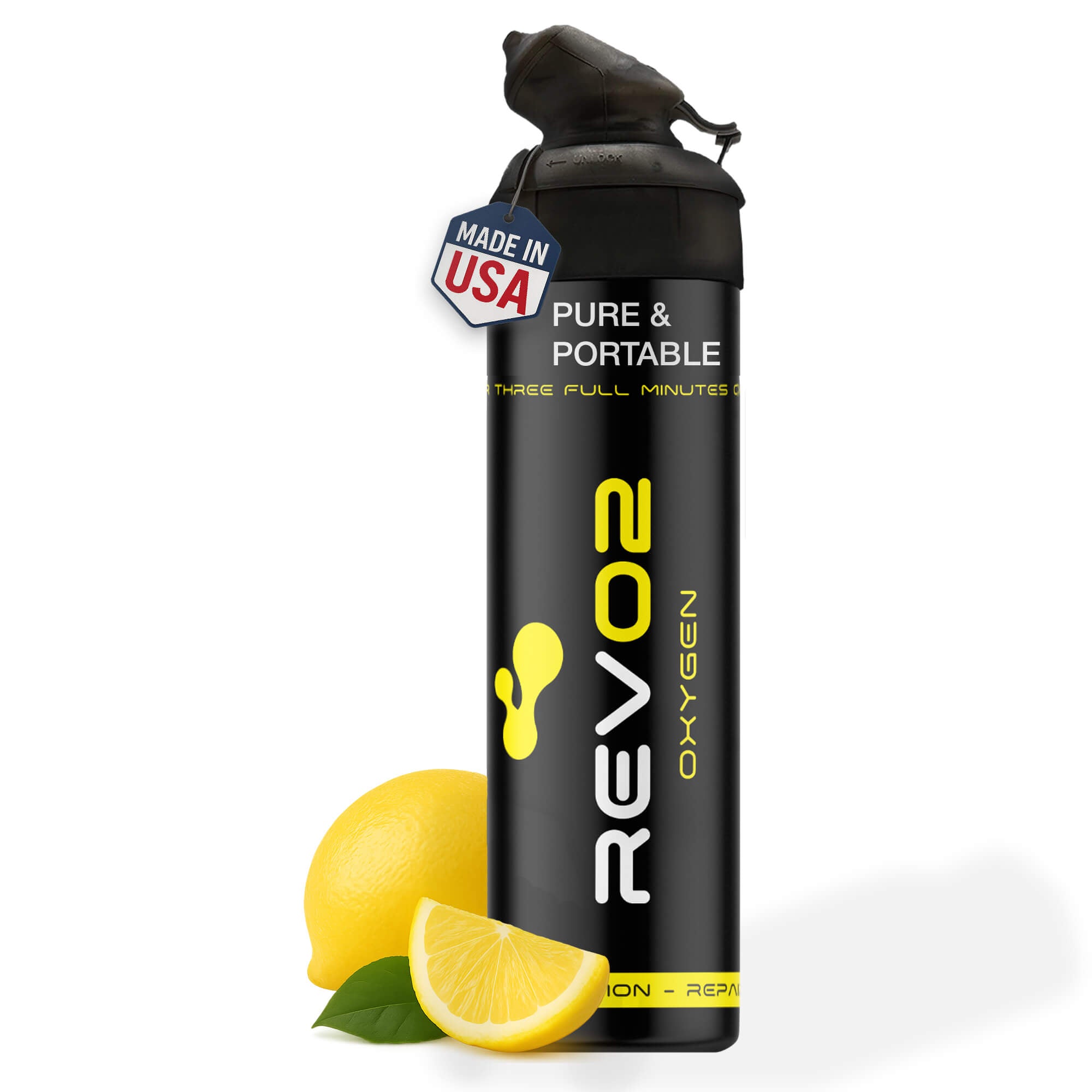

Lemon oxygen is a portable can of 98% pure oxygen with a lemon aroma, made for a short, pleasant breathing break after a workout, at altitude or during a long day. The benefits people look for are a fresher feeling, a calmer pause and support for recovery routines. Evidence for physical effects in healthy people is modest, and the lemon in the name is about aroma, not nutrition. This guide separates what the research supports from what is simply enjoyable, so you can decide whether it fits your routine.
TL;DR
- Lemon oxygen pairs 98% pure oxygen with a lemon aroma. Our Lemon Oxygen is positioned for recovery and immunity support, and that is our own product claim.
- The lemon aroma is not the same as drinking lemons. The vitamin C in lemon water comes from swallowing the fruit, not from smelling it.
- Research on healthy people has not shown that a few puffs of canned oxygen improve performance or recovery, so treat it as a short, refreshing pause rather than a training tool.
- Canned oxygen can briefly ease mild altitude symptoms while you breathe it, and symptoms may return.
- It is not medical oxygen. Anyone with lung disease or serious breathing trouble needs a clinician, not a can.
Table of Contents
- What lemon oxygen actually is
- What the lemon part contributes
- What the research says about the oxygen
- Who lemon oxygen suits
- How to use lemon oxygen well
- Safety: what to know before you use it
- Our perspective
- Try Lemon Oxygen
- FAQ
- Sources
What lemon oxygen actually is
A can of lemon oxygen holds oxygen at about 98% purity, flavored with a lemon essential oil aroma, and delivers it through a mouthpiece. Ordinary air is about 21% oxygen, so each breath from the can is richer in oxygen than the room around you. Consumer oxygen products typically fall in a range of about 90% to 95% purity, according to the National Council on Aging, so a 98% claim is at the high end of what you will see on shelves.
Three features set the format apart from clinical equipment:
- No mask and no prescription. You inhale directly from a mouthpiece.
- A zero-leak mouthpiece and trigger-lock cap. These are designed to cut waste so more of each puff reaches you.
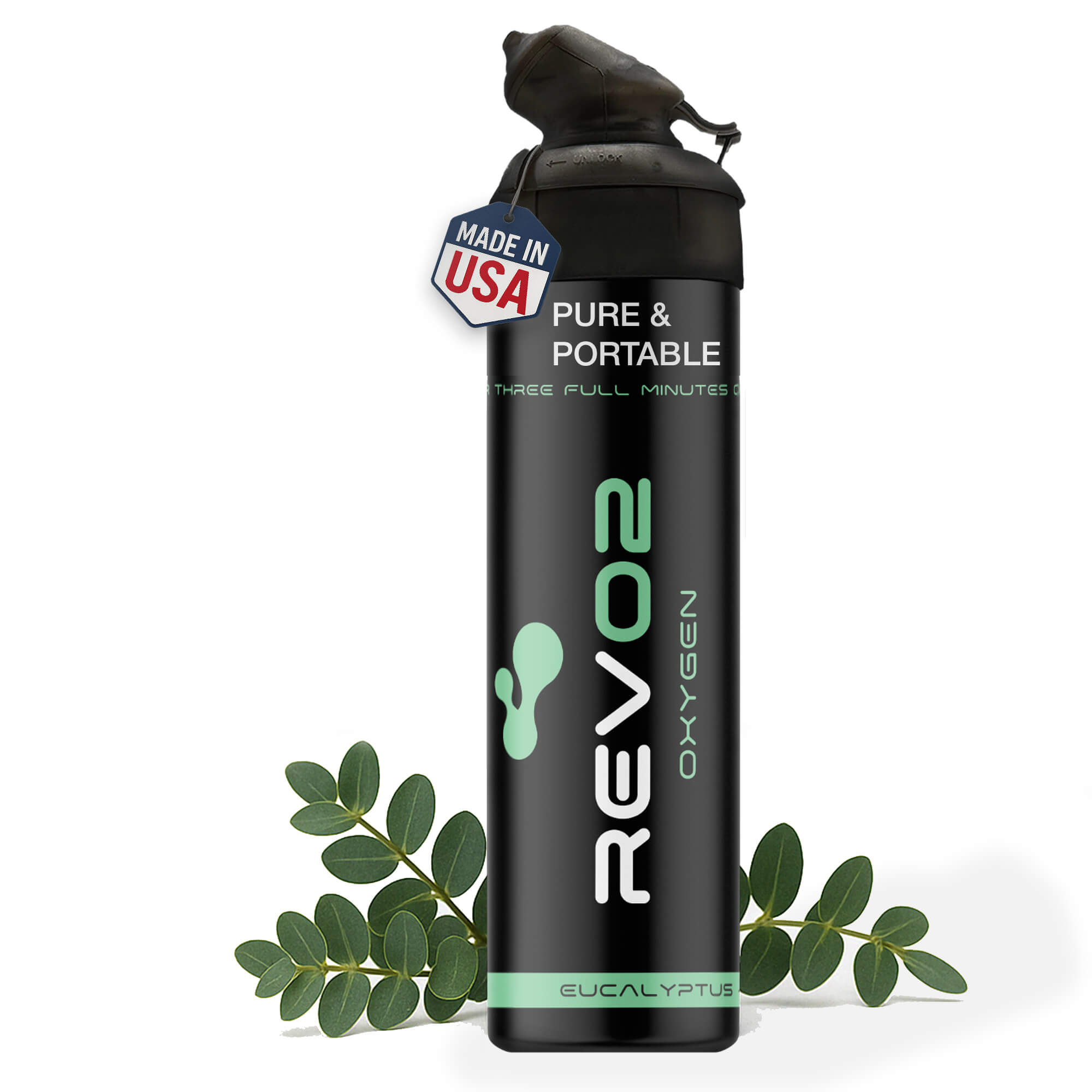
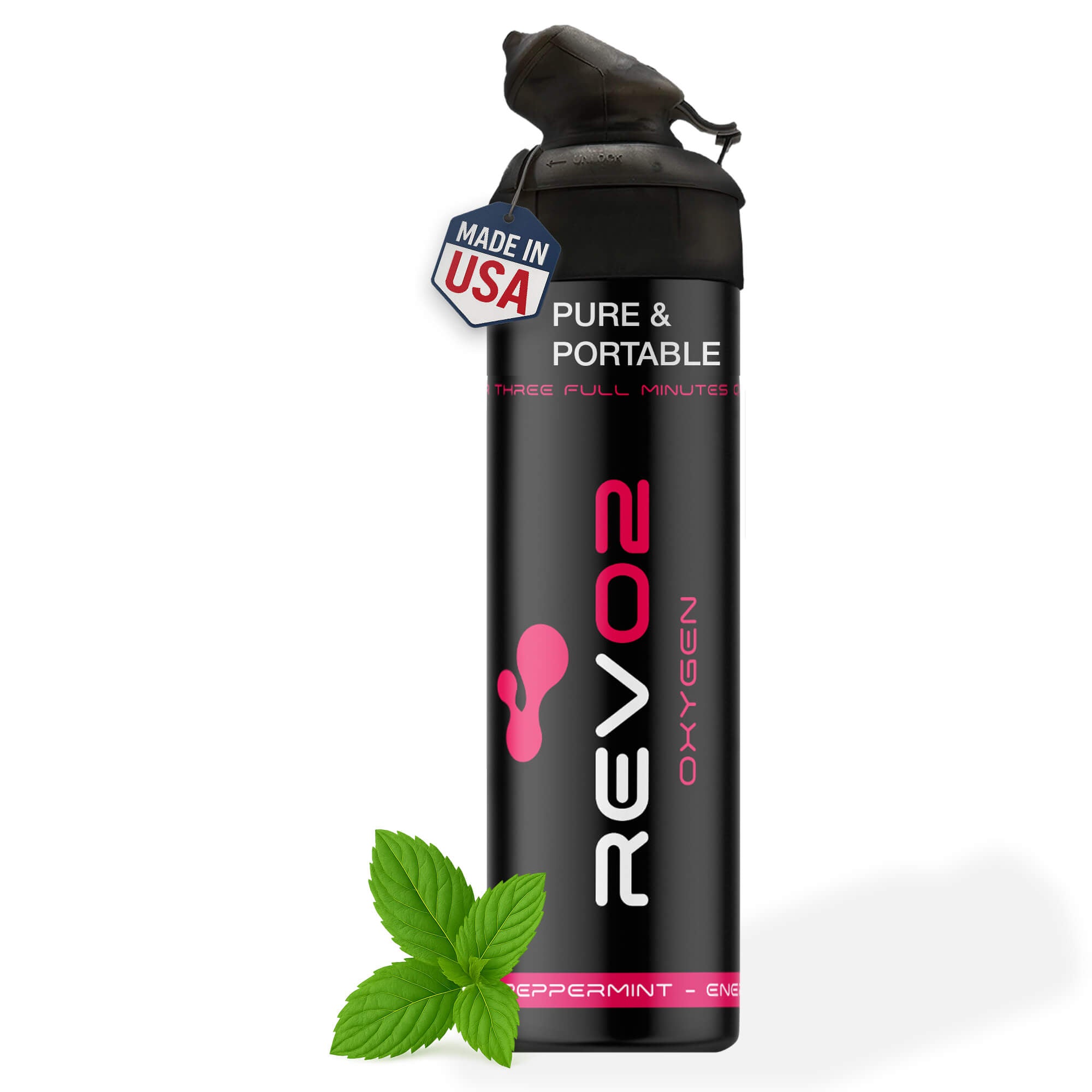
- A scent blend. Lemon is one of three options, alongside peppermint and eucalyptus.
We sell our lemon blend as Lemon Oxygen for recovery and immunity. That positioning describes what we designed the product for. The sections below explain how to read it against the independent research.
What the lemon part contributes
It helps to be precise about this, because search results for this topic mix up two different things: eating or drinking lemons and breathing a lemon aroma.
Lemons are rich in vitamin C, which supports the immune system. Half a lemon squeezed into water provides roughly 15 to 20 milligrams, according to Northwestern Medicine. That benefit comes from ingesting the fruit. Inhaling lemon scent from a can does not deliver vitamin C, and we do not claim it does.

What the scent can do is shape the experience. Many people find citrus bright and clean, and it pairs naturally with a deep, slow breath. That is a sensory effect, and it is a real reason people choose one blend over another. Researchers who reviewed the evidence on lemon water note that claims about mood or energy lean on weak extrapolations from vitamin C studies, lemon-oil aromatherapy and air ionizers, and that no direct evidence exists for those claims. So the honest framing is this: lemon is a pleasant aroma, and the oxygen is the active part of the product.
If you want the nutritional side of lemon, drink it. Just keep in mind that constantly sipping lemon water can wear tooth enamel because of its citric acid, as the Cleveland Clinic explains. Lemon oxygen has no such issue, since you are not swallowing acid. For a deeper look at how scents are chosen, see our guide to flavored oxygen benefits.
What the research says about the oxygen
The benefits people hope for are better recovery, more energy and clearer thinking. Here is where the studies stand.
Exercise and recovery in healthy people
In a study of healthy college-aged adults published in the Journal of Strength and Conditioning Research, a personal oxygen supplement did not improve exercise performance, recovery or cognition compared with placebo. The University of Colorado Anschutz medical campus reports that in healthy people there is no good evidence that adding oxygen on top of normal blood oxygen levels helps the body physiologically.
The same source explains why: oxygen used continuously for several minutes by professionals can briefly raise oxygen in depleted muscle, but intermittent puffs from a canister are unlikely to have a meaningful physiological effect. Healthy lungs already saturate your blood with oxygen at rest, so there is little room to add.
What does this mean for a lemon can? We would not ask you to expect a measurable training gain. Where athletes tell us the can helps is in the ritual: a controlled, slow breathing break, a cool scent and a moment to settle after hard effort. Slow breathing is a recognized way to calm down after exertion, and the can gives that pause a clear shape. Reviews on our site describe better energy, recovery and clarity, and those are customer impressions, not clinical findings.
Altitude and breathing comfort
At altitude the picture is different, because there is less oxygen in each breath. Canned oxygen may reduce mild altitude-sickness symptoms while you breathe it and for a very short time afterward, though symptoms may return. A 2024 review in the medical literature lists travel to high altitude, relief of altitude symptoms and recovery after sporting events among the commonly cited recreational uses for canned oxygen.
The practical reading: a can is a short comfort measure on a trip, not a way to acclimatize. The same source notes that short periodic puffs will not carry you through a ski day. Our own articles say the same, including why a boost fades within minutes and why small cans will not treat altitude on the slopes.

Mental clarity, stress and jet lag
The research here is thin. The 2024 review mentions an online reviewer who used canned oxygen for short-term memory loss and reported that memory returned, but that is an anecdote, not a trial. We do not present it as evidence. What we can say is that a calm, scented breathing pause during a stressful day is a low-effort way to slow down, and slowing down is helpful on its own.
Who lemon oxygen suits
Our blends are matched to moments, and lemon is the one we position for recovery.
- Athletes after a session. Use it in the cool-down, seated, when your breathing is settling. Treat it as part of a recovery routine alongside water, food, stretching and sleep, not a replacement for any of them.
- Hikers and travelers. Keep a can in your pack for a pause at a high trailhead or after a long flight. If you are heading above roughly the elevations where you normally live, plan your ascent sensibly. The can is a comfort, not an acclimatization plan.
- Stressed workers. A few slow breaths of lemon-scented oxygen between meetings is a simple reset.
- Seniors. Breathlessness has many causes, some of them serious. Our guide on shortness of breath in seniors explains how over-the-counter oxygen fits, and when to talk to a doctor first.
If you are choosing between scents, lemon leans bright and uplifting, peppermint leans crisp and energizing, and eucalyptus leans clear and calming. Pick the one you would enjoy breathing, since that is the point of a scent.
How to use lemon oxygen well
Good use is simple and deliberate. Our step-by-step canned oxygen guide covers the details, and the core routine looks like this:
- Sit or stand somewhere stable. Do not use it while driving or doing anything that needs full attention.
- Seal your lips around the mouthpiece. The zero-leak design works best with a good seal.
- Press the trigger as you inhale. Breathe in slowly through your mouth.
- Exhale gently, then repeat. Take a few slow breaths rather than rushing.
- Lock the cap. The trigger-lock cap keeps the can from releasing by accident in a bag or pocket.
- Stop if you feel lightheaded. Breathe normal air and rest.
A guided breathing prompt can make the pause more useful: inhale for four counts, hold briefly, exhale for six. The longer exhale is what tends to settle you down, and it works with or without the can.
Keep expectations realistic
Any effect from a small can is short. If you notice a lift, it will typically fade within minutes, which is why we suggest using it at the moment you want a pause, not hours earlier.
Safety: what to know before you use it
Canned oxygen from a store or website is not the same as medical oxygen, and the difference matters for your safety.
- No FDA approval for medical use. Over-the-counter canned oxygen is not regulated by the FDA and is not approved for medical use.
- Do not self-treat. Pulmonologists advise against treating any medical condition with oxygen cans. If you have asthma, COPD or another lung condition, or you have been prescribed oxygen, follow your doctor’s plan. Using a can in place of medical oxygen or emergency care may delay necessary treatment.
- Know when to get help. Severe shortness of breath, chest pain, confusion, blue lips or a worsening headache with vomiting at altitude call for emergency care and descent, not another puff. In the US, call 911.
- Keep it away from flames. Oxygen is not flammable by itself, but it makes other materials much more likely to ignite or burn. The National Council on Aging advises avoiding smoking or using oxygen near open flames.
- Do not overdo it. Our article on the risks of too much recreational oxygen explains why moderate, occasional use is the sensible approach, and our piece on fire and delay risks covers the safety details further.
The same National Council on Aging page notes that consumer products and their delivery systems are not held to specific quality standards. That is a reason to buy from a brand that is open about how its product is designed and to follow the label.
Our perspective
We built REV/O2 around a simple idea: breathing is the one thing everyone does all day, and almost nobody gives it a deliberate moment. A can of 98% oxygen turns that moment into something you can feel, with a scent you like, a mouthpiece that does not leak and a cap that locks.
Lemon is our recovery blend because the cool-down is where people most often want to stop, sit and breathe. We are clear about what the can is: a portable, ready-to-use boost for everyday performance and comfort, not a prescription device and not a substitute for medical care. Within that role, we think it earns its place in a gym bag, a hiking pack or a desk drawer.
Our design was shaped by athletes and scientists, and the details are practical: less waste per puff, a mouthpiece that makes it easy to inhale without a mask, and flavors that make the pause something you look forward to. Use it the way we would: slowly, on purpose, and alongside good sleep, water and training.
Paul
Try Lemon Oxygen
If a bright, citrus-scented breathing break sounds like your kind of recovery routine, start with our Lemon Oxygen 10L can, or see the lemon oxygen collection for multi-packs. Prefer to mix scents? You can build a bundle with lemon, peppermint and eucalyptus.
Not sure where to begin? Browse the full canned oxygen collection and read the usage guide before your first can.
FAQ
Does lemon oxygen have the same benefits as lemon water?
No. Lemon water provides vitamin C and fluid when you drink it, while lemon oxygen is an aroma carried on oxygen you inhale. Half a lemon in water gives about 15 to 20 milligrams of vitamin C, according to Northwestern Medicine. A lemon-scented can does not supply that, so think of the two as separate habits.
Does lemon oxygen help with recovery after a workout?
Independent research has not found that canned oxygen improves recovery in healthy adults, so we do not promise a measurable result. Many of our customers like it as part of a cool-down ritual: slow breathing, a refreshing scent and a moment to rest. Pair it with hydration, food and sleep, which do the heavy lifting for recovery.
Is lemon oxygen good for the lungs?
It is not a lung treatment. Lemon oxygen is a recreational product, and canned oxygen is not FDA-approved for medical use. If you have a lung condition or ongoing breathlessness, see your doctor and follow any prescribed oxygen plan.
Can I use lemon oxygen at high altitude?
Yes, many hikers and travelers carry a can for comfort. It may ease mild symptoms while you breathe it, but they can return, according to the University of Colorado Anschutz. Ascend gradually, drink water, and descend and seek medical help if symptoms are severe or worsen.
How is lemon different from peppermint and eucalyptus oxygen?
The oxygen is the same 98% purity in each can. The difference is the aroma: lemon is bright and uplifting, peppermint is crisp and energizing, and eucalyptus is clear and relaxing. Choose the scent you will enjoy using most.
Sources
- Is Drinking Lemon Water Good for You? Northwestern Medicine
- What Are the Benefits of Drinking Lemon Water? Cleveland Clinic
- Lemon water: is it good for you? Examine
- The Effects of a Personal Oxygen Supplement on Performance, Recovery and Cognition
- Does Oxygen in a Can Deliver on Its Altitude and Energy Claims? University of Colorado Anschutz
- Medical Use of Over-the-Counter Canned Oxygen: A Review
- Over-the-Counter Oxygen vs. Prescription Oxygen, National Council on Aging