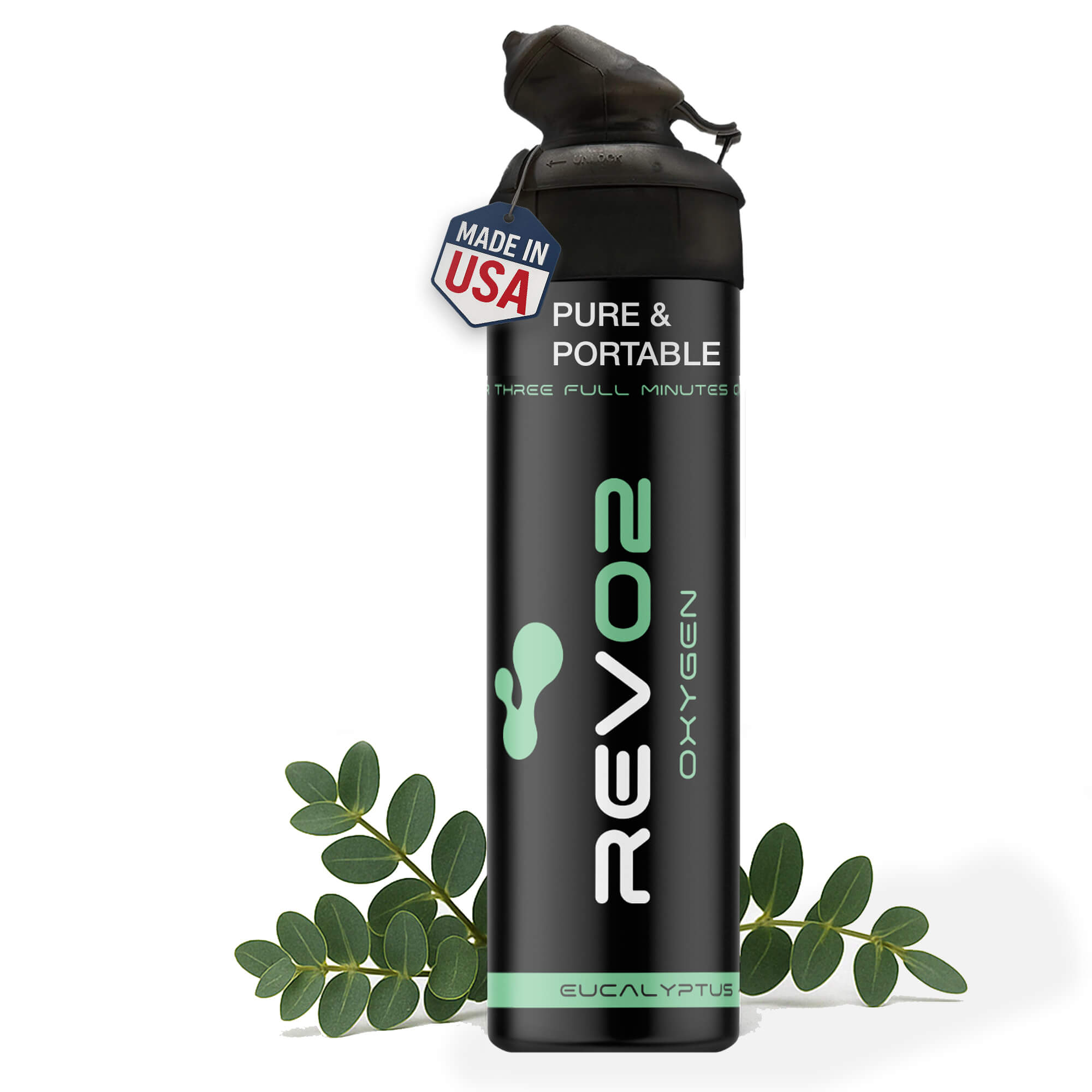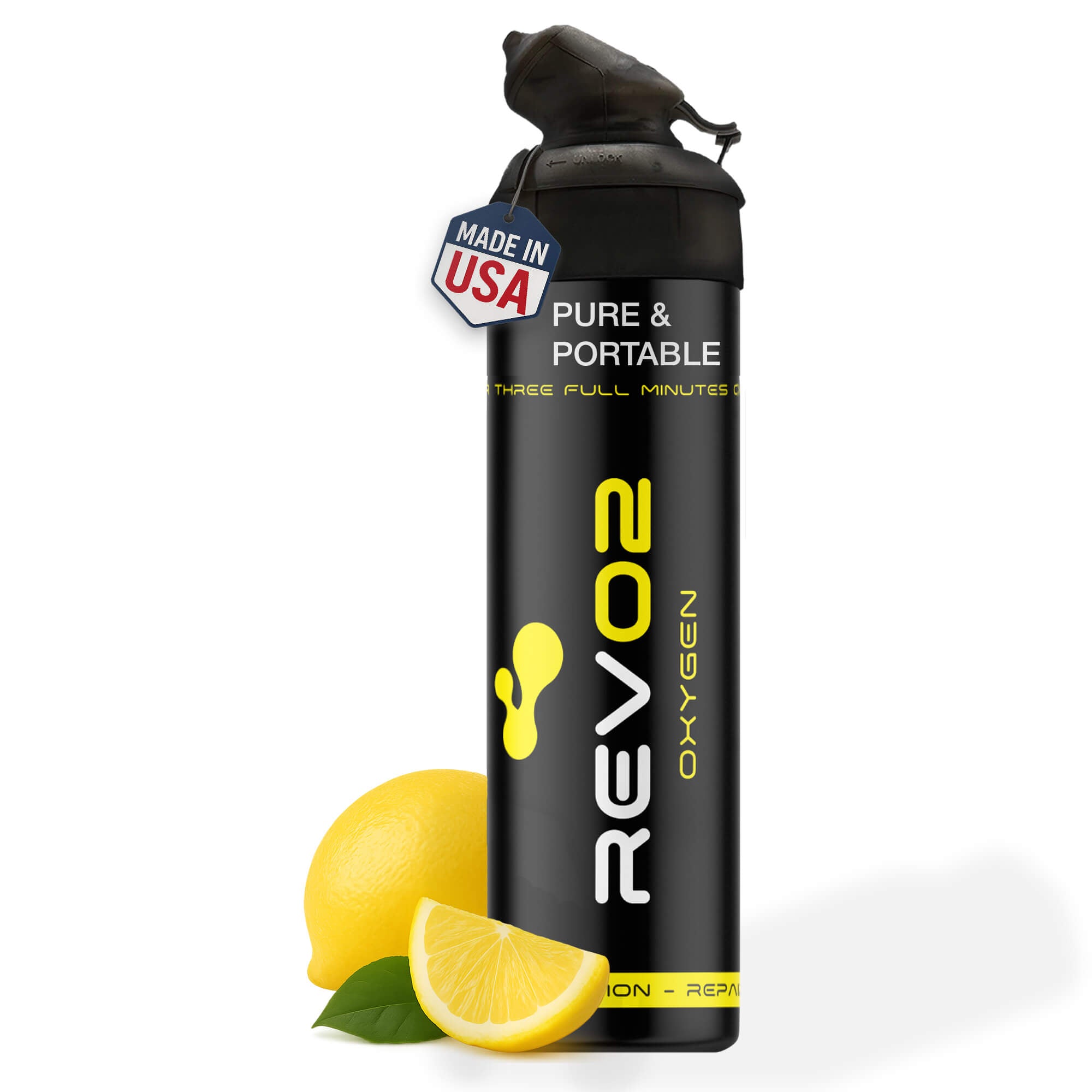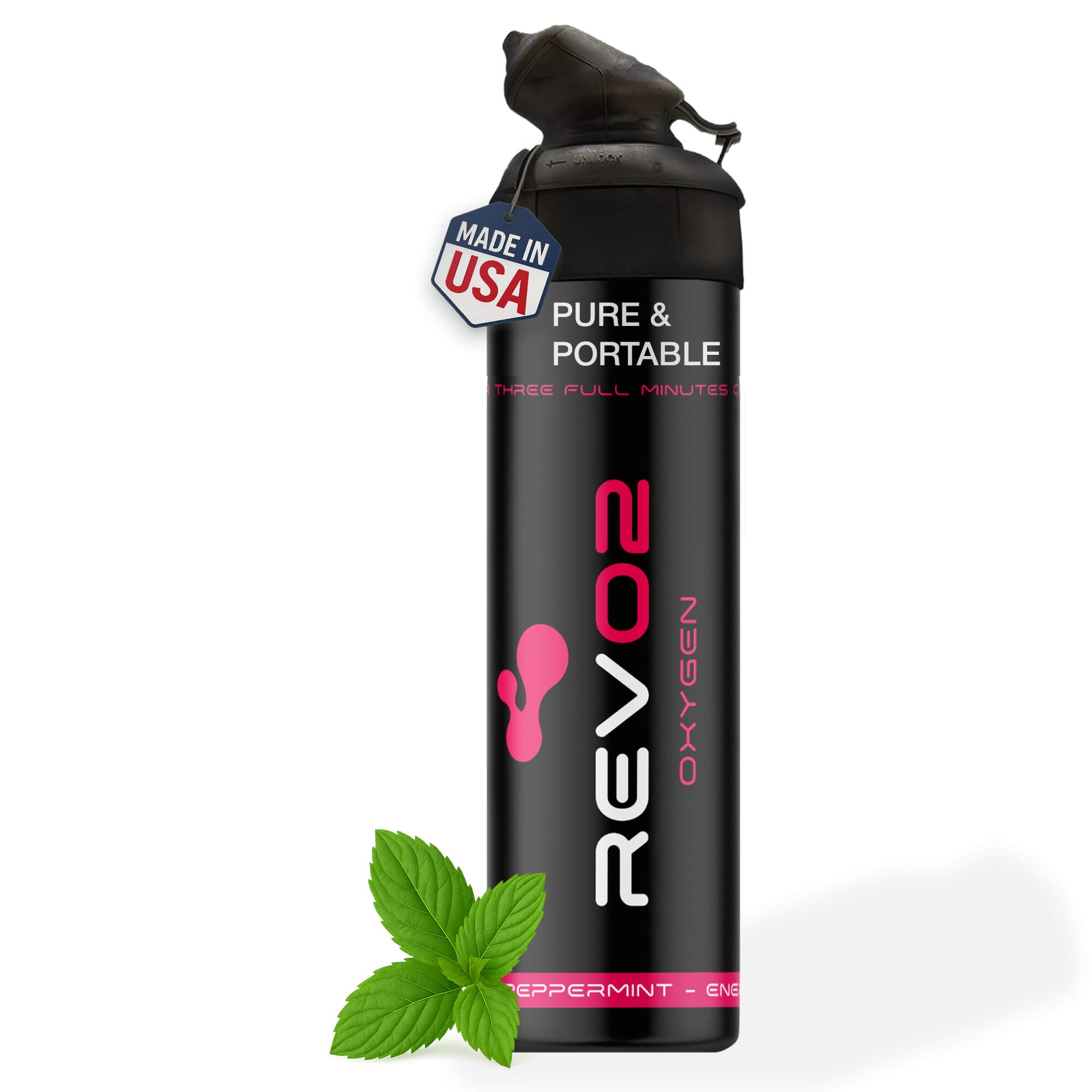

Denver’s elevation reduces the oxygen available to your lungs compared to sea level by a noticeable amount, and most visitors and new residents feel it within hours of arrival. The fix for mild symptoms is straightforward: monitor your oxygen saturation, hydrate more than feels necessary, and hold off on strenuous activity for a day. If breathlessness worsens at rest or you notice confusion, descend or get medical care immediately. Portable oxygen can ease the edges of mild symptoms, but it does not replace medical oxygen or descent when things turn serious.
TL;DR:
- Drinking more water and avoiding alcohol in the first 24 hours helps prevent dehydration and worsened altitude symptoms.
- Most healthy visitors experience only mild effects, such as faster breathing and slight fatigue, at Denver’s elevation of about 1,600 meters.
- Severe symptoms like worsening breathlessness at rest, confusion, or pink sputum require immediate descent and emergency medical care.
- Using a pulse oximeter helps distinguish normal low readings from dangerous hypoxemia, especially if symptoms worsen.
- Portable canned oxygen offers temporary relief for mild fatigue but is not a substitute for medical treatment or descent during severe symptoms.
Table of Contents
- Quick Practical Tips For Your First 24–48 Hours In Denver
- How Does Denver’s Elevation Reduce Available Oxygen?
- What Are the Warning Signs of Altitude Sickness?
- How Do You Read a Pulse Oximeter Correctly in Denver?
- What Actually Helps With Altitude Symptoms?
- Where Can You Get Supplemental Oxygen in Denver?
- How Should You Adjust Sleep and Exercise at Altitude?
- Does Denver’s Air Quality Make Altitude Symptoms Worse?
- A Practical Note on Portable Oxygen and Real-World Use
- Carry Portable Oxygen for the Moments Denver’s Altitude Catches You Off Guard
- Sources
Quick Practical Tips For Your First 24–48 Hours In Denver
Your body starts adjusting to Denver’s altitude the moment you step off the plane or drive up from the plains, and what you do in the first two days shapes how rough or smooth that adjustment feels.
- Drink noticeably more water than you would at home. Denver’s dry climate accelerates fluid loss through breathing and skin, and dehydration mimics or worsens altitude symptoms.
- Skip alcohol for at least 24 hours. It amplifies the headache and grogginess that altitude already causes on its own.
- Hold off on heavy exertion, including hikes or workouts, until you’ve had a full day to adjust.
- If you’re heading to the mountains, treat Denver as your acclimatization stop. Resting here for 24 hours before climbing higher meaningfully lowers your risk of altitude sickness.
- Pack a finger pulse oximeter. It’s inexpensive, and knowing how to read it turns a vague “I feel off” into something you can actually act on.
Pro Tip: Set a phone reminder to drink water every hour during your first day in Denver. Thirst cues are unreliable at altitude, and by the time you feel thirsty, you’re already behind.
How Does Denver’s Elevation Reduce Available Oxygen?
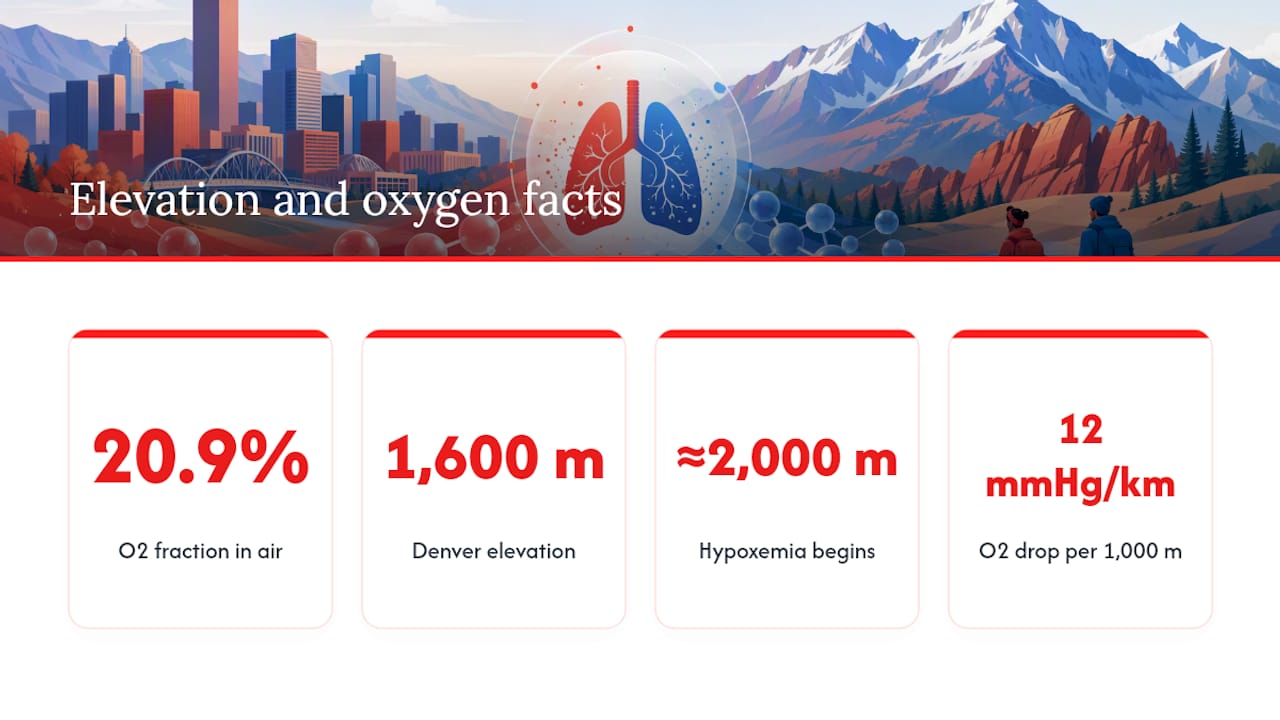
The air in Denver still contains the same 20.9% oxygen you’d find at sea level. What changes is barometric pressure. As elevation rises, the atmosphere thins, and that lower pressure means each breath delivers fewer oxygen molecules to your lungs, even though the percentage stays constant.
Physiology references note that for every 1,000 meters gained in elevation the partial pressure of oxygen in your blood drops by roughly 12 mm Hg, and that decline drags down aerobic performance while increasing breathlessness during exertion. Clinical sources flag that hypoxemia, a measurable drop in blood oxygen, typically begins at altitudes above roughly 2,000 meters. Denver sits at about 1,600 meters, just under that threshold, which is why most healthy visitors notice mild effects, like faster breathing on stairs, rather than severe symptoms. Push higher into the mountains, and that math changes fast.
What Are the Warning Signs of Altitude Sickness?
Mild altitude sickness feels a lot like a bad hangover: headache, nausea, lightheadedness, restless sleep, and getting winded faster than usual. These symptoms are common and typically fade within a day or two as your body acclimates.
Some signs demand faster action:
- Breathlessness that worsens even while resting, not just during activity
- A cough that produces pink or frothy sputum, a possible sign of fluid in the lungs
- Confusion, slurred speech, or a stumbling, uncoordinated walk
Any of these point toward high-altitude pulmonary or cerebral edema, and they’re medical emergencies. Stop ascending immediately, use supplemental oxygen if it’s available, and get to a lower elevation. Descending 500 to 1,000 meters is often the single most effective step you can take, and it should happen alongside a call for medical help, not instead of one.
How Do You Read a Pulse Oximeter Correctly in Denver?
Clip the sensor onto a clean fingertip, hold still, and wait about 15 seconds for the reading to stabilize. Cold hands, nail polish, and even shivering can throw off the number, so warm your hands first and stay still while it reads.
What the numbers mean: A sea-level normal oxygen saturation sits between 95% and 100%. Below 90% is considered clinically abnormal at any altitude. In Denver, expect readings a few points lower than you’re used to. Occasional dips into the low 90s with no symptoms usually aren’t alarming, but a saturation that keeps falling, especially alongside breathlessness or confusion, is your cue to seek care rather than wait it out.
- Take a baseline reading soon after arrival so you have something to compare against later.
- Check again if you start feeling unusually tired, dizzy, or short of breath.
What Actually Helps With Altitude Symptoms?
Most mild cases respond well to simple, low-risk measures. Serious cases need a clinician.
- Rest and cut back on exertion for the first day or two. Your ventilation rate and heart rate are already working overtime to compensate for lower oxygen pressure.
- Hydrate consistently rather than in one big push. Small, steady amounts throughout the day work better than chugging a bottle at once.
- Protect your sleep. Keep the room cool and dark, and avoid heavy meals or alcohol before bed, both of which worsen the disrupted breathing patterns altitude already causes.
- Talk to a doctor before your trip if you’re prone to altitude sickness. Acetazolamide can help prevent symptoms, and dexamethasone treats severe acute mountain sickness, but neither should be self-prescribed.
Pro Tip: Oxygen, whether from a hospital tank or a portable can, eases symptoms temporarily. It buys you time and comfort, but it does not fix the underlying problem the way descending to lower elevation does. Treat it as a bridge, not a cure.
Where Can You Get Supplemental Oxygen in Denver?
Access depends entirely on how serious the situation is.
- Emergency cases: Call 911 or go to an urgent care or hospital. Severe breathlessness at rest, confusion, or suspected pulmonary edema needs professional medical oxygen and evaluation, not a home remedy.
- Planned medical needs: Oxygen concentrators and cylinders are available for rent around Denver for travelers with known respiratory or cardiac conditions who want backup on hand for their trip.
- Mild, transient symptoms: Over-the-counter portable canned oxygen offers a quick supplemental boost for things like post-hike breathlessness or general altitude fatigue. It’s an adjunct for everyday discomfort, not a substitute for prescription-grade oxygen therapy.
Pro Tip: Check your expected saturation range before you travel using an altitude oxygen calculator. Knowing your baseline expectation makes it much easier to tell a normal dip from a genuine problem once you’re on the ground.
How Should You Adjust Sleep and Exercise at Altitude?
Altitude disrupts sleep through periodic breathing, a pattern where your breathing speeds up, slows down, and occasionally pauses as your nervous system recalibrates to thinner air. This fragmented sleep leaves many people more tired during the day than they expect, even without other symptoms.
For exercise, dial back intensity for your first few days, and reduce pace further on days when air quality is poor. Hikers heading into the mountains should stage their ascent rather than pushing straight to elevation. Breathing drills borrowed from athletic training, like controlled box breathing during rest breaks, can help manage breathlessness on the trail. Anyone with chronic lung or heart disease should talk to a clinician before the trip, not after symptoms start.
Does Denver’s Air Quality Make Altitude Symptoms Worse?
Yes, and this is where a lot of visitors get caught off guard. Denver’s Front Range experiences seasonal ozone buildup and, in recent summers, wildfire smoke that pushes air quality into Moderate or Unhealthy territory. When that happens on top of already-reduced oxygen pressure, breathlessness compounds fast.
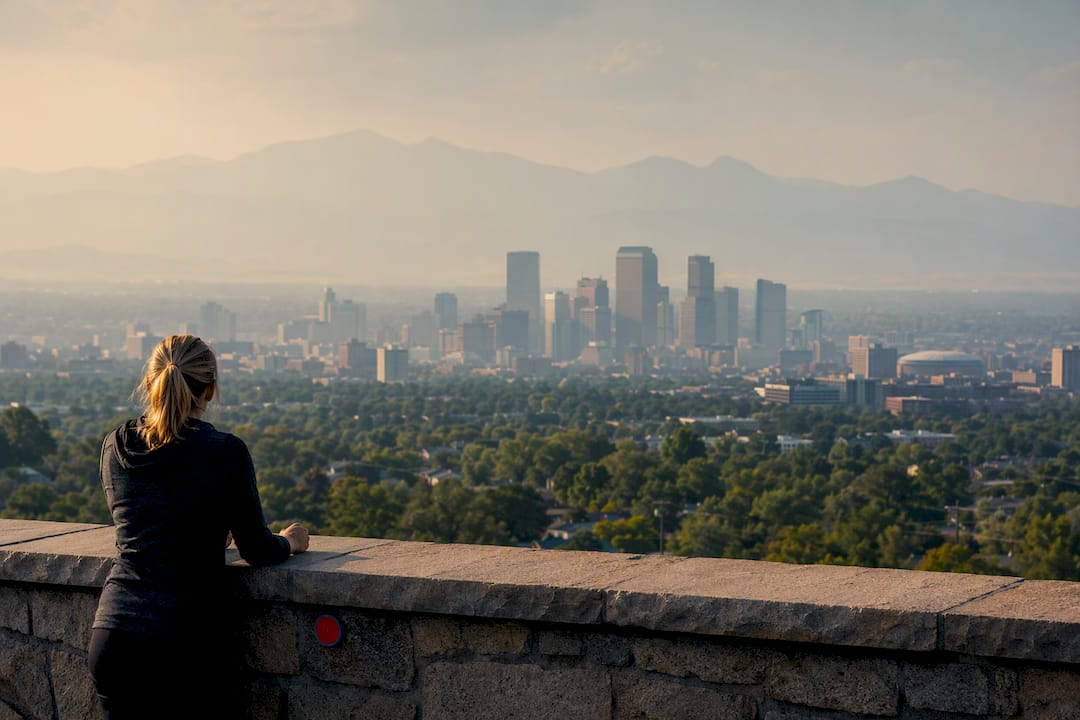
Colorado’s health department issues Action Day advisories recommending sensitive groups cut back on prolonged outdoor exertion during these spells. If your pulse oximeter reading is trending down on a day the AQI is elevated, that combination is worth a call to a clinician rather than a guess.
A Practical Note on Portable Oxygen and Real-World Use
Portable oxygen earns its place in a traveler’s bag for the same reason a first aid kit does: it handles the small, common stuff well. Customers reach for canned oxygen after a steep trail, a rough night of sleep, or a long day of meetings at 5,280 feet, not during a medical emergency. That distinction matters. Use the safety guidance built into any product you buy, and never let a can substitute for descent or a doctor when symptoms turn serious.
— Paul
Carry Portable Oxygen for the Moments Denver’s Altitude Catches You Off Guard
The zero-leak mouthpiece is designed to deliver a full dose with each inhale, avoiding wasted breath fumbling with a mask.
It’s built as an adjunct, not a medical device. If you’re managing a diagnosed respiratory or cardiac condition, or dealing with severe symptoms like breathlessness at rest calls for a clinician or emergency care, not a can. For everyday altitude fatigue, post-hike recovery, or a rough night of thin-air sleep, browse the canned oxygen collection and read the safe-use guide before your first can. If you’re headed into the mountains, the oxygen for hiking option is worth adding to your pack before you leave the trailhead.
Sources
- High-Altitude Oxygenation - StatPearls - NCBI Bookshelf
- Know if you have altitude sickness & when to worry - UCHealth Today
- Effects of High Altitude on Sleep and Respiratory System and Theirs Adaptations - PMC
- CDPHE — Front Range air quality advisories