
The fastest safe relief for altitude-related nausea is to stop ascending and, if possible, descend. Rest, slow sips of an electrolyte drink, an OTC antiemetic or analgesic, and a few minutes of supplemental oxygen can ease symptoms while you arrange that descent. If nausea comes with confusion, severe breathlessness, or a cough producing pink or bloody sputum, that’s an emergency, not a wait-it-out situation.
TL;DR:
- Descending 500 to 1,000 meters usually alleviates altitude sickness symptoms within hours, making it the most effective immediate treatment.
- Rest, hydration with electrolytes, and supplemental oxygen at 1 to 2 liters per minute can provide short-term relief but should not replace descent.
- Taking OTC medications like ibuprofen or acetaminophen helps control headaches, while antiemetics like ondansetron reduce nausea.
- Prevention strategies such as built-in rest days and gradual altitude gain significantly reduce the risk of developing severe altitude sickness.
- Emergency signs include confusion, severe breathlessness, pink sputum, or worsening symptoms, requiring immediate descent and possibly emergency medical care.
Table of Contents
- What Causes Altitude Nausea, and How Do You Know It’s AMS?
- Immediate Steps to Relieve Altitude Nausea Right Now
- Prescription Medications: Acetazolamide, Dexamethasone, and Nifedipine
- Natural and Home Remedies That Actually Help
- How to Prevent Altitude Nausea on Your Next Trip
- Red Flags: When Altitude Nausea Becomes an Emergency
- Where Canned Oxygen Fits Into Altitude Nausea Relief
- A Practical Note on Balancing Adventure and Altitude Risk
- Get Short-Term Altitude Relief You Can Carry in a Pocket
- Sources
What Causes Altitude Nausea, and How Do You Know It’s AMS?
Acute mountain sickness usually announces itself within 2 to 12 hours of reaching a higher elevation, often while you’re setting up camp or settling into a hotel room after a drive up a mountain pass. The mechanism is straightforward: thinner air means less oxygen pressure, and your body responds with mild swelling in brain tissue and shifts in blood vessel behavior that together produce a cluster of unpleasant, flu-like signals.
Nausea rarely shows up alone. Watch for this pattern:
- A throbbing headache, often worse when lying down
- Fatigue that feels disproportionate to your activity level
- Dizziness or a mild sense of unsteadiness
- Loss of appetite alongside the nausea
- Trouble sleeping, even when exhausted
The good news: if you stop climbing higher, these symptoms typically resolve within 12 to 48 hours as your body acclimates. That timeline is your best diagnostic tool. Dehydration headaches and hangovers hit fast and clear fast; altitude nausea builds gradually after a genuine elevation gain and lingers until your body catches up. If you skied down 3,000 feet before symptoms started, altitude probably isn’t the cause. If you drove from sea level to a 9,000-foot ski town yesterday, it almost certainly is.
Immediate Steps to Relieve Altitude Nausea Right Now
Treat this like a checklist you work through in order, not a menu you pick one item from.
1. Stop climbing. This sounds obvious, but plenty of hikers push through nausea to “make camp before dark.” Every additional foot of elevation gain works against you. Sit down, set up where you are, and give your body a chance to stabilize.
2. Rest and reduce exertion. Physical effort increases your body’s oxygen demand at exactly the moment it has the least to spare. Light activity is fine; another push up the trail is not.
3. Descend if you can. This is the single most effective intervention available. Dropping 500 to 1,000 meters (1,650 to 3,200 feet) typically brings noticeable relief within hours, sometimes faster. If you’re on a ski trip and symptoms hit at the summit lodge, riding the gondola back to the base village is not overreacting. It’s the correct move.
4. Use supplemental oxygen if you have it. Therapeutic flows of 1 to 2 liters per minute can ease a headache within about 30 minutes and improve nausea over the following hours. Handheld canned oxygen products work differently. Most hold only a small volume of oxygen total, so they deliver brief, transient relief rather than sustained therapeutic benefit. Think of a can as a bridge while you organize a real descent, not a fix on its own.
5. Take an OTC medication for symptom control. Ibuprofen 600 mg or acetaminophen 500 mg every 8 hours addresses the headache component, and where available, ondansetron 4 mg is an effective antiemetic specifically for the nausea itself.
Quick fact: Descending just 1,650 to 3,200 feet is the single most effective treatment for altitude sickness. No medication or gadget matches that result.
Pro Tip: Keep a small “altitude kit” in your pack: an antiemetic, ibuprofen or acetaminophen, an electrolyte packet, and a canned oxygen option. Digging through a duffel bag while nauseated is its own kind of misery.
Skiers and snowboarders face a particular version of this problem: resorts often sit at elevations where symptoms creep up gradually over a multi-day trip rather than hitting all at once. If skiing altitude sickness catches you mid-run, get to the lodge, sit down, and hydrate before deciding whether to call it for the day. Pushing through “just one more lap” while nauseated rarely ends well.
Prescription Medications: Acetazolamide, Dexamethasone, and Nifedipine
Over-the-counter measures handle mild cases, but persistent or moderate symptoms sometimes call for prescription support. These medications play different roles, and mixing them up matters clinically.
- Acetazolamide speeds up your body’s natural acclimatization process. It’s typically started the night before a planned ascent as prophylaxis, not as a rescue drug once you’re already sick. It works by adjusting blood chemistry to trigger the breathing changes your body would eventually make on its own, just faster.
- Dexamethasone is the rescue option. It provides rapid symptomatic relief for moderate to severe AMS and is generally reserved for active treatment or as a short-term bridge while you descend, rather than long-term daily use.
- Nifedipine is specific to high-altitude pulmonary edema (HAPE), a more serious and separate condition involving fluid in the lungs. It’s not a nausea remedy, but travelers researching altitude medications sometimes encounter it and should understand it addresses a different problem entirely.
None of these are decisions to make solo from a trailhead pharmacy list. Acetazolamide carries a sulfa-related consideration for people with sulfonamide allergies, and dexamethasone has its own contraindications tied to steroid use. Talk to a clinician before your trip, especially if you have a history of severe AMS, and carry the prescribing information with you rather than relying on memory once you’re symptomatic.
Natural and Home Remedies That Actually Help
Hydration strategy matters more than most people realize, and the details are counterintuitive. Chugging a liter of water the moment you feel nauseated can backfire.
- Sip, don’t gulp. Steady sipping, roughly a liter per hour in acute situations, absorbs better than a few large gulps and is easier on an already unsettled stomach.
- Reach for electrolytes over plain water. A sports drink or oral rehydration packet supports fluid balance more effectively than water alone during acute symptoms.
- Eat light and carb-heavy. A high-carbohydrate meal is easier to digest at altitude than a heavy, fatty dinner, and it supports the extra energy your body burns while acclimating.
- Skip alcohol and go easy on caffeine early on. Alcohol worsens dehydration and can mask early warning signs; caffeine’s diuretic effect works against your hydration goals in the first day or two.
- Ginger has a reasonable track record for nausea generally, though evidence specific to altitude sickness remains limited compared to established antiemetics. A ginger candy or tea is a low-risk add-on, not a primary treatment.
One remedy that comes up in altitude sickness forums doesn’t translate to U.S. travel: coca leaf, used traditionally in parts of the Andes. It carries genuine cultural and traditional relevance in South America, but it’s neither a practical nor a legal option for travelers in the United States. Stick to the tools above.
Pro Tip: Pack electrolyte tablets, not just powder packets. Tablets dissolve in whatever bottle you already have, and you won’t be measuring scoops with shaking, nauseated hands.
How to Prevent Altitude Nausea on Your Next Trip
Prevention beats treatment every time, and it’s mostly a scheduling problem, not a willpower problem.
- Build in rest days. Plan to pause for a full day roughly every 2,000 feet (about 600 meters) of elevation gain once you’re above 8,000 feet (roughly 2,400 meters). This single habit prevents more cases of AMS than any medication.
- Sleep low, climb high when possible. If your itinerary allows it, spend an intermediate night at a lower elevation before pushing to your final altitude. Even one buffer night can materially reduce symptoms.
- Talk to a doctor about acetazolamide before you go, particularly for trips above 10,000 feet or with a compressed itinerary that doesn’t allow for gradual acclimatization.
- Pack deliberately. Bring an antiemetic, analgesics, electrolyte mix, and a portable oxygen option so you’re not scrambling at 10,000 feet looking for a pharmacy.
- Build your itinerary conservatively. Save the most strenuous hikes for after your third or fourth day at elevation, not your first.
Travelers heading to unfamiliar mountain regions benefit from broader trip planning too. A thoughtfully paced highlands itinerary that respects elevation gain applies the same logic whether you’re in the Rockies or the Scottish Highlands. Readers curious about supplement-based prevention strategies can also review options like Rhodiola rosea for altitude prep, though as noted above, the evidence there is supportive but not definitive.
Red Flags: When Altitude Nausea Becomes an Emergency
Most altitude nausea resolves with rest, hydration, and patience. A smaller subset of cases signals something far more dangerous, and recognizing the difference can save a life.
Seek emergency care immediately if you notice:
- Confusion, slurred speech, or loss of coordination (a sign of high-altitude cerebral edema)
- Severe shortness of breath, even at rest
- A cough producing pink, frothy, or blood-tinged sputum (a sign of HAPE)
- Symptoms that worsen instead of improve despite stopping ascent
- Inability to walk a straight line, sometimes tested informally as a “tandem gait” check
Critical distinction: Mild AMS nausea should trend better within 12 to 48 hours of stopping ascent. If it’s trending worse instead, that’s not a heavier case of the same thing. It’s a different, more serious problem.
If any of these red flags appear, descend immediately, use supplemental oxygen if it’s available, and call for emergency evacuation rather than waiting to see if things improve. In remote settings without road access, rescue teams sometimes use portable hyperbaric chambers (often called Gamow bags) to simulate lower altitude while arranging transport. These are specialized rescue equipment, not something a typical traveler carries, but knowing they exist matters if you’re trekking in genuinely remote terrain.
Where Canned Oxygen Fits Into Altitude Nausea Relief
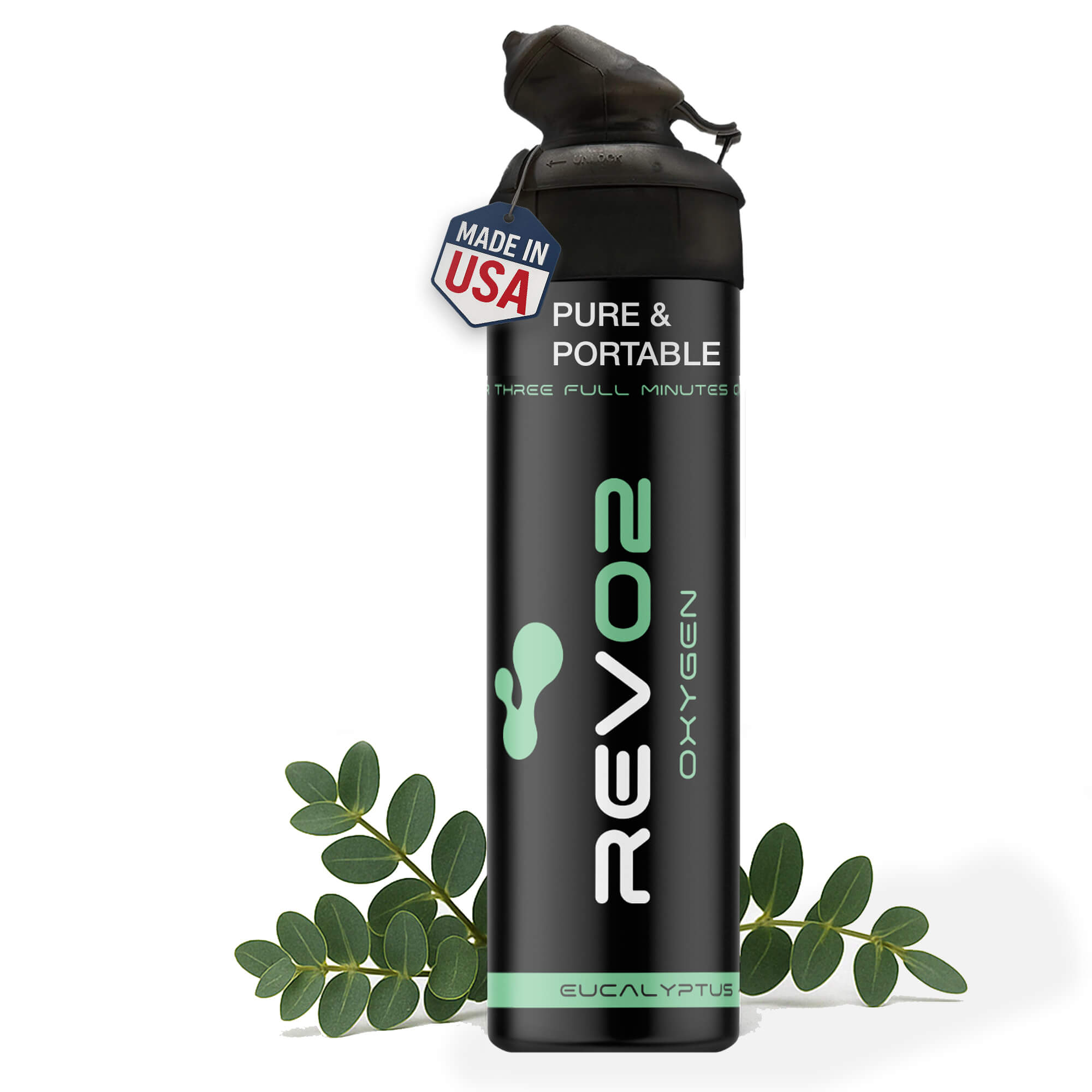
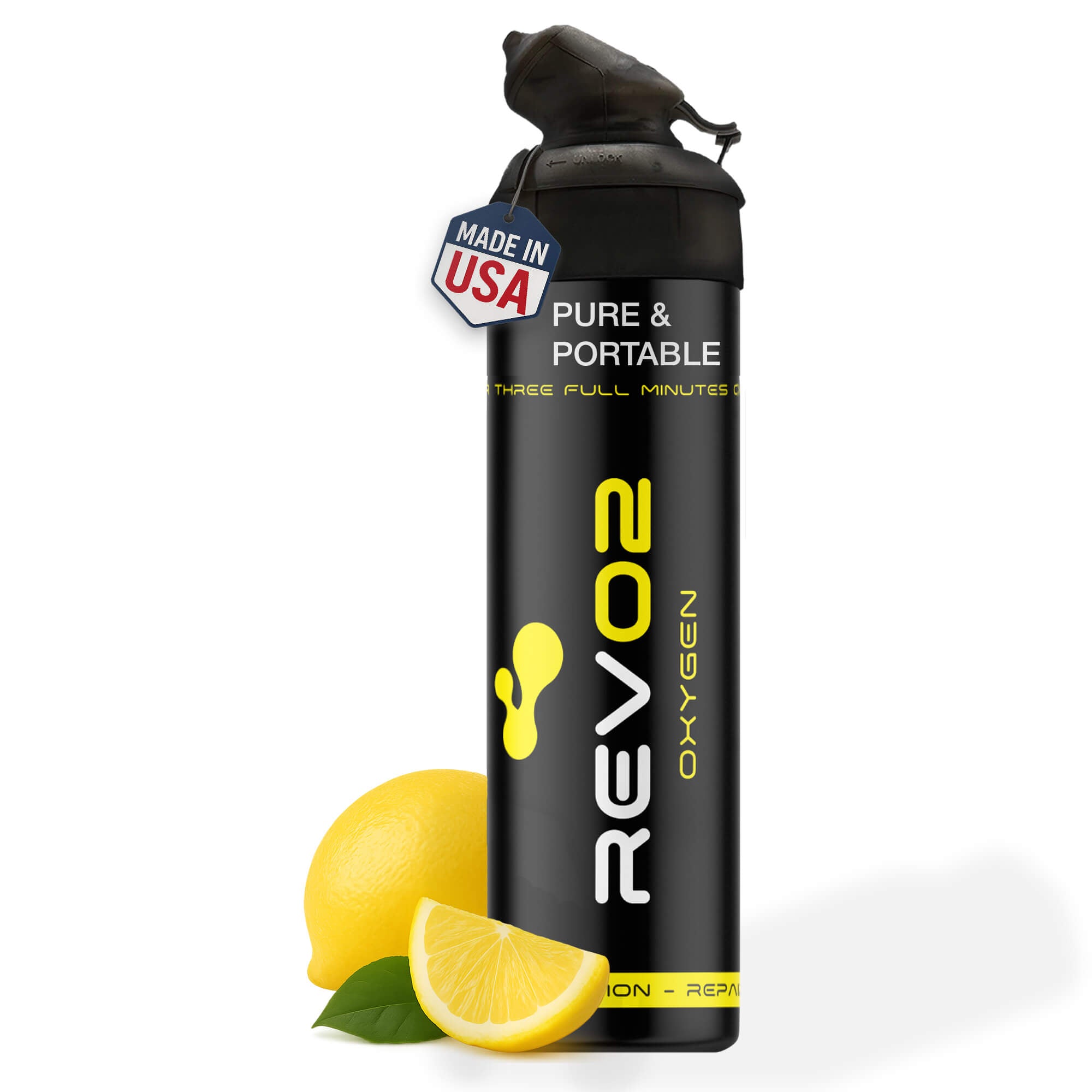
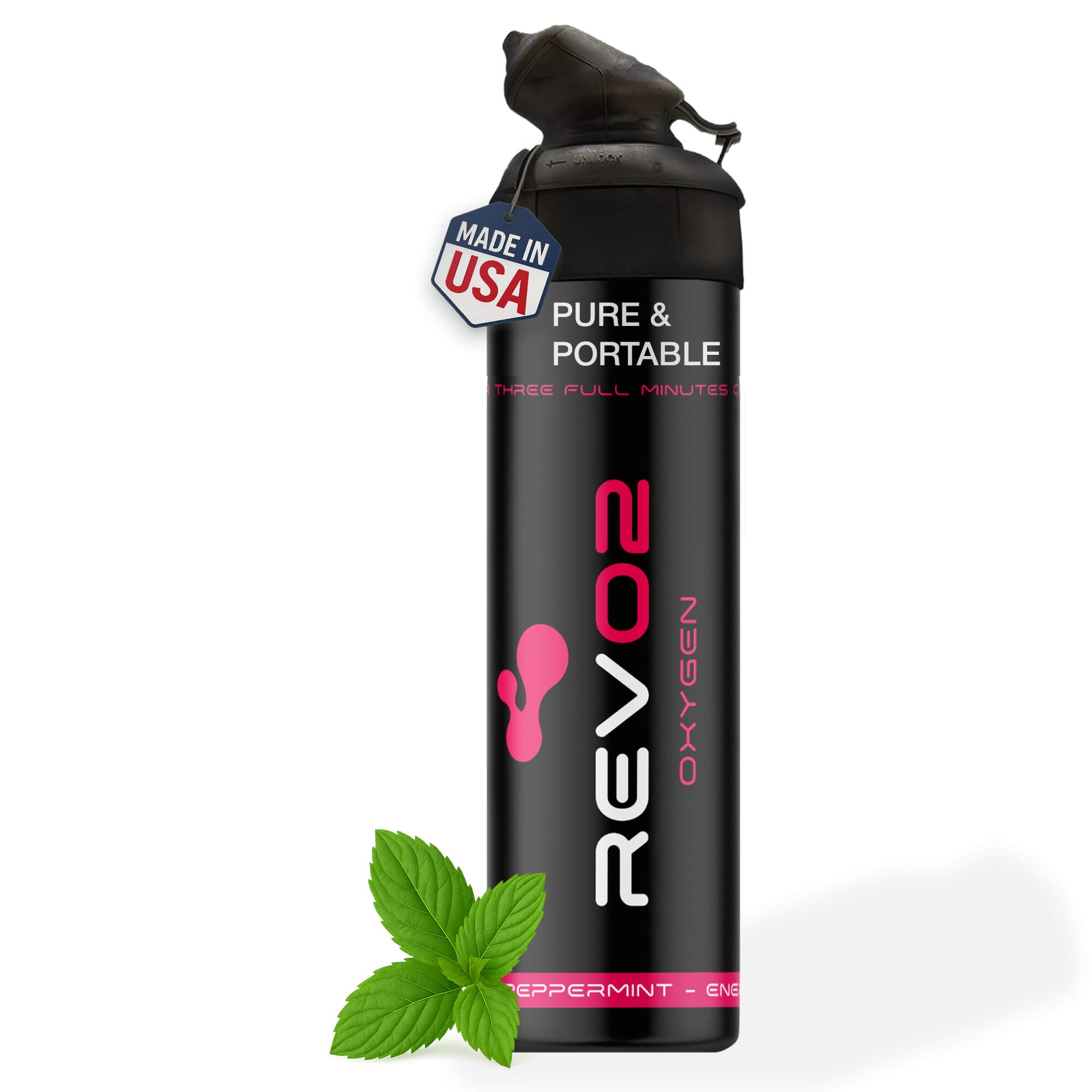
REV/O2 canned oxygen has a real, if limited, place in this picture. It’s portable enough to carry in a day pack or ski jacket pocket, which matters when you’re not near a clinic.
Here’s the honest framing, consistent with what clinicians note about canned oxygen generally: handheld oxygen cans provide brief, transient symptom relief rather than the sustained therapeutic benefit of a clinical 1 to 2 liter-per-minute flow. That means REV/O2 is genuinely useful for a few specific situations.
-
Easing a wave of nausea or lightheadedness while you pack up and start descending
-
Taking the edge off symptoms during the drive or hike down to lower elevation
-
Providing a few minutes of relief while you wait for a ride, gondola, or rescue
-
It is not a substitute for descent, prescription oxygen therapy, or emergency care when red-flag symptoms appear.
Pro Tip: Use REV/O2 in short, controlled inhalations rather than one long continuous draw. Follow the usage guidance so you get the most out of each can instead of burning through it in one sitting.
A Practical Note on Balancing Adventure and Altitude Risk
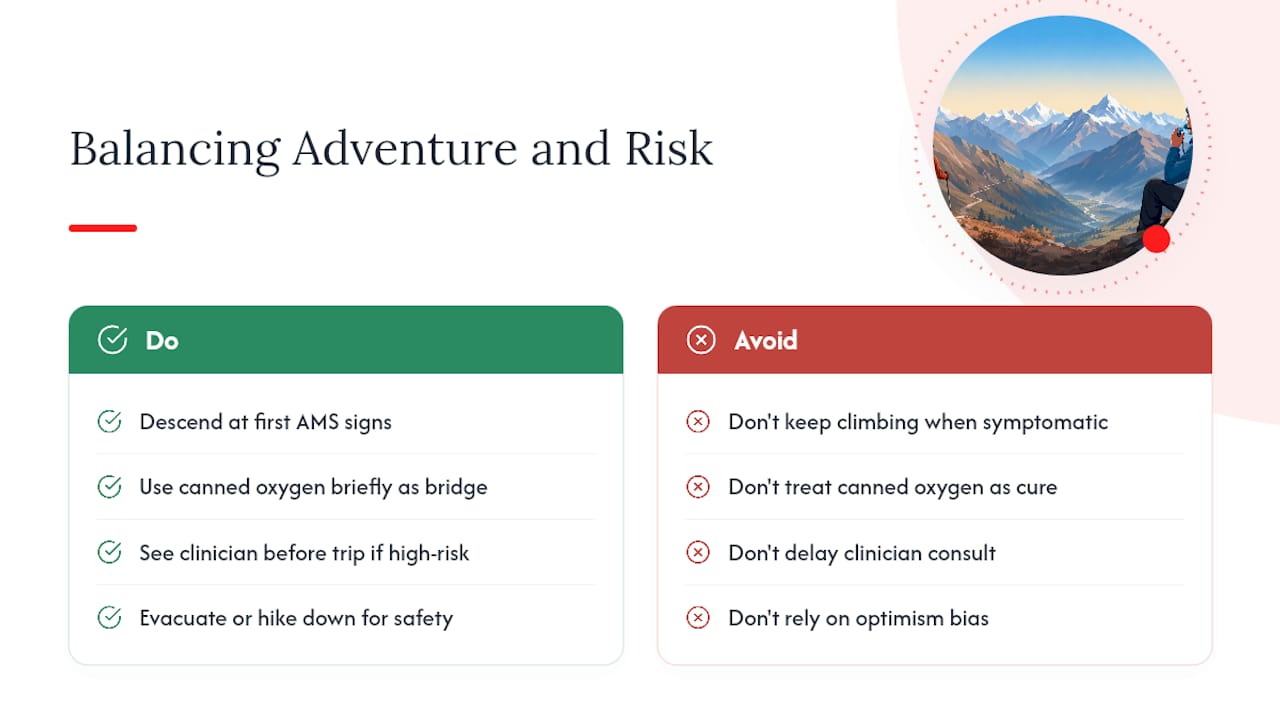
Descent remains the most reliable tool anyone has against altitude sickness, and no product changes that hierarchy. Canned oxygen earns its place as a short bridge, the few minutes of relief that make an evacuation or a slow hike down more bearable, not as a reason to keep climbing when your body is telling you to stop.
The mistake I see most often isn’t ignorance about descent. It’s optimism bias. Travelers know the rule and talk themselves out of following it because the summit is right there. If you have a history of severe AMS, heart or lung disease, or any chronic condition affecting oxygen delivery, have that conversation with a clinician before you book the trip, not while you’re symptomatic at 11,000 feet.
— Paul
Get Short-Term Altitude Relief You Can Carry in a Pocket
A portable canned oxygen can ease altitude nausea and lightheadedness for a few minutes while you handle the real fix: getting to lower ground. Unlike a mask-based tank setup, the design means no fumbling with straps on a windy ridge, just a can you pull from your pack when you need a quick lift.

Browse the canned oxygen collection to find a format that fits your pack, check out the peppermint multi-packs if you want a refreshing option for long drives up mountain passes, or use the oxygen-to-altitude calculator to see how thin the air actually gets at your destination before you go. Whichever you choose, read the how-to-use guide first so you know how to get real value out of every can.
This article is general information, not a substitute for advice from a qualified doctor. Consult a qualified healthcare professional about your own circumstances before acting on anything here.
Sources
- High-Altitude Travel and Altitude Illness | CDC Yellow Book™
- Acute altitude illness - MSD Manual Professional
- High-Altitude Travel and Altitude Illness - NCBI Bookshelf
- Altitude Sickness - Cleveland Clinic