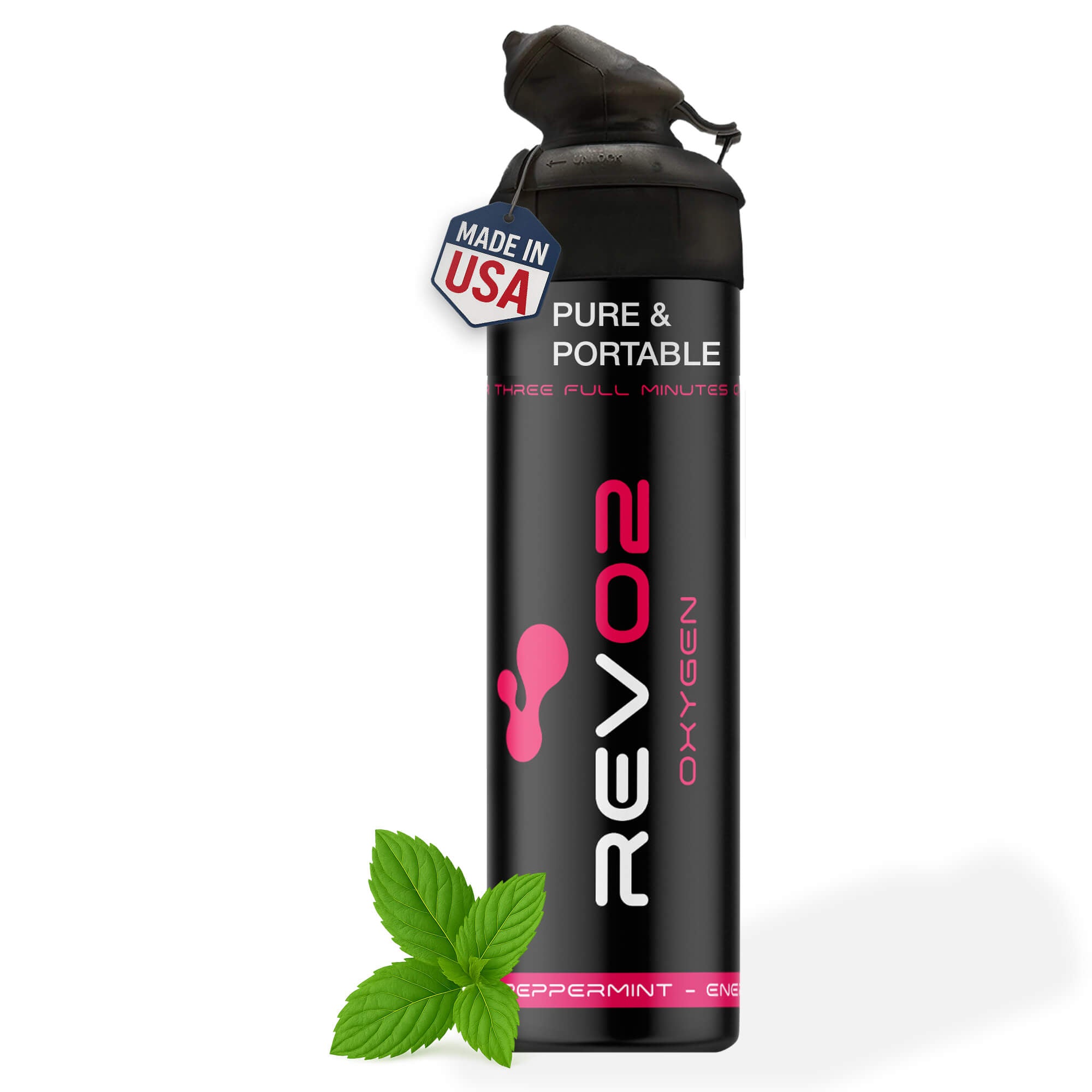

Peppermint oxygen is canned oxygen with a peppermint aroma. The realistic benefit is a short, pleasant lift: a few deep breaths of oxygen-enriched air, plus a scent that many people find refreshing. It is not a treatment for altitude illness, fatigue or any lung condition, and it works best as a brief comfort and focus aid. Below we explain what each ingredient may contribute, where the research stops, who should check with a doctor first, and how to use a can safely.
TL;DR
- Peppermint oxygen pairs oxygen-enriched air with a peppermint aroma. Most people use it for a short energy and alertness lift, or for post-workout comfort.
- Small studies on peppermint in healthy young adults show changes in some breathing and strength measures, but the findings are mixed and do not prove better athletic performance.
- A handheld can holds a small volume of oxygen. It gives momentary relief, not treatment, and it is no substitute for descending when altitude symptoms are serious.
- If you have asthma, COPD or any lung or heart condition, or you have unexplained fatigue or shortness of breath, talk to your doctor before using it.
- Oxygen feeds fire. Never use or store a can near flames, sparks or smoking.
Table of Contents
- What peppermint oxygen actually is
- The possible benefits, one ingredient at a time
- Who tends to get the most out of it
- Peppermint oxygen at altitude: comfort, not treatment
- Is inhaling peppermint safe for your lungs?
- Fatigue and shortness of breath are signals, not just inconveniences
- Safety basics for any oxygen can
- A simple way to try it: a two-minute guided breath
- Our perspective
- Try peppermint oxygen
- FAQ
- Sources
What peppermint oxygen actually is
Two things are happening in one breath. The first is the oxygen itself. Ambient air is roughly 21% oxygen. Our cans deliver 98% pure oxygen through a zero-leak mouthpiece with a trigger-lock cap, so the gas goes to you instead of into the room. The second is the flavor: a peppermint essential oil infusion that gives the breath a cool, clean scent.
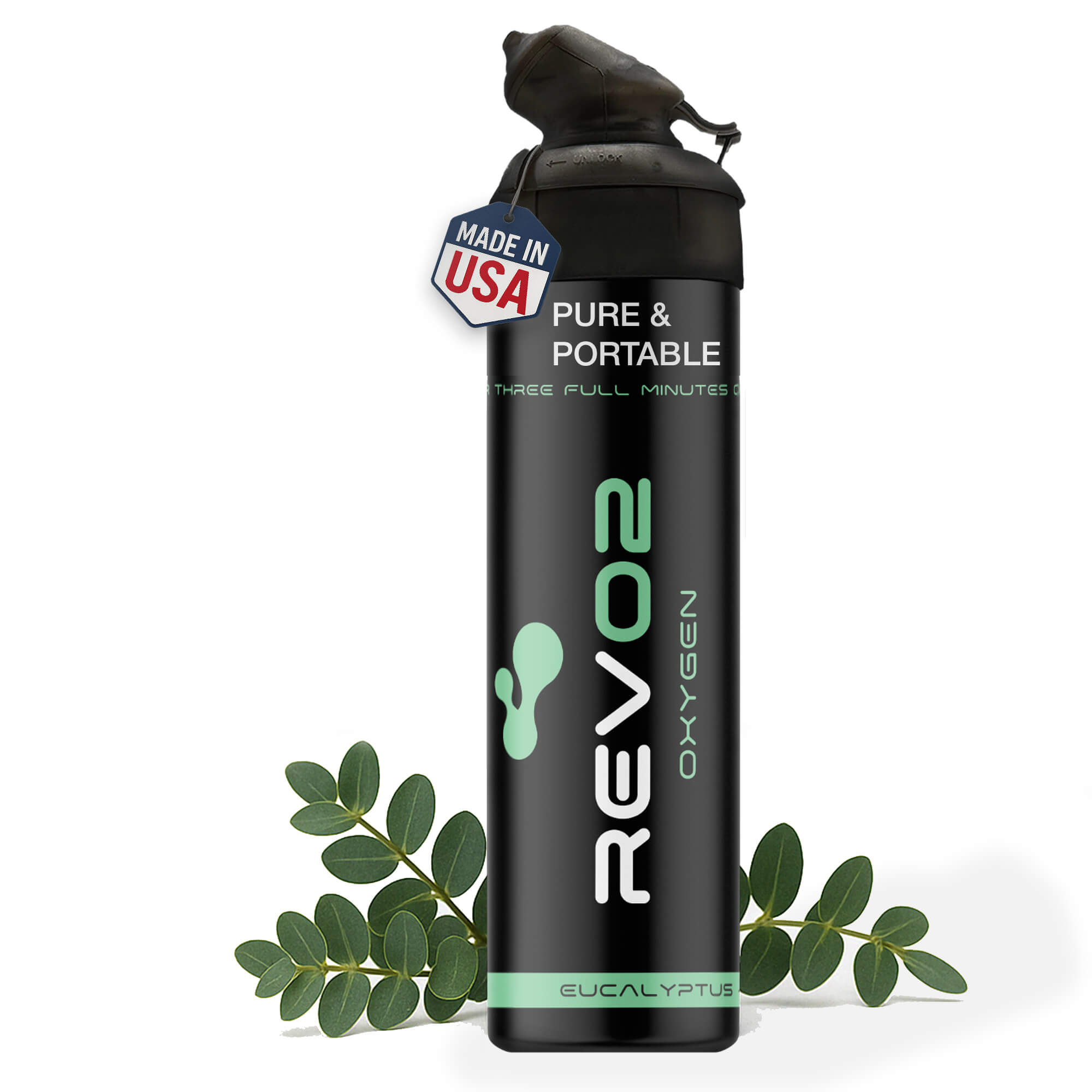
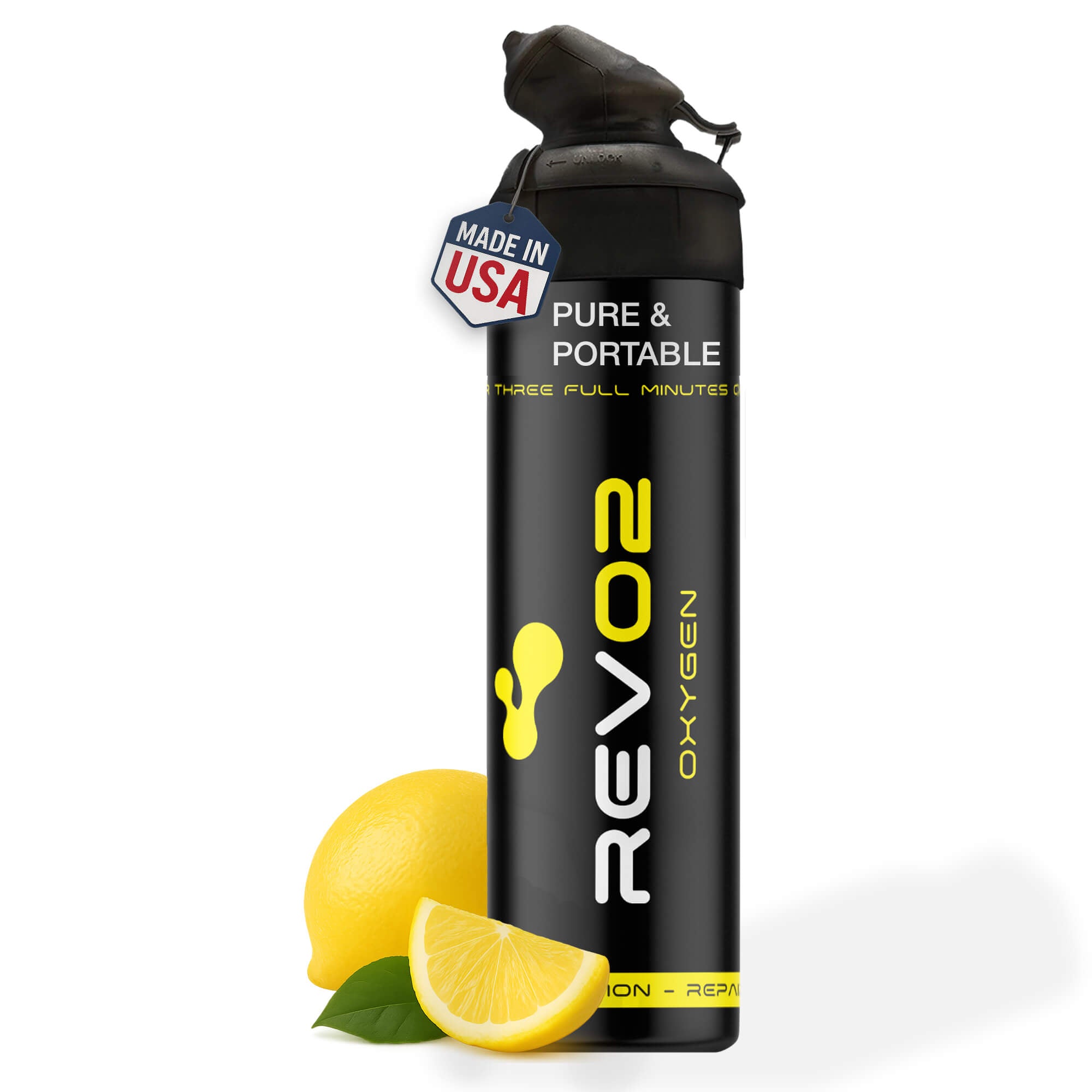
That combination is why our Peppermint Oxygen is positioned around energy and endurance, while our Lemon blend leans toward recovery and our Eucalyptus blend toward focus and relaxation. The names describe how people tend to use each aroma. They are not medical claims, and the cans are sold for non-medical use.
It also helps to know what this product is not. Medical oxygen is a drug. The FDA notes that home oxygen therapy needs a prescription from a healthcare provider, who sets the flow rate and duration. A recreational can is a different category: no mask, no prescription, and no promise to treat a condition. If a doctor has prescribed oxygen for you, keep following that plan.

The possible benefits, one ingredient at a time
What the oxygen may do
If you are healthy and breathing at sea level, your blood is already close to fully saturated. Extra oxygen has little room to improve that, so any effect is likely to be small and short. Many users still report feeling more alert or recovering their breath more quickly after hard effort. Some of that may be the simple act of slowing down and taking deep, deliberate breaths, which can calm the body’s stress response on its own.
The honest summary from independent experts is cautious. In a University of Colorado Anschutz Medical Campus article, the products are described as non-FDA-approved and for recreational use only, while the advertising promises better sports performance and help with altitude. Few studies back those promises. We think readers deserve to hear that plainly.
What the peppermint may do
Peppermint has been studied more than most aromas. A 2013 review of peppermint and exercise performance notes that mint has long been used for its analgesic, anti-inflammatory, antispasmodic and antioxidant properties, and asks whether that translates to athletic benefit.
A 2014 study of healthy young adults looked at peppermint essential oil and physiological parameters. It reported increases in peak inspiratory flow and forced vital capacity within minutes of administration in a group of 30, and the authors noted that effects can fade over about an hour. The same paper describes earlier findings on peppermint and exercise as equivocal.
Three cautions apply when you read results like these:
- The participants were healthy young adults, not seniors, smokers or people with lung disease.
- The peppermint in that study was given as a measured dose of essential oil, not as a trace aroma in canned oxygen.
- A change in a breathing measurement at rest is not the same as a faster mile or a better recovery.
So peppermint oxygen can reasonably be described as refreshing and may help you feel more awake. It cannot be described as a proven performance enhancer.
The “feel” benefit is real, but modest
Scent is closely tied to mood and alertness. A cool mint aroma during a mid-afternoon slump, a long drive or the last miles of a hike can make the moment feel easier. That is a legitimate reason to carry a can. It is also why we say to treat it as a boost for the moment, not a fix for the cause of your tiredness.
Who tends to get the most out of it
The people who write to us most often fall into a few groups. Here is how peppermint fits each.
| If you are… | How peppermint oxygen may help | What to keep in mind |
|---|---|---|
| An athlete after a hard session | A few slow breaths and a cooling aroma as part of your cool-down | Hydration, food and sleep do the heavy lifting for recovery |
| A hiker above 8,000 feet | Short-term comfort at a rest stop | Not treatment. Descent is the fix for serious symptoms |
| Someone on a stressful workday | A two-minute break with deliberate breathing | Persistent fatigue deserves a doctor’s visit |
| A frequent flyer | A refresh after landing | It does not reset your body clock |
| A senior wanting easier breathing | Possibly a comforting ritual | Check with your doctor first, especially with any heart or lung condition |
If your goal is recovery or immune support, our Lemon blend is built for that. If you want a calmer, more focused session, our Eucalyptus blend is the better fit. Peppermint is the one we point to when you want a clear, energizing feel.
Peppermint oxygen at altitude: comfort, not treatment
This is where we are most careful, because the stakes are highest. The CDC Yellow Book explains that the main concern at high elevation is hypoxia from lower air pressure. Supplemental oxygen at a steady 1 to 2 liters per minute can ease headache and symptoms of acute mountain sickness, but a small can holds far too little to sustain that. For worsening symptoms, descending is the response, and symptoms of high-altitude pulmonary or cerebral edema call for immediate descent.
In practice, a can can take the edge off a pounding head or breathlessness for a few minutes while you rest, drink water and decide what to do next. It should never be the reason you keep climbing. If you are planning a trip, these guides go deeper:
- Acclimatization or canned oxygen: the 24 to 48 hours hikers need
- What 98% canned oxygen actually does at high altitude
- Oxygen for 14ers: minutes of relief, not treatment
Is inhaling peppermint safe for your lungs?
This is the question people ask most, and it deserves a straight answer: for most healthy adults, a light peppermint aroma is unlikely to be a concern, but inhaled essential oils are not well studied, and some people should avoid them.
Researchers reviewing newer inhalable flavored products point out that safety for swallowing is not the same as safety for breathing in. In a review of alternative flavored inhalable products, the authors say that without standardized clinical trials, long-term respiratory safety of inhaled essential oil vapors is unknown. They also warn about airway irritation and inflammation, especially in people with underlying disease. A separate PubMed review on inhaling essential oils examines both purported benefits and harms, in a population that was already experimenting with inhaled oils for chronic lung infections.

The CU Anschutz piece quoted above makes the same point from the clinical side: pulmonologists advise caution about inhaling essential oils, particularly for people with asthma or COPD.
Our practical guidance:
- If you have asthma, COPD, cystic fibrosis or another lung condition, ask your pulmonologist or primary care provider before trying any flavored oxygen. An unflavored option may be a topic to raise with them.
- If you notice coughing, throat irritation, wheezing or chest tightness, stop using it.
- Use short sessions of a few breaths rather than long, continuous inhalation.
- Keep cans away from children, and do not use them for anyone who is unwell and struggling to breathe. Call a doctor or 911 instead.
Peppermint oil elsewhere in your routine
If you are curious about peppermint oil in general, including how it is used in everyday products and what safe use looks like, this guide to peppermint oil benefits and safe use in oral care gives useful background on handling the oil responsibly. Keep in mind that using it in a mouth rinse is a very different exposure from breathing concentrated vapor into your lungs.
Fatigue and shortness of breath are signals, not just inconveniences
It is tempting to reach for a can whenever you feel drained. But persistent tiredness or breathlessness can point to anemia, a heart or lung problem, sleep apnea, thyroid disease or other conditions that need a proper workup. The CDC notes that these symptoms can have serious causes, and a non-medical product can mask them for a few minutes and delay a diagnosis.
See a doctor if:
- You are short of breath at rest or with light activity you used to handle easily.
- Your tiredness has lasted weeks without a clear reason.
- You have chest pain, a racing heartbeat, blue-tinged lips or confusion. These are emergencies, so call 911.
Our products are for healthy people who want a short boost. They are not a pulse oximeter, not a diagnostic tool and not a replacement for care.
Safety basics for any oxygen can
Oxygen does not burn on its own, but it makes everything else burn faster. A federal adverse event report on a portable oxygen device in the FDA’s MAUDE database is a reminder that oxygen equipment and fire risk go together. Whatever the intended use, the rules are the same:
- Never use or store a can near open flame, cigarettes, candles, gas stoves or sparking equipment.
- Do not use it while smoking or vaping, or right after applying alcohol-based products near a heat source.
- Store cans away from heat, and never leave one in a hot car.
- Do not puncture, crush or modify a can.
- Check airline rules before you travel. The CDC Yellow Book on air travel notes that federal regulations restrict passengers from bringing their own oxygen on board, so ask your airline before packing one.
For step-by-step use, our guide to using canned oxygen safely and effectively covers the mouthpiece, the trigger-lock cap and how many breaths to take.
A simple way to try it: a two-minute guided breath
If you want to test how you respond, keep it short and seated.
- Sit upright and relax your shoulders. Check that no flame or heat source is nearby.
- Place the zero-leak mouthpiece to your lips and press the trigger for one slow inhale through your mouth.
- Hold for two seconds, then exhale slowly through your nose.
- Repeat for three to five breaths, then put the cap back on and engage the trigger lock.
- Sit quietly for another minute and notice how you feel. If you feel dizzy, irritated or uncomfortable, stop.
Many people find the breathing pattern is half the benefit. Slow exhalation is a well-known way to settle the body when stress has kicked in the fight-or-flight response, and you can do it with no can at all.
Our perspective
We built REV/O2 with input from athletes and scientists, and we have always been clear about what a handheld can does. It delivers 98% oxygen in a small volume, with a design that wastes less of it. That makes it a good companion for a hard workout finish, a rest stop on a trail or a moment when you want to reset.
We do not think it should be sold as medicine. A can will not treat altitude sickness, and it will not fix chronic fatigue. When someone asks whether peppermint oxygen “works,” our answer is that it is a quick, pleasant, low-effort aid for how you feel in the moment, and that the best results come from pairing it with water, food, sleep, acclimatization and common sense. Peppermint is our energy-oriented blend because the aroma is crisp and wakeful, not because we claim it changes your physiology.
If you have a medical condition, your clinician knows more about your lungs than any product page does. Listen to them.
— Paul
Try peppermint oxygen
If a cool, energizing aroma sounds right for your workouts, hikes or long days, our Peppermint Oxygen can pairs 98% pure oxygen with peppermint in a portable 10L can. You can also browse all our canned oxygen to compare Peppermint, Lemon and Eucalyptus blends, or read our portable oxygen myths guide first.
FAQ
Is peppermint good for the lungs?
Peppermint has been studied for short-term effects on breathing measures in healthy young adults, with mixed results. It is not proven to improve lung health. Researchers also caution that inhaling essential oils can irritate airways, particularly in people with asthma or COPD, so ask your doctor if you have a lung condition.
Is there a downside to using canned oxygen?
For most healthy adults, short use is low risk, but there are real downsides. The main ones are fire risk, possible airway irritation from flavoring, and the chance that a quick boost hides a symptom that needs a doctor. It is also a small volume, so it should not replace descent or medical care at altitude.
Does peppermint oxygen give you energy?
Many users describe feeling more alert after a few breaths, and the cool aroma may add to that. The evidence for a true physiological energy gain is limited, though. If you are tired every day, look at sleep, nutrition and a medical checkup before relying on a can.
What happens if you use oxygen and don’t need it?
In a healthy person at sea level, a few breaths of extra oxygen usually does little beyond a possible feeling of freshness. Using oxygen continuously without guidance is a different matter, and the FDA says home oxygen therapy should be directed by a healthcare professional. Keep recreational use brief.
Sources
- FDA: home oxygen therapy consumer update
- University of Colorado Anschutz: Does oxygen in a can deliver?
- The effects of peppermint on exercise performance (PubMed)
- Instant effects of peppermint essential oil on physiological parameters (PMC)
- CDC Yellow Book: High-altitude travel and altitude illness
- Alternative flavored inhalable products (PMC)
- Inhaling essential oils: purported benefits and harms (PubMed)
- FDA MAUDE adverse event report, portable oxygen device
- CDC Yellow Book: Air travel