
Yes, you can feel altitude sickness in Santa Fe. The city sits at roughly 7,200 feet, high enough that visitors from sea level often get a headache, poor sleep, nausea or unusual tiredness during the first day or two. For most people the symptoms are mild and fade as the body adjusts. This guide explains what to expect, how to plan your arrival, what helps once symptoms start, and which signs mean you need a doctor.
TL;DR
- Santa Fe is at about 7,200 feet, so mild acute mountain sickness (AMS) is possible, especially if you fly in from near sea level.
- Symptoms usually begin 2 to 12 hours after arrival, often during the first night, and typically resolve within 1 to 3 days if you do not go higher.
- A night at an intermediate elevation such as Albuquerque, steady hydration and good sleep the first two nights are the simplest ways to ease the transition.
- Breathlessness at rest, confusion, loss of balance or a worsening headache are not “normal adjustment”: descend and get medical care.
- Portable oxygen can offer short-term comfort for breathlessness and fatigue, but it supports a sensible plan and does not replace descent or medical care when symptoms are serious.
Table of Contents
- Is Santa Fe high enough to cause altitude sickness?
- Symptoms of altitude sickness in Santa Fe, and when they start
- How to plan your arrival
- What to do if symptoms start
- When altitude sickness is an emergency
- A simple first 48 hours in Santa Fe
- Our perspective on portable oxygen in Santa Fe
- Keep portable oxygen in your Santa Fe bag
- FAQ
- Sources
Is Santa Fe high enough to cause altitude sickness?
Santa Fe is about 7,200 feet (2,200 meters) above sea level, according to the Santa Fe Institute. That is higher than Denver, which sits at 5,280 feet. It is the highest state capital in the country, and the thinner air is noticeable the first time you climb a flight of stairs or walk up Canyon Road.
Altitude illness is not reserved for mountaineers. Physicians at the Wilderness Medical Society and the CDC describe AMS as a condition that can appear at moderate elevations, and the risk rises with how fast you arrive and how high you sleep. A traveler who wakes up at sea level and sleeps in Santa Fe that night is at more risk than someone who has spent a week in Denver first.
Some forum posters say altitude sickness only starts above 9,000 feet. That is a rule of thumb rather than a guarantee. Individual susceptibility varies, and the Divers Alert Network notes that when symptoms appear depends on altitude, rate of ascent and the person. If you have felt unwell at moderate altitude before, plan as if you could again.
The Santa Fe area also has higher ground. The ski basin and nearby trailheads sit well above the city, so a day trip can take you thousands of feet higher than where you sleep. That matters for the sections on hiking below.
Symptoms of altitude sickness in Santa Fe, and when they start
The CDC Yellow Book compares AMS to an alcohol hangover. Headache is the main symptom, usually joined by at least one of these:
- Loss of appetite
- Dizziness
- Fatigue
- Nausea, and sometimes vomiting
The CDC says symptoms usually show up 2 to 12 hours after arrival at altitude, often during or after the first night. The Divers Alert Network puts the typical start at 12 to 24 hours and notes that symptoms begin to ease by about the third day at a given elevation. Both agree on the pattern: the first night is the one to watch, and poor sleep is common.
Altitude headache or something else?
Many things feel like altitude sickness: a viral illness, dehydration, exhaustion or a hangover. American Family Physician describes the AMS headache as throbbing, felt at the temples or the back of the head, worse at night or early in the morning, and worse when you bend forward. It also notes that carbon monoxide poisoning can mimic AMS, which is worth remembering if you are sleeping in a rental with a gas heater or fireplace and several people feel unwell at once.
The same source draws a useful line between breathlessness on exertion and breathlessness at rest. Getting winded on a hill is common at altitude. Shortness of breath while sitting still points to more severe illness and needs medical attention.
How long does it last?
The CDC says AMS generally resolves within 12 to 48 hours if you do not ascend farther, and typically runs its course over 1 to 3 days. Symptoms that start after three days at the same altitude should not be blamed on AMS and deserve a different explanation. A local medical practice, Santa Fe Mobile MD, says most people feel normal within two to three days at Santa Fe’s elevation, though people with conditions such as congestive heart failure or chronic kidney disease can have lingering effects and may need treatment, including supplemental oxygen.
How to plan your arrival
The best prevention is gradual ascent. You cannot always control your flight, but you can usually control where you sleep the first night.
Sleep one night lower
The Santa Fe Institute suggests that travelers from sea level can spend a night in Albuquerque, at about 5,300 feet, before continuing to Santa Fe. Dr. Brian Strickland, a high-altitude medicine physician, writes in The Conversation that one night at a moderate elevation such as Denver significantly lowers the chance of symptoms, and that people who skip this step and go straight to high elevations are up to four times more likely to develop them. If you are flying into Albuquerque anyway, a night there before the drive north costs little and may save you a rough first evening.
Hydrate and sleep
The Santa Fe Institute names two things as the most helpful for acclimating: a good night’s sleep for the first two days and staying well hydrated. The air is dry, and you breathe faster at altitude, so you lose more water than you expect. Carry a bottle from the airport and keep drinking before you feel thirsty.
Go easy on the first day
Plan a light first day. Walk the Plaza rather than hiking the ridge, eat regular meals, and keep alcohol modest. Local food-tour guides commonly warn that a drink hits harder before you have adjusted, and since a hangover and AMS feel alike, it is hard to tell them apart when you overdo it.
If you are heading higher
If your trip includes the ski basin, the Pecos or a high trail, the Wilderness Medical Society guidelines give a pacing rule for travel above 3,000 meters (about 9,800 feet): do not raise your sleeping elevation by more than 500 meters (about 1,600 feet) per day, and take a rest day every 3 to 4 days. Sleeping a night at an intermediate altitude also lowers risk. For day hikers who return to Santa Fe to sleep, the practical lesson is to spend your first day or two in town before attempting a big climb.

Medication is a conversation with your doctor
The same guidelines say preventive medication is not needed in low-risk situations but should be considered, along with gradual ascent, when risk is moderate to high. Acetazolamide is the preferred drug, with dexamethasone as an alternative for adults who cannot take it. Both are prescription medicines. If you have had altitude illness before or are flying in and going high quickly, ask your own doctor or a travel medicine clinic before the trip. For a non-prescription angle on the plan, see our 5-night plan for avoiding altitude sickness without Diamox.
What to do if symptoms start
Start with the basics: stop going higher, rest, drink water and eat something light. Mild AMS does not usually mean cancelling your trip. The CDC says travelers with AMS but no signs of the more serious conditions can stay at their current altitude and self-treat with a non-opiate pain reliever (examples given are ibuprofen 600 mg or acetaminophen 500 mg every 8 hours) and an anti-nausea medicine. Check any medicine against your own health history and label directions, and ask a pharmacist or doctor if you take other drugs or have kidney, stomach or heart conditions.
Ibuprofen and the altitude headache
A common question is whether ibuprofen helps. The Wilderness Medical Society guidelines say yes for the headache: ibuprofen can relieve headache at high altitude, though it has not been shown to improve the full range of AMS symptoms or to treat the severe brain-related form. As a preventive it ranks behind acetazolamide and dexamethasone. If a headache is your main complaint, our guide to high altitude headache relief options goes through what is worth trying.
Descend if you can
Descent is the most reliable fix. The CDC says AMS improves quickly after dropping 300 meters (about 1,000 feet) or more, particularly if you exert yourself little, and the Wilderness Medical Society calls descent the single best treatment. From a trailhead or the ski basin, going back down to town may be all you need. If you are already in town and feel poorly, a night in Albuquerque is a realistic version of the same advice. Our article on fast altitude nausea relief for hikers covers this decision on the trail.
According to the guidelines, people with AMS should not move to a higher sleeping elevation. Those with mild to moderate illness can stay where they are while being watched closely, and descent should begin if symptoms worsen or have not improved after 1 to 3 days of appropriate care.

Where supplemental oxygen fits
The CDC notes that if you stay at the altitude where symptoms began, supplemental oxygen at 1 to 2 liters per minute will improve headache within about 30 minutes and resolve other AMS symptoms over hours, though it is rarely available. That is a clinical flow rate, delivered by a regulated system, and it describes oxygen as a tool for comfort at altitude, not as a substitute for judgment. Many travelers like having a portable option for the evening after arrival or after a walk uphill. Our overview of why supplemental oxygen helps at high altitude explains how it fits into a plan, and our guide to using canned oxygen safely walks through the technique.
When altitude sickness is an emergency
Mild AMS should be getting better, not worse. Treat the following as urgent and go down and seek care, calling 911 if needed:
- Shortness of breath at rest, or a cough that is getting worse
- Confusion, unusual drowsiness or behavior that is out of character
- Trouble walking in a straight line or loss of coordination
- A headache that is severe or does not respond to pain relievers
- Persistent vomiting
The Wilderness Medical Society recommends descent for severe AMS and for high-altitude cerebral edema (HACE), the brain-swelling form. Do not wait for the morning. If you are traveling with someone who seems confused, take them down and to an emergency department even if they insist they are fine.
People with heart or lung disease, kidney disease or pregnancy, and older adults, should speak to their own physician before traveling to 7,000 feet. If you already use prescribed medical oxygen, follow your doctor’s plan rather than a recreational product.
Winter visitors have one more thing to think about. Cold and altitude together call for planning, and this piece on cold injury prevention for winter travelers covers how to dress and recognize problems early. Wind and low temperatures at the ski basin can make a mild altitude headache feel worse and can hide the signs that you need to descend.
A simple first 48 hours in Santa Fe
Here is a plan that follows the evidence above.
- Before you fly: Ask your doctor if you have a heart, lung or kidney condition or past altitude illness. Consider a night in Albuquerque.
- Arrival day: Drink water, eat normally, keep alcohol light and skip strenuous activity. Walk slowly and breathe deeply from time to time.
- First night: Sleep with your head slightly raised if that is comfortable. Expect lighter sleep. Keep water by the bed.
- Day two: Stay at a similar or lower elevation. If you feel good, add short walks. If you have a headache, rest, hydrate and use a pain reliever as directed.
- Day three onward: Most people feel normal. Add the longer hikes and higher trailheads gradually.
If you have a headache and fatigue on day one, you are in the expected window. If new or worse symptoms arrive after day three, think about other causes and consider seeing a local clinician.
Our perspective on portable oxygen in Santa Fe
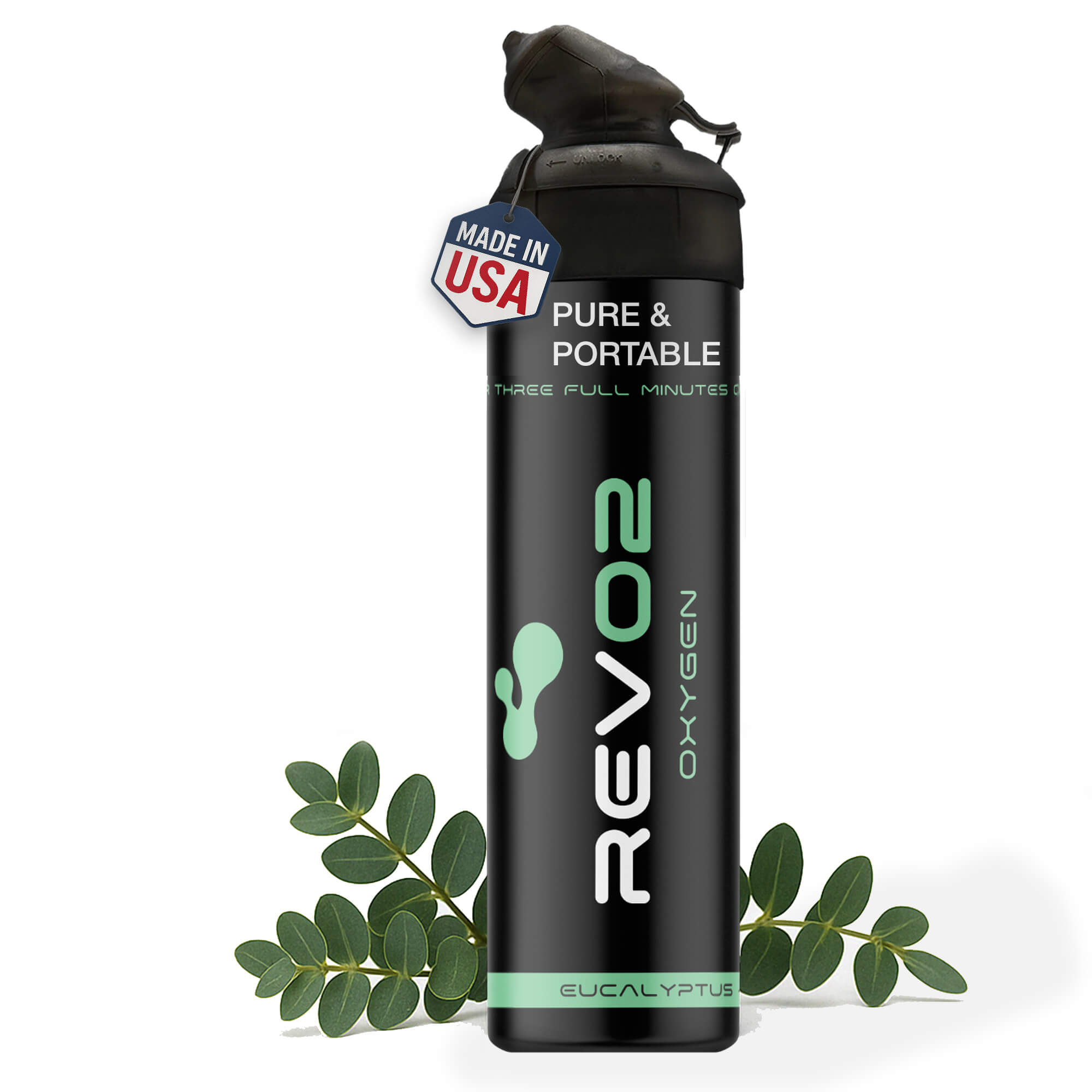
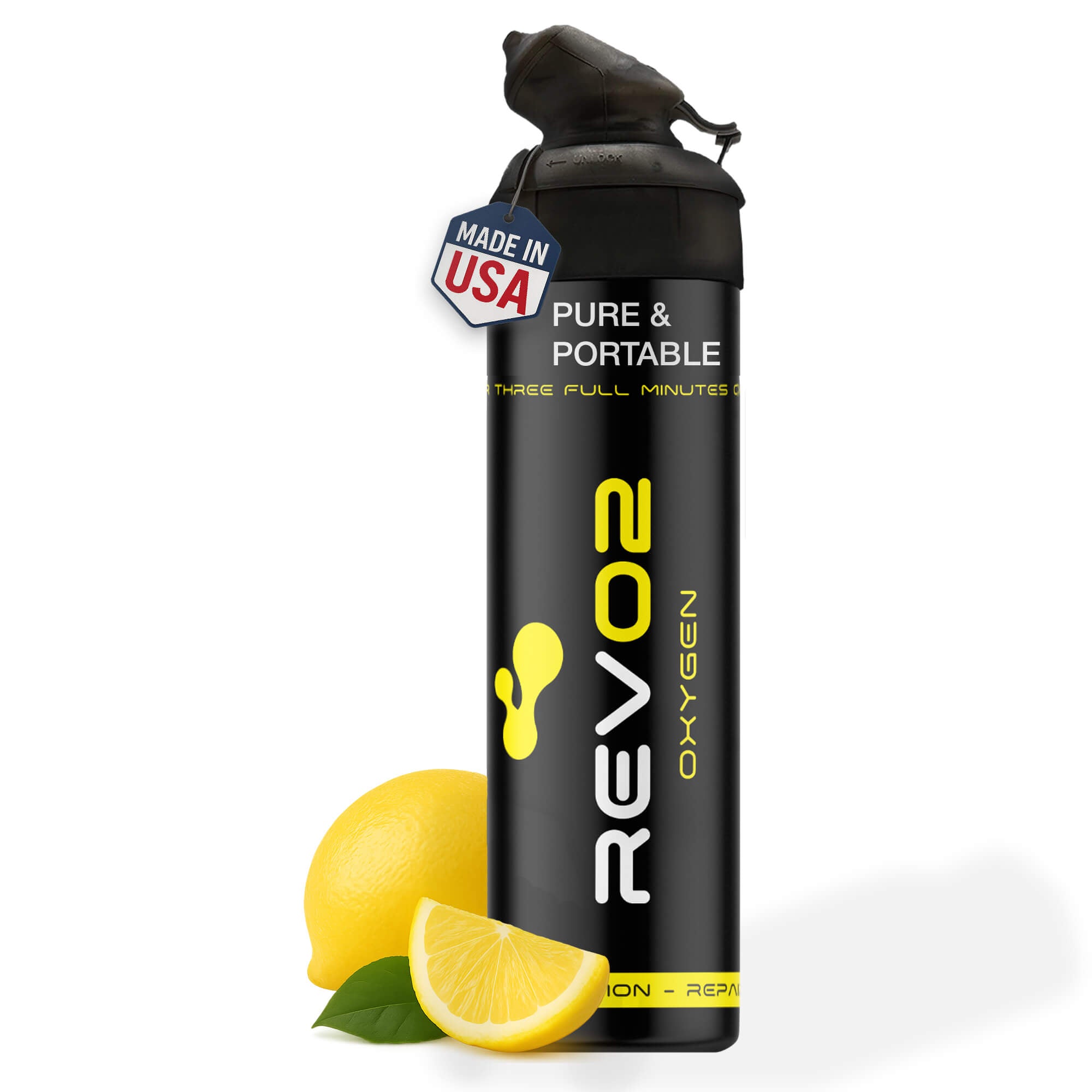
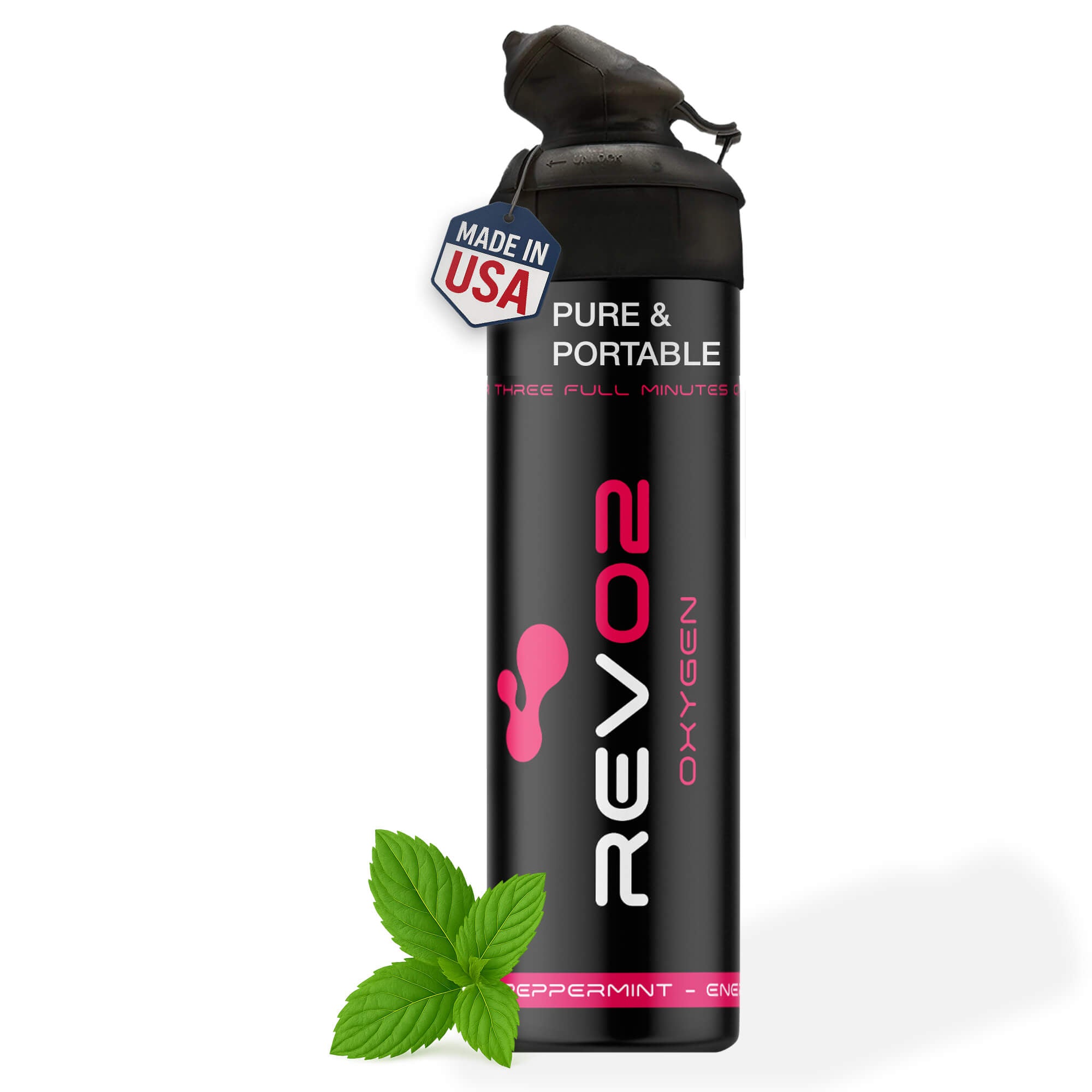
We built REV/O2 for people who feel the difference between sea-level air and the thinner air of a place like Santa Fe. Our cans hold 98% pure oxygen, and the zero-leak mouthpiece and trigger-lock cap are designed so that what you inhale is not wasted into the room, which matters when you want a quick, portable breath without a mask or a prescription.
We think of canned oxygen as part of a smart arrival routine: sleep lower if you can, drink water, pace yourself, and keep a can in your bag for the moments when a flight of stairs, a long walk on Canyon Road or a restless first evening leaves you winded. Our flavors are designed with different moments in mind: peppermint for energy, lemon for recovery, and eucalyptus for focus and relaxation.
We also say plainly that oxygen does not replace descent or a doctor when symptoms are serious. Used alongside good acclimation habits, it can help you feel more comfortable while your body adjusts.
Paul
Keep portable oxygen in your Santa Fe bag
If you want a simple option for the first days at 7,200 feet, REV/O2 makes portable canned oxygen in peppermint, lemon and eucalyptus blends, each designed around a zero-leak mouthpiece. Browse the full range on our canned oxygen collection, or look at the 10L peppermint can if you are packing for a short trip.

If you will be active, the sports oxygen can is built for post-workout recovery. Traveling elsewhere in the Rockies? Our guides to Colorado altitude tips and Aspen altitude sickness use the same approach.
FAQ
Is Santa Fe high altitude?
Yes. Santa Fe is at about 7,200 feet, according to the Santa Fe Institute, which is higher than Denver. It is not extreme by mountain standards, but it is high enough that visitors from sea level commonly feel headaches, breathlessness on exertion and poor sleep for the first day or two.
Can ibuprofen help with altitude sickness?
It can help with the headache. The Wilderness Medical Society says ibuprofen relieves headache at altitude but has not been shown to fix the full set of AMS symptoms. Check dosing and suitability with a pharmacist or doctor, especially if you have kidney or stomach problems.
How long does acute mountain sickness last?
Usually one to three days. The CDC says AMS generally resolves within 12 to 48 hours if you do not climb higher. If symptoms are getting worse or have not improved after 1 to 3 days of rest and care, the Wilderness Medical Society advises descending.
Can you get altitude sickness in Red River, New Mexico?
Yes, and the risk is greater there than in Santa Fe. Red River sits much higher than Santa Fe, so the same principles apply with more weight: sleep lower the first night if you can, rest on arrival, drink water and avoid heavy exertion. Seek care for severe symptoms.
Does it help to stop in Albuquerque first?
It can. The Santa Fe Institute suggests a night in Albuquerque, at about 5,300 feet, before going to Santa Fe, and a high-altitude medicine physician writing in The Conversation says a night at a moderate elevation lowers the chance of symptoms.
Sources
- Santa Fe Institute: About Santa Fe
- CDC Yellow Book: High-Altitude Travel and Altitude Illness
- Wilderness Medical Society Clinical Practice Guidelines for Acute Altitude Illness
- Divers Alert Network: Altitude Sickness
- The Conversation: Altitude sickness is typically mild but can sometimes turn very serious
- American Family Physician: High-Altitude Medicine
- Santa Fe Mobile MD: Altitude Sickness Prevention and Treatment
- Cold Injury Prevention for Winter Travelers