
Altitude sickness at Lake Tahoe is uncommon but possible. The lake’s natural rim sits at 6,223 feet, and the Cleveland Clinic says acute mountain sickness (AMS) is rare below 8,000 feet. Still, many visitors from sea level feel a headache, poor sleep or unusual breathlessness in their first day or two. Most of that is manageable with a slower start, water and rest. The harder cases come when you go higher on a trail, ski lift or mountain road. This guide covers what to expect, how to prepare, and when to go down or get help.
TL;DR
- Lake Tahoe’s natural rim is 6,223 feet. AMS is rare below 8,000 feet, but sea-level visitors can still feel the change, especially after a fast trip in.
- Symptoms usually start 2 to 12 hours after arrival, often after the first night, and generally fade within 12 to 48 hours if you do not climb higher.
- Go easy on day one, drink water, limit alcohol and keep your first hikes modest.
- Worsening symptoms mean going down. Confusion, trouble walking, chest tightness or breathlessness at rest mean emergency care.
- Portable oxygen can be part of a comfort and recovery routine, but it never replaces descending or medical care.
Table of Contents
- How high is Lake Tahoe, really?
- Do you need to worry about altitude sickness at Tahoe?
- Symptoms and timing
- How to prepare for a Tahoe trip
- Where portable oxygen fits
- What if symptoms appear?
- Diamox: a question for your clinician
- A simple Tahoe itinerary for sea-level visitors
- Bring oxygen on your Tahoe trip
- FAQ
- Sources
How high is Lake Tahoe, really?
The EPA lists Lake Tahoe’s elevation at 6,223 feet at its natural rim. The USGS notes the surface can reach about 6,229 feet at flood stage. For planning, think of the shoreline towns as sitting a little above 6,200 feet.
That is well above where most Americans live. Denver, often used as the benchmark for “high,” is at 5,280 feet, so Tahoe’s shoreline is nearly a thousand feet higher. The air has roughly the same oxygen percentage as at sea level, but each breath contains fewer oxygen molecules because the pressure is lower. Your body notices, especially if you arrive within a day from the coast.
The lake is also a starting point, not a ceiling. Trailheads, ridgelines and ski areas around the basin take you well above the shoreline. That matters more for your risk than the lakefront hotel does.

Do you need to worry about altitude sickness at Tahoe?
For most healthy visitors, the lakeshore alone is a mild challenge. The Cleveland Clinic states that AMS is rare below 8,000 feet (2,438 meters), while almost everyone who ascends quickly to 11,000 feet (3,352 meters) will develop it. Tahoe’s lake level falls in the zone below that threshold, but “rare” is not “never.” Some people feel short of breath, tired or headachy even at this height, and the effect can build if you go higher on day one.
The Tahoe Forest Health System says it can be normal to feel more short of breath or fatigued early on at altitude. What is not normal is a symptom that keeps getting worse, which we cover below.
Who is more likely to feel it
The Cleveland Clinic lists these risk factors:
- Higher altitude
- Speed of ascent, since flying to a high place raises risk compared with walking or driving up
- Alcohol and drug use, especially sedatives
- A past history of altitude sickness, particularly the severe forms (HAPE and HACE)
Banner Health’s Dr. Johar says the most common theme among people who get altitude sickness is traveling too quickly to higher altitudes. The same source says conditions such as well-controlled diabetes and asthma do not necessarily raise risk, while congestive heart failure and COPD call for a more cautious approach. If you have a heart or lung condition, talk with your clinician before the trip.
A typical Tahoe visitor flies into Reno or Sacramento, or drives from the Bay Area in a few hours, and is on the lakeshore the same day. That fast change from near sea level is exactly the pattern clinicians flag.
Symptoms and timing
The CDC Yellow Book says AMS symptoms usually begin 2 to 12 hours after arrival at altitude, often during or after the first night. They generally resolve within 12 to 48 hours if you do not go farther up.
That timeline is useful. If you feel a mild headache at dinner on arrival day and wake up groggy, you are in the typical window. If you feel better by day three, that fits the usual pattern.
Watch for:
- Headache, the most common sign
- Nausea or loss of appetite
- Dizziness or lightheadedness
- Unusual fatigue
- Poor sleep
- Breathlessness beyond what the effort explains
A quick self-check: rate your headache, nausea and tiredness each morning and evening. If the numbers fall, you are adapting. If they climb, treat it as a signal and not as something to push through.
How to prepare for a Tahoe trip
The strongest lever is pace. Your body adapts over days, and you can give it room to do that.
Before you leave
- Be in good shape and know your health. The US Forest Service Lake Tahoe Basin Management Unit advises being in good physical condition and discussing plans with a health care provider if you have a medical condition.
- Ask about medication. If you have had altitude illness before, or you plan a high ski or hiking day soon after arrival, ask your clinician about prescription options (more on that below).
- Plan the itinerary in tiers. Put a lakeshore day first, a moderate hike second, and your biggest climb later.
- Learn basic first aid. The Forest Service recommends being able to spot heat exhaustion, heat stroke, hypothermia and dehydration, which can resemble or overlap with altitude symptoms.
If you are bringing family, plan a calm first afternoon. Ideas for an unhurried base-camp day are in this piece on family lake getaway planning, and the same logic applies to Tahoe: arrive, settle, hydrate, and save the big outings.
Your first 48 hours
- Arrive and slow down. Walk the shoreline, not the summit trail.
- Drink water steadily. Dry mountain air pulls fluid from you.
- Skip heavy drinking. Alcohol and sedatives are listed as risk factors by the Cleveland Clinic.
- Eat regular, carbohydrate-friendly meals. Appetite can dip, so keep simple foods on hand.
- Sleep a bit lower if you can. Sleeping at a lower elevation than your daytime high point is a classic acclimatization approach. Staying at the lakeshore rather than a mountain lodge helps.
- Set a comfortable pace on every walk. The Forest Service advice is to pick a pace you can hold while talking.
- Check the weather before you go out. Mountain conditions change fast, and cold or heat adds to the strain.
We have a longer checklist in our 5-night plan for avoiding altitude sickness without Diamox, and our Colorado altitude tips apply well to Tahoe, since the principles of pacing and hydration are the same.
Where portable oxygen fits
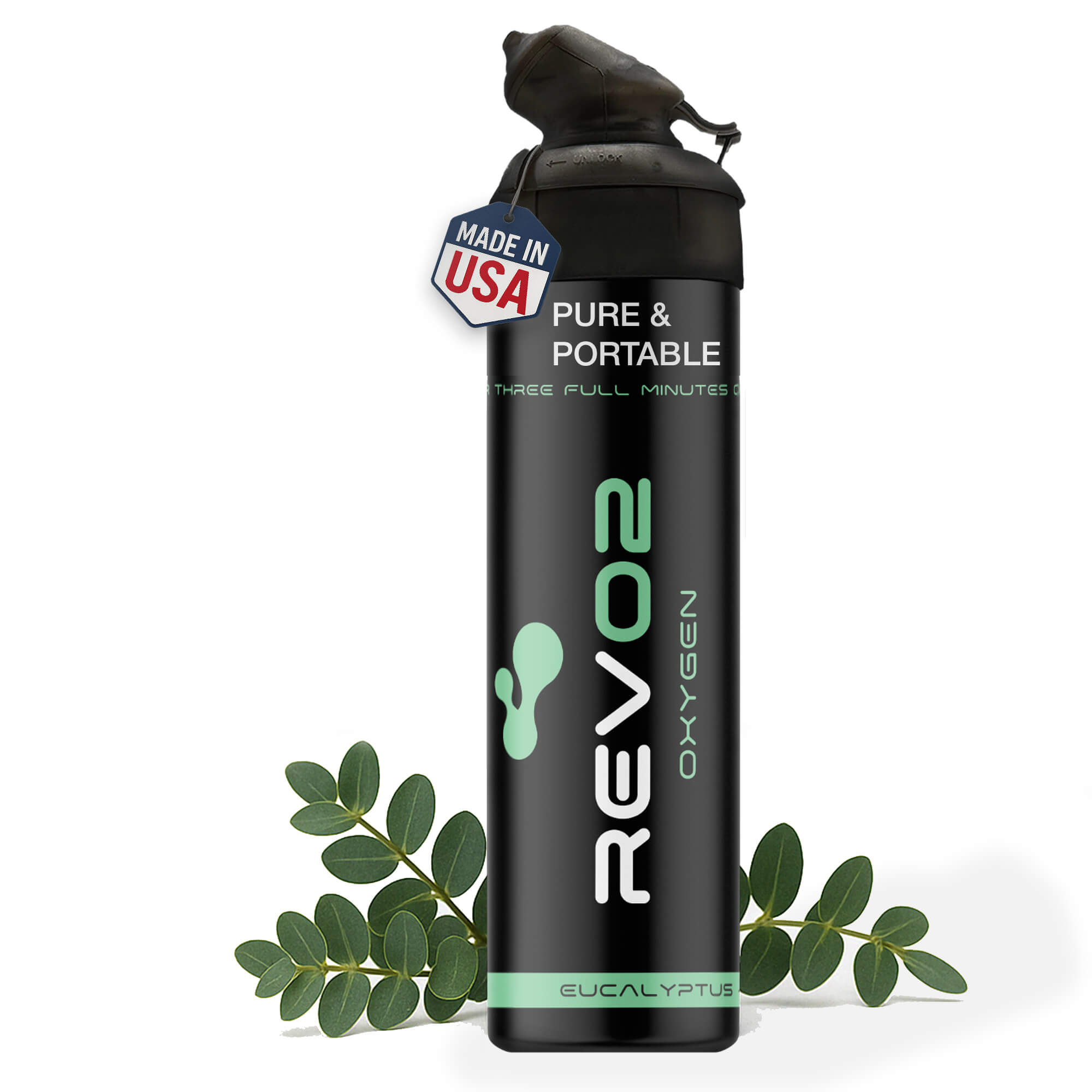
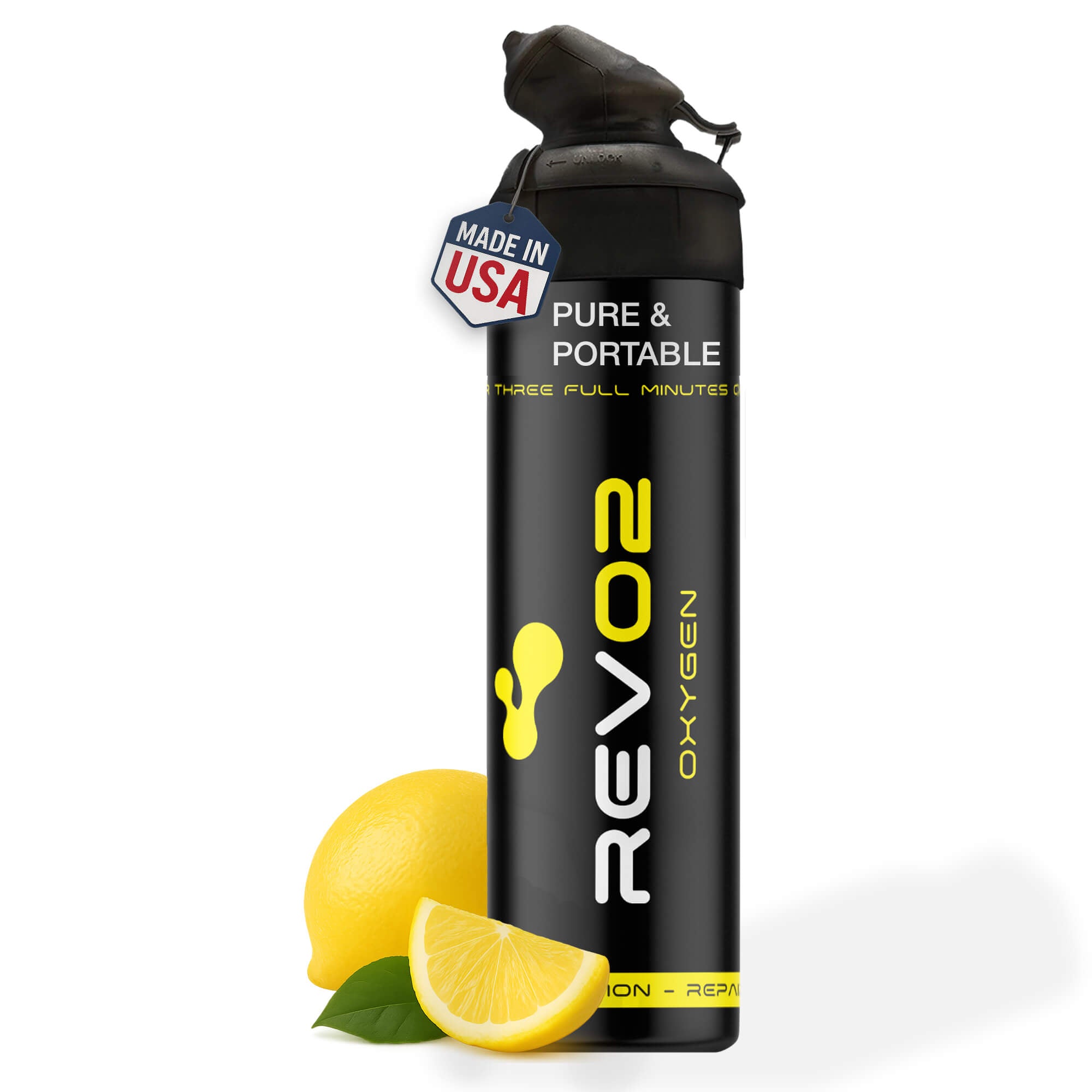
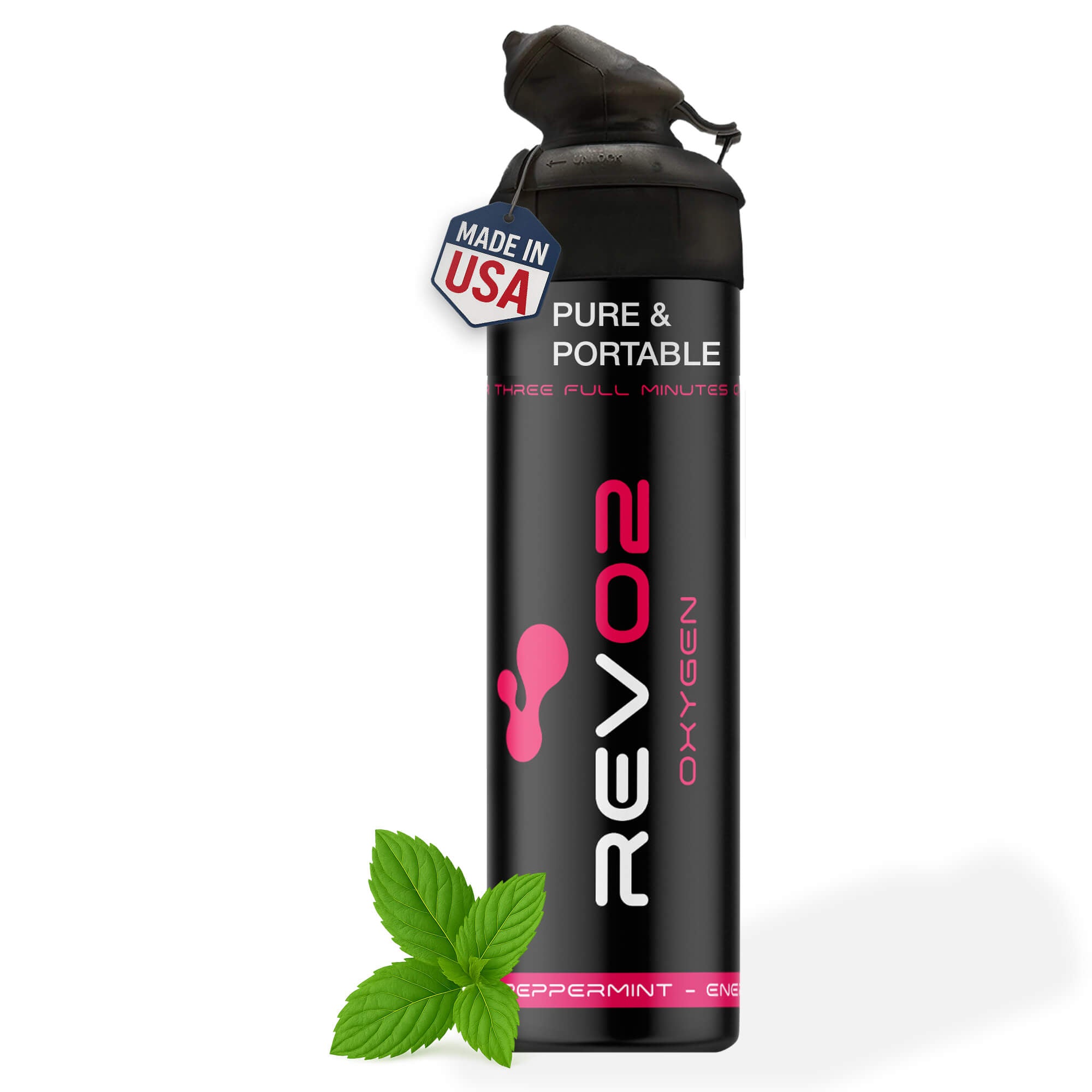
Some travelers like to bring a small can of oxygen for the first evenings, after a long hike, or before bed on the first night. REV/O2 makes portable canned oxygen, 98% pure, with a zero-leak mouthpiece and a trigger-lock cap, so you can take a few breaths without a mask or a prescription. Our three blends are Peppermint (Energy & Endurance), Lemon (Recovery & Immunity) and Eucalyptus (Focus & Relaxation).
How we think about it: oxygen is a comfort and recovery tool for how you feel, and it works alongside the basics of pacing, water and rest. Banner Health’s Dr. Johar notes that oxygen may offer some relief but only temporarily. That is why we always pair it with the same message: if symptoms are significant or getting worse, go down and get care.
A few moments where visitors reach for a can:
- After a day hike, when your legs and head feel flat
- In the evening on arrival day, when fatigue and a mild headache set in
- On a ski trip, between runs or back at the lodge (see our ski trip altitude kit)
- During recovery days (see our 1 to 3 day altitude recovery guide)
For step-by-step usage, read our guide on how to use canned oxygen. If headaches are your main complaint, our piece on high altitude headache relief options covers the practical choices.
What if symptoms appear?
Start with the mild version. A headache, light nausea or tiredness on arrival day is common and often eases with rest, water and no further climbing. The CDC timeline suggests that symptoms generally clear in 12 to 48 hours if you stay at the same height.
Mild symptoms: what to do
- Stop ascending, and do not go to higher terrain until you feel well.
- Rest, drink fluids and eat something light.
- Avoid alcohol and sedatives.
- Consider a can of oxygen for comfort, while keeping an eye on how you feel.
- Recheck in a few hours and again the next morning.
If nausea is the main problem on the trail, see our guide to fast altitude nausea relief for hikers.
When to go down
If symptoms worsen at rest, descend. The Cleveland Clinic advises going to a lower altitude, usually at least 984 feet (300 meters) and as much as 3,281 feet (1,000 meters). At Tahoe, that can mean driving down toward Reno or the valley floor, or even moving from a high trailhead back to the lake. Banner Health’s Dr. Johar adds that even a couple thousand feet can make a difference.
When to get emergency care
The Cleveland Clinic says to seek emergency care for any of these:
- Shortness of breath at rest
- Chest tightness or pain
- Coordination problems
- Confusion or slurred speech
- Decreased consciousness
The Tahoe Forest Health System lists severe headaches, persistent nausea, confusion and difficulty walking as signs that are not normal: stop what you are doing and seek urgent care. Banner Health’s guidance matches this: a cough, trouble breathing, a severe headache that does not respond to medication, or balance problems call for professional care and an immediate drop in altitude.
The most serious form in the lungs is high-altitude pulmonary edema (HAPE). The Cleveland Clinic states that supplemental oxygen is the first treatment for HAPE, along with moving lower as soon as possible, and that without prompt treatment it can quickly be fatal. That is a medical emergency for emergency responders and medical-grade oxygen. Call 911, and do not leave the person alone.
Diamox: a question for your clinician
Some travelers ask about acetazolamide (Diamox). The CDC Yellow Book says acetazolamide prophylaxis would benefit travelers at risk, and it recommends that those travelers carry it for prevention or treatment of AMS. For Tahoe, this is mostly a conversation for people with a history of altitude illness or those heading well above the lake.

For a sense of the usual pattern, Indiana University’s travel clinic describes one 125 mg tablet twice a day, starting 24 hours before arrival at altitude and continuing for 48 hours there. Treat this as background, not a prescription. It is a prescription drug, so your own dose, timing and suitability come from your clinician or a travel clinic. Our article on supplements to prevent altitude sickness covers the non-prescription side of preparation.
A simple Tahoe itinerary for sea-level visitors
| Day | Plan | Why |
|---|---|---|
| Arrival | Lakeshore walk, light dinner, water, early night | Symptoms usually start 2 to 12 hours after arrival |
| Day 2 | Easy beach or flat trail, short outing | Gives your body time to adapt |
| Day 3 | Moderate hike or a gentle lift ride if you feel well | Add elevation only once symptoms are gone |
| Day 4 onward | Bigger climbs or ski days | Plan the toughest outing after you have adjusted |
If you feel unwell at any stage, hold the plan at the same level until you feel better, or go back down.
Our perspective
We built REV/O2 because we kept hearing the same story: people who were fit, prepared and excited still felt flat in the first days at elevation. They did not need a hospital. They needed an easy way to take a few good breaths of oxygen after the day’s effort, without a mask or tank.
That is what our 98% pure canned oxygen is designed for. The zero-leak mouthpiece and trigger-lock cap are meant to cut waste, so more of each can reaches you. Our peppermint, lemon and eucalyptus blends give you a choice by moment: energy, recovery or calm focus.
We also believe in being straight about the limits of any wellness tool. Pace, water, sleep and a sensible plan do most of the work, and a can of oxygen is a pleasant, portable addition to that routine. If symptoms are serious, you go down and you call for help. Used that way, we think a can in your day pack is one of the easiest things you can bring to Tahoe.
Paul
Bring oxygen on your Tahoe trip
If you want a portable option for arrival evenings, post-hike recovery or ski days, take a look at our canned oxygen collection. You can pick a blend, or build your own bundle to cover everyone in your group.
Each can is designed for easy use right out of the pack, with no prescription needed. Check the product pages for current pricing and sizes.
FAQ
How high is Lake Tahoe above sea level?
The EPA lists Lake Tahoe’s natural rim at 6,223 feet. The towns around the shore are at a similar height, and trails and ski areas above the lake climb much higher.
At what altitude should you worry about altitude sickness?
The Cleveland Clinic says AMS is rare below 8,000 feet, so the lakeshore itself is lower risk. Risk rises with height and speed of ascent, so take extra care on high hikes, passes and ski summits, especially soon after arriving from sea level.
When do altitude sickness symptoms start, and how long do they last?
The CDC Yellow Book says symptoms usually begin 2 to 12 hours after arrival, often after the first night. They generally resolve within 12 to 48 hours if you do not ascend farther.
When is Diamox used for altitude sickness?
Indiana University’s travel clinic describes it as being started 24 hours before arrival at altitude for people at risk. It is a prescription medicine, so ask your clinician whether it fits your situation.
Can portable oxygen treat altitude sickness?
Canned oxygen is a comfort and recovery aid. It does not replace going to a lower altitude or seeing a medical professional. Banner Health notes oxygen may bring only temporary relief. For confusion, trouble walking, chest tightness or breathlessness at rest, descend and call 911.
Sources
- About Lake Tahoe | US EPA
- Water Science in the Lake Tahoe Basin | USGS
- Altitude Sickness | Cleveland Clinic
- High-Altitude Pulmonary Edema (HAPE) | Cleveland Clinic
- High-Altitude Travel and Altitude Illness | CDC Yellow Book
- The Best Ways to Prevent Altitude Sickness | Banner Health
- Safety and Outdoor Ethics | Lake Tahoe Basin Management Unit
- Altitude Acclimatization Tips | Tahoe Forest Health System
- Diamox | Indiana University Student Health