
Buying or owning canned oxygen is separate from carrying it on or checking it onto a commercial aircraft. The FAA and DOT hazardous materials rules forbid it, and the FDA reserves medical oxygen for regulated, prescription use. Buying a can past airport security does not give you permission to board with it.
TL;DR:
- The FAA and TSA prohibit canned oxygen in cabin baggage, checked baggage, or on your person, regardless of container size or purchase location.
- For in flight medical oxygen, contact the airline well ahead of departure; airline service is not guaranteed, while accepted portable oxygen concentrators may be used.
- FDA emergency oxygen guidance sets thresholds of 6 liters per minute for 15 minutes or 90 liters total, which recreational cans typically do not meet.
- People with asthma or COPD should not use recreational cans to treat symptoms, because they can mask worsening illness and delay proper care.
- Because air carriage is restricted, many sellers ship cans by ground; check the seller’s policy and buy at your destination or arrange ground delivery.
Table of Contents
- What does “prohibited” mean for canned oxygen?
- Can you bring canned oxygen on a plane?
- How does the FDA regulate oxygen?
- What safety precautions apply to canned oxygen?
- Where can you buy canned oxygen, and how does shipping work?
- Why we educate customers about the rules
- Where to buy REV/O2 and find our safety resources
- FAQ
- Sources
What does “prohibited” mean for canned oxygen?
Two separate questions get mixed up here. Whether you may buy and own a can is one question. Whether you may transport it, especially by air, is another, and the second one is where the strict rules live.
Federal hazardous materials regulations in 49 CFR treat compressed oxygen as a hazardous material for transport. The FAA’s PackSafe guidance applies that classification to canned and recreational oxygen, including flavored products, and the prohibition applies regardless of container size. Here is what that means in practice:
- The rule covers carry-on bags, checked bags, and your person.
- Airport shops, kiosks, and vending machines may still sell cans, but a purchase past security does not make carriage legal.
- The restriction is about transport, not about ownership at home.
- Some states add their own layer. Massachusetts, for example, treats oxygen for human administration as a prescription drug, so “recreational” marketing does not override state law.
We want you to know this before you buy, because a can that cannot board a plane is a can you will have to leave behind at the checkpoint.
Can you bring canned oxygen on a plane?
No. The FAA’s DGAB 2014-01 advisory states that canned and recreational oxygen products are hazardous materials that passengers and crewmembers may not carry aboard commercial aircraft. The TSA also lists recreational oxygen as not permitted in carry-on or checked baggage, and the final call rests with the officer at the checkpoint.
If you need oxygen in flight for medical reasons, you have lawful options. You can arrange airline-provided oxygen service in advance, though airlines are not required to offer it and many do not. You can also use a portable oxygen concentrator that meets the FAA acceptance criteria. A concentrator does not hold compressed oxygen, which is why it is treated differently from a can.
- Contact your airline well before the flight and ask about oxygen service.
- Confirm that your portable concentrator carries the labeling the FAA requires.
- Never pack cans in any bag.
- If you bought a can inside the terminal, leave it behind before boarding.
Pro Tip: Call the airline’s special assistance line at least a few days ahead, since oxygen arrangements often need advance notice.
Our own guide explains why TSA bans canned oxygen and walks through the steps for flying with oxygen.
How does the FDA regulate oxygen?
Under U.S. law, oxygen intended for human administration is generally treated as a drug or medical gas. The FDA’s review guidelines describe narrow criteria for emergency oxygen equipment, such as a minimum flow of 6 liters per minute for at least 15 minutes or a total capacity of 90 liters. Recreational canned oxygen typically does not meet them.

Medical gases follow their own path. The FDA’s OTC drug Q&A explains that these products are not handled like over-the-counter monograph drugs. Labeling is governed by 21 CFR 201.161, and some suppliers have received medical gas certification to market oxygen as a medical product. Certain administration kits and portable liquid oxygen units fall under specific device classifications.
What this means for you:
- Recreational cans are marketed as non-medical products.
- They are not approved for treating any condition.
- They are not a substitute for oxygen your clinician prescribed.
- Medical oxygen is made and labeled by registered manufacturers and used under supervision.
What safety precautions apply to canned oxygen?
Safety comes first with any oxygen product. The Missouri Poison Center notes that recreational canned oxygen has not been conclusively shown to provide specific health benefits and that prolonged or improper use carries risks, including rare oxygen toxicity. People with asthma or COPD should not use it to self-treat symptoms, because it does not replace first-line therapies and can mask a worsening problem.
The Missouri Poison Center cautions that canned oxygen can create a false sense of security and delay emergency care, especially for people with chronic lung disease. Read the review. If symptoms feel serious, seek medical care first.
A published review of public comments found that some consumers turn to canned oxygen for medical reasons despite warnings. Oxygen also raises fire risk, so MedlinePlus advises these basics:
- No smoking near oxygen.
- Keep cans away from open flames and heat sources.
- Follow the label directions and store cans properly.
- Never rely on a can in an emergency.
Our article on the risks of too much recreational oxygen goes deeper on the clinical cautions.
Where can you buy canned oxygen, and how does shipping work?
Canned oxygen is sold online, at specialty shops, and sometimes at airport kiosks or vending machines beyond the checkpoint. Because the FAA classifies it as hazardous for air carriage, many sellers ship by ground only, and shipping policies are worth reading before you order. Our guide to shipping oxygen cans explains shipping considerations.
- Check whether a seller ships by ground only.
- Do not plan to carry a can with you on a trip. Buy at your destination or ship ahead by ground.
- Store cans away from heat and flames.
- If you travel with electronics, check battery rules too. A wearable heating pad guide covers battery limits that apply to personal devices on planes.
Why we educate customers about the rules
We sell recreational canned oxygen. Honesty is part of selling responsibly. We point travelers toward airline oxygen service or approved concentrators when they need medical support, and we publish shipping and safety guidance.
My view is that the biggest misunderstanding in this category is the airport shop. Seeing a can for sale near the gate suggests it is allowed on the plane, and it is not. Treat the sale and the rule as two separate facts, and ask a healthcare provider about any medical question. Our support team is also ready to help.
— Paul
Where to buy REV/O2 and find our safety resources
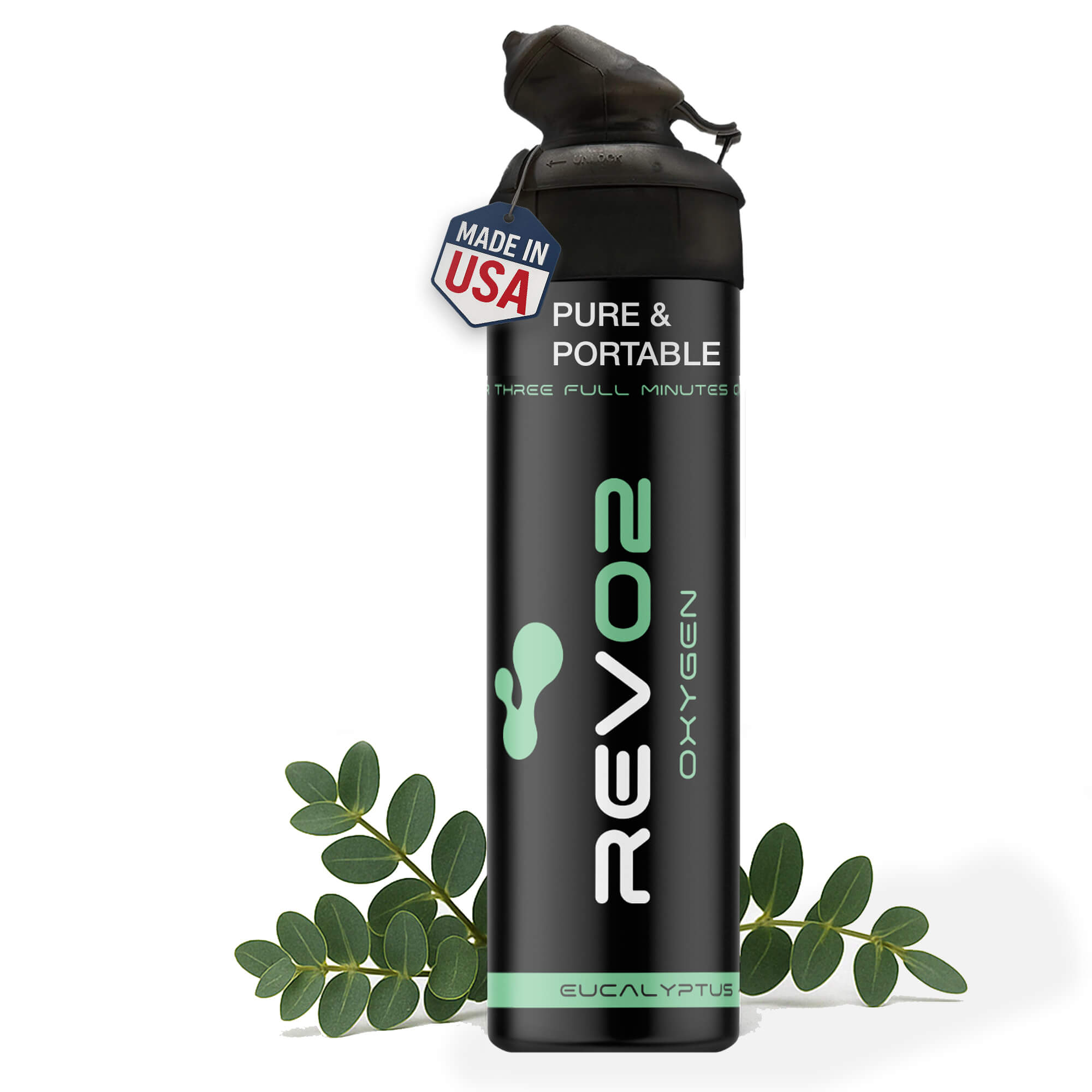
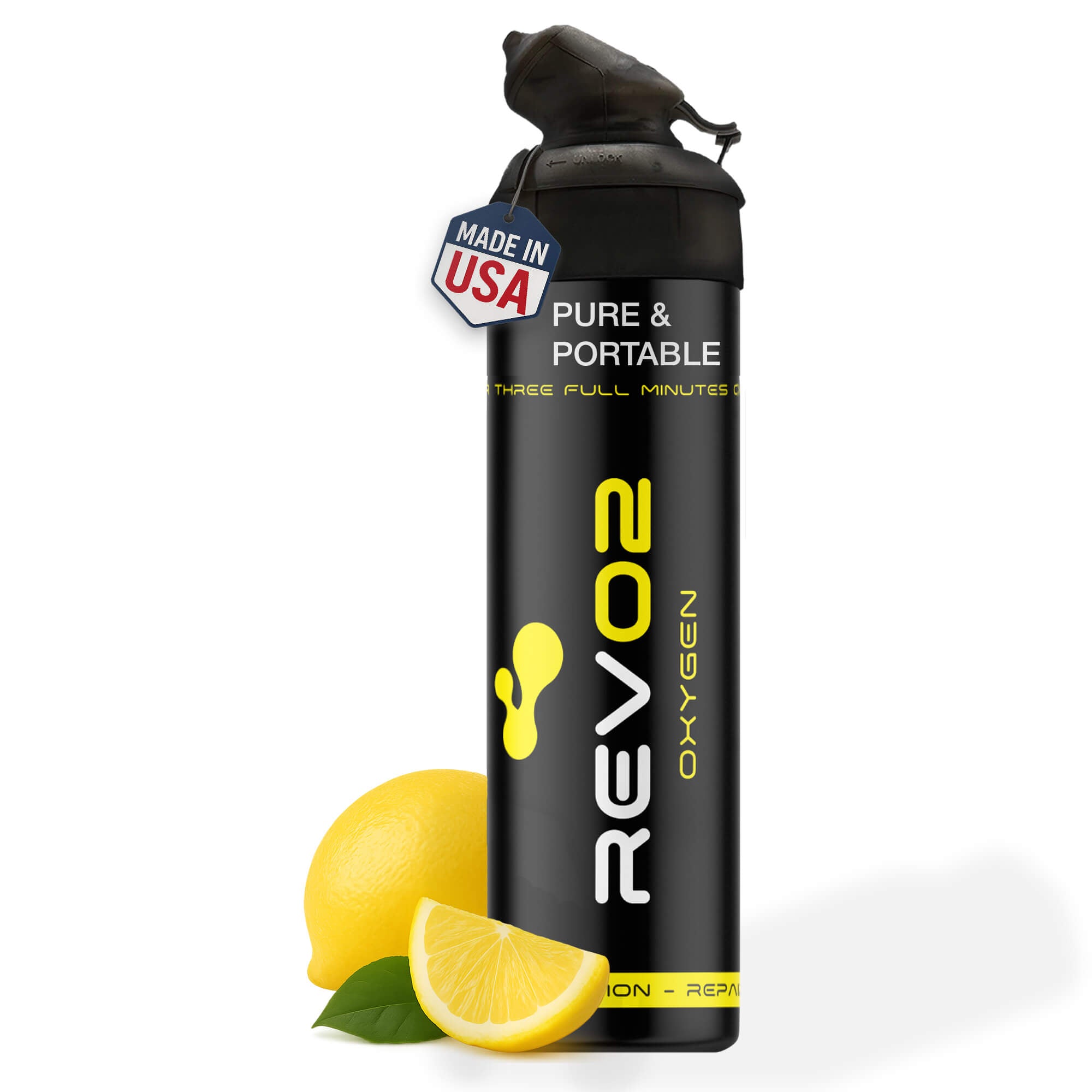
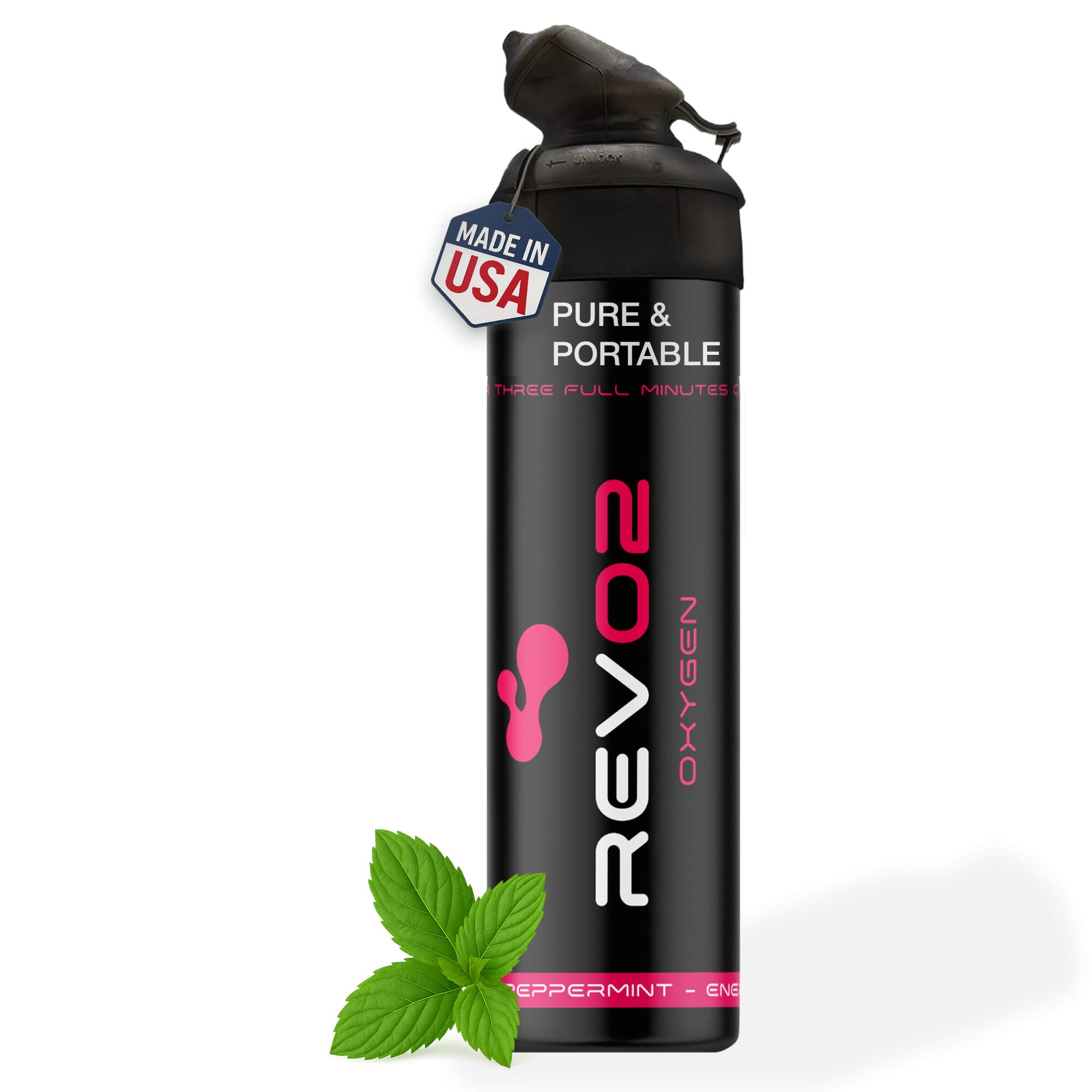
If you are looking for recreational oxygen, browse our canned oxygen collection, including Peppermint Oxygen - Energy & Endurance, Lemon Oxygen - Recovery & Immunity, and Eucalyptus Oxygen - Focus & Relaxation. You can browse everything on our home page. Remember that cans cannot go on planes.
Find safety and support here:
- Our how-to-use guide for safe, effective use
- Our shipping guidance
- Our customer support team for questions before you order
Ready to try it? Shop REV/O2 canned oxygen and breathe a little easier.
FAQ
Is canned oxygen legal to buy in the U.S.?
Buying or owning recreational canned oxygen is different from carrying it on a commercial aircraft. State rules can differ, and oxygen intended for human administration is generally considered a drug or medical gas.
Is it legal to take canned oxygen on a plane?
No. The FAA forbids passengers from carrying canned oxygen in carry-on bags, checked bags, or on their person.
What oxygen is FAA approved for flights?
Airline-provided oxygen service and FAA-accepted portable oxygen concentrators are the acceptable options. Arrange either one with your airline in advance.
Can canned oxygen replace prescribed oxygen?
No. It is not a substitute for prescribed treatment, and the Missouri Poison Center warns that people with lung disease should not use it to self-treat.
Sources
- PackSafe - Oxygen (compressed or liquid) | Federal Aviation Administration
- Review Guidelines for Oxygen Generators and Oxygen Equipment for Emergency Use | FDA