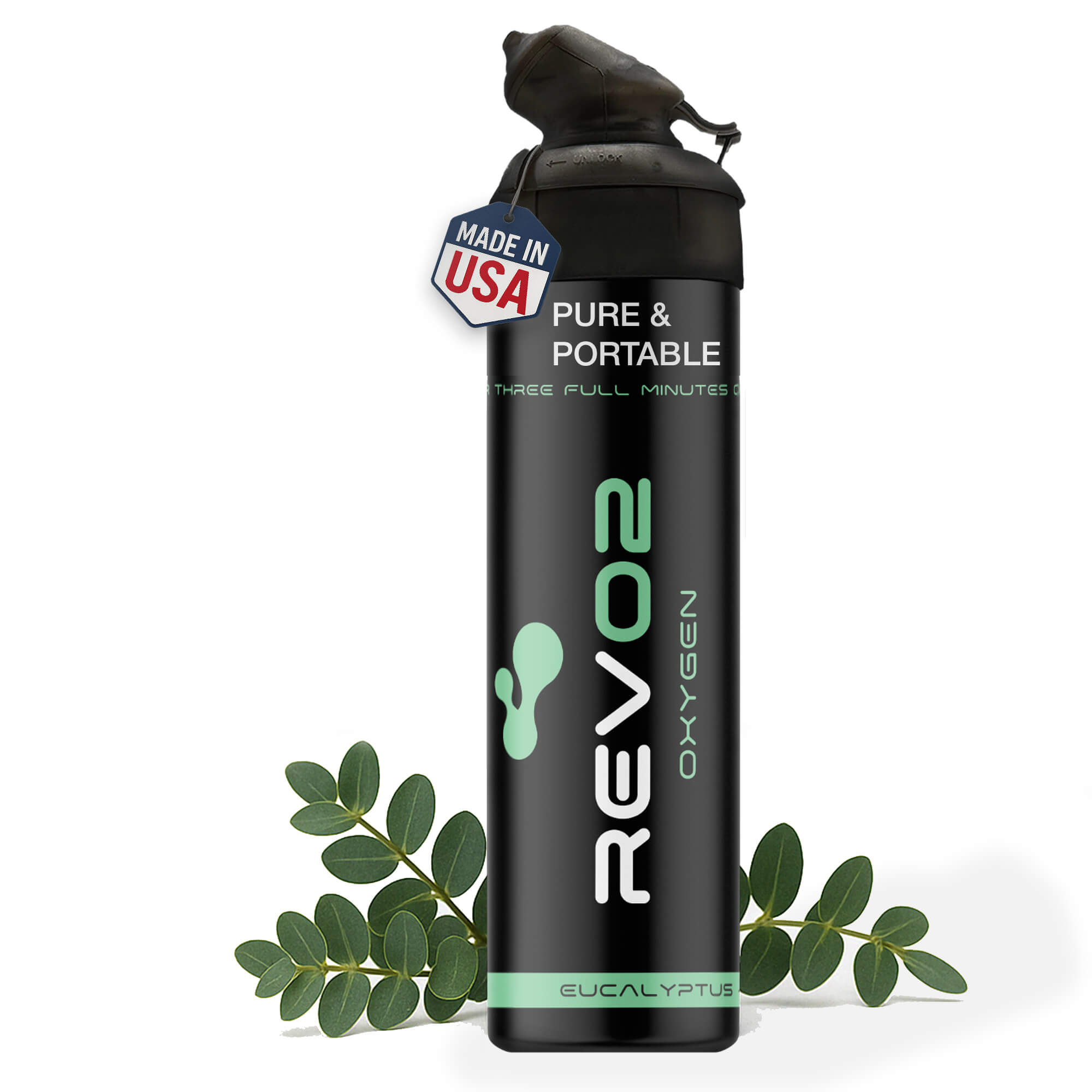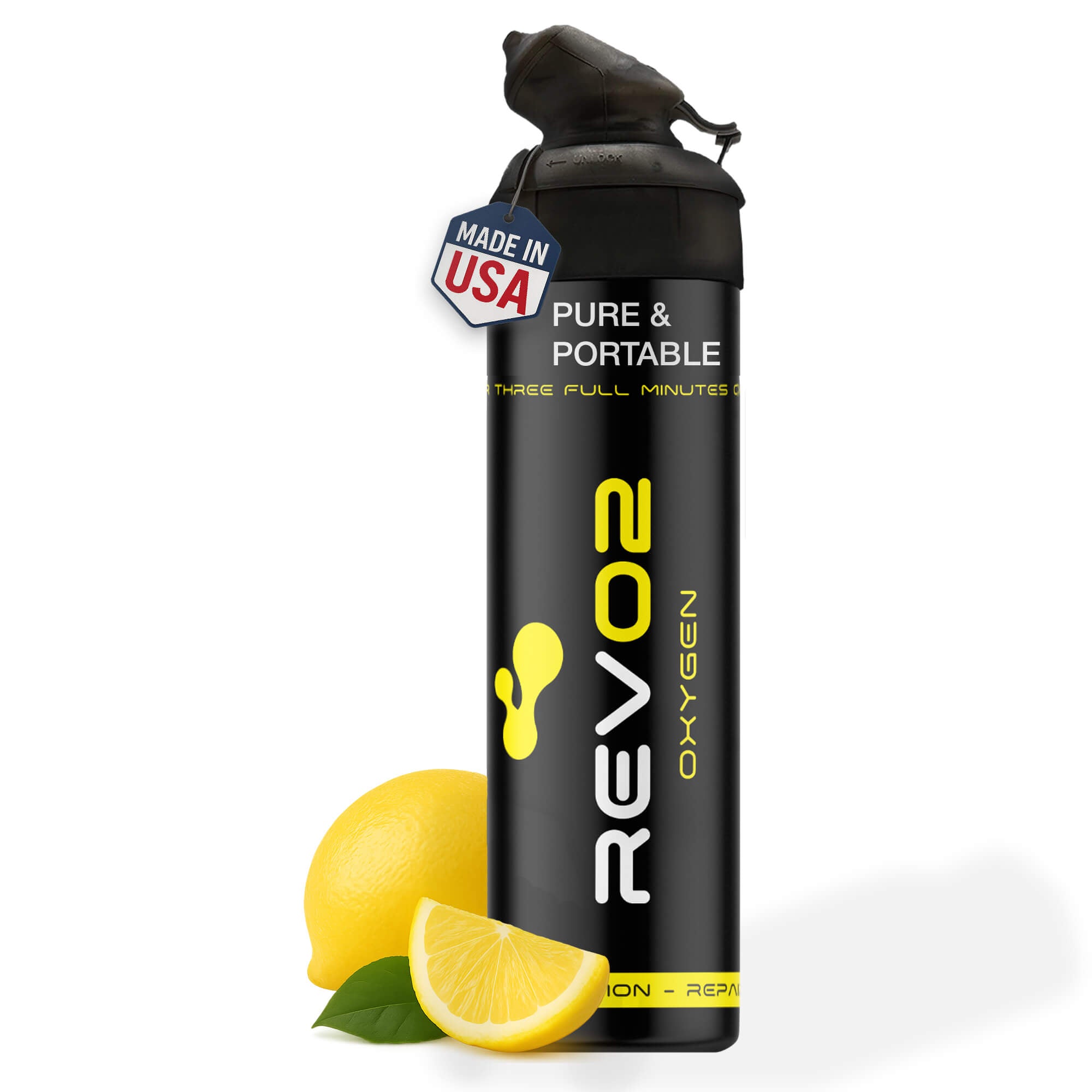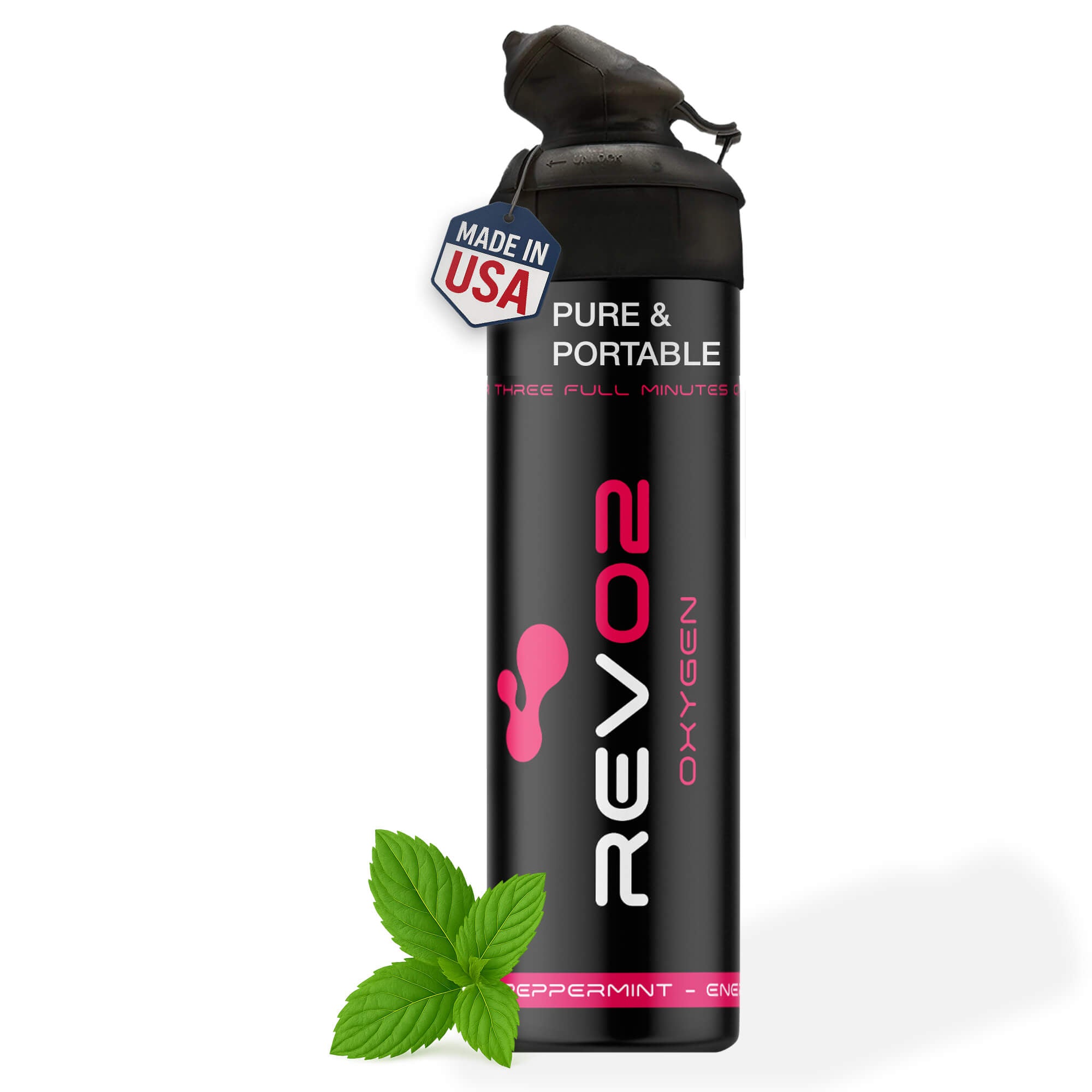

Eucalyptus oxygen is canned oxygen blended with a eucalyptus aroma. The realistic benefit is a short, pleasant sense of fresher, easier breathing, plus a moment of calm and focus. It is not a treatment for congestion, and it will not raise the oxygen levels of a healthy person in any meaningful way. Below we separate what eucalyptus can plausibly do from what marketing sometimes promises, so you can decide whether it fits your day.
TL;DR
- Eucalyptus contains cineole, a compound studied for airway conditions. The aroma mainly creates a cooling sensation that many people read as “clearer breathing.”
- Small trials suggest brief, subjective relief from stuffy-feeling symptoms. Those effects fade quickly and do not replace medical care.
- Canned oxygen holds only a few liters, so it is a short, sensory boost, not a therapy for altitude sickness or lung disease.
- Skip or ask a clinician first if you have asthma or COPD, or if the user is a child under 6. Never use it to delay care for serious breathing trouble.
- Our Eucalyptus Oxygen blend is built for focus and relaxation moments, not for treating illness.
Table of Contents
- What eucalyptus oxygen actually is
- The potential benefits, one by one
- What eucalyptus oxygen will not do
- Peppermint or eucalyptus: which fits your need?
- Safety: who should be careful with eucalyptus
- Our perspective
- How to use eucalyptus oxygen well
- Try Eucalyptus Oxygen
- FAQ
- Sources
What eucalyptus oxygen actually is
Two separate things are being combined, and it helps to keep them apart.
The first is oxygen. The air you breathe is about 21% oxygen. Canned recreational oxygen, including ours, is 98% pure, delivered through a mouthpiece in short breaths.
The second is eucalyptus, a plant aroma. The primary active compound in eucalyptus oil is cineole, also called eucalyptol. Eucalyptus has a long history in folk and household remedies for colds, and the UK’s pediatric formulary notes that inhalations containing volatile substances such as eucalyptus oil are traditionally used to relieve congestion and ease breathing. The same page points out that the vapor may contain little of the additive, so the habit of inhaling steam may matter as much as the oil.

In our Eucalyptus Oxygen, the oxygen is infused with eucalyptus essential oil and is positioned for focus and relaxation. You breathe it through a zero-leak mouthpiece rather than a mask, with a trigger-lock cap to prevent waste.
The potential benefits, one by one
A cooling, “open” feeling in the nose and throat
This is the most reliable effect, and it is real as an experience. Eucalyptus aroma stimulates cold-sensitive receptors in the upper airway. The result feels like air moving more freely.
Lung specialists are careful about what that means. In an interview, Prof. Rainald Fischer describes the benefit largely as a sensory effect: the cooling sensation is felt as easier breathing, yet it does not measurably reduce airway resistance in healthy people. Knowing this is useful. A feeling of ease can still be welcome when you are tense, stuffy-feeling or tired. It just should not be mistaken for a change in your lungs.
Short-term comfort when you feel congested
People searching for eucalyptus for congestion usually want to know whether it clears a blocked nose. The honest answer is that it may make you feel less blocked for a short time.
Research gives a modest picture. Cineole has been studied as a mucolytic, meaning a substance that helps thin mucus. In a placebo-controlled, double-blind trial of 242 patients with COPD, 200 mg of cineole taken three times daily for six months reduced the frequency and severity of exacerbations. Note what that trial tested: a measured oral dose, over months, in people under medical supervision. That is a very different thing from a few breaths of a scented gas.
For aromatic inhalation itself, small trials suggest people can report quick, subjective improvement in congestion symptoms, but the difference tends to disappear within days of continued use. A review of aromatic ointments for the common cold is a good place to see how mixed and limited that evidence is.
So: if you are mildly stuffy and want a moment of relief, a eucalyptus aroma may feel good. If you are sick, it is not a cure, and it does not shorten a cold.

A sense of focus and mental freshness
Many people describe eucalyptus as bracing, similar to the effect of cool air or a brisk walk outside. That alertness is plausible as a sensory and psychological response, and it is the reason we frame our eucalyptus blend around focus and relaxation. Controlled evidence that eucalyptus aroma improves cognitive performance is thin, so we treat it as a personal-experience benefit, not a proven one.
Calm during a stressful moment
Slow, deliberate breathing is one of the best-supported ways to settle a stress response, with or without any aroma. A can with a mouthpiece gives you a ritual: pause, inhale slowly, exhale longer. A familiar fresh scent can anchor that pause. Think of the oxygen and aroma as a cue for the breathing technique, which is doing most of the work.
Try this once, wherever you are:
- Sit upright and relax your shoulders.
- Inhale slowly through the mouthpiece for about four seconds.
- Hold gently for a second or two.
- Exhale through your nose for six to eight seconds.
- Repeat for a few minutes, then notice how your jaw, shoulders and breathing rhythm feel.
What eucalyptus oxygen will not do
This section matters most, because it keeps expectations realistic and safe.
It will not meaningfully raise oxygen levels in healthy lungs
Healthy lungs already saturate blood with oxygen efficiently. A University of Colorado article on canned oxygen quotes a pulmonary fellow describing a “data-free zone” for short bursts of oxygen. Its reporting also notes that cans hold very little: 5 liters at most in the examples it discusses, while treating altitude symptoms with oxygen typically requires a continuing flow of 1 to 2 liters per minute. We have written about the same limits in our own pieces, including why any canned oxygen boost fades in 5 to 10 minutes and why 5 liters is not a treatment.
It is not altitude medicine
If you hike or travel high, the CDC Yellow Book is clear that the core strategies are gradual ascent and acclimatization, with medication or therapeutic oxygen from medical equipment for severe cases. A scented can does not replace any of that. If a headache, nausea, confusion or breathlessness worsens at altitude, descend and seek medical help. Our guide to fast altitude nausea relief for hikers explains the sequence, and our overview of supplements for altitude sickness covers what else people consider.
It is not a medical oxygen substitute
If you have a lung condition, a low oxygen reading, or a doctor-prescribed oxygen plan, canned recreational oxygen is not a replacement. Our own canned oxygen safety guide addresses the risk of delay when people use consumer products for medical problems. Seniors with ongoing shortness of breath should read our guide to managing shortness of breath in seniors and talk to their clinician.
Peppermint or eucalyptus: which fits your need?
Readers often ask which is better for congestion. Both produce a cooling sensation, and no strong trial shows one clearly outperforming the other for healthy adults. The choice is mostly about how you want the moment to feel.
| Blend | How we position it | Good moment to use it |
|---|---|---|
| Peppermint | Energy and endurance | Before a workout, mid-afternoon slump |
| Lemon | Recovery and immunity | After exercise, a long travel day |
| Eucalyptus | Focus and relaxation | Desk work, a stressful stretch, winding down |
If you want something bracing and mentally clear, eucalyptus tends to suit people who prefer a deeper, herbal scent. If you prefer a brighter, sharper aroma, peppermint is the alternative in our range.
Safety: who should be careful with eucalyptus
Eucalyptus is natural, but natural does not mean harmless. The cautions below are where we would put a flag.
Children. Medical guidance advises against eucalyptus or menthol-based essential oils for children under 6, because they have been linked to serious reactions including breathing difficulty, laryngeal spasm and seizures. A randomized trial of vapor rub in children also recorded burning sensations: 28% of participants reported skin burning, with 16% reporting eye burning and 14% nasal burning. Keep eucalyptus products away from young children, and ask a pediatrician before using any aromatic product with a child.
Asthma, COPD and sensitive airways. Respiratory specialists caution that essential oils are not designed for delivery into the lungs and may cause irritation or bronchospasm in people with sensitive airways. If you have asthma or COPD, talk to your doctor before trying any aromatic inhalation, and stop if you cough, wheeze or feel tight.
Quality and regulation. Essential oil quality varies, and Cleveland Clinic physicians say there is not enough scientific evidence that essential oils help coughs or serve other medical purposes. Choose products from a brand that explains what is in them and how to use them.
Irritation and side effects. Watch for headache, throat irritation or dizziness. This overview of aromatherapy inhaler side effects and safe use covers age-related precautions and breathing complications that apply to essential oil inhalation generally. Stop use if anything feels wrong.
Pregnancy and medications. If you are pregnant or take medication for a respiratory or heart condition, check with your clinician first.
Our perspective
We make canned oxygen, so we owe you the straight version. Our product started from athlete and scientist input, and the design choices come from practical problems: a mask is awkward, and a leaky can wastes oxygen. That is why we built a zero-leak mouthpiece and a trigger-lock cap.
We do not tell anyone that eucalyptus oxygen treats congestion, altitude sickness or any condition. What we hear from customers, and what we think is a fair description, is that a few slow breaths of a fresh aroma can make a tense or tired moment feel easier. The oxygen is 98% pure, the aroma is pleasant, and the ritual of pausing to breathe slowly helps. That is a wellness habit, not a medical intervention.
If something is wrong with your breathing, you need a clinician, not a can. If you simply want a portable reset during a demanding day, we think our Eucalyptus Oxygen is a good fit. You can read more in our canned oxygen benefits guide and our guide to supplemental oxygen for athletes, hikers and travelers.
— Paul
How to use eucalyptus oxygen well
A few habits make the experience better and safer.
- Sit down first. Use it seated or standing still, not while driving, climbing or operating equipment.
- Breathe slowly. Inhale steadily through the mouthpiece, then exhale slowly. Gulping air can leave you lightheaded.
- Keep it short. A few breaths are enough. More is not better.
- Store it properly. Keep cans away from heat and flame. Oxygen supports combustion, which is why our safety guide covers fire risk.
- Pair it with the basics. Water, food, sleep and a short walk often do more for energy and focus than any single product.
For step-by-step instructions, see our page on how to use canned oxygen safely and effectively.
Try Eucalyptus Oxygen
If you want a calm, focused moment you can carry in a bag, our Eucalyptus Oxygen, built for focus and relaxation, delivers 98% pure oxygen with eucalyptus essential oil through a zero-leak mouthpiece. You can also browse the full canned oxygen collection to compare it with our peppermint and lemon blends, or build your own bundle to mix them.
FAQ
Does eucalyptus help with breathing?
It can make breathing feel easier for a short time, because the aroma creates a cooling sensation in the nose and throat. Studies in healthy people have not shown that it reduces airway resistance or improves gas exchange. If you struggle to breathe, see a clinician.
Is eucalyptus oxygen good for congestion?
It may give a brief, subjective feeling of relief, but it does not treat the cause of congestion. Small trials of aromatic inhalation show comfort that fades within days. For congestion lasting more than about a week, or with fever or shortness of breath, talk to a doctor.
Is peppermint or eucalyptus better for congestion?
Neither has been shown to be clearly better. Both give a cooling effect, so choose the aroma you enjoy. We position peppermint for energy and endurance and eucalyptus for focus and relaxation.
Does eucalyptus make you sleepy?
Not reliably. Some people find the scent calming and others find it bracing. If you want a wind-down routine, pair it with slow breathing and notice how you respond, and avoid using it before tasks that need full alertness until you know.
Is eucalyptus oxygen safe for children?
We do not recommend it for young children. Medical guidance advises against eucalyptus and menthol oils for children under 6, and older children should only use it with a parent’s supervision and a pediatrician’s approval.
Sources
- Does Oxygen in a Can Deliver on Its Altitude and Energy Claims? (CU Anschutz)
- High-Altitude Travel and Altitude Illness (CDC Yellow Book)
- Inhalation therapy with home remedies: interview with Prof. Rainald Fischer (PARI)
- Cineole reduces exacerbations in COPD: placebo-controlled trial (PMC)
- Aromatic ointments for the common cold: what does the science say? (PMC)
- Vapor rub, petrolatum, and no treatment for children with nocturnal cough (PMC)
- Using Essential Oils To Treat Coughs (Cleveland Clinic)
- Aromatic inhalations, cough preparations and systemic nasal decongestants (BNFC, NICE)