
Lemon can take the edge off mild nausea for some people, and the best-studied way to use it is to smell it, not drink it. Small clinical trials, mostly in pregnant women, found that inhaling lemon scent lowered nausea scores. Sipping lemon water or lemonade is a common home remedy too, but the evidence is thinner, and acidic drinks can backfire if you have reflux. Below we cover how to use lemon, who should skip it, and the signs that mean nausea needs a clinician, not a home remedy.
TL;DR
- Smelling lemon (a fresh cut peel or a few drops of essential oil on a cotton ball) has the most research behind it for nausea, mainly in pregnancy.
- Small sips of cold, clear or sour drinks such as lemonade are a standard self-care suggestion, but lemon juice can aggravate heartburn and reflux.
- Lemon eases a symptom. It does not treat the cause, so persistent or severe nausea, dehydration signs, chest pain or a lasting headache call for medical care.
- At high altitude, nausea can be a sign of acute mountain sickness, and the real fix is rest, time or descent, not a scent.
Table of Contents
- Why lemon is such a common nausea remedy
- What the research says about smelling lemon
- Drinking lemon: lemon water, lemonade and wedges
- Lemon aroma options compared
- Lemon for nausea in pregnancy
- When nausea means more than “a queasy stomach”
- Nausea at altitude: a special case
- Our perspective on lemon and breathing
- A calm-down routine you can try
- Where our lemon blend fits
- Other gentle options worth knowing
- FAQ
- Sources
Why lemon is such a common nausea remedy
Nausea is your body’s alarm, and it has many triggers: a stomach bug, motion, pregnancy hormones, medication side effects, anxiety, a migraine, or simply going too long without eating. People reach for lemon because it is cheap, it is in most kitchens, and its sharp smell cuts through the stale, heavy feeling that often comes with queasiness.
There are two ways people use it, and they are not equal in the evidence:
- Inhaling the scent. Cutting a lemon, scratching the peel, or using lemon essential oil on a cotton ball.
- Drinking it. Lemon water, lemonade, lemon tea, or sucking on a wedge.
The first has controlled trials behind it. The second is mostly tradition and general self-care advice. Keeping the two apart makes it much easier to choose what suits you.
What the research says about smelling lemon
The strongest data comes from pregnancy. In a double-blinded, randomized, controlled trial of lemon inhalation aromatherapy, researchers tested the scent against a placebo in pregnant women with nausea and vomiting. A broader systematic review of integrative practices for nausea in pregnancy reported significant differences in nausea scores between lemon and control groups on the second and fourth days of treatment.
The method in those studies was simple. Participants put a few drops of lemon oil on a cotton ball and held it about 3 cm (roughly an inch) from the nose, breathing normally. Another trial found that combined lemon and peppermint inhalation was also studied for pregnancy nausea, so blends are being looked at, not only single oils.

Lemon scent has also been tested outside pregnancy. A randomized trial looked at lemon inhalation after lower-limb fracture surgery, measuring pain, nausea and vomiting. That suggests researchers see it as a low-risk add-on for queasiness in more than one setting.
How to read these results
A few honest caveats keep expectations realistic:
- The trials are small and mostly short, and many rely on how the person rates their own nausea.
- Scent effects overlap with relaxation. The review notes the limbic system, the part of the brain tied to smell and emotion, may explain why a pleasant scent calms you down, which in turn can ease nausea.
- Results in pregnant women do not automatically carry over to nausea from food poisoning, chemotherapy or migraine.
- Aromatherapy was studied as a gentle option for people who prefer to avoid medication. It was not studied as a replacement for medical treatment.
In short, a whiff of lemon is a reasonable, low-cost thing to try. Just do not expect it to fix an underlying problem.
Drinking lemon: lemon water, lemonade and wedges
Mayo Clinic’s self-care guidance for nausea and vomiting is to take small, frequent sips of cold, clear or sour drinks, such as ginger ale or lemonade, and to rest. So lemonade is a legitimate clear-liquid choice, mainly because it keeps fluids going in when food does not sound appealing.
The point of the drink is hydration, not a special property of lemon. If lemon makes the drink easier to tolerate, good. If it does not, plain water, ice chips or an oral rehydration solution do the same job.
A simple way to sip
- Squeeze a little fresh lemon into a glass of cold water. Keep it weak, around a teaspoon or two of juice per cup.
- Take one or two sips every few minutes, not a full glass at once.
- Stop if it stings your throat, worsens heartburn, or makes you feel sicker.
- Wait until the nausea settles before trying solid food, then start with bland choices.
When lemon drinks are a poor idea
Lemon juice is acidic. For people with GERD or frequent heartburn, acidic drinks can trigger or worsen symptoms, and the evidence that lemon water helps acid reflux is limited, with some people finding it makes reflux worse. Clinicians even use a juice-based challenge to probe esophageal sensitivity, as in a study of the juice test in heartburn patients, which shows how readily acidic liquids can provoke symptoms in sensitive people.
If that sounds like you, smell the lemon rather than drink it, and sip plain water. Also be careful with undiluted juice or sucking on wedges if your teeth are sensitive, since acid can bother tooth enamel and mouth sores.
Lemon aroma options compared
| Method | Evidence | Best for | Watch out for |
|---|---|---|---|
| Smelling a cut lemon or peel | Practical, matches the scent approach studied | Quick, free relief at home or at work | Strong scents can set off some people |
| Essential oil on a cotton ball | Used in the pregnancy trials, about 3 cm from the nose | Controlled, repeatable use | Keep oils away from children and pets; do not swallow |
| Diluted lemon water, small sips | General self-care advice for clear liquids | Keeping hydrated | Reflux, heartburn, sensitive teeth |
| Lemon wedge or tea | Traditional, little direct research | Comfort when you cannot face plain water | Acid on an empty, upset stomach |
A note on essential oils: the studies used a small number of drops on a cotton ball, not oil placed on the skin or taken by mouth. Follow the product’s label, and ask a clinician first if you are pregnant, have asthma or other lung conditions, or are treating a child.
Lemon for nausea in pregnancy
This is the group most likely to search for the topic, and also the one where caution matters most. ACOG describes nausea and vomiting of pregnancy as common, and typically eases by around 14 weeks. Lifestyle changes and diet tweaks are the first step, and lemon scent is one of several non-drug options people try.
The same source draws a hard line between ordinary morning sickness and hyperemesis gravidarum, a severe form that affects up to 3% of pregnancies. It involves significant weight loss and dehydration and often needs hospital care with IV fluids. Lemon will not fix that.
Call your ob-gyn promptly if, during pregnancy, you:
- cannot keep fluids down,
- notice you are losing weight,
- have a headache that will not go away, visual changes, or pain in the upper abdomen, especially in the second half of pregnancy or after delivery, since these can point to preeclampsia.
When nausea means more than “a queasy stomach”
Lemon is a comfort measure. It does not tell you why you feel sick. Mayo Clinic advises seeking prompt medical attention when nausea comes with warning signs such as chest pain, severe abdominal pain, a persistent headache, or signs of dehydration like infrequent urination and dizziness.
Nausea can also be a symptom of an ongoing digestive problem. Clinicians point to conditions such as gastroparesis and GERD, where slow stomach emptying or reflux is the real issue. They also note that if nausea stops you from absorbing medication you need, your wider health can be affected. In those cases, treating the cause matters more than any scent.
See a clinician if nausea:
- lasts more than a day or two without clear cause,
- comes with a fever, blood in vomit, or black stools,
- returns repeatedly,
- starts after a new medication,
- appears together with chest pain or sudden severe headache (treat those as an emergency and call 911).
Nausea at altitude: a special case
Hikers and travelers often ask about nausea in the mountains. There, it is frequently a sign of acute mountain sickness. The CDC Yellow Book describes AMS as resembling an alcohol hangover, with headache as the main symptom, usually alongside at least one of appetite loss, dizziness, fatigue, nausea or occasional vomiting.
For mild cases, the CDC’s traveler guidance on high altitude travel is to rest and not climb higher until symptoms resolve. Worsening symptoms, confusion, trouble walking or breathlessness at rest mean descend and get medical help. A lemon scent might make you feel a little more comfortable, but it is not a substitute for any of that.

The same goes for supplemental oxygen. It can ease the effects of thin air in the short term, yet it does not replace acclimatizing or descending, and it can mask a problem that needs treatment. Treating motion sickness, a stomach virus or altitude illness as if they were the same thing is how real warning signs get missed.
Our perspective on lemon and breathing
At REV/O2 we spend our days thinking about breath, scent and how people feel when their bodies are under strain. So we get asked whether our lemon blend can help with nausea. Here is our honest answer.
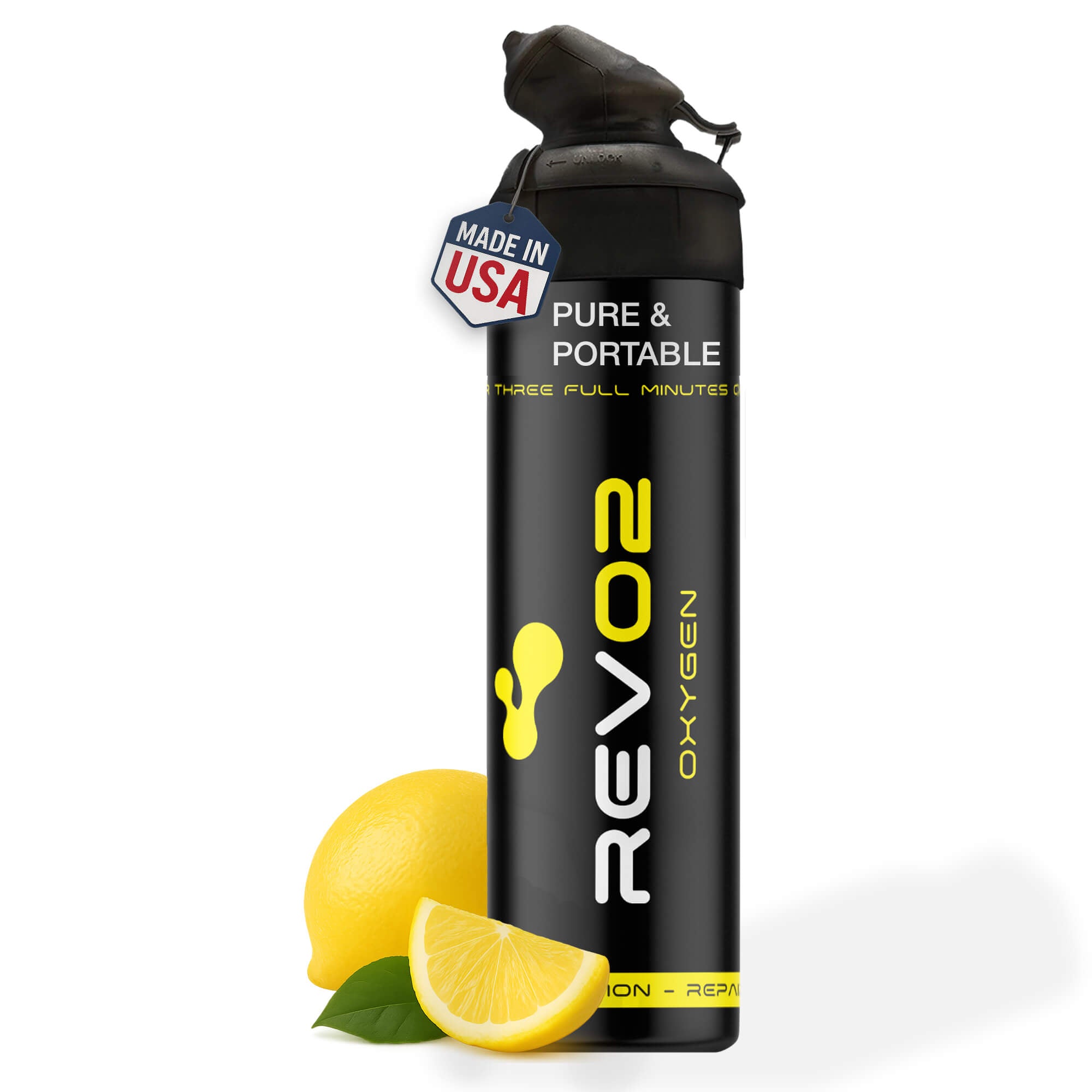
We make portable canned oxygen at 98% purity with a zero-leak mouthpiece, and our lemon blend is infused with lemon essential oil. We position it for recovery and daily refreshment. We do not claim it treats nausea, and nothing in our product replaces medical care. The research on lemon and nausea is about the scent of lemon, so the most we would say is that a clean, pleasant citrus aroma is one reason many people enjoy breathing it.
What we do care about is helping people tell the difference between feeling tired, stressed or short of breath and feeling genuinely unwell. Stress can make you breathe shallowly and feel queasy. A slow, deliberate breath, a glass of water and a few minutes of quiet often help more than people expect. If nausea comes with chest pain, confusion, a lasting headache or trouble breathing, put the can down and get medical help.
If you are curious how to use our product responsibly, our guide to using canned oxygen safely walks through it.
— Paul
A calm-down routine you can try
Because anxiety and shallow breathing often feed nausea, pairing a scent with slow breathing can be more useful than either alone. Try this for two to three minutes:
- Sit upright somewhere with fresh air, and loosen anything tight around your waist.
- Hold a cut lemon or a lemon-scented cotton ball about 3 cm from your nose.
- Breathe in gently through the nose for four counts.
- Breathe out slowly through pursed lips for six counts.
- Repeat for ten breaths, then sip cold water.
If you feel lightheaded, return to normal breathing. If the nausea is not easing after a few minutes, or builds into vomiting, switch to small sips of fluid and rest.
Where our lemon blend fits
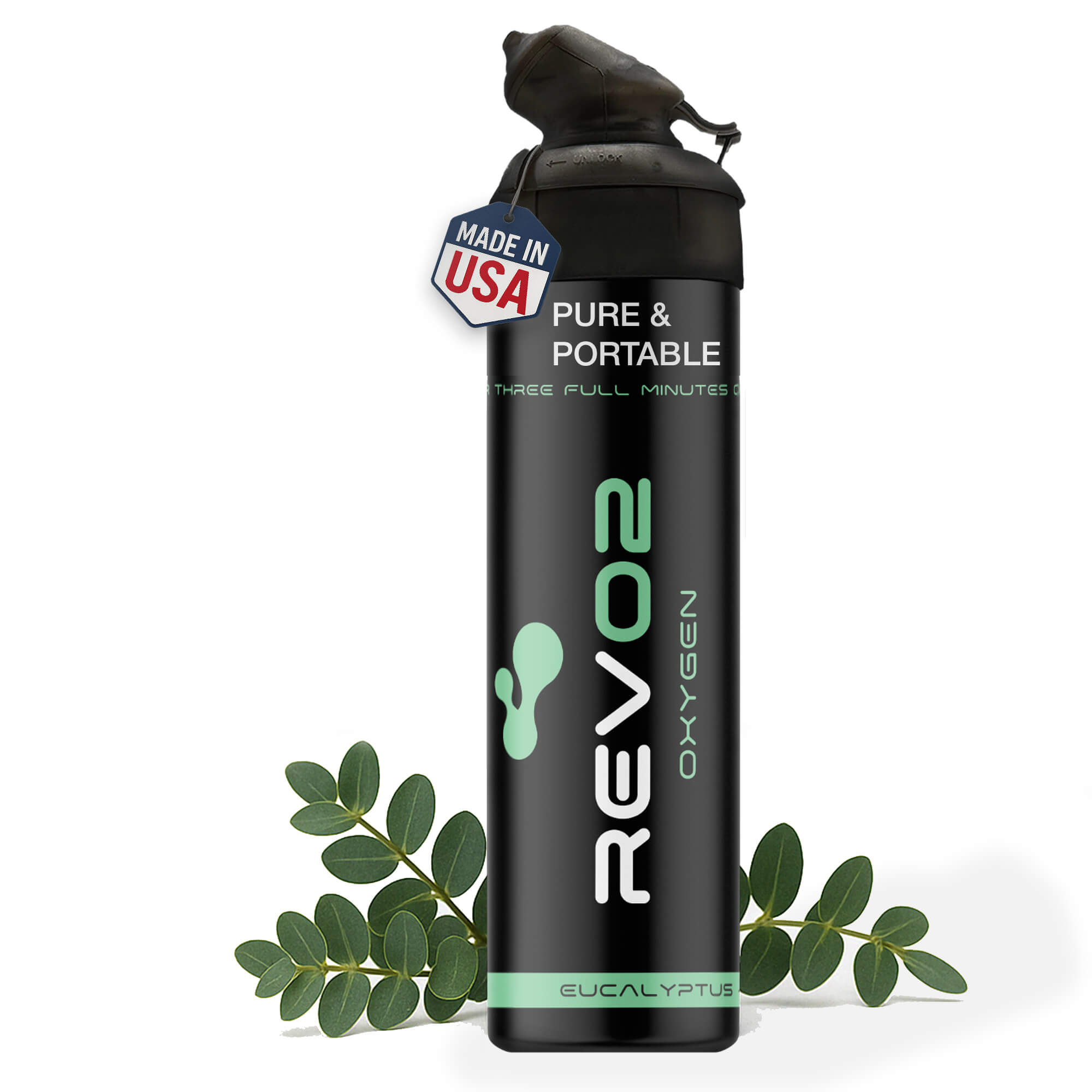
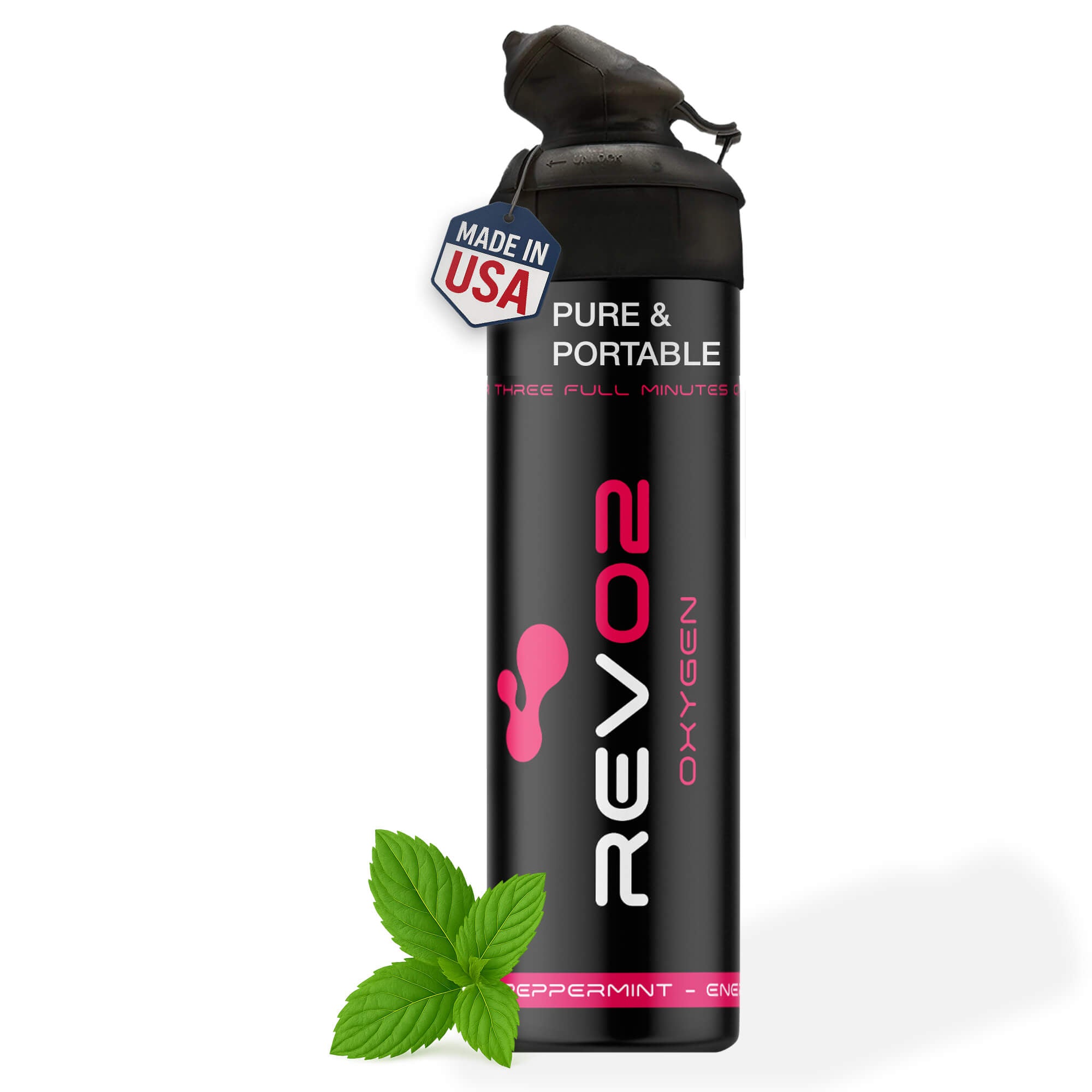
If you already like citrus aromas and want a portable, ready-to-use way to take a few refreshing breaths during a long workday, a run or a trip, our Lemon Oxygen cans are built for that: 98% pure oxygen with lemon essential oil and a zero-leak mouthpiece, no mask needed. You can also browse the full canned oxygen collection to compare peppermint, lemon and eucalyptus.
To be clear, this is a wellness product for performance, recovery and everyday energy. It is not medical oxygen, it is not a treatment for nausea, and it does not replace advice from your doctor.
Other gentle options worth knowing
Lemon is rarely the only tool. Common, commonly suggested alternatives include:
- Ginger. Widely used for nausea and recommended for pregnancy by clinicians, as Mayo Clinic notes in its morning sickness guidance.
- Peppermint. Aromatherapy with ginger or peppermint oil is the most commonly studied type for nausea, according to a review in integrative medicine for gastrointestinal disease, though the studies are limited.
- Bland, small meals. Crackers, toast and rice are easier on an empty or unsettled stomach.
- Fresh air and rest. Especially for motion-related or stress-related queasiness.
- Vitamin B6. Listed by Mayo Clinic among treatments for morning sickness, and best discussed with your clinician first.
Try one change at a time so you can tell what is actually helping.
FAQ
Does smelling lemon really help with nausea?
For some people, yes. Small randomized trials, mostly in pregnant women, found lower nausea scores with lemon inhalation than with placebo. The effect is modest and not guaranteed, so treat it as a comfort measure.
Is lemon water good for an upset stomach?
Small sips of cold, diluted lemon water can help you stay hydrated, and Mayo Clinic lists lemonade among sour drinks to try. If you have heartburn or GERD, acidic drinks may make things worse, so plain water is the safer choice.
Is lemon safe for morning sickness?
Smelling lemon is generally the option studied for pregnancy nausea. Check with your ob-gyn before using essential oils or any remedy. Call right away if you cannot keep fluids down, are losing weight, or have a headache that will not go away.
Can lemon help with altitude sickness nausea?
It may feel pleasant, but it does not treat the cause. The CDC advises resting, not climbing higher while symptoms persist, and descending if they worsen.
Is REV/O2 Lemon Oxygen a nausea treatment?
No. It is a wellness product that delivers 98% oxygen with lemon essential oil for recovery and everyday refreshment. If you are dealing with ongoing or severe nausea, talk to a healthcare professional.
Sources
- Lemon inhalation aromatherapy on nausea and vomiting of pregnancy, randomized trial
- Integrative and complementary practices for nausea in pregnant women, systematic review
- Combined lemon and peppermint inhalation for nausea of pregnancy
- Lemon inhalation after lower extremity fracture surgery
- Mayo Clinic: when to see a doctor for nausea
- ACOG: Morning sickness, nausea and vomiting of pregnancy
- Medical News Today: Lemon water for acid reflux
- Juice test for nonerosive reflux disease in heartburn patients
- Practitioner review on nausea, gastroparesis and GERD
- CDC Yellow Book: High-altitude travel and altitude illness
- CDC: Travel to high altitudes
- Integrative medicine for gastrointestinal disease