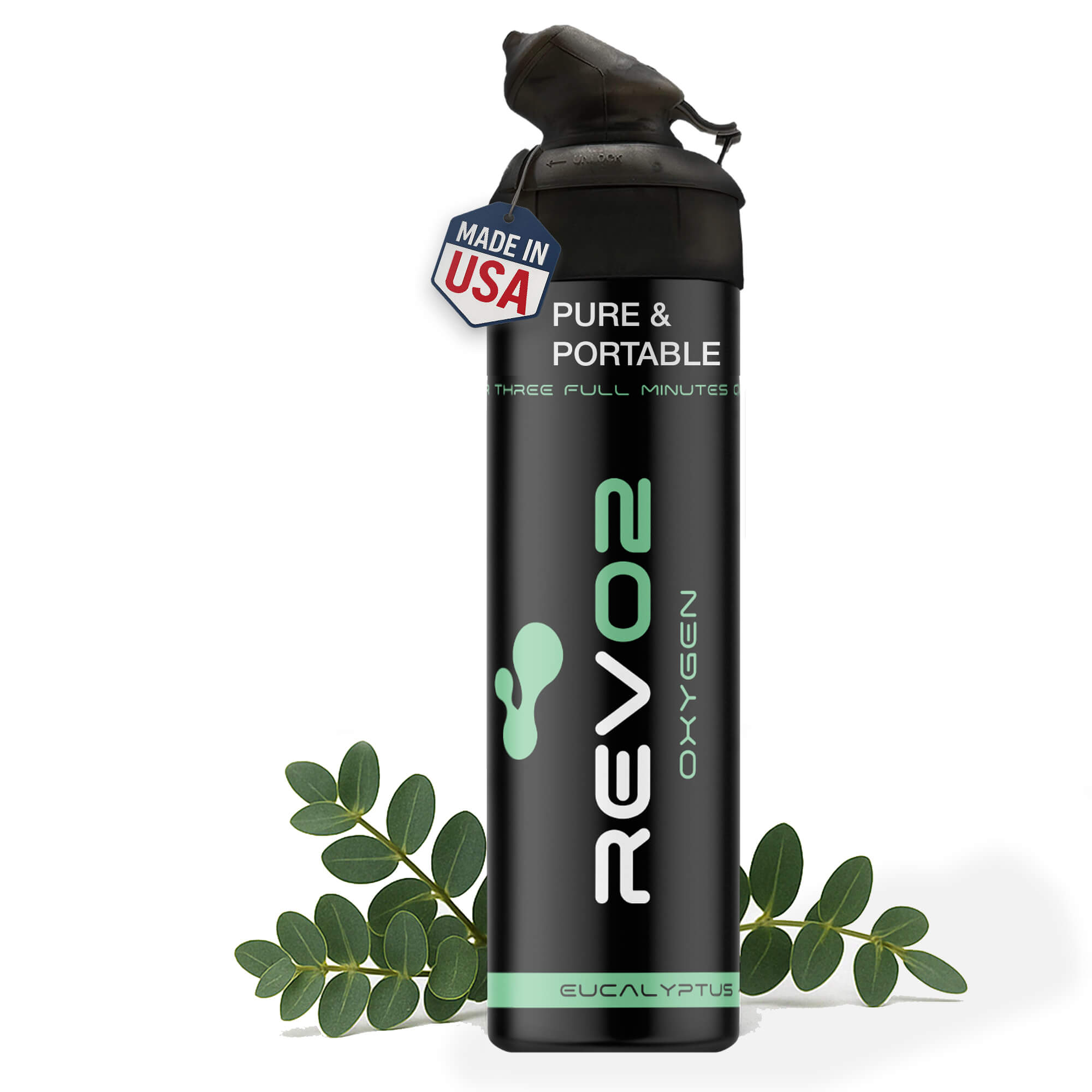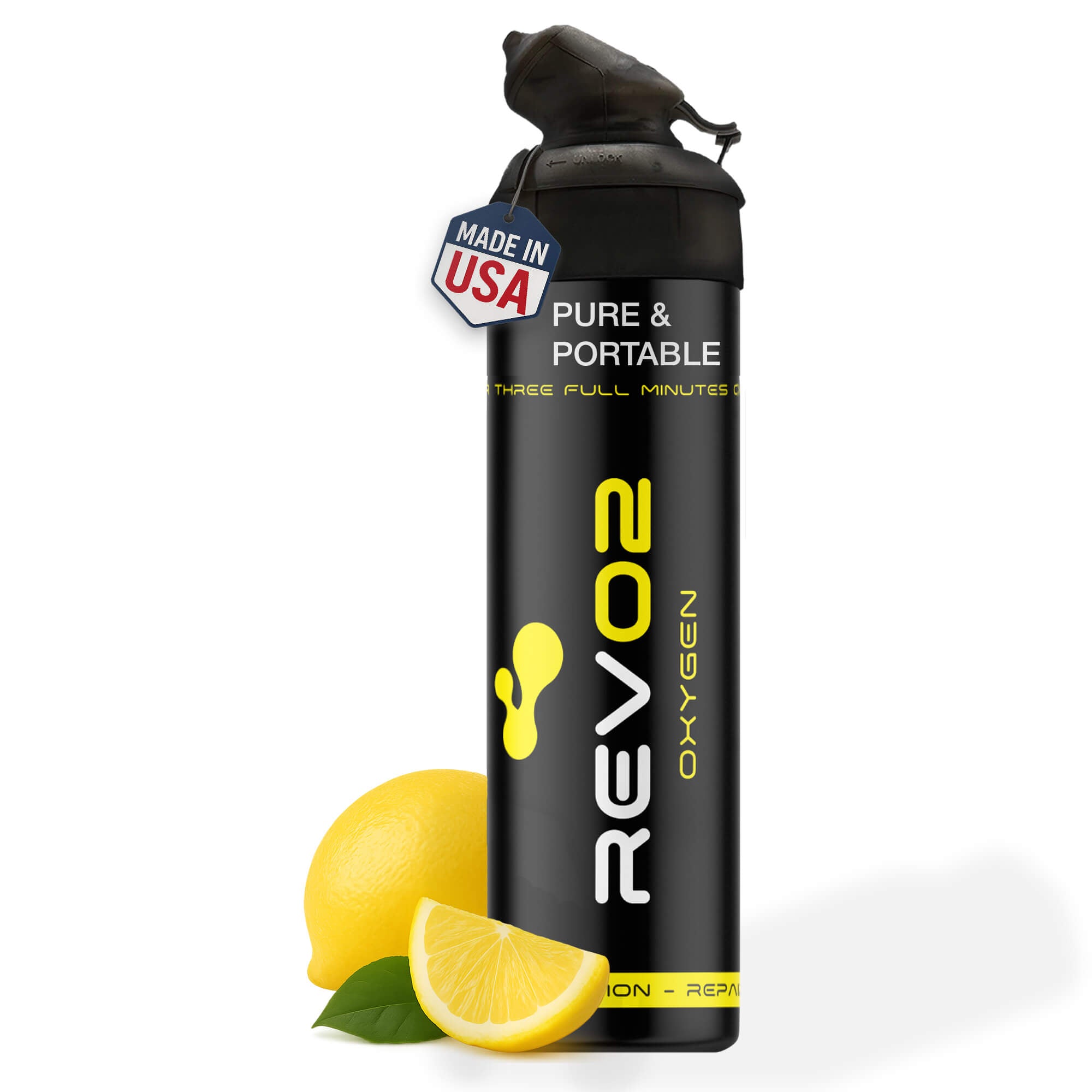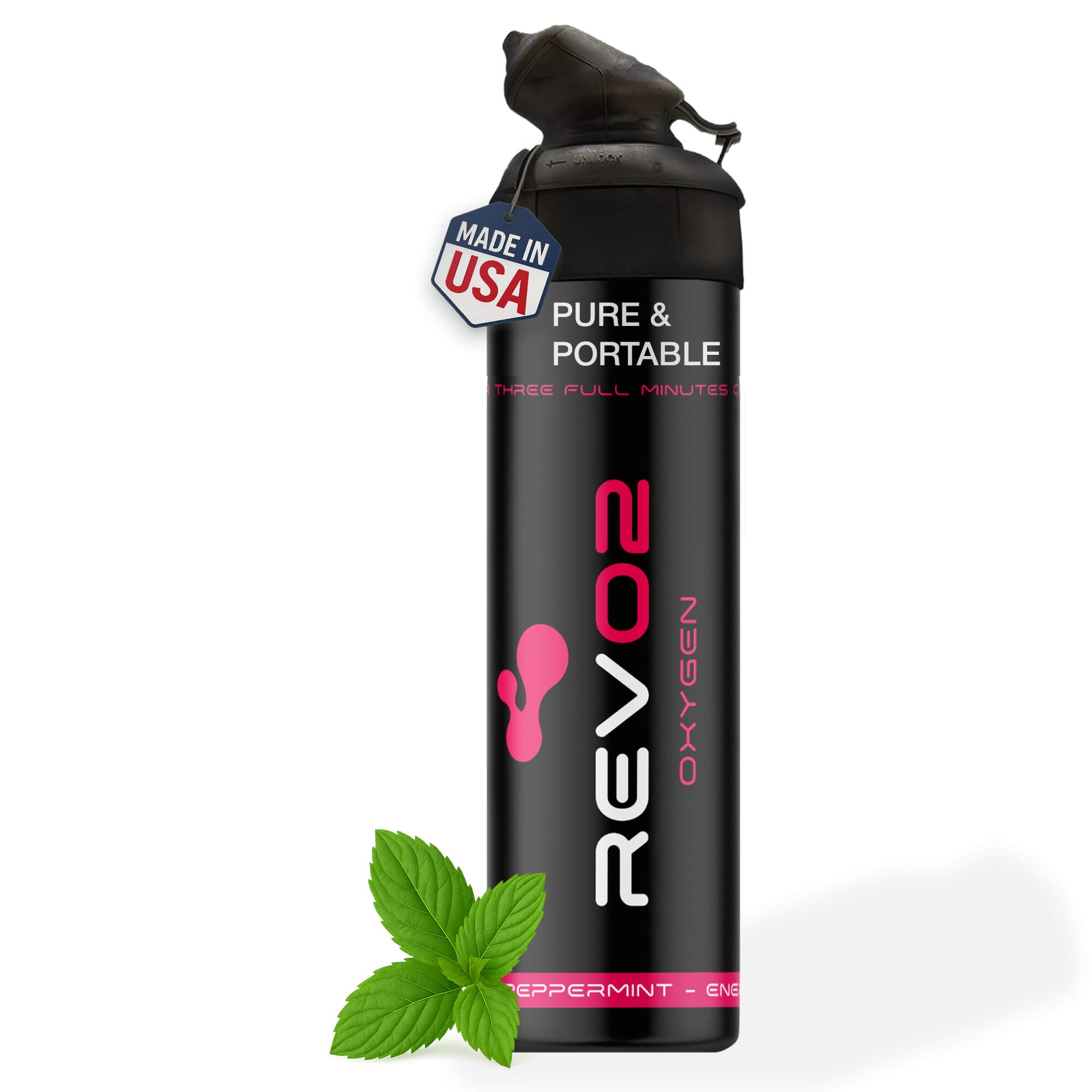

OTC canned oxygen can offer brief, non-medical comfort for mild breathlessness in seniors, but it is not a substitute for prescription oxygen or emergency care. Products like Revo2’s canned oxygen deliver short bursts of concentrated oxygen as a consumer comfort aid, not clinical therapy. If a senior experiences sudden, severe breathlessness, chest pain, or bluish lips, call emergency services immediately rather than reaching for a can.
Safety first: The NCOA confirms that OTC oxygen is never appropriate for medical therapy and that evidence for wellness benefits remains limited.
Key Takeaways
OTC canned oxygen is a short-term, non-medical comfort tool for mild breathlessness in seniors, not a substitute for prescription oxygen or emergency care.
| Point | Details |
|---|---|
| Limited clinical benefit | One to two breaths are unlikely to raise arterial oxygen; benefits are often psychological. |
| Know the red flags | Chest pain, cyanosis, fainting, or sudden confusion require a 911 call, not a can. |
| Use safely and briefly | Sit upright, use a zero-leak mouthpiece, limit to short bursts, and cap between doses. |
| Monitor and document | Track perceived ease of breathing and pulse oximeter readings; share notes with the clinician. |
| Revo2 for seniors | Revo2’s 98% pure canned oxygen with zero-leak mouthpiece is a practical OTC comfort option. |
Table of Contents
- How does OTC canned oxygen differ from prescription oxygen?
- What does the evidence say about benefits and limits for seniors?
- When is canned oxygen not appropriate, and when should you call for help?
- How to use canned oxygen safely for a senior
- How to choose a canned oxygen product for a senior
- Storage, handling, and fire safety you need to know
- Monitoring outcomes and knowing when to stop
- What caregivers often get wrong about OTC oxygen
- Revo2 canned oxygen: a safety-forward option for seniors
- Sources
How does OTC canned oxygen differ from prescription oxygen?
OTC canned oxygen and medical oxygen share the same molecule, but the delivery is fundamentally different, and that gap matters for seniors.
A 2024 peer-reviewed review describes OTC canned oxygen as delivering approximately 95% oxygen in brief, one-second bursts through an attached mouthpiece or mask. These products are not approved for medical use. Medical oxygen, by contrast, flows continuously at a prescribed liter-per-minute rate, titrated to a patient’s specific oxygen saturation needs.
Key differences at a glance:
- Delivery: OTC cans provide short, on-demand bursts; medical systems deliver continuous, metered flow
- Purity: Consumer cans typically advertise high-purity oxygen around 95% to 98%; medical oxygen meets pharmacopeial standards and is Rx-only
- Duration: A consumer can may offer roughly 100 one-second inhalations from a 5-liter can; a home concentrator runs for hours
- Regulation: OTC canned oxygen is a consumer product; medical oxygen is a prescription drug
- Monitoring: Medical delivery includes clinical oversight; OTC use does not
| Feature | OTC Canned Oxygen | Medical/Prescription Oxygen |
|---|---|---|
| Delivery method | Short bursts (approx. 1 second) | Continuous flow (liters per minute) |
| Typical purity | 95–98% | Pharmacopeial grade, Rx-only |
| Can/supply volume | 3–10 liters per can | Concentrator or large cylinder |
| Regulatory status | Consumer product | Prescription drug |
| Clinical oversight | None | Required |
The practical consequence is straightforward: short bursts from a can are unlikely to replicate the sustained oxygenation that clinical therapy provides. Treat OTC canned oxygen as a situational comfort tool, not a therapy replacement.
What does the evidence say about benefits and limits for seniors?
The honest answer is that clinical evidence for OTC canned oxygen is limited, and caregivers should hold realistic expectations before purchasing.
University of Colorado clinicians put the physiology plainly: it generally takes two to three minutes of continuous flow to change a patient’s arterial oxygen levels, so one or two breaths from a can are unlikely to produce a measurable physiological shift. That does not mean the product is useless. Reported consumer experiences, including a brief sense of easier breathing and reduced fatigue, are real to the people who feel them. Placebo and psychological effects are well-documented in respiratory research, and a moment of calm, focused breathing can itself reduce perceived breathlessness.

Consumer reporting echoes this nuance: canned oxygen can make people feel better briefly, but experts consistently warn against a false sense of security. The risk is not the product itself; it is the temptation to substitute it for care that a senior actually needs.
When is canned oxygen not appropriate, and when should you call for help?
Knowing when to stop and seek care is the most important part of any OTC oxygen plan.
Stop using the product and seek immediate emergency care if the senior shows any of these signs:
- Sudden or rapidly worsening breathlessness that does not ease with rest
- Chest pain, tightness, or pressure
- Bluish or grayish color around the lips or fingertips (cyanosis)
- Fainting or near-fainting
- Sudden confusion or altered mental status
- Heart rate that is very rapid or irregular
A 2024 review of public comments found that a notable portion of OTC oxygen reviews described medical use, including substitution for prescribed oxygen during acute breathlessness. That pattern is dangerous. Canned oxygen is never a replacement for prescribed oxygen therapy or emergency oxygen administered by paramedics.
Immediate action steps by severity:
- Severe symptoms (any red flag above): Call 911 immediately. Do not use OTC oxygen as a first response.
- Moderate, persistent symptoms: Contact the senior’s physician or nurse practitioner the same day. For guidance on when symptoms require an ER visit, a triage resource can help you decide quickly.
- Mild, situational breathlessness: OTC canned oxygen may be used as a short-term comfort measure while resting and monitoring closely.
How to use canned oxygen safely for a senior
Used correctly, canned oxygen is straightforward. Follow these steps every time.
- Read the label and SDS before first use. Confirm the product’s oxygen purity, dose count, and any warnings specific to that formulation.
- Inspect the can. Check for dents, rust, or valve damage. Never use a damaged canister.
- Position the senior upright. Sitting or slightly reclined with the head supported helps open the airway and reduces breathing effort.
- Attach the mouthpiece securely. A zero-leak mouthpiece, like the one on Revo2 cans, prevents oxygen loss between the can and the mouth.
- Set expectations before inhaling. Let the senior know they will take a few slow, deep breaths, not a prolonged session.
- Use in short bursts. Two to four slow inhalations is a typical single session. Cap or close the valve between uses.
- Rest and observe for 15–30 minutes. Note whether perceived breathlessness eases, stays the same, or worsens.
Safety checklist before every use:
- No open flames, candles, or smoking in the room
- Keep the can away from heat sources and direct sunlight
- Do not use on a senior who is unconscious or not breathing on their own
- If the senior takes medications that affect respiratory drive, ask their clinician before starting OTC oxygen use
- Keep out of reach of children
Pro Tip: Pair each session with paced breathing: inhale slowly for four counts, hold for two, exhale for six. This technique can reduce the sensation of breathlessness independently of the oxygen itself, and combining it with a short rest often produces more noticeable comfort than the oxygen alone. A pulse oximeter, available at most pharmacies, lets you track oxygen saturation before and after to see whether any objective change occurs.
How to choose a canned oxygen product for a senior
Not all canned oxygen products are built the same, and a few features matter more than others for seniors.
Pro Tip: Check the Safety Data Sheet before buying. A reputable brand publishes its SDS openly. If you cannot find one, that is a reason to look elsewhere.
| Feature | Why it matters for seniors | What to look for |
|---|---|---|
| Oxygen purity | Higher purity means more oxygen per breath | 95–98% stated on label |
| Can volume (liters) | Larger cans provide more doses per purchase | 5–10 liter options |
| Mouthpiece design | Zero-leak design reduces waste and improves delivery | Sealed, ergonomic fit |
| SDS availability | Confirms safety and handling standards | Publicly posted SDS |
| Flavorings | Some seniors find flavored oxygen more comfortable | Peppermint, lemon, eucalyptus options |
| Price per dose | Helps compare value across brands | Calculate cost divided by dose count |
Revo2’s pure oxygen cans for seniors deliver 98% purity with a zero-leak mouthpiece, available in peppermint, lemon, and eucalyptus. The zero-leak design is particularly relevant for seniors who may have reduced grip strength or difficulty forming a tight seal around a standard nozzle. For those who want more doses per purchase, the 10-liter peppermint can offers a higher dose count at a lower cost per inhalation.
Storage, handling, and fire safety you need to know
Oxygen accelerates combustion. Even in a consumer canister, basic safety rules apply and are worth taking seriously.
Practical storage and handling steps:
- Store cans in a cool, well-ventilated area away from heat sources, direct sunlight, and open flames
- Never store near oils, greases, or combustible materials
- Keep the valve capped or closed when not in use
- Inspect the can before every use; do not use a dented, corroded, or leaking canister
- Keep cans out of children’s reach at all times
- When traveling, check airline and transport regulations before packing; pressurized canisters have specific carry-on and checked-baggage rules
- If a can leaks or hisses unexpectedly, move it to an open outdoor area away from ignition sources and allow it to vent safely; do not attempt to reseal it
CDC and FDA guidance on oxygen equipment handling reinforces that cleanliness, correct seals, and distance from ignition sources are the core precautions for any oxygen product, consumer or clinical.
Monitoring outcomes and knowing when to stop
Tracking what happens after each use gives you real information to share with the senior’s clinician and helps you catch problems early.
What to observe after each session:
- Perceived ease of breathing (better, same, or worse on a simple 1–10 scale)
- Energy level and alertness
- Pulse oximeter reading before and after, if available
- Heart rate (resting, not elevated)
- Any side effects: dizziness, increased coughing, headache, or dry mouth
Suggested monitoring schedule:
- Immediately after use: Note whether breathlessness eases within two to three minutes.
- 15–30 minutes after use: Reassess breathing comfort, energy, and any side effects.
- If symptoms return or worsen: Do not repeat the dose; contact the senior’s clinician.
Discontinue use and contact a clinician if:
- Breathlessness does not improve after consistent use over several sessions
- Symptoms worsen during or after use
- New symptoms appear, including chest tightness, dizziness, or rapid heart rate
- The senior or caregiver feels uncertain about whether the product is helping
As NCOA notes, perceived improvements may be psychological rather than physiological. Documenting observations honestly helps distinguish real benefit from expectation, and that documentation is genuinely useful at a clinician appointment.
What caregivers often get wrong about OTC oxygen
Most caregivers who reach for canned oxygen are doing the right thing: looking for a safe, accessible way to help a senior feel more comfortable. The mistake is not the product. It is the assumption that feeling better means the underlying issue is resolved.
Canned oxygen can ease the sensation of breathlessness for a few minutes. That is real and worth something, especially during a stressful moment or after light activity. But “feels easier to breathe” is not the same as “oxygen saturation has normalized.” Clinical practice uses pulse oximetry and symptom tracking to tell those two things apart, and caregivers can do the same at home with a basic pulse oximeter from any pharmacy.
The other thing worth saying plainly: placebo effects are not a failure. If a senior takes two calm, focused breaths of oxygen and feels steadier, that calm is physiologically real even if the arterial oxygen did not change. The caution is simply not to let that comfort delay a call to the doctor when symptoms are persistent or worsening. Document what you observe, share it with the clinician, and treat OTC oxygen as one tool among several, not the whole plan.
Revo2 canned oxygen: a safety-forward option for seniors
Available in peppermint, lemon, and eucalyptus, the cans are sized for everyday portability and come with clear safety labeling.
Browse the full canned oxygen range to compare can sizes and flavor options, or review the safe use guide before your first purchase. Multi-pack bundles offer a lower cost per dose for caregivers who plan to keep cans on hand regularly. For medical concerns or persistent breathlessness, consult the senior’s clinician before starting any OTC oxygen routine.
Sources
- Medical Use of Over-the-Counter Canned Oxygen: A Review of Public Comments
- Over-the-Counter Oxygen vs. Prescription Oxygen: What’s Safe and What Works
- Does Oxygen in a Can Deliver on Its Altitude and Energy Claims?
- Label: OXYGEN gas
- Canned oxygen: practical or placebo?