
Flavored oxygen delivers a brief mood or alertness lift for most people, but that lift rarely comes from extra oxygen itself. For healthy adults, controlled research has found no significant, lasting change in energy, relaxation, or stress after a short session. The exception is real but narrow: at high altitude, a few breaths of concentrated oxygen can measurably raise blood oxygen saturation and ease mild symptoms. If you have asthma, COPD, heart disease, or a fragrance sensitivity, talk to a clinician before trying it.
TL;DR:
- Flavored oxygen provides only brief sensory or alertness boosts through scent, with no proven long-term effects on energy, mood, or stress in healthy adults.
- Its only substantive physiological benefit is at high altitude, where concentrated oxygen can temporarily increase blood saturation and alleviate mild symptoms.
- Most recreational use causes mild side effects like nasal dryness and headaches, but oil-based aerosols pose rare risks of lung issues such as lipoid pneumonia.
- Studies show no significant effects on energy or relaxation after short sessions, and claims related to exercise recovery, headache relief, or mood are supported mainly by anecdote.
- It is safest for short, occasional use by healthy individuals heading to altitude or seeking a quick sensory reset, with caution advised for those with respiratory or cardiac conditions.
Table of Contents
- What Flavored Oxygen Is and How It’s Delivered
- What Flavored Oxygen Is Advertised to Fix
- What the Studies Actually Show
- Safety, Side Effects, and Who Should Steer Clear
- How to Try It Safely, and How to Pick a Flavor
- What REV/O2 Actually Offers, and What It Doesn’t Claim
- When Flavored Oxygen Makes Sense, and When It Doesn’t
- Where to Try REV/O2’s Flavored Canned Oxygen
- Sources
- FAQ
What Flavored Oxygen Is and How It’s Delivered
Flavored oxygen shows up in two main formats. Oxygen bars seat you with a nasal cannula or light mask piped from a tank, often through a bottle of scented liquid, for short sessions. Canned portable oxygen lets you inhale directly from a pressurized can through a mouthpiece. Concentration levels vary widely among products, affecting how much physiological impact might occur. That gap matters, because delivery method and concentration together determine how much, if any, physiologic effect is even possible.
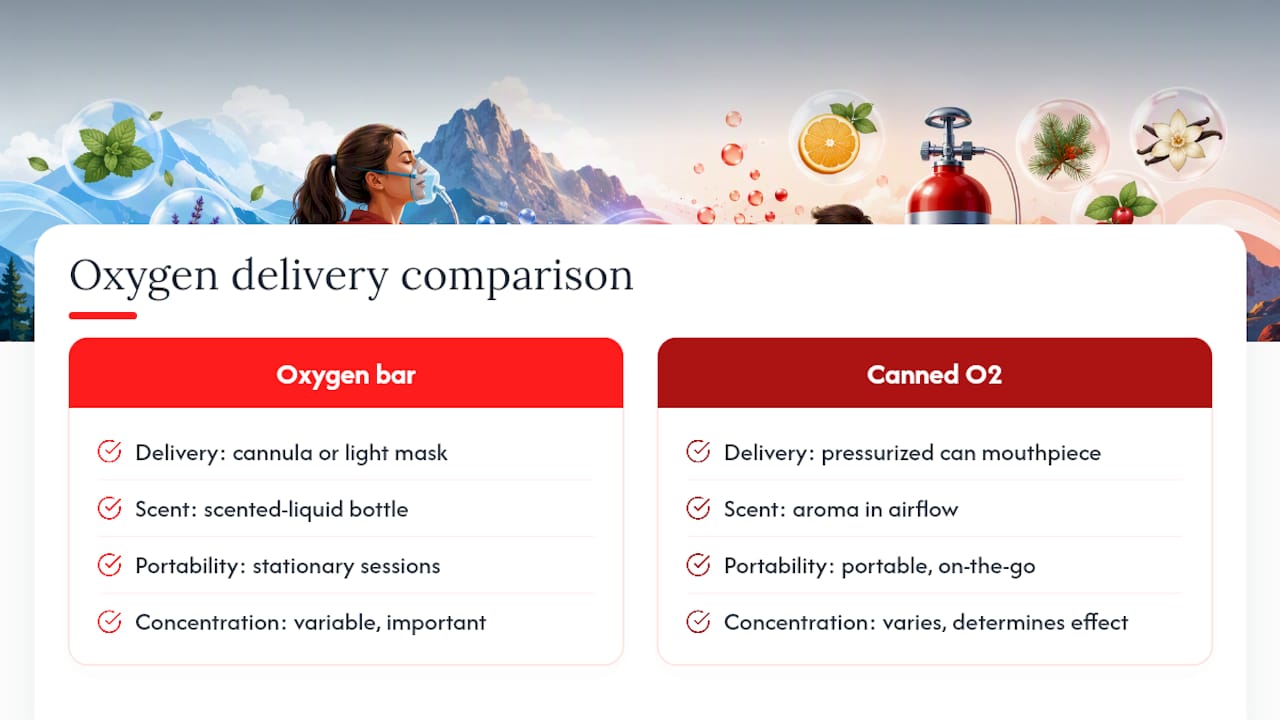
The “flavor” itself is almost always a scent, not a drug. Essential oils or fragrance solutions get introduced into the airflow, so you are smelling the aroma passing over or through it rather than inhaling an active compound with pharmacological reach into your bloodstream.
What Flavored Oxygen Is Advertised to Fix
Marketing for flavored oxygen cans tends to lean on a familiar list of promises. Here is what each one is actually claiming, and why the claim is stronger in theory than in practice for most healthy users:
- Energy: The idea is that more oxygen means more fuel for cells, but healthy blood is already close to fully saturated, leaving little room for a canister to add anything measurable.
- Mood: Scent chemicals like menthol or citrus can trigger a genuine alerting or calming response through smell, independent of the oxygen carrying them.
- Concentration: A short pause to breathe deliberately, paired with a pleasant aroma, can sharpen focus the same way a coffee break or a few slow breaths might.
- Exercise recovery: Athletes report faster-feeling recovery after a session, though this lines up more with rest and ritual than with proven oxygen uptake at the muscle level.
- Headache or hangover relief: Dehydration and low blood sugar drive most hangover symptoms, not oxygen deficiency, so relief here likely traces back to the pause and the placebo of “doing something about it.”
- Altitude symptom relief: This is the one claim with real physiological backing, since concentrated oxygen can temporarily raise saturation when the surrounding air is thin.
The honest expectation: effects, where they exist, tend to be mild and short. A connection between oxygen and stress is plausible through the nervous system’s response to slow, deliberate breathing, but that mechanism has more to do with how you breathe than with the oxygen percentage on the label.
What the Studies Actually Show
The most direct test of oxygen-bar claims is a small randomized controlled trial with 30 participants, which found no significant change in energy, relaxation, or stress scores after short sessions compared with a control condition. Pulse oximetry readings barely moved. That is a meaningful result precisely because it is unglamorous: a rigorously designed study looked for the effects the industry advertises and did not find them.
Healthline’s review of oxygen bars reaches a similar conclusion, noting that most advertised benefits lack robust clinical support, while WebMD’s reporting describes ongoing medical skepticism even as customers keep reporting they feel better afterward.
Older laboratory work found that breathing 100% oxygen under tightly controlled lab conditions could alter memory or cognitive performance. Those studies used sealed environments, precise dosing, and extended exposure, nothing like a five-minute flavored session in a mall kiosk, so the results don’t transfer to recreational use.
The physiology explains why: healthy adults typically run near-maximal arterial oxygen saturation already, so any bump a canister provides is transient and reverses once you stop breathing from it. Put plainly, energy and mood claims sit on weak-to-nonexistent evidence, exercise recovery and hangover claims sit on mixed anecdotal ground, and altitude relief is the one use-case with a defensible mechanism behind it.
Safety, Side Effects, and Who Should Steer Clear
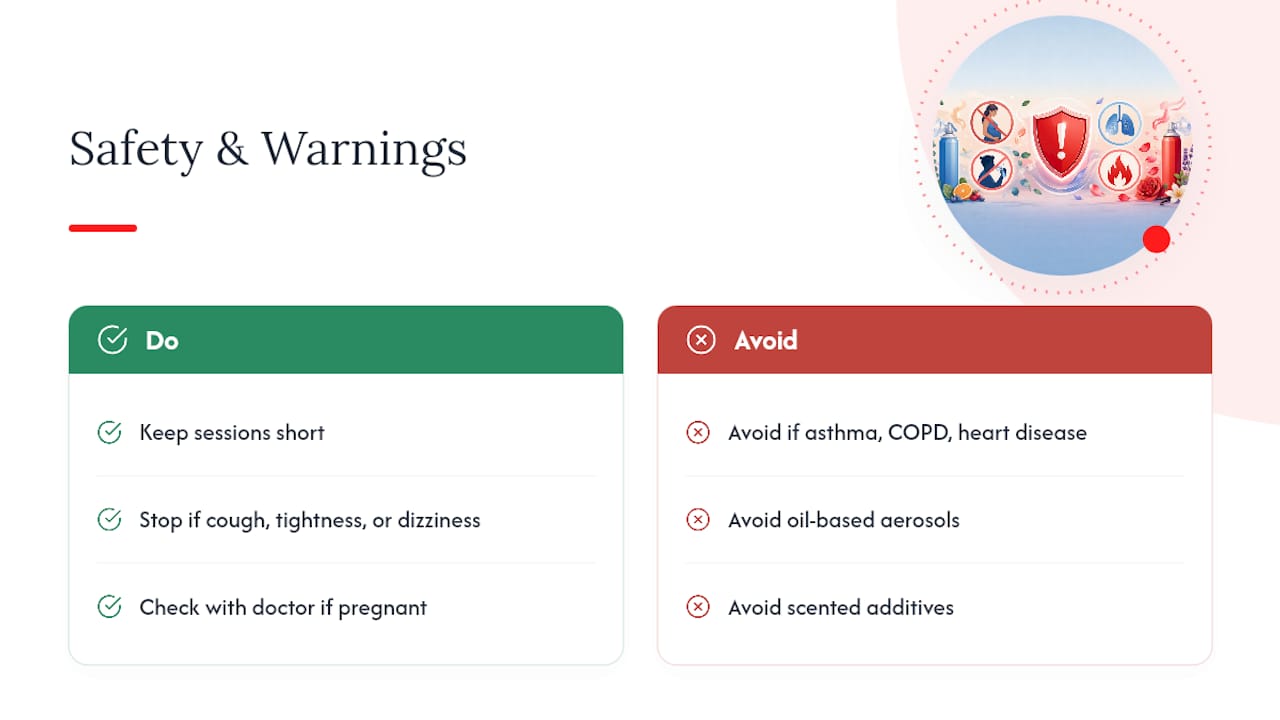
Reported side effects from recreational oxygen use are generally mild: nasal dryness, occasional headache, brief lightheadedness, and airway irritation from scented additives. The bigger concern is what’s carrying the flavor. Poorly made products can use oil-based aerosols, and inhaling oil droplets into the lungs raises the risk of a rare but serious condition called lipoid pneumonia, alongside allergic or irritant reactions in people sensitive to fragrance.
Clinical experts caution that anyone with asthma, COPD, or heart disease should avoid flavored oxygen without medical guidance, and pregnant people should check with a doctor first. Keep sessions short, and stop immediately if you notice coughing, chest tightness, or dizziness.
How to Try It Safely, and How to Pick a Flavor
If you want to try flavored oxygen, treat it like a short sensory break rather than a treatment:
- Hydrate first. Dry nasal passages make irritation more likely.
- Keep sessions brief. A few minutes is enough to notice any scent-driven effect; there’s no benefit to prolonging it.
- Skip it if you’re already unwell. Congestion, fever, or respiratory symptoms are reasons to wait.
Flavor choice is really scent choice. Peppermint and menthol are commonly associated with alertness, eucalyptus with a feeling of clearer breathing, and lavender with relaxation. These are aromatherapy correlations, not proven pharmacology, so treat them as preference rather than prescription.
Before buying, confirm the product clearly states it’s recreational (not medical) oxygen, lists its purity percentage, and explains how scent is introduced. A label that just says “oil-based aroma” with no further details is worth skipping.
Pro Tip: Pair a short flavored-oxygen break with something evidence-backed, like a glass of water and two minutes of slow, deep breathing. The combination does more for how you feel than the canister alone.
What REV/O2 Actually Offers, and What It Doesn’t Claim
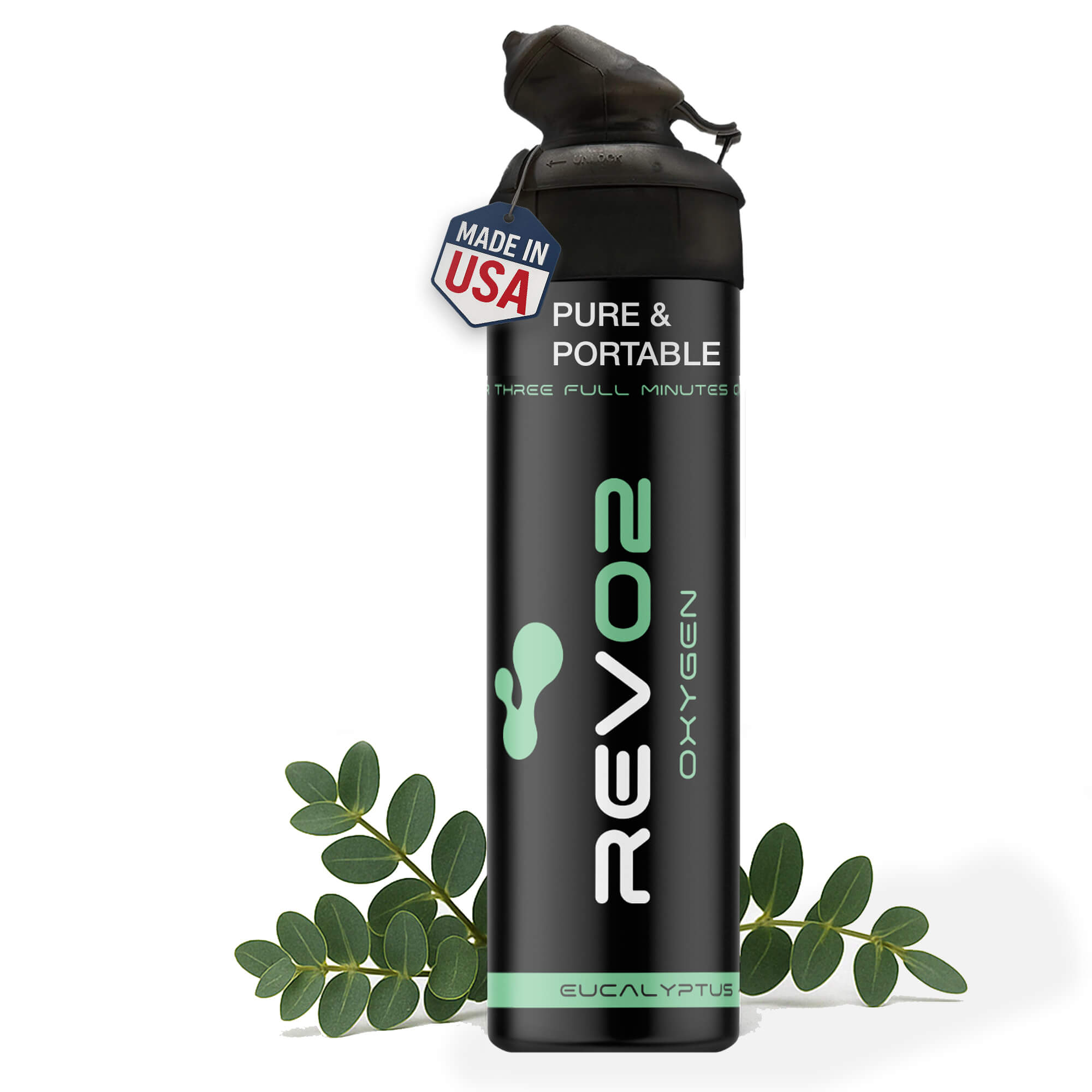
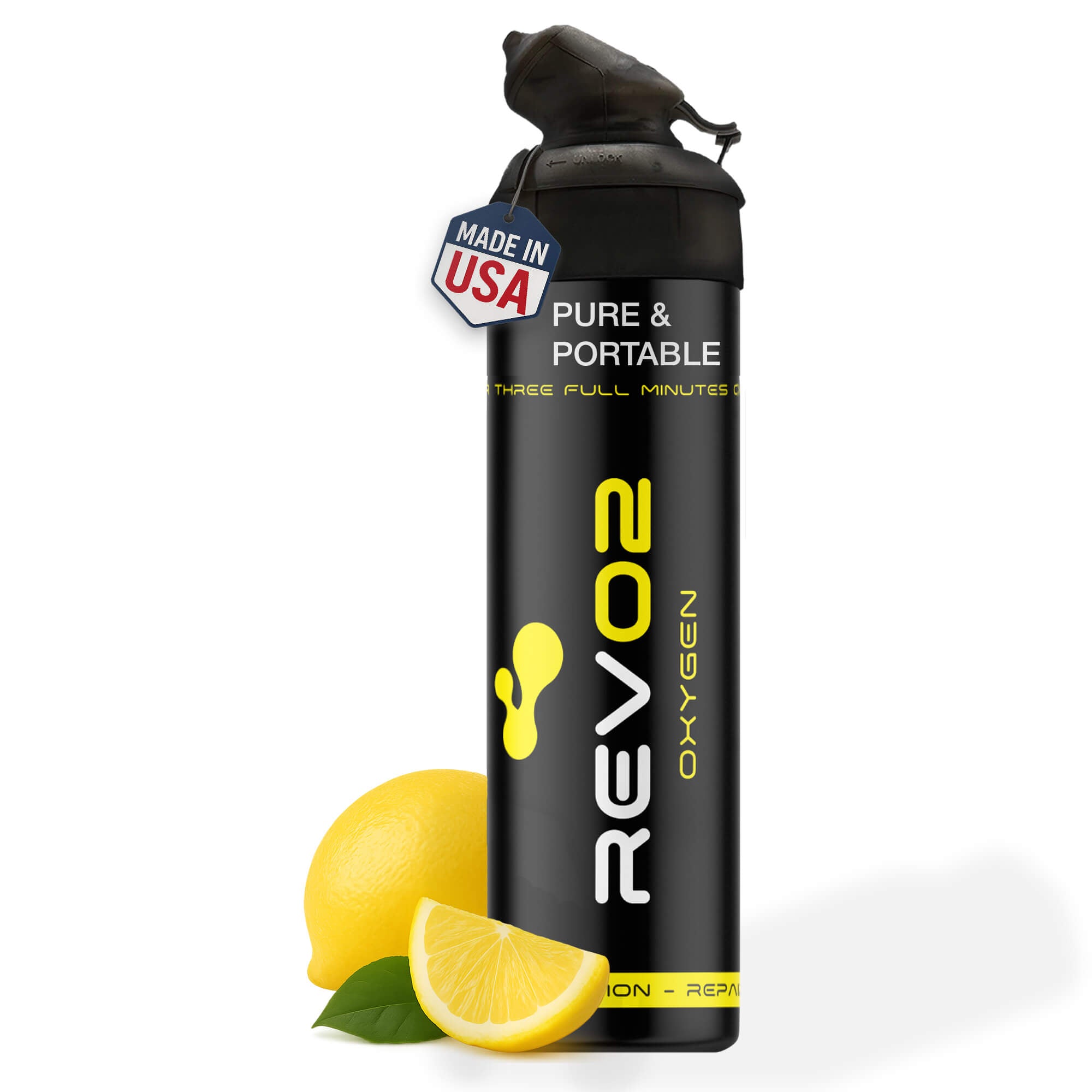
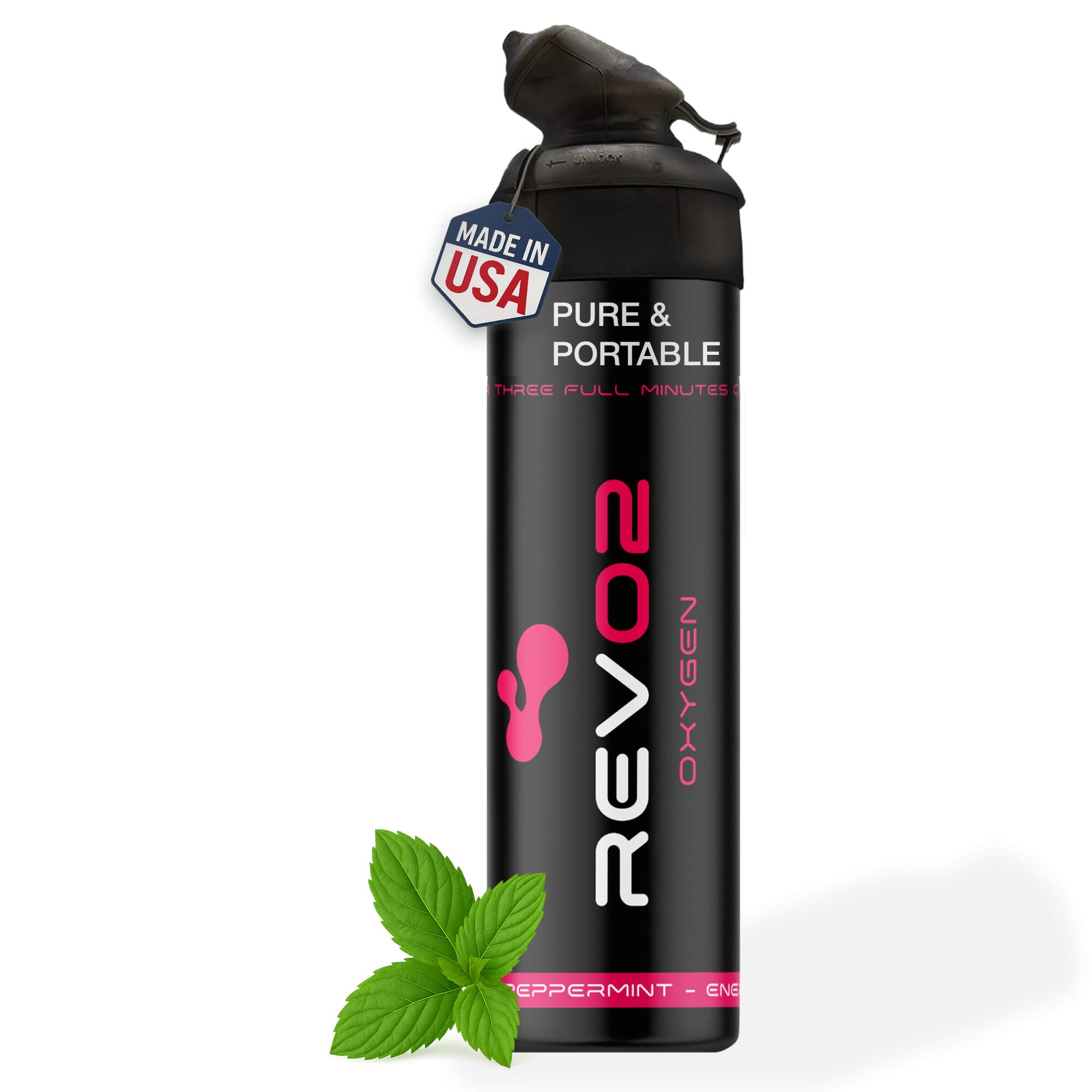
REV/O2 sells canned oxygen at 98% purity in peppermint, lemon, and eucalyptus, delivered through a zero-leak mouthpiece designed to avoid the waste you get from a loose mask. Users often report feeling more energized, recovering faster after workouts, and thinking more clearly, but those are anecdotal reports, not clinical trial data, and the product is not positioned as a medical treatment.
The honest positioning: this is recreational supplemental oxygen built for short-lived refreshment, travel to altitude, and everyday stress relief, not a substitute for prescribed medical oxygen or a treatment for a diagnosed condition.
When Flavored Oxygen Makes Sense, and When It Doesn’t
Flavored oxygen earns its place for travelers heading to altitude or anyone wanting a quick sensory reset between meetings. It’s a reasonable choice, not a rescue plan.
Don’t lean on it for chronic fatigue or serious performance goals. Sleep, hydration, and training still do the heavy lifting. If you have a lung or heart condition, check with a clinician before adding this to your routine.
— Paul
Where to Try REV/O2’s Flavored Canned Oxygen
If the altitude-relief and quick-refresh use cases above sound like your situation, REV/O2’s canned oxygen is built exactly for that gap, portable, mess-free, and ready in seconds without the tank, mask, or kiosk chair an oxygen bar requires.
Each can delivers 98% pure oxygen through a zero-leak mouthpiece, so you’re not losing gas to a poorly sealed mask the way traditional setups often do. The peppermint canned oxygen multi-packs are a solid starting point if alertness is your goal, and if you’re heading somewhere high, the oxygen for hiking option is built with elevation in mind. Not sure what altitude you’re dealing with? Run it through the altitude oxygen calculator first. Before your first session, read the guide to using canned oxygen safely so you know exactly what to expect. When you’re ready, browse the full canned oxygen collection and pick the flavor that fits your goal.
Sources
The 2012 randomized trial on oxygen-bar sessions remains the clearest controlled test of energy and relaxation claims. Healthline’s oxygen bar explainer and WebMD’s reporting on oxygen bars both offer consumer-facing context, while a review of oxygen paired with essential oils covers the preliminary aromatherapy angle. For non-oxygen options that target focus and calm through different mechanisms, this rundown of anti-stress drinks is a useful comparison point.
- Study on recreational oxygen and subjective energy/relaxation (PubMed entry)
- Oxygen bar: benefits, risks, what to expect (Healthline)
- The Rise of Oxygen Bars (WebMD)
- Expert analysis on canned oxygen safety (CU Anschutz news)
FAQ
What does taking oxygen do to your body?
In healthy people, breathing extra oxygen briefly raises blood oxygen saturation, but since that saturation is usually already near maximum, the effect is small and fades once you stop.
Does liquid oxygen actually work?
If the question means canned or bottled recreational oxygen, it can briefly raise saturation at altitude, but controlled research has found no significant benefit for energy, mood, or stress in healthy adults at normal elevation.
Is Boost Oxygen actually good for you?
Canned recreational oxygen products are generally considered safe for short-term use in healthy adults, though the same caution applies to any flavored canned oxygen: people with asthma, COPD, or heart disease should check with a clinician first.
What are the side effects of using oxygen daily?
Reported side effects include nasal dryness, headaches, lightheadedness, and airway irritation from scented additives, with a rare but serious risk of lipoid pneumonia from poor-quality oil-based aerosols.
Is flavored oxygen safe for daily use?
Occasional short sessions are considered low risk for most healthy adults, but there’s no evidence that daily use adds cumulative benefit, and anyone with a chronic respiratory or cardiac condition should get medical guidance first.