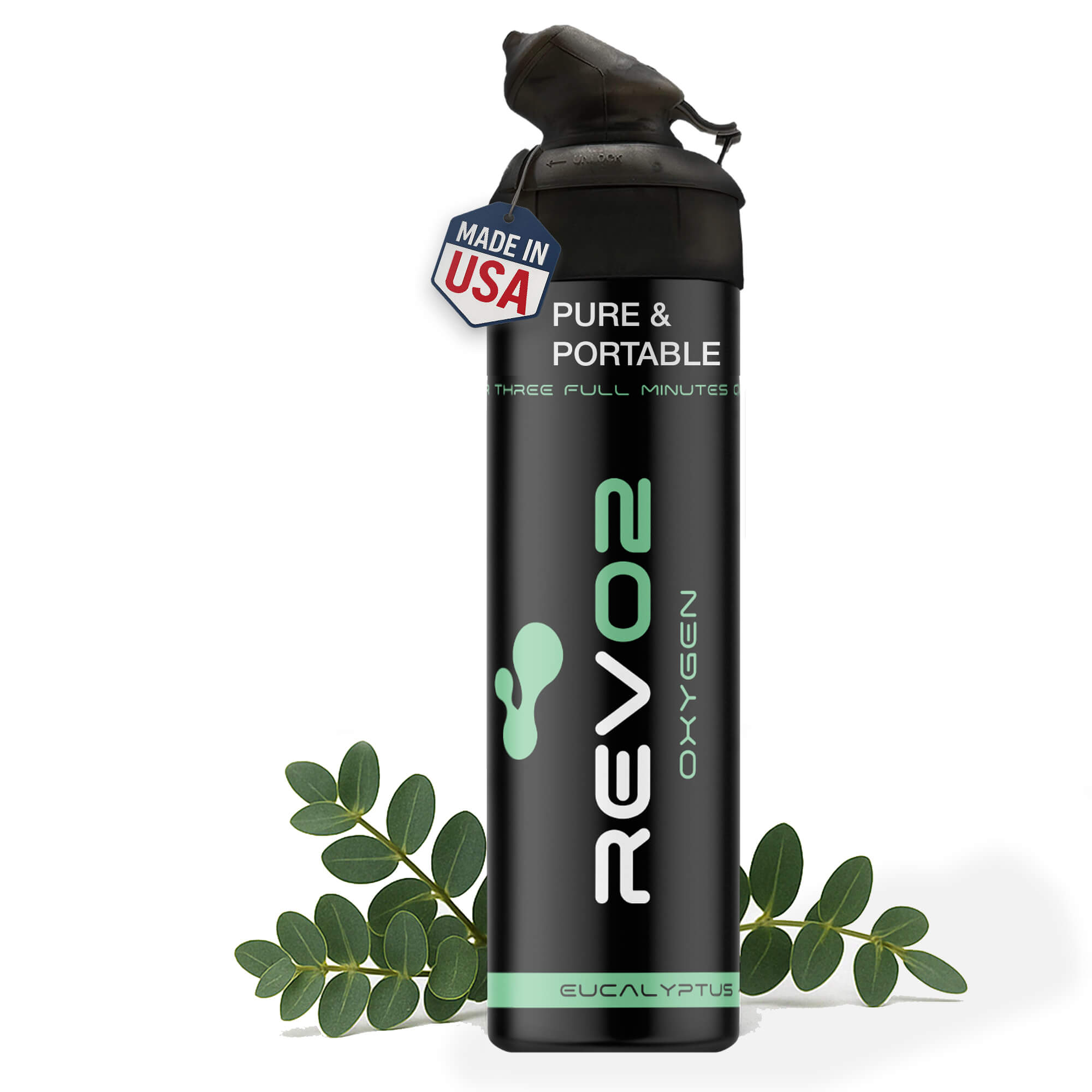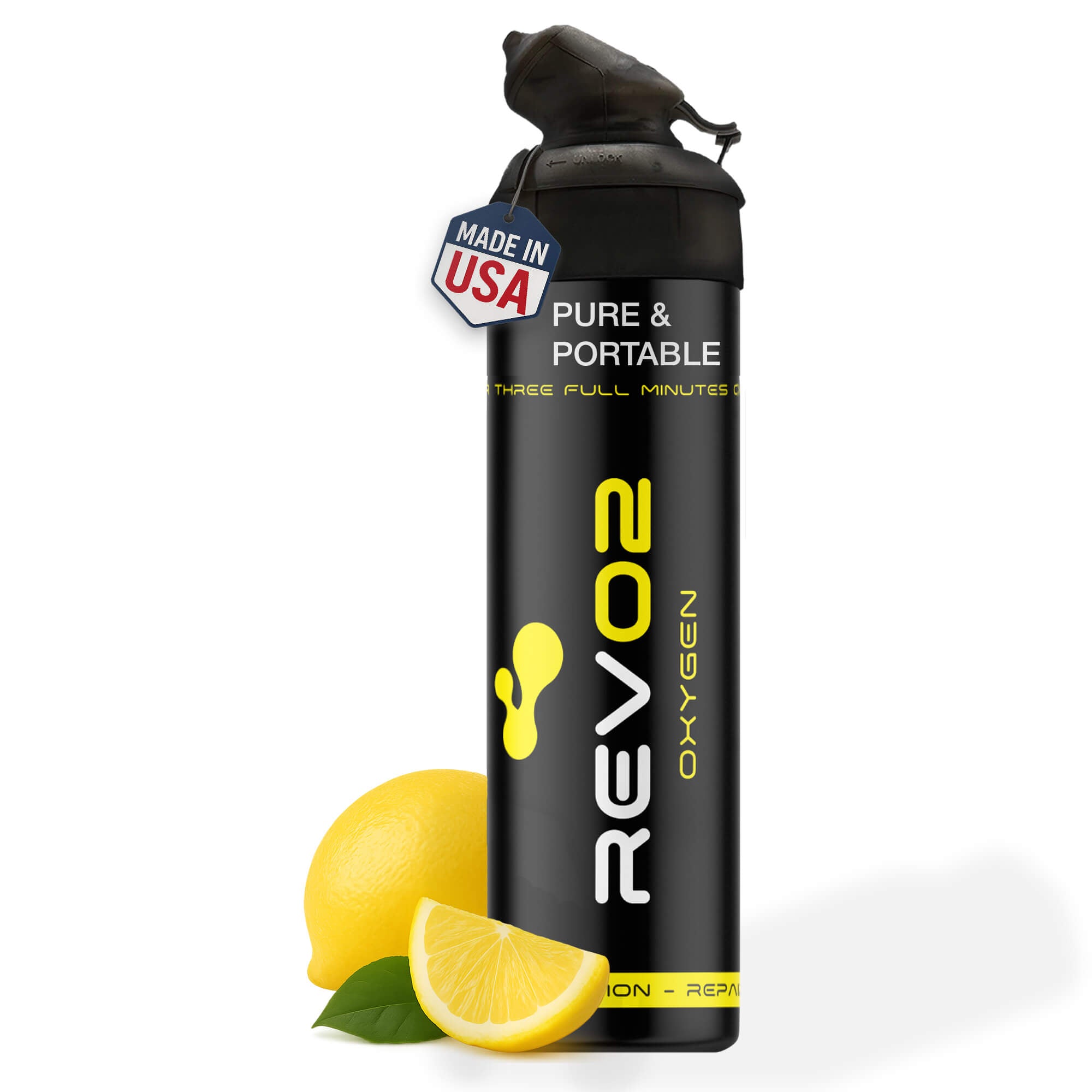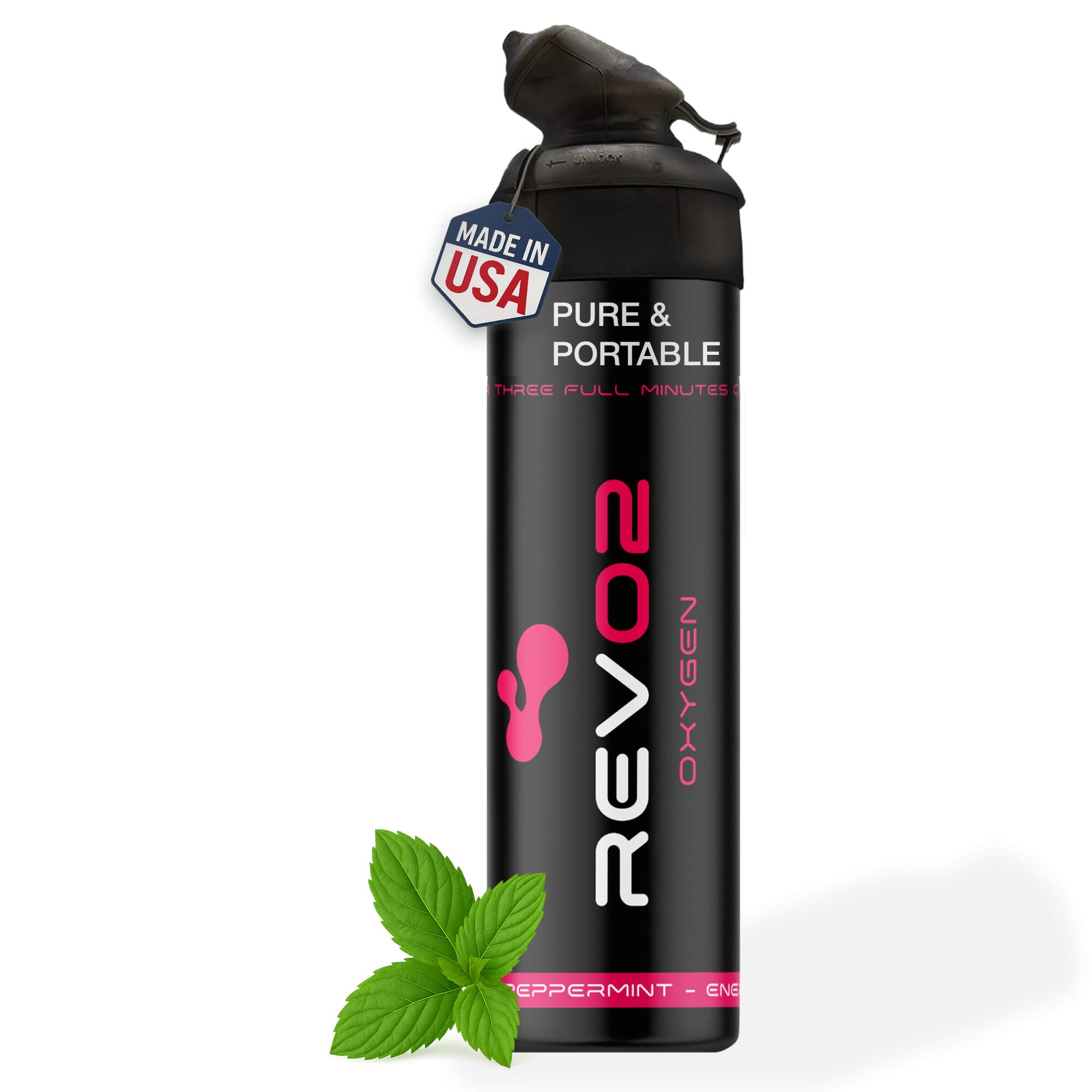

Recreational canned oxygen like REV/O2 can offer a brief sense of clarity or reduced fatigue when used as intended, and for most healthy adults seeking a quick boost, that is a reasonable expectation. It is not, however, a substitute for prescription or emergency oxygen, and it cannot treat altitude illness or any serious medical condition. Understanding that distinction is the difference between using the product sensibly and relying on it when you need real care.
TL;DR:
- Recreational canned oxygen offers only a brief mental or physical boost and does not improve athletic performance or treat medical conditions.
- It is ineffective for altitude sickness because small canisters contain too little oxygen for sustained relief, and descent remains the primary treatment.
- Emergency oxygen systems require higher flow rates and longer delivery times than recreational cans provide, so they are not interchangeable.
- Using canned oxygen safely involves short, controlled inhalations and avoiding open flames or heat sources, with medical care sought for persistent symptoms.
- Perceived benefits are mostly due to expectation and sensation rather than physiological effects, and serious symptoms require prompt medical intervention.
Table of Contents
- 1. Five myths about portable canned oxygen, debunked
- 2. Why extra oxygen rarely improves performance in healthy people
- 3. Altitude and safety: what a can can and cannot do
- 4. How to use recreational portable oxygen safely
- 5. Why we publish this guide and how REV/O2 approaches recreational oxygen
- A closer look at REV/O2 product lines
- Sources
- FAQ
1. Five myths about portable canned oxygen, debunked
Marketing claims and word of mouth have built up a handful of persistent myths about canned oxygen. Here is what the evidence actually shows.
- Myth: it significantly boosts athletic performance. A 2014 blind, placebo-controlled trial of 20 adults found no significant difference in time to exhaustion or ventilation measures after using personal recreational oxygen compared with a placebo canister.
- Myth: a canister can treat altitude sickness. According to the CDC Yellow Book, small handheld canisters hold at most about 5 liters of oxygen, far too little for sustained relief; descent remains the definitive treatment for acute mountain sickness and its more severe forms.
- Myth: canned oxygen is the same as medical emergency oxygen. FDA guidance requires emergency oxygen equipment to deliver a relatively high flow rate for at least 15 minutes, a volume that recreational cans are not built or labeled to meet.
- Myth: oxygenated water offers the same benefit. Reviews of ergogenic claims for oxygenated water show the dissolved oxygen amount is negligible next to a single breath, so drinking it does little for blood oxygen levels compared with inhaling.
- Myth: there are no safety concerns. A review of public reports found that canned oxygen is sometimes used for conditions it was never meant to treat, raising the risk that someone delays real medical care while reaching for a can instead.
2. Why extra oxygen rarely improves performance in healthy people
Here is the physiology behind those null results. Adding a few extra breaths of concentrated oxygen does not meaningfully raise that number because there is almost no room left to raise it. Performance during intense exercise is usually limited by other factors, including how efficiently the heart and muscles use the oxygen already available, not by how much oxygen is in the lungs to begin with.

That helps explain why controlled research keeps landing on the same conclusion. The 2014 trial mentioned above found no statistically significant improvement in exhaustive exercise performance, and a separate 1992 study of 13 male athletes found that breathing 100% oxygen during recovery produced no measurable gain in recovery speed or subsequent performance.
So why do so many users say they feel better after a few breaths? Expectation plays a real role. Research on placebo and ergogenic responses in endurance athletes documents measurable performance improvements tied to belief and expectation rather than to any physiological change. A quick hit of cool, flavored oxygen can genuinely feel refreshing, and that sensation is not nothing, but it is different from a documented physical performance edge.
3. Altitude and safety: what a can can and cannot do
Altitude is where the line between recreational use and medical need matters most. A can of recreational oxygen might take the edge off mild breathlessness on a day hike, but it was never designed to manage serious altitude illness.

A few liters is not a treatment plan. The CDC notes that handheld recreational canisters hold at most around 5 liters of oxygen, nowhere near enough for sustained symptom relief, and descent to lower elevation remains the primary treatment for acute mountain sickness, high-altitude cerebral edema, and high-altitude pulmonary edema.
Preventing altitude illness in the first place is more effective than trying to fix it with a can afterward:
- Ascend gradually and build in rest days when gaining significant elevation.
- Ask a doctor about preventive medications such as acetazolamide or dexamethasone before a high-altitude trip, per CDC travel guidance.
- Pack a pulse oximeter to track your blood oxygen saturation and catch problems early.
Watch for warning signs that call for immediate descent and real emergency oxygen rather than a canister: loss of coordination or stumbling, severe shortness of breath at rest, confusion, or a persistently dropping oxygen reading. Clinical guidance on oxygen delivery standards in hypoxemic patients underscores how much higher flow rates and sustained delivery matter once a situation turns serious, which is exactly the gap a recreational can was never built to fill.
4. How to use recreational portable oxygen safely
Used as intended, recreational oxygen is simple: a few short, controlled inhalations through the mouthpiece when you want a lift, not a routine you lean on to manage a medical symptom.
- Take short, measured breaths per the label instructions rather than prolonged continuous use.
- Keep canisters away from open flames and high heat, since they are pressurized containers.
- Store and transport cans according to the manufacturer’s instructions, including any airline carry-on restrictions.
- Skip the can and call a doctor if you notice a persistently low oxygen reading, chest pain, or severe shortness of breath.
Pro Tip: Keep a canister in your bag for the moments you want a quick reset, like the top of a steep climb or a long flight, and treat any real breathing trouble as a reason to seek medical attention instead.
For a closer look at where the line sits between a recreational product and a medical device, REV/O2 has published a guide to telling recreational from medical oxygen that is worth a read before your first use.
5. Why we publish this guide and how REV/O2 approaches recreational oxygen
Plenty of people who try canned oxygen report feeling sharper or less winded afterward, and there is no reason to dismiss that experience.
This type of product is designed to deliver high-purity oxygen through an efficient mouthpiece to provide a brief recreational boost. It is a recreational product designed for a quick boost, a moment of calm, or a bit of extra clarity on the trail, not a clinical treatment. When symptoms point to something more serious, from persistent breathlessness to signs of altitude illness, the right call is always to seek medical care rather than reach for a canister.
— Paul
A closer look at REV/O2 product lines
If you understand the limits and still want a well-made recreational option, There are several formulations built around different moments in your day. 
- Peppermint Oxygen: intended for a pre-workout lift or a midday reset to feel more awake.
- Lemon Oxygen: designed for the post-activity window, to wind down and feel refreshed.
- Eucalyptus Oxygen: suited for moments when mental clarity is desired without the jitters of caffeine.
If you want the specifics on technique and timing first, the how-to guide on using canned oxygen walks through safe, effective use before you buy. When you are ready, you can browse the full canned oxygen collection and pick the blend that fits your routine.
Sources
- The Effects of a Personal Oxygen Supplement on Performance, Recovery, and Cognitive Function During and After Exhaustive Exercise
- Effect of oxygen breathing following submaximal and maximal exercise on recovery and performance
- High-Altitude Travel and Altitude Illness | CDC Yellow Book™
- Review Guidelines for Oxygen Generators and Oxygen Equipment for Emergency Use | FDA
- Use and misuse of over-the-counter canned oxygen — review of public reports
FAQ
Does canned oxygen actually improve athletic performance?
Controlled research has not found a measurable performance benefit from short-use recreational oxygen in healthy adults. A 2014 placebo-controlled trial found no significant difference in exhaustion time or recovery compared with a placebo, so any perceived boost is more likely tied to how refreshing the experience feels in the moment.
Can a canister of recreational oxygen treat altitude sickness?
No. The CDC notes that handheld canisters hold too little oxygen for sustained relief, and descending to a lower elevation remains the primary treatment for altitude illness. A can might ease mild discomfort briefly, but it is not a substitute for proper acclimatization or medical care.
Is canned oxygen the same thing as medical emergency oxygen?
They are built to different standards. The FDA requires emergency oxygen devices to deliver at least 6 liters per minute for 15 minutes, a threshold recreational cans like REV/O2 are not designed or labeled to meet.
What does REV/O2 offer for recreational use?
These are recreational products meant for short-term boosts in energy, recovery, or focus, not a treatment for medical conditions.
When should I see a doctor instead of using a canister?
Persistent shortness of breath, chest pain, confusion, or a consistently low oxygen reading on a pulse oximeter are signs that call for medical attention rather than recreational oxygen. Reviews of public reports have noted cases where canned oxygen was used in place of appropriate care, which is exactly the scenario to avoid.