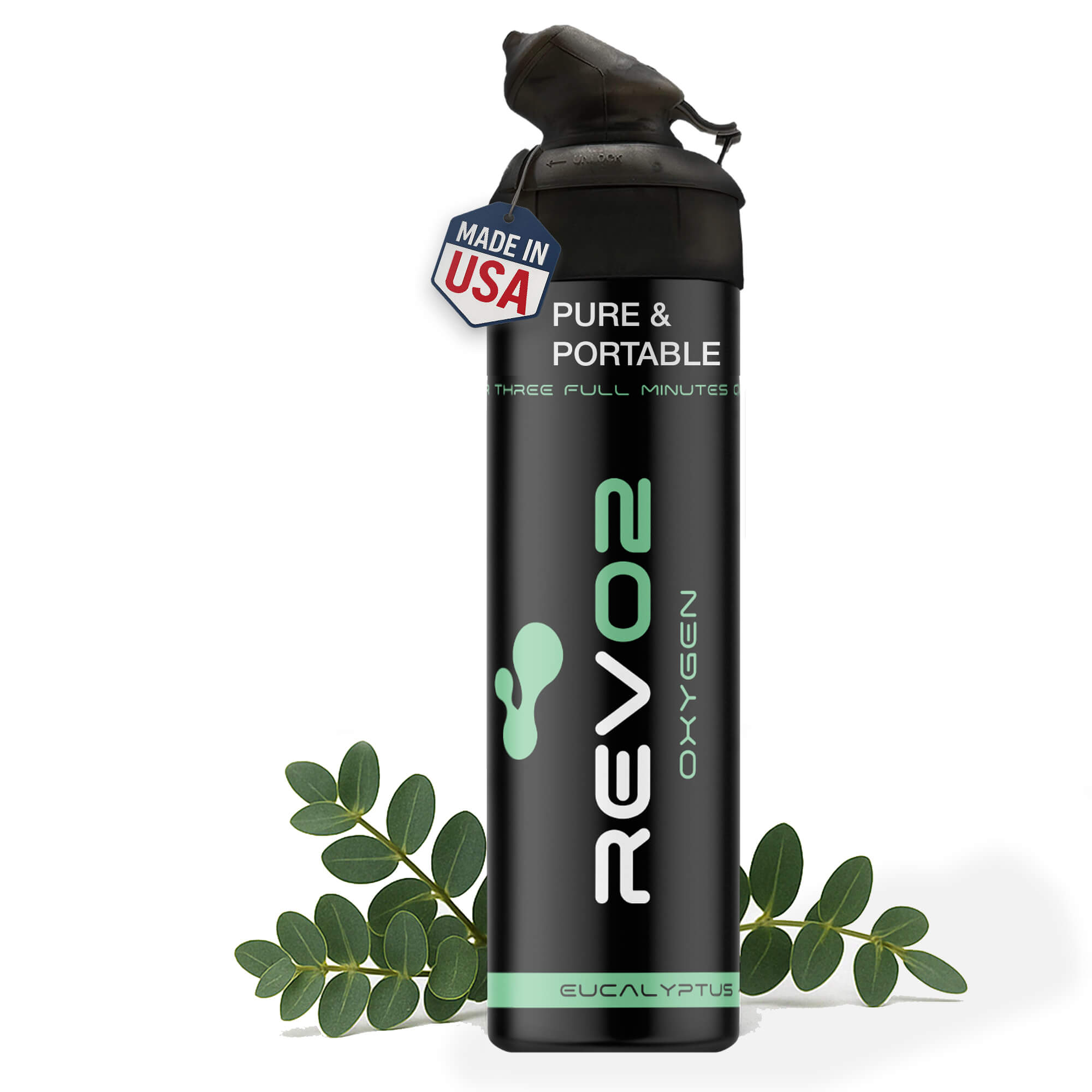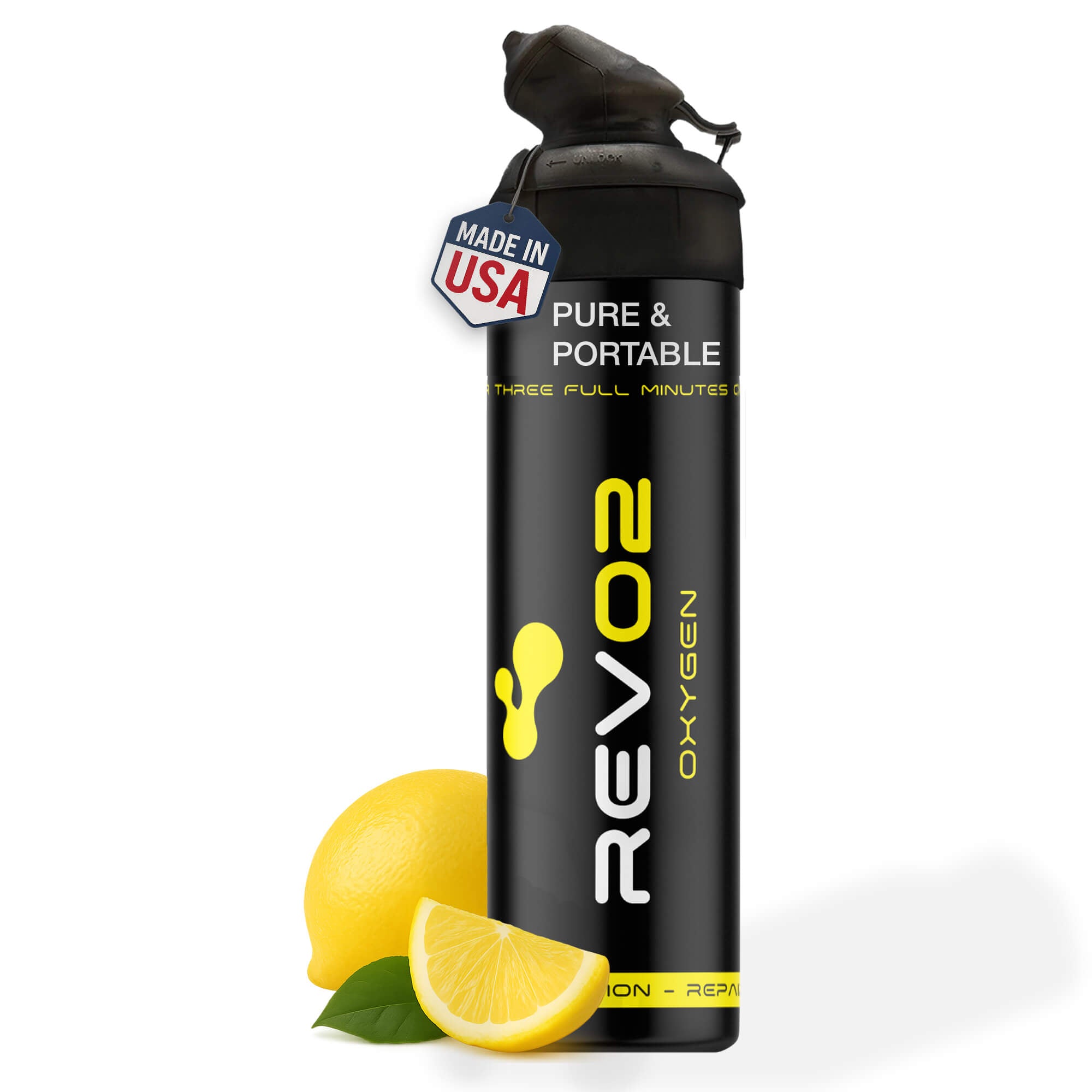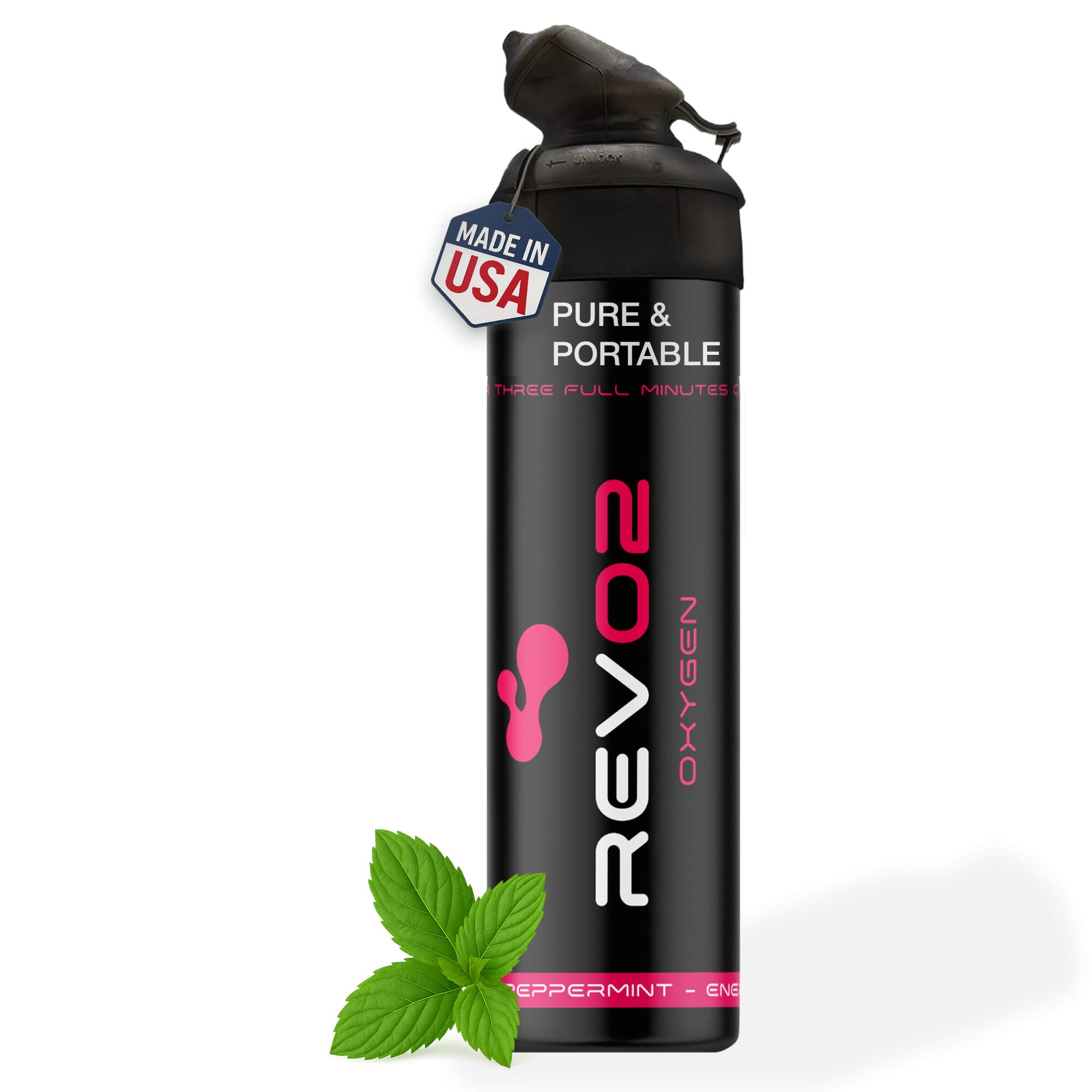

Short answer: inhaling supplemental oxygen is not a proven hangover cure. It won’t speed up how fast your liver clears alcohol, though some people do report feeling temporarily sharper or calmer after a session. The evidence behind that relief is thin and often subjective, so if you’re nursing a rough morning, hydration, rest, and time still do the heavy lifting.
TL;DR:
- Inhaled oxygen does not speed up alcohol metabolism or clear hangover symptoms and is not recognized as an effective treatment by major health authorities.
- The small study showing BAC reduction involved oxygen dissolved in beverages, not inhaled oxygen, which has no proven impact on alcohol breakdown.
- Different products, from oxygen bars to canned oxygen, vary significantly in concentration and delivery, but none are regulated or proven to treat hangovers.
- Breathing supplemental oxygen is generally low risk for healthy adults if used briefly and properly, but it can be dangerous for those with certain health conditions.
- Hydration, rest, and symptom-focused medications remain the only evidence-backed remedies for recovering from a hangover, while oxygen may temporarily boost alertness through placebo and relaxation effects.
Table of Contents
- What Does the Science Say About Oxygen and Hangovers?
- Oxygen Bars vs. Canned Oxygen vs. Medical Oxygen: What’s the Difference?
- Is It Safe to Breathe Oxygen After Drinking?
- What Actually Helps a Hangover Recover Faster?
- Why Do Some People Feel Better After Oxygen Anyway?
- What REV/O2 Actually Claims, and What It Doesn’t
- An Honest Take on Oxygen and Hangover Recovery
- Try REV/O2 as a Short-Term Alertness Boost, Not a Cure
- Sources
What Does the Science Say About Oxygen and Hangovers?
Medical sources are consistent on this point. The American Lung Association, Cleveland Clinic, and health outlets like Healthline and SELF all describe inhaled oxygen as unproven for hangover relief. No major health authority recognizes it as a validated treatment.
The confusion partly traces back to one small study that gets misquoted constantly. Researchers tested oxygen enriched alcoholic beverages and found participants reached 0.000% blood alcohol concentration about 20 to 30 minutes faster than those who drank standard versions. That’s a real, measurable effect. It’s also a completely different mechanism than breathing oxygen through a mouthpiece. Ars Technica’s coverage of that same research points out the sample sizes were small and the finding applies specifically to dissolved oxygen mixed directly into a drink, not oxygen you inhale after the fact.
Your liver breaks down alcohol at a fixed enzymatic rate, typically at a steady pace for most adults. That rate doesn’t budge based on how much oxygen is in your lungs.
The gap between the claim and the evidence:
- Dissolved oxygen in a beverage: modest, measurable BAC change in one small trial
- Inhaled oxygen after drinking: no comparable study showing faster alcohol clearance
- Subjective alertness: reported anecdotally, not tied to metabolic change
Cleveland Clinic’s overview of oxygen therapy reinforces this: oxygen has clear clinical value for conditions involving low blood oxygen, but it doesn’t override how your liver processes alcohol in an otherwise healthy person.
Oxygen Bars vs. Canned Oxygen vs. Medical Oxygen: What’s the Difference?
Not all “oxygen for hangover” experiences are the same product. The delivery method and concentration change what you’re actually getting.
- Oxygen bars typically pump out air enriched to around 40% oxygen, often infused with scented aromatherapy, delivered through a cannula or light mask during a paid session.
- Recreational canned oxygen, like REV/O2’s cans, delivers short bursts of 98% pure oxygen through a portable zero-leak mouthpiece, built for quick, on-the-go use rather than a lounge visit.
- Medical or prescription oxygen is a regulated therapy, dosed and monitored by a clinician for patients with diagnosed hypoxemia or respiratory disease.
The practical takeaway: dose, duration, and purity vary a lot between these three. A five-minute burst from a can isn’t equivalent to a 15-minute oxygen bar session, and neither replaces the calibrated, supervised flow rates used in a hospital setting. Knowing which category you’re dealing with keeps expectations realistic.
Is It Safe to Breathe Oxygen After Drinking?
For most healthy adults, breathing supplemental oxygen occasionally is low risk, but it’s not risk-free for everyone. Certain conditions change the calculation entirely.
People with COPD, some cardiac conditions, or uncontrolled epilepsy should talk to a doctor before using supplemental oxygen, since these conditions can interact with how your body regulates oxygen and carbon dioxide levels. High concentrations over long, repeated exposure can also raise the risk of oxygen toxicity, a real physiological concern with misuse, not just a theoretical one.
A few ground rules worth keeping in mind:
- Short sessions, not extended or constant use
- No smoking or open flames near an oxygen source, ever
- Stop and seek care if you feel unwell rather than pushing through
If you have a chronic lung or heart condition, this safety guide for portable oxygen use and the American Lung Association’s guidance are worth reading before you try anything.
Pro Tip: Check the product instructions on any canned oxygen before use, and never treat it as a substitute for calling a doctor if you feel genuinely unwell, dizzy, or short of breath.
What Actually Helps a Hangover Recover Faster?
If oxygen inhalation isn’t the fix, what is? The remedies with real evidence behind them are less exciting but far more reliable.
- Rehydrate with water and electrolytes. Alcohol is a diuretic, so you’re losing fluid and sodium faster than usual. Water alone helps; water with electrolytes helps more, especially if vomiting was involved.
- Give your liver time. Since alcohol clears at a fixed rate, sleep and rest are doing real metabolic work, not just easing symptoms. There’s no shortcut around the clock here.
- Use NSAIDs carefully, and skip acetaminophen. Ibuprofen or aspirin can ease headache and body aches for most people, but acetaminophen combined with lingering alcohol in your system can stress the liver.
- Watch for red flags. Severe vomiting, confusion, slowed breathing, or an inability to stay awake are signs of alcohol poisoning, not an ordinary hangover, and warrant immediate medical care.
Sites like SELF and most credible health resources land on the same list: hydration, rest, and symptom-targeted medication beat novelty treatments every time.
Why Do Some People Feel Better After Oxygen Anyway?
If it’s not fixing your metabolism, why does that oxygen bar session feel good? A few overlapping effects are probably at play, and none of them involve detoxifying anything.

Placebo matters more than people admit. Expecting to feel better after paying for a wellness experience often makes you feel at least somewhat better, regardless of the mechanism. Deep, slow breathing during a session also triggers short-term relaxation and a mild boost in alertness on its own, oxygen or not. Add in the aromatherapy scents many oxygen bars use, and you’ve got a relaxation ritual that can genuinely ease headache tension and grogginess, even if it isn’t touching the alcohol still working its way through your system.
What REV/O2 Actually Claims, and What It Doesn’t
Revo2 built its canned oxygen around 98% purity and a zero-leak mouthpiece, refined with input from athletes who needed something more portable than a bar visit or a bulky tank. That’s a design choice, not a medical claim.
Revo2 does not position canned oxygen as a hangover cure. It’s a supplemental wellness aid meant for short-term alertness and recovery support, the same category as a cold splash of water or a strong walk outside, not a substitute for what your liver and kidneys are already doing on their own schedule.
A few practical notes for anyone curious:
- Keep sessions short rather than continuous
- Pair use with water, not instead of it
- Skip it and see a doctor if you feel genuinely unwell rather than just tired
Readers who want the specifics can check the how-to-use guide for canned oxygen before trying a can for the first time.
An Honest Take on Oxygen and Hangover Recovery
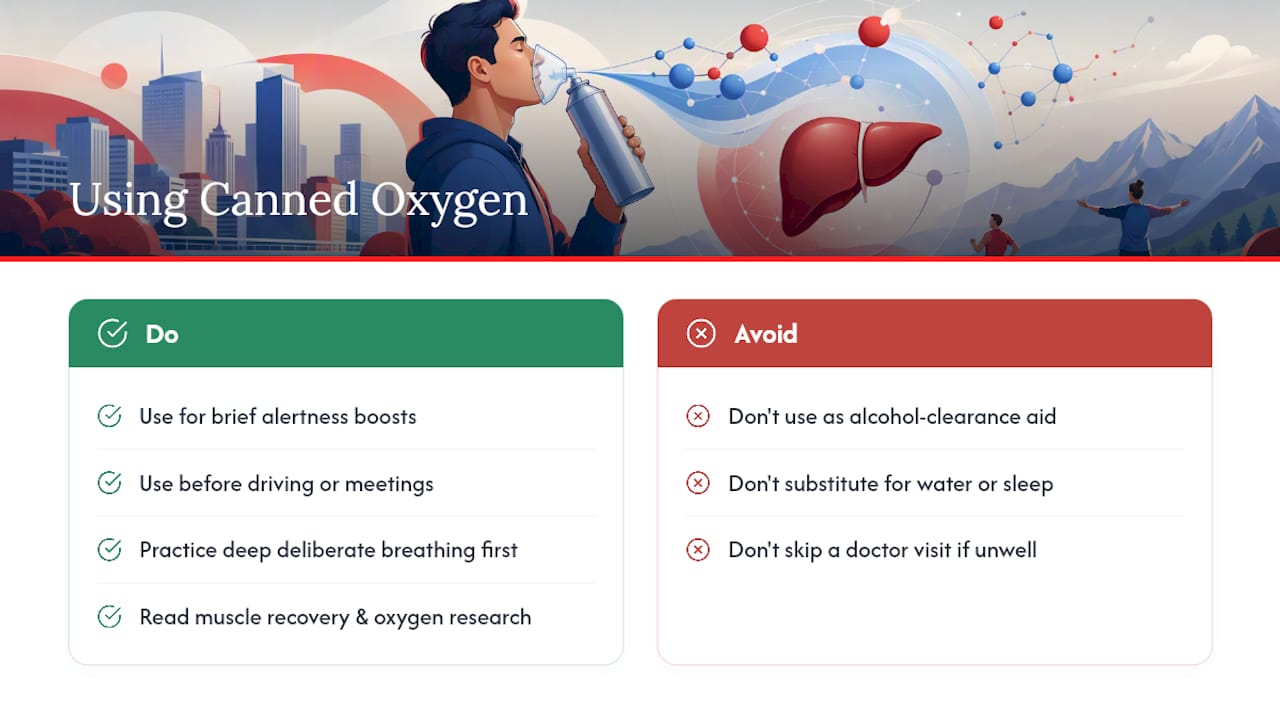
I don’t dismiss the anecdotal reports. People genuinely feel more alert after a few minutes of deep, deliberate breathing, oxygen can or not. But feeling clearer isn’t the same as your body processing alcohol faster, and the research doesn’t support that leap.
Where I’d reach for canned oxygen: a low-risk moment when I need mental sharpness, not medical relief, like a drive home or a foggy morning meeting. Where I wouldn’t: as a substitute for water, sleep, or an actual doctor visit if something feels off. Start with the muscle recovery and oxygen research if you want the fuller picture before deciding what fits your situation.
— Paul
Try REV/O2 as a Short-Term Alertness Boost, Not a Cure
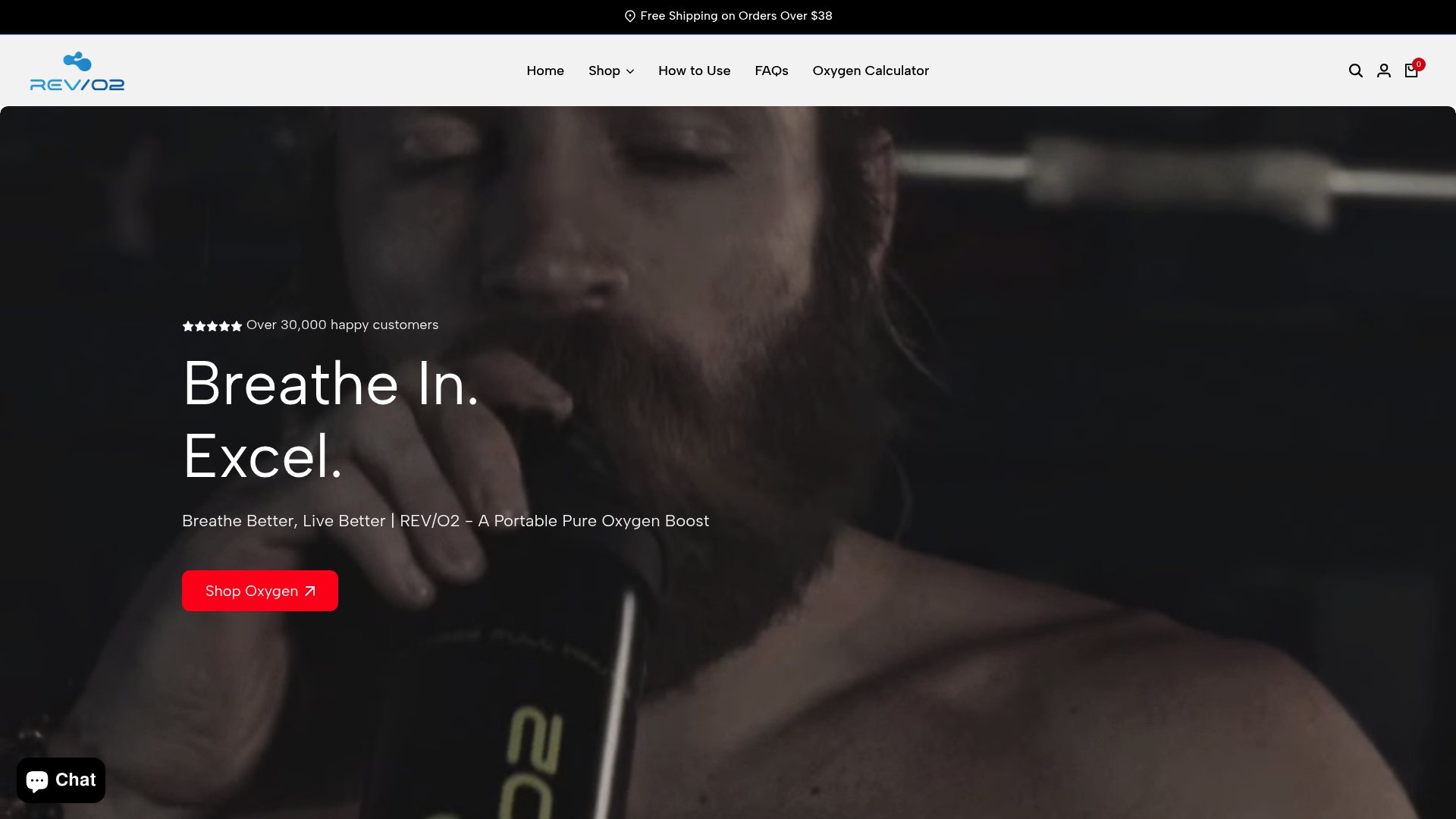
Revo2 gives you a straightforward way to get a burst of clarity without pretending it’s medicine. Each can delivers 98% pure oxygen through a zero-leak mouthpiece, in peppermint, lemon, or eucalyptus, so you can grab a quick session at your desk, in the car, or on a hike without lugging around a tank.
Pair it with water and a decent night’s sleep, and it becomes a useful adjunct for those mornings when you need to feel sharper fast, not a replacement for either one. Alcohol’s effect on long-term health is worth understanding too. This breakdown of how alcohol affects biological aging is a useful read if you’re rethinking your relationship with drinking altogether, not just the morning after.
If you’re ready to try it, browse the full canned oxygen collection and check the safe usage guide first so you know exactly what a short session should feel like.
Sources
- Oxygen Bar: Benefits, Risks, What to Expect, Cost, and More — Healthline
- Hangover-free booze? Increasing dissolved oxygen concentrations in alcohol may reduce negative side effects — ScienceDaily
- Oxygen therapy — Cleveland Clinic
- Using oxygen safely — American Lung Association