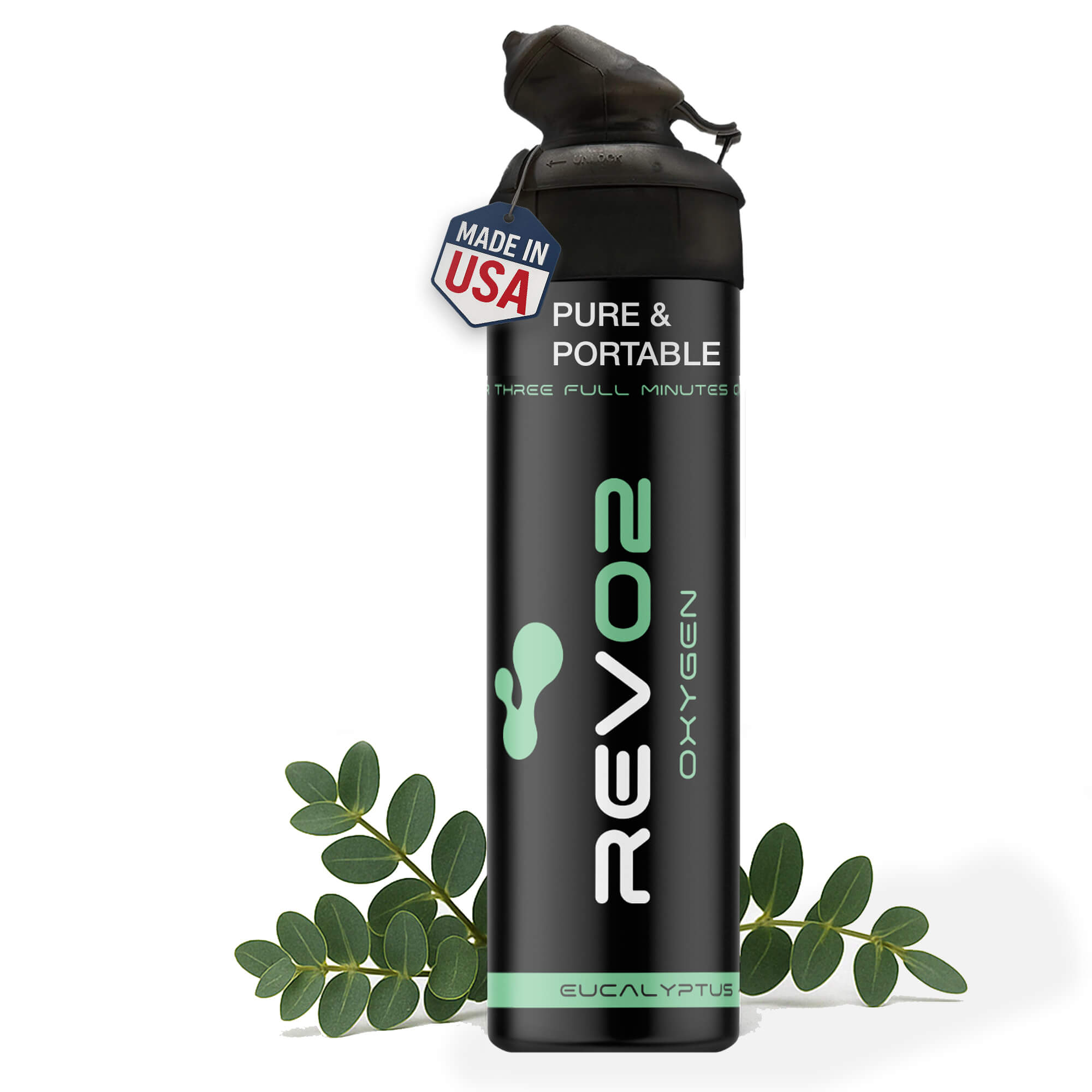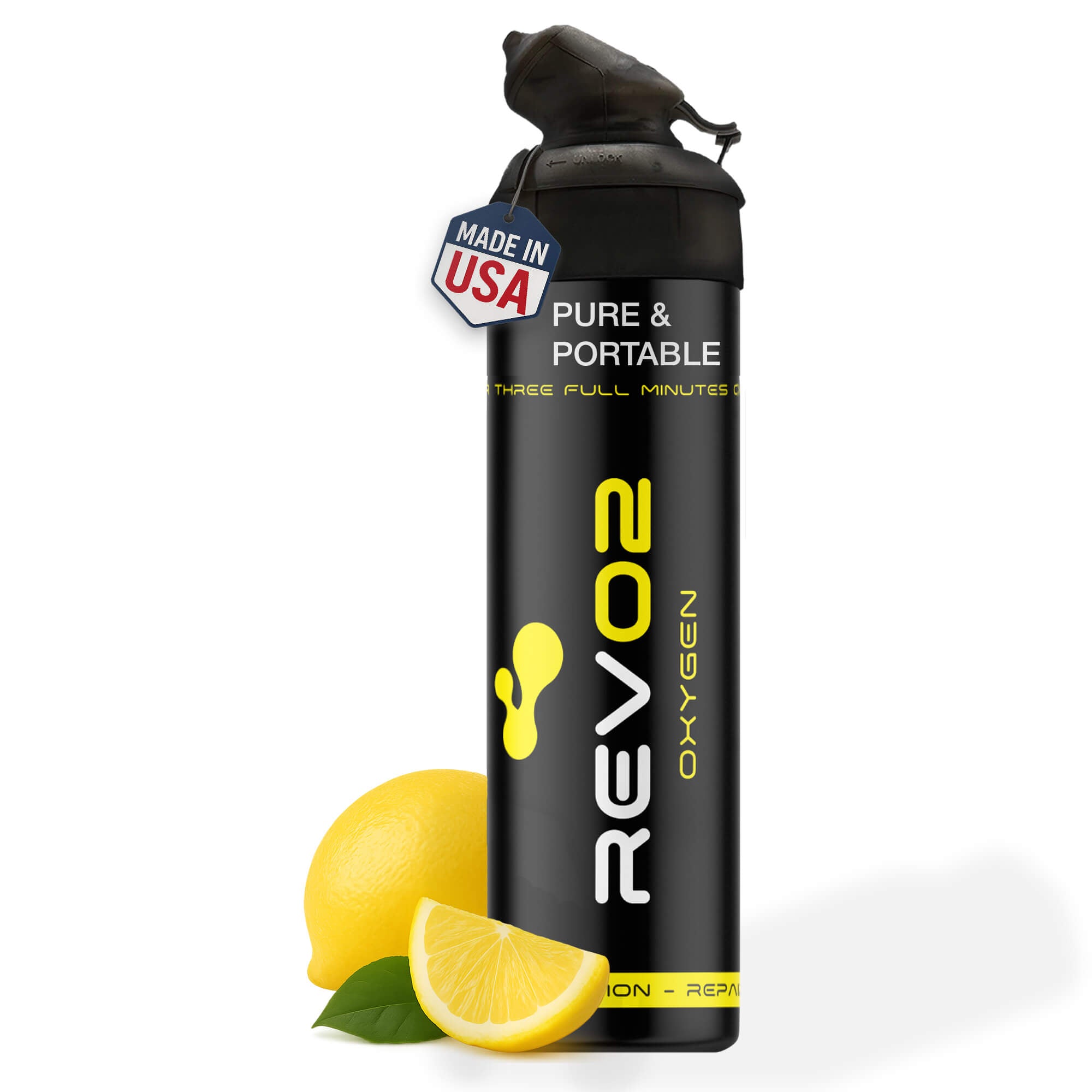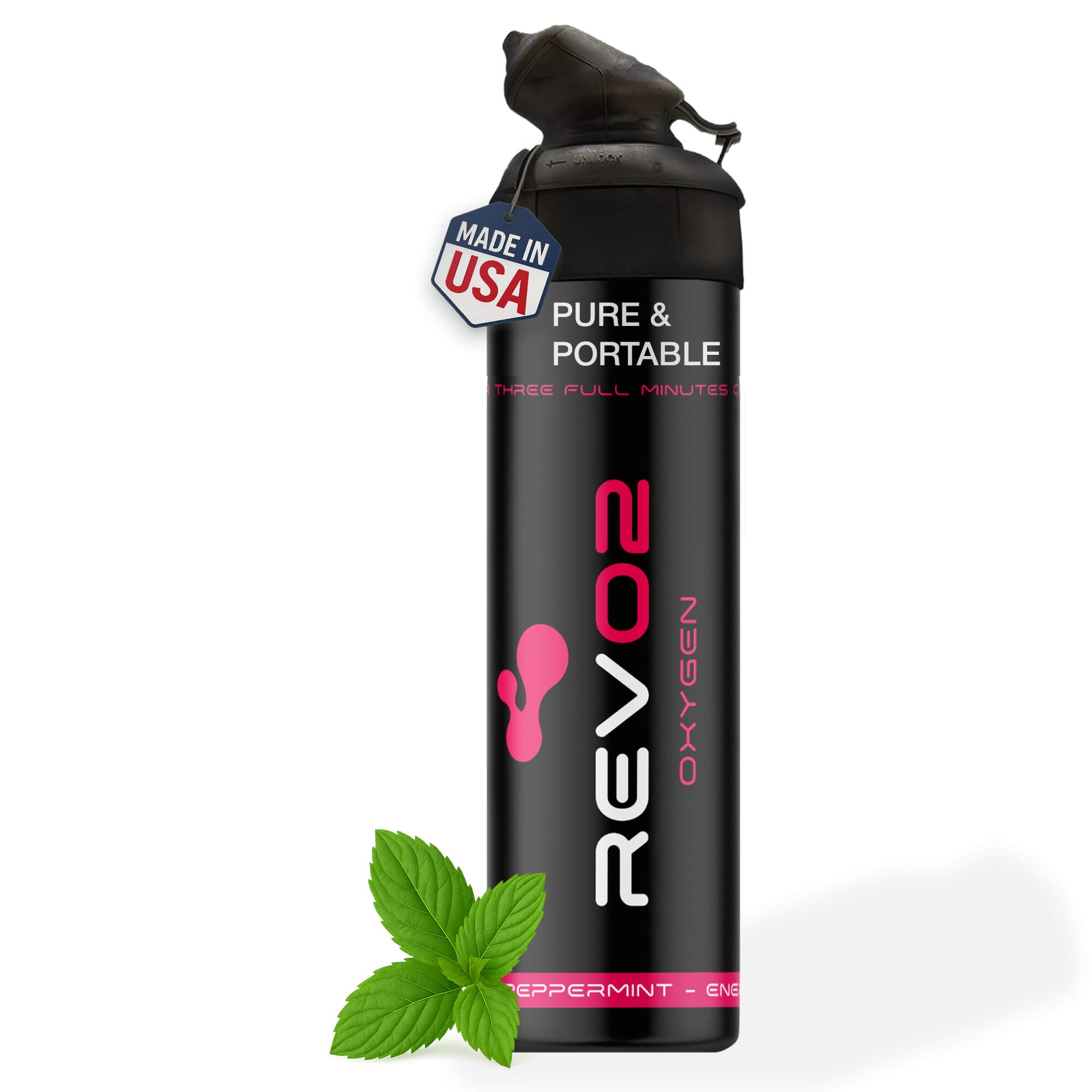

Flavored oxygen cans deliver portable, high-purity supplemental oxygen scented with natural flavors like peppermint or eucalyptus, aimed at short-term energy, recovery, and altitude support. They work as a wellness aid, not a medical device. Anyone managing an ongoing respiratory condition should talk to a clinician before treating a can as a substitute for prescribed oxygen therapy.
TL;DR:
- Flavored oxygen cans provide short-term oxygen boosts with no medical benefit, suitable for relief during specific activities like hiking or travel.
- The inhaled oxygen is nearly 98% pure and cannot improve or treat chronic respiratory conditions or hypoxia.
- Scent choices such as peppermint or eucalyptus influence experience, but do not alter oxygen effects, and preferences vary widely.
- Proper usage involves brief, deliberate inhalations limited to a few minutes per session, especially for those with health conditions; safety precautions matter.
- The primary market includes athletes, travelers, and busy professionals seeking quick mental or physical refreshers, not solutions for ongoing health issues.
Table of Contents
- What Are Flavored Oxygen Cans and How Do They Work?
- Benefits and Common Uses: What the Evidence Actually Supports
- Which Flavor Should You Choose for Your Goals?
- How to Use Flavored Oxygen Cans Safely (and How to Travel With Them)
- REV/O2: Product Specs and What Buyers Actually Report
- Who Actually Benefits From This, and Who Shouldn’t Bother
- Ready to Try It? Start With a Single Flavored Can
- Sources
What Are Flavored Oxygen Cans and How Do They Work?
A flavored oxygen can holds compressed, high-purity oxygen, usually marketed as high-purity oxygen, infused with a natural scent like peppermint, lemon, or eucalyptus. You breathe it through a mouthpiece for a few seconds at a time. That’s the entire mechanism. There’s no drug, no additive that changes your blood chemistry beyond what a few concentrated breaths of oxygen naturally do.
Room air is about 21% oxygen. A quick inhalation from a can that’s roughly 98% pure temporarily increases the oxygen available to your lungs, which is why people report a brief lift in alertness. The effect fades within minutes once you go back to breathing normal air, because your body isn’t storing that extra oxygen for later.
The flavoring itself does nothing to your oxygen saturation. It’s aromatherapy layered on top of a physiological process, similar to how a menthol scent doesn’t change what’s in a cough drop but changes how you experience taking it.
This matters because it draws a hard line between two very different categories:
- Recreational or supplemental oxygen cans (what Revo2 sells): unregulated as a medical device, used briefly for energy, recovery, or altitude comfort.
- Prescription oxygen therapy: continuous or scheduled delivery through medical equipment, prescribed to treat diagnosed hypoxia under a doctor’s supervision.
Confusing the two is where most misunderstandings about this product category start.
Benefits and Common Uses: What the Evidence Actually Supports
Short bursts of concentrated oxygen have a plausible physiological basis for a temporary boost in alertness and perceived energy, though the effect is transient rather than corrective. That distinction matters for anyone weighing whether a flavored oxygen can will genuinely help them or just feel good for ten minutes.
Where the evidence stands: Clinical literature on oxygen therapy confirms that concentrated oxygen inhalation can produce short-lived increases in perceived energy, but this is well documented in medical hypoxia treatment, not in recreational, brief-session use. Most support for recreational benefits comes from physiological plausibility and customer reports rather than large controlled trials.
The realistic use cases line up with what the product actually does: a few minutes of relief, not a lasting fix.
- Athletes and active people use a quick inhalation post-workout as part of a recovery routine, alongside hydration and rest.
- Hikers and travelers at altitude reach for a can when thinner air makes breathing feel harder, especially during exertion.
- Frequent flyers and long-haul commuters use it as a breath refresher in dry, recycled cabin air.
- Busy professionals treat it like a coffee alternative for a short mental clarity boost during a stressful stretch of the day.
Where it won’t help: chronic hypoxia, COPD, or any diagnosed respiratory disease that requires sustained oxygen delivery. A canister that empties in a couple hundred short breaths simply can’t replace a therapy designed to run for hours. If you’re breathless walking across a room on a regular basis, that’s a conversation for your doctor, not a purchase decision.
Which Flavor Should You Choose for Your Goals?
Flavor is where personal preference meets a bit of aromatherapy logic. None of it changes the oxygen you’re inhaling, but scent does shape how the moment feels, and that’s not nothing when you’re trying to shake off a slump or calm pre-race nerves.
- Peppermint: the most popular choice, associated with alertness and mental sharpness, a natural fit for pre-workout or mid-afternoon use.
- Menthol-eucalyptus: cooling and clearing, often chosen by people who want the sensation to feel like it’s opening up their breathing.
- Grapefruit: bright and citrus-forward, generally picked for a refreshing, wake-up effect.
- Lavender: calming rather than energizing, better suited to stress relief than a pre-competition boost.
- Rosemary: linked in aromatherapy circles to focus and concentration, a reasonable pick for work sessions.
If you’re new to the category, buy a single can before committing to a multipack. Scent preference is personal, and what smells invigorating to one person reads as overpowering to another, especially indoors in a small room. Choose milder scents for office or shared-space use, and always check the ingredient list if you have known fragrance sensitivities or allergies. Unflavored or neutral options exist for anyone who wants the oxygen without the aromatherapy layer, including people using it around others with scent sensitivities.
Pro Tip: Test a new flavor at home before taking it to the gym or on a flight. You want to know how you react to the scent before you’re relying on it during a workout or a long travel day.
How to Use Flavored Oxygen Cans Safely (and How to Travel With Them)
Using a canister correctly is simple, but “simple” doesn’t mean “unlimited.” Revo2’s own usage guide lays out the technique in a few steps, and following them protects both the experience and your wallet, since sloppy inhalation wastes the can faster.
- Hold the mouthpiece an inch or two from your mouth or seal your lips around it gently, depending on the can’s design, and inhale slowly rather than gasping.
- Take short, deliberate breaths, three to five seconds each, rather than holding the trigger down continuously.
- Pause between inhalations to let your body register the effect before taking another.
- Stop if you feel lightheaded, dizzy, or unusually short of breath, and switch back to normal air immediately.
- Limit sessions to a few minutes at a time, a handful of times per day at most, rather than treating it as constant background supplementation.
Most small cans are built around a modest number of short inhalations rather than extended continuous flow, so pacing yourself matters if you want the can to last through a workout, a flight, or a hiking day.
Certain groups should check with a clinician before regular use, including anyone with COPD, uncontrolled cardiac conditions, or a current oxygen prescription. Concentrated oxygen isn’t dangerous for most healthy adults in short bursts, but interactions with existing respiratory or cardiac therapy are worth ruling out first, not guessing about.
Travel adds its own wrinkle. Airline rules on pressurized oxygen canisters vary by carrier, and a brand calling its can “flight safe” is a marketing claim, not a guarantee that every airline agrees. Always confirm your specific airline’s policy before packing one in a carry-on or checked bag, and don’t assume yesterday’s rule still applies today, since policies do change.
Store cans at moderate room temperature, away from direct heat. Never leave one in a hot car, since pressurized canisters and high heat don’t mix well. Once empty, check local guidelines. Many are recyclable as metal canisters, similar to other aerosol products.
REV/O2: Product Specs and What Buyers Actually Report
Revo2 builds its canned oxygen line around two specific claims worth knowing before you buy: 98% oxygen purity and a zero-leak mouthpiece. The purity number matters because it’s near the top of what recreational canisters typically offer, meaning less filler air per inhalation. The zero-leak design matters for a more practical reason: mask-based or poorly sealed mouthpieces waste oxygen with every breath, so a tighter seal means your can actually lasts as long as it’s supposed to.
Revo2 flavors include peppermint, lemon, and eucalyptus, sold in sizes ranging from single travel cans to multipack bundles for regular users. Reported customer feedback centers on a few consistent themes: noticeable upticks in energy, faster-feeling recovery after exercise, and improved mental clarity during use.
Before you buy, the brand’s own resources are worth a look:
- Portable oxygen for athletes and altitude support for a deeper look at use cases.
- How to use canned oxygen safely for the full technique breakdown.
- The peppermint oxygen collection if that’s your flavor of choice.
Who Actually Benefits From This, and Who Shouldn’t Bother
Flavored oxygen cans make the most sense for people with a specific, short-duration need: athletes chasing a faster-feeling recovery, hikers pushing through thinner air at elevation, travelers fighting dry cabin air, or professionals who want a five-minute reset instead of another cup of coffee. If your goal is a brief, situational lift, this product category delivers on that promise reasonably well.
Where expectations need tempering: this isn’t a treatment, and it won’t fix a chronic breathing problem. The honest way to find out if it helps you is to try a single can in the exact situation you’re targeting, whether that’s a workout, a flight, or a stressful afternoon, and judge the result for yourself rather than trusting marketing copy alone. If you’re dealing with persistent shortness of breath or a diagnosed respiratory condition, that conversation belongs with a doctor, not a product review.
— Paul
Ready to Try It? Start With a Single Flavored Can
Revo2 gives you a straightforward way to test whether flavored oxygen fits your routine, without committing to a subscription before you know your preferred scent. If energy and recovery are your priority, the peppermint multipack is the most popular starting point, and it comes with built-in savings over buying single cans repeatedly.
Before you check out, run through a quick mental list: what’s the primary use (workouts, travel, altitude, daily stress relief), do you have any scent sensitivities worth avoiding, and are you planning to fly with it soon. If altitude is your specific concern, Revo2’s oxygen saturation calculator shows how oxygen levels shift with elevation, which helps you gauge whether a can is worth packing for your next trip. Once you’ve settled on a flavor, browse the full canned oxygen collection to pick a pack size that matches how often you’ll actually use it.
Sources
For deeper background beyond this guide, Wikipedia’s oxygen therapy overview covers clinical use, while Live5DHealth’s breakdown of oxygen therapy types clarifies how recreational and medical oxygen differ.
This article is general information, not a substitute for advice from a qualified doctor. Consult a qualified healthcare professional about your own circumstances before acting on anything here.
- Oxygen therapy — Wikipedia