
Canned oxygen can take the edge off a mild altitude headache or shortness of breath for a few minutes, but it is not a treatment for altitude sickness and it will not replace acclimatization or descent. The CDC Yellow Book treats descent and rest as the reliable response when symptoms appear. A recreational product like REV/O2 can offer brief, welcome comfort between runs, but it should never be the reason you keep climbing or skiing through worsening symptoms.
TL;DR:
- Recreational canned oxygen provides only brief relief for mild altitude symptoms and cannot replace descent, acclimatization, or prescribed oxygen therapy.
- Most cans hold around 5 liters or less, offering only a few minutes of use, with duration affected by valve design and breathing pattern.
- Short-term oxygen use may ease headaches and breathlessness but does not improve athletic performance or treat altitude sickness beyond temporary comfort.
- Use canned oxygen while stationary, follow label instructions, and prioritize descent if symptoms persist or worsen.
- People with heart, lung, or sleep conditions should consult a clinician before relying on recreational oxygen at altitude.
Table of Contents
- What canned and portable oxygen products actually are
- Does canned oxygen actually relieve altitude sickness or boost ski performance?
- How to use recreational oxygen safely on a ski day
- Prevention beats a can: acclimatization, pacing, and medication
- Who should skip recreational cans and when to seek emergency care
- Getting oxygen for your ski trip: buying, renting, and realistic expectations
- REV/O2’s approach to recreational oxygen
- A straight answer on oxygen and skiing
- Breathe easier between runs with REV/O2
- FAQ
- Sources
What canned and portable oxygen products actually are
Recreational oxygen comes in a few formats: small handheld cans meant for a few quick breaths, larger sport cans with more total volume, and portable tanks that resemble medical equipment but are sold without a prescription. Most popular cans hold around 5 liters or less, far short of what a continuous medical oxygen setup delivers over an hour, according to the CDC Yellow Book.

The interface matters as much as the label. A tight medical mask delivers oxygen with far less waste than an open mouthpiece, so the percentage printed on a can does not translate directly into how much oxygen reaches your lungs. Flow and volume limits also cap how long any can lasts, no matter how the marketing frames it. In the United States, sustained home or clinical oxygen generally requires a prescription, while recreational cans sit in a separate, unregulated category meant for short-term, occasional use rather than therapy.
Does canned oxygen actually relieve altitude sickness or boost ski performance?
The clinical evidence is more modest than the marketing. The CDC Yellow Book notes that supplemental oxygen delivered at a controlled 1 to 2 liters per minute can ease an altitude headache within about 30 minutes, but handheld cans hold a fraction of that sustained volume and provide only brief relief. Descent remains the primary treatment when acute mountain sickness symptoms worsen or fail to improve.
Supplemental oxygen at 1 to 2 liters per minute can resolve an altitude headache in about 30 minutes, according to the CDC Yellow Book, a benchmark that most recreational cans cannot match for duration.
A 2023 review in Sports Medicine looked at whether supplemental oxygen enhances performance at simulated high altitude and found the evidence mixed at best. Several trials showed no consistent benefit from brief oxygen exposure on peak performance. Reporting from CU Anschutz echoes this: canned oxygen can produce a subjective sense of relief, but that effect dissipates well before it could meaningfully improve a full day on the mountain.
Taken together, this evidence points to a narrow role for canned oxygen:
- It may ease mild breathlessness or discomfort for a few minutes.
- It does not replace acclimatization, descent, or prescribed oxygen for someone who is genuinely ill.
- Claims about sustained performance enhancement are not well-supported by controlled research.
If you are weighing ergogenic claims more broadly, independent overviews like this summary of the evidence on ergogenic aids are a useful reality check before buying into any product’s performance promises.
How to use recreational oxygen safely on a ski day
Canned oxygen works best as a stationary, occasional comfort measure, not a tool for pushing through symptoms. A few habits make it safer and more useful:
- Use it while stationary, such as on the chairlift or inside the lodge, rather than while actively skiing or exerting yourself.
- Follow the product label for draw length and frequency, typically one or two seconds per breath.
- Keep the can accessible but protected from extreme cold and physical impact, since freezing temperatures and punctures can affect performance.
- Watch how you feel over the next several minutes. If breathlessness, headache, or dizziness does not ease, stop and plan to descend rather than taking repeated puffs.
- Check resort policies and airline carry-on rules before your trip, since pressurized canisters are sometimes restricted.
A detailed walkthrough is available in REV/O2’s guide to using canned oxygen safely, including storage tips for cold-weather trips.
Pro Tip: Treat any can as a backup comfort measure, not a plan. Pair it with a clear descent route and a way to reach your group or ski patrol if symptoms persist.
Prevention beats a can: acclimatization, pacing, and medication
The most dependable protection against altitude illness has nothing to do with oxygen cans. The CDC Yellow Book notes that most people acclimatize substantially within 24 to 48 hours, and a few habits make that process easier:
- Spend a day or two at a moderate elevation before skiing at peak altitude, and avoid heavy exertion on your first day.
- Stay hydrated, prioritize sleep, and limit alcohol, since all three affect how well your body adjusts.
- Ask a clinician about acetazolamide for prevention if you have a history of altitude sickness or a demanding itinerary.
- Expect real improvement after descending roughly 300 meters (1,000 feet), per CDC guidance, and use that as your benchmark for whether you have gone down far enough.
For a closer look at how acclimatization timelines compare with short-term oxygen use, REV/O2’s piece on acclimatization versus canned oxygen walks through both approaches side by side.
Who should skip recreational cans and when to seek emergency care
Recreational oxygen cans are not medical devices, and they are not a substitute for prescribed oxygen therapy. In the United States, sustained oxygen treatment generally requires a prescription, a distinction the CDC Yellow Book draws clearly.
A few groups should talk to a clinician before relying on any canned product at altitude:
- People with existing heart or lung disease.
- Those who are pregnant.
- Anyone with severe obstructive sleep apnea or an existing prescription for supplemental oxygen.
Confusion, loss of coordination, or severe breathlessness at rest are emergency signs, potentially indicating high-altitude cerebral or pulmonary edema, according to the CDC Yellow Book. These symptoms call for immediate descent and emergency medical care, not another puff from a can.
Getting oxygen for your ski trip: buying, renting, and realistic expectations
Recreational cans are widely available at outdoor retailers, some resort shops, and online, while medical-grade oxygen setups are typically rented through local respiratory equipment providers and require a prescription. The right choice depends on your situation:
- A labeled volume of 5 liters or less means brief relief measured in minutes, not a guaranteed number of runs.
- A can’s valve design and your breathing pattern both affect how long that volume actually lasts.
- If you have a medical condition or a history of altitude illness, a rental medical setup coordinated with your clinician is the safer option.
- Before you travel, pack your can where it is easy to reach, and confirm resort and airline rules on pressurized canisters.
REV/O2’s portable oxygen guide covers duration limits and handling in more detail if you want to plan ahead of a trip.
REV/O2’s approach to recreational oxygen
REV/O2 makes 98% pure canned oxygen with a zero-leak mouthpiece and a trigger-lock cap designed to limit waste between breaths, built with input from athletes. That design fits the realistic use cases this guide describes: brief, stationary relief on a chairlift or in the lodge, and a comfort boost during recovery between runs, not a treatment for altitude illness or a guarantee of better performance. Anyone with a heart, lung, or sleep condition should check with a clinician before adding any oxygen product to a ski trip. More detail on the product line and usage is available directly from REV/O2.
A straight answer on oxygen and skiing
Canned oxygen can make a tough afternoon more comfortable, but comfort is not the same as treatment. Planning your acclimatization, pacing your first day, and being ready to descend will do more for your safety than any can in your pocket. Check labels, know your own risk factors, and ask a clinician if you are unsure.
— Paul
Breathe easier between runs with REV/O2
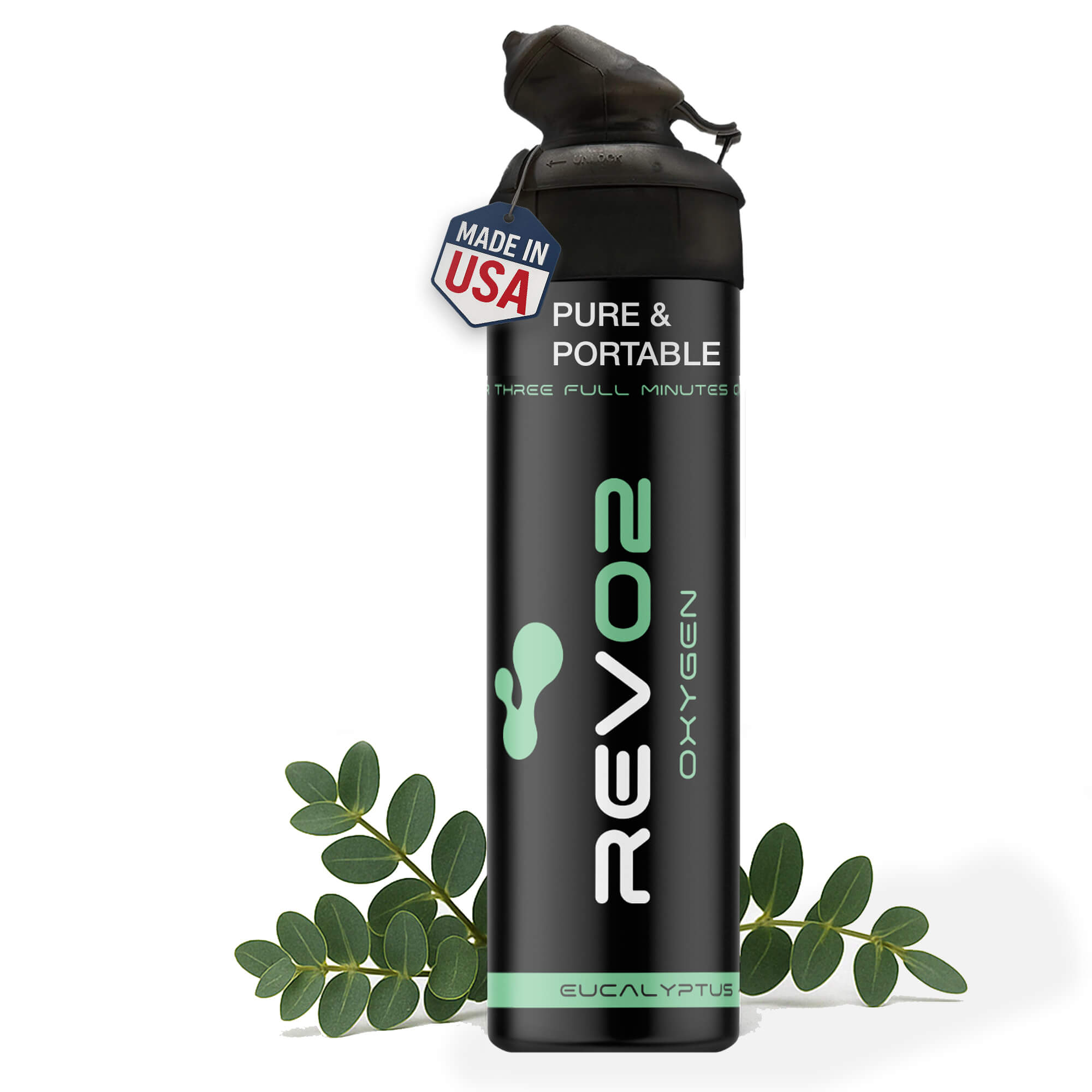
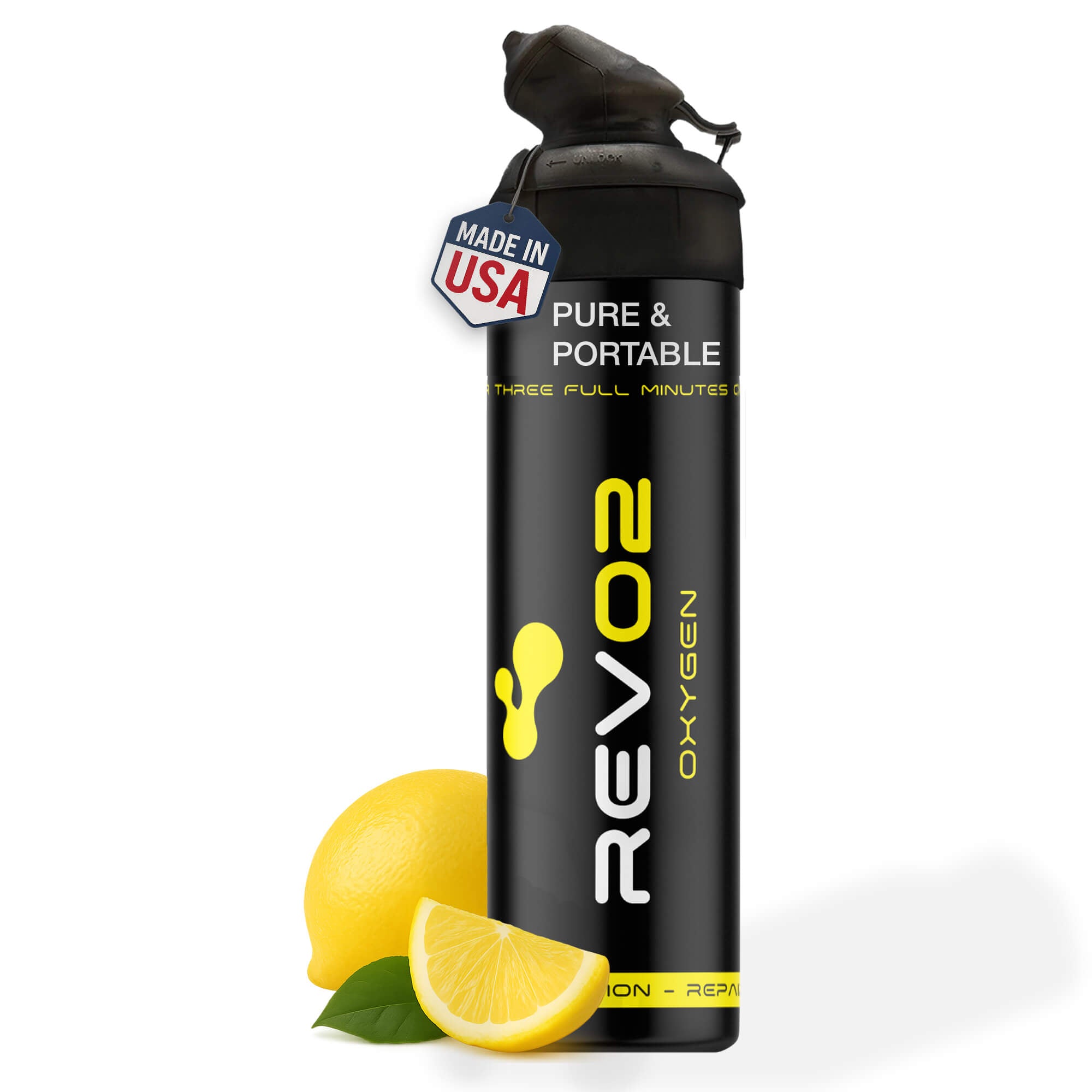
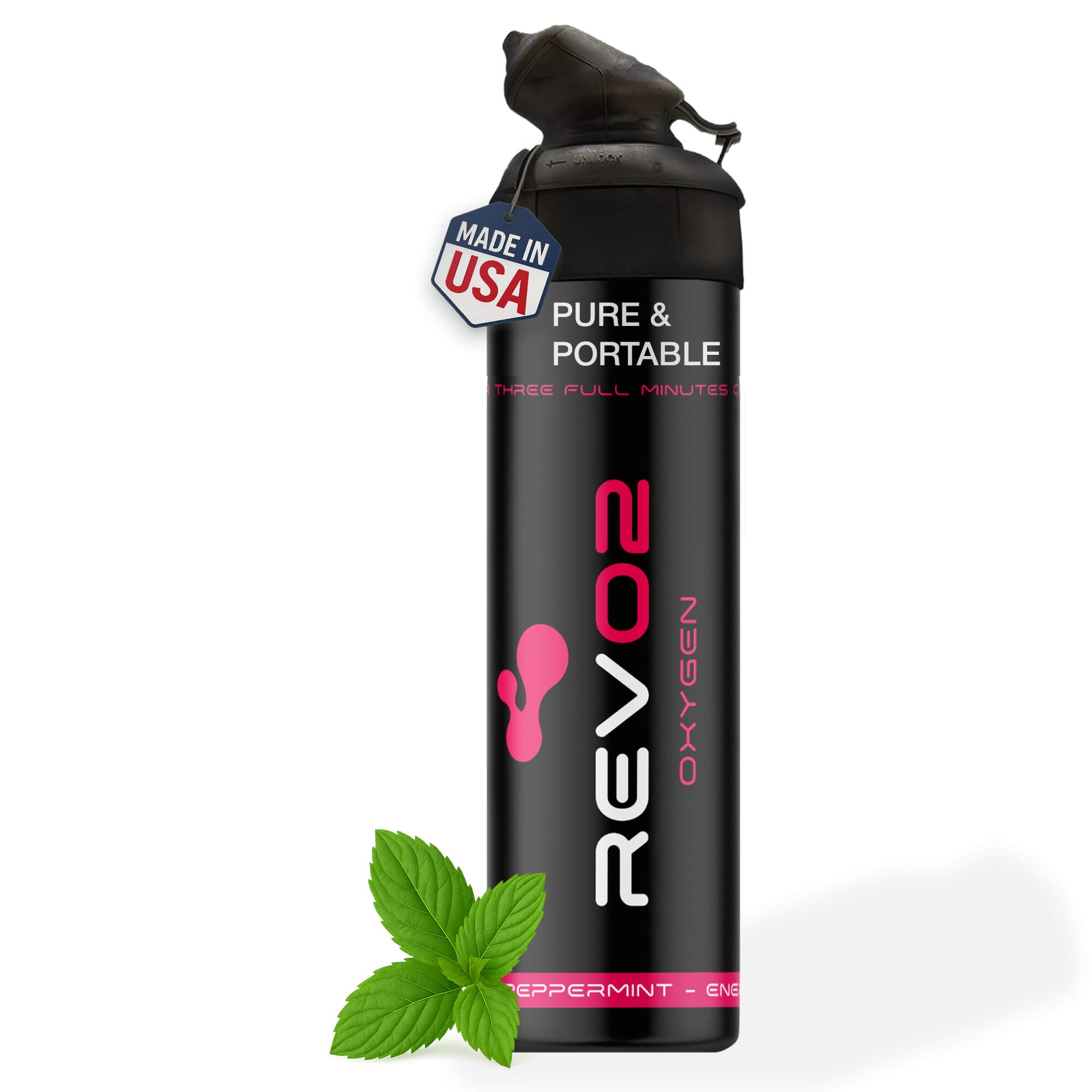
REV/O2 sells 98% pure canned oxygen in three blends built for different moments on the mountain: Peppermint Oxygen for energy and endurance, Lemon Oxygen for recovery and immunity, and Eucalyptus Oxygen for focus and relaxation. The zero-leak mouthpiece is designed so a quick draw between runs or on the lift does not go to waste.
Used as intended, a can fits the moments this guide describes: a brief lift-side breather, a recovery boost after a long run, nothing more. It is not a substitute for acclimatization, descent, or a prescribed oxygen plan if you are genuinely struggling at altitude.
| Product line | Best fit | Where to find it |
|---|---|---|
| Peppermint Oxygen — Energy & Endurance | Quick energy between runs | Shop Peppermint multi packs |
| Lemon Oxygen - Recovery & Immunity | Recovery after a long day | Lemon Oxygen can |
| Eucalyptus Oxygen - Focus & Relaxation | Calm, focused breaks | Eucalyptus Oxygen can |
Browse the full canned oxygen collection to find the blend that matches your next ski day.
FAQ
Does canned oxygen help altitude sickness?
Canned oxygen can offer brief, subjective relief from mild symptoms like breathlessness, but it is not a treatment for acute mountain sickness. The CDC Yellow Book points to descent and rest as the dependable response when symptoms appear or worsen.
How long will canned oxygen last?
Most popular recreational cans hold around 5 liters or less, which translates to only a few minutes of use rather than sustained support, according to the CDC Yellow Book. The exact duration depends on the can’s valve design and how long each breath is drawn.
Is breathing canned oxygen safe?
For most healthy adults, occasional short breaths from a recreational can are generally considered low risk, but anyone with heart or lung disease, severe sleep apnea, or a pregnancy should check with a clinician first. Recreational cans are not medical devices and are not meant to replace prescribed oxygen therapy.
What is the best oxygen supplement for high altitudes?
There is no single product proven to treat altitude illness outside of prescribed medical oxygen and proper acclimatization. A recreational can like REV/O2 can offer brief comfort between activity, while prevention through pacing, hydration, and clinician-guided medication remains the better long-term strategy.
Sources
- High-Altitude Travel and Altitude Illness | CDC Yellow Book™
- The Question is Still Open: Is Supplemental Oxygen Enhancing Performance in Professional Athletes at High Altitude or Not? | Sports Medicine
- Does oxygen in a can deliver on its altitude and energy claims? | CU Anschutz news