
Short bursts of supplemental oxygen can offer a real, acute edge for a narrow group of athletes, but they do not reliably raise long-term VO2max for healthy people. The clearest responders are those with exertion-induced desaturation and some repeated-sprint or HIIT athletes chasing faster recovery between efforts. Before trying it, check your resting SpO2: a a healthy baseline sits between 95% and 100%.
TL;DR:
- Supplemental oxygen provides short-term benefits mainly for individuals who experience exertion-induced desaturation during high-intensity efforts, such as repeated sprints or clinical lung conditions.
- Long-term VO2max improvements are unlikely for healthy, normoxemic athletes at moderate intensities, as their oxygen saturation remains stable and other factors limit performance.
- Improving breathing mechanics through diaphragmatic breathing and structured cardiovascular training offers sustainable gains in oxygen efficiency and endurance without reliance on supplemental oxygen.
- Using portable oxygen should be cautious, avoiding fire risks and consulting a healthcare professional if persistent low SpO2 or respiratory issues are present.
- Documenting real-time responses with a pulse oximeter over multiple sessions is essential to determine if short oxygen bursts truly benefit personal performance.
Table of Contents
- What the Research Says: Acute Effects Versus Long-Term Performance
- When Supplemental Oxygen Is Likely to Help: Clinical EID and Specific High-Intensity Scenarios
- Breathing Mechanics and Training That Improve Oxygen Use Without Extra Oxygen
- Safety, Risks, and Contraindications Before You Try Supplemental Oxygen
- How to Use Short Oxygen Bursts Safely Around Cardio
- What We’ve Learned Supporting Athletes With Portable Oxygen
- A Straight Answer From Someone Who’s Looked at the Research
- Where REV/O2 Fits Into Your Pre-Cardio Routine
- FAQ
- Sources
What the Research Says: Acute Effects Versus Long-Term Performance
The evidence on breathing extra oxygen before or during cardio splits cleanly into two categories: what happens in the moment, and what happens over weeks of training. The short-term picture is more promising than the long-term one.
In controlled studies, hyperoxic breathing during high-intensity exercise has extended time to exhaustion and supported lactate clearance in certain protocols, particularly during repeated-sprint or HIIT-style efforts. The catch is that these benefits show up most reliably in people who actually desaturate during hard exercise, not in athletes whose oxygen saturation stays normal throughout.
That distinction matters because most healthy, trained athletes do not desaturate meaningfully during typical cardio sessions. Their limiting factor tends to be cardiac output, muscle oxygen extraction, or lactate buffering, not the amount of oxygen in their blood to begin with.
One research takeaway worth remembering: in chronic lung disease populations, supplemental oxygen improves immediate exercise capacity and reduces breathlessness, but evidence for durable training gains even in these clinical groups is limited, let alone in healthy populations.
A few quality caveats temper all of this:
- Sample sizes in the hyperoxia research are often small, which limits how confidently results generalize.
- Protocols vary widely between studies, from inhalation duration to oxygen concentration to exercise intensity.
- Responder subgroups (those who desaturate, or who train at very high intensities) tend to show the clearest effects, while normoxemic athletes often show none.
The short version: acute physiological changes are real and measurable in specific contexts. A lasting bump in aerobic capacity for an otherwise healthy, well-trained person is not.
When Supplemental Oxygen Is Likely to Help: Clinical EID and Specific High-Intensity Scenarios
Supplemental oxygen is not a blanket performance tool. It has a narrow lane, and understanding that lane helps you figure out whether it is worth trying at all.
Exertion-induced desaturation (EID) describes a drop in blood oxygen saturation that happens specifically during physical exertion, even in people who have normal resting SpO2. It matters clinically because it signals that the lungs or cardiovascular system cannot keep pace with oxygen demand once intensity climbs, and it is the single clearest predictor of who benefits from added oxygen during exercise.
Beyond EID, a few specific scenarios show measurable acute benefit:
- Repeated-sprint efforts, where short recovery windows between maximal bouts limit how much oxygen debt the body can repay naturally.
- Short maximal efforts between sets, such as interval training structured around brief, intense pushes followed by brief rests.
- Clinical populations with lung disease, such as COPD or interstitial lung disease, where oxygen-assisted training allows higher training intensities under supervision.
Outside these contexts, the evidence thins out fast. A healthy, normoxemic athlete running a steady 5K or cycling at moderate intensity is unlikely to see any durable VO2max gain from breathing extra oxygen beforehand. The physiology simply is not the bottleneck for that person.
Breathing Mechanics and Training That Improve Oxygen Use Without Extra Oxygen
If you want a sustainable way to use oxygen more efficiently, the research points toward training and breathing mechanics long before it points toward a canister.
Diaphragmatic breathing, sometimes called belly breathing, is a foundational skill. Breathing mechanics like diaphragm-first patterns and breath pacing often produce measurable comfort and performance gains with no equipment at all. A simple cue: inhale through the nose for a count of two, letting your belly expand, then exhale through the mouth for a count of one, a 2:1 ratio that many endurance athletes use to settle breathing rhythm during steady efforts.

On the training side, VO2max responds to consistent, heart-rate-guided cardiovascular work, which you can track objectively with VO2 Max Testing in Miami, FL. Genetics account for roughly 40 to 50% of VO2max, with training explaining much of the rest. That means realistic expectations matter: steady gains over months, not overnight jumps.
A few practical habits worth building:
- Practice diaphragmatic breathing daily, even away from exercise, so it becomes automatic under exertion.
- Mix structured HIIT sessions with longer moderate-intensity cardio to train different energy systems.
- Track perceived effort alongside heart rate to notice when breathing efficiency is improving.
Pro Tip: Practice 2:1 breath pacing on easy runs first, so the pattern feels natural before you need it during hard intervals.
Safety, Risks, and Contraindications Before You Try Supplemental Oxygen
Before experimenting with any supplemental oxygen, know the numbers that matter and the hazards that come with the territory.
A normal resting SpO2 for most healthy people falls between 95% and 100%.
Oxygen itself carries practical risks that have nothing to do with dosage. It is a combustion accelerant, and oxygen-enriched environments raise fire hazard around heat, flames, or sparks. The FDA has specifically warned about fire risk with high-oxygen devices and stresses following manufacturer instructions closely.
A few groups should be cautious or seek clinician guidance first:
- Current smokers, given the combined fire risk and respiratory strain.
- Anyone with a diagnosed pulmonary condition using supplemental oxygen without medical oversight.
- Anyone noticing persistent breathlessness, dizziness, or low readings that do not resolve with rest.
How to Use Short Oxygen Bursts Safely Around Cardio
If you fit the narrow responder profile, here is how researchers and practitioners have structured short-burst protocols.
- Warm up normally first. Oxygen is not a substitute for a proper warm-up; it is a tool layered on top of good preparation.
- Use brief inhales between efforts, such as short pre-workout inhalation windows described in practitioner observations, rather than continuous breathing throughout a session.
- Check your pulse oximeter at rest first to establish your baseline, then again after hard efforts to see how your numbers move.
- Record what you notice, including perceived recovery and any change in repeat-sprint times, rather than assuming one good session proves a pattern.
Pro Tip: A single strong session with oxygen does not confirm a benefit. Track at least several sessions before deciding it helps you specifically.
What We’ve Learned Supporting Athletes With Portable Oxygen
Portable canned oxygen can serve as an adjunct for acute support, altitude adjustment, or short recovery windows. It is not a substitute for clinically prescribed oxygen therapy, and anyone with lung disease or persistently low SpO2 should talk with a clinician first.

A Straight Answer From Someone Who’s Looked at the Research
My honest read: train first, breathe better second, and treat short oxygen bursts as an occasional tool, not a foundation. If you suspect exertion-induced desaturation, document your SpO2 across sessions and bring that record to a clinician rather than guessing. Most athletes will get more from breathing mechanics and structured training than from a canister.
— Paul
Where REV/O2 Fits Into Your Pre-Cardio Routine
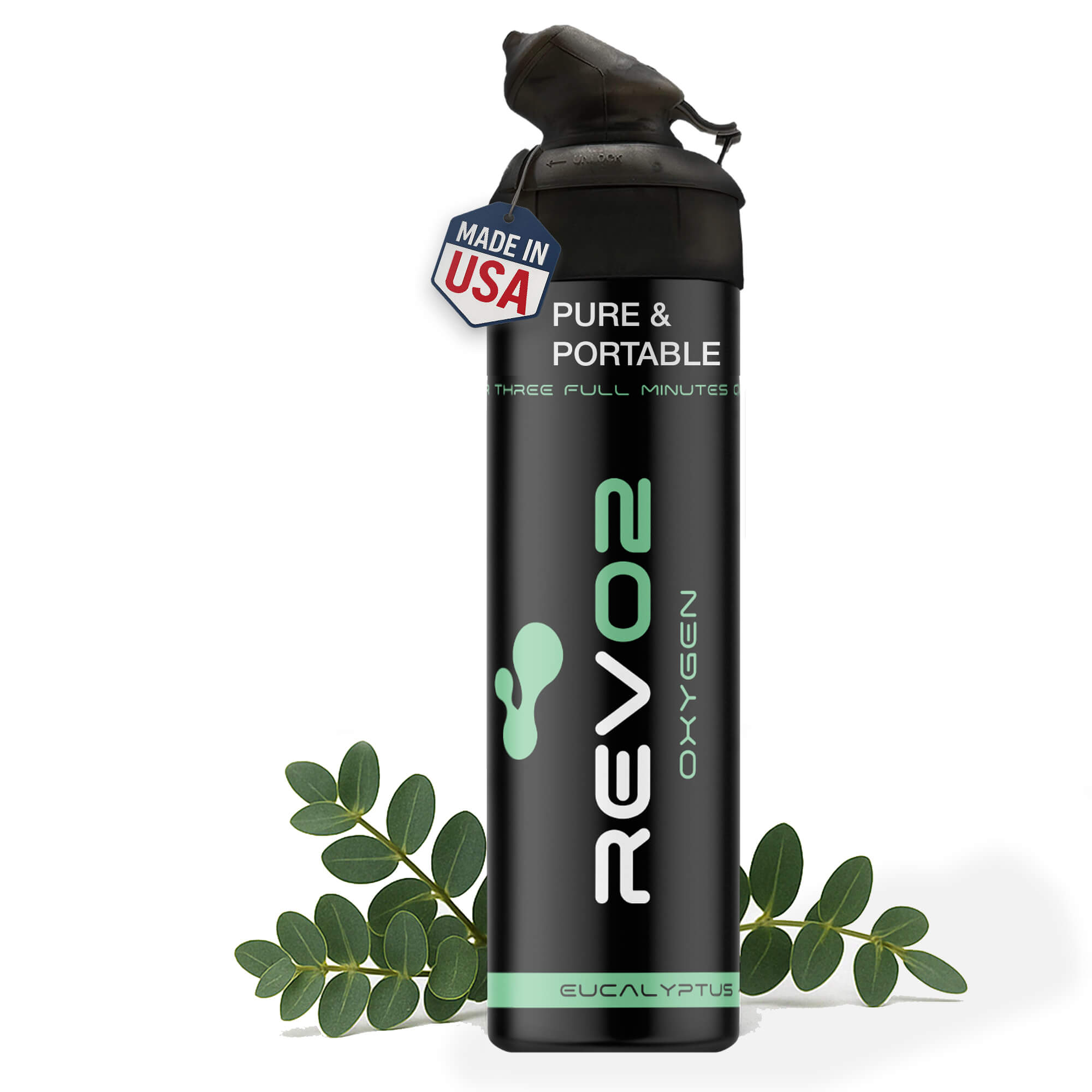
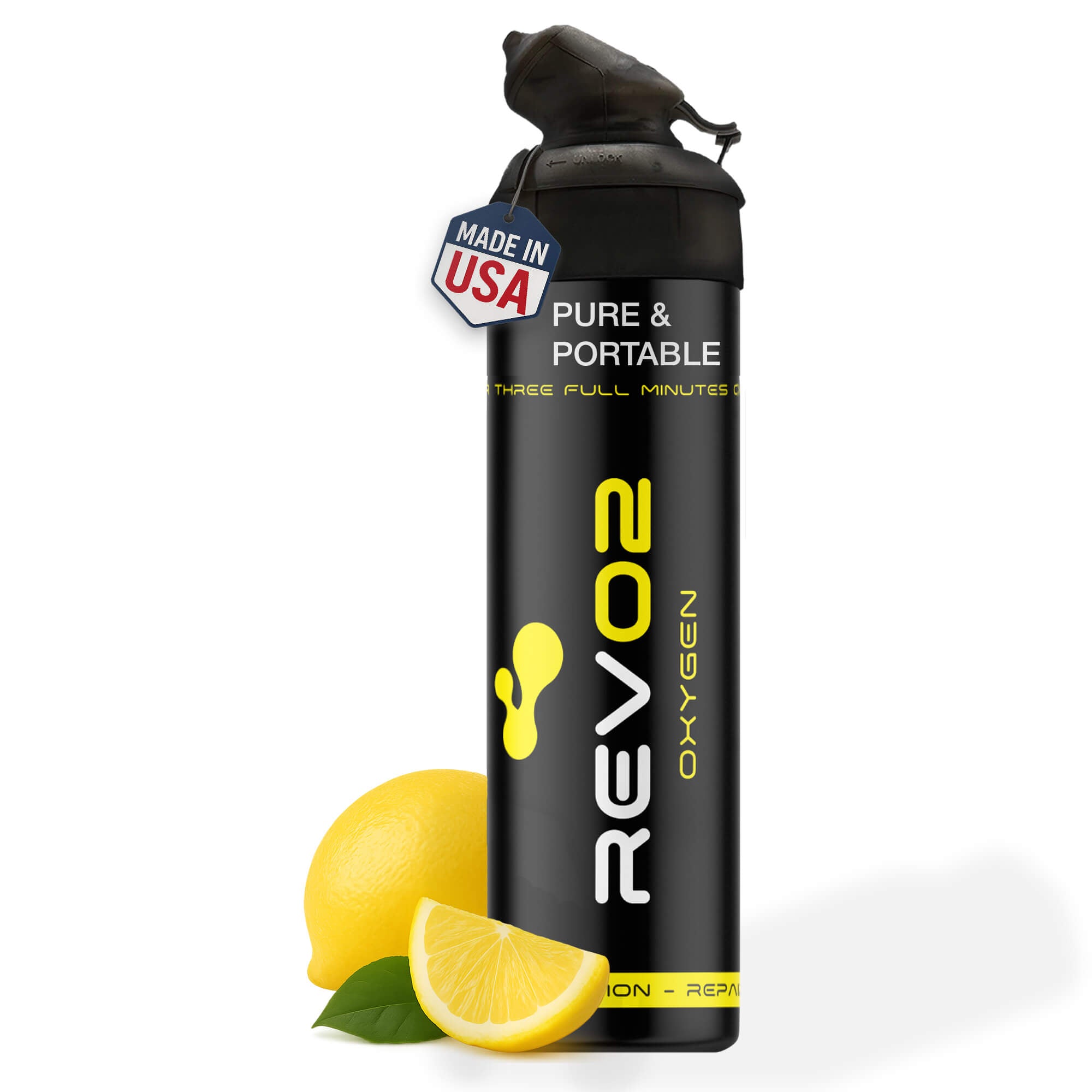
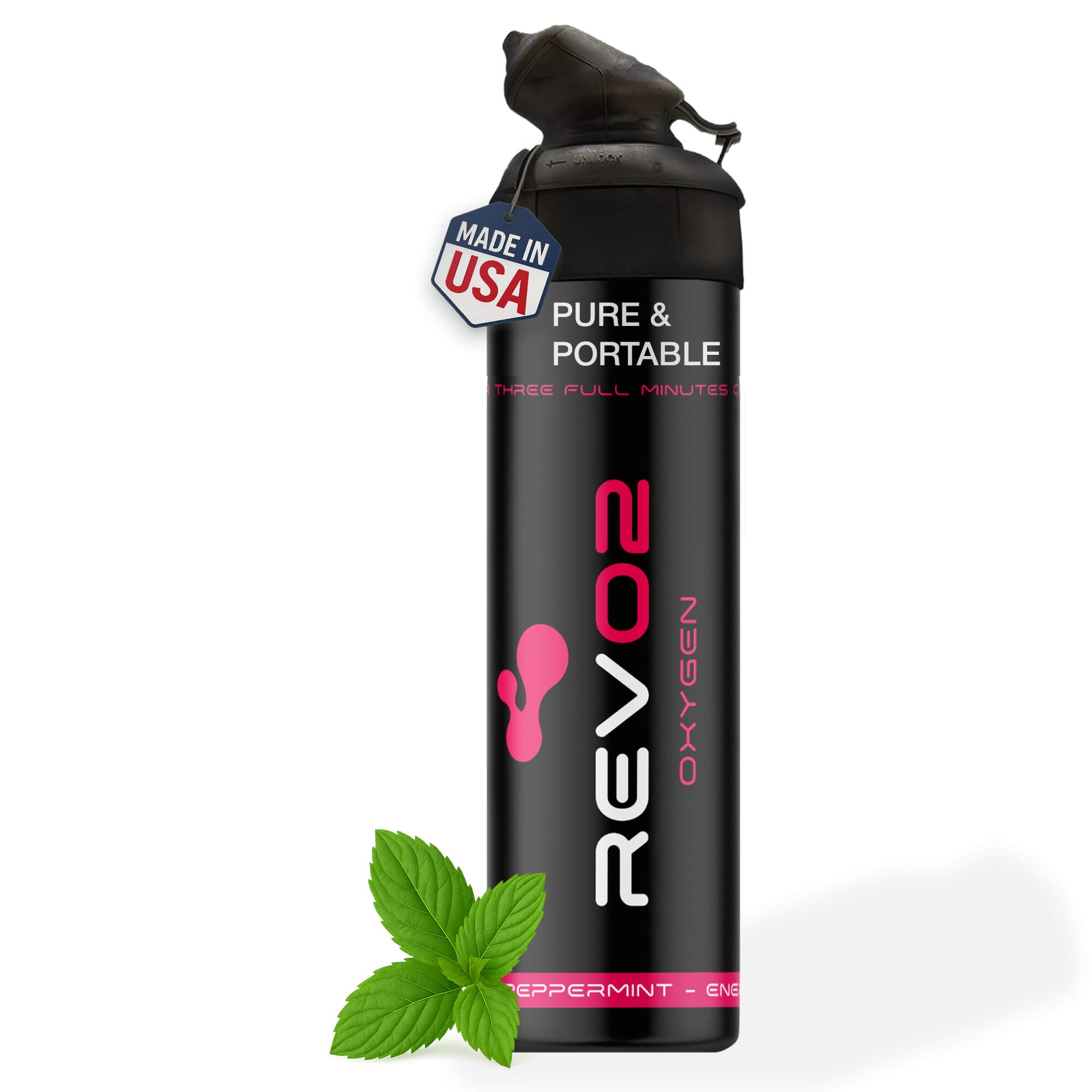
We designed our oxygen cans for moments when you might want a quick lift before a session, a recovery boost between sprints, or extra support at altitude. Our Peppermint blend targets energy and endurance, our Lemon blend leans toward recovery and immunity, and our Eucalyptus blend is built for focus and relaxation.
- Browse our full canned oxygen collection to compare pack sizes.
- Read our guide to using canned oxygen safely before your first try.
- Always check your SpO2 and consult a clinician if you have a lung condition or persistent low readings.
Ready to add a portable oxygen option to your routine? Shop REV/O2 oxygen cans and see which blend fits your training.
FAQ
Is a 92% oxygen level considered good?
No. A reading at or below 92% should prompt a call to your healthcare provider, since normal resting levels for most healthy people sit between 95% and 100%.
Why do muscles need more oxygen during exercise?
Working muscles burn more fuel during exercise, and that process requires more oxygen to produce energy efficiently. When demand outpaces supply, the body shifts toward less efficient energy pathways, which is part of why intense efforts feel harder to sustain.
What drink is good for oxygen?
No drink directly raises blood oxygen levels in a healthy person with normal lung function. Hydration supports overall cardiovascular performance, which indirectly helps oxygen delivery, but the research support points toward breathing mechanics and training rather than any beverage.
When should you not use supplemental oxygen?
Avoid supplemental oxygen around open flames or sparks, since oxygen-enriched air raises fire risk, and the FDA warns about this specifically with high-oxygen devices. Current smokers and anyone with an unmanaged pulmonary condition should check with a clinician before using it.
Sources
- Pulse oximetry — Yale Medicine
- Effects of hyperoxia on exercise performance — PMC
- FDA: Follow instructions for safe use of hyperbaric oxygen therapy devices