
A few minutes of inhaled oxygen before you step onstage can produce a short, measurable lift in focus and reaction time for healthy speakers, though the effect is modest and fades within minutes. Research on brief high-concentration oxygen inhalation supports this kind of transient cognitive boost, not a lasting fix for nerves or stamina. If you want to test it, try a short inhale during a dress rehearsal before relying on it live. Canned oxygen is not a medical device, so it should never replace treatment for a real respiratory problem.
TL;DR:
- Brief inhalation of high-concentration oxygen can improve short-term memory, reaction time, and accuracy during demanding cognitive tasks.
- Effects are short-lived, often fading within five to ten minutes, requiring precise timing close to the moment of need.
- Oxygen boosts are most effective during high mental effort, with small studies showing benefits under controlled conditions.
- Canned oxygen should not replace medical treatment or be relied on regularly, especially for respiratory issues or ongoing fatigue.
- Proper use involves timed inhalation before stage, following dosage guidance, and avoiding it as a substitute for breathing exercises or medical advice.
Table of Contents
- What peer-reviewed research shows about brief oxygen inhalation and cognition
- How speakers can time and use canned oxygen before a talk
- Safety, limits, and what the regulations actually say
- When to avoid canned oxygen and what to use instead
- When I recommend portable oxygen for speakers
- Why REV/O2 fits into a speaker’s pre-show routine
- FAQ
- Sources
What peer-reviewed research shows about brief oxygen inhalation and cognition
The idea that oxygen sharpens the mind under pressure is not just marketing language. Controlled lab studies have tested it directly, and the pattern that emerges is consistent: brief inhalation of high-concentration oxygen can improve short-term memory, accuracy, and reaction time during demanding mental tasks, compared with breathing room air. One frequently cited lab study on hyperoxia and cognition found participants recalled more words and responded faster after a short oxygen inhalation than after breathing normal air, with the effect tied to measurable changes in blood oxygen saturation.
The mechanism makes physiological sense. Public speaking is cognitively expensive. You are retrieving information, monitoring your audience, managing your voice, and suppressing anxiety signals all at once. That kind of mental load pulls heavily on oxygen-dependent brain tissue. A placebo-controlled crossover study found that supplemental oxygen improved accuracy specifically on demanding cognitive tasks, and that the extra oxygen saturation in the blood decayed faster when the brain was working hardest. In other words, the harder your talk pushes you mentally, the more quickly any oxygen boost gets used up.
A separate line of research on repeated normobaric hyperoxia exposures found that controlled sessions of high-flow oxygen improved some cognitive measures and reduced fatigue in healthy volunteers, though the authors were careful to recommend physician screening before any structured use.
A few caveats matter here:
- The clearest gains show up in high-demand tasks, not passive or low-effort activities.
- Effects are short-lived, often fading within minutes as the body returns to its baseline oxygen level.
- Study samples are typically small and conducted in controlled lab settings, not onstage.
A controlled crossover study found that brief high-concentration oxygen inhalation improved accuracy on demanding cognitive tasks compared with placebo air, though the benefit decayed quickly under sustained mental effort, which is worth keeping in mind before you plan your timing around it.
How speakers can time and use canned oxygen before a talk
Getting value out of a canned oxygen product comes down to timing more than quantity. Because the cognitive boost is transient, the goal is to line up your inhalation with the exact window you need it most: the few minutes right before you walk onstage or just before a particularly demanding segment of a long presentation.
- During warm-up or backstage waiting, take a small round of inhales to settle into the routine before it matters.
- Right before you walk onstage, take another short round; effects tend to fade within 5 to 10 minutes, so time this as close to your entrance as you can.
- For longer sets or multi-segment talks, a brief top-up during a natural pause can help carry you through a second demanding stretch.
- Follow product dosage guidance, generally one to three inhales per round, rather than extending sessions longer than needed.
- Rehearse the full routine at least once before the real event so the timing feels automatic rather than improvised.
A zero-leak mouthpiece design makes this easier to use without drawing attention, since there is no mask or hissing release to manage backstage. Basic hygiene applies here too: treat the mouthpiece like you would any personal-use item and avoid sharing a can between speakers.
Pro Tip: Pair your pre-stage inhale with a simple vocal warmup, like gentle humming or lip trills, so your breath and your voice are both ready by the time you take the stage.
Safety, limits, and what the regulations actually say
Recreational canned oxygen occupies a different category than medical oxygen, and that distinction matters for how you use it. Over-the-counter canned oxygen is not FDA-approved as a therapeutic device, and it is intended for intermittent, recreational use rather than treating any diagnosed condition. A review of public product reviews found that a significant portion described using canned oxygen for medical reasons rather than recreational ones, prompting the authors to caution against substituting it for prescribed therapy or emergency care.
Physicians echo this concern. Experts quoted in coverage examining canned oxygen’s claims warn that people with underlying lung disease should talk to a clinician before using these products, since symptoms that feel manageable with a quick inhale can sometimes mask a more serious respiratory issue.

Handling matters too. Oxygen is an oxidizer, not a fuel itself, but it accelerates combustion, so OSHA guidance on compressed gas calls for keeping cylinders away from open flame, heat sources, and oily materials, and storing them upright in a stable position.
A short safety checklist before you travel with or use canned oxygen includes:
- Keep cans away from heat, flame, and direct sunlight.
- Check airline and venue restrictions before packing oxygen in carry-on or checked luggage.
- Never use canned oxygen as a substitute for prescribed respiratory treatment.
- Stop use and seek medical attention if you feel dizzy, short of breath at rest, or notice chest discomfort.
When to avoid canned oxygen and what to use instead
Canned oxygen is designed for healthy adults looking for a short, situational boost, not for managing an underlying health condition. If you experience shortness of breath at rest, chest pain, or a known respiratory condition like COPD that is flaring up, that calls for medical attention, not a canned oxygen product. Our guide to recreational versus prescription oxygen breaks down that distinction in more detail if you are unsure which category applies to you.
If oxygen is not the right fit for you, there are other ways to protect your focus and stamina on stage day:
- Prioritize sleep the night before: fatigue undermines cognitive performance more reliably than almost anything else.
- Stay hydrated, since even mild dehydration can affect concentration and vocal quality.
- A modest amount of caffeine, timed well before you speak, can support alertness without the crash of overdoing it.
- For ongoing cognitive or respiratory concerns, a conversation with a clinical specialist is a better first step than any OTC product.
Whatever you choose, trial it in rehearsal first. Stage day is not the moment to test something new on your body for the first time.
When I recommend portable oxygen for speakers
In my experience advising speakers on performance routines, canned oxygen earns its place as a situational tool, not a daily necessity. It tends to help most when fatigue or travel has already worn someone down before a talk: a red-eye flight, back-to-back sessions at a conference, or a stretch of poor sleep leading into a big presentation. For a speaker who is well-rested and simply nervous, breathing-based calming techniques will likely do more.
What I would not recommend is treating canned oxygen as a crutch for untreated anxiety or an unaddressed health issue. It works best as one small part of a rehearsed routine, tested ahead of time, never improvised live. Anyone managing a respiratory condition should loop in a physician before adding it to their prep.
— Paul
Why REV/O2 fits into a speaker’s pre-show routine
We built REV/O2 around the moments when you need a quick, discreet boost without fumbling with a mask or worrying about waste.
We offer three flavor lines designed for different moments: one for energy and endurance, another for recovery and immunity, and a third for focus and relaxation, any of which can slot into a speaker’s warm-up. If you are new to the routine, our guide to using canned oxygen safely walks through dosage and timing before you try it live.
| Product line | Best for | Where to start |
|---|---|---|
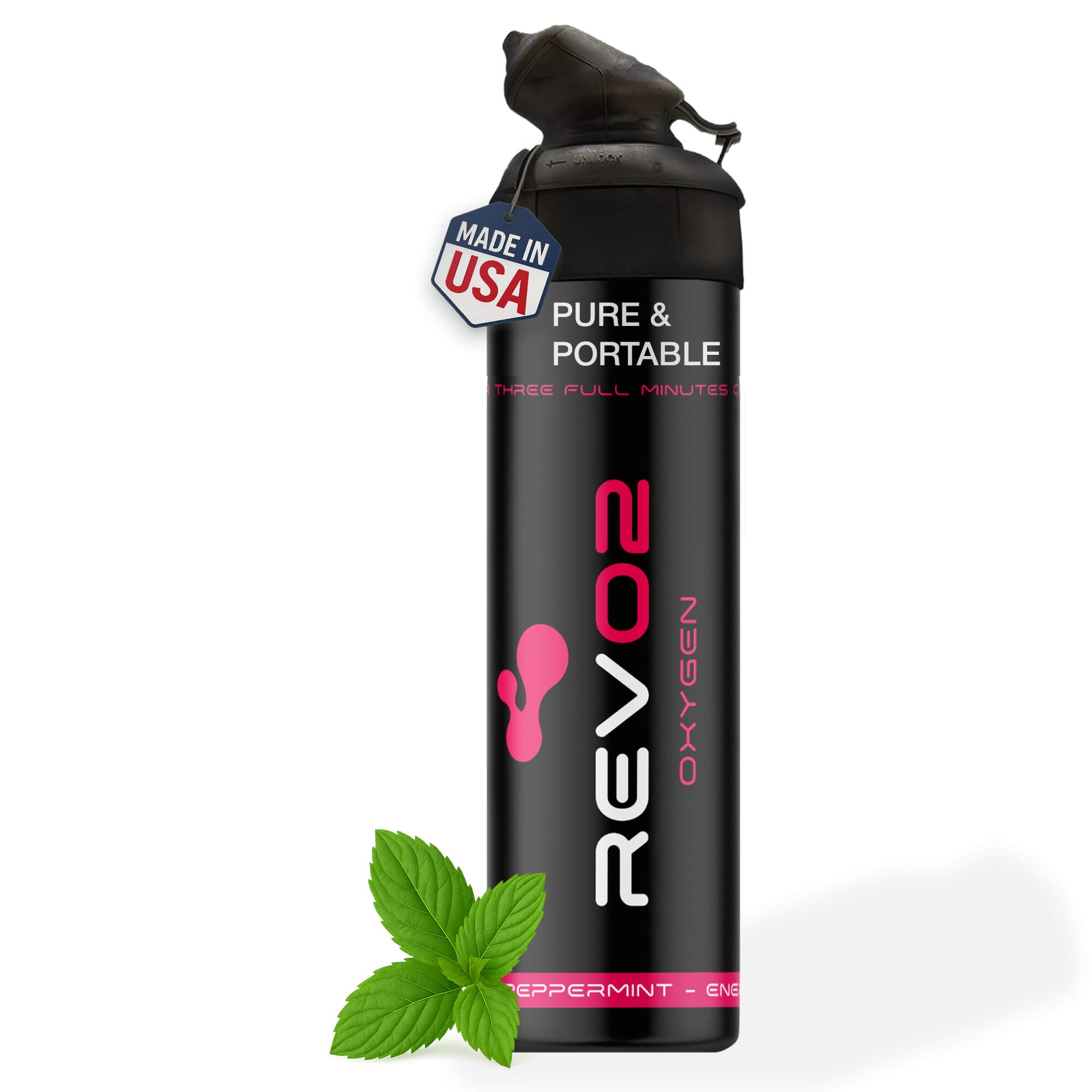
| Peppermint Oxygen — Energy & Endurance | Pre-show alertness | Shop peppermint cans |
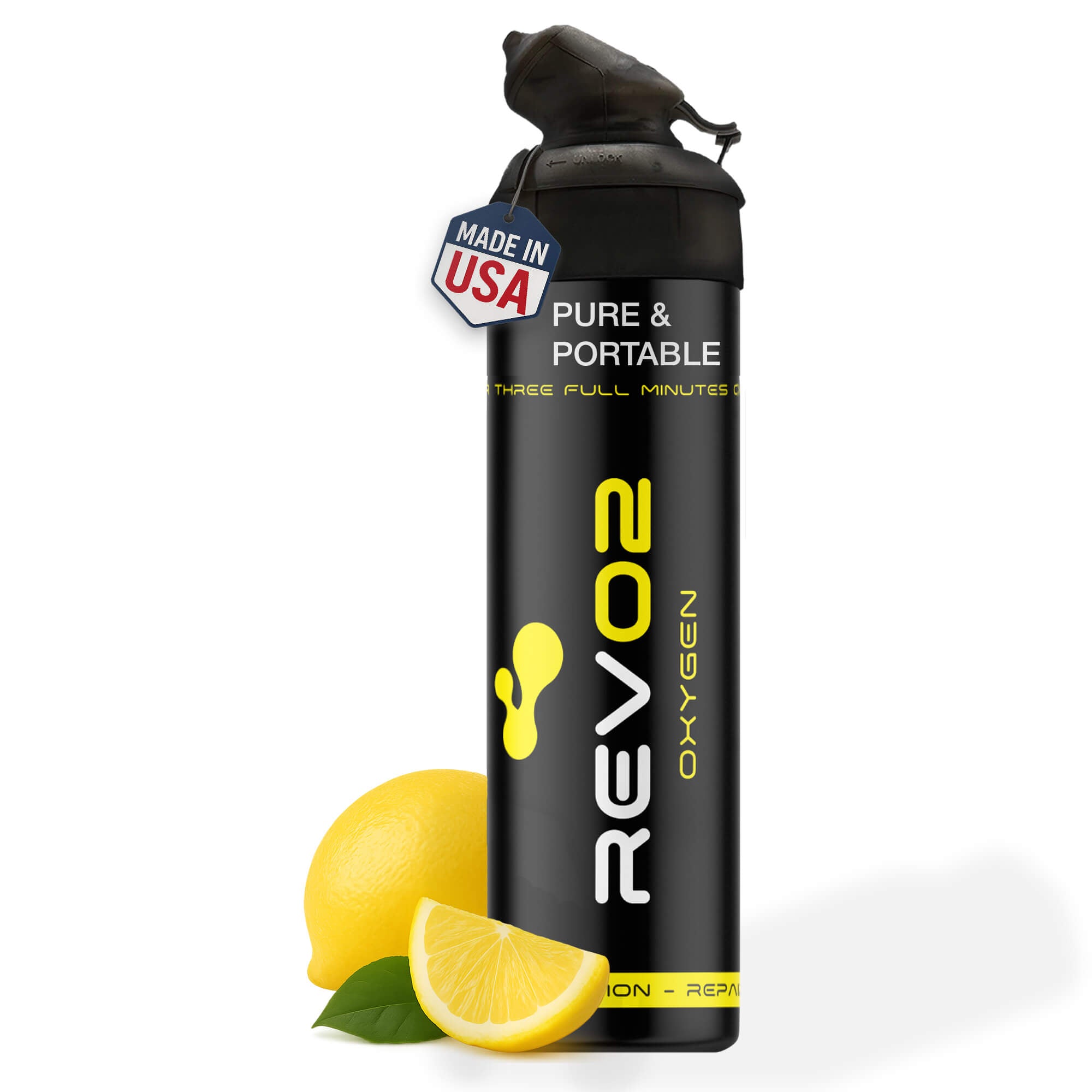
| Lemon Oxygen - Recovery & Immunity | Post-travel recovery | Shop lemon cans |
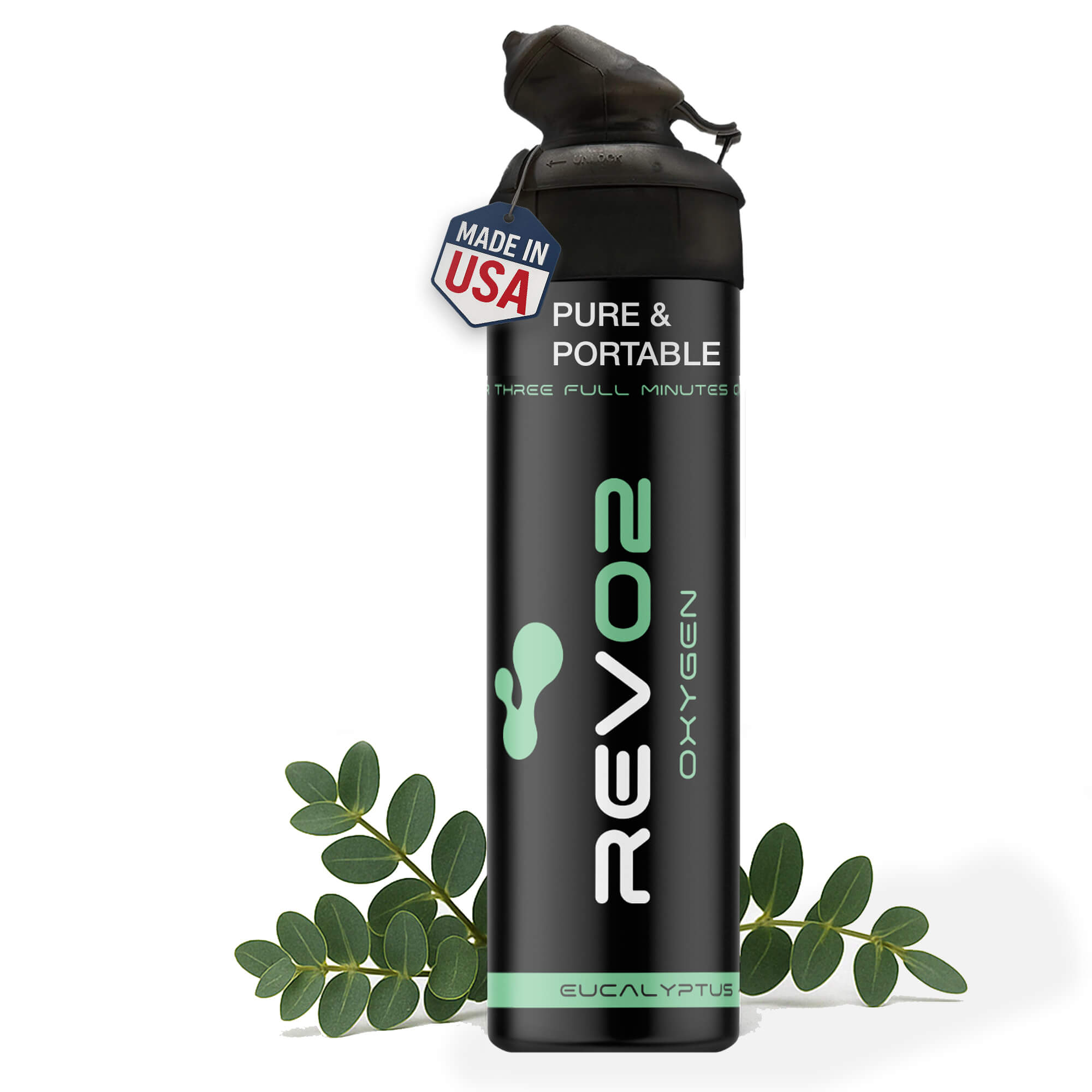
| Eucalyptus Oxygen - Focus & Relaxation | Calming focus before stage | Shop eucalyptus cans |
Public reviews of canned oxygen products commonly describe a short-term lift in alertness after use, which lines up with why many speakers reach for it before a demanding talk.
If you speak often and want to test which blend fits your routine, our full canned oxygen collection is a practical place to start, or try a multi-pack so you have enough to rehearse with before the real event.
This article is general information, not a substitute for advice from a qualified doctor. Consult a qualified healthcare professional about your own circumstances before acting on anything here.
FAQ
How long does a canned oxygen boost last before a speech?
Most speakers report the effects fading within 5 to 10 minutes, which is why timing your inhale close to walking onstage matters more than taking it early.
Is canned oxygen safe to use every day before speaking engagements?
Canned oxygen is designed for intermittent, recreational use rather than daily reliance, and public health sources caution against treating it as a substitute for addressing an underlying fatigue or health issue. If you find yourself needing it constantly, that is worth discussing with a physician.
Can canned oxygen replace breathing exercises for calming nerves?
No. Canned oxygen is a brief inhalable product aimed at short-term alertness and focus, while calming a racing mind before a talk is a separate challenge that oxygen alone does not address. Many speakers pair a quick inhale with a short vocal warmup rather than relying on either alone.
Is portable oxygen approved by the FDA for medical use?
No. Over-the-counter canned oxygen products are not approved by the FDA for medical treatment, and they should never replace prescribed oxygen therapy or emergency care for a respiratory condition.
Which REV/O2 flavor is best for pre-speech focus?
Our Eucalyptus Oxygen - Focus & Relaxation line is formulated for calm focus, making it a natural fit for the minutes before you step onstage, though some speakers prefer the Peppermint line for a more energizing lift.
Sources
- Cognitive performance and hyperoxia study (ScienceDirect)
- Oxygen administration and cognitive demand (Springer)
- Normobaric hyperoxia exposure study (PMC)