
Breathing supplemental oxygen after a run can speed up short-term markers like SpO2 recovery and perceived fatigue, but it rarely produces durable performance gains for most healthy runners. The clearest benefits show up in people who desaturate during exercise or have an underlying pulmonary condition. For everyone else, oxygen after running works best as a recovery aid alongside proven habits, not a replacement for them.
TL;DR:
- A 30 minute oxygen session after a hard run improved heart rate, lactate, and oxygen recovery in college athletes; next day performance was not measured.
- In a clinical trial, patients with pulmonary hypertension cycled 148 seconds longer with oxygen enriched air; healthy runners were not studied.
- Most studies used oxygen immediately after exercise for 20 to 30 minutes; findings support faster short term recovery, not lasting training adaptation.
- A reading below roughly 90% that persists during a hard run warrants discussion with a clinician; checking only afterward may miss brief desaturation.
- If you have a diagnosed heart or lung condition, consult your physician before using supplemental oxygen as a routine recovery tool.
Table of Contents
- How oxygen, VO2 and EPOC explain what happens after a run
- What the research shows about breathing supplemental oxygen after running
- Who is most likely to see meaningful benefit from supplemental oxygen after running
- How athletes typically use supplemental oxygen after a run
- REV/O2 perspective: fitting portable oxygen into post-run recovery
- Where oxygen fits among the recovery habits that actually matter
- Try REV/O2 for post-run recovery support
- FAQ
- Sources
How oxygen, VO2 and EPOC explain what happens after a run
When you run, your muscles pull oxygen from arterial blood faster than at rest, and how efficiently that oxygen gets delivered depends on a few linked factors. Arterial oxygen saturation (SaO2) and partial pressure of oxygen in the blood (PaO2) determine how much oxygen is available to diffuse into working muscle. In most healthy runners, these values stay close to resting levels even during hard efforts, because the lungs and heart adjust quickly to rising demand.
VO2 max, your body’s ceiling for oxygen uptake and use, sets the upper bound for aerobic performance. VO2 kinetics, how fast oxygen consumption rises at the start of exercise and falls afterward, matters just as much for how a run feels. Slow kinetics mean you rely more on anaerobic pathways early on, which produces more fatigue byproducts to clear later.
That clearing process is part of what exercise physiologists call excess post-exercise oxygen consumption, or EPOC. After a hard run, your breathing and oxygen uptake stay elevated beyond resting levels while your body restores phosphocreatine stores, clears lactate, and brings your core temperature and hormone levels back down. This is why you keep breathing heavily for minutes after you stop, even though you are no longer moving.
A smaller subset of runners experience exercise-induced arterial hypoxemia (EIAH), a drop in arterial oxygen saturation during intense exercise that is more common in highly trained endurance athletes than in casual runners, according to a review of EIAH mechanisms. Understanding EIAH matters because it is one of the few physiological mechanisms that gives supplemental oxygen a plausible role beyond placebo.
A few terms worth keeping straight as you read on:
- SaO2/PaO2: measures of how saturated and pressurized oxygen is in arterial blood, both indicators of tissue oxygen availability.
- VO2 max: the maximum rate at which your body can take up and use oxygen, often discussed alongside VO2 max testing basics.
- EPOC: the elevated oxygen consumption that persists after exercise while the body restores itself to baseline.
- EIAH: an exercise-triggered drop in blood oxygen saturation seen in some trained athletes.
What the research shows about breathing supplemental oxygen after running
The trial evidence on post-run oxygen splits fairly cleanly into two categories: studies that measure short-term physiological markers, and studies that measure performance. The physiological studies tend to show real, measurable change. The performance studies are far less consistent.
In a randomized study of healthy college students, participants who inhaled normobaric oxygen for about 30 minutes after a 3,000-meter maximal run showed faster recovery of heart rate, blood lactate, blood urea, and creatine kinase, along with improved microcirculatory blood flow and muscle oxygen saturation, compared with those who recovered on room air, according to research on normobaric oxygen inhalation. That is a meaningful signal for recovery physiology, even though the study measured biomarkers rather than next-day race performance.
A normobaric oxygen session of measured duration after exhaustive running measurably sped recovery of heart rate, lactate, and creatine kinase in a controlled trial of college athletes, according to the same oxygen inhalation study. That kind of biomarker shift explains why athletes report feeling fresher sooner, even when a stopwatch would not detect a difference in next-day output.
Older research tells a more cautious story. A historical set of controlled experiments comparing pure oxygen, compressed air, and atmospheric air after exhaustive running found no consistent reduction in objective recovery time, based on a university study of post-exertion oxygen breathing. That inconsistency has persisted across decades of smaller studies, which is why the field still treats post-run oxygen as a promising adjunct rather than a settled performance tool.
The clinical picture is different. In a randomized crossover trial, patients with pulmonary hypertension due to heart failure with preserved ejection fraction who breathed oxygen-enriched air improved cycling time by 148 seconds and showed better SpO2 and lower perceived breathlessness compared with ambient air, according to research on oxygen-enriched air in pulmonary hypertension. That is a clear, clinically meaningful benefit, but it comes from a population with a diagnosed cardiopulmonary limitation, not healthy endurance runners.
| Study population | Protocol | Outcome measured | Result |
|---|---|---|---|
| Healthy college athletes | 30 min normobaric oxygen post-run | HR, lactate, CK, SmO2 | Faster recovery, improved blood flow (source) |
| Pulmonary hypertension (HFpEF) patients | Oxygen-enriched air during cycling | Exercise time, SpO2, dyspnea | +148 seconds, better SpO2 (source) |
| Mixed historical cohorts | Pure oxygen vs. compressed air vs. room air post-run | Objective recovery time | No consistent benefit (source) |
Study protocols cluster around two patterns worth knowing before you try this yourself: a single 20 to 30 minute inhalation session right after a hard effort, or short bursts of oxygen-enriched air during brief recoveries between intervals. Both patterns speed up SpO2 normalization; neither has produced consistent evidence of a lasting training adaptation.
Who is most likely to see meaningful benefit from supplemental oxygen after running
Not every runner stands to gain the same thing from a few minutes of supplemental oxygen. The people most likely to notice a real physiological effect are those whose oxygen saturation actually drops during exercise, a pattern called exercise-induced desaturation or EIAH. You can screen for this with a pulse oximeter worn during and immediately after a hard effort; a reading that falls and stays below roughly 90% is worth discussing with a clinician, based on guidance on exertional dyspnea evaluation.

Clinical populations have the strongest case for supplemental oxygen. People with COPD or other conditions that cause exercise desaturation often use oxygen under medical supervision to maintain safe saturation levels and extend exercise tolerance. If you have a diagnosed pulmonary or cardiac condition, any oxygen use after exercise should be coordinated with your physician.
Among healthy athletes, EIAH shows up more often in highly trained endurance competitors and in some women, likely tied to high ventilatory demand relative to lung capacity, according to the EIAH mechanisms review. If you are a competitive distance runner who notices unusual breathlessness at race pace, that is a reasonable prompt to get tested rather than assume you are simply out of shape.
A few markers suggest you might fall into a group that benefits more:
- You use a pulse oximeter and see SpO2 drop noticeably during hard efforts, not just after.
- You have a diagnosed pulmonary or cardiac condition affecting oxygen exchange.
- You are an elite or highly trained endurance athlete with unexplained breathlessness at race effort.
- You travel to altitude frequently and notice slower recovery than at sea level.
Pro Tip: Check your SpO2 with a pulse oximeter during a hard run, not just afterward, since desaturation is often brief and can be missed if you only measure at rest.
How athletes typically use supplemental oxygen after a run
Translating trial protocols into a field routine is straightforward if you keep the timing and technique close to what the research actually tested. Most of the meaningful physiological studies used sessions in the 20 to 30 minute range immediately after exhaustive effort, while interval-based protocols used much shorter bursts between repeats.
A practical post-run sequence looks like this:
- Finish your run and begin an active cooldown, since gentle movement supports blood flow and lactate clearance alongside any oxygen use.
- Take 5 to 10 slow, diaphragmatic inhalations through the mouthpiece, breathing in for a count of four and out for a count of six.
- For a longer session, continue measured breathing for up to 20 to 30 minutes, matching the duration used in the normobaric oxygen studies.
- Track how you feel and, if you have a pulse oximeter, note your SpO2 trend over the following 10 to 15 minutes.
- Stop immediately if you feel dizzy, lightheaded, or notice chest discomfort, and seek medical evaluation if symptoms persist.
Slow, paced breathing patterns support cardiovascular recovery on their own, so pairing measured breaths with oxygen use, rather than quick shallow gulps, gets more out of each session, according to research on breathing patterns and cardiovascular recovery. You can find a step-by-step walkthrough in our canned oxygen usage guide.
| What to expect | Realistic outcome |
|---|---|
| SpO2 recovery speed | Often faster within minutes of use |
| Subjective fatigue | Commonly reported as improved |
| Next-day performance | Rarely shows measurable change in trials |
| Inflammatory markers | Generally unchanged at one hour post-exercise |
Contraindications are limited but real: anyone with a diagnosed cardiac or pulmonary condition, or anyone advised against supplemental oxygen by a physician, should get medical clearance before using it as a routine recovery tool. Our guide on portable oxygen use during cooldown covers field-specific safety notes in more depth.
REV/O2 perspective: fitting portable oxygen into post-run recovery
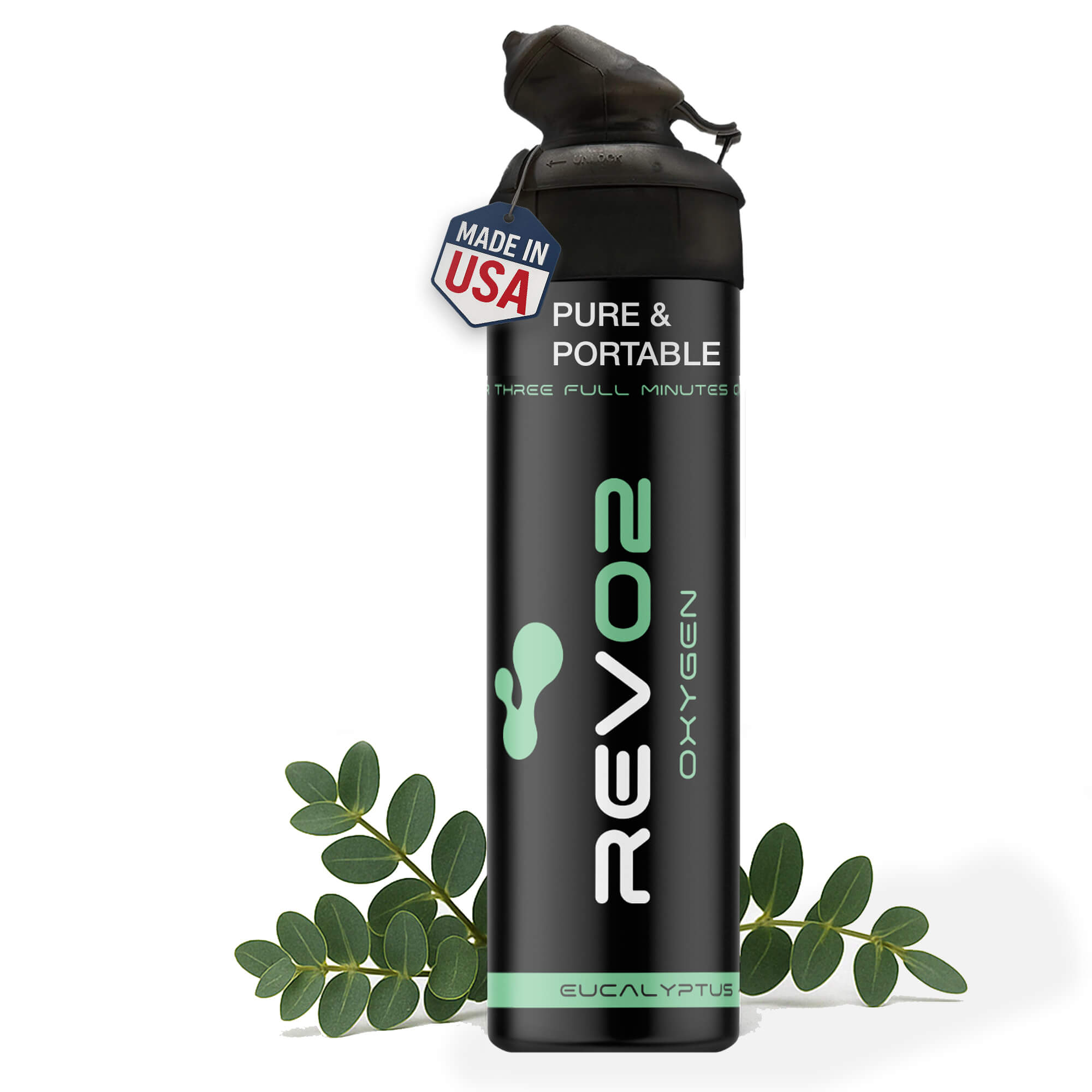
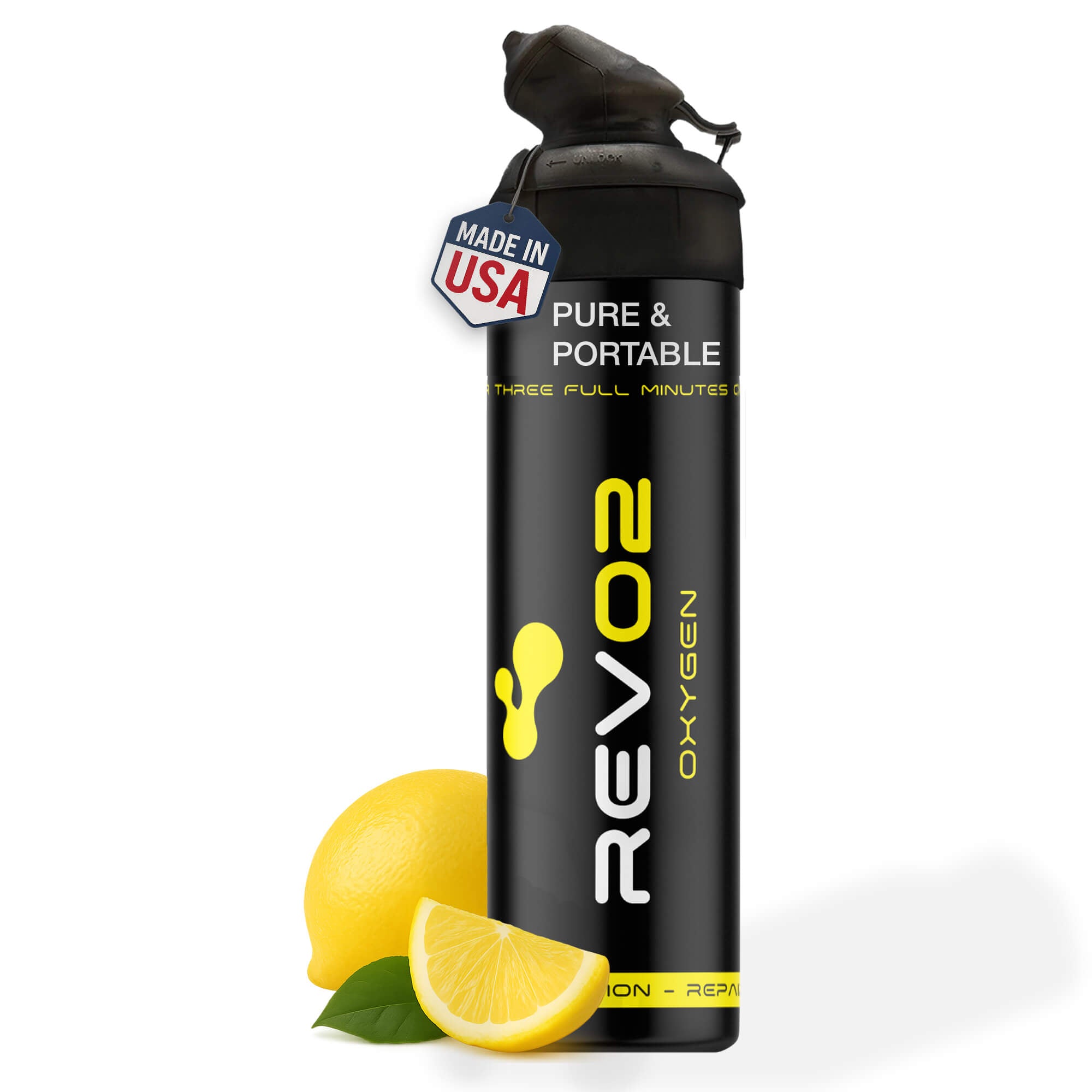
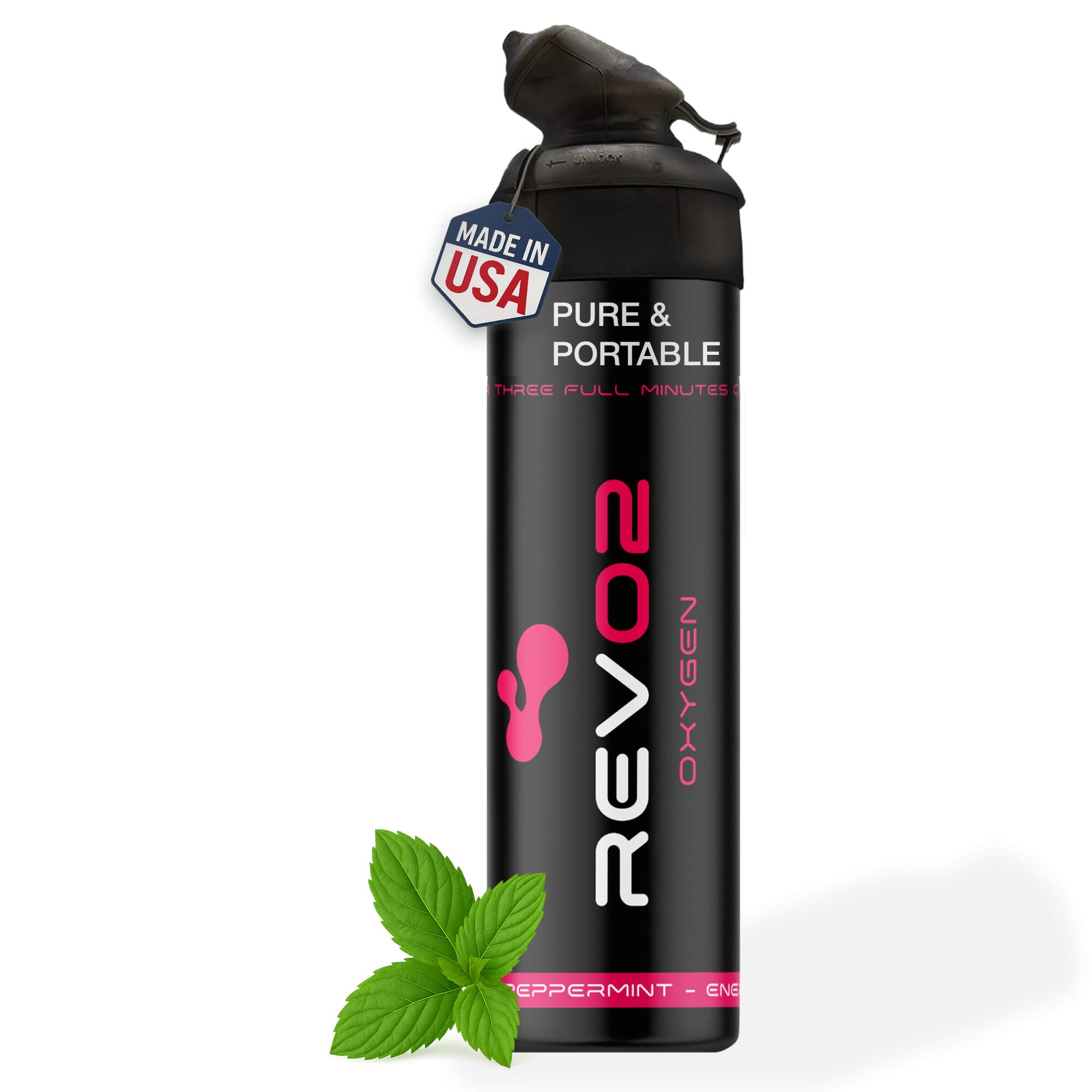
We built our oxygen cans around the same basic premise the research points to: short, controlled oxygen exposure right after hard effort can support how you feel in the minutes and hours afterward. Each can delivers 98% pure oxygen through a zero-leak mouthpiece designed to prevent waste between breaths, with flavor lines that give the experience some character without changing the oxygen itself.
A few places a portable can fits naturally into a running routine include right after a long run or race and before an easy cooldown jog or stretch session as a short perceptual boost rather than a performance claim.
Our post-workout oxygen recovery guide walks through customer experiences and safe-use habits in more detail. As with any supplemental oxygen use, we recommend medical consultation first if you have a diagnosed heart or lung condition.
Where oxygen fits among the recovery habits that actually matter
Supplemental oxygen is an adjunct, not a foundation. Sleep, hydration, protein intake, and easy active recovery still do the heavy lifting in how quickly you bounce back from hard training, and no amount of post-run oxygen substitutes for a missed night of sleep or a chronically under-fueled training block.
Where it earns a place in a routine is at the margins: after an unusually long effort, during a travel week that disrupts your normal recovery pattern, or when fatigue feels out of proportion to the session you just ran. Treating it as one tool among several, rather than the fix for whatever is actually driving your fatigue, keeps expectations realistic and keeps you paying attention to the habits that matter more.
— Paul
Try REV/O2 for post-run recovery support
If you want to see how a few minutes of pure oxygen feels after your next hard effort, our canned oxygen is built for exactly that window between finishing a run and settling into recovery.
- Pure oxygen delivered through a zero-leak mouthpiece that avoids waste between breaths.
- Multiple flavor options to suit different preferences.
- Portable enough for a cooldown at the track, a long drive home, or travel.
Browse the full canned oxygen collection to find the line that matches your next run, or start with our step-by-step usage guide if you want to know exactly how to breathe it in for the best effect.
This article is general information, not a substitute for advice from a qualified doctor. Consult a qualified healthcare professional about your own circumstances before acting on anything here.
FAQ
Why is my oxygen level low after exercise?
A temporary dip in oxygen saturation after hard exercise is usually tied to elevated oxygen demand and EPOC, the recovery process where your body keeps consuming extra oxygen to restore itself to baseline. In some trained athletes, a more pronounced drop called exercise-induced arterial hypoxemia can occur during the effort itself, as described in research on EIAH.
Why am I struggling to breathe after a run?
Breathlessness after a run is often a normal part of EPOC as your body clears lactate and restores oxygen stores, but persistent or unusual breathlessness can also signal an underlying issue worth checking. A pulse oximeter reading during exercise, paired with guidance on evaluating exertional dyspnea, can help you tell the difference.
Does running increase oxygen?
Running increases your body’s oxygen uptake and circulation during the effort itself, but it does not raise your blood oxygen saturation above its normal resting range in most healthy people. What changes is how much oxygen your muscles extract and use, governed by VO2 and VO2 kinetics.
How do I raise my oxygen level quickly?
Slow, diaphragmatic breathing paired with gentle movement is the most immediate way to support oxygen recovery after exercise, and some athletes use short sessions of supplemental oxygen to speed that process along, based on findings from normobaric oxygen inhalation research. If your oxygen saturation drops persistently or you feel unusually breathless, that calls for medical evaluation rather than a quick fix.