
Portable canned oxygen can give you a brief, subjective lift in alertness before or after yoga practice, but it is not a substitute for medical oxygen or a sustained breathwork therapy. For readers who want a travel-friendly option, we recommend REV/O2 as a practical choice, with one caveat: FAA rules and basic physiology limit what any canned product can do for you during a session.
TL;DR:
- For a trial, take one to three inhalations, wait a few minutes before repeating, and stop if further rounds make no noticeable difference.
- The FAA bars recreational oxygen cans from commercial flight baggage; travelers needing medical oxygen should use an approved portable concentrator or arrange airline oxygen.
- People who use prescribed oxygen or have COPD, severe asthma, or heart disease should consult a clinician before trying an over the counter canister.
- Recreational canned oxygen is not approved by the FDA to treat illness; persistent breathlessness, chest pain, or fainting calls for urgent medical care.
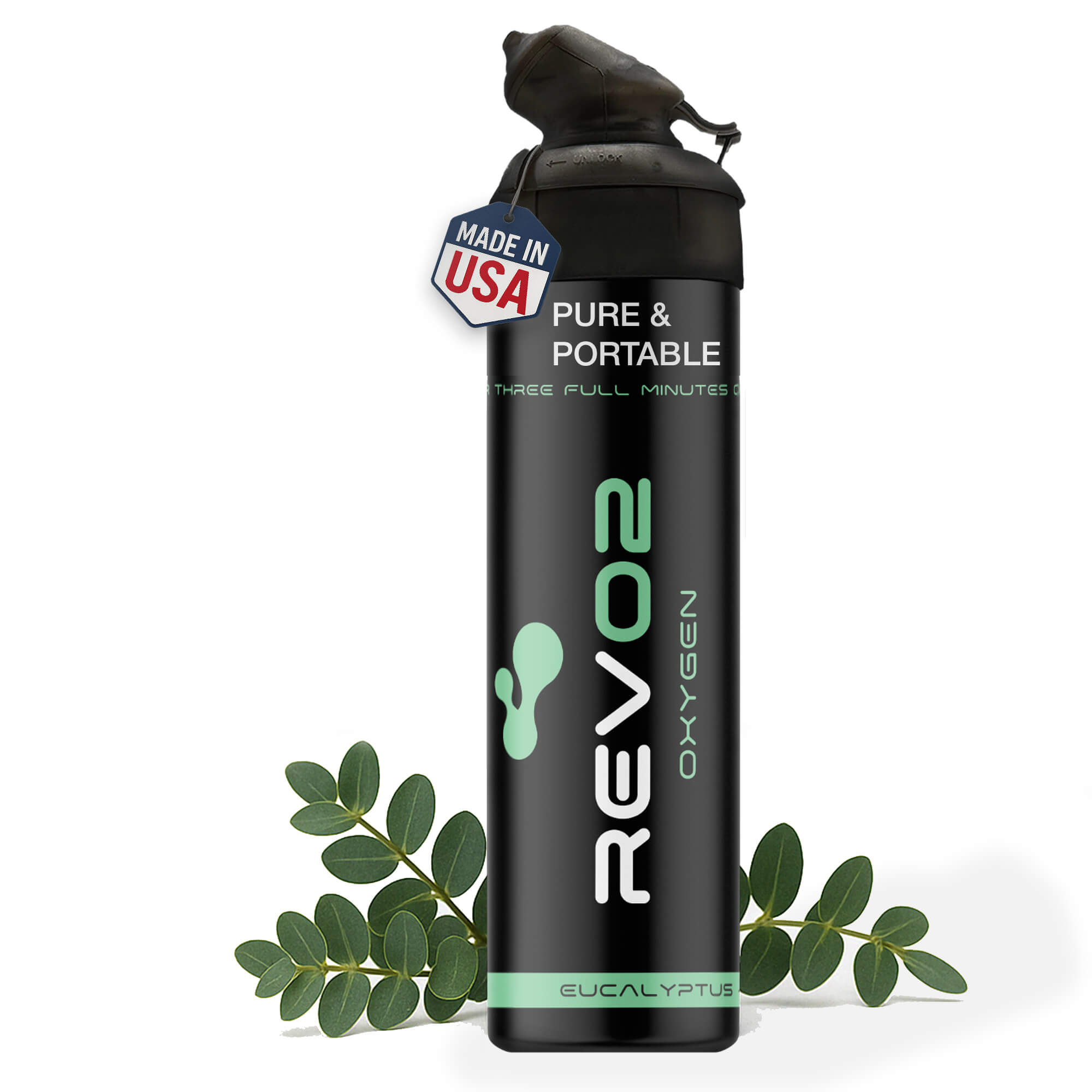
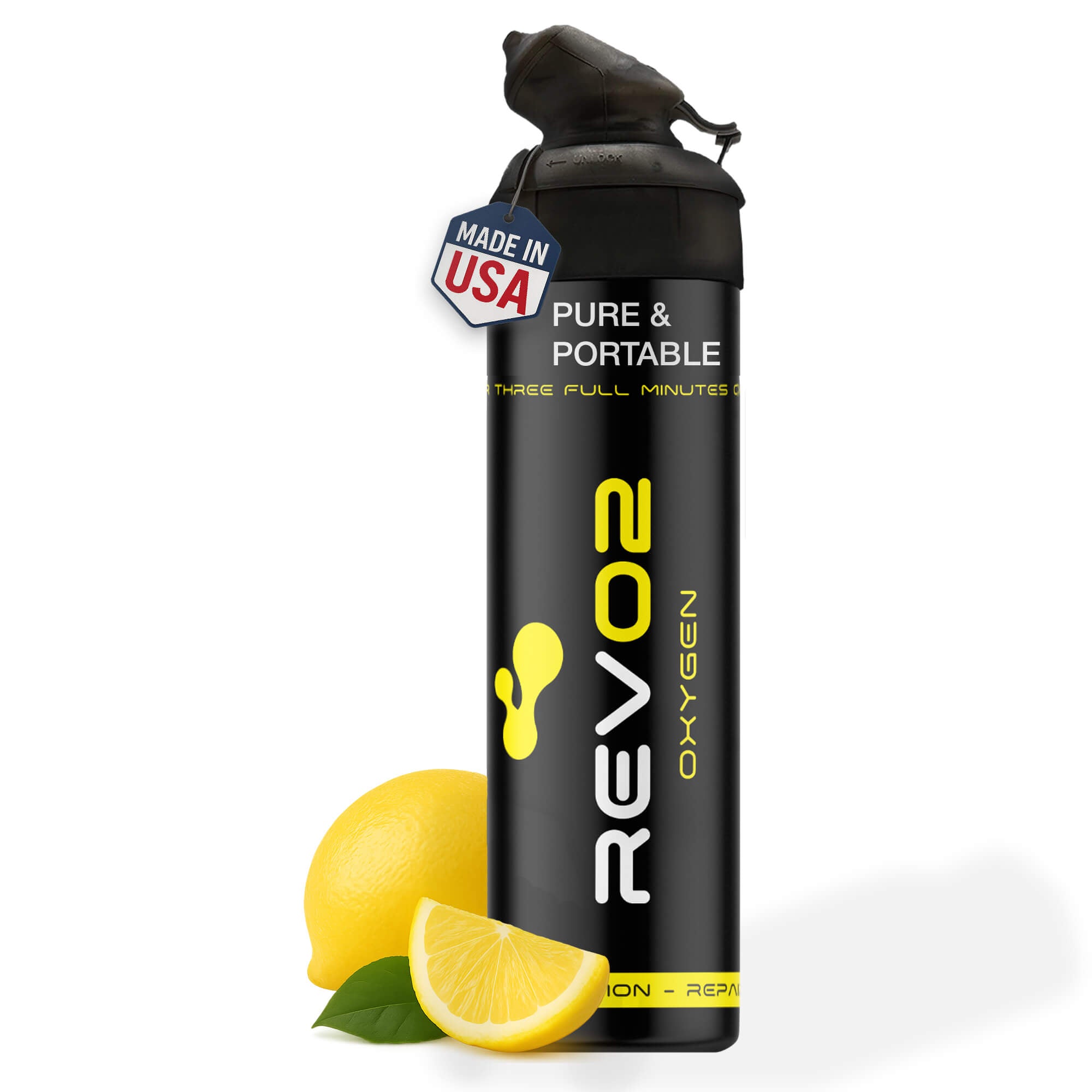
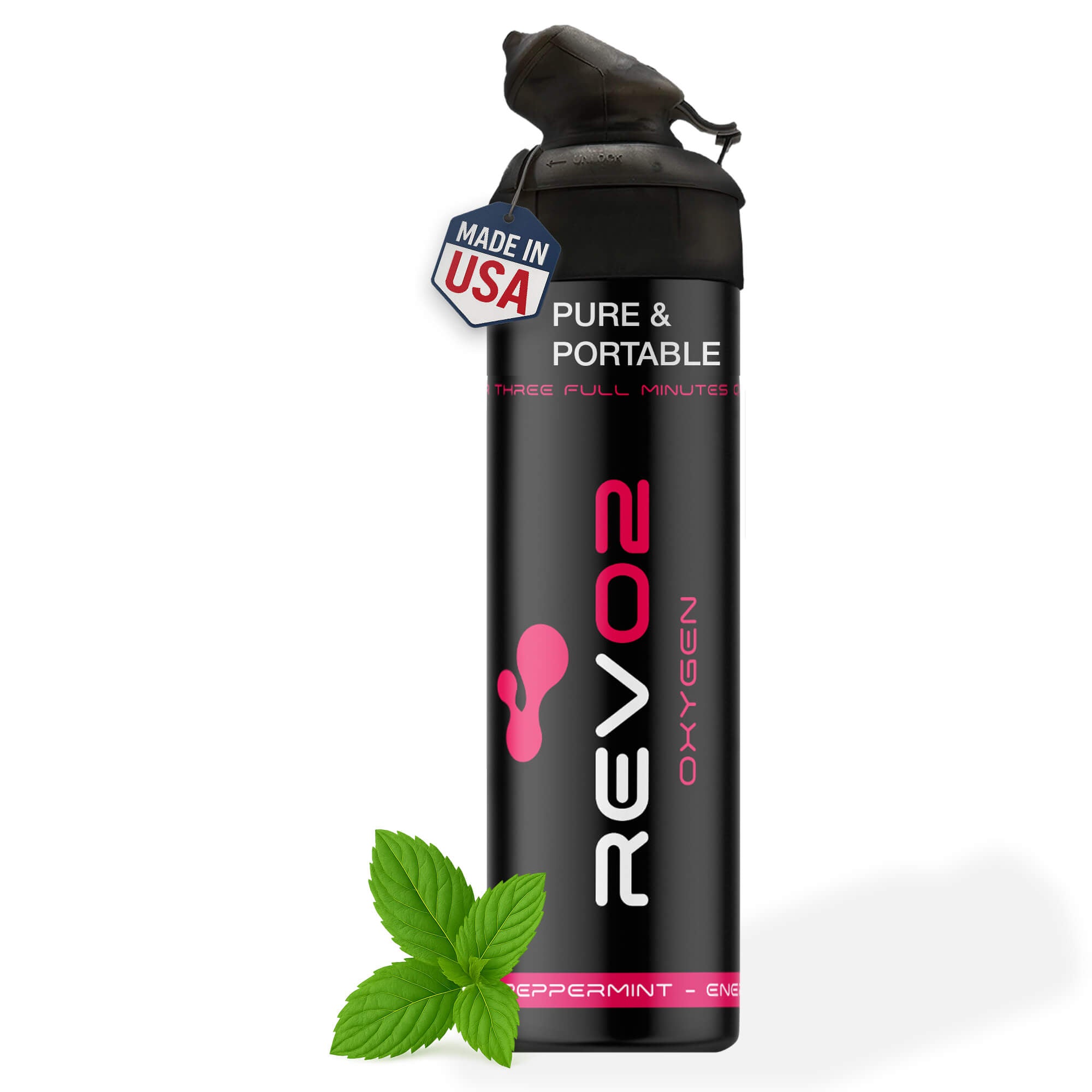
- Peppermint Oxygen is suggested before practice, Lemon Oxygen after strenuous sequences, and Eucalyptus Oxygen during restorative pranayama for focus and calm.
Table of Contents
- How canned oxygen works and what it actually does for yoga and breathwork
- Safety and U.S. rules: FDA status, FAA restrictions, and hazard precautions
- Step-by-step safe use for yoga: pre-checks, dosing, and session tips
- Who should avoid recreational canned oxygen
- First-person perspective: what REV/O2 is designed to do
- How to try REV/O2 for your practice
- FAQ
- Sources
How canned oxygen works and what it actually does for yoga and breathwork
When you inhale through a small mouthpiece opening, the pressurized gas mixes with the surrounding air almost instantly, so the fraction of oxygen that actually reaches your lungs is lower than the number printed on the can. That dilution effect is the main reason canned oxygen behaves differently from the masks or tanks used in medical settings, where oxygen concentration and flow rate are tightly controlled.
Meaningful, lasting increases in arterial oxygenation generally require medical delivery systems such as masks or concentrators; a few puffs from a canister tend to produce effects that fade quickly. That matches what many users describe: a short wave of clarity or reduced fatigue rather than a durable physiological shift.
With that limit in mind, a few moments in a yoga practice are where a canned puff tends to make the most sense.
- A quick pre-class pick-me-up when you feel groggy or sluggish before stepping onto the mat.
- A short pause during restorative pranayama when you want a sensory reset between rounds.
- High-altitude practice sessions where full acclimatization isn’t realistic in the time you have.
Pro Tip: Treat canned oxygen as a short pause, not a performance tool. Take a few breaths, notice how you feel, and return to your natural breathing pattern rather than relying on repeated puffs throughout a session.
Safety and U.S. rules: FDA status, FAA restrictions, and hazard precautions
Recreational canned oxygen is sold as a non-medical, over-the-counter product. It is not FDA-approved to treat respiratory conditions, altitude sickness, or any other medical diagnosis, and public comment reviews show that some buyers mistakenly use it that way despite warning labels, which clinicians caution against because it can delay appropriate care.
Air travel is where the rules get strict. FAA PackSafe guidance classifies compressed or canned recreational oxygen as hazardous material, and passengers cannot carry it in checked or carry-on luggage on commercial flights. If you need supplemental oxygen while traveling for a medical reason, a portable oxygen concentrator cleared by the FAA, or oxygen arranged directly through your airline, is the appropriate route, not a canister bought for everyday use.
A few basic hazard points matter before you buy or store a can:
- Pressurized canisters can rupture or become a fire hazard near open flames or high heat.
- Read the label fully; concentration, net volume, and usage warnings vary by product.
- Store cans upright in a cool, dry place and dispose of empty canisters according to local recycling rules, never by puncturing or incinerating them.
One figure worth keeping in mind: mountain medicine guidance reserves supplemental oxygen use for rapid ascent above 3,500 meters and rescue scenarios above 4,000 meters, a very different context from a yoga studio at sea level.
Step-by-step safe use for yoga: pre-checks, dosing, and session tips
A little structure keeps canned oxygen a pleasant addition to practice rather than a crutch. Our how-to-use guide covers this in more depth, but the basics are simple enough to follow on your own mat.
- Check the can and mouthpiece for damage, and confirm you’re away from heat sources or open flames before use.
- Take one short round of one to three inhalations through the mouthpiece, then pause to notice how you feel.
- Wait a few minutes before repeating; the effect is meant to be brief, so there’s little benefit to back-to-back rounds.
- Clean or replace the mouthpiece before sharing a can with anyone else.
- Use it before pranayama for focus, during a restorative break, or after a strenuous sequence when you want a perceived recovery boost.
Pro Tip: If a few rounds haven’t changed how you feel, more puffs usually won’t either. The effect, when present, tends to show up quickly or not at all.
Stop and seek care if you notice persistent shortness of breath, chest pain, fainting, or symptoms that don’t improve. Those are signs that call for emergency services or urgent care, not another round from a canister.

Who should avoid recreational canned oxygen
Canned oxygen is designed for healthy adults looking for a short, recreational boost, not as a stand-in for prescribed respiratory therapy. If you use prescription oxygen, or live with COPD, severe asthma, or heart disease, talk with your clinician before using any OTC oxygen product, since your needs are likely more specific than a few puffs can address.
Substituting an over-the-counter canister for prescribed oxygen therapy can be genuinely risky: delivery through a small mouthpiece is diluted by ambient air, and relying on it can delay treatment that your condition actually requires.
Watch for these red flags, which call for immediate medical attention rather than self-treatment:
- Bluish lips or fingertips, confusion, or severe shortness of breath at rest.
- Chest pain, fainting, or a rapid decline in how you feel despite rest and hydration.
- Any worsening of a known heart or lung condition.
First-person perspective: what REV/O2 is designed to do
The mouthpiece design is intended to reduce the waste compared to a basic spray nozzle.
We’re candid that the benefit most people report is a short, subjective lift, sharper focus or reduced grogginess in the minutes after use, rather than a measurable, lasting change in oxygen saturation. If you have any underlying respiratory or cardiac condition, check with a clinician before adding this to your routine.
— Paul
How to try REV/O2 for your practice
If you’re curious whether a quick oxygen boost fits into your yoga routine, starting small makes sense. There are multiple flavor lines, each suited to a different moment in your day.
| Goal | Suggested line | Best moment to use |
|---|---|---|
| Pre-practice energy | Peppermint Oxygen | Before class or a morning flow |
| Post-practice recovery | Lemon Oxygen | After a strenuous sequence |
| Focus and calm | Eucalyptus Oxygen | During restorative pranayama |
A single can is a reasonable way to test how it feels in your own routine, while a multi-pack suits anyone who wants it on hand regularly. Browse the full canned oxygen collection to compare options, and if you’re also exploring other ways to manage fatigue, adaptogens are worth a look as a complementary, non-oxygen approach. Before you pack a can for a flight, review our safety and usage guidance; if you need oxygen for a medical reason while traveling, a portable concentrator arranged through your airline is the appropriate choice, not a canister. Ready to try it for yourself? Visit Revo2 to pick a flavor and get started.
FAQ
Can breathing extra oxygen improve a yoga practice?
It can give you a brief, subjective lift in alertness or focus, but research on canned oxygen shows the effect is short-lived and not a substitute for proper breathwork technique. Most of the real benefit of yoga breathing comes from how you breathe, not from extra oxygen itself.
Is canned oxygen the same as medical oxygen?
No. Canned oxygen is sold over the counter for recreational use and is not FDA-approved to treat any medical condition, while medical oxygen is prescribed and delivered through controlled systems like masks or concentrators, as reviews of OTC use point out. If you have a diagnosed respiratory condition, prescribed therapy is the appropriate option, not a canister.
Can I bring canned oxygen on a flight?
No. FAA PackSafe rules classify compressed or canned recreational oxygen as hazardous material, and it cannot be carried in checked or carry-on baggage on commercial flights. If you need oxygen for a medical reason while traveling, a portable oxygen concentrator or airline-arranged oxygen is the correct alternative.
How long does the effect of canned oxygen last?
The lift most people notice tends to fade within several minutes, since a short puff through a mouthpiece dilutes quickly with ambient air. Sustained increases in arterial oxygenation generally require continuous medical delivery, not an occasional canister.
Who shouldn’t use recreational canned oxygen?
Anyone on prescribed oxygen therapy, or living with COPD, severe asthma, or heart disease, should talk with a clinician before using an OTC canister, since it isn’t designed to replace prescribed care. Persistent shortness of breath, chest pain, or fainting are signs to seek medical attention right away rather than relying on canned oxygen.
Sources
- PubMed - mountain medicine guidance on supplemental oxygen (2025/2026)
- FAA PackSafe — Oxygen (compressed or liquid)
- Medical use of over-the-counter canned oxygen: review of public comments (PMC)
- NCBI Bookshelf — Physiology overview and oxygen therapy