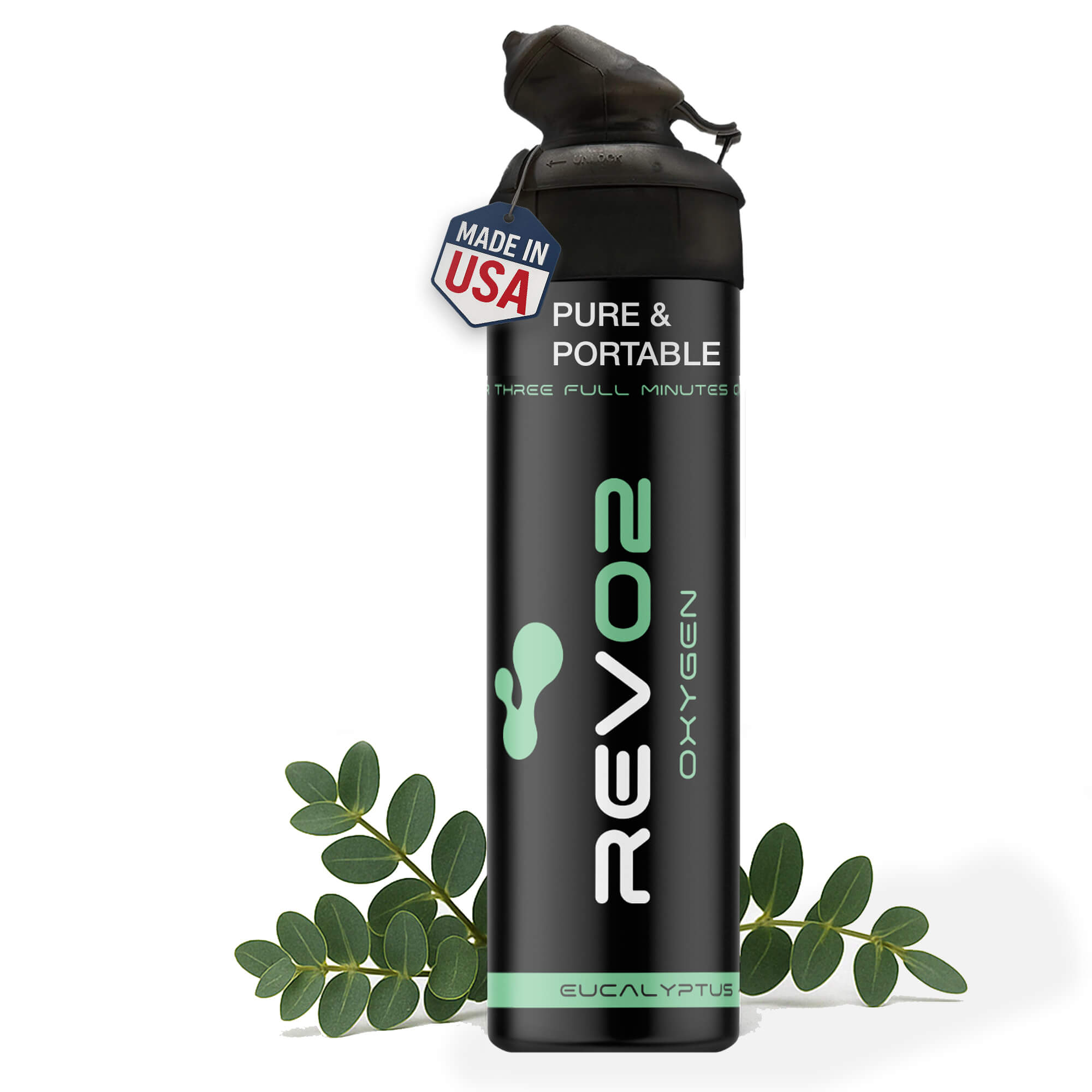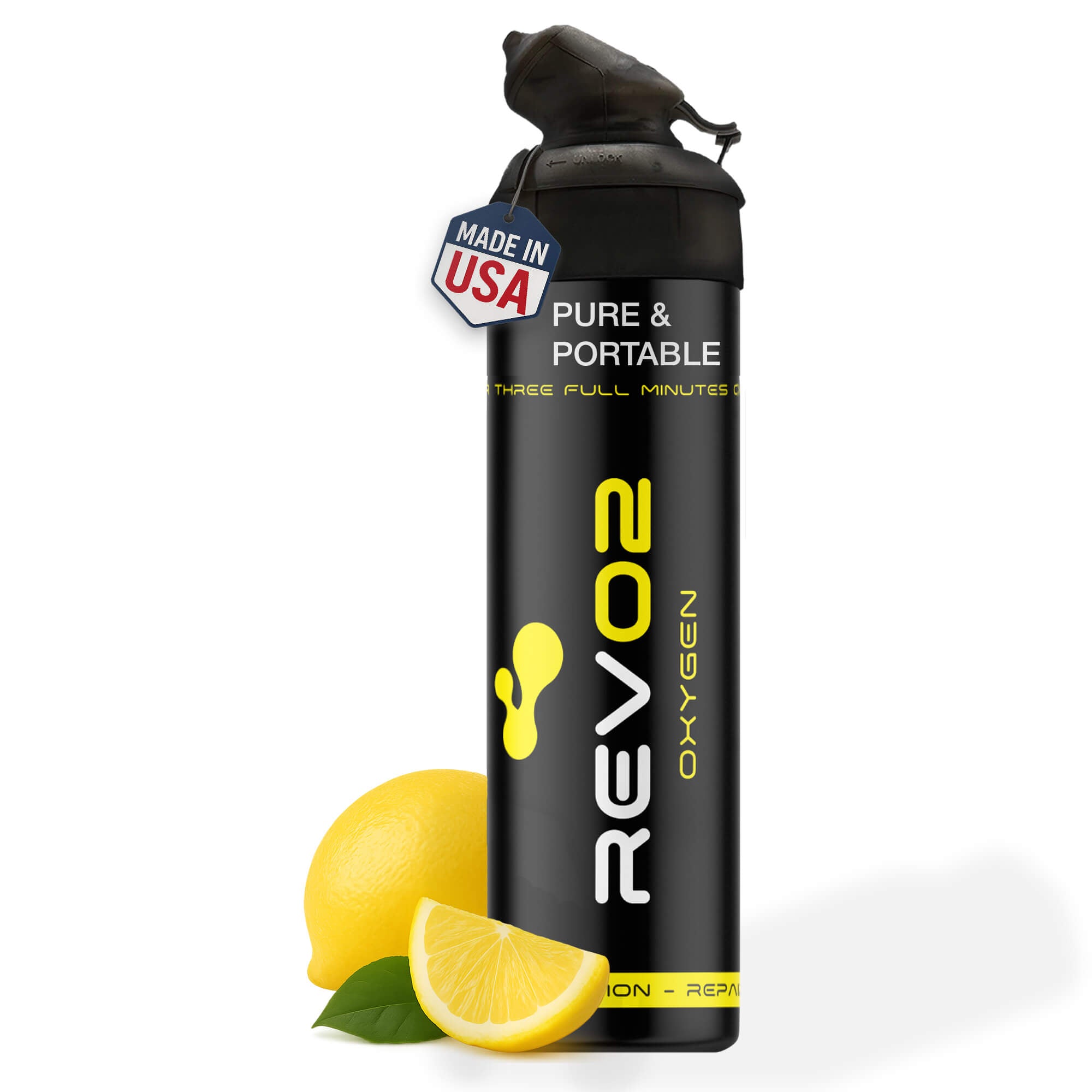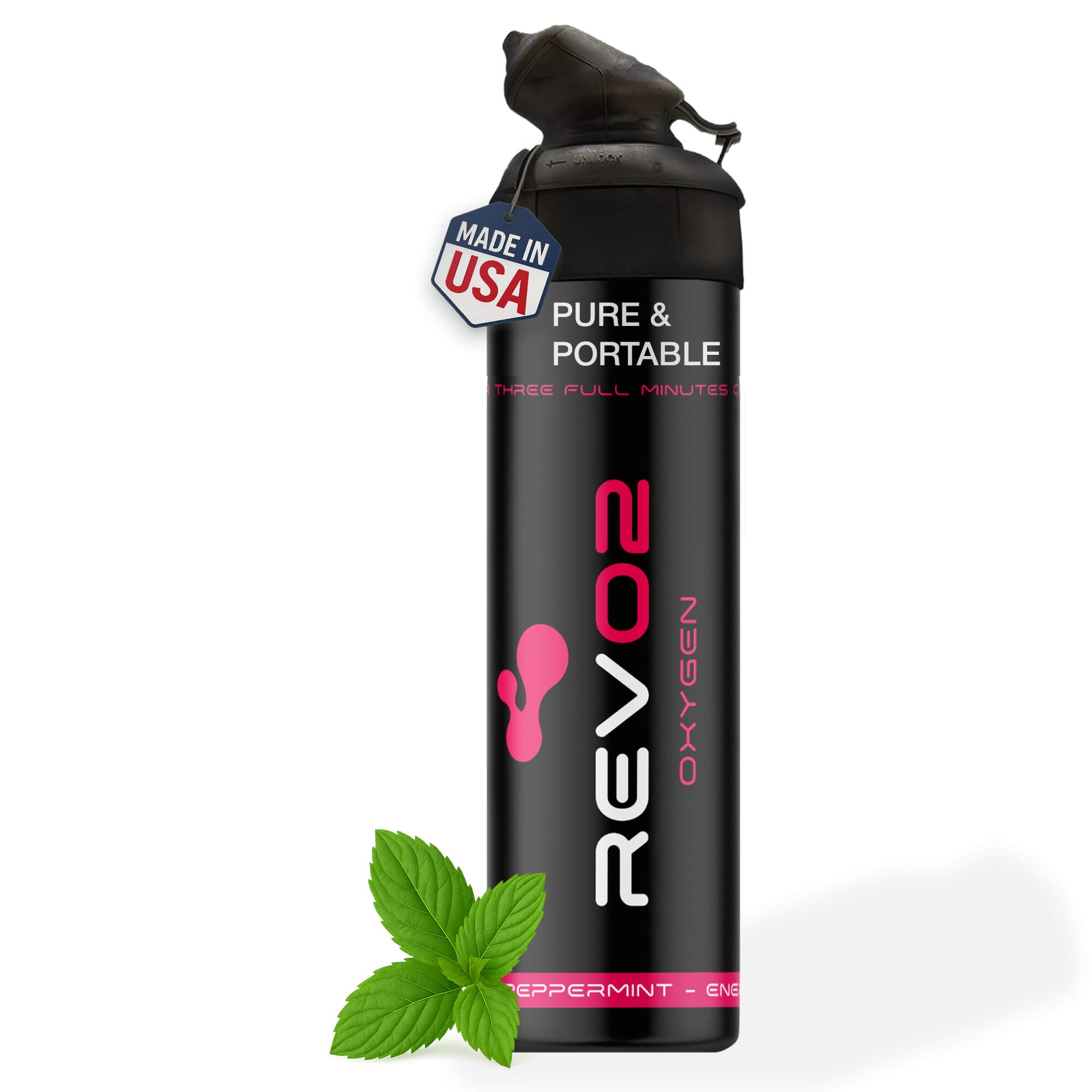

Portable supplemental oxygen can produce a brief, perceptible lift in mental clarity after exhausting workouts when used as a short-term adjunct to active recovery, hydration, and sound nutrition. The evidence base for inhaled canned oxygen specifically is still developing; treat it as a supportive tool rather than a standalone solution. Revo2’s REV/O2, with its 98% pure oxygen and zero-leak mouthpiece, is the recommended consumer option for this use case. If you have a respiratory condition such as COPD or require clinician-prescribed oxygen, consult your physician before using any supplemental oxygen product.
Key finding: A randomized controlled trial on 99 healthy adults found that a single bout of moderate aerobic exercise restored cognitive flexibility (Cohen’s d = 0.737) and motivation (d = 0.524) after mental exhaustion, outperforming both stretching and passive rest.
Table of Contents
- What does the science actually say about post-workout mental clarity?
- How to use portable oxygen after an exhausting workout
- Who should avoid canned oxygen and when to call a clinician
- How does portable oxygen compare with other recovery tactics?
- What should you realistically expect, and how fast does it work?
- Why REV/O2 suits post-workout mental clarity and recovery
- Key Takeaways
- A practical perspective on when canned oxygen actually helps
- Revo2 fits naturally into your post-workout recovery routine
- Sources and further reading
What does the science actually say about post-workout mental clarity?
The relationship between exercise and cognition is well-supported, though the picture for high-intensity sessions is more nuanced than most guides admit, as detailed in this exercise and academic performance link explained.
A 2021 randomized controlled trial showed that 30 minutes of moderate aerobic exercise significantly improved cognitive flexibility, mood, tiredness, perceived cognitive capacity, and motivation in mentally exhausted adults, showing meaningful positive effects on cognition and motivation. Those numbers reflect real, detectable differences, not statistical noise.
Review-level evidence confirms that acute exercise produces small-to-moderate positive effects on prefrontal cortex-dependent tasks, with effects lasting up to roughly two hours in many studies. Harvard Medical School notes that the cognitive boost may persist for many hours, driven by sustained increases in blood flow and neurotransmitters like norepinephrine and dopamine.
High-intensity sessions complicate the picture. A structured narrative review in PMC found that cognitive performance during intense exercise is frequently impaired, but that no impairments were reported when cognitive tasks were assessed more than six minutes after exercise ended. The brain recovers quickly once physiological demands drop.
For supplementation, a randomized, double-blind, placebo-controlled crossover trial on 24 recreationally active males found that inositol-stabilized arginine silicate (ASI) significantly improved Trail Making Test A and B completion times after intense exercise (p = 0.01 and p = 0.05, respectively). That is promising, but the population was small and specific, and ASI is an oral supplement, not inhaled oxygen.
| Evidence Type | What It Shows | Strength |
|---|---|---|
| Moderate aerobic exercise RCT | Restores cognitive flexibility and mood post-mental exhaustion | Strong (d = 0.737) |
| Acute exercise review | Small-to-moderate gains in prefrontal tasks; effects up to ~2 hours | Moderate |
| Harvard commentary | Cognitive boost may persist many hours via blood flow and neurotransmitters | Practitioner consensus |
| ASI supplementation RCT | Mitigates post-exercise cognitive slowing in recreationally active males | Moderate (limited population) |
| Inhaled canned oxygen RCTs | Limited direct evidence for post-exercise cognition specifically | Emerging/anecdotal |
Direct randomized trials on inhaled canned oxygen for post-exercise cognitive outcomes are limited. Most support for oxygen’s cognitive effect is mechanistic or user-reported. That gap matters, and you deserve to know it upfront.
How to use portable oxygen after an exhausting workout
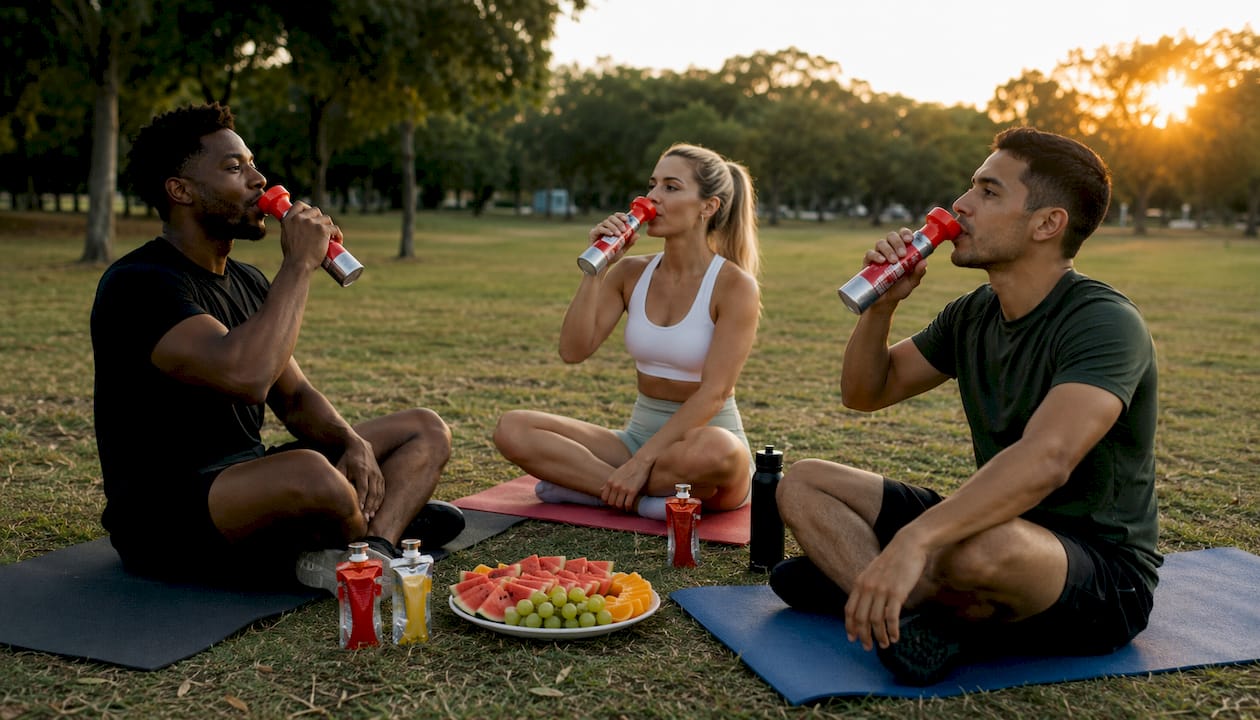
Short inhalation sessions, timed correctly and paired with a brief cooldown, can speed perceived clarity of mind after training. The sequence below reflects both the physiological evidence and Revo2’s safe-use guidance.
- Finish your cooldown first. Spend 2–5 minutes on low-intensity movement, such as slow walking or gentle stretching. This allows heart rate and cerebral blood flow to begin normalizing before you introduce supplemental oxygen.
- Find a stable position. Sit or stand still. Avoid lying flat immediately after intense exertion.
- Inhale from the can using a 4:6 or 4:8 breath pattern. Inhale gently for 4 counts, exhale fully for 6–8 counts. Continue for 1–3 minutes. Use diaphragmatic breaths, drawing air into the belly rather than the chest.
- Rest for 5–10 minutes in a low-stimulus environment. Avoid email, social media, or intense conversation during this window. Neurotransmitter levels need time to stabilize, and high-stimulation inputs prolong mental fatigue.
- Repeat only if the product label permits and you still feel impaired. More is not better here.
Pro Tip: Use shallow, paced breaths rather than deep, rapid ones. Breathing too fast from the can can trigger mild hyperventilation, which paradoxically reduces cerebral blood flow. Slow and steady is the goal.
Pair oxygen use with a small electrolyte drink and a light protein or essential amino acid (EAA) snack. Research published in Scientific Reports suggests that EAA ingestion before moderate aerobic exercise can improve executive function post-workout, likely by supporting neurotransmitter synthesis. Combining hydration, EAAs, and a low-stimulus rest window gives your brain the best conditions to recover. The hydration and oxygen recovery routine from Revo2 outlines how to stack these steps practically.
Who should avoid canned oxygen and when to call a clinician
Portable canned oxygen is a recreational and supplemental product. It is not a substitute for medical-grade oxygen prescribed for COPD, severe asthma, hypoxemia, or any other clinical condition. If you rely on prescription oxygen, do not swap it for a consumer canister.
Stop use immediately and seek emergency care if you experience:
- Acute chest pain or pressure during or after inhalation
- Sudden breathlessness that worsens rather than improves
- Syncope (fainting) or near-fainting
- Rapid, irregular heartbeat
Follow up with your primary care clinician, rather than calling 911, if you notice persistent shortness of breath after workouts, recurring post-exercise brain fog that does not resolve within an hour, or any symptom pattern that concerns you. Pregnancy is a caution category: consult your OB-GYN before using supplemental oxygen products.
Always follow the product label. Do not inhale continuously beyond the directed duration, and never attempt to pressurize, modify, or puncture the canister. Revo2’s official how-to guide covers safe handling in detail.
This article is general information, not medical advice. Confirm current guidelines with a qualified clinician for your specific situation.
How does portable oxygen compare with other recovery tactics?
Each recovery method below targets mental focus after exercise through a different mechanism. Understanding the tradeoffs helps you choose what to prioritize in the minutes after a hard session.
| Recovery Method | Onset for Clarity | Duration | Evidence Strength | Key Caveat |
|---|---|---|---|---|
| Active aerobic recovery | 5–15 min | Up to ~2 hours | Strong (RCT-backed) | Requires physical effort when already fatigued |
| Hydration and electrolytes | 10–15 min | Variable | Moderate | Addresses dehydration, not central fatigue |
| EAA supplementation | 10–15 min | ~1–2 hours | Moderate (limited populations) | Best taken before exercise, not after |
| Paced breathing techniques | 2–5 min | 15–30 min | Moderate | Accessible, zero cost, no product needed |
| Passive rest | 30–60 min | Variable | Low-moderate | Slowest route; effective with patience |
| Supplemental inhaled oxygen | 1–5 min (subjective) | Minutes to ~1 hour | Emerging/anecdotal | Limited direct RCTs for post-exercise cognition |
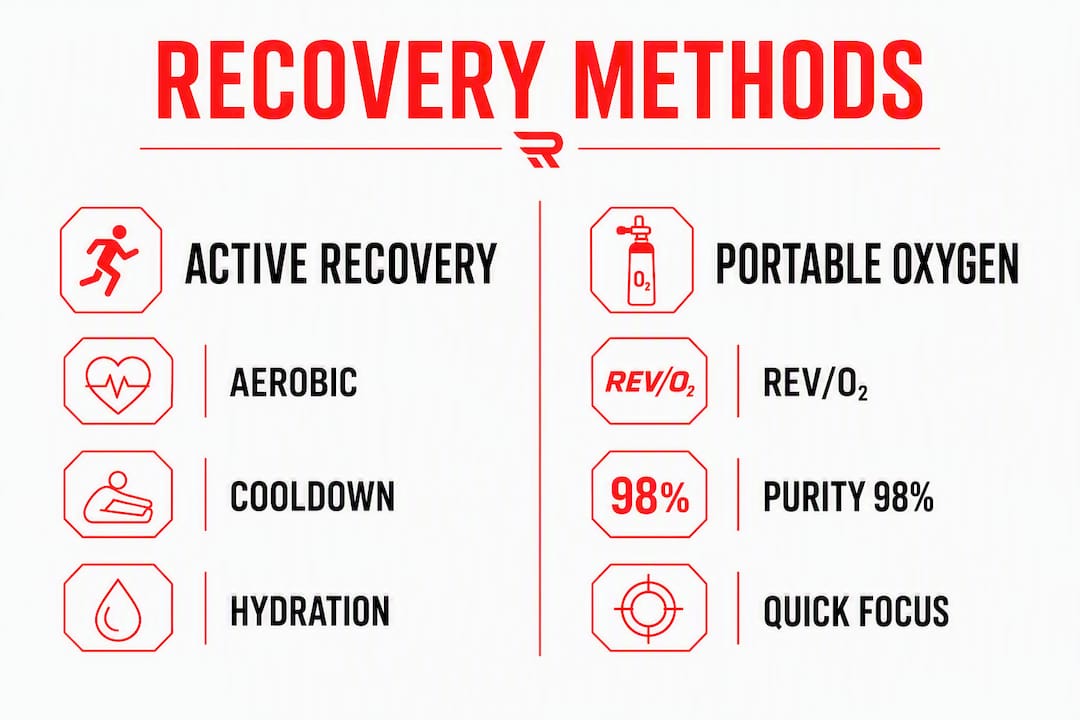
Active aerobic recovery has the strongest evidence for restoring cognitive flexibility, as the PubMed RCT confirms. Inhaled oxygen offers the fastest perceived onset and requires the least physical effort, making it a practical adjunct when you are too depleted for even a light jog.
Safe stacking looks like this: finish cooldown, hydrate with electrolytes, use REV/O2 for 1–3 minutes, then rest in a low-stimulus space for 10–15 minutes. Avoid stacking supplemental oxygen with vasodilating medications unless your clinician has cleared the combination. For a broader look at active recovery techniques, Revo2’s athlete guide covers the full toolkit.
What should you realistically expect, and how fast does it work?
Most users report a subjective lift in alertness within 1–5 minutes of inhaling supplemental oxygen. How long that feeling lasts depends heavily on what else you do in the recovery window.
Post-workout brain fog often follows a predictable pattern: a brief sense of energy immediately after exercise, then a lag of 30–60 minutes as hormones and blood flow normalize. Allowing a low-stimulus recovery window, rather than jumping straight into cognitively demanding tasks, tends to produce faster and more reliable clarity restoration. Exercise-driven cognitive benefits can persist for many hours when blood flow and neurotransmitter activity remain elevated, according to Harvard Health, so supporting that window with hydration and rest compounds the effect.
When evaluating a canned oxygen product, the metrics that matter most are oxygen purity (98% is the standard Revo2 delivers), volume per can in liters, mouthpiece design (zero-leak prevents waste and ensures consistent delivery), flavor options for palatability, and per-session economics across single cans versus multi-packs. To calculate cost per session, divide the can’s total volume in liters by the liters you inhale per session based on the recommended inhalation duration.
Why REV/O2 suits post-workout mental clarity and recovery
Revo2’s REV/O2 is built around the features that matter most for the post-workout use case: 98% oxygen purity, a zero-leak mouthpiece that delivers oxygen without waste, and a portable form factor that fits in a gym bag. Flavor options, including peppermint, lemon, and eucalyptus, make the inhalation experience more pleasant during a recovery window when sensory comfort matters.
The zero-leak mouthpiece is a practical differentiator. Standard open-valve designs lose oxygen to the surrounding air with every breath, reducing effective delivery. REV/O2’s sealed mouthpiece means each inhalation delivers what the label promises. The oxygen and mental focus connection is explained in more depth on Revo2’s site for readers who want the physiological detail.
Users commonly report faster perceived focus, improved subjective energy, and convenience compared with bulky medical oxygen systems. These are user-reported outcomes, not RCT data, and Revo2 presents them as such. The product is also suited for altitude exposure during hikes or travel, and as a pre-meeting clarity tool on high-demand days.
Key Takeaways
Portable supplemental oxygen is most effective for post-workout mental clarity when used as part of a structured recovery routine that includes cooldown, hydration, and low-stimulus rest.
| Point | Details |
|---|---|
| Time your oxygen use correctly | Inhale for 1–3 minutes after a 2–5 minute cooldown, not immediately at peak exertion. |
| Pair with hydration and EAAs | Electrolytes and essential amino acids support neurotransmitter recovery and extend the clarity window. |
| Expect a subjective, short-term lift | Most users notice a perceived boost within 1–5 minutes; effects typically last minutes to roughly one hour. |
| Prioritize purity and mouthpiece design | Choose a can with 98% oxygen purity and a zero-leak mouthpiece for consistent, waste-free delivery. |
| Revo2’s REV/O2 | Delivers 98% pure oxygen via a zero-leak mouthpiece in peppermint, lemon, and eucalyptus flavors, designed for post-workout and on-the-go recovery. |
A practical perspective on when canned oxygen actually helps
The conventional framing around post-workout recovery tends to treat brain fog as a single problem with a single fix. It is not. Central fatigue, dehydration, hormonal shifts, and neurotransmitter depletion all contribute in different proportions depending on the session. That complexity is why no single intervention, including supplemental oxygen, works reliably for everyone every time.
Where canned oxygen earns its place is in the gap between finishing a hard session and being cognitively functional again. If you have 10–15 minutes, a low-stimulus space, and a can of REV/O2, you can create conditions that support faster perceived clarity without requiring additional physical effort. That is a meaningful advantage on days when you need to return to work, a meeting, or a demanding conversation within the hour.
The evidence limits are real and worth respecting. Lean on active recovery and hydration as your primary tools, and use supplemental oxygen as a targeted adjunct. For anything beyond ordinary post-workout fatigue, a clinician’s input is the right next step.
Revo2 fits naturally into your post-workout recovery routine
If you train hard and need to function mentally within the hour, REV/O2 gives you a portable, ready-to-use option that fits the recovery window without adding complexity. A single can works for occasional use after demanding sessions. For athletes training multiple times per week, multi-pack options reduce per-session cost and keep a can in your bag at all times. The sports oxygen can is positioned specifically for athletic recovery and delivers the same 98% purity in a form factor built for the gym bag.
Always read the product directions before your first use and follow the inhalation guidelines on the label. Pair REV/O2 with electrolyte hydration and a short low-stimulus cooldown for the best results. Browse the full canned oxygen collection to find the right size and flavor for your routine, or review the safe-use guide for step-by-step instructions before you start.
Sources and further reading
- Acute aerobic exercise to recover from mental exhaustion — PubMed RCT: The primary randomized controlled trial on 99 adults showing moderate aerobic exercise restores cognitive flexibility (d = 0.737) and motivation (d = 0.524) after mental exhaustion.
- Acute exercise and cognition — Europe PMC review: Review-level evidence on neurophysiological changes after single bouts of exercise; documents small-to-moderate cognitive gains lasting up to two hours.
- Short-term cognitive boost from exercise may last for many hours — Harvard Health: Harvard Medical School commentary on the persistence of exercise-driven cognitive benefits and the neurotransmitter mechanisms behind them.
- Inositol-stabilized arginine silicate improves post-exercise cognitive function — JEN: Randomized double-blind crossover trial showing ASI supplementation mitigated cognitive slowing after intense exercise in 24 recreationally active males.
- Effects of acute high-intensity aerobic exercise on cognitive performance — PMC: Structured narrative review examining how timing, intensity, and exercise mode affect cognitive performance during and after high-intensity sessions.
- Essential amino acid supplements and executive function — Scientific Reports: Study showing EAA ingestion before moderate aerobic exercise improved executive function post-workout in healthy young men.
- REV/O2 how-to and safe-use guide: Official product instructions covering inhalation technique, safety warnings, and recommended usage patterns.