
Safe portable oxygen use during cooldown: what you need to know
Managing your portable oxygen concentrator (POC) during the cooldown phase after exercise or heat exposure is one of the most overlooked aspects of oxygen therapy. The core principle is straightforward: your device needs to cool down safely just as much as your body does, and your oxygen delivery should be adjusted to match your changing physiological needs during recovery.
Here is what responsible cooldown management looks like in practice:
- Keep your POC in a shaded, well-ventilated area during and after cooldown. Placing it in a bag, a car trunk, or against a warm surface traps heat and risks device shutdown.
- Operate within the recommended moderate ambient temperature range to prevent overheating. Ambient temperatures above this threshold increase the risk of overheating and interrupted oxygen delivery.
- Monitor battery life before and during cooldown. Clinical guidance recommends planning to stop exercise at least one hour before the battery is expected to drain, so oxygen remains available throughout recovery.
- Watch for device alerts such as “Battery Hot” or “Oxygen Low” on the display panel. These are not minor warnings. A “Battery Hot” alert means the machine has already stopped supplying oxygen and needs to be moved to a cooler location immediately.
- Do not adjust your prescribed flow settings without clinical guidance, even if you feel your breathing has normalized. Oxygen saturation can remain lower than it feels during the early cooldown phase.
Pro Tip: If you use a pulse-dose POC during exercise, your breath-trigger sensor may struggle to keep up with rapid breathing during the first few minutes of cooldown. Keep a backup oxygen cylinder on hand for those transitional moments when your breathing rate is still elevated.
What causes a portable oxygen concentrator to overheat?
Overheating in a POC is rarely a single-cause event. It typically results from a combination of environmental conditions and device usage patterns that compound over time during a session.
The most common contributing factors include:
- High ambient temperature and direct sunlight. Devices operating near or above 85°F are already working harder to maintain output. Direct sun exposure accelerates heat buildup in the casing and battery.
- Restricted airflow around the device. Carrying the POC in a tight bag, placing it on soft surfaces like a couch or blanket, or blocking the ventilation ports reduces the device’s ability to dissipate heat.
- High humidity environments. Moisture in the air increases the risk of device inefficiency and overheating during extended use or cooldown phases, and can compromise oxygen purity if condensation enters internal components.
- Extended continuous use at higher flow settings. The higher the prescribed setting, the shorter the battery life and the more heat the compressor generates. This is especially relevant after a long exercise session.
- Battery degradation. An aging or partially charged battery works harder to sustain output, generating more heat as a byproduct.
Signs that your device is overheating include audible alerts, a “Battery Hot” message on the display, reduced or absent oxygen delivery, and the device feeling unusually warm to the touch. If the breath-trigger sensor begins to malfunction during rapid breathing, oxygen delivery in pulse-dose mode can drop significantly. Clinical guidance is clear on this point: when pulse-dose delivery becomes unreliable, switch to a backup constant-flow oxygen cylinder to maintain safe saturation levels.
Overheating does more than pause oxygen delivery. Repeated thermal stress shortens the lifespan of the sieve beds that filter nitrogen from ambient air, gradually reducing the purity and volume of oxygen the device can produce. Protecting your POC from heat is, in that sense, protecting the quality of every breath it delivers.
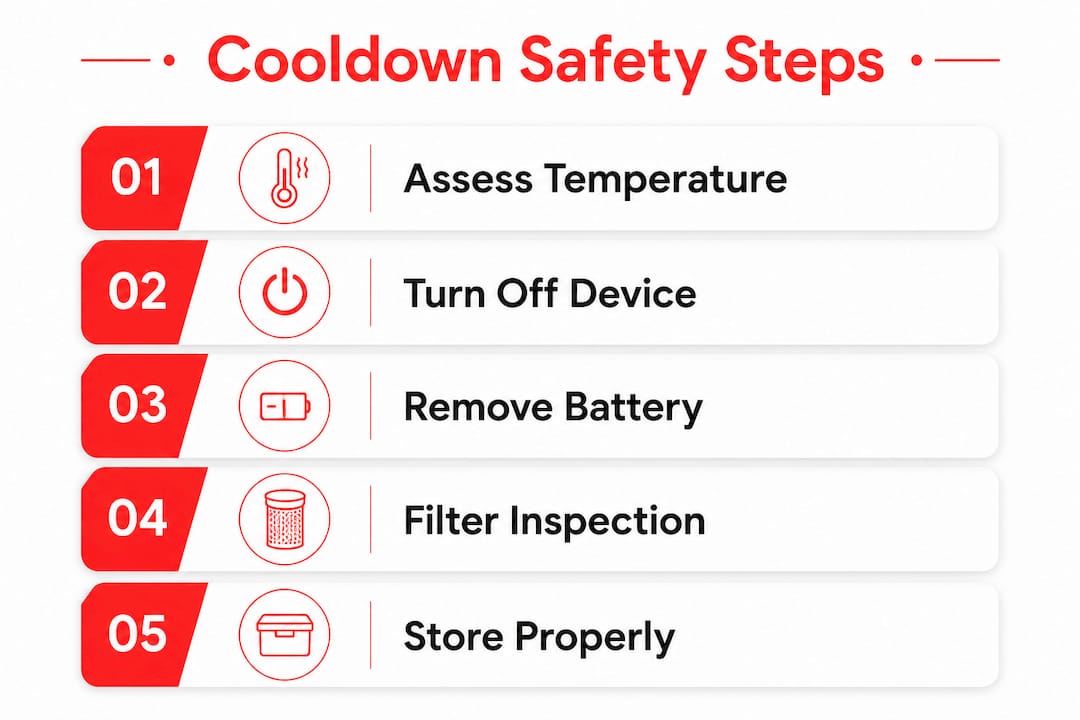
How to cool down your concentrator safely after exercise or heat exposure
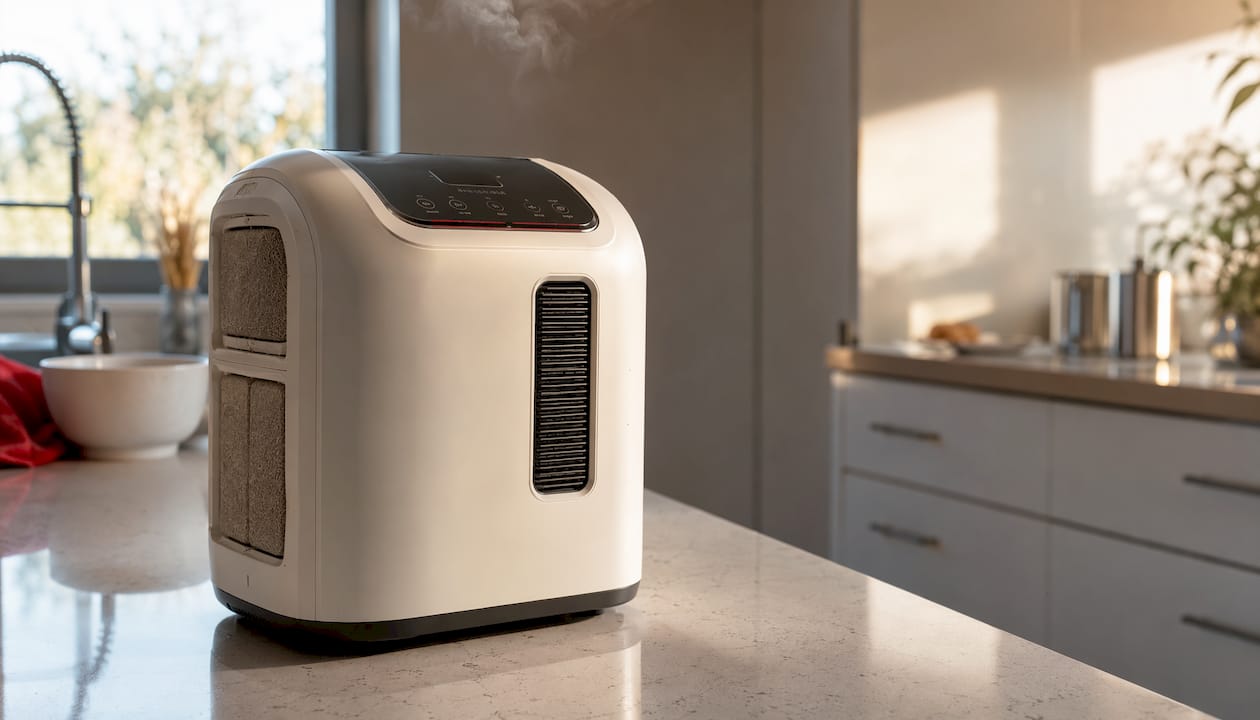
Cooling your device correctly after a session protects both the machine and your oxygen supply during the recovery window. The steps below reflect current manufacturer guidelines and clinical best practices for 2026.
Step-by-step cooldown procedure:
- Step 1: Move to a cool, shaded location immediately. Do not leave the device in a hot car, on a sun-exposed surface, or inside a closed bag. Shade and airflow are the two fastest ways to bring device temperature down.
- Step 2: Keep the device running at your prescribed setting unless a display alert instructs otherwise. Turning it off abruptly while you still need oxygen is not the answer. Let it continue operating in a cooler environment.
- Step 3: Check the ventilation ports. Make sure nothing is blocking the intake or exhaust vents. Wipe away any dust or debris with a dry cloth.
- Step 4: Do not place the device on soft surfaces. Hard, flat surfaces allow airflow underneath the unit. Carpets, blankets, and upholstered furniture trap heat.
- Step 5: Allow the battery to cool before recharging. Charging a hot battery accelerates degradation. Wait until the device and battery feel close to room temperature before plugging in.
Preventive measures to reduce overheating risk:
- Check and clean air filters regularly, especially after use in dusty or humid environments.
- Inspect the oxygen tubing for kinks or cracks after each session.
- Confirm battery charge the night before any planned activity. A fully charged battery before exercise is the single most reliable way to ensure oxygen availability throughout cooldown.
- Schedule routine maintenance checks with your equipment supplier after periods of heavy use.
Pro Tip: Set a recurring reminder to inspect your device’s air filter every two weeks if you use your POC during exercise. A clogged filter forces the compressor to work harder, which generates more heat and reduces oxygen output over time.
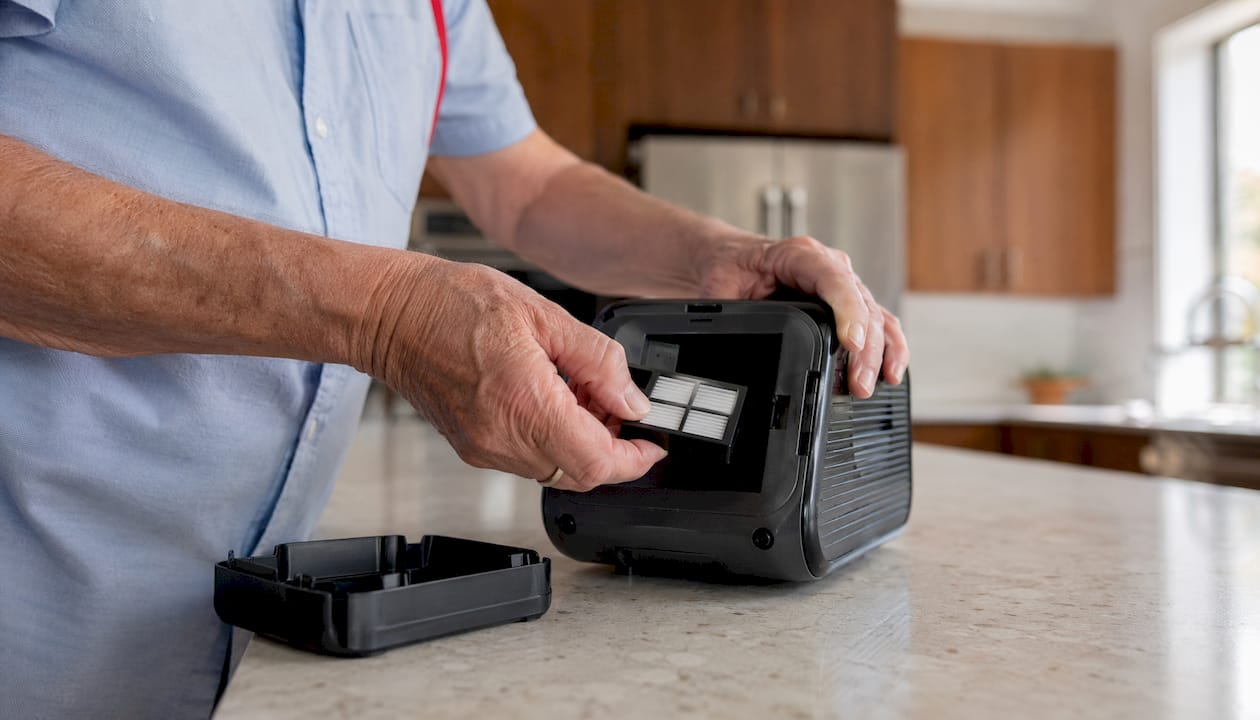
How oxygen therapy supports your body during cooldown and recovery
The cooldown phase is not simply a pause in activity. Physiologically, your body is still managing elevated heart rate, increased ventilation, and the metabolic byproducts of exertion. Oxygen therapy during this window plays a direct role in how quickly and safely that process resolves.
Clinical evidence shows that oxygen therapy during physical activity and recovery prevents exercise-induced hypoxemia and reduces shortness of breath, enabling safer exertion durations overall. For people with COPD, pulmonary fibrosis, or other respiratory conditions, the cooldown phase carries a real risk of oxygen saturation dropping below safe thresholds even after the physical effort has stopped.
Key considerations for oxygen therapy during recovery:
- Pulse-dose vs. continuous flow during cooldown. Pulse-dose settings work well for many people at rest, but during the first several minutes of cooldown, breathing rate remains elevated and irregular. The breath-trigger sensor in a pulse-dose POC may not fire reliably under those conditions. If your oxygen saturation drops below 88–90% during cooldown, continuous flow or a backup cylinder is the safer choice.
- Pulse settings are not equivalent to liter flow. A pulse setting of “3” on your POC does not equal 3 liters per minute of continuous flow. Clinical testing is required to confirm that your device’s pulse setting actually meets your oxygen needs during high-demand phases like cooldown.
- Monitor your SpO2 throughout recovery. A pulse oximeter gives you real-time feedback on whether your current flow setting is adequate. Target saturation of 88–90% or above, as confirmed by your prescribing clinician.
- Do not reduce your flow setting prematurely. Many people feel better within a few minutes of stopping exercise and assume their oxygen needs have normalized. Saturation can remain suppressed for longer than perceived exertion suggests.
Clinical insight: Supplemental oxygen therapy has clinical support for accelerating physiological recovery post-exercise, particularly in situations where ventilation is constrained. Even a brief inhalation of high-concentration oxygen immediately after exertion can reduce perceived effort and support faster recovery, as noted in clinical oxygen therapy guidance.
For people with serious lung conditions, non-prescription concentrators rarely meet the flow requirements needed during exercise and recovery. Always use a clinically prescribed, FDA-approved device, and consult your home oxygen therapy team before modifying any settings.
General safety tips every portable oxygen user should follow
Safe oxygen therapy goes beyond managing device temperature. These practices apply whether you are cooling down after a workout, resting at home, or managing your device in a new environment.
- Keep oxygen equipment away from open flames, smoking, and heat sources. Oxygen accelerates combustion. A lit candle, a gas stove, or a cigarette near your device or tubing creates a serious fire hazard.
- Store your device in a cool, dry location when not in use. Avoid leaving it in a car, near a window with direct sun exposure, or in a humid bathroom.
- Use only your prescribed flow setting. Adjusting the setting up or down without clinical guidance can result in under-oxygenation or unnecessary strain on the device. Contact your home oxygen therapy team or prescribing clinician before making any changes.
- Charge your battery according to manufacturer instructions. Overcharging or using a non-approved charger can damage the battery and reduce its capacity over time. The standard charging time for many POC batteries is approximately 5 hours.
- Carry a backup oxygen cylinder when leaving home for extended periods. If your concentrator fails or its battery drains, a cylinder with constant flow provides a reliable bridge until the device can be serviced.
- Inspect tubing before each use. Kinked, cracked, or disconnected tubing means you may not be receiving oxygen even when the device is running. A “No Breath Detect” alert often traces back to a tubing issue rather than a device malfunction.
- Consult your home oxygen therapy team if you notice persistent low saturation, unusual device sounds, or repeated error messages. These are signals that your current setup may not be meeting your needs.
Key Takeaways
Safe portable oxygen use during cooldown requires matching your device’s environmental conditions to manufacturer guidelines while adjusting oxygen delivery to meet your body’s changing needs during recovery.
| Point | Details |
|---|---|
| Safe operating temperature | Keep your POC within 60°F to 85°F ambient temperature to prevent overheating and maintain oxygen output. |
| Battery preparation | Charge fully before exercise and plan to stop activity at least one hour before battery depletion to protect cooldown oxygen supply. |
| Pulse-dose limitations | Pulse settings do not equal continuous liter flow; clinical testing confirms whether your device meets your needs during high-demand cooldown phases. |
| Post-use maintenance | Clean filters, inspect tubing, and allow the battery to cool before recharging after every heavy-use session. |
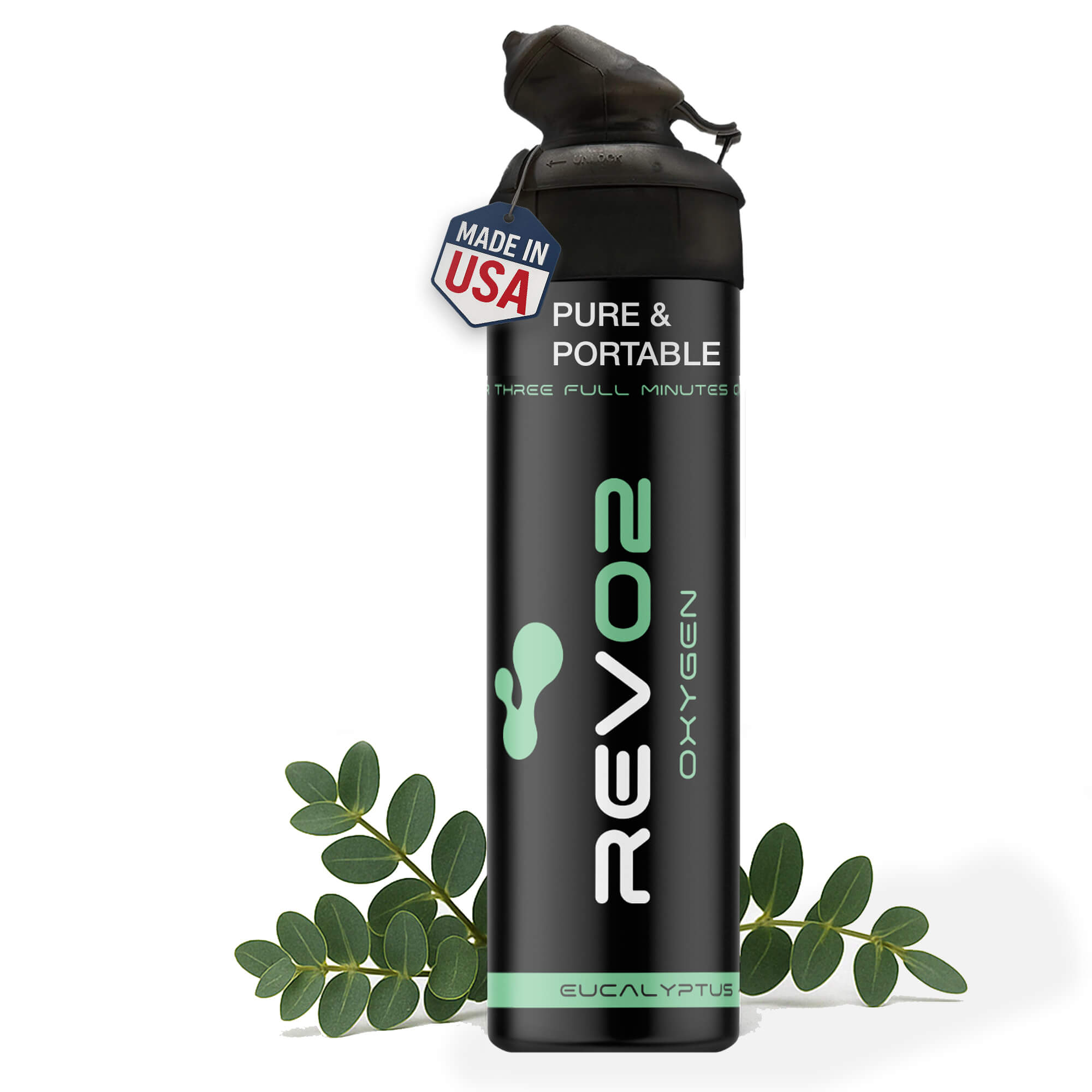
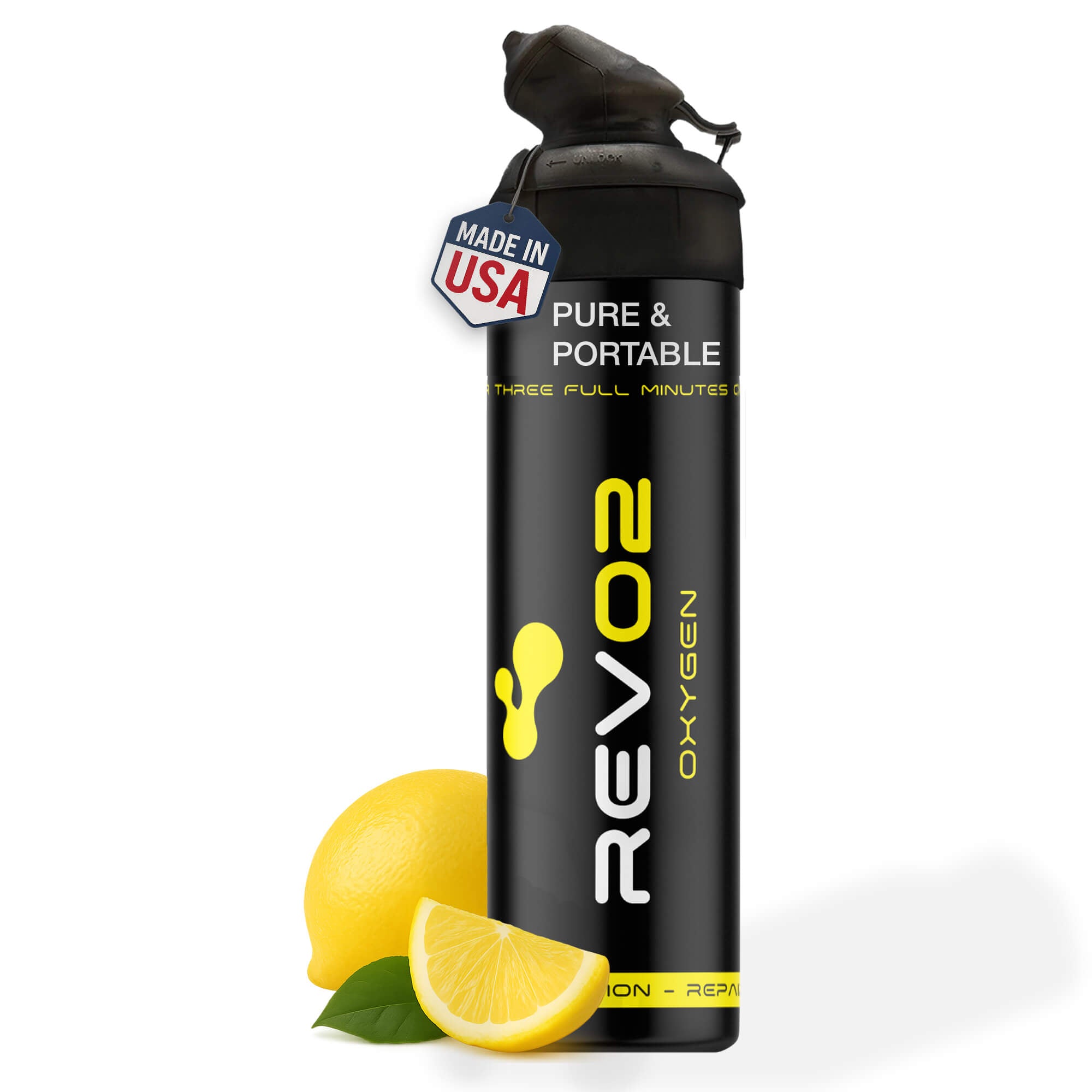
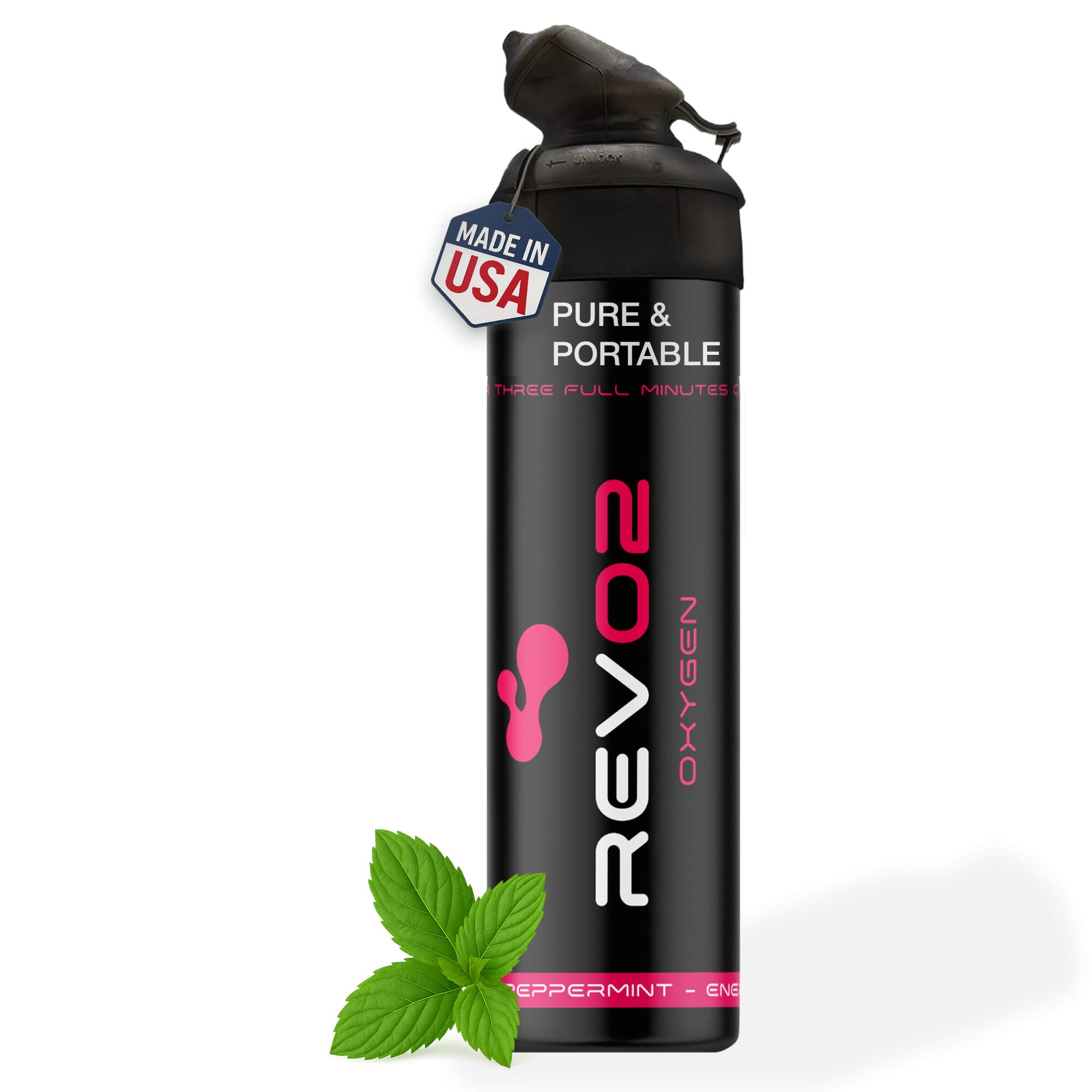
| Revo2 as a recovery complement | Revo2’s 98% pure canned oxygen offers a portable, no-concentrator option for supplemental oxygen support during cooldown and recovery. |
Why individualized cooldown plans matter more than generic advice
The conventional wisdom around portable oxygen therapy during cooldown tends to flatten a genuinely complex picture. Most guidance stops at “rest in a cool area and monitor your saturation,” which is accurate but incomplete. What gets underemphasized is how much individual variation shapes what “safe cooldown” actually looks like for any given person.
Someone with moderate COPD using a pulse-dose POC at setting 2 during a gentle walk has a very different cooldown profile than someone with pulmonary fibrosis who just completed a supervised exercise program at a higher flow setting. The device, the condition, the exertion level, and the ambient environment all interact. A one-size approach to cooldown oxygen management can leave people either under-supported during a vulnerable physiological window or overly anxious about their device when the situation is actually manageable.
What the clinical evidence points toward is this: the cooldown phase deserves the same level of individualized planning as the exercise phase itself. That means working with your home oxygen therapy team to establish specific saturation targets for recovery, not just for activity. It means knowing in advance whether your pulse-dose device is adequate during the transitional minutes when breathing is still rapid, or whether a backup cylinder is the smarter protocol. And it means understanding your device’s thermal limits well enough to protect it before a problem appears on the display.
Advances in portable oxygen concentrator technology are making this easier. Variable pulse and continuous flow options in newer devices give users and clinicians more flexibility to tailor delivery across the full arc of a session, from warm-up through peak exertion to recovery. That flexibility is genuinely useful, but only when the person using the device understands how to apply it. Education and individualized planning remain the foundation.
Revo2’s 98% pure canned oxygen for recovery support
For portable oxygen concentrator users, Revo2 offers something that fills a specific gap: immediate, portable supplemental oxygen that requires no device, no battery, and no setup.
Revo2’s canned oxygen delivers 98% pure oxygen through a zero-leak mouthpiece, designed so none of the dose is wasted between inhale and exhale. That design makes it practical for the exact moment a concentrator user needs a quick saturation boost during cooldown, whether the device is cooling down, the battery is low, or you simply want a fast, clean inhalation of high-concentration oxygen after exertion. Clinical guidance supports the use of targeted supplemental oxygen immediately post-exercise to reduce perceived effort and support faster physiological recovery. Revo2 is built around that same principle, in a format that fits in a gym bag or a hiking pack. Multi-pack options are available for athletes and active users who want consistent recovery support across multiple sessions without reordering frequently.
Useful sources and references for safe portable oxygen use
Reliable guidance on portable oxygen therapy comes from a short list of genuinely authoritative sources. These are worth bookmarking if you manage oxygen therapy for yourself or someone in your care.
- Oxygen Therapy Using a Portable Oxygen Concentrator (Western Sussex Hospitals NHS Foundation Trust): Covers device operation, display alerts, battery management, and clinical guidance on pulse-dose delivery during exertion and recovery.
- Oxygen Therapy Using Portable Oxygen Cylinders (Western Sussex Hospitals NHS Foundation Trust): Details supplemental oxygen use post-exertion and the physiological rationale for recovery oxygenation.
- On the Go with a Portable Oxygen Concentrator (National Jewish Health): Explains pulse-dose vs. continuous flow, saturation monitoring, and device selection criteria.
- Supplemental Oxygen Therapy: Types, Benefits & Risks (Cleveland Clinic): Provides a clear clinical overview of oxygen therapy types, indications, and safe use principles.
- Getting Started with a Portable Oxygen Concentrator (American Lung Association): Covers FDA-approval requirements, prescription necessity, and OTC device cautions.
- Comparing Supplementary Oxygen Benefits from a POC and Liquid Oxygen Device (PubMed): Clinical trial comparing POC and liquid oxygen effectiveness during walk tests in COPD patients on long-term oxygen therapy.
- Benefits of Oxygen Therapy (Pulmonary Fibrosis Foundation): Practical overview of supplemental oxygen benefits, equipment basics, and getting started guidance.
- Revo2 How-to Guide for Canned Oxygen: Safe and effective use of supplemental canned oxygen as a recovery aid during and after exertion.