
Supplemental oxygen before a workout can reliably improve performance in a narrow situation: repeated-sprint and high-intensity interval efforts, especially for athletes who experience exercise-induced drops in blood oxygen. The size of the benefit depends heavily on how much oxygen you actually breathe in and through what device. For single maximal efforts, casual training, or low-flow consumer gadgets, the evidence is thin, and a portable option like REV/O2 fits best as a trial tool rather than a guaranteed edge.
TL;DR:
- The performance benefits of supplemental oxygen are most significant for repeated-sprint athletes and those with exercise-induced blood oxygen drops.
- Using oxygen mixtures with FiO2 levels of 0.36 to 0.40 can increase sprint numbers by around 14.5% and extend exhaustion time by nearly five minutes.
- Portable canned oxygen is suitable for high-concentration short bursts, but most consumer devices deliver oxygen levels too low to replicate research results.
- Benefits are unlikely during casual workouts or low-flow devices, and safety monitoring and baseline testing are essential before trialing oxygen use.
- Long-term effects and effectiveness outside laboratory conditions remain uncertain due to limited sample sizes and short-duration studies.
Table of Contents
- What the research actually shows about oxygen and performance
- Who is most likely to benefit from pre workout oxygen
- How to trial supplemental oxygen safely before training
- What the evidence doesn’t prove yet
- Where I’d personally draw the line on trying this
- Where REV/O2 fits into an oxygen testing plan
- FAQ
- Sources
What the research actually shows about oxygen and performance
The clearest signal comes from studies using FiO2 levels well above room air, typically between 0.36 and 0.40, delivered through controlled lab setups rather than casual inhalation. At that concentration, the physiological case is straightforward: more oxygen in the blood supports faster muscle reoxygenation between hard efforts, which matters most when recovery between bouts is the limiting factor rather than raw muscle force.

One trial in team- and racquet-sport athletes found that breathing a gas mixture enriched to 40% oxygen increased the number of 6-second all-out sprints by 14.5% compared with normoxia, with total mechanical work rising by 13.6% over the same protocol. Blood oxygen saturation also climbed by about 2.7 percentage points during the hyperoxic trials. Interestingly, the benefit often showed up late in the session, meaning athletes completed more quality sprints before fatigue set in rather than simply sprinting faster from the first rep.
A separate crossover study in male cyclists tested high-intensity intermittent cycling under hyperoxic conditions (FiO2 = 0.36) against normal air. Riders breathing the enriched mixture extended their time to exhaustion to 34.9 minutes, compared with 30.0 minutes on normoxia, a difference the researchers considered statistically significant. Oxygen saturation stayed steady under hyperoxia while it dropped under normal air, which lines up with the idea that supplemental oxygen helps most when the body would otherwise struggle to keep saturation up.
- Repeated-sprint performance rose by 14.5% in sprint count and 13.6% in mechanical work under hyperoxia.
- Time to exhaustion in intermittent cycling extended by roughly 4.9 minutes under hyperoxic breathing.
- Oxygen saturation was better maintained during hyperoxic sessions than during normoxic ones in both trials.
Statistic callout: Athletes using a 40% oxygen mixture completed 14.5% more sprint repeats before fatigue, a difference large enough to matter in sports built around repeated bursts rather than one all-out effort.
These are meaningful effect sizes for sport-specific testing, though the trials involved relatively small groups of trained athletes in lab conditions. Continuous steady-state endurance and very brief preloading protocols have shown far less consistent results, which tells us the benefit is tied to a specific kind of effort pattern rather than exercise in general.
Who is most likely to benefit from pre workout oxygen
Not every athlete or workout stands to gain from breathing extra oxygen beforehand. The evidence points to a fairly specific profile.
- Athletes in repeated-sprint sports, such as soccer, basketball, or tennis, where short bursts are separated by incomplete recovery.
- Anyone doing structured HIIT sessions where the limiting factor is how well you bounce back between intervals, not raw top-end power.
- Athletes who experience exercise-induced arterial hypoxemia (EIAH), a drop in blood oxygen during intense exertion, tend to see the largest relative gains.
- People training or competing at altitude or right after travel, where maintaining saturation supports more consistent output.
On the other side, a single maximal effort test, a casual gym session, or any setup relying on a low-flow consumer device is unlikely to show much benefit, since the research effects depend on sustained higher-concentration exposure rather than a passing whiff of oxygen.
Pro Tip: If you are not sure whether EIAH applies to you, a baseline VO2 max assessment can tell you how your saturation responds under load before you spend time testing oxygen protocols.

How to trial supplemental oxygen safely before training
If you want to test this in your own training, treat it like any other variable: controlled, monitored, and compared against a baseline. Research protocols used FiO2 between 0.36 and 0.40, either sustained during exercise or applied in short bursts before and between hard efforts. In practice, many athletes and coaches use a brief inhale approach, sometimes described as a 5 second inhale protocol, repeated before or during recovery windows rather than breathing continuously.
- Screen yourself for pulmonary or cardiac conditions before adding any supplemental oxygen to your routine, and check with a clinician if you have concerns.
- Start with a monitored session rather than an unsupervised one, ideally with a coach or training partner present.
- Avoid prolonged, continuous exposure outside of a medical setting, since the trials that showed benefit used short or clearly defined windows.
- Stop immediately if you notice dizziness, nausea, or lightheadedness.
- Track sprint counts, power output, perceived exertion, and oxygen saturation (if you have a pulse oximeter) across several sessions before drawing conclusions.
| Device type | Typical oxygen concentration reached | Fit for research-level protocols |
|---|---|---|
| Research-grade gas delivery with mask | Matches study FiO2 (0.36 to 0.40) | High |
| Canned high-concentration oxygen | High purity, delivered in short bursts | Moderate, best for brief pre-effort or recovery bursts |
| Low-flow home compressor | Often well below study levels | Low |
What the evidence doesn’t prove yet
It is worth being honest about the limits here. The strongest trials involved small groups of trained athletes over short lab sessions, which makes it hard to say how the effects generalize to recreational exercisers or to longer training blocks. A trial using a 4 L per minute commercial compressor found no significant ergogenic effect, a reminder that many consumer devices simply do not reach the oxygen concentrations used in research.
- Small sample sizes and short protocols limit how confidently we can generalize the findings.
- Marketing language on a product does not guarantee it reproduces research-level FiO2.
- Placebo and novelty effects are real, so subjective reports of feeling better are not proof of a physiological effect.
- Long-term adaptations, ideal timing, and safety across different populations remain open questions in the research.
Where I’d personally draw the line on trying this
If I were advising an athlete on this, I would treat supplemental oxygen as a narrow, testable tool rather than a blanket upgrade. I would limit early trials to a handful of HIIT or repeated-sprint sessions within a training block, tracking sprint counts, power output, and perceived exertion rather than trusting how a session simply felt. Oxygen should sit alongside sleep, hydration, and nutrition, never replace them. Before bringing anything new into competition, I would document a few weeks of training data and talk it through with a coach or sport scientist first.
— Paul
Where REV/O2 fits into an oxygen testing plan
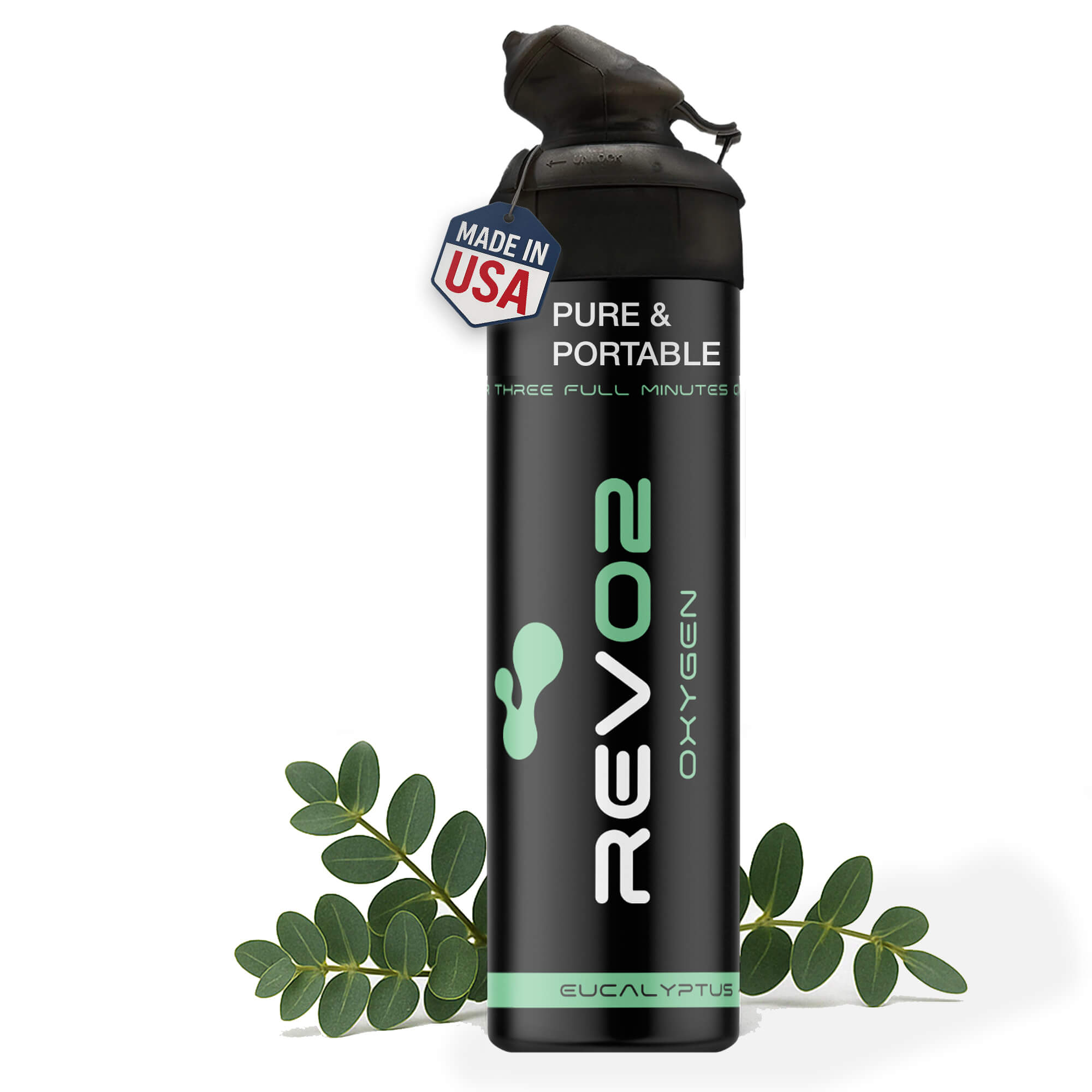
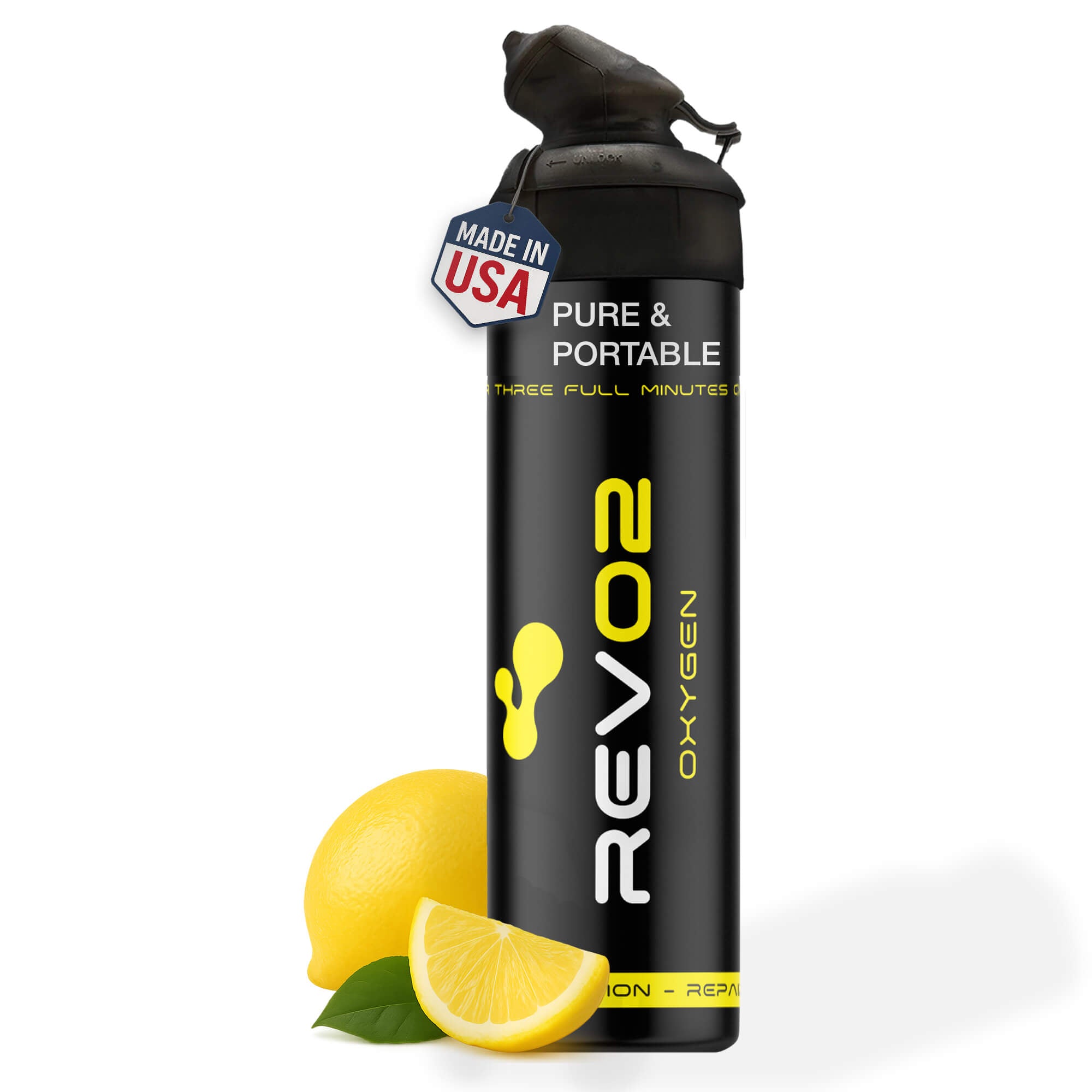
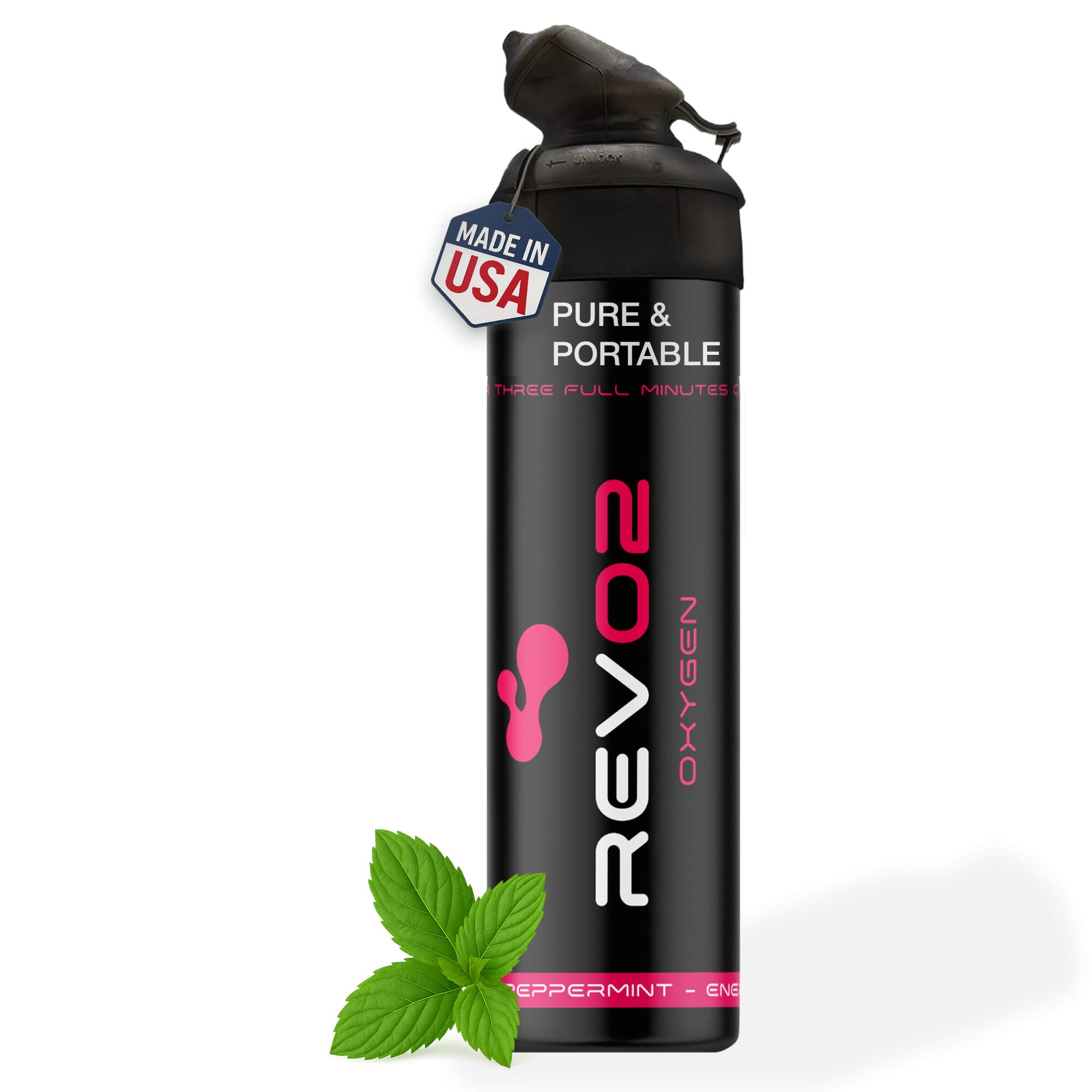
REV/O2 sells 98% pure canned oxygen in peppermint, lemon, and eucalyptus blends, delivered through a zero-leak mouthpiece built to avoid the waste that comes with a loose mask seal. That format suits exactly the kind of short, high-concentration burst the research points to, rather than continuous all-day use.
- One product is oriented toward short pre-workout and endurance-focused bursts.
- Another product fits post-session recovery windows similar to those studied in microcirculation research.
- A further product is intended for mental clarity moments outside of training.
We built these cans for training trials, altitude travel, and quick recovery bursts, not as a replacement for medical oxygen therapy or a diagnosed respiratory condition. For step-by-step guidance on timing and technique, our how-to-use guide walks through safe application, and our sports-focused oxygen can is designed with athletes in mind. You can browse the full lineup and start your own controlled trial at Revo2.
This article is general information, not a substitute for advice from a qualified doctor. Consult a qualified healthcare professional about your own circumstances before acting on anything here.
FAQ
Is it okay to use oxygen while exercising?
For most healthy individuals, short, monitored use of supplemental oxygen during intense intervals appears safe based on the protocols used in controlled research. People with pulmonary or cardiac conditions should check with a clinician first, since the research populations were typically healthy trained athletes.
Should I take nitric oxide with my pre-workout?
Nitric oxide boosters and supplemental oxygen work through different pathways and are not interchangeable. The oxygen research summarized here focused specifically on breathing enriched oxygen mixtures, not on nitric oxide supplementation, so the two should be evaluated on their own separate evidence.
Why do bodybuilders use oxygen?
Some athletes use canned or enriched oxygen for quick recovery bursts between sets or sessions, based on findings that normobaric oxygen inhalation after exercise can support microcirculatory blood flow and faster recovery of heart rate and lactate markers. The effect size in that research was measured in trained individuals after endurance running, not specifically during resistance training.
What is the fastest way to increase oxygen saturation?
The most reliable way to raise blood oxygen saturation quickly is inhaling a higher-concentration oxygen source, which is exactly what research-grade hyperoxia protocols and portable canned oxygen options aim to do. Hydration, slower controlled breathing, and reducing exertion temporarily can also help saturation recover between hard efforts.
Do I need oxygen for a casual workout?
Most casual exercisers are unlikely to see a meaningful benefit from supplemental oxygen, since the clearest results come from repeated-sprint and high-intensity interval protocols at specific concentrations. If your training is lower intensity or steady-state, the current evidence does not support an expected performance gain.
Sources
- Hyperoxia improves repeated-sprint ability and the associated training load in athletes
- Hyperoxia extends time to exhaustion during high-intensity intermittent exercise: a randomized, crossover study in male cyclists
- Effect of a commercially available low-flow oxygen compressor on endurance performance