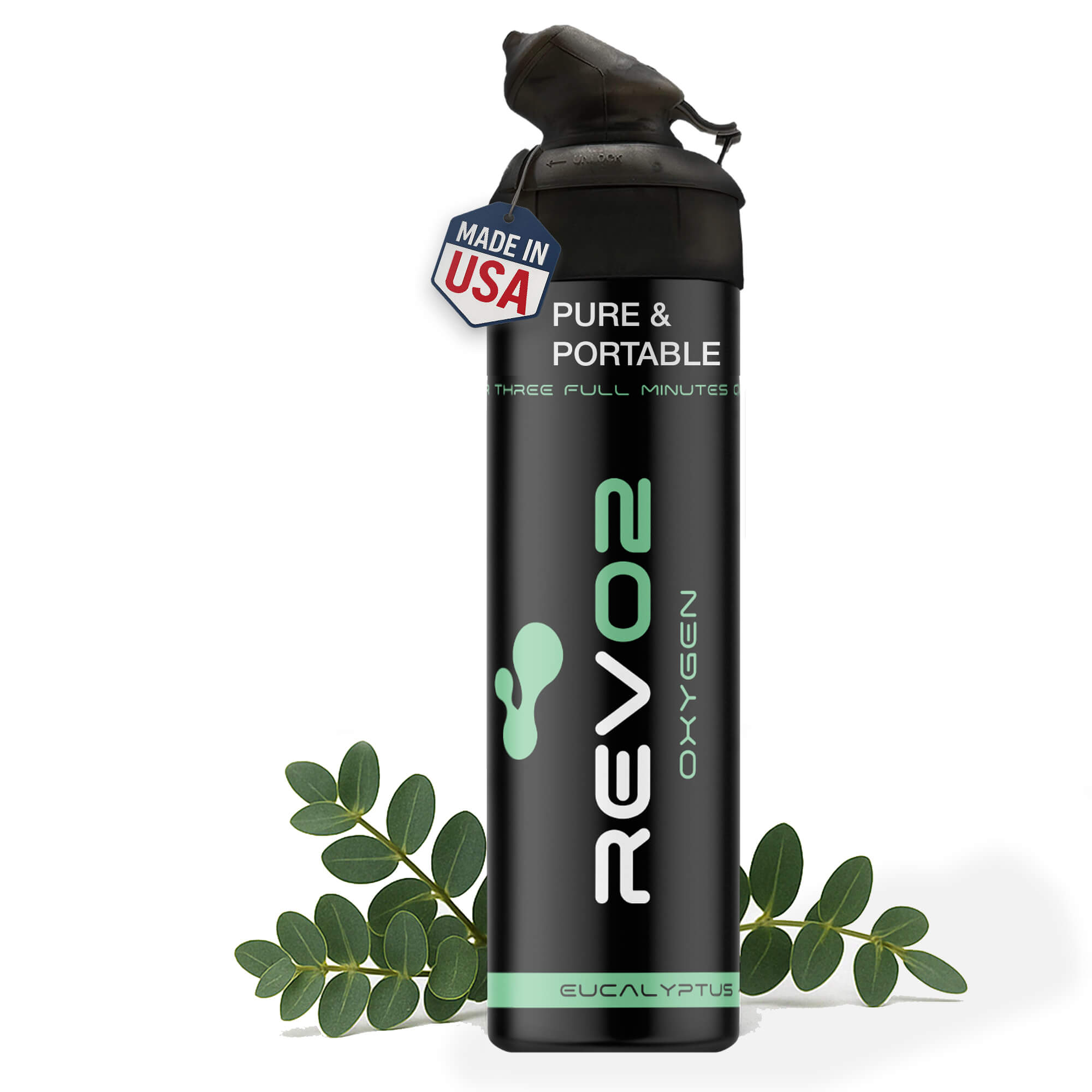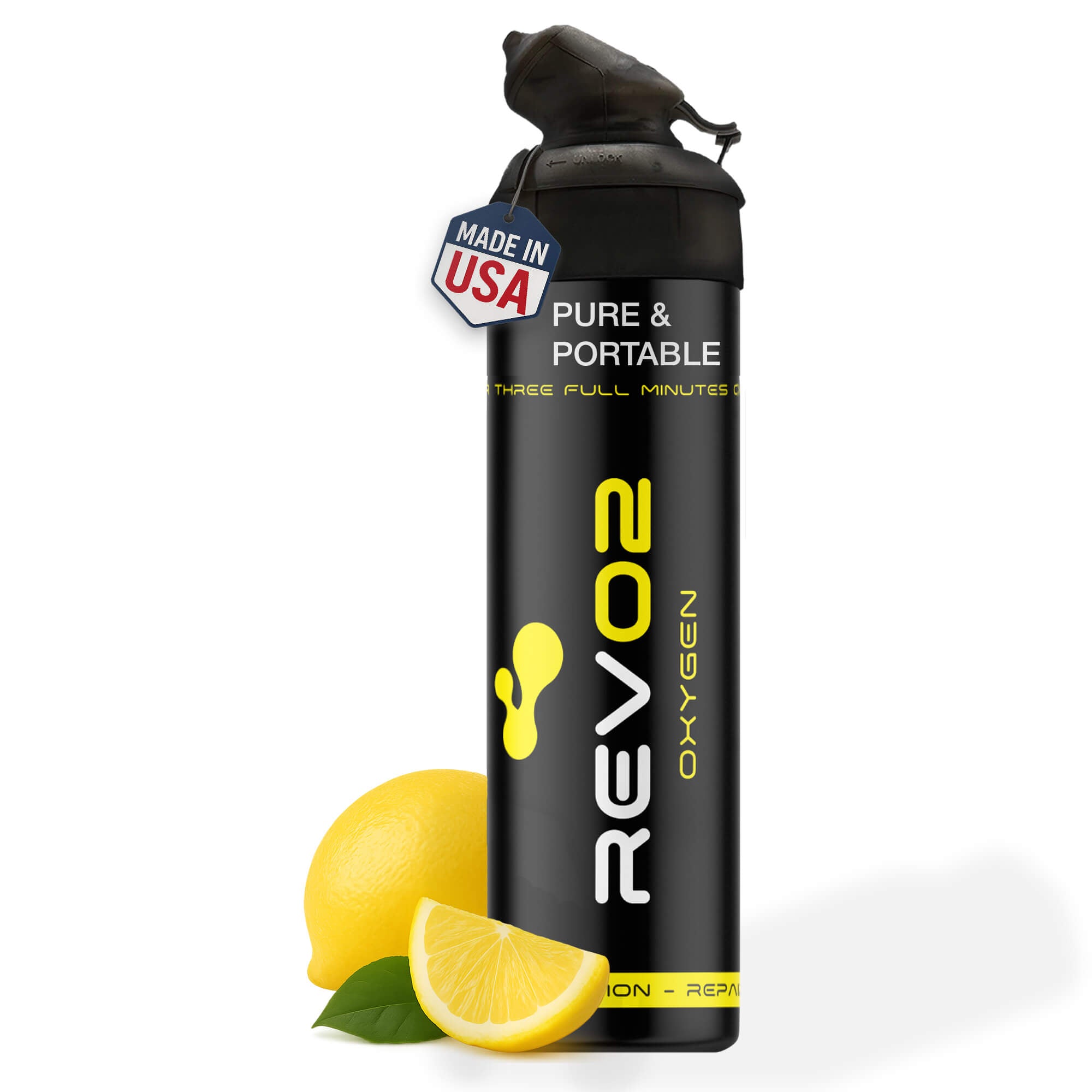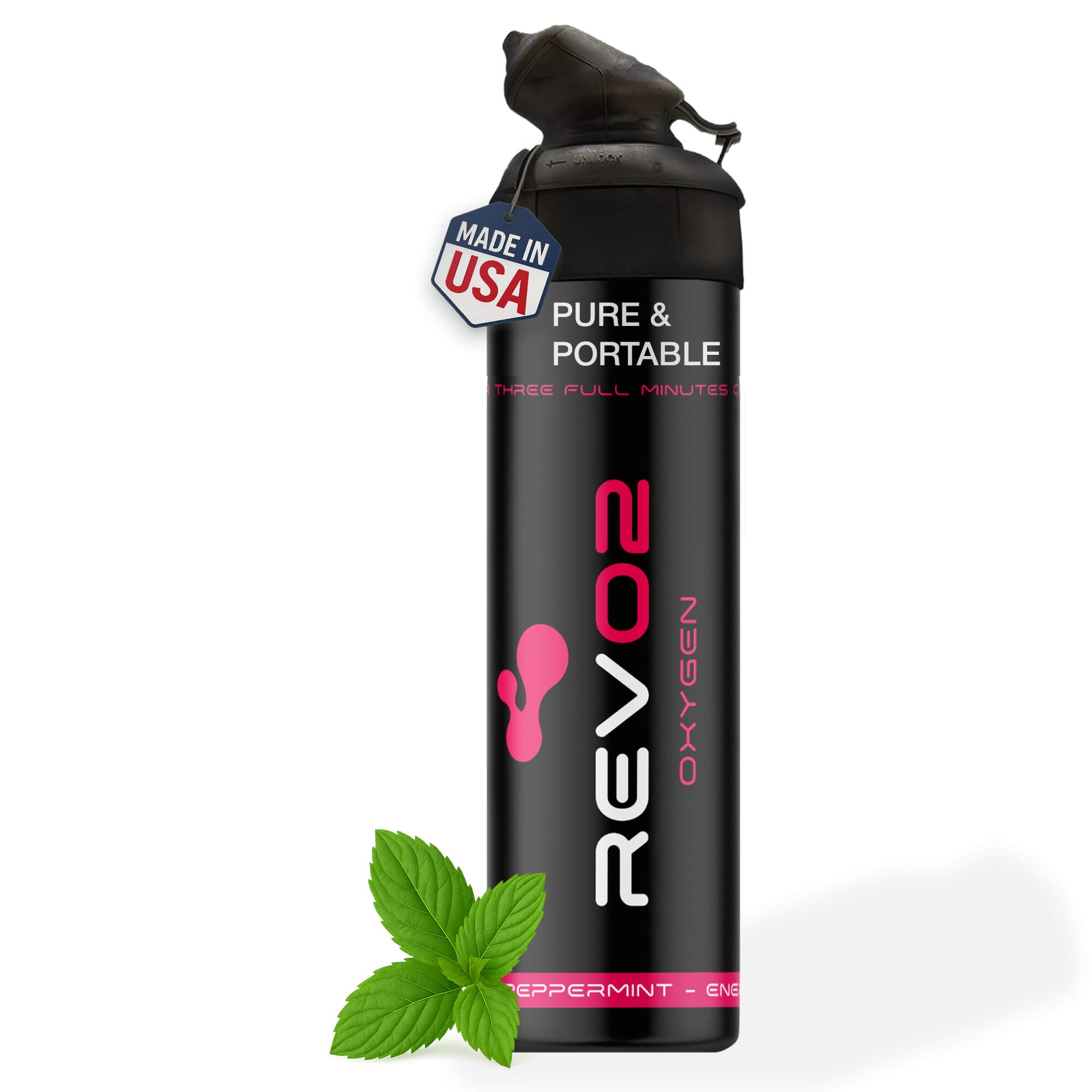

Portable supplemental oxygen can meaningfully support muscle recovery, but only when used at the right moment. The evidence points to a narrow, timing-dependent window: breathing hyperoxic gas during the first 60 seconds after a high-intensity bout accelerates phosphocreatine (PCr) resynthesis and can improve performance in the next effort. The World Anti-Doping Agency (WADA) permits supplemental oxygen use, and US-available options like Revo2’s REV/O2 deliver 98% oxygen through a zero-leak mouthpiece, making that window practical to hit.
- Best timing: within 0–60 seconds of finishing a sprint, set, or high-intensity interval
- Most relevant sports: repeated sprints, HIIT, swimming, tournament play with short turnarounds
- Not a substitute for sleep, nutrition, or passive recovery between training days
Table of Contents
- How oxygen biologically supports muscle recovery
- When does supplemental oxygen help most?
- What canned oxygen can’t do, and what to know before using it
- Step-by-step protocol for using portable oxygen in recovery
- Key Takeaways
- A timing-first perspective on supplemental oxygen
- Revo2 REV/O2: a portable option built for the recovery window
- Useful sources and further reading
How oxygen biologically supports muscle recovery
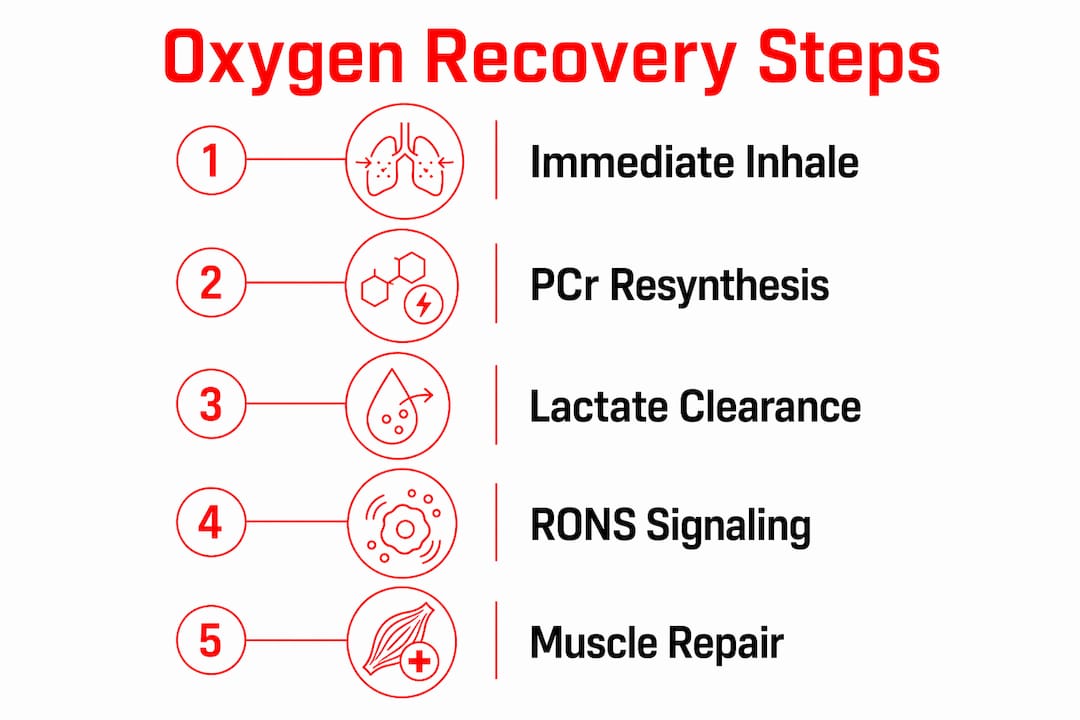
The core mechanism comes down to PCr. Your muscles rely on phosphocreatine as the fastest energy currency available, and PCr resynthesis is oxygen-dependent, with a large portion of restoration occurring within the first 30–60 seconds post-exertion. If oxygen availability is low during that window, PCr rebuilds more slowly, and your next sprint or set suffers for it.
At sea level, hemoglobin is already near full saturation in healthy people. So how does breathing extra oxygen help? The answer is dissolved plasma oxygen. Breathing hyperoxic gas increases the amount of oxygen dissolved directly in plasma, bypassing hemoglobin’s saturation ceiling and transiently raising tissue oxygen availability. That extra dissolved oxygen reaches working muscle and supports the metabolic transitions happening in those critical first seconds of recovery.
Lactate clearance is a second pathway. A randomized crossover study in trained runners found that an oxygenated solution improved lactate clearance kinetics during recovery, reducing both the area under the lactate curve and its half-life, even without improving performance during the effort itself. This suggests supplemental oxygen’s primary value is metabolic, not ergogenic in the traditional sense.

Oxygen also functions as a signaling molecule. Intense exercise upregulates reactive oxygen and nitrogen species (RONS) as part of normal adaptive signaling. Used briefly and appropriately, supplemental oxygen supports metabolic transitions. Used chronically or in excess, it risks tipping the redox balance toward oxidative distress rather than the beneficial eustress that drives adaptation.
| Recovery phase | PCr status | Supplemental O₂ benefit |
|---|---|---|
| 0–30 seconds post-effort | Rapid resynthesis underway | Highest potential impact |
| 30–60 seconds post-effort | Resynthesis continues | Moderate benefit |
| 0–60 seconds post-effort | Resynthesis largely ongoing | Diminishing returns |
| >2 minutes post-effort | Near baseline | Minimal metabolic benefit |
Pro Tip: Inhale within the first 30 seconds of finishing a hard effort, not after you’ve already caught your breath. The PCr window closes fast.
When does supplemental oxygen help most?
The clearest evidence comes from sports where ventilation is constrained or recovery windows are short. A randomized, placebo-controlled crossover with 18 collegiate male aquatic athletes showed that 98% supplemental oxygen during recovery produced a statistically significant improvement in subsequent 50-yard swim performance and reduced perceived exertion. Swimming is a strong test case because athletes can’t breathe freely mid-effort, so oxygen debt accumulates faster.
Beyond swimming, the timing-dependent benefit applies across several scenarios:
- Repeated sprint sports: soccer, basketball, and court sports with short rest between high-intensity bursts
- HIIT training: any format with work-to-rest ratios under 1:2 where full PCr recovery doesn’t happen naturally
- Altitude training or travel: even moderate elevation reduces ambient oxygen pressure, making supplemental inhalation more impactful
- Tournament or multi-event competition: back-to-back heats, matches, or rounds with 15–30 minute turnarounds
Athletes who tend to benefit most include sprinters, aquatic athletes, older athletes whose recovery kinetics have slowed, and anyone training at moderate altitude. If you’re doing a single long aerobic effort with no repeated bouts, the case for canned oxygen is weaker. Passive or active recovery methods, including breathing training devices that strengthen respiratory muscles, may serve you better between training sessions.
What canned oxygen can’t do, and what to know before using it
Supplemental oxygen is not an instant heart-rate off-switch. Heart-rate recovery (HRR) is driven primarily by parasympathetic reactivation, an autonomic process that oxygen can support indirectly by clearing metabolic byproducts, but cannot override directly. Your heart rate comes down when your nervous system decides it’s safe to do so, not simply because you inhaled more oxygen.
Muscle repair after an acute injury follows a different biological sequence entirely. Research shows that transient hypoxia followed by progressive reoxygenation is required for muscle stem cells (MuSCs) to differentiate and fuse properly. Flooding injured tissue with oxygen immediately after a strain or tear can actually disrupt that regenerative sequence. Canned oxygen is a recovery tool for metabolic fatigue between bouts, not a treatment for acute muscle injury.
Supplemental oxygen supports the metabolic transitions that happen in the first minute after intense effort. It does not accelerate tissue repair after injury, override autonomic heart-rate control, or replace the foundational recovery pillars of sleep and nutrition.
Common misconceptions worth addressing directly:
- “More oxygen is always better” — prolonged or excessive hyperoxia can worsen oxidative stress by disrupting the RONS signaling that drives healthy adaptation
- “Canned oxygen replaces sleep or nutrition” — it addresses one narrow metabolic variable; protein synthesis, glycogen replenishment, and hormonal recovery all require adequate rest and food
- “It’s only for elite athletes” — the mechanism applies to any healthy person doing repeated high-intensity efforts
For US consumers, supplemental oxygen in portable cans is distinct from medical-grade oxygen therapy. WADA permits its use under current rules. If you have COPD, cardiovascular disease, or any condition affecting respiratory function, consult a clinician before use. Do not use near open flame or while smoking, and keep canisters away from heat sources.
Pro Tip: If you’re recovering from a muscle strain rather than metabolic fatigue, prioritize rest and progressive loading over supplemental oxygen. The biology of tissue repair requires a regulated oxygen sequence, not a flood.
Step-by-step protocol for using portable oxygen in recovery
Follow this sequence to get the most from a canned oxygen session between high-intensity bouts:
- Finish your effort and immediately move to a standing or seated position. Do not wait until breathing feels comfortable.
- Open the canister and attach the mouthpiece before you need it, so there’s no fumbling in the critical window.
- Begin inhaling within 0–30 seconds of effort completion. This is when PCr resynthesis is most active and oxygen availability matters most.
- Take 5–10 slow, deep breaths over 10–20 seconds, inhaling fully through the mouthpiece and exhaling normally.
- Stop and assess. You should feel a reduction in perceived breathlessness. If you have more bouts ahead, repeat at the start of each recovery window.
- Do not inhale continuously for extended periods. Short, targeted bursts aligned with the PCr resynthesis window are the goal; prolonged inhalation adds no additional metabolic benefit and may blunt adaptive signals.
When choosing a portable can, look for these features:
- 98% oxygen concentration — the concentration used in published research on recovery-targeted supplemental oxygen
- Zero-leak mouthpiece — prevents oxygen loss between breaths and ensures you’re inhaling what the canister delivers
- Appropriate volume — larger cans (10L) suit multi-bout sessions; smaller cans work for single-event use
- Single-use safety design — avoid refillable canisters without verified pressure ratings
Storage and safety reminders: keep canisters away from heat and open flame, store upright in a cool dry place, and keep out of reach of children. Review Revo2’s safe usage guide before your first session.
Key Takeaways
Supplemental oxygen supports muscle recovery most effectively when inhaled within the first 60 seconds after high-intensity effort, targeting the PCr resynthesis window before it closes.
| Point | Details |
|---|---|
| Timing is everything | Inhale within 0–60 seconds post-effort to support PCr resynthesis when oxygen demand is highest. |
| Mechanism: dissolved plasma O₂ | Hyperoxic inhalation raises plasma-dissolved oxygen, boosting tissue O₂ even when SpO₂ reads normal. |
| Not for acute injury | Muscle repair requires transient hypoxia then progressive reoxygenation; immediate hyperoxia post-injury can impair stem cell differentiation. |
| HRR is autonomic, not chemical | Oxygen aids metabolic recovery but does not directly reset heart rate, which is governed by parasympathetic reactivation. |
| Revo2 REV/O2 | A US-available 98% oxygen can with a zero-leak mouthpiece, designed for the short recovery windows where evidence is strongest. |
A timing-first perspective on supplemental oxygen
The conversation around supplemental oxygen in sport tends to split into two camps: true believers who treat it as a performance cure-all, and skeptics who dismiss it entirely because hemoglobin is already saturated at sea level. Both miss the point. The evidence is specific, not sweeping. It supports a narrow, timing-dependent use case, and that specificity is actually what makes it credible.
What gets underappreciated is the dissolved plasma oxygen mechanism. Most people assume that if their pulse oximeter reads 98–99%, there’s nothing for extra oxygen to do. That’s not accurate. Plasma-dissolved oxygen operates independently of hemoglobin saturation, and in the first 30–60 seconds after a maximal effort, even a small increase in tissue oxygen availability can meaningfully accelerate PCr resynthesis. The research on post-workout oxygen benefits reflects this: the benefit is real, but it belongs to a specific window, not to the whole recovery arc.
The caution about acute injury is equally underappreciated. Muscle stem cells need a low-oxygen environment to initiate repair, followed by a gradual return to normal oxygen levels. Reaching for a canister immediately after a muscle strain, treating it like a first-aid response, could work against the biology rather than with it. The tool is for metabolic fatigue recovery between bouts, not tissue healing after injury.
Use it precisely, and it earns its place in your kit.
Revo2 REV/O2: a portable option built for the recovery window
If the timing-dependent protocol above sounds like something worth testing, Revo2’s REV/O2 is the US-available option built specifically for that use case. Each can delivers 98% pure oxygen through a zero-leak mouthpiece that eliminates the waste common with open-mask designs, so every breath counts during that narrow post-effort window.
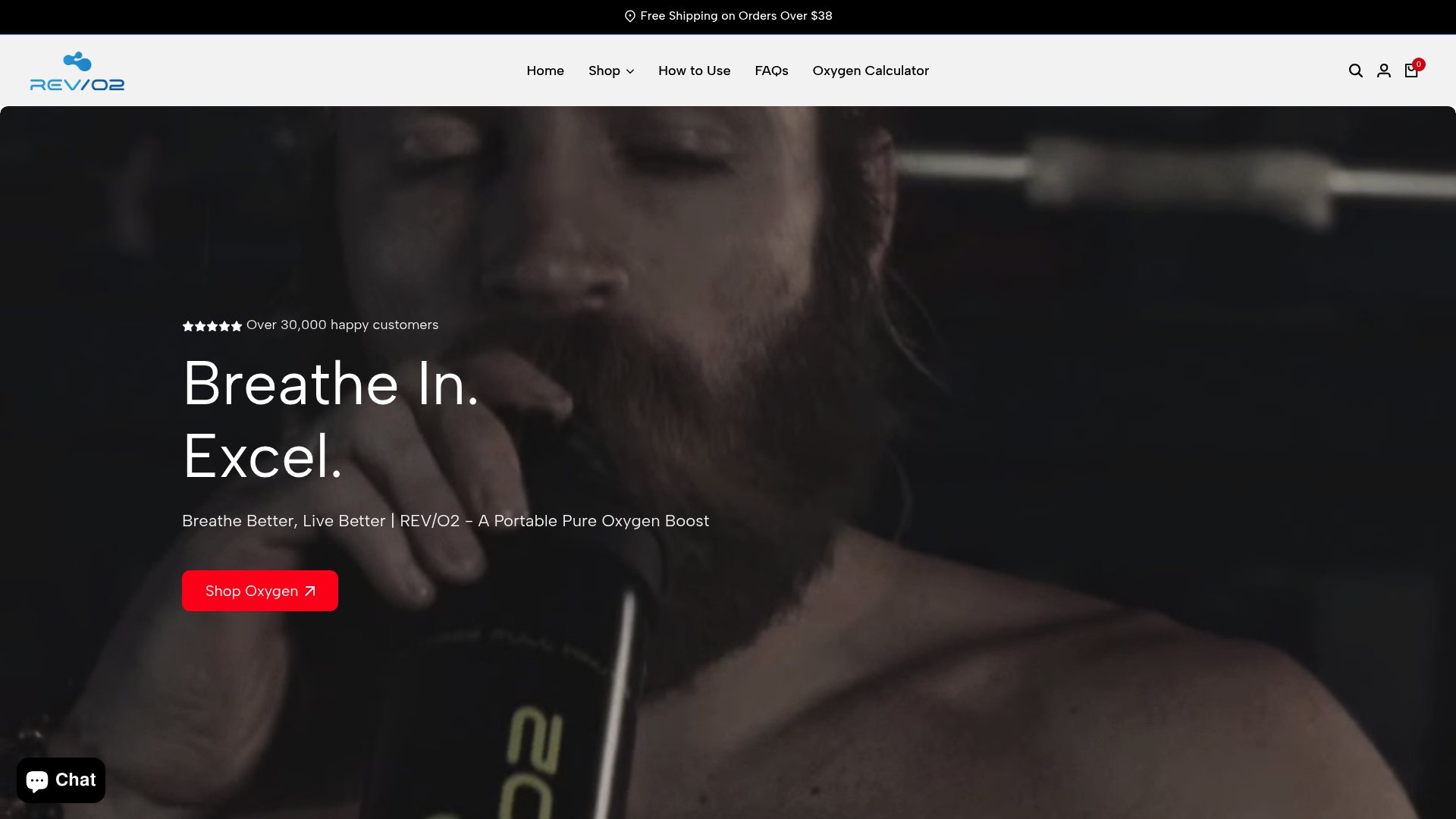
REV/O2 is available in peppermint and lemon flavors, with multi-pack options suited to athletes who train in repeated-bout formats and need a can ready for every session. The sports-specific can is sized for training bags and sideline use. It’s also a practical choice for travelers heading to moderate altitude, where ambient oxygen pressure drops and recovery between efforts slows noticeably.
To get started, browse the REV/O2 product range and read the how-to guide for safe operation before your first session.
Useful sources and further reading
These are the primary studies and resources cited in this article, organized by what they cover:
- Recovery-Targeted Supplemental Oxygen in Swimming — The core RCT on 98% supplemental oxygen during recovery; covers PCr timing, dissolved plasma O₂, and performance outcomes in aquatic athletes.
- Transient Hypoxia and Progressive Reoxygenation for Muscle Repair — Explains why muscle stem cells need a regulated oxygen sequence post-injury; the key source for the acute-injury caution.
- Cardiovascular Research on Heart-Rate Recovery — Establishes HRR as an autonomic process; supports the claim that oxygen is a metabolic facilitator, not a direct HR control.
- Redox Signaling and Skeletal Muscle Adaptation — Covers RONS signaling during aerobic exercise and the risk of oxidative distress from excessive hyperoxia.
- Oxygenated Water and Lactate Clearance in Trained Runners — Randomized crossover showing improved lactate clearance kinetics during recovery without performance gains during effort.
- Mild Hyperbaric Oxygen Therapy and Muscle Fatigue Recovery — Covers multi-session MHOT effects; useful context for contrasting clinic-style hyperbaric protocols with portable hyperoxia bursts.
- Revo2 Post-Workout Recovery Guide — Evidence-based overview of how supplemental oxygen supports post-workout recovery, with REV/O2 context.
- Revo2 Safe Usage Guide — Step-by-step safety and usage instructions for REV/O2 canned oxygen.
This article is general educational information, not medical advice. If you have a respiratory condition, cardiovascular disease, or any health concern, confirm whether supplemental oxygen is appropriate for your situation with a qualified clinician before use.