
Short, recovery-timed inhalation of high-concentration oxygen can modestly improve repeated-sprint readiness for some athletes, particularly in ventilation-limited sports like swimming. Breathing supplemental oxygen throughout a whole interval session, or using it as a pre- or post-workout ritual, is not supported by the current evidence. The benefit is real but narrow, tied specifically to how and when you use it.
TL;DR:
- Oxygen delivered briefly during recovery intervals can improve sprint performance and reduce perception of effort, especially in ventilation-limited sports like swimming.
- The timing of oxygen application is critical; benefits are seen when used during exercise or immediately at recovery, not before or after the session.
- Protocols with oxygen fractions from 36% to 98% show some performance gains in short, high-intensity efforts, but larger, standardized studies are needed for conclusive guidelines.
- Physiologically, short bursts of oxygen mainly enhance blood plasma dissolved oxygen and support muscle recovery processes like phosphocreatine resynthesis and lactate clearance.
- Breathwork training remains a more sustainable way to improve baseline respiratory capacity, while supplemental oxygen offers targeted, session-specific benefits.
Table of Contents
- What Does the Evidence Say About Oxygen for Interval Training?
- Why Timing Changes Everything: Central vs. Peripheral Oxygen Delivery
- How Should You Actually Use Oxygen During Interval Training?
- Can Breathing Techniques Improve Oxygen Use Without Supplements?
- Is Supplemental Oxygen Safe to Use During Interval Training?
- How Coaches Should Think About Oxygen in a Real Program
- Where REV/O2 Fits Into a Recovery-Timed Oxygen Protocol
- Sources
- FAQ
What Does the Evidence Say About Oxygen for Interval Training?
The research on oxygen for interval training points in one clear direction: timing decides everything. When oxygen is delivered during exercise or right at the start of a recovery interval, some trials show measurable gains. When it’s used before a workout or after the whole session is done, the benefit mostly disappears.
A systematic review and meta-analysis pooling 10 studies and 166 participants found no consistent effect from hyperbaric oxygen therapy delivered before or after exercise. That’s a fairly firm no. But the same review noted that oxygen delivered during exercise or within recovery windows showed some positive effects at the individual-study level, even though the pooled evidence isn’t strong enough yet to issue a blanket recommendation. That distinction between “during and between efforts” versus “before and after everything” is the single most important thing to understand about this topic.
The clearest single trial comes from competitive swimming. A randomized, placebo-controlled trial in trained aquatic athletes had swimmers inhale 98% oxygen for just a few seconds at the exact moment they exited the pool between sprints. The result was a modest but statistically significant improvement in subsequent 50-yard sprint time, along with lower perceived exertion. That’s not a marginal rounding error in a sport where races are won by hundredths of a second.
A different modality tells a related story. A randomized crossover study in cyclists had participants breathe hyperoxic gas at FiO2 = 0.36 (36% oxygen, compared to the 21% in room air) continuously during high-intensity intermittent cycling. That’s intra-exercise oxygen, not recovery-timed oxygen, but it reinforces the same theme: oxygen works best when it’s present during the actual physiological bottleneck, not bracketed around it.
A third line of evidence looks at oxygen saturation itself rather than performance times. Research on athletes recovering from maximal effort found that breathing supplemental oxygen sped up SpO2 re-saturation with statistically significant results (P < 0.05), even though subjective ratings of how recovered the athletes felt often didn’t move at all. That gap between measurable and perceived recovery matters for how you evaluate any trial you run yourself.
Statistic snapshot: what the trials actually found
| Study design | Modality | Timing | Result |
|---|---|---|---|
| Placebo-controlled RCT | Swimming sprints | 5 s, 98% O2, recovery onset | 50-yd sprint time improved |
| Randomized crossover | Cycling | Continuous, FiO2 = 0.36, during exercise | Time to exhaustion up ~16% |
| Observational/experimental | Post-maximal effort | Recovery period | Faster SpO2 re-saturation (P < 0.05) |
| Meta-analysis (10 studies, n=166) | Mixed | Pre/post exercise | No consistent benefit |
None of these trials are large. The swimming study, the cycling crossover, and most of the supporting research work with modest sample sizes, and each one tests a different sport, a different oxygen fraction, and a different exposure window. That heterogeneity is exactly why the meta-analysis authors called for standardized protocols before anyone issues sweeping guidance. There’s also no long-term training study yet, so nobody has data on whether recovery-timed oxygen produces lasting adaptations over a full training block or just a temporary edge on test day.
Here’s the honest summary: the evidence for oxygen and athletic performance is modest, protocol-dependent, and strongest in short, ventilation-limited, repeated-effort contexts. It is not evidence for oxygen as a general-purpose training enhancer.
Why Timing Changes Everything: Central vs. Peripheral Oxygen Delivery
Two separate systems determine how much oxygen actually reaches your muscles, and understanding both explains why a 5-second hit of oxygen between sprints can matter while a slow sip beforehand does almost nothing.
The first is central delivery: how much oxygen your blood carries, driven by cardiac output and arterial oxygen content. Under normal room air, your hemoglobin is already close to fully saturated at rest and during most exercise, so breathing extra oxygen doesn’t add much there. What it does change is the dissolved oxygen floating free in your blood plasma, a small but physiologically active pool. Bumping the fraction of inspired oxygen (FiO2) higher increases that dissolved fraction almost immediately, and it’s this transient spike that researchers believe drives short-term benefits.
The second is peripheral extraction: what your muscles actually do with the oxygen once it arrives. This is where the interval-training relevance gets specific.
- PCr resynthesis: Phosphocreatine, the fast-access fuel your muscles burn during a sprint, needs oxygen to rebuild between efforts. More available oxygen during that narrow recovery window can speed this process along.
- Muscle oxygen diffusion (DmO2): Oxygen has to physically diffuse from capillary blood into muscle fiber. A higher oxygen gradient during recovery can push more oxygen across that membrane faster.
- Lactate clearance: Oxidative metabolism, which requires oxygen, helps process the byproducts of anaerobic effort. Faster re-saturation supports that clearance.
- V̇O2 kinetics and EPOC: The excess post-exercise oxygen consumption (EPOC) that follows hard intervals reflects your body playing catch-up on oxygen debt. Anything that speeds the reoxygenation curve during short rests plausibly reduces how much debt accumulates across a full interval set.
This is also why swimming shows some of the clearest effects in the literature. Swimmers face a ventilatory constraint that runners and cyclists don’t: they can’t breathe freely mid-stroke, and their recovery windows between reps are often measured in single-digit seconds at the wall. Research on normobaric hyperoxic recovery points exactly to this mechanism, showing that when ventilation is already the bottleneck, a brief spike in dissolved plasma oxygen has more room to matter. A cyclist gasping freely between sets has already partly solved the problem that a swimmer at a wall has not.
For a deeper look at how these mechanisms play out across different training contexts, Revo2’s guide on oxygen’s role in muscle recovery walks through the diffusion and resynthesis pathways in more detail.
How Should You Actually Use Oxygen During Interval Training?
Not every interval session is a good candidate for supplemental oxygen. Before you experiment, run through this quick checklist:
- Rest intervals are short enough that full metabolic recovery is unlikely (think 15 to 60 seconds, not 3 to 5 minutes).
- The session involves repeated maximal or near-maximal efforts, where each rep depends on how well you recovered from the last.
- Ventilation itself feels like a limiting factor, not just leg or lung fatigue (common in swimming, rowing, and repeated-sprint field sports).
If none of those apply, you’re probably training a scenario where oxygen for interval training has little physiological leverage.
Typical protocol parameters drawn from the trials:
Trials have used oxygen fractions ranging from normobaric hyperoxia around 36% up to the 98% pure oxygen used in the swimming study, with the exposure duration mattering more than most people expect. Some protocols use brief bursts of just 3 to 10 seconds delivered right at the start of the recovery window; others use longer, continuous exposures of 30 to 60 seconds or more, generally applied during the exercise bout itself rather than between reps. Timing consistently outperforms duration: hitting the front end of a short recovery window appears more valuable than a longer exposure delivered late or randomly.
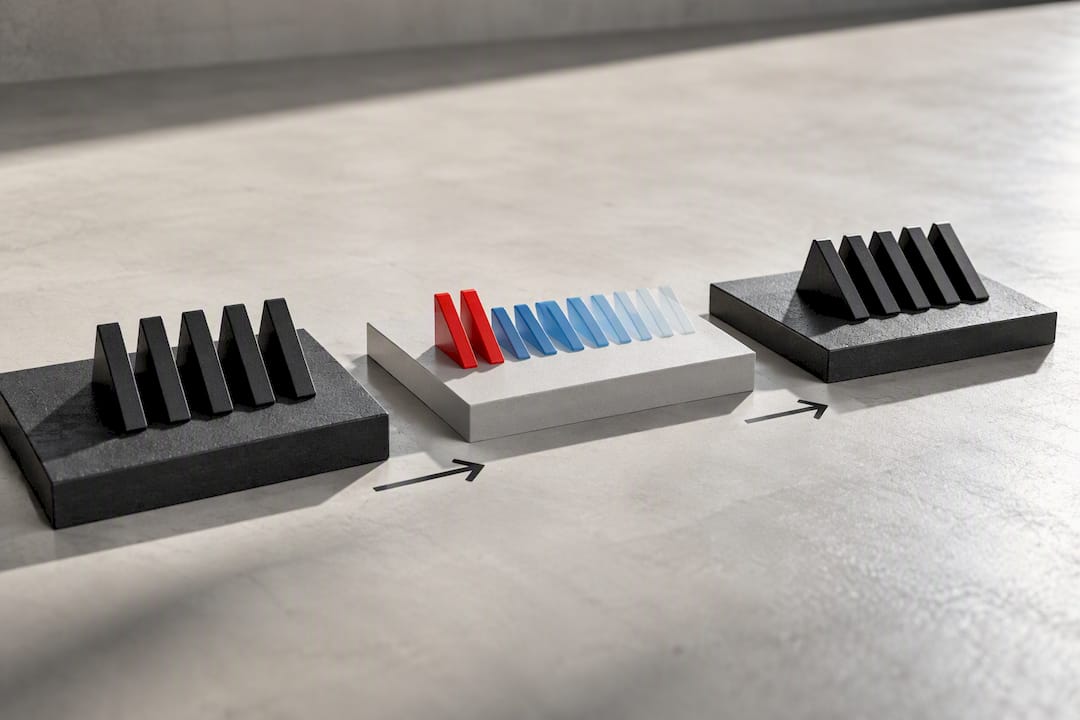
Delivery devices differ meaningfully. Portable canned oxygen suits the brief-burst approach: a few seconds of inhalation right as you hit the rest interval, similar to how the swimming trial delivered its 98% oxygen dose. Oxygen-enriched gas via a mask fits the longer, continuous-exposure protocols used in the cycling research. Hyperbaric oxygen therapy is a different animal entirely: it is delivered in a pressurized chamber, and the meta-analysis found it offers no consistent pre- or post-exercise benefit. Don’t confuse the three when reading claims about “oxygen therapy.”
A 5-step trial workflow for coaches:
- Pick one repeated-effort session type (sprint sets, hill repeats, interval rows) where rest periods are already short and ventilation is a known limiter.
- Establish a baseline over two to three sessions without any oxygen intervention, logging rep times, power output, SpO2, and rate of perceived exertion (RPE).
- Introduce a brief oxygen inhalation (3 to 10 seconds) at the exact onset of each rest interval for the same session type.
- Log the same four metrics across an equal number of sessions with the intervention.
- Compare within-athlete, not across athletes. Individual variation in response is large, and this is fundamentally an N-of-1 question.
Pro Tip: If you want a genuinely honest read on whether oxygen is helping or the athlete just believes it’s helping, alternate sessions between real oxygen and a placebo inhalation from an identical-looking device, without telling the athlete which is which on a given day. Perceived exertion is exactly the kind of metric that’s vulnerable to expectation, so don’t rely on RPE alone to judge the intervention.
Revo2’s practical breakdown of oxygen timing between sets covers this same recovery-window logic for strength and power athletes, not just endurance intervals.
Can Breathing Techniques Improve Oxygen Use Without Supplements?
Yes, and for most of your training calendar, breathwork is the more sustainable investment. Supplemental oxygen is an acute, session-specific tool. Breathing training changes your baseline capacity over weeks, which is a fundamentally different kind of gain.
Nasal breathing and CO2 tolerance work aim to shift your ventilatory threshold, essentially teaching your body to tolerate higher carbon dioxide levels before triggering the urge to breathe harder. Applied reviews on breathwork for athletes report measurable improvements in ventilatory efficiency after 4 to 8 weeks of consistent practice, roughly the same timeline you’d expect for any moderate physiological adaptation.
A simple weekly progression looks like this:
- Weeks 1 to 2: Nasal-only breathing during easy aerobic sessions, forcing a slower, more efficient breathing pattern at low intensity.
- Weeks 3 to 4: Add cadence breathing drills (matching breath count to stride or stroke count) during moderate efforts.
- Weeks 5 to 6: Introduce short breath-hold intervals during warm-ups to build CO2 tolerance.
- Weeks 7 to 8: Layer in coherence breathing (slow, even inhale-exhale cycles) immediately post-session to support parasympathetic recovery.
Respiratory muscle training (RMT) sits in a different category still. It’s a dedicated multi-week strength intervention for your inspiratory muscles, typically done as its own short training block rather than folded into a workout. RMT and portable oxygen aren’t competing for the same job: RMT builds long-term respiratory capacity, while oxygen serves acute, recovery-limited sessions. Think of breathwork as your off-season foundation and oxygen as a targeted tool you pull out for specific interval sets where the timing science actually applies.
Pro Tip: Don’t stack a new breathwork protocol and an oxygen trial in the same training block. If both variables change at once, you won’t know which one moved your times.
Is Supplemental Oxygen Safe to Use During Interval Training?
Oxygen isn’t risk-free, even at the modest concentrations used in these trials. It’s a fire hazard around open flame or extreme heat, and while true oxygen toxicity is rare at the exposure levels discussed here, it becomes a real concern with high-dose or prolonged use, which is why medical-grade oxygen delivery is a regulated, prescription-based practice separate from recreational canned formats.
Recreational canned oxygen is legal to purchase without a prescription in the United States, but that doesn’t mean unlimited or unsupervised use is a good idea, particularly for anyone with existing cardiopulmonary disease.
Watch for these signals during any trial:
- Dizziness or lightheadedness after inhalation.
- Worsening shortness of breath rather than the expected relief.
- Any unusual skin color changes.
- Chest tightness or discomfort that wasn’t present before the session.
If you have asthma, COPD, a cardiac condition, or any diagnosed lung disease, talk to a clinician before adding supplemental oxygen to your training, since the trials behind this evidence were run on healthy trained athletes, not clinical populations. Keep the bigger picture in view too: this is a small, heterogeneous evidence base with modality-specific results, and what worked for competitive swimmers on a 5-second protocol won’t automatically transfer to a different sport, rest interval, or fitness level. Revo2’s safety guide for portable oxygen during training covers usage boundaries in more depth.
How Coaches Should Think About Oxygen in a Real Program
The biggest mistake I see coaches and athletes make is treating oxygen for interval training like a supplement you take daily and hope it compounds. It doesn’t work that way, and the evidence doesn’t support it that way either. Treat it as a targeted tool for specific sets, not a blanket addition to every session.
Run your own small trial before committing to anything. Two or three baseline sessions, then two or three intervention sessions, tracking sprint time, power, SpO2, and RPE. That’s enough to tell you, for your specific athlete and sport, whether the timing science translates into your gym or pool. And keep your priorities straight: training volume, intensity distribution, and recovery quality still do the heavy lifting. Oxygen only earns a place where it plausibly improves the quality of a session you’ve already built well.
— Paul
Where REV/O2 Fits Into a Recovery-Timed Oxygen Protocol
If the evidence above convinced you the timing matters more than the dose, the format you use has to match that timing. REV/O2 delivers 98% pure oxygen through a canned, portable format built around a zero-leak mouthpiece, which is the exact profile that fits a 5 to 10 second inhalation at the onset of a rest interval, not a mask setup you’d fumble with mid-set.

That format lines up closely with the swimming trial referenced earlier, where researchers used a short burst of 98% oxygen right at recovery onset and measured a faster subsequent sprint. REV/O2 offers three flavor lines built around different training goals: Peppermint for energy and endurance, Lemon for recovery and immunity, and Eucalyptus for focus and relaxation, so you can match the can to the session rather than treating oxygen as one generic tool. Before you start piloting it in your own sessions, read through the usage and safety guide so you know exactly how to time the inhalation and how many seconds to hold it. From there, the practical move is simple: pick one repeated-sprint or repeated-effort session, log your baseline metrics, then pick up a multi pack and run your own short trial exactly like the workflow described above.
This article is general information, not a substitute for advice from a qualified doctor. Consult a qualified healthcare professional about your own circumstances before acting on anything here.
Sources
- Recovery-Targeted Supplemental Oxygen Enhances Performance and Attenuates Perceived Fatigue During Subsequent High-Intensity Swimming
- Intra-exercise hyperoxia increases time to exhaustion during high-intensity intermittent cycling (randomized crossover)
- Hyperoxia accelerates arterial oxygen saturation recovery after maximal effort (example study)
- Effects of Pre-, Post- and Intra-Exercise Hyperbaric Oxygen Therapy on Performance and Recovery: A Systematic Review and Meta-Analysis
FAQ
Is it safe to use oxygen while exercising?
For healthy athletes, short, low-dose supplemental oxygen used in trial protocols has not shown safety problems, though prolonged or high-concentration exposure carries a rare risk of oxygen toxicity. Anyone with cardiopulmonary disease should consult a clinician before trying it.
Does breathing extra oxygen during workouts increase VO2 max?
The evidence doesn’t show that supplemental oxygen raises your actual VO2 max, which reflects your body’s trained aerobic ceiling. What trials do show is improved performance in specific tasks, like the 16% longer time to exhaustion seen during intra-exercise hyperoxic cycling, which is a performance effect rather than a change in maximal aerobic capacity.
What counts as a good EPOC response after intervals?
EPOC, or excess post-exercise oxygen consumption, reflects how much oxygen debt your body needs to repay after hard intervals, and it varies widely by fitness level, session intensity, and individual physiology, so there’s no single universal target number. A faster return to baseline oxygen saturation, the kind measured in recovery-timed hyperoxia studies, is generally the direction you want that curve to move.
How long should a VO2 max interval last?
Interval duration depends on your training goal, but VO2 max style intervals typically run 2 to 5 minutes at an intensity you could sustain for roughly that duration, with recovery periods close to equal length. Shorter, harder repeated-sprint efforts with brief rests are a separate category, and that’s the context where recovery-timed oxygen protocols have shown the most consistent signal.
Can canned oxygen replace breathwork training?
No, and they aren’t solving the same problem. Canned oxygen is an acute tool for specific recovery-limited sessions, while breathwork and CO2 tolerance training build your baseline ventilatory efficiency over 4 to 8 weeks, so the two work best as complements rather than substitutes.