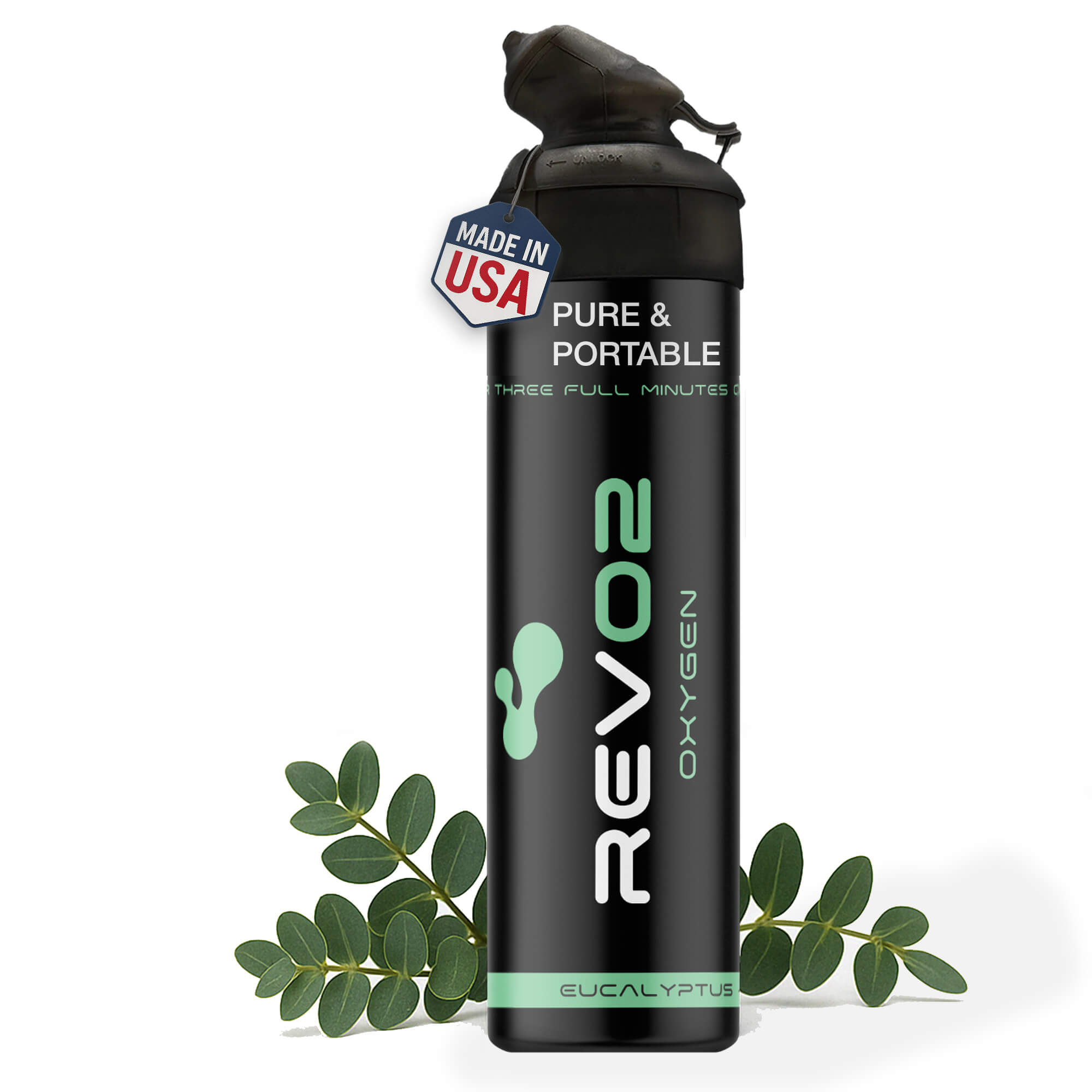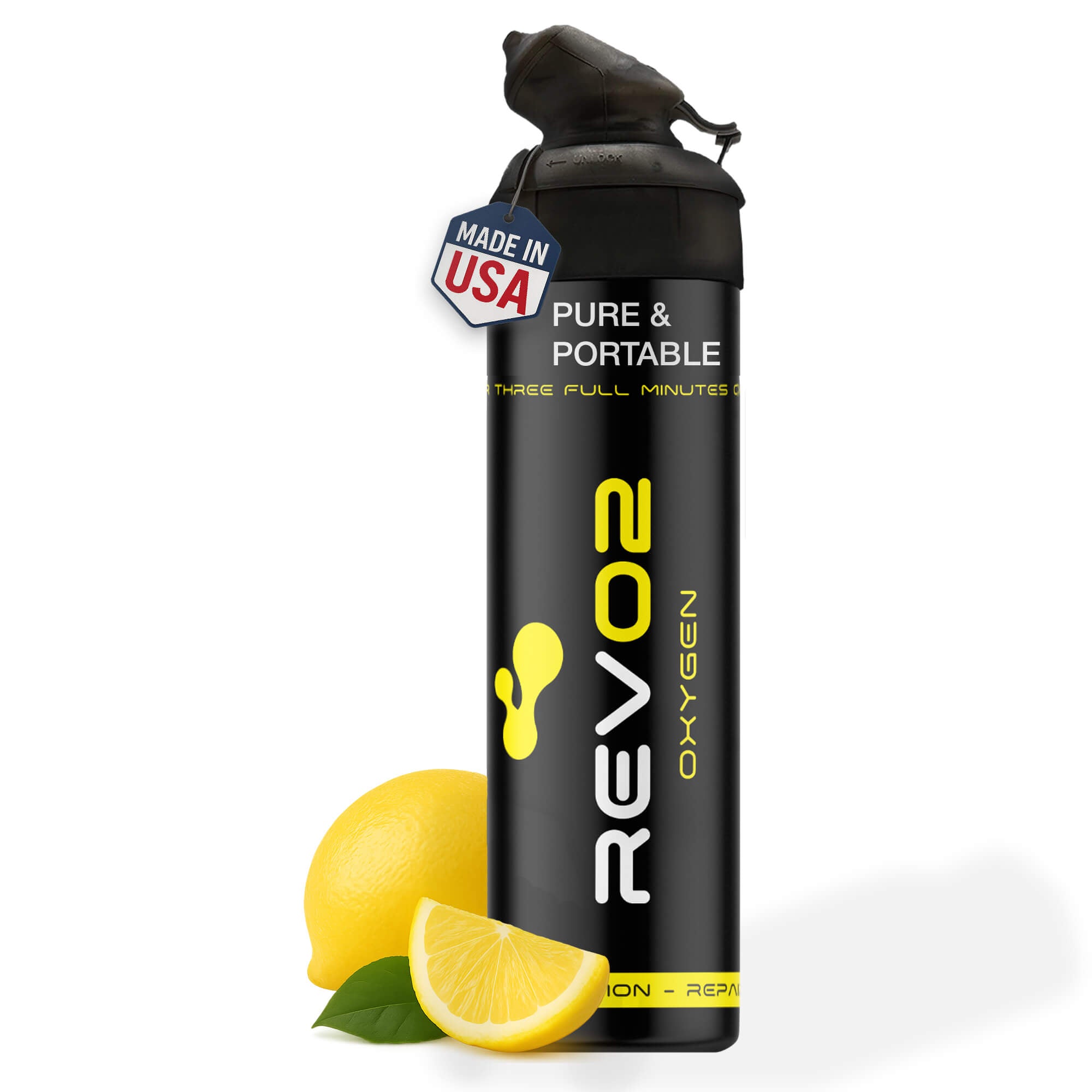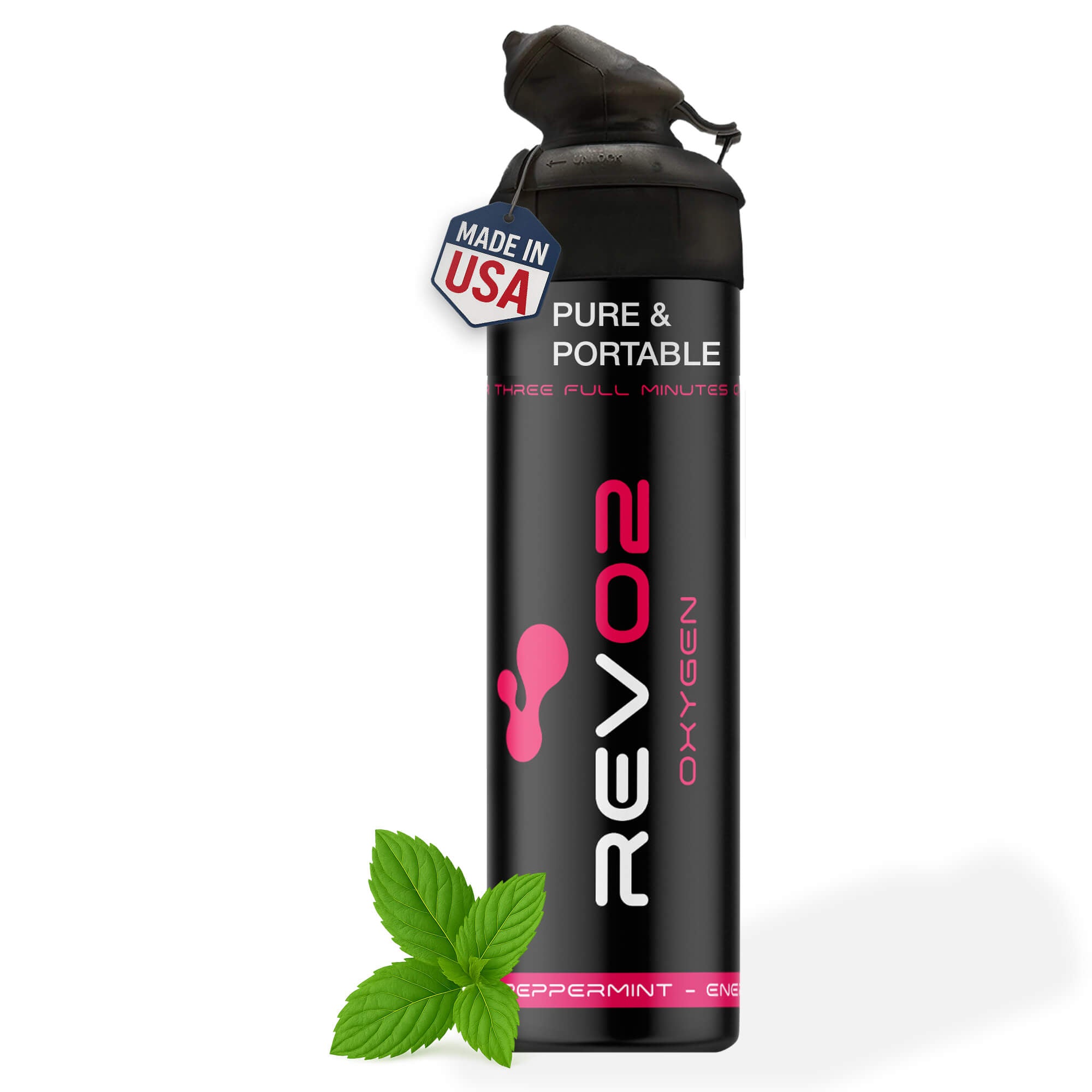

Most consumer oxygen cans hold between 4 and 22 ounces, with smaller handheld versions delivering up to about 5 liters of oxygen. That’s enough for a short burst of relief or a quick energy lift, not sustained therapy, and the cans themselves are barred from carry-on and checked baggage on commercial flights, so travel plans need a workaround.
TL;DR:
- Ounce labels describe container size, not usable oxygen; compare the listed liter count or breath estimate, since fills and pressure vary by brand.
- A small can suits one quick round, while medium cans or two small ones cover longer events; carry an extra for all day outings.
- Cans typically hold no more than 5 liters, while altitude illness treatment requires 1 to 2 liters per minute continuously, alongside descent or medical care.
- Passengers who need medical oxygen should contact their airline directly or arrange a portable oxygen concentrator that the FAA approves, since medical travel follows separate rules.
Table of Contents
- 1. Common retail sizes and how ounces convert to liters
- 2. How liters per can translate to real breaths and short-term relief
- 3. Which can size fits your activity, from quick breaks to altitude days
- 4. Safety rules and flight restrictions you need to know before you fly
- 5. Reading can labels and storing oxygen safely
- 6. What size actually makes sense once you’re using it
- 7. Where to find the right REV/O2 size and pack for you
- FAQ
- Sources
1. Common retail sizes and how ounces convert to liters
Shopping for canned oxygen means decoding two different measurement systems at once. Some brands list volume in ounces, the way you’d read a spray can or a bottle of soda. Others state liters, inhalations, or “breaths,” which describes how much usable oxygen you actually get rather than the physical size of the container.
A review of public comments and market data found that over-the-counter canned oxygen is sold in a range running from about 1 to 12 liters, matching a retail ounce range of roughly 4 to 22 ounces depending on the brand and can design. Converting between the two isn’t exact, since liters depend on how concentrated the fill is and how the can is pressurized, but a rough grouping helps when you’re comparing options:
- Small cans (about 4 to 6 ounces): typically deliver a few liters, suited to single rounds of quick relief.
- Medium cans (about 8 to 12 ounces): fall in the middle range, often marketed for recovery sessions or half-day outings.
- Large cans (about 16 to 22 ounces): sit at the top of the retail range, though CDC guidance notes that even handheld cans generally max out around 5 liters of actual oxygen content.
Because labeling isn’t standardized across brands, the ounce figure on the outside of a can tells you about container size, not necessarily how much oxygen you’ll breathe in. Checking the liter count printed on the can, when available, gives you a clearer sense of what you’re actually buying. Our portable oxygen can guide walks through label terminology in more depth if you want a closer look before choosing a size.
2. How liters per can translate to real breaths and short-term relief
A liter count on a label means little without context. At rest, a healthy adult inhales roughly 5 to 8 liters of air per minute, which puts a 5 liter can’s total oxygen content into perspective: it’s a brief supplement, not a continuous supply.
- The number of inhales in a round depends on the product’s instructions.
- A 5 liter can might support several short rounds before it’s empty, depending on inhale depth and how the valve is used.
- Clinically meaningful oxygen therapy works differently, delivering a continuous flow of about 1 to 2 liters per minute over an extended period, the kind of sustained delivery CDC guidance says is necessary for treating altitude illness.
That gap explains why a canned oxygen session feels like a quick lift rather than a lasting physiological shift. For guidance on using a can, our dosage guidance page breaks down usage patterns for everyday situations.
3. Which can size fits your activity, from quick breaks to altitude days
Matching can size to activity saves you from either running out mid-session or carrying more weight than you need.
- Quick energy or focus boosts: a small can covers a single round during a work break, a study session, or a pre-event moment, and its lightweight makes it easy to toss in a bag.
- Post-workout recovery or multi-hour events: a medium can, or a couple of small cans carried together, covers more rounds across a longer stretch without adding much bulk.
- Brief altitude symptom support: even a large recreational can only offers temporary relief. It won’t replace descent or continuous medical oxygen for serious symptoms, so hikers and travelers headed to elevation should plan their itinerary with that limit in mind.
Pro Tip: Pack one more can than you think you’ll need for all-day events. Cans are light, and running out mid-afternoon is more disruptive than carrying a spare.
Athletes and hikers comparing options by activity type may find our supplemental oxygen overview useful for matching can count to trip length.
4. Safety rules and flight restrictions you need to know before you fly
Canned oxygen is easy to buy and carry around town, but air travel is where the rules tighten. The FAA’s PackSafe guidance classifies compressed oxygen, including recreational and flavored cans, as a hazardous material, and it’s flatly prohibited in both carry-on and checked baggage on commercial flights.
- No exceptions for recreational cans: airport kiosks may sell them, but that doesn’t mean they’re cleared for the cabin or the hold.
- Medical oxygen follows a separate process: according to TSA guidance, passengers who need oxygen for medical reasons should coordinate directly with their airline or travel with an FAA-approved portable oxygen concentrator (POC), since compressed cylinders aren’t permitted in the cabin either.
- Handheld cans aren’t a substitute for treatment: CDC guidance states that handheld canned oxygen typically holds no more than 5 liters, which falls well short of the sustained 1 to 2 liter per minute flow needed to manage established altitude illness.
If symptoms like persistent shortness of breath, confusion, or chest tightness show up at elevation, canned oxygen isn’t the answer. Those situations call for medical attention, not a few extra inhales. Our full breakdown of flying with oxygen covers what to do if you’re traveling with cans or need airline-arranged oxygen service, and if you’re shipping cans rather than flying with them, our shipping guidance explains the ground-only restrictions that apply.
5. Reading can labels and storing oxygen safely
Before you buy, a few label details tell you what you’re actually getting:
- Purity percentage, when listed, tells you the concentration of oxygen versus other gases.
- Liters per can or estimated breath count, which gives a truer sense of usable volume than the ounce figure alone.
- Inhalation guidance, which explains how to use the product as designed.
Store cans in a cool, dry spot, away from heat sources or anything that could puncture the canister, and follow the shelf-life window printed by the manufacturer. Canned oxygen is a short-term aid, never a tool for emergency respiratory failure. Breathing difficulty, a sudden drop in oxygen saturation, or severe altitude symptoms call for medical care, not a can. For a side-by-side look at what separates recreational products from prescription equipment, our recreational versus medical oxygen checklist lays out the distinctions clearly.
6. What size actually makes sense once you’re using it

Size charts only tell half the story. A day hike usually calls for one small can tucked in a side pocket, enough for a round at the summit without adding weight you’ll notice on the trail. Competition day may call for cans spaced across warmup, the event, and recovery, since the goal is consistency across short sessions rather than one big dose. Travel days are different again: pack for your destination after you land, since cans can’t fly with you in carry-on or checked bags.
The can size matters less than how cleanly you can use what’s inside it. That efficiency is worth factoring in alongside the ounce or liter number on the label. Whatever size you choose, the flight restrictions and medical limits covered above still apply.
— Paul
7. Where to find the right REV/O2 size and pack for you
Choosing a can size is easier once you know what you’re using it for, and we’ve built our lineup around that. We sell canned oxygen across three flavor lines, each marketed for a different goal: Peppermint Oxygen for energy and endurance, Lemon Oxygen for recovery and immunity, and Eucalyptus Oxygen for focus and relaxation. Each is available as a single can or as part of a multi-pack for longer outings.
Before you order, keep the can liter label and the travel rules above in mind so your purchase actually fits your plans. A few things to check on our end:
- Look at multi-pack options if you’re planning a multi-day trip or a longer event.
- Review our usage guide for dosage and safety basics before your first can arrives.
If you travel often for performance or want to protect your voice on flight days, pairing good breathing habits with the right gear matters. Our partners at TMRG Solutions cover flight-day voice care for travelers and performers managing respiratory comfort in the air.
Visit our full product lineup to find the size and flavor that fits your next hike, event, or travel day.
FAQ
What size oxygen can should I buy for hiking?
A small can may be convenient to carry on a hike. Check the product label for its size and contents, and remember that recreational canned oxygen is not a substitute for medical treatment for altitude-related symptoms.
Can I bring canned oxygen on a plane?
No. The FAA’s PackSafe rules classify compressed oxygen, including recreational and flavored cans, as hazardous material that’s prohibited in both carry-on and checked baggage on commercial flights. Passengers who need oxygen for medical reasons should contact their airline or use an FAA-approved portable oxygen concentrator instead.
How many liters of oxygen are in a typical can?
Most handheld consumer cans hold no more than about 5 liters of oxygen, though a broader market review found sizes across the category ranging from roughly 1 to 12 liters. That range is enough for a few short rounds, not continuous breathing support.
Can canned oxygen treat altitude sickness?
No. CDC guidance notes that handheld canned oxygen lacks the sustained flow, typically 1 to 2 liters per minute, needed to treat established altitude illness. Descent and medical care remain the appropriate response to serious symptoms.
What’s the difference between REV/O2’s can sizes?
Our cans come in single-can and multi-pack formats across Peppermint, Lemon, and Eucalyptus lines. Check our product pages for product details. Check our product pages for product details.
Sources
- High-Altitude Travel and Altitude Illness | CDC Yellow Book™
- PackSafe - Oxygen (compressed or liquid) | Federal Aviation Administration
- Medical Use of Over-the-Counter Canned Oxygen: A Review of Public Comments