
Supplemental oxygen therapies deliver real, measurable benefits for post-workout recovery: faster muscle oxygen replenishment, reduced soreness, lower inflammation markers, and improved sleep quality after intense training. The two most studied modalities are Hyperbaric Oxygen Therapy (HBOT), which exposes the body to pressurized pure oxygen in a clinical chamber, and Mild Hyperbaric Oxygen Therapy (MHOT), a more accessible version using lower pressure. Research shows both can influence key recovery markers, though the benefits depend heavily on timing, exercise intensity, and individual physiology.
Here is what the evidence points to as the primary benefits of oxygen post-workout recovery:
- Faster restoration of muscle oxygen saturation (SmO2) after exertion
- Reduced blood lactic acid and creatine kinase (CK) levels, both markers of muscle stress
- Improved subjective sleep quality following repeated therapy sessions
- Enhanced microcirculatory blood flow, supporting nutrient delivery to fatigued tissue
- Mitigation of exercise-induced inflammation through reduced metabolic waste accumulation
How oxygen drives the post-exercise recovery process
Your muscles do not stop working when you finish your last rep. The body enters a phase called Excess Post-exercise Oxygen Consumption, or EPOC, during which oxygen demand stays elevated to power the repair processes your workout triggered. EPOC drives an increase in calorie burning post-workout, fueled entirely by aerobic metabolism.
Three core processes depend directly on available oxygen during this window. First, ATP resynthesis: your cells rebuild their primary energy currency using oxygen-dependent pathways in the mitochondria. Second, muscle glycogen restoration: converting lactate back to glucose requires oxygen at every enzymatic step. Third, micro-tear repair: the inflammatory cascade that rebuilds muscle fibers runs on aerobic metabolism, meaning oxygen availability directly influences how quickly that repair completes.
Post-exercise, oxygen-dependent repair also includes cooling core body temperature and clearing metabolic byproducts like blood urea and lactic acid. Higher-intensity workouts, particularly HIIT and heavy resistance training, produce a stronger EPOC effect than steady-state cardio, which means the oxygen demand during recovery is proportionally greater. For athletes training at that intensity, the gap between adequate and inadequate oxygen availability during recovery is not trivial.
| Recovery Process | Oxygen’s Role | Measurable Marker |
|---|---|---|
| ATP resynthesis | Powers mitochondrial energy production | Restored energy output |
| Lactate clearance | Converts lactate back to glucose | Blood lactic acid (BLA) |
| Muscle glycogen restoration | Fuels enzymatic conversion pathways | Glycogen levels |
| Micro-tear repair | Supports inflammatory repair cascade | CK and LDH levels |
| Core temperature regulation | Drives thermoregulatory metabolism | Heart rate recovery |
What types of oxygen therapy do athletes actually use?
Not all supplemental oxygen is the same. The three main approaches differ in pressure, concentration, and how accessible they are for most athletes.
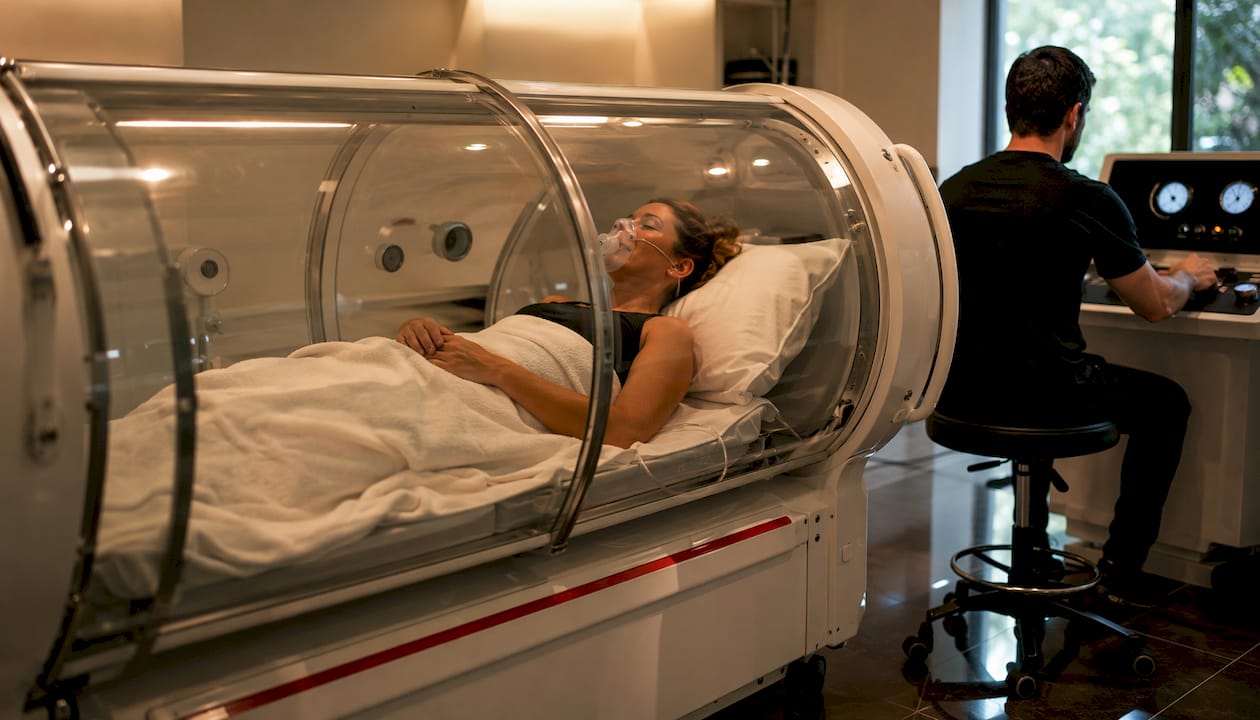
Hyperbaric Oxygen Therapy (HBOT) takes place inside a pressurized chamber where you breathe near-pure oxygen at pressures above normal atmospheric levels. This forces oxygen into plasma and tissues beyond what breathing at sea level achieves. Sessions typically run over an hour in a clinical setting, and access requires a licensed facility. HBOT is the most studied modality for recovery, though its benefits for healthy athletes remain debated.
Mild Hyperbaric Oxygen Therapy (MHOT) uses lower pressure than clinical HBOT, making it more accessible through wellness centers and some sports facilities. The oxygen concentration is still elevated, and the pressure is sufficient to enhance tissue oxygenation without the clinical overhead. Repeated MHOT sessions have shown improvements in subjective sleep quality and post-exercise muscle oxygen content, specifically oxygenated hemoglobin (O2Hb) and total hemoglobin levels, in male athletes.
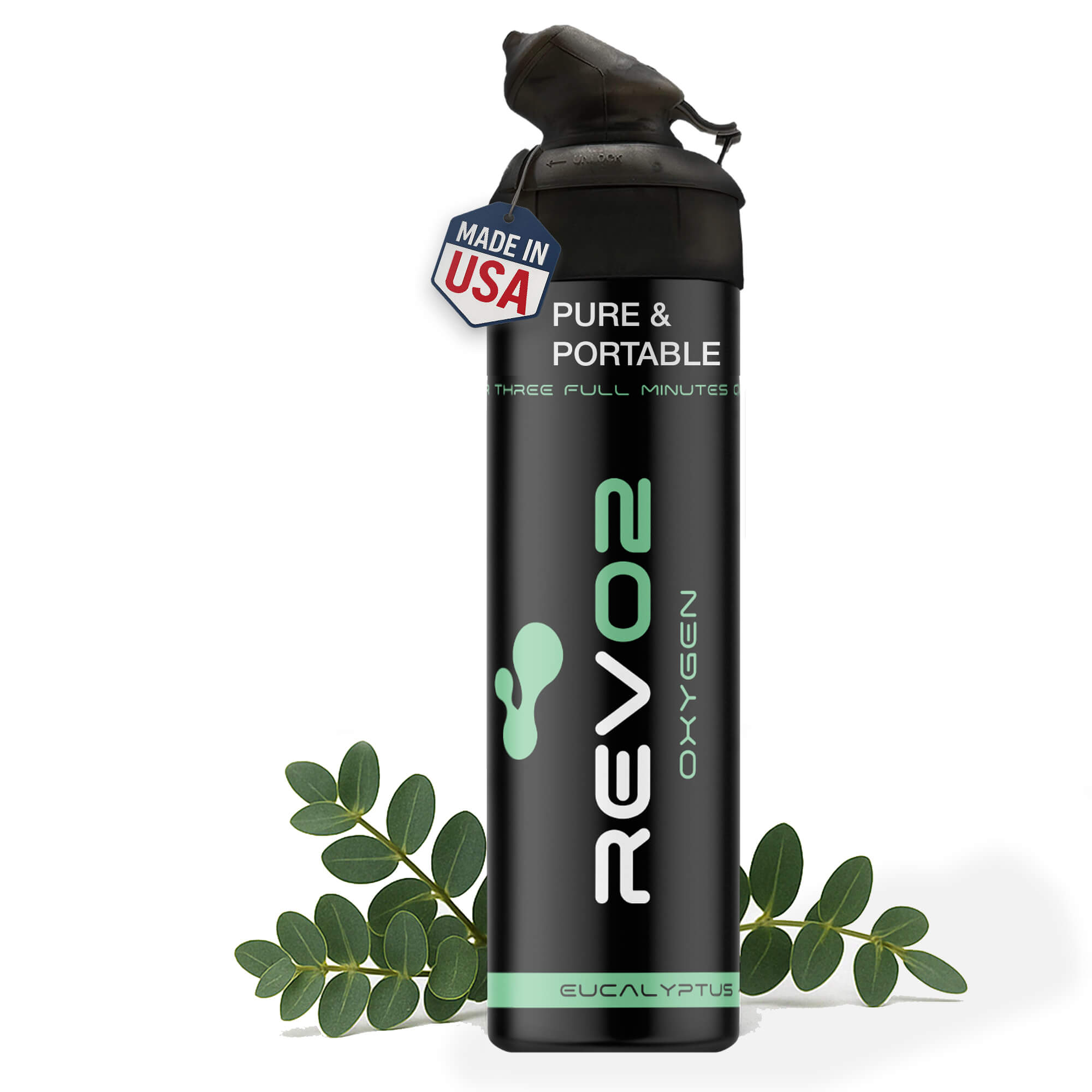
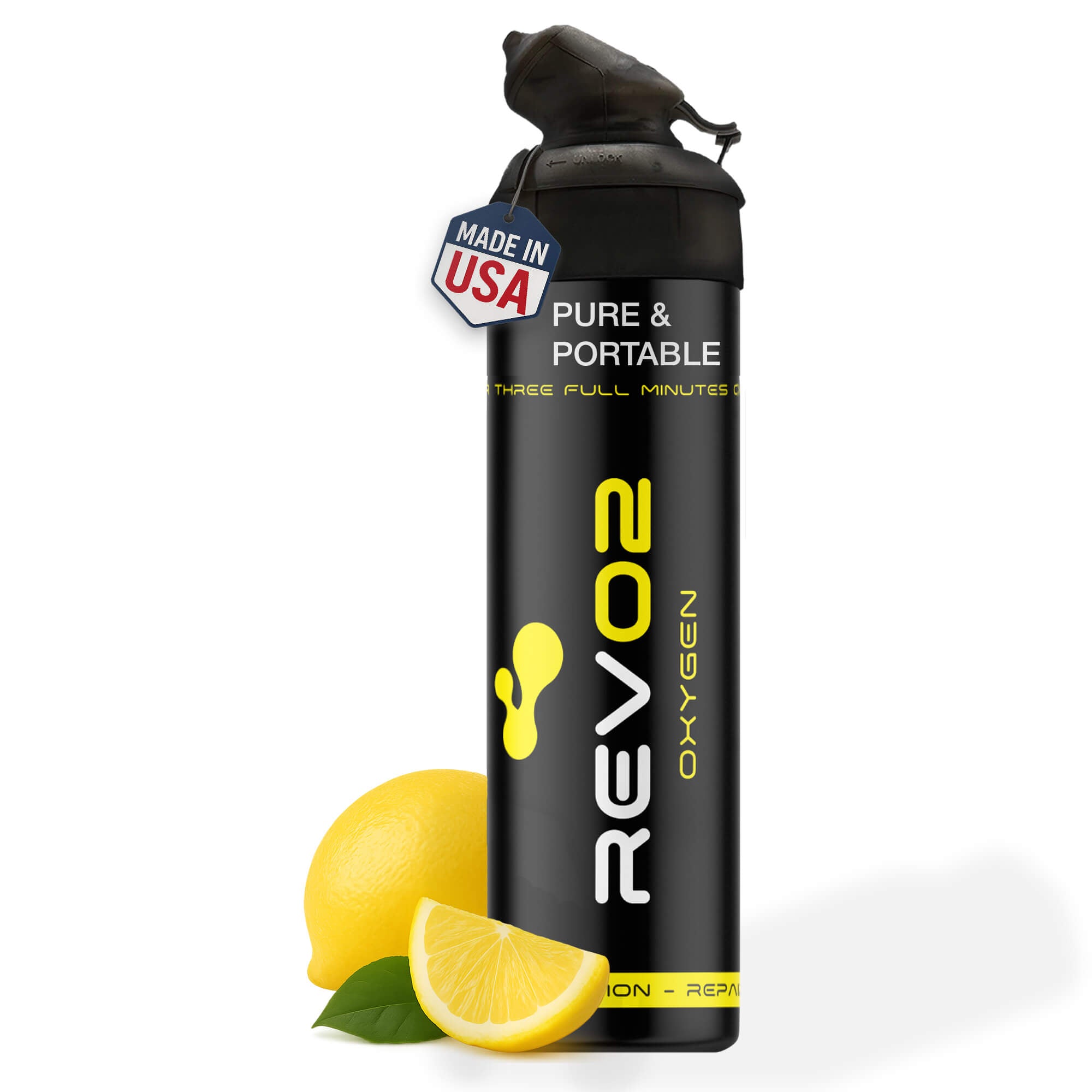
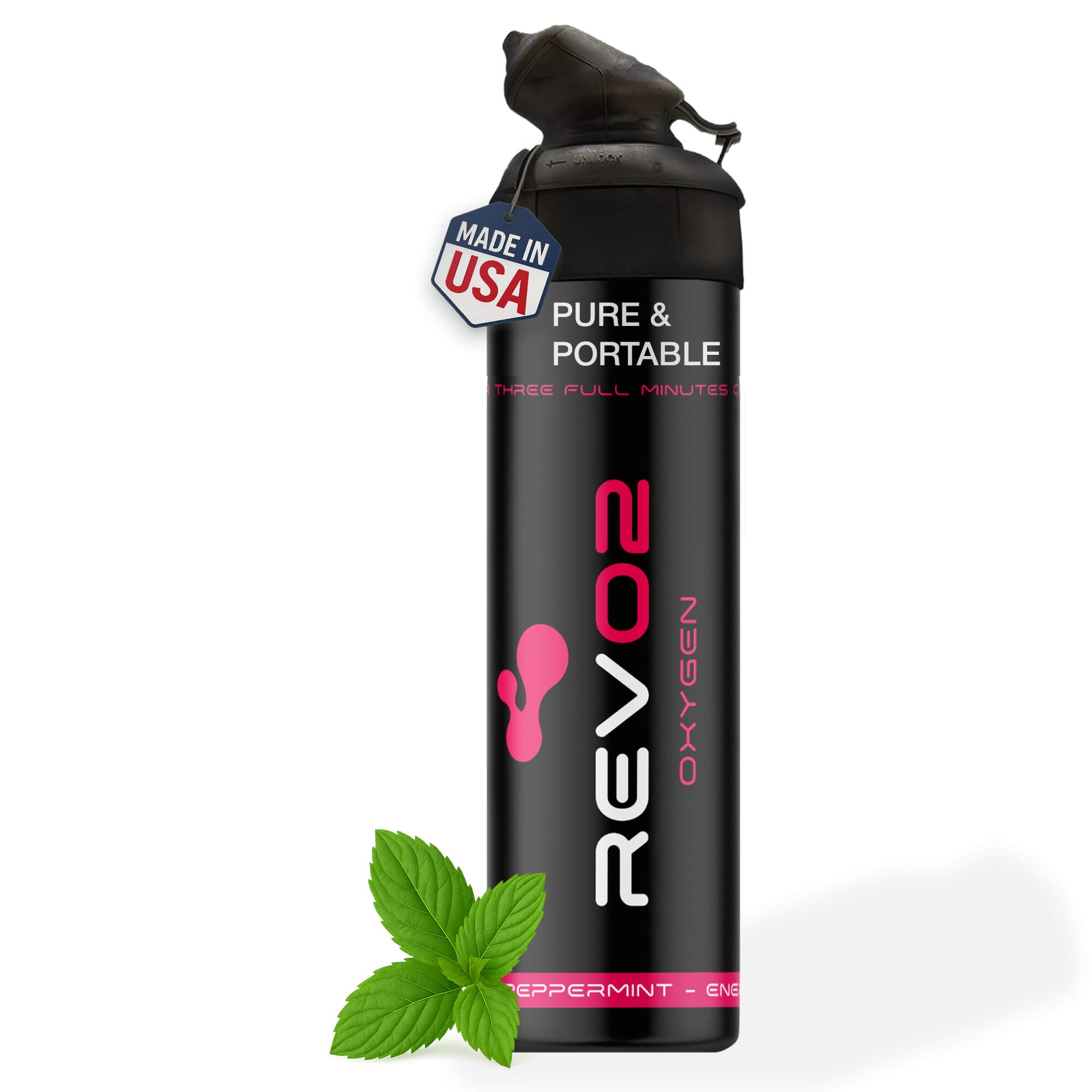
Normobaric supplemental oxygen is breathing oxygen-enriched air at normal atmospheric pressure. This is the most accessible form, available through portable canisters like those Revo2 produces. A controlled study found that normobaric oxygen inhalation for 30 minutes after exercise significantly improved muscle oxygen saturation, accelerated heart rate recovery, and reduced blood lactic acid and CK levels compared to natural recovery alone.
| Therapy Type | Pressure | Typical Session | Accessibility | Primary Benefit |
|---|---|---|---|---|
| HBOT | High (above 1 atm) | 60+ min, clinical chamber | Low (licensed facility) | Tissue oxygen saturation, CK/LDH reduction |
| MHOT | Mild (slightly above 1 atm) | 30 min, wellness center | Moderate | Sleep quality, muscle O2Hb |
| Normobaric oxygen | Normal (1 atm) | 30 min, portable | High (canisters, home use) | Lactic acid clearance, SmO2 restoration |
Key considerations when choosing a therapy type:
- HBOT suits athletes with access to clinical facilities and those recovering from significant muscle damage after competition
- MHOT fits athletes who train regularly and want a repeatable, accessible protocol with documented sleep and oxygenation benefits
- Normobaric oxygen works well immediately post-exercise for lactic acid clearance and microcirculation support, with no special equipment needed
What does the science actually say about oxygen therapy for recovery?
The research picture is more nuanced than most recovery guides suggest. A 2020 pilot study found that HBOT during recovery reduced serum CK and lactate dehydrogenase (LDH) levels compared to a control group, both recognized markers of exercise-induced muscle damage. That is a meaningful signal for athletes dealing with high training loads.
However, a systematic review published in Frontiers in Physiology complicated that picture. The meta-analysis found no statistically significant effect of pre- or post-exercise HBOT on performance or recovery markers overall. The exception was intra-exercise HBOT, which showed some promise for improving muscle endurance. The same review noted that participants’ trained status and exercise intensity likely influenced why some studies found benefits and others did not.
The MHOT data is more consistent for specific outcomes. Repeated sessions improved subjective sleep quality and boosted muscle oxygen kinetics, though they did not change anaerobic capacity as measured by the Wingate test. That tells you something useful: oxygen therapy tends to support aerobic recovery processes rather than raw power output.
Normobaric oxygen has its own evidence base. The controlled study on 30-minute post-exercise inhalation showed clear improvements in microcirculatory blood flow, SmO2, heart rate, and lactic acid clearance. That study used a 3,000-meter treadmill run as the exercise stimulus, which is a realistic analog for endurance athletes.
Key findings from the research, ranked by consistency of evidence:
- Normobaric oxygen (30 min post-exercise) reliably improves SmO2, lactic acid clearance, and heart rate recovery
- MHOT repeated sessions improve sleep quality and muscle O2Hb in trained male athletes
- HBOT reduces CK and LDH in some pilot studies, though meta-analysis results are mixed
- Intra-exercise HBOT shows more promise for endurance than post-exercise application
- No therapy type has demonstrated consistent improvement in anaerobic power output
| Study Type | Therapy | Key Finding | Limitation |
|---|---|---|---|
| Controlled trial | Normobaric oxygen | Improved SmO2, reduced BLA and CK at 30 min | Single exercise type (3,000 m run) |
| Pilot study (2020) | HBOT | Reduced CK and LDH post-recovery | Small sample, pilot design |
| Meta-analysis | HBOT | No significant effect pre/post exercise | Heterogeneous study populations |
| Repeated sessions trial | MHOT | Improved sleep quality and muscle O2Hb | No change in Wingate anaerobic capacity |
Risks, contraindications, and realistic expectations
Oxygen therapy is not without risk, and the medical community is clear on this point. The Merck Manual and the American Lung Association both caution that supplemental oxygen is primarily therapeutic for patients with clinically low oxygen levels, a condition called hypoxemia. In healthy athletes with normal oxygen saturation, overexposure carries real downsides.
Supplemental oxygen is a targeted treatment for hypoxemia, not a universal performance enhancer. Careful dosing and timing optimize recovery benefits without undue risk. Overexposure in healthy individuals can cause lung tissue damage, making protocol precision non-optional for athletes who use oxygen therapy regularly.
Specific risks and contraindications athletes should know:
- Oxygen toxicity: Prolonged exposure to high-concentration oxygen, particularly under pressure, can damage lung tissue and, in extreme cases, cause central nervous system effects
- Contraindications for HBOT: Untreated pneumothorax, certain ear or sinus conditions, and some medications that interact with high-pressure oxygen environments
- Cost and access barriers: Clinical HBOT sessions can run several hundred dollars each without insurance coverage, limiting regular use for most athletes
- No benefit without need: In athletes with normal SpO2 (oxygen saturation), supplemental oxygen at normal pressure may produce modest benefits at best, and the research supports this caveat
- Timing dependency: Intra-exercise oxygen shows more consistent endurance benefits than post-exercise use alone, so protocol timing matters as much as the therapy itself
The practical takeaway is that normobaric supplemental oxygen, used in short, controlled sessions immediately post-exercise, carries the lowest risk profile and the most accessible evidence base. HBOT and MHOT require professional guidance, particularly for athletes with any underlying respiratory or cardiovascular conditions.
Practical protocols and the latest research insights for 2026
The most actionable finding from recent research is that timing is the variable most athletes get wrong. Studies on HBOT timing consistently show that intra-exercise application outperforms post-exercise use for endurance outcomes. For post-exercise recovery specifically, the window immediately after training, within the first 30 minutes, appears to be when supplemental oxygen has the greatest impact on lactic acid clearance and microcirculation.
For normobaric oxygen, the protocol with the strongest evidence is straightforward: 30 minutes of inhalation beginning immediately after exercise. The controlled trial on this protocol showed measurable improvements in muscle oxygen saturation and lactic acid levels within that window. Athletes using portable oxygen canisters, like those from Revo2, can apply this protocol without any clinical setup.

Pro Tip: If you train at high intensity, use supplemental oxygen within the first 15 minutes post-exercise when EPOC and lactic acid levels peak. That is the window where oxygen availability has the most direct impact on metabolic clearance.
For MHOT, the evidence supports repeated sessions rather than single use. The sleep quality and muscle oxygenation benefits observed in the research emerged from a multi-session protocol, suggesting that consistency matters more than any single session’s duration. Athletes integrating MHOT into a weekly recovery plan, rather than using it only after the hardest training days, are more likely to see cumulative benefits.
Training intensity also shapes how much any oxygen therapy can do. HIIT and heavy resistance training generate a stronger EPOC effect and greater oxidative stress than moderate-intensity work, which means the recovery oxygen demand is higher and the potential benefit of supplemental oxygen is proportionally greater. Athletes whose training is primarily aerobic at moderate intensity may see less dramatic effects. Tailoring your recovery protocol to your actual training load is the difference between a therapy that works and one that just costs money.
Key Takeaways
Supplemental oxygen therapy, when timed correctly and matched to training intensity, offers measurable recovery benefits for athletes, particularly through normobaric inhalation and repeated MHOT sessions.
| Point | Details |
|---|---|
| Timing is critical | Post-exercise oxygen works best within the first 30 minutes, when EPOC and lactic acid levels are highest. |
| Normobaric oxygen has strong evidence | A 30-minute inhalation session after exercise improved SmO2, heart rate recovery, and lactic acid clearance in a controlled trial. |
| MHOT benefits sleep and muscle oxygenation | Repeated MHOT sessions improved subjective sleep quality and O2Hb levels in trained athletes, though anaerobic capacity was unchanged. |
| HBOT results are mixed | Pilot studies show CK and LDH reductions, but meta-analysis found no consistent benefit from pre- or post-exercise HBOT. |
| Healthy athletes face real risks from overuse | Excess oxygen exposure can damage lung tissue; supplemental oxygen is most appropriate when hypoxemia is present or exercise intensity is very high. |
Revo2 makes post-workout oxygen accessible
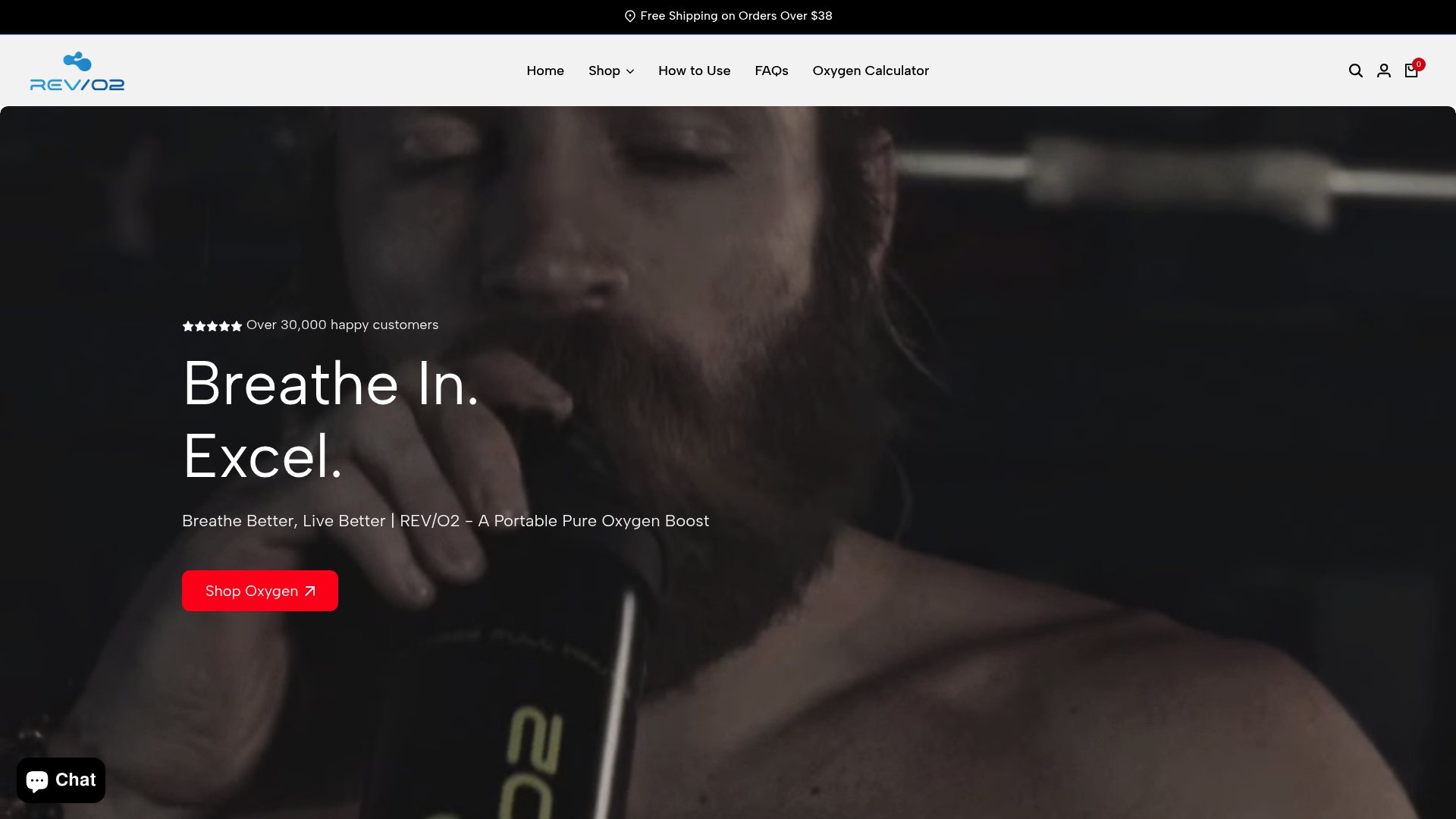
Most athletes do not have a hyperbaric chamber in their gym bag. Revo2’s 98% pure canned oxygen is designed for exactly the recovery window the research identifies: the 15–30 minutes immediately after intense training when your body’s oxygen demand is highest and lactic acid clearance is most active. The zero-leak mouthpiece means every breath counts, with no waste from a mask that does not seal properly.
Whether you are finishing a HIIT session, a long run, or a heavy lifting block, Revo2 gives you a portable, practical way to support your body’s aerobic recovery processes right when they need it most. Explore the full range at revo2.com and find the format that fits your training routine.