
Canned oxygen can give shift workers a brief, usable lift in alertness or a sense of faster recovery when used at the right moment, though the effect is short and subjective rather than a lasting physiological fix. We built REV/O2 with this kind of timed, practical use in mind: a few inhales during a break or right before the drive home, not a substitute for sleep or medical care.
TL;DR:
- Use one to three inhales at the start of a break or recovery window, then wait 5 to 15 minutes before deciding whether to repeat.
- Evidence is strongest for precisely timed exposure: a swimming trial using 98% oxygen at recovery onset improved later sprint performance and reduced perceived exertion.
- For healthy adults, brief puffs are unlikely to cause a meaningful physiological change, and any perceived clarity or fatigue relief may fade within minutes.
- People with diagnosed lung conditions should consult a clinician; canned oxygen cannot replace prescribed therapy or delay care for chest pain or severe breathlessness.
- FAA rules prohibit canned oxygen in both carry on and checked luggage on commercial flights, so travelers need another alertness strategy.
Table of Contents
- How canned oxygen affects alertness and recovery
- What the research says about short oxygen exposures
- A simple routine for testing canned oxygen on a night shift
- Staying safe: limits, travel rules, and when to see a doctor
- What to look for when choosing a canned oxygen product
- Running your own two-week trial
- Try REV/O2 for your next shift
- FAQ
- Sources
How canned oxygen affects alertness and recovery
When you breathe in air that is richer in oxygen than the roughly 21% found in a normal room, more oxygen dissolves into your blood plasma for a short window. That small rise can ease the sensation of heavy, tired muscles and nudge your perceived alertness upward, especially if you already feel foggy from hours on a night shift.
The catch is dose and duration. A couple of quick inhales from a can delivers a much smaller change than breathing concentrated oxygen continuously for several minutes, which is what most of the research protocols actually test. Experts at the University of Colorado Anschutz have noted that single short puffs are unlikely to raise blood oxygen levels enough to produce a meaningful physiological change in someone who is already healthy, and that much of the benefit people report may be subjective.
Shift workers who try it typically describe:
- A brief sense of mental clarity, as if a mental fog has lifted for a few minutes.
- A short-lived feeling of reduced fatigue in the arms, legs, or eyes.
- A small mood or alertness lift that fades within minutes.
None of that makes canned oxygen a cure for exhaustion. It is a short, situational tool, and it works best when you treat it that way.
What the research says about short oxygen exposures
The strongest evidence for a measurable benefit comes from studies that time oxygen use to the start of a recovery window rather than sprinkling it through a shift. A randomized, placebo-controlled trial on trained swimmers found that a brief inhalation of 98% oxygen at the onset of recovery improved subsequent sprint performance and lowered perceived exertion compared with placebo, and REV/O2 cans with a standardized mouthpiece were among the devices used in that applied research setting.
A brief inhalation of 98% oxygen at the start of a recovery period was associated with faster subsequent 50-yard swim times and lower post-exercise effort ratings, according to that trial.
Separately, a systematic review of hyperbaric and normobaric oxygen therapy found that sustained oxygen exposure after exercise, typically around 30 minutes rather than a few seconds, can speed up recovery markers such as heart-rate normalization and lactate clearance in some controlled trials.
Where the evidence runs thin:
- Most positive results come from sustained or precisely timed exposures, not casual single puffs.
- Healthy adults in ordinary settings are not the population most trials study.
- Clinicians caution that any benefit from a brief can inhale is likely small and may partly reflect expectation rather than a measurable change in oxygen saturation.
The honest takeaway is that timing matters more than frequency. A few seconds of oxygen right as a recovery window opens looks more promising than random puffs spread across a 12-hour shift.
A simple routine for testing canned oxygen on a night shift
If you want to see whether canned oxygen helps you personally, treat it like a small experiment rather than a guaranteed fix. We’ve also laid out a fuller night shift energy plan with hour-by-hour tactics if you want more detail than the quick version below.
- Use it at the start of a scheduled break, right after a physically or mentally demanding task, or just before a short drive home when you need extra alertness.
- Take one to three inhales per round, following the recommended dosage guidance, then wait and notice how you feel over the next 5 to 15 minutes before deciding whether to repeat.
- Cap yourself at a handful of rounds per shift so the habit stays occasional rather than constant.
- Pair it with the basics that actually move the needle over a full shift: consistent sleep hygiene, caffeine timed early rather than late in the shift, and bright light exposure during work hours.
For a 12-hour night shift, that might look like one round at your first break around hour 4, a second round after a demanding stretch around hour 8, and a final round before the drive home at hour 12. Full step-by-step mechanics, including how to get a clean seal on the mouthpiece, are covered in our guide to using canned oxygen safely.
Pro Tip: Keep a can in your bag rather than your locker so it’s actually within reach during a break, not just in theory.

Staying safe: limits, travel rules, and when to see a doctor
Canned oxygen is not a replacement for prescribed supplemental oxygen, and anyone with a diagnosed lung condition should talk to a clinician before relying on it for symptom relief. A review of public comments on over-the-counter canned oxygen found that some buyers described using it for medical-like reasons, which is exactly the kind of substitution clinicians warn against. We go deeper on this real-world pattern, including how often it shows up in reviews, in our canned oxygen safety breakdown.
A few other rules worth knowing:
- Portable oxygen cans are prohibited in carry-on and checked luggage on commercial flights under FAA hazardous materials guidance, so plan for other alertness strategies if you’re flying for work.
- Oxygen itself doesn’t burn, but it accelerates combustion, so keep cans well away from open flames, stoves, and other heat sources, as outlined in National Park Service safety guidance.
- Never use canned oxygen to delay care for chest pain, severe shortness of breath, or any symptom that feels like an emergency. Call for medical help instead.
What to look for when choosing a canned oxygen product
Not every can on the market is built the same way, and a few features genuinely affect how well the product works for someone on an irregular schedule.
- Clear, specific usage instructions and a transparent purity claim, rather than vague marketing language.
- A reliable delivery mouthpiece, ideally a zero-leak design, so you aren’t losing oxygen to room air with every inhale.
- Portability and a trigger that’s easy to operate one-handed during a short break.
- Flavor or essential-oil infusion options, since a pleasant scent makes a 2 a.m. break feel less clinical.
- On-package dosage guidance so you aren’t guessing at how many inhales make up a round.
REV/O2 cans are built around a 98% pure oxygen fill and a zero-leak mouthpiece designed to limit that kind of waste, which is the kind of proof point worth checking for in any product you consider.
Running your own two-week trial
Rather than taking anyone’s word for it, we’d suggest a two-week trial with a few simple metrics: a 1-to-10 alertness rating at key points in your shift, a rough count of small mistakes or lapses, and a perceived recovery score after breaks. Jot the numbers down alongside when you used oxygen, caffeine, or a nap, and pair the can with those other strategies rather than relying on it alone. If two weeks pass with no noticeable change, or if you notice any adverse effect, it’s reasonable to stop and adjust your approach.
— Paul
Try REV/O2 for your next shift
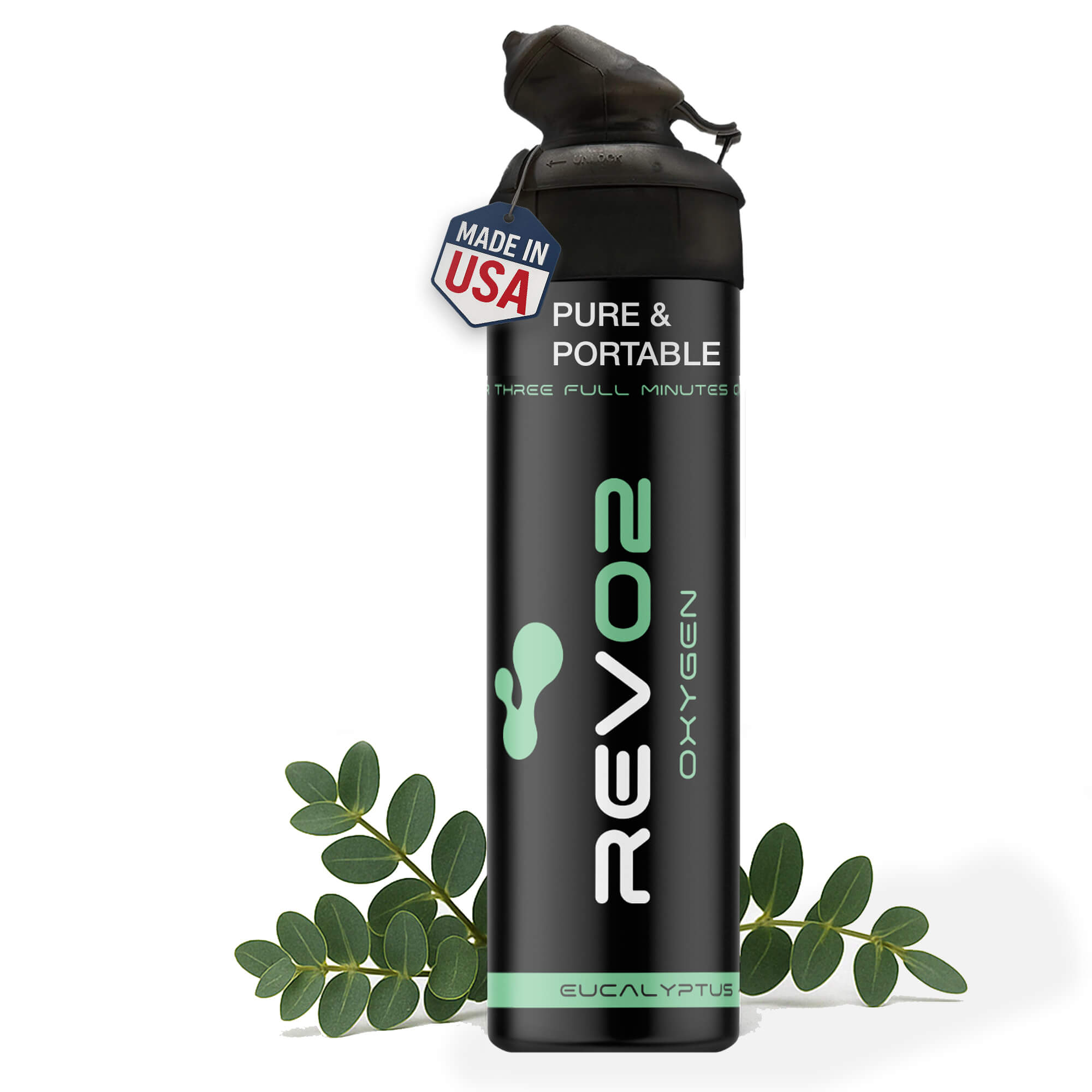
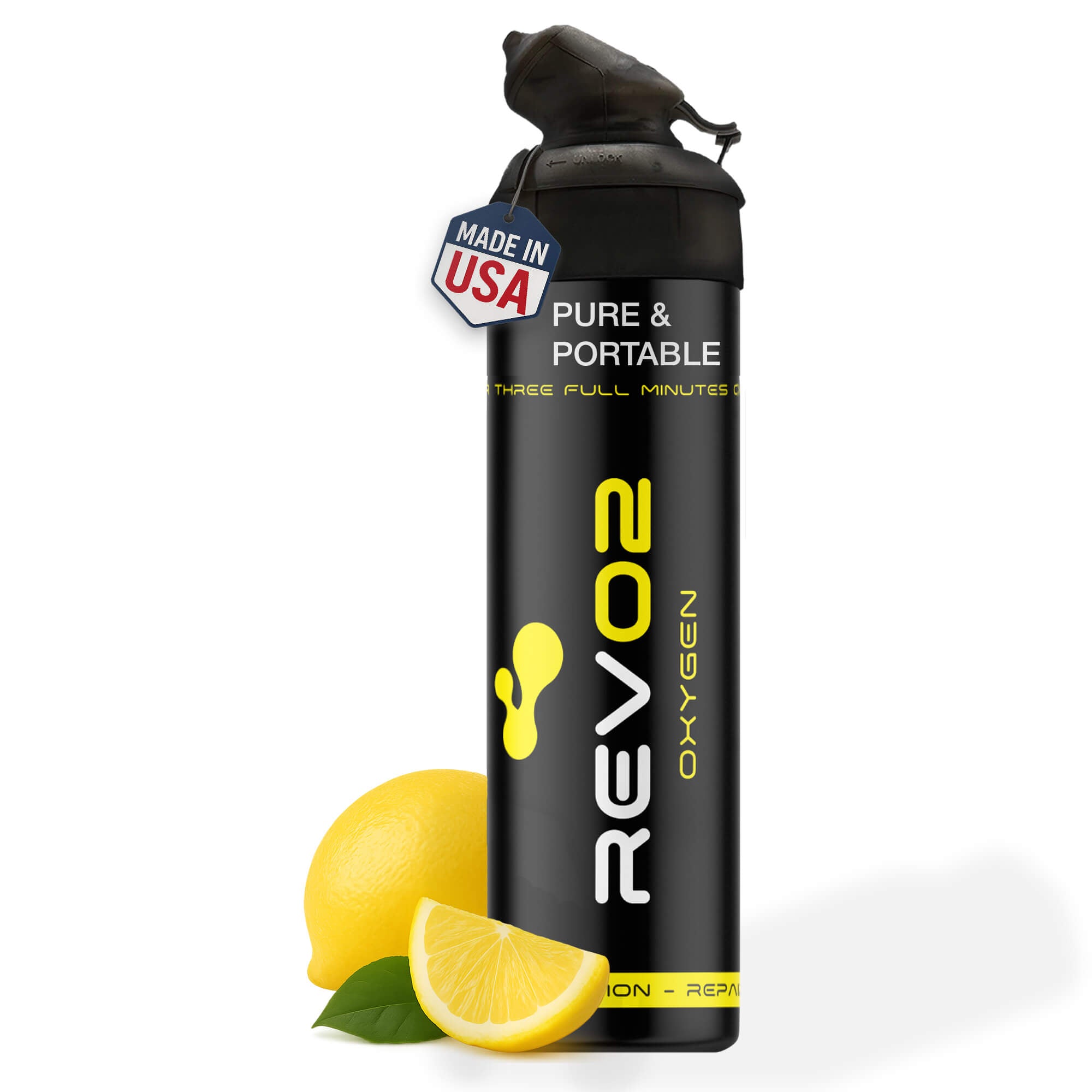
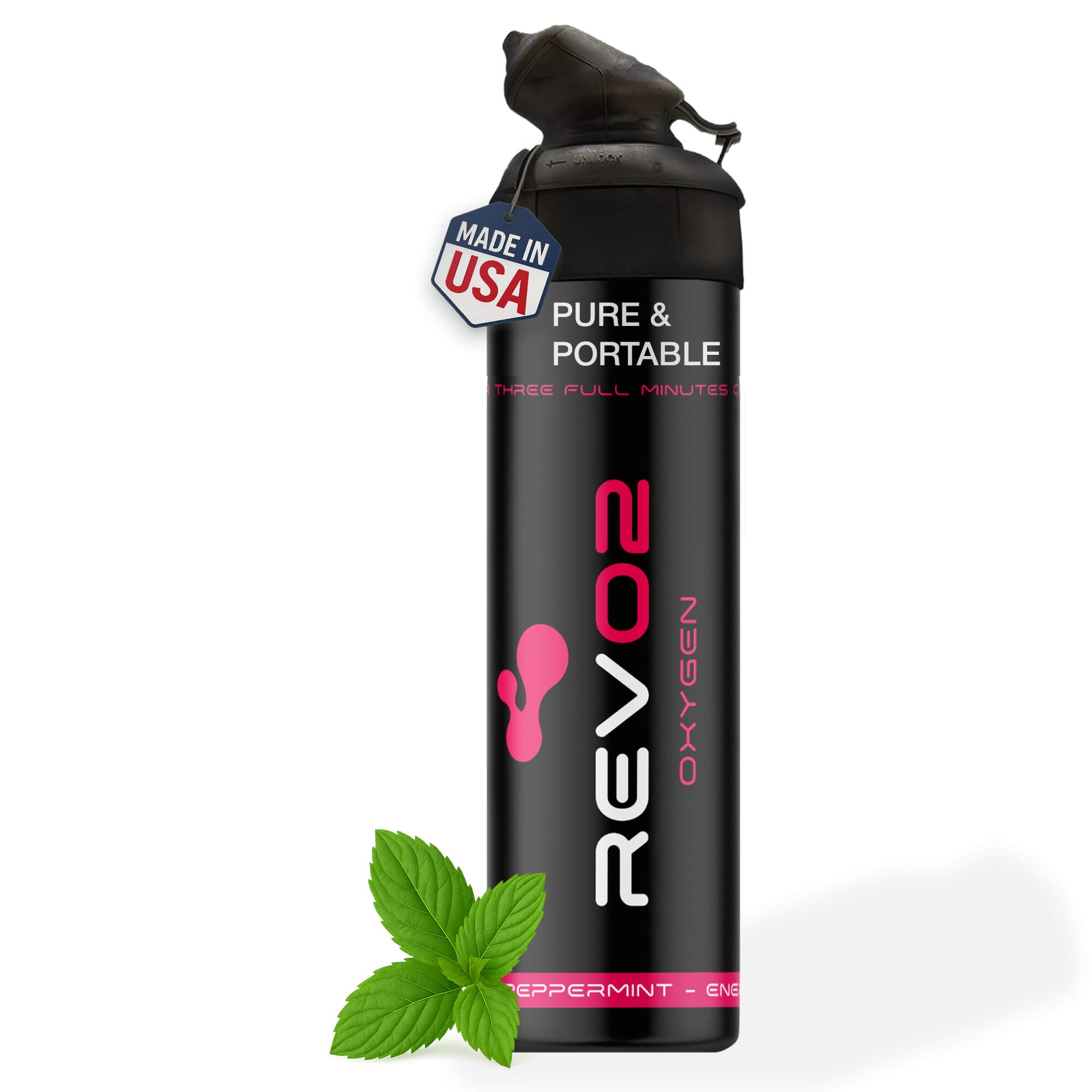
We offer three oxygen lines built for exactly this kind of situational use: Peppermint Oxygen for energy and endurance, Lemon Oxygen for recovery and immunity, and Eucalyptus Oxygen for focus and relaxation. Each can uses a zero-leak mouthpiece so nothing is wasted on a quick break. Shift workers who want to run a real trial often start with a multi-pack bundle so a can is always within reach, and pairing oxygen breaks with a short red light therapy session before sleep can support the circadian side of recovery too.
| Product line | Best for | Where to buy |
|---|---|---|
| Peppermint Oxygen — Energy & Endurance | Alertness during active work stretches | Shop peppermint |
| Lemon Oxygen - Recovery & Immunity | Post-task recovery windows | Shop lemon |
| Eucalyptus Oxygen - Focus & Relaxation | Winding down before sleep | Shop eucalyptus |
Browse the full lineup on our products page or build your own mix with a custom bundle.
FAQ
Does canned oxygen actually boost energy for shift workers?
It can produce a brief, subjective lift in alertness for some people, particularly when used right at the start of a break or recovery window, though the effect is short and not a substitute for sleep. Evidence for a measurable physiological benefit is strongest when oxygen use is timed to recovery rather than used randomly through a shift, as shown in a controlled swimming trial.
How many inhales should I take per round?
A common pattern is one to three inhales per round, followed by a 5 to 15 minute pause to notice any effect before deciding whether to repeat, based on published dosage guidance. Keeping rounds limited through a shift helps the habit stay occasional rather than constant.
Can I bring canned oxygen on a flight?
No. FAA hazardous materials rules prohibit compressed or liquid oxygen containers, including recreational cans, in both checked and carry-on luggage on commercial flights.
Is canned oxygen a substitute for prescribed oxygen therapy?
No. Canned oxygen is designed for occasional, situational use by healthy adults, not as a replacement for prescribed supplemental oxygen. A review of public comments found that some buyers used it for medical-like reasons, which clinicians caution against.
How does canned oxygen compare to caffeine or napping for fatigue?
Caffeine and short naps have a longer research history for shift-work fatigue and tend to produce more sustained effects, while canned oxygen offers a brief, situational boost best used at the start of a break. Many shift workers combine the two, using oxygen alongside careful caffeine timing and light exposure rather than relying on either alone.
Sources
- Recovery-Targeted Supplemental Oxygen Enhances Performance and Attenuates Perceived Fatigue During Subsequent High-Intensity Swimming
- Effects of Pre-, Post- and Intra-Exercise Hyperbaric Oxygen Therapy on Performance and Recovery: A Systematic Review and Meta-Analysis
- Does oxygen in a can deliver on its altitude and energy claims? — CU Anschutz news