
The fastest way to build focus without caffeine is to stack four habits: consistent sleep, short bursts of movement, steady hydration and food, and brief breathing resets. The CDC guideline calls for 150 minutes of moderate activity a week, and 10–20 minute bouts can lift attention right away. Controlled breathing and oxygen show smaller, short-lived effects in lab studies.
TL;DR:
- CDC recommends 150 minutes of moderate activity weekly; bouts lasting 11 to 20 minutes can also deliver brief gains in attention and processing speed.
- Caffeine takes 5 to 6 hours to halve, so afternoon coffee can affect bedtime and undermine the steady sleep schedule that supports focus.
- When attention drops, take a brisk 10 to 20 minute walk or pair one minute of breathing with water and a standing stretch.
- Oxygen showed small, temporary gains on demanding lab tasks, not lasting focus benefits; people with heart or lung conditions should consult a clinician first.
- For ADHD, caffeine alone does not reliably ease symptoms; exercise can support attention, while supplements remain mixed and should not replace prescribed treatment.
Table of Contents
- What can you do in the next 20 minutes to feel sharper?
- Which daily habits build focus so you need less of a boost?
- How do breathing exercises and oxygen affect focus?
- What helps focus when you have ADHD or attention differences?
- How does supplemental oxygen compare with other non-caffeine focus aids?
- How do you use canned oxygen like REV/O2 to boost focus?
- What I’ve found works in a real workday
- FAQ
- Sources
What can you do in the next 20 minutes to feel sharper?
When your attention drops mid-task, you don’t need a rebuilt lifestyle. You need a reset that takes a few minutes and costs nothing. Start with the smallest option and work up.
- Splash cool water on your face or drink a cold glass of water. The jolt is brief, but it breaks the fog long enough to restart.
- Run a 60-second paced breathing round, such as box breathing or a simple 4-4-4 count.
- Stand up and march in place briefly. Moving your legs sends more blood to the brain than sitting still does.
- Take a brisk walk of 10 to 20 minutes. Reviews of the research, including a CDC-hosted review of the 2018 guidelines, report that acute bouts of 11–20 minutes often deliver short-term gains in processing speed and attention.
- Keep naps brief, and skip them late in the day so they don’t steal from nighttime sleep.
- Reach for protein plus fiber, like yogurt and nuts, rather than a sugary snack that spikes and then crashes.
- Get bright light. Step outside or sit by a window to nudge your body clock toward alertness.
Pro Tip: Pair a 2-minute breathing reset with a glass of water and a standing stretch. Together they cover circulation, hydration and nervous system tone in one short break.
For a few more ideas, our guide to quick mid-workday resets walks through several quick options, and our piece on beating the afternoon energy crash covers the afternoon slump specifically.
Which daily habits build focus so you need less of a boost?
Quick fixes help in the moment, but baseline habits decide how often you need them. Think of these as the foundation, and the resets as the repair kit.
Sleep comes first. Most adults do best with enough sleep on a steady schedule, because irregular bedtimes can leave you groggy even when the total hours look fine. If you do drink caffeine, timing matters: its half-life is typically 5–6 hours, so an afternoon cup can still be circulating at bedtime and set up tomorrow’s fog.
Movement is the second lever, and the target is concrete.
150 minutes of moderate activity per week, or 75 minutes of vigorous activity is the CDC’s adult guideline, and it is the number to aim for if you want a lasting cognitive payoff.
You don’t have to do it in one sitting. Split it into 11–20 minute pieces across the day and you collect the immediate attention benefit each time.
Food and water round out the base. A protein-rich breakfast keeps glucose steadier than a pastry does, and regular water intake matters because even mild dehydration can make concentrating harder.
Finally, shape your work rhythm:
- Work in Pomodoro-style cycles, with a real break after each block.
- Make breaks active: a walk, a stretch or a few slow breaths.
- Avoid doomscrolling during breaks. Pediatric specialists at Nationwide Children’s note that short, deliberate breaks away from screens help attention recover, while scrolling keeps your brain working.
If you like variety in your movement breaks, balance and coordination drills are a good fit. This list of balance and coordination drills gives you short, low-equipment options that demand just enough concentration to pull you out of a slump.
How do breathing exercises and oxygen affect focus?
Breathing is the one tool you carry everywhere, and a few patterns are worth learning.
- Box breath: inhale for 4 counts, hold for 4, exhale for 4, hold for 4. Repeat for one to two minutes.
- Paced nasal breathing: breathe in and out through your nose at a slow, even rhythm, about 5 to 6 breaths a minute, to calm a racing head.
- Energizing sequence: take 10 quick, shallow nasal breaths, then finish with one long exhale. Stop if you feel dizzy.
- 60-second reset: sit tall, drop your shoulders, and take six slow breaths with longer exhales than inhales.
Research on oxygen itself is narrower. In randomized, placebo-controlled lab studies, oxygen administration improved performance on demanding cognitive tasks, with fewer errors under high mental load. The effect was transient and tied to specific tasks, so it is a small, short-term nudge, not a cure for tiredness. Our article on brain oxygen levels, focus and productivity goes deeper on the physiology.
Pro Tip: Do your breathing round before a hard task, not during a crash. A calm, oxygenated start holds up better than a rescue attempt.
If you have a heart, lung or other medical condition, talk with a clinician before trying any supplemental oxygen. Our walkthrough of oxygen breathing exercises for stress relief is a good place to start with the breathing side.
What helps focus when you have ADHD or attention differences?
If you have ADHD, caffeine is not a dependable fix. A systematic review of supplements found that caffeine alone did not reliably improve ADHD symptoms, so it makes sense to build a wider toolkit.
- Mind-body exercise such as yoga, Pilates and Tai Chi has meta-analysis support for improving attention in people with ADHD, though effects on executive function were mixed.
- Short aerobic or coordination-heavy sessions, like dance or skill drills, may sharpen inhibitory control in some studies.
- Supplements have limited, mixed evidence. In the same review, Bacopa monnieri showed the most consistent gains in attention and memory, and L-theanine helped sleep efficiency.
- Treat all of these as add-ons. They complement prescribed treatment and don’t replace it, so check with your clinician before adding a supplement.
How does supplemental oxygen compare with other non-caffeine focus aids?
Each option works on a different part of the problem, which is why comparing them head to head can mislead.

Movement and sleep have the strongest evidence and the widest benefits. A brisk 10 to 20 minute walk improves attention and mood, and consistent sleep improves nearly everything else. These are your first-line moves, and nothing below replaces them.
Food and water are about preventing the dip in the first place. They are cheap and reliable, though slower to show an effect than a breathing reset.
Breathing exercises are free, instant and portable. They help most when stress or tension is what’s scrambling your attention.
Supplemental oxygen sits in a different spot. The lab findings point to small, short-lived improvements on demanding tasks, so it works best as a quick add-on to the habits above, taken when you need a lift without a stimulant. It does not build baseline focus the way sleep and exercise do, and it is not a substitute for them. For people who like a simple, portable option at a desk, it fits neatly alongside a walk and a glass of water. You can see our range on the canned oxygen collection.
Supplements like Bacopa or L-theanine act over weeks, not minutes, so they answer a different question: whether you want a gradual shift or an in-the-moment reset.
How do you use canned oxygen like REV/O2 to boost focus?
If you decide to try it, a few habits get the most out of each can. Our full how-to-use guide covers the details, and the core steps are simple.
- Sit upright and relax your shoulders before you start.
- Seal your lips around the zero-leak mouthpiece and press the trigger to release oxygen as you inhale.
- Take slow, steady breaths rather than gulping. Calm, even breathing makes better use of each inhale.
- Pair a few breaths with a pause from your screen, since a short break is part of the benefit.
- Use it right before a demanding task, such as a report, a call or a study block, when the lab research suggests the effect is most useful.
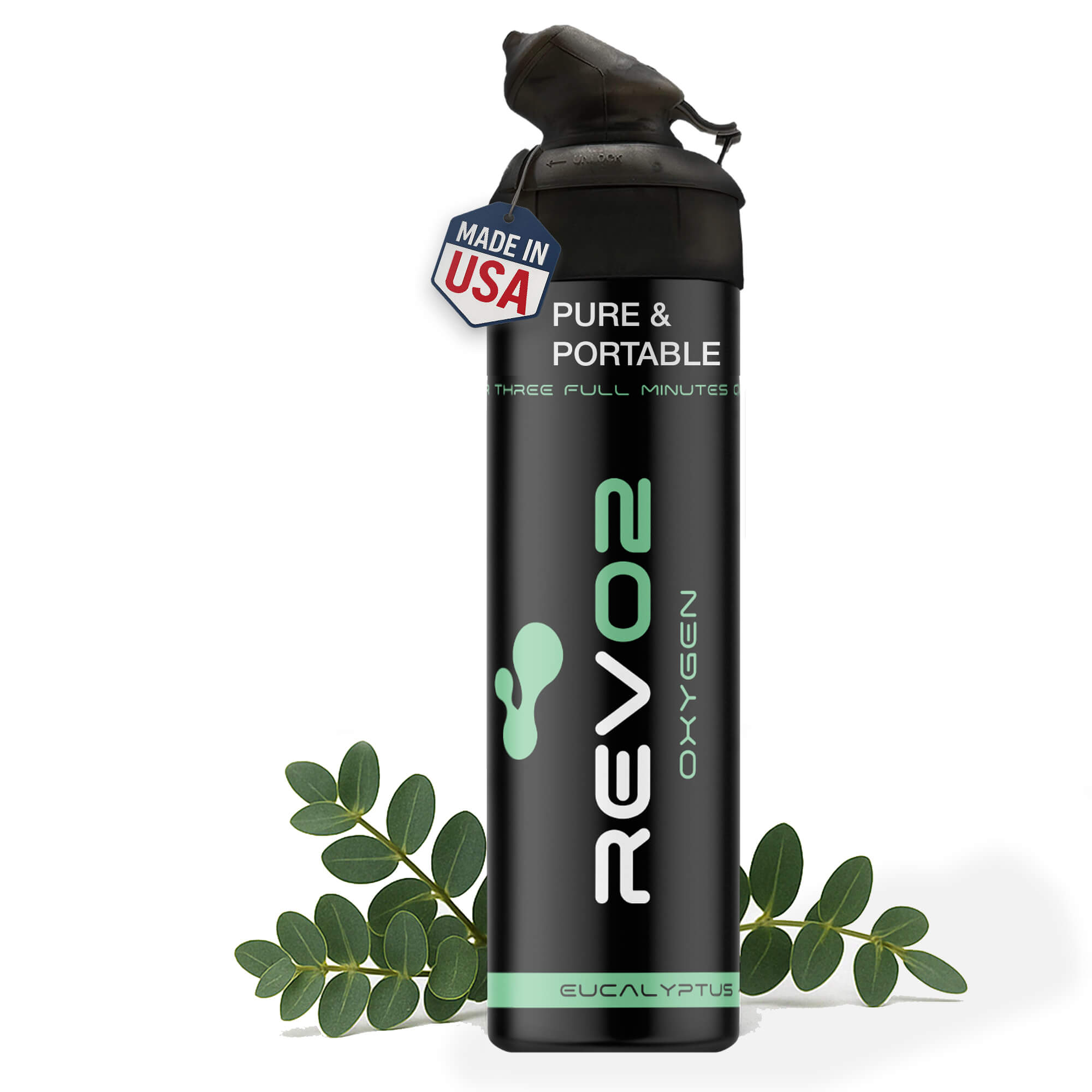
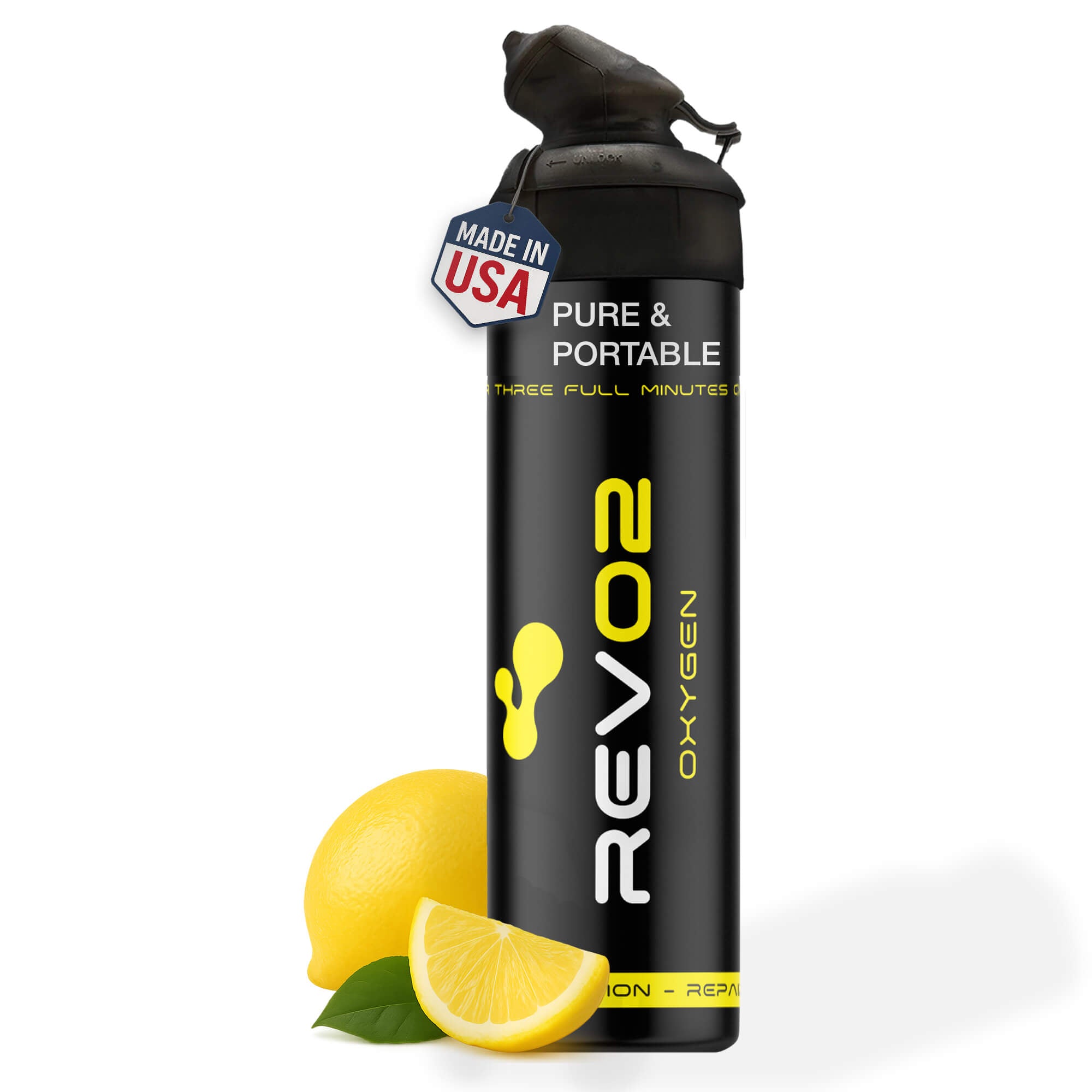
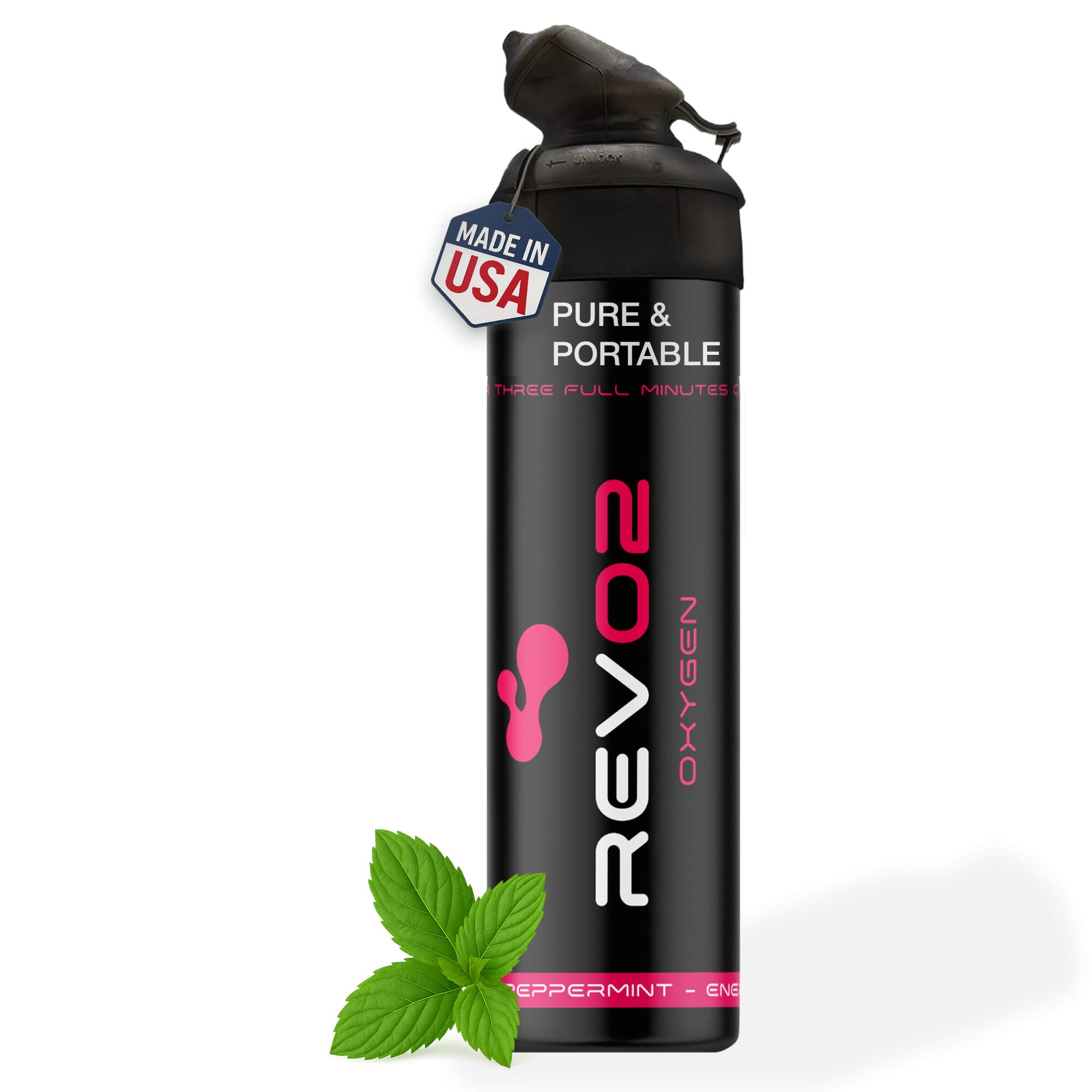
We offer oxygen in several flavor blends: Peppermint Oxygen - Energy & Endurance, Lemon Oxygen - Recovery & Immunity, and Eucalyptus Oxygen - Focus & Relaxation. The eucalyptus blend is another option, but it’s a matter of taste. Current prices are listed on our product pages.
Keep it simple: use it as a short boost, not an all-day crutch, and keep your sleep, movement and water habits in place. If you have a health condition, ask your clinician first.
What I’ve found works in a real workday
What has held up best for me is a midday stack, not any single trick: a short walk in the afternoon, a 60-second breathing reset, and a protein snack instead of something sweet. On days I skip the walk, the slump arrives earlier and hits harder. The details will differ for you, so track it for a week or two. Note when you feel sharp, when you fade, and which break came before each. Then shift the timing to match your own rhythm until it fits.
— Paul
FAQ
What can ADHD people use instead of caffeine?
Movement, mind-body exercise, steady sleep and structured breaks are good starting points. A systematic review found mixed evidence for supplements, with Bacopa showing the most consistent benefit. Check with your clinician before adding anything.
Do people with ADHD focus better with caffeine?
Not reliably. The same systematic review found that caffeine alone did not consistently improve ADHD symptoms. Some people feel a mild lift, but it is not a dependable treatment.
What drink clears brain fog?
Plain cold water is the simplest place to start, since even mild dehydration can make concentrating harder. Pair it with a short walk or a few slow breaths for a stronger effect than the drink alone.
How can you stay alert without coffee in the afternoon?
Take a 10 to 20 minute walk, get bright light, and eat a protein-and-fiber snack. These steps target the causes of the slump instead of masking them, and they are less likely to disturb your sleep.
Sources
- Physical Activity Boosts Brain Health | Physical Activity | CDC
- Physical Activity, Cognition, and Brain Outcomes: A Review of the 2018 Physical Activity Guidelines
- Oxygen Administration and Acute Human Cognitive Enhancement: Higher Cognitive Demand Leads to a More Rapid Decay of Transient Hyperoxia
- Efficiency of Different Supplements in Alleviating Symptoms of ADHD with or Without the Use of Stimulants: A Systematic Review - PMC