
Supplemental oxygen can genuinely help specific people, including those who desaturate during exertion or who need a quick recovery boost between high-intensity efforts, and it offers short-term relief when adjusting to altitude. For most healthy, normoxic athletes, though, heat acclimatization or structured hypoxic training builds more lasting gains. We make portable oxygen for the moments it does help.
TL;DR:
- Build heat acclimatization over 7 to 14 days with at least two hours of daily exposure, gradual workload increases, and consistent fluid and electrolyte replacement.
- Reserve canned oxygen for brief recovery between repeated sprints or temporary altitude symptoms; it does not replace acclimatization, conditioning, or prescribed medical oxygen.
- Healthy athletes with normal blood oxygen levels rarely gain lasting benefits; oxygen matters most when it lets someone with exertional desaturation train harder.
- LHTL, LHTH, and intermittent hypoxic training can raise VO2max, but usually require several weeks; LHTL often ranks highest, while excessive exposure can undermine gains.
- People with heart or lung disease or pregnancy should consult a clinician before oxygen use; heat illness symptoms require stopping exercise and medical care.
Table of Contents
- How altitude, heat, and oxygen availability affect your training
- When portable oxygen fits into summer activities
- Who sees real gains from supplemental oxygen
- Using oxygen and heat training safely this summer
- Building a summer protocol around heat, altitude, and oxygen support
- Why we design portable oxygen for summer training
- What flavored oxygen blends offer for different training goals
- How much oxygen to use and for how long during summer workouts
- Who should avoid supplemental oxygen during summer training
- The real lesson from this summer’s training research
- Finding the right REV/O2 can for your summer routine
- FAQ
- Sources
How altitude, heat, and oxygen availability affect your training
Oxygen availability drives nearly every adaptation we chase in endurance training. At altitude, the partial pressure of oxygen in the air drops, so each breath delivers less oxygen to your bloodstream, forcing your body to work harder for the same output.
Heat does something different. Training in warm conditions triggers acclimatization: your plasma volume expands by roughly 10 to 15 percent, your sweat rate increases, and your electrolyte handling improves. This process typically takes 7 to 14 days of consistent exposure, and the payoff is better circulation and improved running economy, benefits that overlap with some of what altitude training delivers.
Hypoxic training itself comes in several forms. Live-high/train-low (LHTL), live-high/train-high (LHTH), and intermittent hypoxic training (IHT) each manipulate oxygen exposure differently. A network meta-analysis found that all three can outperform normal-oxygen training for building VO2max, with LHTL protocols often ranking highest. The same analysis noted a dose-response relationship shaped like an inverted U: too little hypoxic exposure does little, and too much becomes counterproductive.
When portable oxygen fits into summer activities
Summer brings specific situations where a quick dose of oxygen makes practical sense, even though it is not a substitute for conditioning. Coaches and athletes use short bursts between repeated sprints. Hikers reach for it at elevation, and travelers keep it on hand for altitude adjustment.
- At elevation while hiking or traveling: A few inhales can ease short-term symptoms like lightheadedness during a climb, though it does not replace the gradual process your body needs to truly adjust to high altitude.
- Before a demanding set: Some athletes use a short inhale before sprint work, a use case explained further in our piece on oxygen before cardio.
It helps to separate consumer canned oxygen from prescription medical oxygen. Canned oxygen suits short-term, non-clinical situations like the ones above. Prescription oxygen, delivered through a regulated system, is reserved for diagnosed medical needs and requires a clinician’s oversight.
Who sees real gains from supplemental oxygen
The clearest evidence for supplemental oxygen comes from clinical populations, not healthy athletes chasing marginal gains. A clinical review of oxygen use during exercise training found that people with exercise-induced oxygen desaturation, including some patients with COPD, sometimes see acute improvements such as reduced breathlessness and higher tolerated exercise intensity. Pooled results across studies are mixed, though, and the benefit depends heavily on whether oxygen lets a person train at a higher intensity than they otherwise could.
That detail matters for everyone, not just clinical populations. In high-intensity interval contexts, supplemental oxygen can allow a higher work rate during the hardest intervals, and that higher work rate, not the oxygen itself, is what drives the training adaptation.
For healthy athletes with normal blood oxygen levels, occasional oxygen use rarely produces a lasting training effect. If your oxygen saturation is already typical, adding more oxygen during a moderate session usually adds little. Your time is better spent on heat acclimatization, progressive overload, and the basics of structured training, with oxygen reserved for the specific recovery and altitude scenarios where it has a clearer role.

Using oxygen and heat training safely this summer
Heat acclimatization has its own well-established protocol. Follow these steps:
- Plan for 7 to 14 days of consistent heat exposure, not a single hard session.
- Aim for at least two hours of daily heat exposure, which can be split into shorter blocks.
- Increase workload progressively rather than starting at full intensity.
- Replace fluids and electrolytes consistently throughout the block.
Pro Tip: Track your resting heart rate each morning during a heat block; a rising trend is often an earlier warning sign of poor adaptation than how you feel during the workout itself.
Stop exercising and seek medical attention if you experience dizziness, chest pain, severe breathlessness, or any concerning drop in oxygen saturation. These symptoms warrant a clinician’s evaluation rather than a training adjustment.
Building a summer protocol around heat, altitude, and oxygen support
A sensible summer plan layers these tools instead of relying on just one. Start with the foundation, heat acclimatization, since it is the most broadly applicable:
- Schedule a 10 to 14 day block of daily heat exposure, roughly two hours per day, split if needed.
- Increase workout intensity gradually across the block while maintaining a strict hydration and electrolyte schedule.
- Layer in brief oxygen recovery bursts between repeated sprint efforts, following the approach in our interval training guide, to support recovery between hard reps rather than during steady-state work.
- If true altitude training is the goal, plan for several weeks rather than days: LHTL and LHTH protocols require a sustained block to produce the VO2max gains shown in hypoxic training research, while heat-based approaches can produce measurable gains in a shorter window.
Statistic callout: Heat acclimatization can expand plasma volume by 10 to 15 percent within about two weeks, a faster timeline than most altitude camps require to show comparable circulatory benefits.
For readers who want a structured example of interval-based intensity planning, Hoop Mentality’s guide to structuring training intensity offers a useful model for progressive overload that translates well beyond basketball.
Why we design portable oxygen for summer training
We designed portable canned oxygen to be a convenient option for athletes training through summer heat or unfamiliar altitude that works without a mask or a prescription. Every can delivers 98% pure oxygen through a zero-leak mouthpiece, designed with input from athletes who needed a fast, reliable option between sprints or on a trail.
We see our product as a complement to real training and acclimatization work, not a replacement for either. When symptoms go beyond normal exertion, talk to a clinician, and check our usage guidance before relying on canned oxygen for a specific goal.
— Paul
What flavored oxygen blends offer for different training goals
The product lines pair pure oxygen with essential oil infusions chosen for specific training moments, with flavor influencing when athletes might choose each can.
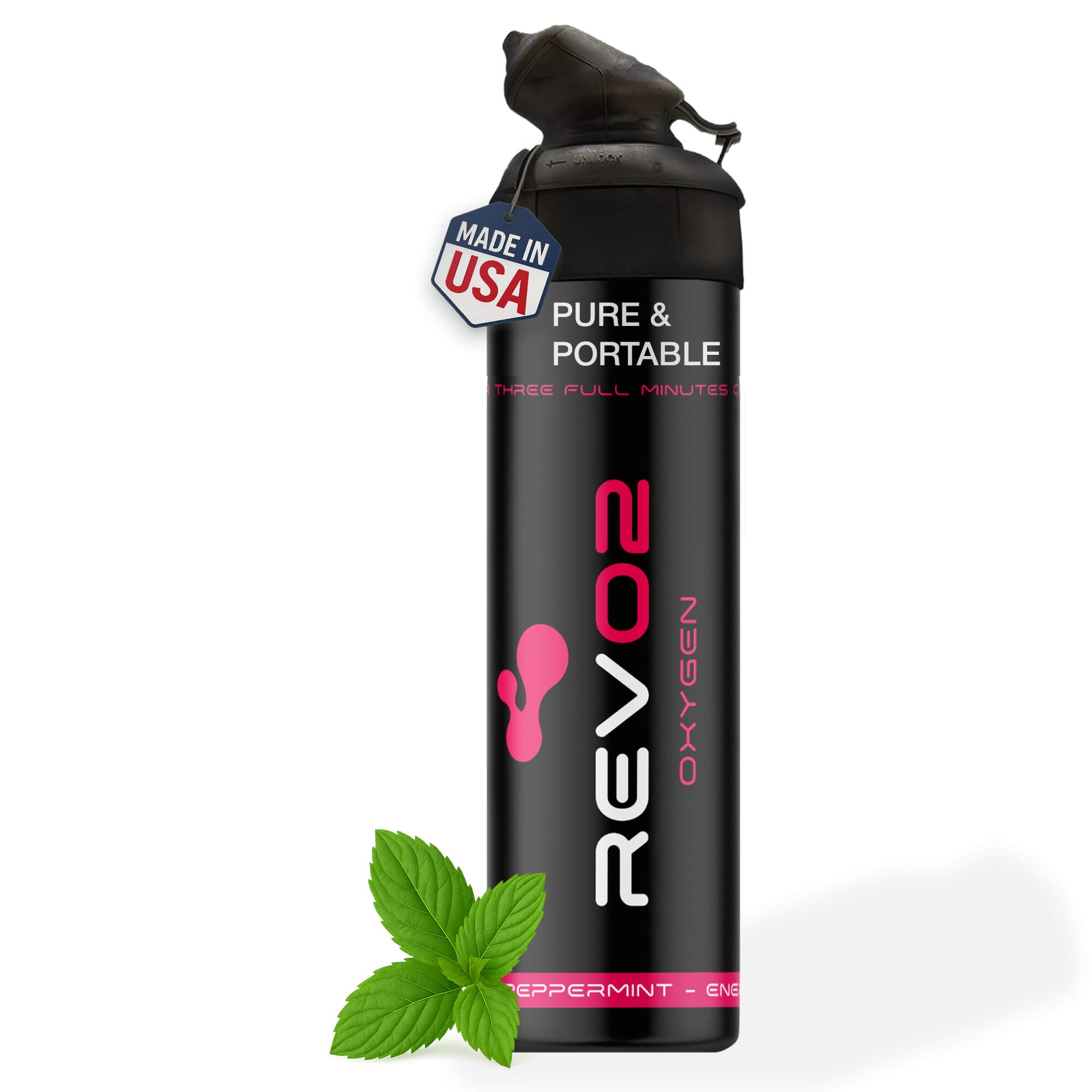
The peppermint oxygen blend suits moments before a hard sprint set or a long training session when an alert, energized feeling is desired. Athletes using short oxygen bursts between repeated efforts, the kind of protocol described in our interval training guide, often reach for this blend specifically because peppermint is associated with a refreshing, invigorating sensation.
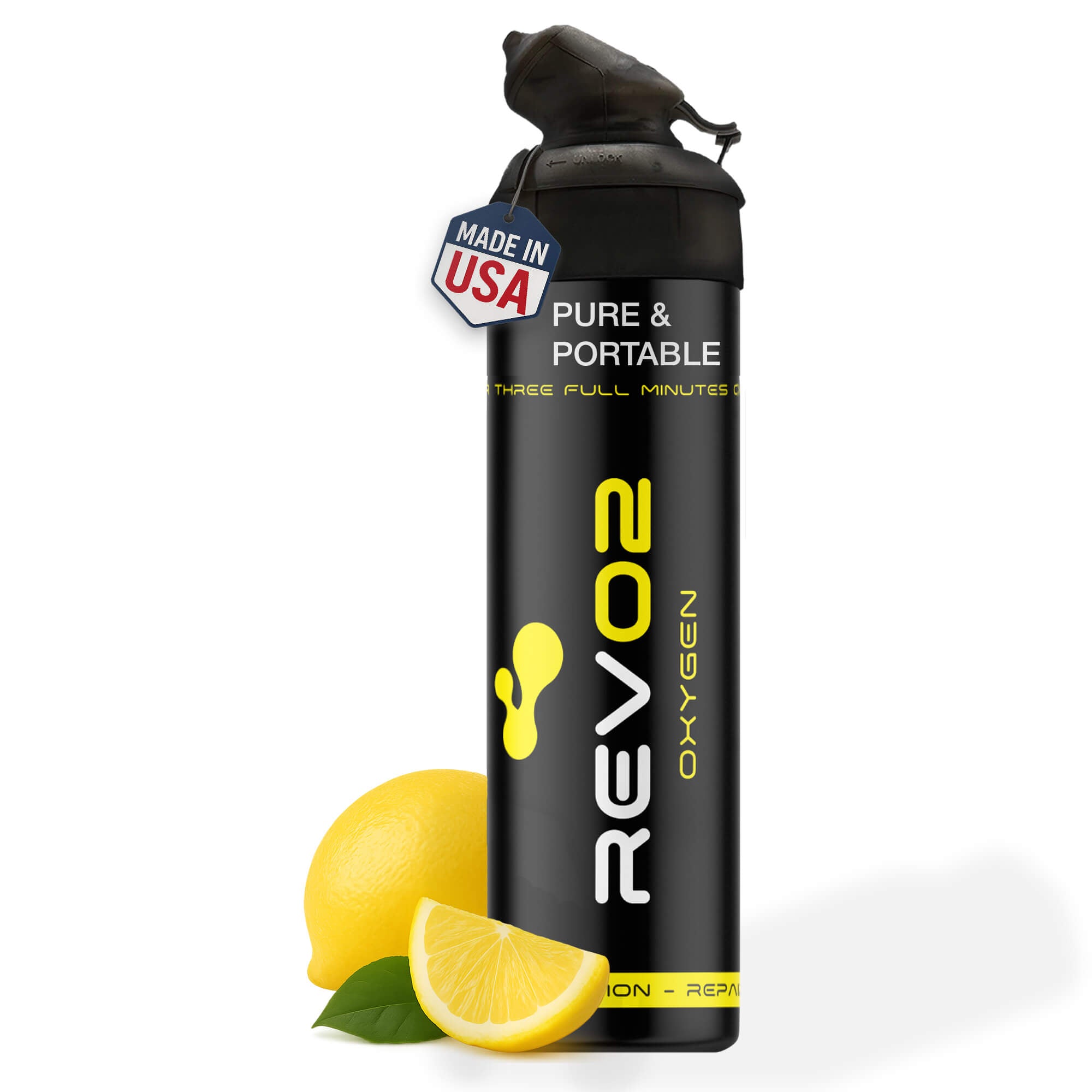
The lemon oxygen blend fits the cooldown phase after a demanding summer workout or a day spent hiking at elevation. It may be used during a heat-acclimatization block, when the body adjusts plasma volume and electrolyte balance.
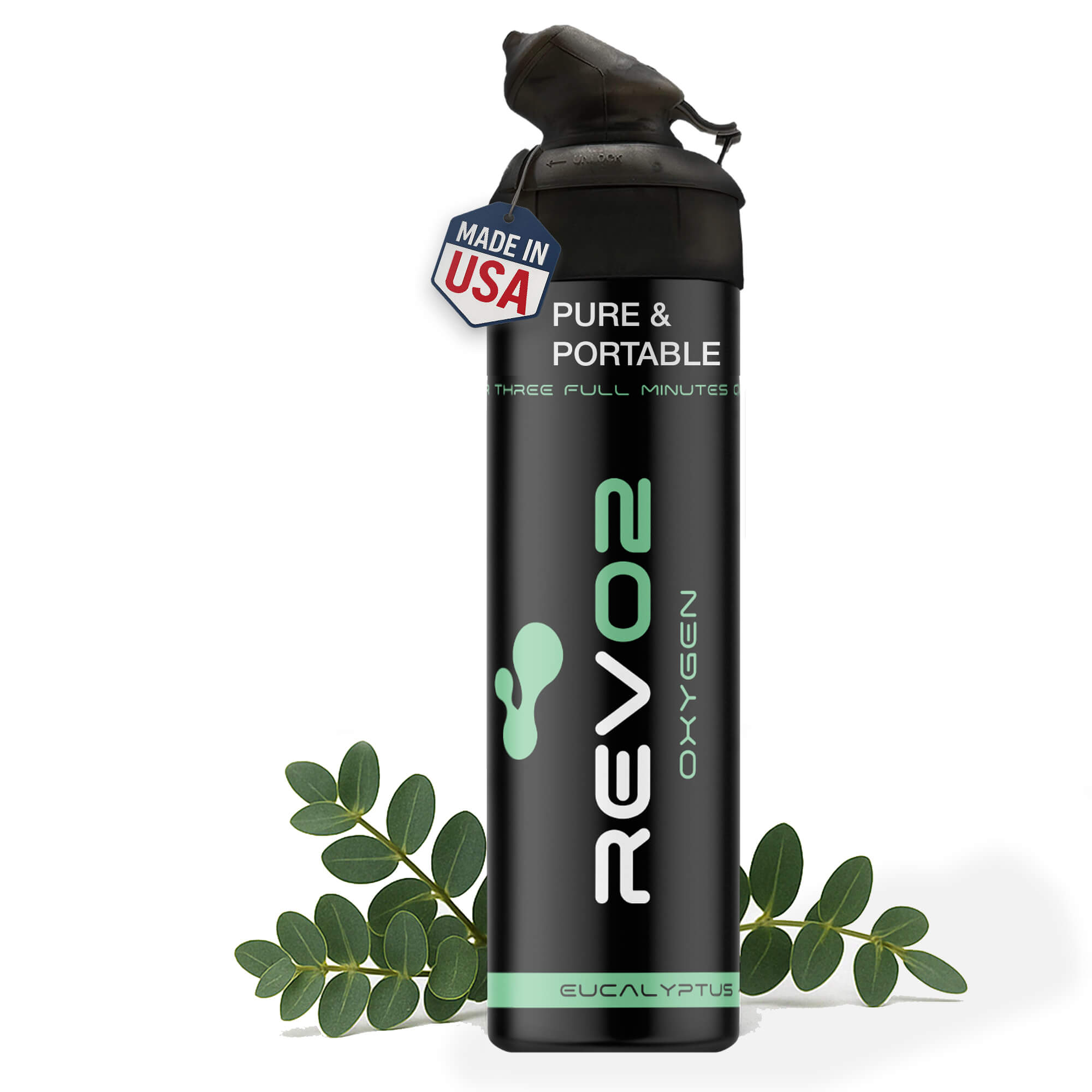
The eucalyptus oxygen blend can be used for mental aspects of training such as pre-competition nerves, post-workout stress relief, or clearing the head after intense sessions. Eucalyptus is often associated with easier breathing and a sense of calm, making this blend suitable for cooldown routines or travel days.
Each blend uses the same 98% pure oxygen base and zero-leak mouthpiece design, so the choice comes down to what moment in your training day you are supporting.
How much oxygen to use and for how long during summer workouts
Canned oxygen is designed for short, as-needed use rather than continuous inhalation. A typical session involves several inhales through the zero-leak mouthpiece, taken over a minute or two, whether you are using it before a sprint set, between repeated intervals, or after a session in the heat.
There is no universal duration that applies to every situation, since the right amount depends on what you are using it for. A pre-sprint boost or an interval recovery burst, like the five-second inhales some coaches use, is a brief, targeted use. Altitude symptom relief while hiking might call for a few more inhales spaced over several minutes as you catch your breath. In both cases, canned oxygen is meant to support a specific moment, not to serve as a steady background supply throughout a workout.
If you find yourself reaching for a can repeatedly within a single session, or using it well beyond what a quick boost requires, that is a sign to look at the underlying training load or environmental conditions instead of increasing oxygen use. Canned oxygen works best as an occasional tool layered into a broader plan that includes heat acclimatization, progressive training, and proper hydration, not as a daily requirement. Our usage guide walks through specific scenarios in more detail.
Who should avoid supplemental oxygen during summer training
Supplemental oxygen is not the right tool for everyone, and knowing when to skip it matters as much as knowing when it helps. Anyone with a diagnosed respiratory or cardiac condition should talk to a clinician before adding any form of supplemental oxygen to a training routine, since conditions like these often require prescription-grade oxygen delivery and medical monitoring rather than a consumer product.
People experiencing symptoms of heat illness, including confusion, severe fatigue, or a rapid heartbeat, should stop activity and seek medical attention rather than reaching for an oxygen can as a quick fix. Oxygen does not address heat illness, and treating it as a substitute for rest, cooling, and rehydration can delay the care someone actually needs.
Pregnant individuals and anyone taking medication that affects breathing or heart rate should check with a healthcare provider before using supplemental oxygen during exercise. The same caution applies to anyone unsure why they feel short of breath during normal activity: unexplained breathlessness deserves a clinical evaluation before it becomes a training workaround. Supplemental oxygen is a tool for specific, well-understood situations, not a general answer to feeling tired or overheated in the summer months.
The real lesson from this summer’s training research
The biggest misconception about summer training oxygen is that it works like a shortcut around the hard, unglamorous process of acclimatization. It does not. The research on hypoxic training methods shows real gains, but only with sustained, properly dosed exposure over weeks, and the heat acclimatization data tells a similar story: the body needs repeated, progressive exposure over 7 to 14 days to build the plasma volume and circulatory changes that actually move performance forward.
Where supplemental oxygen earns its place is narrower and more practical than the marketing around it often suggests: short recovery windows, altitude symptom relief, and specific clinical contexts where it allows a higher training intensity. Readers who treat it as a daily performance supplement are likely to be disappointed. Readers who treat it as a precise tool for a precise moment, paired with real acclimatization work, tend to get the most out of it. Prioritize the acclimatization block first. Layer in oxygen support only where the physiology actually supports it.
— Paul
Finding the right REV/O2 can for your summer routine
Each of our product lines maps to a specific use case from the training scenarios above. If you are building toward a hard sprint session or an endurance block, Peppermint Oxygen - Energy & Endurance is designed for that pre-work boost. If you are coming off a long hike, a heat-acclimatization session, or need a recovery-focused option, Lemon Oxygen - Recovery & Immunity fits that window. For pre-competition focus or post-workout stress relief, Eucalyptus Oxygen - Focus & Relaxation rounds out the lineup.
- Browse the full canned oxygen collection to compare blends side by side.
- If you train specifically for athletic performance, our sports oxygen can for athletes is built with that goal in mind.
Ready to add a portable option to your summer training kit? Shop the full product collection and pick the blend that matches your next session.
FAQ
How do you increase oxygen during a workout?
The most reliable way is improving your body’s own oxygen delivery through consistent aerobic training and heat acclimatization, which expands plasma volume and improves circulation over 7 to 14 days. Supplemental oxygen can offer a short-term boost in specific moments, like between sprints, but it works alongside training, not instead of it.
How long do you need to train at altitude to see benefits?
Hypoxic training protocols like LHTL and LHTH generally require several weeks of sustained exposure to produce measurable VO2max gains, according to a network meta-analysis of hypoxic training methods. Shorter exposures tend to produce smaller or less consistent results, since the analysis found a clear dose-response relationship.
What is the biggest mistake people make with supplemental oxygen?
The most common mistake is expecting supplemental oxygen to replace acclimatization or structured training rather than support it in specific moments. A clinical review of oxygen use during exercise found that benefits are most consistent when oxygen enables a higher training intensity, not when it simply adds oxygen to a routine that would otherwise be unaffected.
What are examples of hypoxic training methods?
The three main approaches are live-high/train-low (LHTL), live-high/train-high (LHTH), and intermittent hypoxic training (IHT), each varying in how and when athletes are exposed to reduced oxygen. A network meta-analysis found that LHTL protocols using lower-altitude training often rank highest for building VO2max.
Is canned oxygen the same as medical oxygen?
No. Canned oxygen is a consumer product intended for short-term, non-clinical use such as recovery between efforts or altitude symptom relief, while medical oxygen is prescribed and monitored by a clinician for diagnosed conditions. Our usage guidance explains the appropriate contexts for canned oxygen specifically.
Sources
- Heat acclimatization — Korey Stringer Institute
- Optimal type and dose of hypoxic training for improving maximal aerobic capacity in athletes: a network meta-analysis (Frontiers / PMC)