
A minimum effective ski trip altitude kit covers three layers: on-body gear for lift lines and cold exposure, a daypack with hydration and fuel, and a small medical kit built around your health history. The two behaviors that matter more than any product are arriving early when possible, and skiing your first day at reduced intensity. Watch for symptoms, know when to descend, and treat every other item as support, not insurance.
TL;DR:
- Arriving early and skiing at reduced intensity on the first day are crucial to allow your body to acclimate and prevent severe altitude illness.
- An effective altitude kit includes on-body gear for cold exposure, a hydration-focused daypack, and a medical kit tailored to your health history, including prescription medication and a pulse oximeter.
- Severe altitude sickness symptoms such as confusion and breathlessness require immediate descent, regardless of oxygen saturation readings, which are only situational aids.
- Acetazolamide is the most supported medication for prevention, while dexamethasone and ibuprofen are used for symptom management, not prevention.
- Canned oxygen provides quick comfort and mental clarity between runs but is not a substitute for descent or prescribed oxygen therapy during altitude sickness.
Table of Contents
- What Goes in a Ski Trip Altitude Kit?
- What Does Altitude Sickness Look Like?
- Which Altitude Medications Actually Work?
- How Do You Pace Your First Day at Altitude?
- Where Does Canned Oxygen Fit In?
- Your Copyable Ski Trip Packing List
- What’s Your Plan if Symptoms Get Worse?
- What Portable Oxygen Can and Can’t Do on the Mountain
- Where Canned Oxygen Fits Your Altitude Kit
- Sources
- FAQ
What Goes in a Ski Trip Altitude Kit?
Think of your kit in three layers, not one big pile of gear. Each layer solves a different problem, and packing them separately keeps you from digging through a jacket pocket for ibuprofen while your fingers go numb on a chairlift.
On-body essentials need to survive wind, cold, and sun exposure for six or more hours:
- Insulating base and mid layers, plus a shell that blocks wind
- Goggles with UV protection (snow glare at altitude burns retinas faster than most skiers expect)
- High-SPF sunscreen and lip balm, reapplied at lunch
- A spare pair of glove liners (wet gloves are the fastest way to end a ski day early)
- Helmet, always
Daypack items cover the hours between runs:
- A hydration system or insulated bottle, since cold air and altitude both accelerate fluid loss
- Calorie-dense snacks (altitude blunts appetite, so packing food you’ll actually want to eat matters)
- One extra warm layer beyond what you’re wearing
- Phone with a charged power bank and offline resort map
- A basic multi-tool for binding adjustments
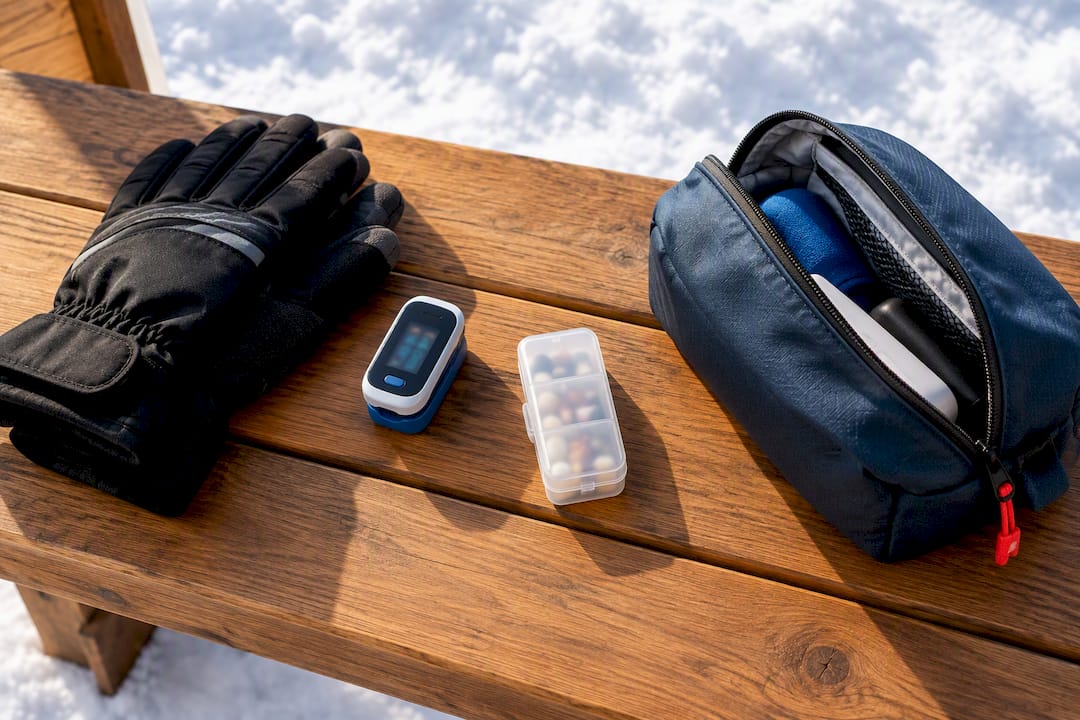
Medical kit contents depend heavily on your own history. The CDC’s Yellow Book travel health kit guidance recommends an individualized kit built around your medical background, and lists acetazolamide, dexamethasone, and a fingertip oxygen saturation monitor among items worth discussing with a clinician before a high-altitude trip. Add a standard OTC pain reliever, adhesive bandages, and any personal prescriptions.
Pro Tip: Pack prescription altitude medication and your pulse oximeter in your carry-on, never checked luggage. If your bag is delayed, you don’t want your entire safety plan delayed with it.
What Does Altitude Sickness Look Like?
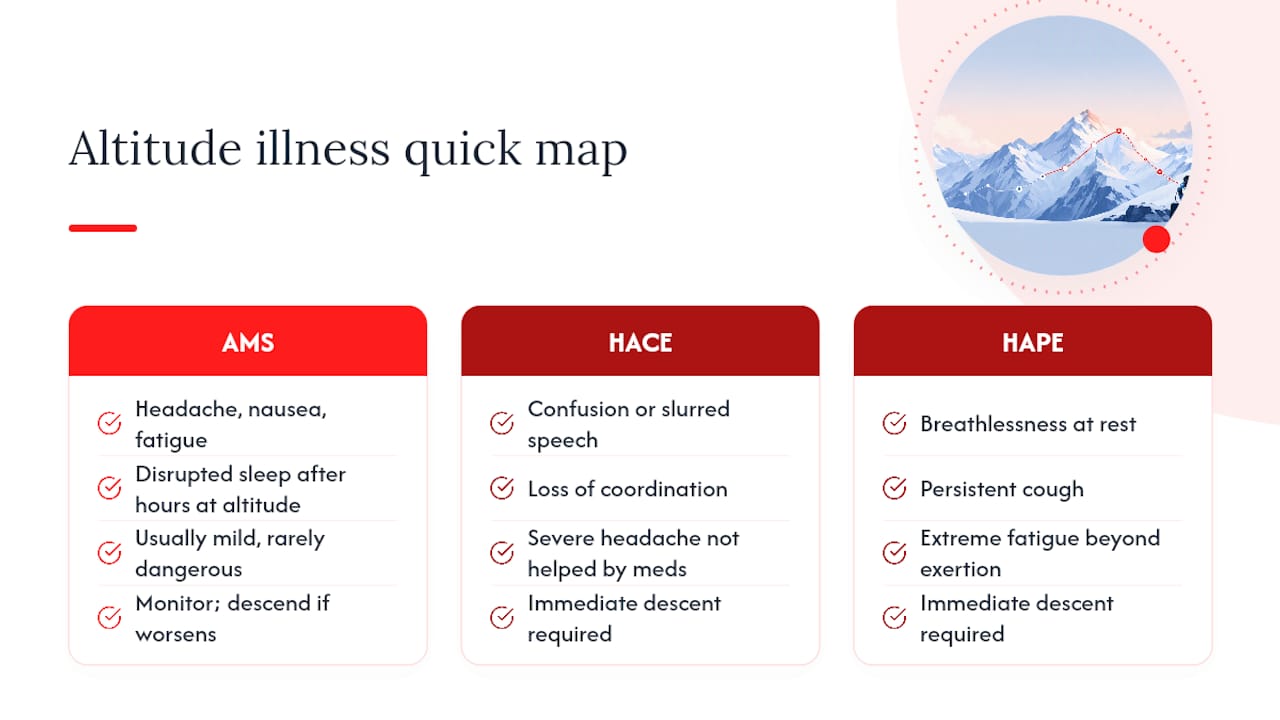
Acute mountain sickness (AMS) is the mild, common version: headache, nausea, fatigue, and disrupted sleep, usually starting within hours of gaining altitude. It’s uncomfortable but rarely dangerous on its own.
The two conditions that turn dangerous fast are high-altitude cerebral edema (HACE) and high-altitude pulmonary edema (HAPE). HACE brings confusion, loss of coordination, and severe headache unrelieved by medication. HAPE brings breathlessness at rest, a persistent cough, and extreme fatigue that doesn’t match the exertion. Both require immediate descent.
A pulse oximeter is a useful situational tool, but it isn’t the decision maker. Wilderness Medical Society clinical guidance treats descent as the primary treatment for severe altitude illness, with supplemental oxygen and hyperbaric bags as backups when descent isn’t immediately possible. A normal-looking oxygen saturation number does not override worsening symptoms. If confusion, slurred speech, or breathlessness at rest shows up, that person descends now, and never alone.
Which Altitude Medications Actually Work?
Acetazolamide is the most studied prevention drug for altitude illness. Wilderness Medical Society guidance and the CDC’s adventure travel guidance both point to a typical prophylactic dose of 125 mg every 12 hours, started before ascent, but this is a prescription conversation with your clinician, not a decision to make solo based on an article. It works by speeding ventilatory acclimatization, a process that normally takes three to five days, down to roughly one day.
Dexamethasone plays a different role. It’s used more for treating symptoms once they appear, particularly in more severe cases, and dosing is something your clinician sets based on your situation.
Ibuprofen has one modest, evidence-backed use: reducing altitude-related headache. It does not prevent AMS, HACE, or HAPE, and no over-the-counter supplement replaces acclimatization. If a product claims otherwise, that claim outruns the evidence.
How Do You Pace Your First Day at Altitude?
Getting your pacing right in the first 48 hours does more for altitude tolerance than anything you pack. Here’s the sequence that works for resort trips:
- Arrive at your destination town or resort base a day before you plan to ski, if your schedule allows it. This gives your body a head start on ventilatory acclimatization before you’re exerting yourself on a slope.
- Ski your first day at noticeably reduced intensity. Fewer runs, more breaks, and no chasing personal records.
- Follow staged-ascent principles even at a resort: NCBI’s Yellow Book guidance advises against a single-day jump to a sleeping altitude of 9,000 feet or higher, and recommends limiting sleeping-altitude gains above roughly 9,850 feet to about 1,600 feet per day.
- Hydrate aggressively and skip alcohol the first night. Alcohol worsens dehydration and can mask early AMS symptoms.
- Eat light, frequent meals rather than one heavy dinner. Digestion competes with acclimatization for your body’s resources.
- If you feel worse, not better, after resting, don’t ascend further the next day. Stay put or descend.
Where Does Canned Oxygen Fit In?
Recreational canned oxygen offers exactly what it sounds like: brief refreshment, a short-lived lift in perceived energy, and a moment of mental clarity when your body is working harder than usual to move oxygen around at altitude. That effect typically lasts only a few minutes per use, which is a fair trade for a quick reset between runs, not a treatment plan.
Here’s the boundary that matters: canned oxygen is not a substitute for descent, and it isn’t a substitute for prescribed oxygen therapy if you’re dealing with AMS, HAPE, or HACE. Authoritative reviews of over-the-counter portable oxygen consistently caution that it provides brief relief without proof it replaces descent or clinical oxygen for treating altitude illness.
Used within that limit, it’s a reasonable addition to a ski trip altitude kit:
- Pack one or two cans per person per day if you’re using them for comfort between runs
- Store cans at room temperature, away from direct heat sources like a car dashboard in sun
- Let ski partners know you’re carrying them, and where, in case anyone needs a quick assist
Pro Tip: If you find yourself reaching for canned oxygen more than once or twice a day just to function normally, that’s a signal to slow down and reassess your pacing, not a signal to pack more cans. You can read more about where acclimatization ends and oxygen support begins in our breakdown of hikers’ first 24 to 48 hours at altitude.
Your Copyable Ski Trip Packing List
Save this to your phone before travel day:
- Insulated layers, shell jacket, goggles, helmet, spare glove liners
- Sunscreen, lip balm, hydration bottle, calorie-dense snacks
- Prescription altitude medication (if prescribed), pulse oximeter, pain reliever, first-aid basics
- Phone, power bank, offline resort map, ID, travel insurance card
Day-of reminders: hydrate before you leave the room, keep all medications in your carry-on, agree on a buddy system with your group before the first lift, and check the resort clinic’s hours before you need them. For a broader packing pass beyond altitude-specific items, this list of high-altitude survival gear covers the rest of a well-stocked bag.
What’s Your Plan if Symptoms Get Worse?
A written plan, agreed on before symptoms appear, beats improvising when someone’s judgment is already impaired.
- Set clear stop triggers in advance: persistent headache that doesn’t respond to rest and fluids, breathlessness at rest, confusion, or loss of coordination all mean stop skiing and descend.
- Assign a buddy to stay with anyone showing symptoms. Wilderness Medical Society guidance is explicit that someone with altered mental status should never descend alone.
- Know how to reach ski patrol or the resort clinic before you need to. Save the number, and know your run and lift location so you can give it quickly.
- Keep prescriptions, ID, and insurance information together in a carry-on or daypack, not scattered across checked bags.
Pro Tip: Rehearse this plan out loud with your group at the start of the trip. It takes ninety seconds and it’s the difference between a fast, calm response and a confused scramble.
What Portable Oxygen Can and Can’t Do on the Mountain
Portable oxygen has a real, limited job on a ski trip: it takes the edge off a rough afternoon at altitude, not off a genuine medical emergency. In practice, it tends to help most on the first day or two, before your body has fully acclimatized, and matters less once you’ve settled in.
It also won’t fix bad pacing. Skiers who push hard on day one and then lean on a can to compensate are treating a symptom instead of the cause. The better move is almost always to slow down first and treat oxygen as a bonus, not a crutch.
— Paul
Where Canned Oxygen Fits Your Altitude Kit
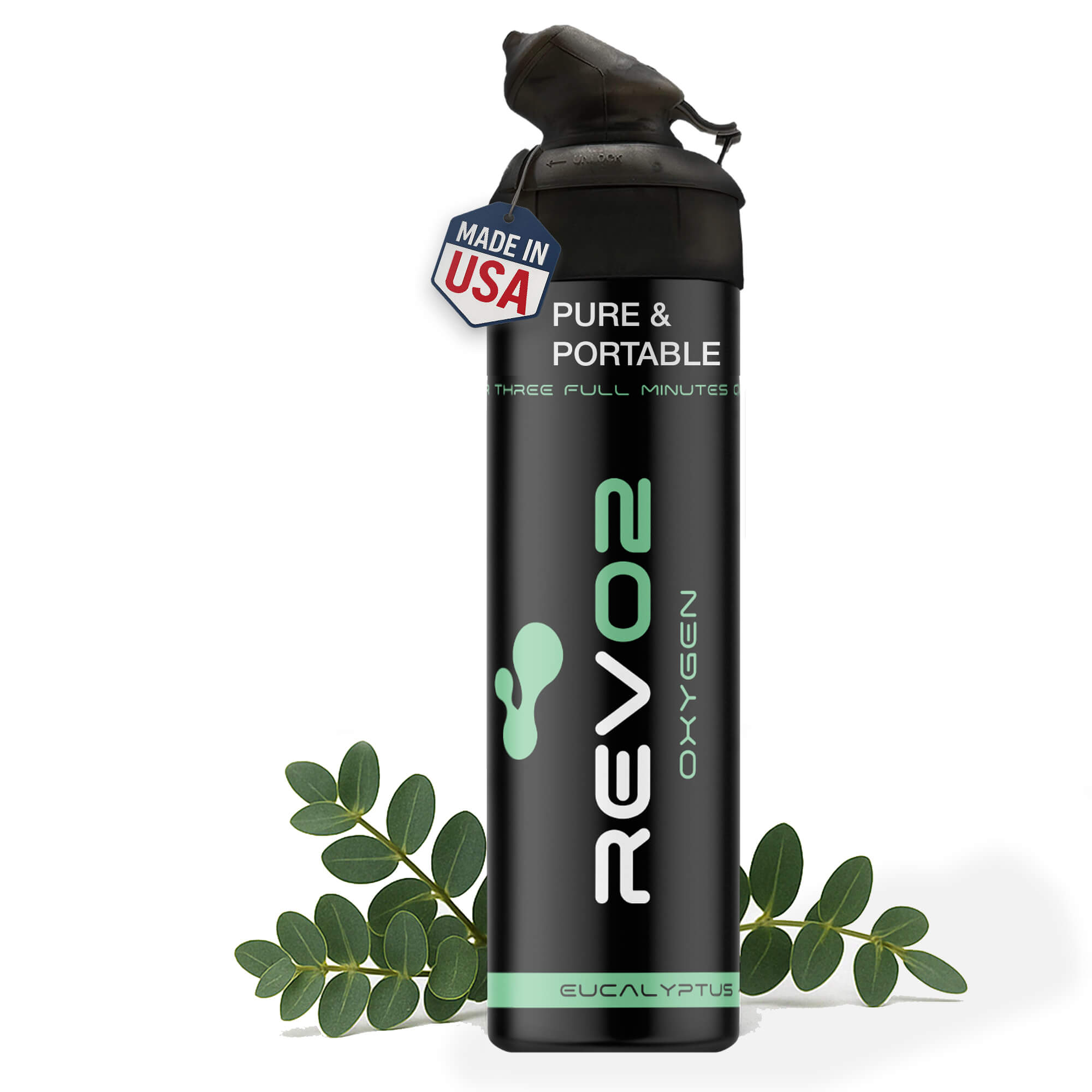
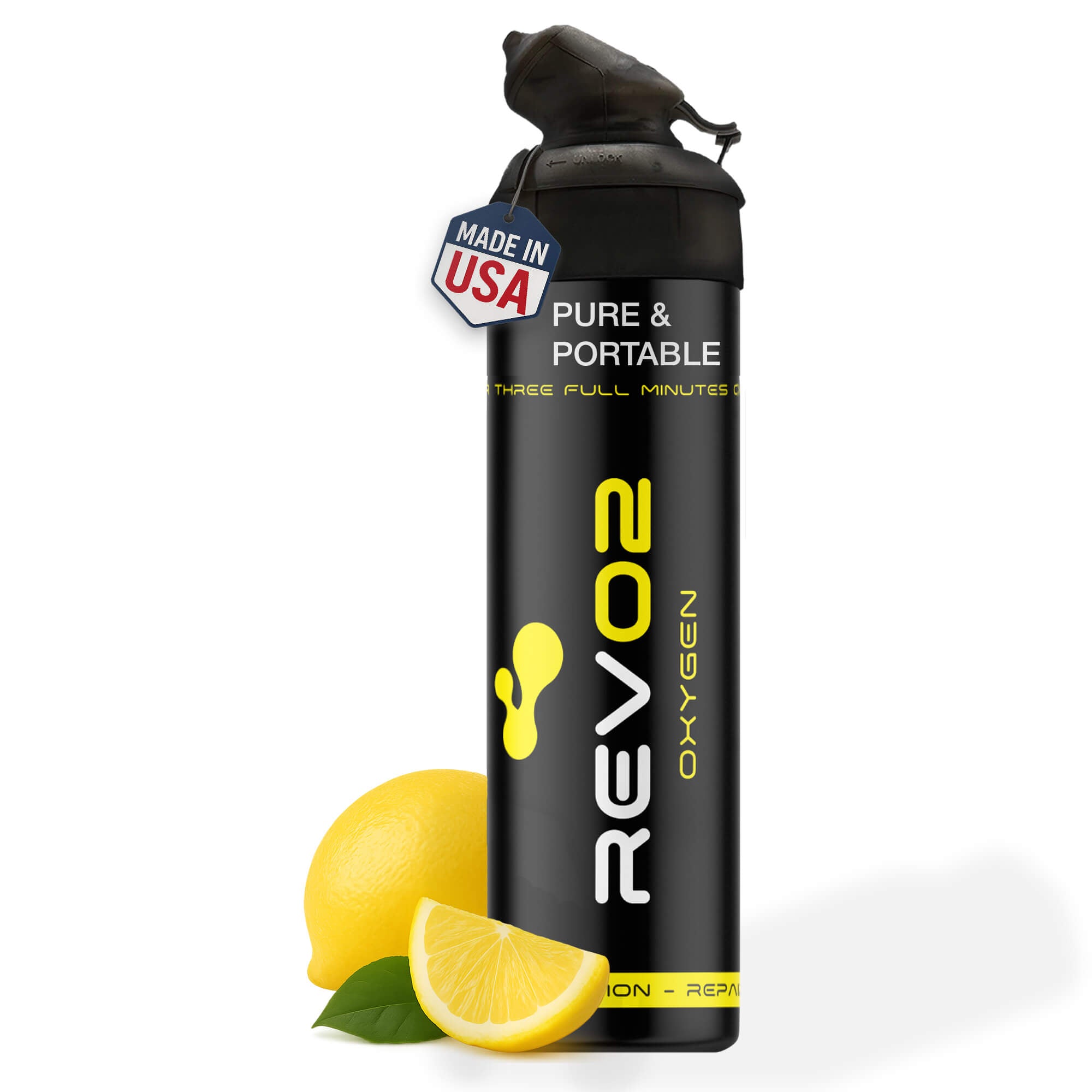
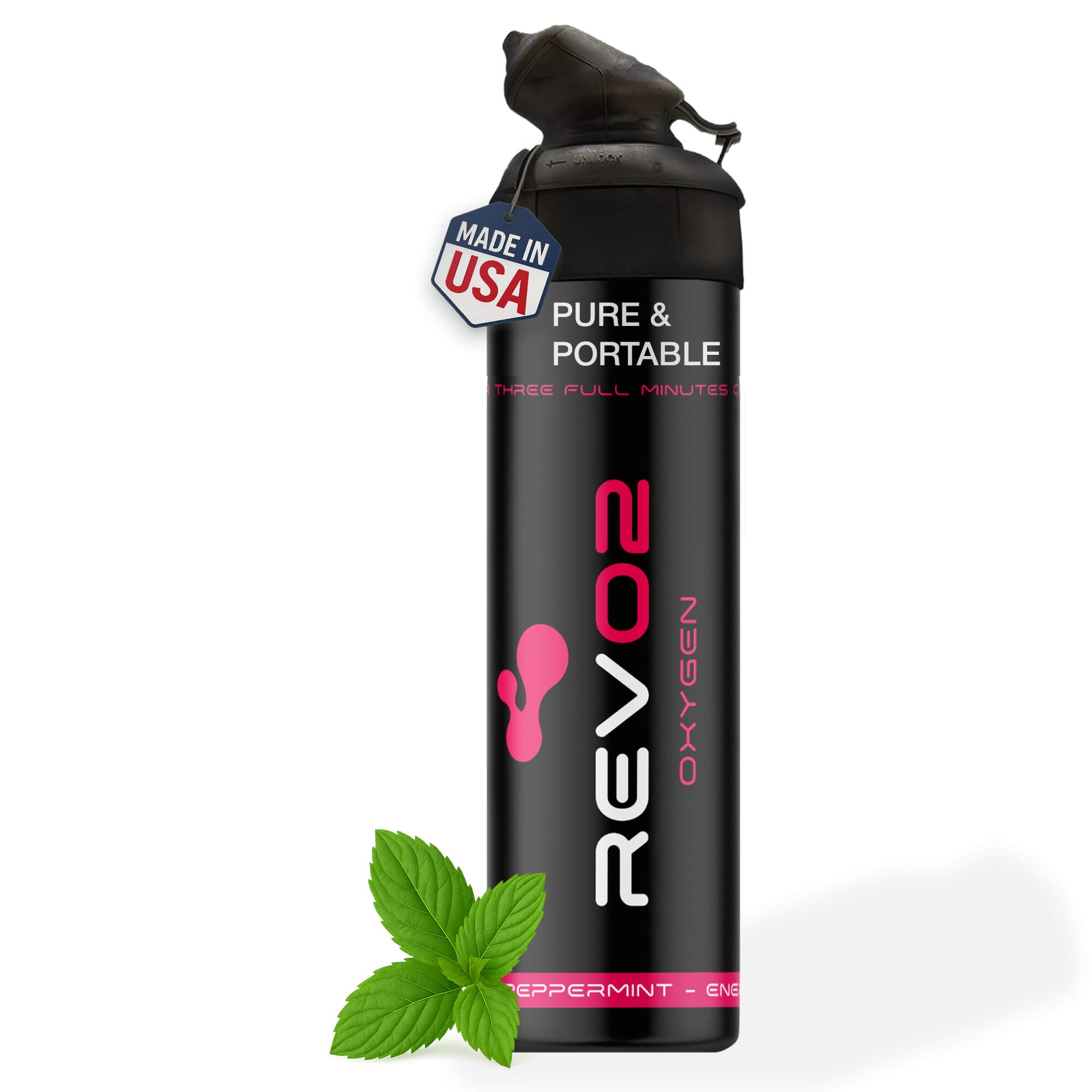
There are canned oxygen lines marketed for moments a ski trip altitude kit needs to cover, including Peppermint Oxygen for energy and endurance between runs, Lemon Oxygen for recovery support after a hard day, and Eucalyptus Oxygen for focus and relaxation before the next descent.
For a single day trip, one or two cans per person is usually enough. For a multi-day stay, pack one per person per day and keep them at room temperature rather than in a cold car overnight. If you want the full walkthrough on getting the most from each can, REV/O2’s usage guide covers proper technique step by step. Ready to build out your kit? Browse the full canned oxygen collection and pick the blend that matches how your trip is shaping up.
Sources
- Wilderness Medical Society clinical practice guidelines for the prevention and treatment of acute altitude illness: 2019 update
- Travel health kits | Yellow Book | CDC
- High-altitude travel and altitude illness - Yellow Book (NCBI Bookshelf)
FAQ
How Do You Avoid Altitude Sickness on a Ski Trip?
Arrive a day before you ski if possible, keep your first day at reduced intensity, and hydrate heavily while skipping alcohol for the first 48 hours. The CDC recommends discussing acetazolamide with a clinician before rapid-ascent trips, since it can cut acclimatization time from several days to roughly one.
How Do I Prepare for a 9,000-Foot Elevation?
Staged-ascent guidance advises against jumping straight to a sleeping altitude of 9,000 feet or higher in a single day. Plan an overnight stop at a lower elevation first if your route allows it, per NCBI’s Yellow Book guidance, and treat your first day at elevation as a rest day, not a ski day.
What’s the Best Supplement to Prevent Altitude Sickness?
No over-the-counter supplement is proven to prevent AMS, HACE, or HAPE. Acetazolamide is the medication with the strongest prevention evidence, but it requires a prescription and a clinician conversation, not a supplement aisle purchase.
Does Ibuprofen Prevent Altitude Sickness?
Ibuprofen can help reduce altitude-related headache, but it does not prevent acute mountain sickness or the more severe forms of altitude illness. Pacing, hydration, and gradual ascent remain the actual prevention tools.
Is Canned Oxygen Enough to Treat Altitude Sickness?
No. Canned oxygen like REV/O2’s Peppermint, Lemon, and Eucalyptus lines offers brief recreational relief, not treatment for AMS, HAPE, or HACE. Descent remains the primary response to serious altitude illness, with canned oxygen serving only as day-to-day comfort support.