
Oxygen uptake typically peaks in the first minute after a set, which makes your rest interval an active metabolic phase rather than downtime. Slow, intentional breathing during that window can genuinely speed heart-rate recovery and sharpen readiness for the next set. Supplemental canned oxygen is a reasonable adjunct for energy and altitude support, but direct proof that it raises set-to-set power output is still thin. Start with breathing technique first.
TL;DR:
- The first 45 seconds of rest between sets are critical for oxygen recovery and metabolic repair, especially after large muscle group exercises.
- Breathing techniques like diaphragmatic and 4-7-8 breathing can significantly improve heart-rate recovery, but do not boost immediate power output.
- Shorter rest periods increase oxygen demand and metabolic cost, while longer rests better preserve strength and performance for compound lifts.
- Supplementing with canned oxygen offers perceived energy benefits but lacks strong scientific proof of enhancing set-to-set power.
- Testing recovery methods in regular training is essential before relying on them during competition or maximum effort efforts.
Table of Contents
- What Happens to Oxygen Between Sets
- Does Breathing Between Sets Actually Change Recovery?
- How to Breathe Between Sets for Faster Recovery
- What About Supplemental Oxygen Between Sets?
- How I Apply This in My Own Training
- Try REV/O2 as Part of Your Recovery Routine
- Sources
What Happens to Oxygen Between Sets
Your body doesn’t shut off its demand for oxygen the moment you rack the bar. It actually ramps up. Recovery oxygen uptake, known as excess post-exercise oxygen consumption or EPOC, can briefly exceed the VO2 you were producing during the set itself, as the body works to restore ATP, clear metabolic byproducts, and pay back the oxygen debt from the effort.
Research tracking VO2 timing after resistance sets found that oxygen uptake peaks within the first minute of recovery, with median times landing between 35 and 45 seconds, according to a JEPonline analysis of VO2 timing in resistance exercise. That’s a narrow window. It means the first 45 seconds of your rest period is doing most of the metabolic heavy lifting, whether you’re paying attention to it or not.
How much oxygen you consume between sets also depends heavily on what you just trained. Exercises that recruit large muscle groups generate substantially more total oxygen uptake and a longer EPOC tail than small-muscle movements. One trial comparing exercises found the leg press produced substantially more total energy expenditure than the chest fly, reflecting their difference in muscle mass involved, according to research published in the Journal of Strength & Conditioning Research.
A few patterns worth knowing:
- Compound, lower-body lifts (squats, deadlifts, leg press) create the biggest between-set oxygen demand and the longest recovery tail.
- Isolation movements recover faster metabolically, meaning shorter rest can work without compounding fatigue.
- Rest-interval length itself changes the acute VO2 pattern: shorter rest tends to increase the metabolic cost of the session, but may increase fatigue affecting the next set.
Understanding this timing is what turns rest from a passive pause into a phase you can actually manage.
Does Breathing Between Sets Actually Change Recovery?
The strongest, most current evidence points to breathing techniques improving heart-rate recovery, not raw power output. That distinction matters for setting realistic expectations.
A 2024 randomized crossover trial tested the 4-7-8 breathing method during 3-minute rest intervals in resistance-trained men. Resting heart rate after the second set came in at 51.0 beats per minute with 4-7-8 breathing versus 44.5 bpm in the control condition, with statistically significant differences at sets two and three (p = 0.025 and p = 0.006). Peak power and bar velocity, however, showed no significant change between conditions.
The takeaway from that trial: slow breathing reliably nudges the nervous system toward parasympathetic dominance and speeds heart-rate recovery, but it won’t make your next squat rep move faster on its own.
Rest-interval length interacts with this too. Shorter rest periods, around one minute, tend to produce higher acute VO2 during a training protocol than longer three-minute rests, particularly for lower-body, multi-joint lifts, according to research on acute oxygen uptake and resistance exercise. Longer rests, meanwhile, tend to preserve repetition performance better, since the muscle gets more complete recovery before the next effort.
A few caveats belong here, not buried in a footnote:
- Most of these trials use small samples, often fewer than 20 participants.
- Cohorts skew toward trained young men, so results may not generalize evenly to novice lifters, older adults, or women.
- Protocols vary widely in breathing cadence, rest length, and exercise selection, making direct comparisons across studies tricky.
Treat the science as a solid directional signal, not a universal law for every body and every lift.
How to Breathe Between Sets for Faster Recovery
You don’t need a lab to apply any of this. The mechanics are simple enough to practice on your very next set.
- Reset with diaphragmatic breathing first. As soon as you rack the weight, let your belly expand on a gentle nasal inhale, then exhale slowly through the mouth with control. This shifts breathing from the chest to the diaphragm, which supports better oxygen delivery and calmer heart rate, a pattern consistent with Harvard Health’s guidance on breathing exercises.
- Try the 4-7-8 pattern during 1 to 3 minute rests. Inhale through the nose for 4 counts, hold for 7, exhale through the mouth for 8. Two or three cycles fit comfortably inside a standard rest window and match the timing used in the 2024 slow-breathing trial.
- Save 4-7-8 for your middle sets, where the heart-rate recovery benefit was actually measured, rather than right before a max-effort attempt when you need full alertness.
- Choose active recovery for lighter accessory work. Light bodyweight movement or band mobility between sets of an isolation exercise can keep blood flowing without adding real fatigue. Save full passive rest for heavy compound lifts where you need everything back for the next rep.
Pro Tip: Never hold your breath during a maximal lift. Exhale through the hardest part of the rep. If breathing exercises between sets ever leave you lightheaded, stop the pattern and breathe normally. Aggressive hyperventilation is not the goal, control is.
Small technical habits like these are covered in more depth in guidance on breathing technique and training performance, including how breath control interacts with bracing and blood pressure during heavy lifts.
What About Supplemental Oxygen Between Sets?
Canned oxygen is recreational, not medical. That distinction matters: one is a portable wellness tool, the other is a controlled medical intervention.
Here’s the honest evidence picture: there’s currently no strong, direct proof that a few inhalations of canned oxygen between sets raises your peak power output on the next lift. Most of what’s reported, including improved energy and mental clarity, comes from anecdotal or nonrandomized sources rather than controlled trials.
That doesn’t make it useless. It makes it a supporting tool rather than a performance guarantee.
- Use it as an adjunct for perceived energy, altitude adjustment, or a mental reset, not as a substitute for pacing or programming.
- Keep inhalations short and occasional during rest periods rather than treating it as continuous supplementation.
- Skip it, or check with a physician first, if you have a respiratory or cardiac condition.
- Never treat canned oxygen as a replacement for medical oxygen therapy or emergency care.
For more on where supplemental oxygen fits into a broader recovery plan, see how oxygen supports post-workout recovery.
How I Apply This in My Own Training
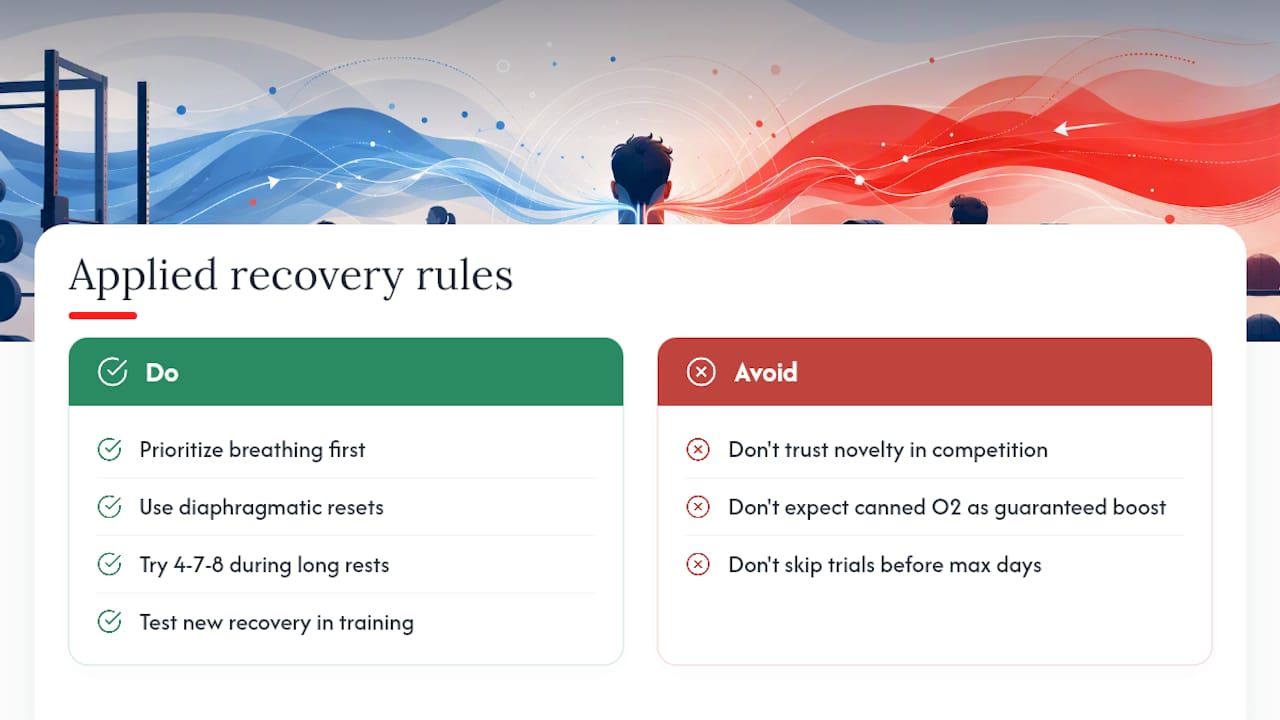
Breathing comes first for me, every time. Diaphragmatic resets and the occasional 4-7-8 cycle during longer rests cost nothing and the heart-rate recovery evidence backs them up directly. Canned oxygen earns a spot in my bag for specific situations: travel days, higher-altitude sessions, or sets where I genuinely feel flat and want a mental reset rather than a guaranteed power boost.
The rule I’d give any athlete: test new recovery tactics in ordinary training sessions long before you trust them in a competition or a max-effort day. Novelty under pressure is a bad combination.
— Paul
Try REV/O2 as Part of Your Recovery Routine
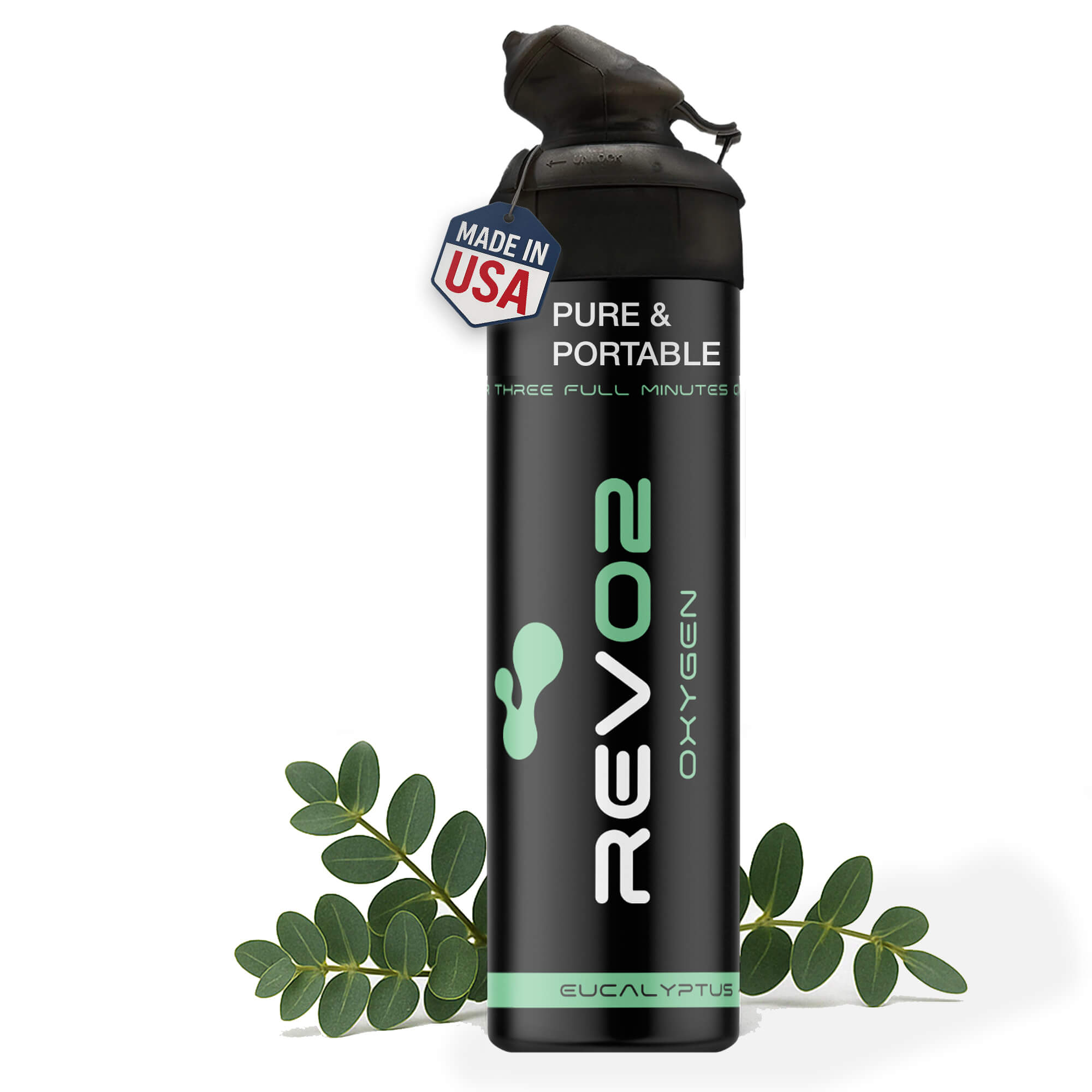
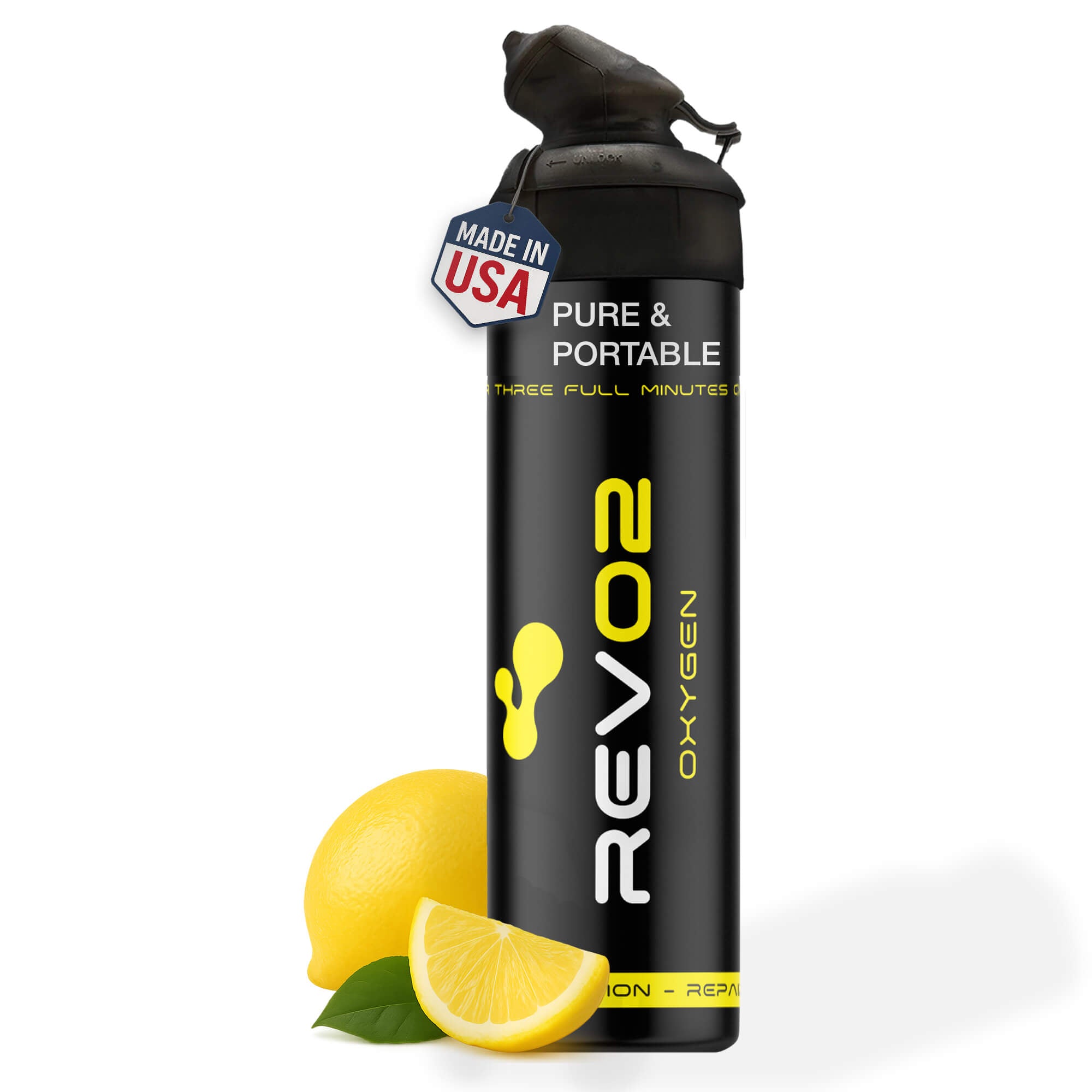
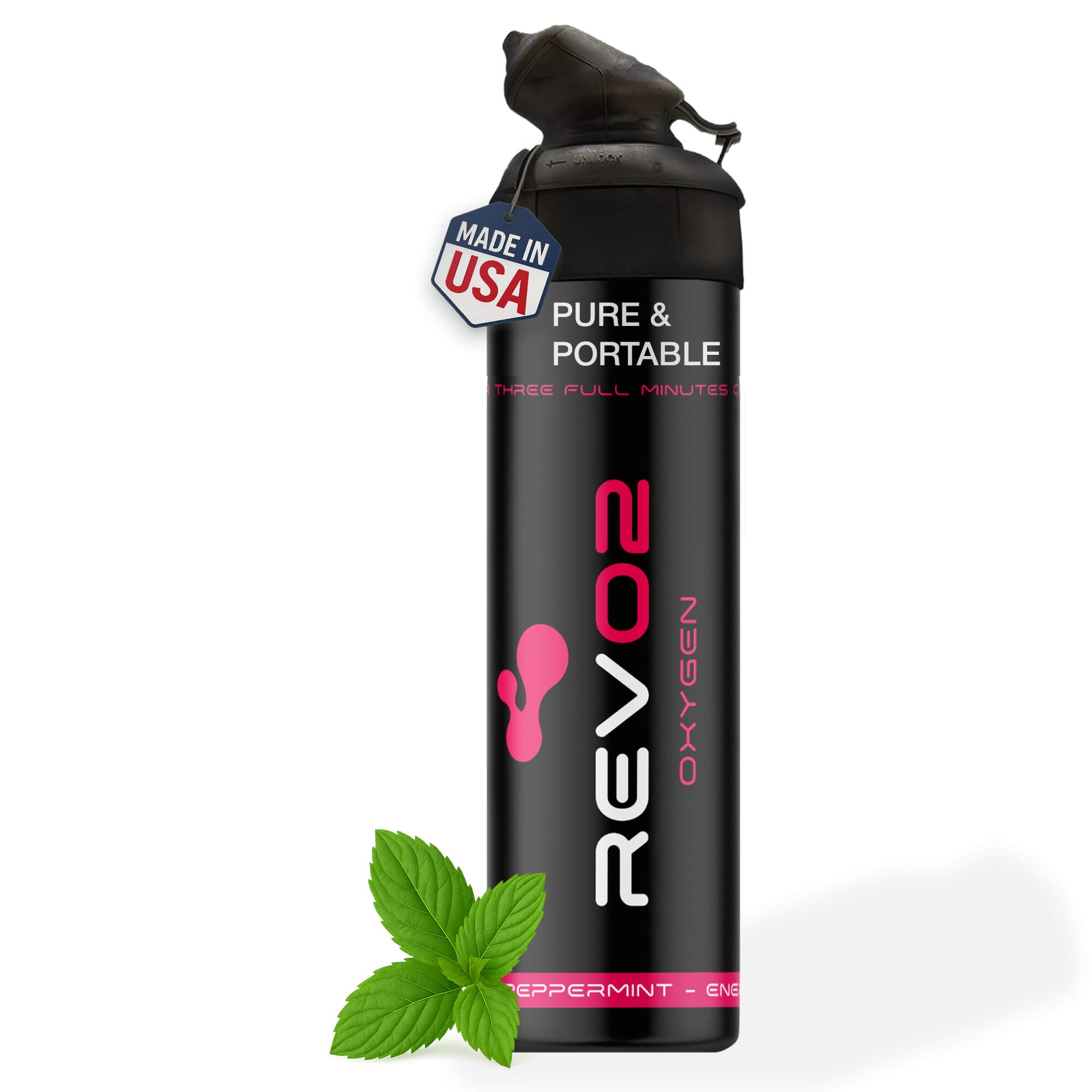
Breathing technique should be your first move between sets, but for the moments when you want extra support, REV/O2’s 98% pure oxygen cans offer a portable adjunct built for exactly that gap. The product features a mouthpiece designed to avoid oxygen loss and allows for quick inhalation during rest periods.

This oxygen canister works best as a complement to diaphragmatic and 4-7-8 breathing techniques, not as a replacement for them. Athletes reach for it during altitude training, travel, or sets where energy feels low rather than expecting it to add reps to the next set. If you want dosing and timing guidance before you try it, the how-to-use guide walks through safe inhalation practices. Ready to add it to your kit? Browse the athlete-focused oxygen can and pick a flavor blend that fits your training bag.
Sources
- Farinatti PTV et al., Journal of Strength & Conditioning Research (2011)
- Randomized crossover trial: effects of slow breathing during inter-set recovery (2024)
- JEPonline April 2012 article (Scott) on VO2 timing
- Ratamess NA et al., Acute oxygen uptake and resistance exercise (J Strength Cond Res, 2014)