
The percentage printed on a can of supplemental oxygen describes what is inside the canister, not what reaches your bloodstream. Consumer canned oxygen typically lists purity in a range generally above 90%, with common claims around the mid-90s percentage. Whatever boost you feel from a few inhalations tends to fade within minutes, and the delivery method matters as much as the number on the label.
TL;DR:
- The purity percentage on a can of oxygen indicates the gas composition inside but does not reflect the actual inhaled concentration due to mixing with ambient air.
- Medical and industrial oxygen differ in quality standards, with medical oxygen requiring higher purity levels around 99.5%, while consumer cans typically claim mid-90s percentages.
- The effective boost in blood oxygen levels from canned oxygen is limited by delivery method, with open-mouth inhalation diluting the high-purity gas almost immediately.
- Safety and transparency checks before buying should include verified testing, clear labeling, and proper mouthpiece design to minimize ambient mixing and leaks.
- OTC canned oxygen is a wellness product, not a treatment, and should not replace prescribed oxygen therapy or emergency medical care, especially for chronic lung conditions.
Table of Contents
- What oxygen purity numbers mean for consumers
- Standards and how purity is measured
- Why a can’s purity doesn’t guarantee physiological dose
- Regulation, labeling, and what protections exist
- How to evaluate an oxygen can before you buy
- Safe use guidance and when to avoid canned oxygen
- A publisher’s view on purity claims and transparency
- Where REV/O2 fits if you’re evaluating canned oxygen
- Sources
- FAQ
What oxygen purity numbers mean for consumers
Purity, in this context, is a measurement of gas composition inside the canister, expressed as a percentage by volume. If a can states 98% purity, that means 98% of the gas inside is oxygen, with the remainder made up of trace gases. It is a manufacturing specification, not a promise about what happens once you open the mouthpiece and breathe.
That distinction matters because the air around you is roughly 21% oxygen. The moment you inhale from an open-mouthpiece can, some of that high-purity gas mixes with ambient air before it ever reaches your lungs. The can’s contents and your actual inhaled concentration are two different measurements, and consumer products rarely test or report the second one.
Labels across the OTC canned oxygen category tend to cluster around a few common figures:
- Purity claims around the lower to mid-90% range appear on many entry-level products.
- Higher-end claims near the upper 90s are marketed as premium or medical-grade adjacent.
- Some labels combine a purity percentage with a volume measurement, such as liters per can, without clarifying how much reaches the user.
Standards and how purity is measured
Medical oxygen and industrial oxygen are held to different specifications, and the gap explains why hospital-grade gas and a consumer can are not interchangeable. Medical oxygen produced through liquefaction and pressure swing adsorption follows international standards that call for purity thresholds far higher than what most consumer cans claim, with liquefied medical oxygen commonly specified near 99.5% and PSA-generated oxygen typically falling within a narrower band around 93%, plus or minus 3%, according to FDA device documentation for regulated portable oxygen concentrators.

Industrial oxygen, used for welding and manufacturing, is produced under entirely different quality controls and may carry contaminants unsuitable for inhalation. It is not intended for human use, and mixing it up with medical or consumer-grade oxygen carries real risk.
A few markers separate documented, tested products from unverified ones:
- A certificate of analysis showing batch-level purity testing.
- Manufacturing standards referenced by name, such as pharmacopeia specifications.
- Clear labeling that distinguishes the product from medical oxygen rather than implying equivalence.
Why a can’s purity doesn’t guarantee physiological dose
A high number on the label does not mean your blood oxygen rises by any meaningful, lasting amount. Delivery is the limiting factor. Open mouthpieces allow ambient air to dilute the stream the instant you inhale, and most canned oxygen products are designed for brief, one-second bursts rather than continuous flow. Compare that to a sealed medical mask connected to a concentrator, which maintains a controlled concentration and flow rate over minutes or hours.

Clinical analysis from CU Anschutz makes the point directly: the purity figure on a can describes contents, not what a user actually inhales, and delivery inefficiency from mixing with room air lowers that effective concentration substantially. A sustained rise in arterial oxygen saturation requires controlled flow and duration.
Statistic Callout: The same clinician analysis found that ambient air mixing meaningfully lowers inhaled oxygen concentration compared with the purity printed on the can, underscoring why label claims and physiological effect are not the same thing.
Pro Tip: If you want to judge whether a canned oxygen product might help, focus on how it is delivered (sealed versus open mouthpiece) rather than chasing the highest purity percentage on the shelf.
For people with normal pulmonary function, a few seconds of high-purity gas is unlikely to change blood oxygen levels in any way that lasts. You can read more about why any boost tends to fade within five to ten minutes in typical use.
Regulation, labeling, and what protections exist
Over-the-counter canned oxygen is sold as a consumer wellness product, not a medical treatment, and it is not FDA-approved for that purpose. That distinction affects more than terminology. It also determines whether insurance will pay for it, and it does not: NCOA’s consumer guidance notes that OTC canned oxygen is typically sold without any insurance coverage, unlike prescribed medical oxygen equipment.
Because these products sit outside medical device regulation, labeling quality varies. A few checks help you separate transparent brands from vague ones:
- Look for a certificate of analysis or third-party testing reference on the packaging or website.
- Watch for language that implies medical treatment, disease prevention, or diagnosis, since legitimate wellness products avoid those claims.
- Confirm the label includes basic safety warnings about flammability and proper use.
For readers weighing canned oxygen against a doctor’s prescribed treatment, it helps to understand the practical differences between consumer canned oxygen and prescribed respiratory therapy before assuming one can substitute for the other.
How to evaluate an oxygen can before you buy
A little scrutiny before purchase tells you more than the purity number alone ever will.
- Check that the stated purity percentage is specific and consistent across the packaging and the seller’s product page.
- Look for a certificate of analysis or a reference to independent testing standards.
- Read the safety instructions and disclaimers, and confirm they mention flammability and proper storage.
- Examine the mouthpiece design: a sealed or low-leak design wastes less of the labeled purity than a loose, open valve.
- Search for any language suggesting the product treats a medical condition, which is a warning sign rather than a selling point.
Red flags worth walking away from include vague manufacturing claims with no testing reference, missing safety warnings, or marketing that implies the can can replace prescribed oxygen therapy. A short three-point check for telling recreational oxygen apart from medical oxygen can help you verify a listing before you buy.
Safe use guidance and when to avoid canned oxygen
Canned oxygen is generally used in short, controlled inhalations rather than continuous breathing, and cans should be stored away from heat sources and open flame given their pressurized contents. Treat it as a wellness product, not a substitute for prescribed treatment or emergency care.
A peer-reviewed review of public comments found that a notable share of reviewers described using OTC canned oxygen for medical purposes, and the authors cautioned that substituting it for prescribed oxygen or delaying emergency care carries real risk. That is worth taking seriously if you or someone you know has a chronic lung condition.
Common risks tied to misuse include:
- Delaying necessary medical treatment because a can feels like a substitute for prescribed oxygen.
- Fire risk from improper storage near heat or flame.
- Improper dosing expectations, since brief bursts will not correct a genuine medical oxygen deficiency.
Detailed step-by-step guidance is available in REV/O2’s safety and usage instructions, and a closer look at documented misuse patterns and fire risk is worth reading if you want the fuller picture.
A publisher’s view on purity claims and transparency
REV/O2 states its cans deliver 98% pure oxygen through a zero-leak mouthpiece built to reduce the ambient mixing described earlier in this article, a specification available on its product pages. That is the company’s own claim, not an independent medical endorsement, and readers are encouraged to review any certificate of analysis and the how-to-use safety guidance before purchase.
— Paul
Where REV/O2 fits if you’re evaluating canned oxygen
If the checklist above matters to you, purity claims backed by documentation, a mouthpiece designed to reduce waste, and clear safety guidance, REV/O2 built its product around those same priorities. The company designed its cans with a zero-leak mouthpiece and trigger-lock cap specifically to limit the ambient mixing problem described in the delivery section above, and it publishes usage guidance rather than leaving buyers to guess.
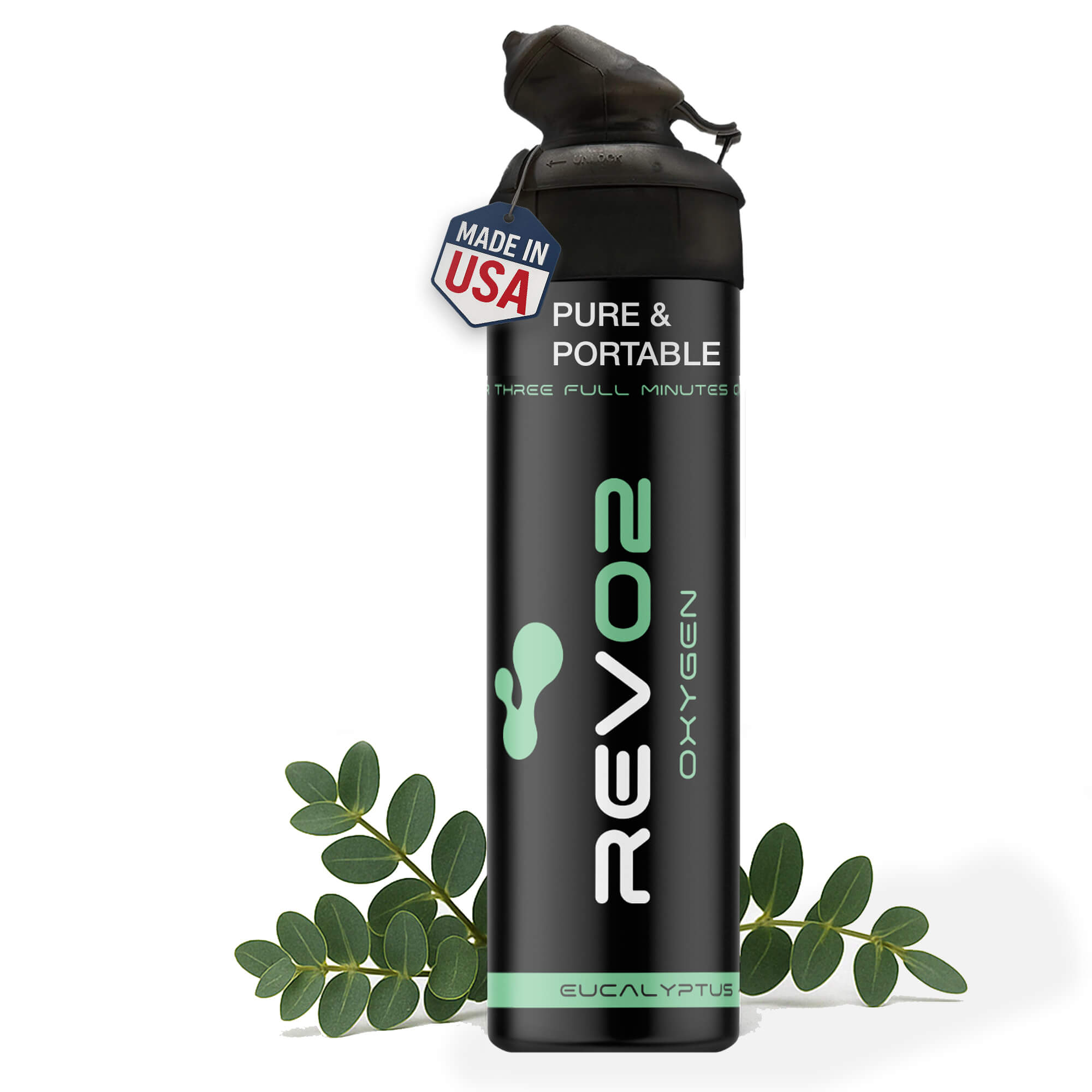
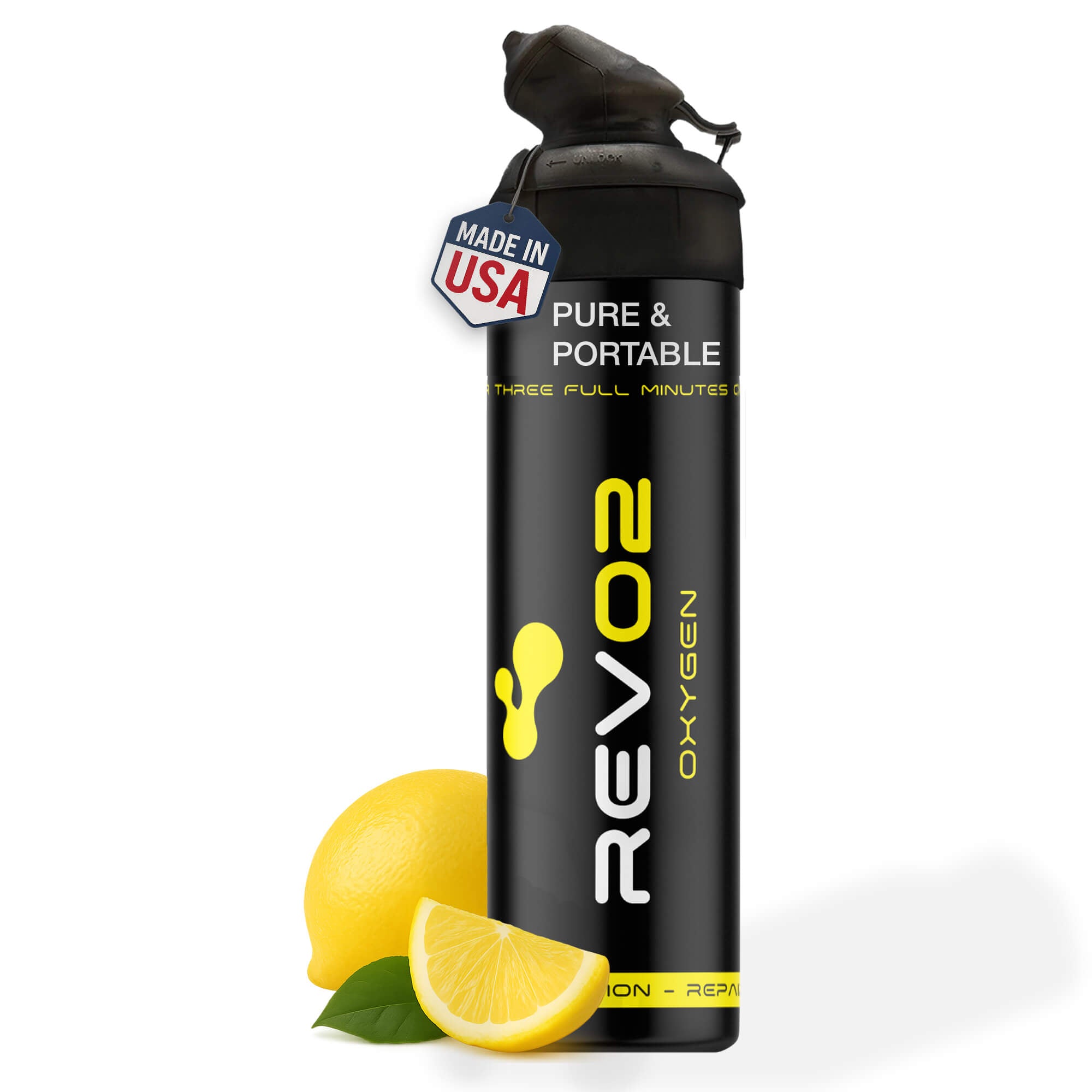
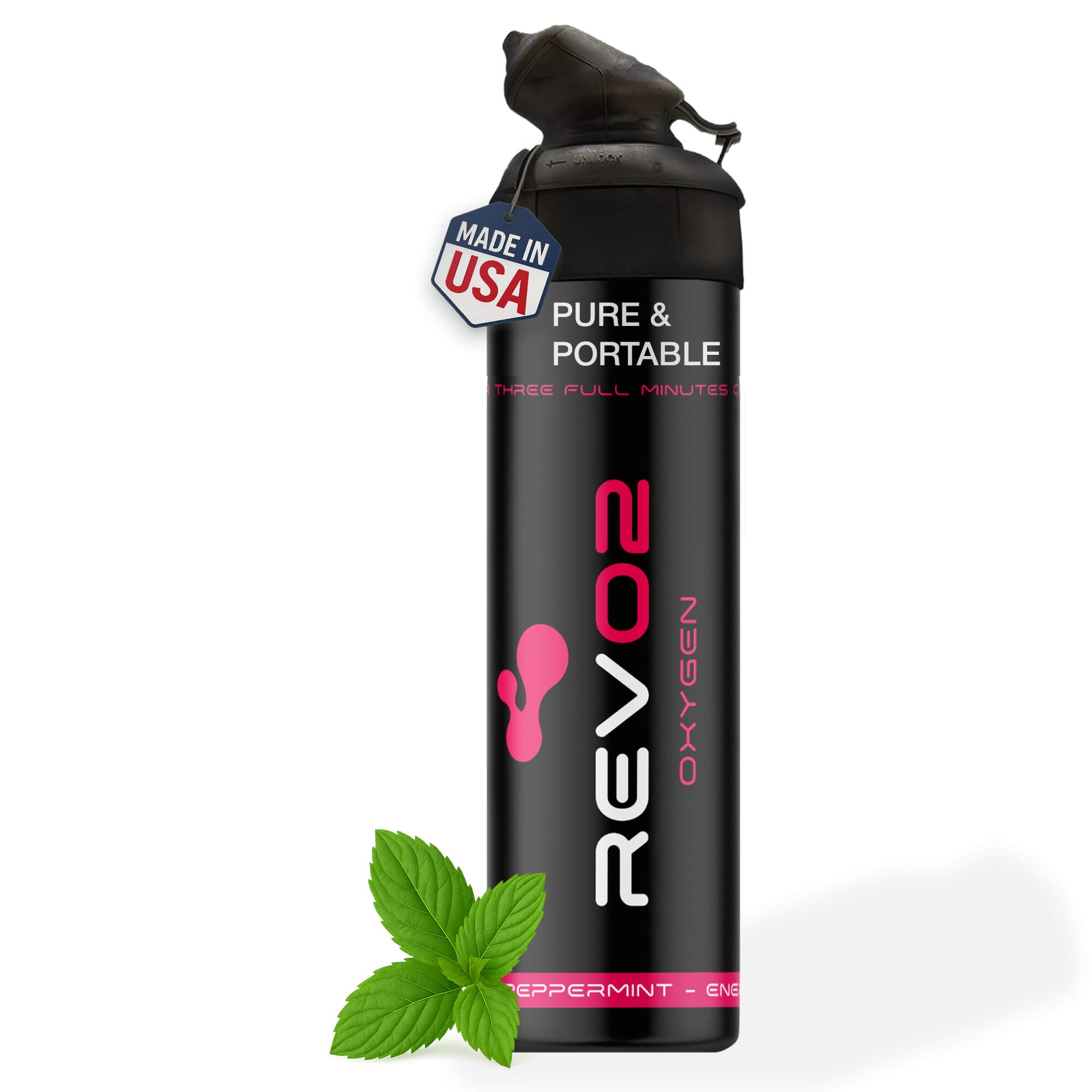
- Peppermint, lemon, and eucalyptus formulations are built around specific use cases, from energy and endurance to recovery and focus.
- Product specifications and purchase options are listed on the canned oxygen collection page.
- Step-by-step safe use instructions are available before you buy, not buried after checkout.
These are company statements about design and formulation, not medical claims. If you want to see the current lineup, visit REV/O2’s product page to compare options.
Sources
- Does Oxygen in a Can Deliver on Its Altitude and Energy Claims? — CU Anschutz
- What to Know about OTC Oxygen: Should You Use It? — NCOA
- Accessdata
FAQ
Are oxygen tanks 100% pure oxygen?
Medical oxygen tanks are held to strict purity standards, often near 99.5% for liquefaction-derived medical oxygen, but they are not sold as recreational products.
What does high purity mean on my oxygen concentrator?
High purity on a concentrator refers to the oxygen concentration it generates, with FDA documentation showing portable devices commonly specified around 93%, plus or minus 3%, a figure that reflects regulated device standards. That number describes output at the device, not necessarily what a user inhales through the delivery interface.
What are the side effects of canned oxygen?
Canned oxygen sold over the counter is generally low risk when used briefly as directed, but a peer-reviewed review found that some users reported using it as a substitute for prescribed medical oxygen, which can delay necessary treatment. Improper storage near heat or flame also carries fire risk given the pressurized contents.
Can I buy pure oxygen?
NCOA’s consumer guidance notes that OTC canned oxygen is not covered by insurance and is not regulated as a medical product.