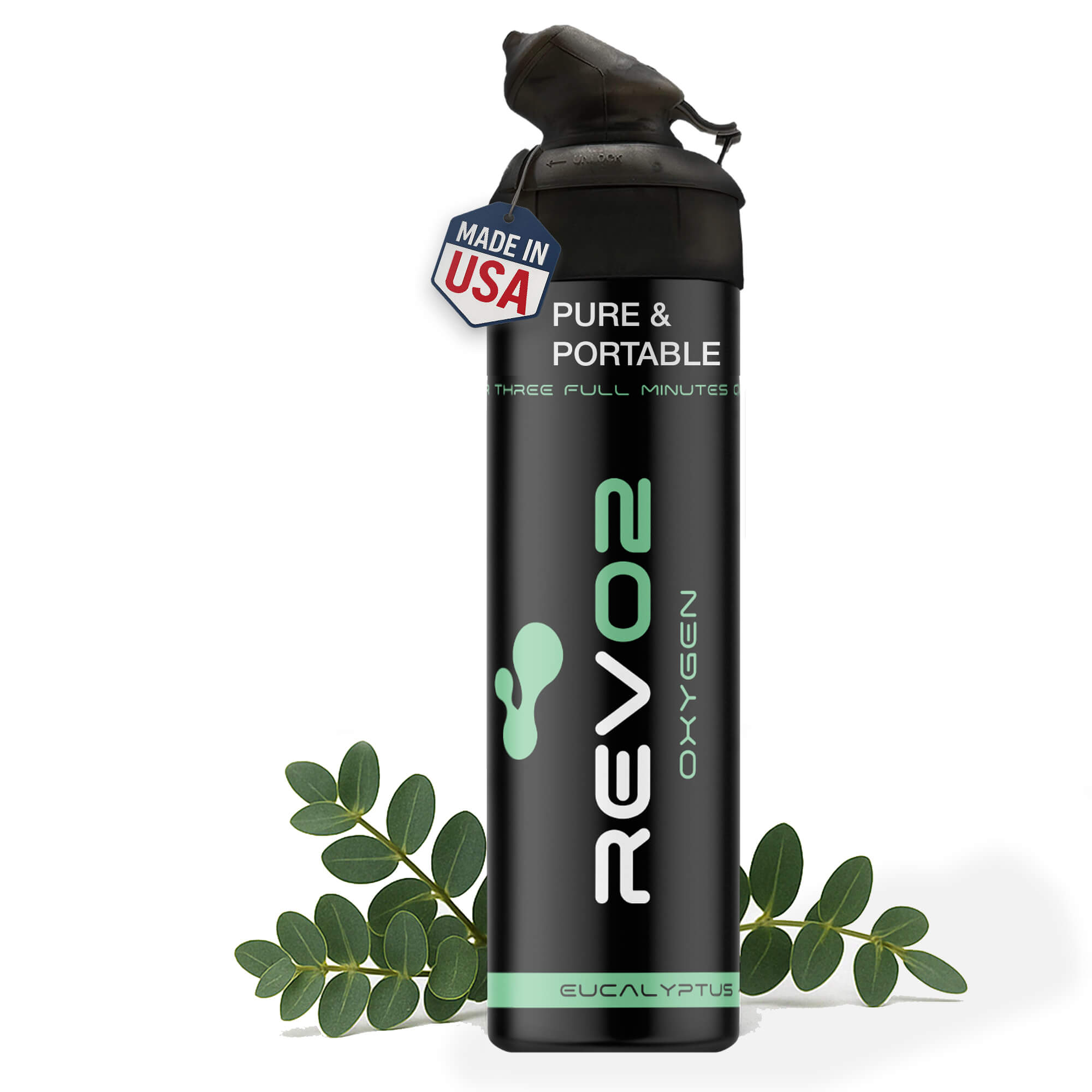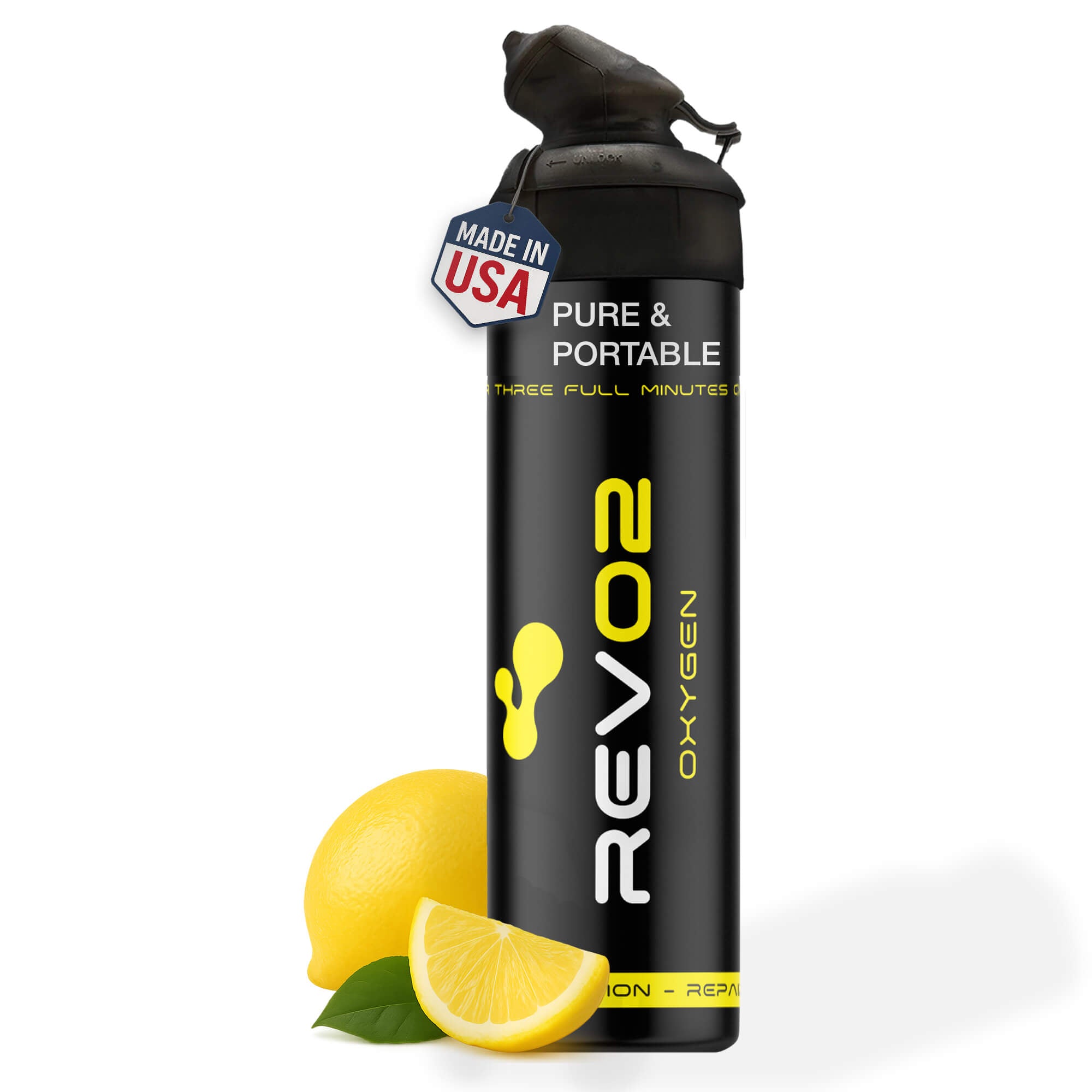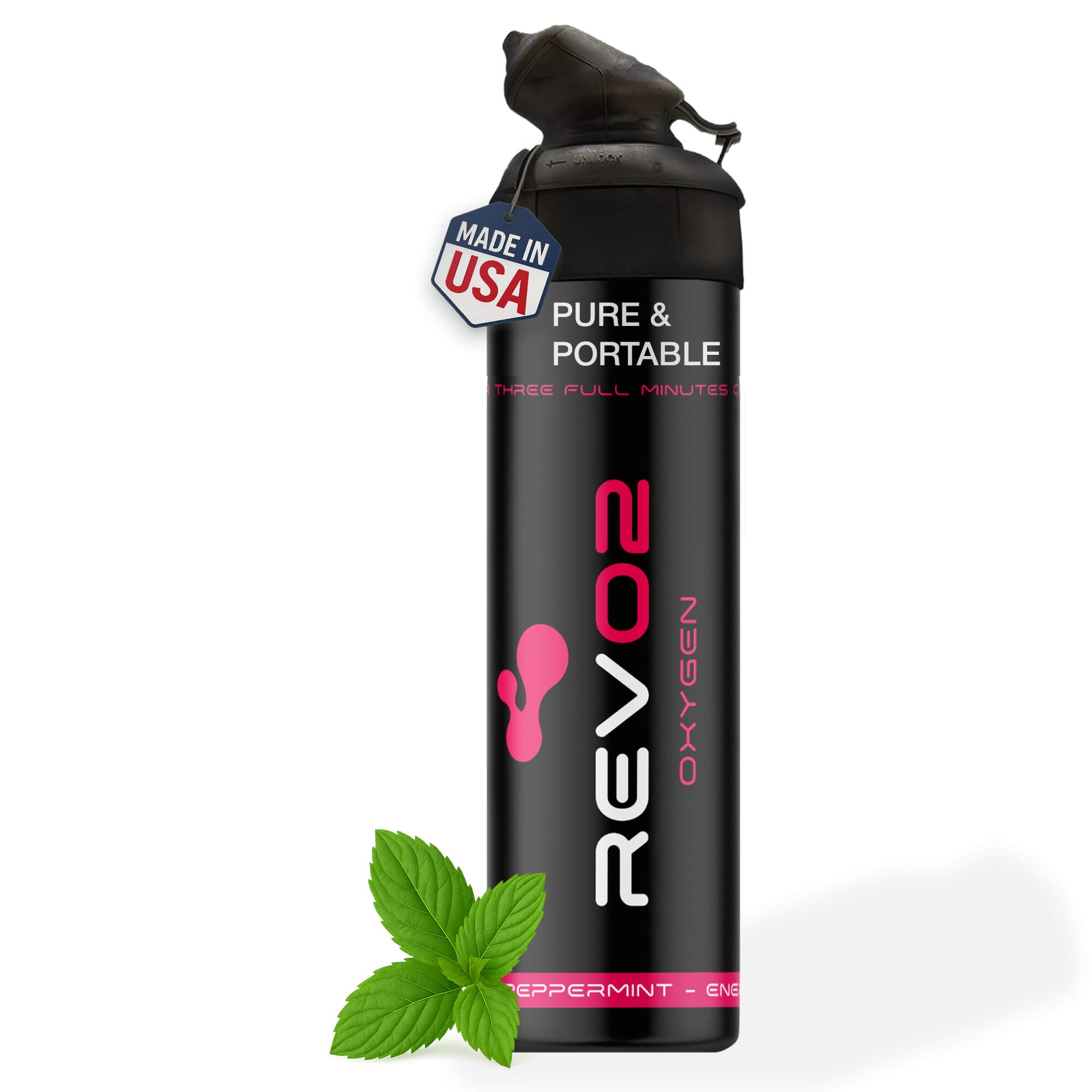

Medical oxygen is a regulated, prescription therapy for treating documented low blood oxygen. Recreational oxygen is a consumer wellness product meant for brief, short-term use and is never a substitute for prescribed therapy. If you have lung or heart disease, or a pulse oximeter reading that concerns you, use your prescribed oxygen and call your clinician instead of reaching for a can as explained in vibration plate contraindications guidance.
TL;DR:
- Recreational oxygen is sold as a wellness product and lacks the regulated quality, consistent flow, and clinical supervision of medical oxygen.
- Short-term, flavored cans may provide brief energy boosts but do not deliver the claimed physiological benefits or reliability of medical-grade devices.
- Using recreational oxygen instead of prescribed therapy can mask worsening symptoms, delaying necessary medical treatment and risking serious health complications.
- Genuine medical oxygen always requires a prescription, FDA approval, and specific purity standards, unlike OTC products that do not meet clinical safety criteria.
- Proper assessment by a healthcare professional is essential before using any form of oxygen to ensure safety and appropriateness for underlying health conditions.
Table of Contents
- What Medical-Grade Oxygen Is and How It Reaches Patients
- What Recreational Oxygen Actually Is
- Recreational vs Medical Oxygen: The Differences That Actually Matter
- The Real Danger: Using Recreational Oxygen Instead of Prescribed Therapy
- Who Actually Needs Medical Oxygen, and When to See a Clinician
- How to Tell If a Device Is Medical-Grade: Three Quick Checks
- What the Evidence and Clinical Bodies Actually Say
- A Publisher’s Note on Recreational Oxygen and Safety
- A Portable Oxygen Boost Without the Mask or the Prescription Hassle
- Sources
What Medical-Grade Oxygen Is and How It Reaches Patients
Medical oxygen comes from four main sources: compressed cylinders, oxygen concentrators, liquid oxygen tanks, and hospital pipeline systems fed by on-site oxygen plants. Each modality is chosen based on a patient’s setting, from home use to intensive care, and each is built to deliver a consistent, verifiable purity level.
That consistency is the whole point clinically. A patient with chronic obstructive pulmonary disease needs a steady, prescribed flow rate, not a variable puff, because inconsistent oxygen delivery can worsen outcomes rather than help them.
- Cylinders: portable, high-pressure tanks used in hospitals, ambulances, and home care.
- Concentrators: electric devices that pull ambient air and filter out nitrogen to concentrate oxygen for continuous home use.
- Liquid oxygen: cold, high-density oxygen used where large volumes are needed, such as hospitals.
- Pipeline systems: centralized supply feeding oxygen directly to hospital rooms and operating suites.
Every one of these systems is dispensed and monitored under clinical supervision. A prescription sets the flow rate, the duration, and the delivery method, whether that’s a nasal cannula or a full mask, and a clinician adjusts it based on your actual blood oxygen readings.
What Recreational Oxygen Actually Is
Recreational oxygen, sometimes called OTC or wellness oxygen, is a different category entirely. It’s sold without a prescription, marketed for short-term boosts rather than disease treatment, and packaged for convenience over clinical precision.
Common forms include:
- Single-use canned oxygen with a mouthpiece for a quick, on-demand dose.
- Flavored canisters (peppermint, lemon, eucalyptus) marketed for energy, focus, or recovery.
- Consumer-grade concentrators sold for general wellness rather than medical treatment.
Marketing around these products tends to lean on claims about energy, recovery after exercise, or help adjusting to altitude. The dosing is intentionally brief, a few inhalations rather than continuous flow, and that’s by design: these are wellness products, not treatment devices. Anyone can buy one at a gas station or online without a prescription, which is exactly what separates this category from medical oxygen at the regulatory level.
Recreational vs Medical Oxygen: The Differences That Actually Matter
The gap between recreational and medical oxygen isn’t just labeling. It shows up in regulation, purity claims, how the oxygen actually reaches your lungs, and what it costs you.
- Regulatory status: Medical oxygen is treated as a drug under the Federal Food, Drug, and Cosmetic Act, which means the FDA oversees its production, labeling, and distribution. Recreational oxygen is sold as a consumer wellness product, without the same drug-level oversight.
- Prescription and reimbursement: Medical oxygen requires a prescription and is often covered by Medicare or private insurance when a doctor documents medical necessity. Recreational oxygen requires neither and is paid for out of pocket.
- Effective concentration: Medical delivery systems, especially masks with a proper seal, can raise a patient’s effective FiO2 (the fraction of oxygen actually reaching the lungs) significantly above room air. Consumer devices without a tight seal lose much of that gain to ambient air dilution, according to reporting from CU Anschutz.
- Delivery interface: A well-fitted mask or nasal cannula changes how much oxygen actually gets absorbed. A mouthpiece or can, by contrast, delivers a brief burst that a healthy user inhales alongside plenty of room air.
- Cost and duration: Medical oxygen is billed as ongoing therapy, sometimes for years, and is often insurance-covered. Recreational oxygen is a one-time retail purchase meant for occasional, short-lived use.
The Real Danger: Using Recreational Oxygen Instead of Prescribed Therapy
A review of public comments on OTC canned oxygen found that some users report turning to it for medical purposes rather than the quick wellness boost it’s marketed for, and clinicians flag this as a real risk.
The core risk isn’t the oxygen itself. It’s what a few minutes of relief can talk someone out of doing next: calling their pulmonologist, using their prescribed inhaler, or getting to an emergency room.
That brief symptomatic lift can create a false sense of security. Clinicians have documented cases where canned oxygen use masked worsening pulmonary disease long enough to delay proper treatment. Situations where this matters most:
- Chest tightness, breathlessness, or a low pulse oximeter reading in someone with known heart or lung disease.
- Any COPD or pulmonary fibrosis flare where symptoms feel “manageable” after a quick dose.
- Confusion, bluish lips or fingertips, or breathlessness that doesn’t improve within minutes, all signs to stop and seek emergency care immediately.
If you’re using recreational oxygen and your breathing doesn’t improve within a few minutes, don’t reach for another can. Call your clinician or go to urgent care.
Who Actually Needs Medical Oxygen, and When to See a Clinician
Doctors typically prescribe medical oxygen based on documented, measured evidence, not how someone feels in the moment.
- A pulse oximeter reading consistently at or below 88 to 92 percent at rest, during exercise, or overnight, confirmed through clinical testing rather than a one-time home check.
- A diagnosed chronic condition, such as COPD, pulmonary fibrosis, or heart failure, where hypoxemia is a known complication.
- A clinician setting your exact flow rate and delivery method, then monitoring your response over time. This isn’t something you can self-dose safely.
Before an appointment, bring your recent pulse oximeter readings, a log of when symptoms occur, and any existing diagnoses. That gives your clinician what they need to determine whether prescribed oxygen therapy is right for you.
How to Tell If a Device Is Medical-Grade: Three Quick Checks
Before buying anything marketed as “medical-grade,” run these three checks:
- Look for an FDA 510(k) clearance number listed on the product page or label.
- See if a prescription is required at checkout. Genuine medical oxygen equipment always requires one.
- Find a published, specific purity spec, not a vague “high oxygen” claim with no percentage attached.
Pro Tip: If a seller can’t show you a 510(k) number or won’t ask for a prescription, treat it as a wellness product, not a medical device, no matter what the packaging implies.
These checks echo guidance on distinguishing medical-grade from wellness oxygen, which flags the same three signals as the fastest way for consumers to verify a claim.
What the Evidence and Clinical Bodies Actually Say
The Pulmonary Fibrosis Foundation advises anyone considering non-prescription oxygen to talk to a pulmonologist or respiratory therapist first, since these devices lack the reliability standards required for lung disease management.
Evidence for recreational oxygen’s performance or recovery benefits remains limited, and single short doses generally produce effects that look more like a placebo response than a lasting physiological change, according to NCOA’s guidance on OTC oxygen.
The honest takeaway: current research doesn’t support recreational oxygen as a treatment. It supports it, at most, as a short-term wellness habit.
A Publisher’s Note on Recreational Oxygen and Safety
This company sells recreational oxygen, full stop. It’s a wellness product for brief, everyday boosts, not a medical therapy, and it was never built to replace a prescription. If you have a respiratory or cardiac condition, talk to your clinician before use, not after. Our safe-use guidance exists to keep that boundary clear.
— Paul
A Portable Oxygen Boost Without the Mask or the Prescription Hassle
For the traveler dealing with altitude, the athlete chasing faster recovery, or the person who just wants a quick reset during a stressful afternoon, some products offer what medical oxygen systems weren’t built for: grab-and-go simplicity. No mask, no tubing, no clinical setup, just a zero-leak mouthpiece and 98% pure oxygen in a can you can toss in a backpack.
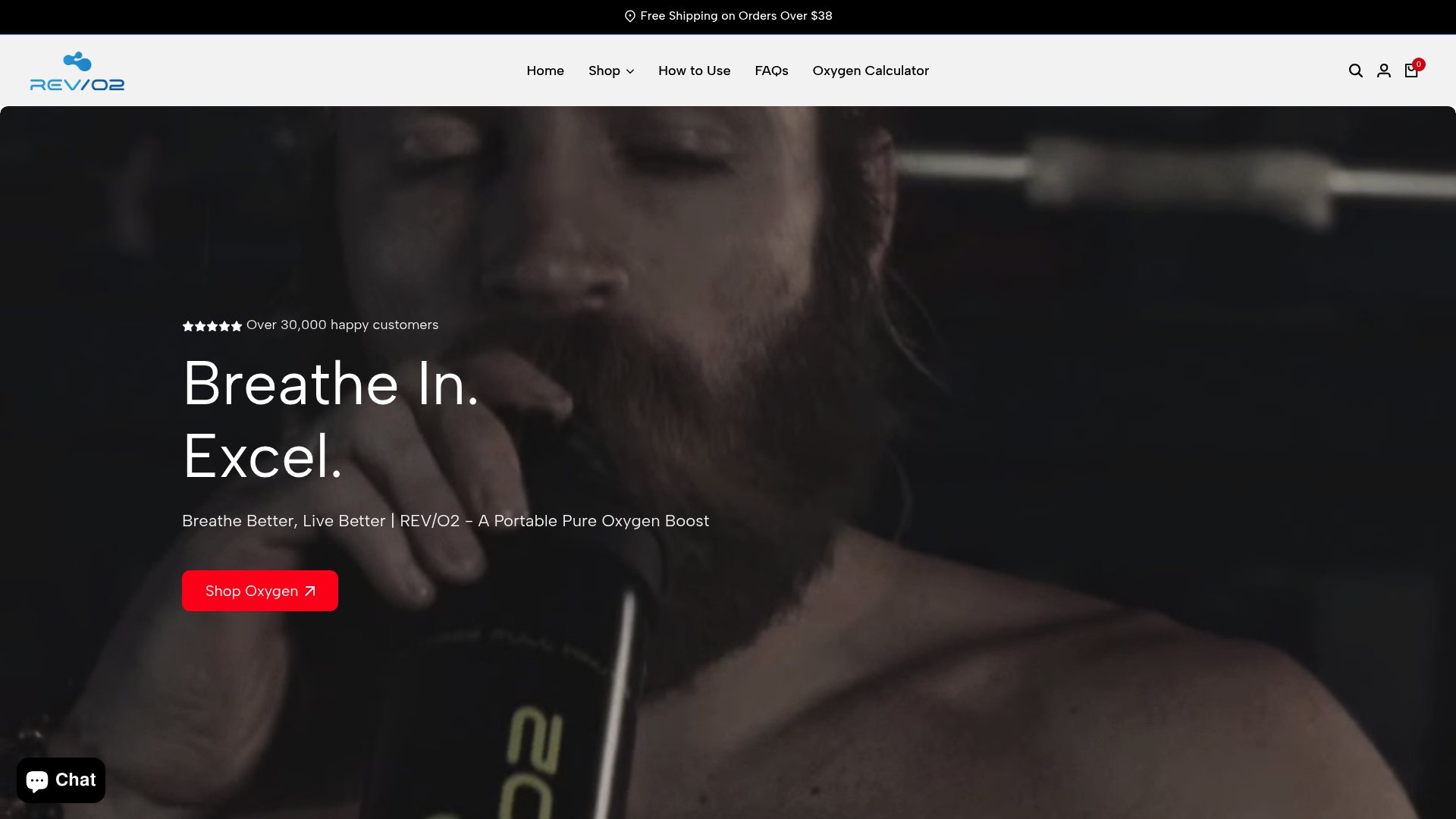
Some cans come in flavors like peppermint, lemon, and eucalyptus, built for the moments recreational oxygen is actually meant for: a short-term lift, not a substitute for treatment. If altitude is your main concern, check your expected oxygen levels first with our altitude oxygen calculator, then browse the full canned oxygen lineup to find the flavor and pack size that fits your routine. If you have a heart or lung condition, our safe usage guide walks through exactly how to use it responsibly alongside, never instead of, your prescribed care.
Sources
- Medical Use of Over-the-Counter Canned Oxygen: A Review of Public Comments
- Pulmonary Fibrosis Foundation — position on non-prescription supplemental oxygen
- What to Know about OTC Oxygen: Should You Use It? — NCOA
- Federal Food, Drug, and Cosmetic Act (FDC Act) — FDA
- Overview of oxygen sources — Open Critical Care