
Brief inhalation of 98% oxygen timed to the start of a recovery interval can produce a small, short-lived drop in perceived exertion and, in some lab settings, a faster repeat sprint. The effect depends heavily on timing and the situation, working best for short repeated sprints, not for general fatigue or injury. Portable canned oxygen is a recreational product, never a substitute for prescribed medical oxygen or emergency care.
TL;DR:
- Brief inhalation of 98% oxygen during the first seconds of recovery can improve sprint times by about one second for short efforts, but benefits fade within a few seconds.
- The effectiveness depends heavily on precise timing at the start of recovery and is most relevant for quick, repeated sprints, not for overall fatigue or injury.
- Recreational oxygen products with zero-leak mouthpieces can help during high-intensity drills at altitude or after exhaustive efforts but are not suitable for long recoveries or chronic fatigue.
- Use canned oxygen only as a small edge in sprint days, ensuring careful timing, proper technique, and medical clearance for players with respiratory issues.
- Coaches must enforce strict safety rules, avoid substituting for medical oxygen, and treat any respiratory distress symptoms seriously during use.
Table of Contents
- What the research actually shows about brief hyperoxic recovery
- When portable oxygen will and won’t help on the court
- Practical protocol: how coaches and players should use canned oxygen between drills and games
- Safety, regulation, and medical cautions coaches must enforce
- When I’d trial canned oxygen with a basketball team
- REV/O2: a practical portable oxygen option for teams and players
- Sources
- FAQ
What the research actually shows about brief hyperoxic recovery
The clearest basketball-relevant evidence comes from a 2026 randomized, placebo-controlled crossover trial in trained swimmers. Athletes who took a five-second inhalation of 98% oxygen at the exact start of their recovery window swam a subsequent 50-yard sprint about 0.99 seconds faster than those who didn’t, with lower perceived exertion afterward. That study used a zero-leak, mouthpiece-driven canister similar in design to consumer canned oxygen, which matters for anyone wondering if lab results translate to a gym bag product.
Other laboratory work on repeated Wingate cycling efforts found that hyperoxia during recovery intervals briefly raises peak power, though the boost fades within one to two seconds. That’s consistent with the swimming data: the benefit is real but narrow, and it shows up most clearly when oxygen hits the lungs right as recovery begins, not whenever a player happens to grab a can.
Longer exposures tell a different story. A study on college athletes found that 30 minutes of normobaric oxygen inhalation after maximal running slowed the decline in microcirculatory blood flow, raised muscle oxygen saturation, and sped up heart rate and lactate recovery compared to passive rest. That protocol looks nothing like a 30 to 90-second timeout on the bench, so it’s a poor stand-in for what a five-second can inhalation can do mid-game.

A five-second inhalation of 98% oxygen at recovery onset improved sprint time by roughly one second and reduced perceived exertion in a controlled swimming trial, one of the few studies to test this exact timing window in athletes under game-like conditions.
Three things worth carrying into practice planning:
- Timing at the start of recovery, not mid-rest or pre-effort, is the variable that shows up across studies.
- Effects on peak power are measured in seconds, not minutes, so expectations should stay modest.
- Longer inhalation protocols exist in research but don’t match the short rest windows basketball actually gives players.
When portable oxygen will and won’t help on the court
Recreational oxygen fits some basketball situations better than others. It’s worth being honest with your team about where the evidence actually points, rather than treating every timeout as a chance to inhale.
Likely to help:
- Short, repeated sprint sets with quick turnarounds, like full-court suicides or transition drills.
- High-intensity drills where players are gasping and rest periods are brief.
- Travel days or games at altitude where players report unusual tiredness or shortness of breath.
Unlikely to help:
- Long, steady-state aerobic recovery, like a slow jog to cool down after practice.
- Chronic fatigue that builds over a season, which usually points to sleep, nutrition, or training load issues.
- Any injury or breathing difficulty that needs medical attention rather than a can of oxygen.
Part of the confusion around canned oxygen comes from delivery. A single breath through an open nozzle mixes with room air fast, so the effective dose is smaller than the “98% pure” label implies. Products with a zero-leak mouthpiece reduce that dilution, but no canned product replicates a continuous medical-grade flow.
Pro Tip: Treat canned oxygen as a small edge on repeat-sprint days, not a fix for a tired, worn-down team late in the season.
Practical protocol: how coaches and players should use canned oxygen between drills and games
The research points to a narrow but usable window. Here’s how to apply it without wasting canisters or creating bad habits.
- Time the inhalation to the first few seconds of a recovery interval, not the middle or end of a rest period.
- Use a single three to five-second inhalation when a player subs out after a hard sprint rotation, matching the protocol tested in trained athletes.
- Inhale steadily through a sealed mouthpiece rather than a face mask; masks leak more and dilute the dose.
- Log canister usage per practice so you know actual consumption, since stress and inhalation technique can drain a can faster than the label suggests.
- Keep mouthpieces clean between players, store cans away from heat, and estimate one to two cans per intense practice depending on roster size.
- Before rolling this out to a full team, run a small pilot: track RPE and sprint splits over two or three sessions, and clear it with your athletic trainer or team physician, especially for players with asthma or other respiratory conditions.
Pro Tip: Track sprint times and RPE for two weeks before deciding whether canned oxygen earns a permanent spot in your equipment bag. For more detail on pacing sessions, see this guide on oxygen bursts for interval recovery.
Safety, regulation, and medical cautions coaches must enforce
Recreational canned oxygen and prescription medical oxygen are not the same category of product, and coaches need to keep that line clear for players and parents. Pulmonary health organizations and sports medicine sources caution that over-the-counter oxygen is a recreational product, not a therapy, and delivery method changes how much oxygen actually reaches the lungs.
A qualitative review of consumer reports found that some people use OTC canned oxygen as a substitute for prescribed oxygen therapy or to avoid seeking urgent care, which is a genuine safety risk. That pattern doesn’t belong on a basketball court, but it’s a reason to set clear rules before handing out cans.
Team policies should include:
- Never substitute canned oxygen for a player’s provider-prescribed oxygen or inhaler.
- Document medical clearance for any player with asthma, COPD, or another respiratory condition before including them in a trial.
- Watch for red flags during any session: low oxygen saturation readings, severe breathlessness, dizziness, or chest pain warrant stopping and seeking medical evaluation, not another inhalation.
- Follow label safety around storage and handling, including keeping cans away from open flame or smoking areas.
- Keep your team’s medical staff informed of any oxygen trial, including dosing and frequency.
For a side-by-side look at what separates recreational from clinical oxygen use, this breakdown of recreational versus medical oxygen is a useful reference for staff and parents alike.
When I’d trial canned oxygen with a basketball team

Given the evidence, I’d limit an initial trial to short sprint rotations, timed inhalations right at the start of the bench rest, with RPE and sprint splits tracked across a few sessions. Keep your athletic trainer in the loop from day one, not as an afterthought.
The trade-offs are real: canisters cost money, hygiene needs attention with shared mouthpieces, and the performance effect is small and short-lived rather than transformative. If a team decides to move forward, choosing a product built with a sealed, zero-leak mouthpiece and athlete input in its design gives the trial a fairer shot at reflecting what the research actually tested, rather than a diluted version of it.
— Paul
REV/O2: a practical portable oxygen option for teams and players
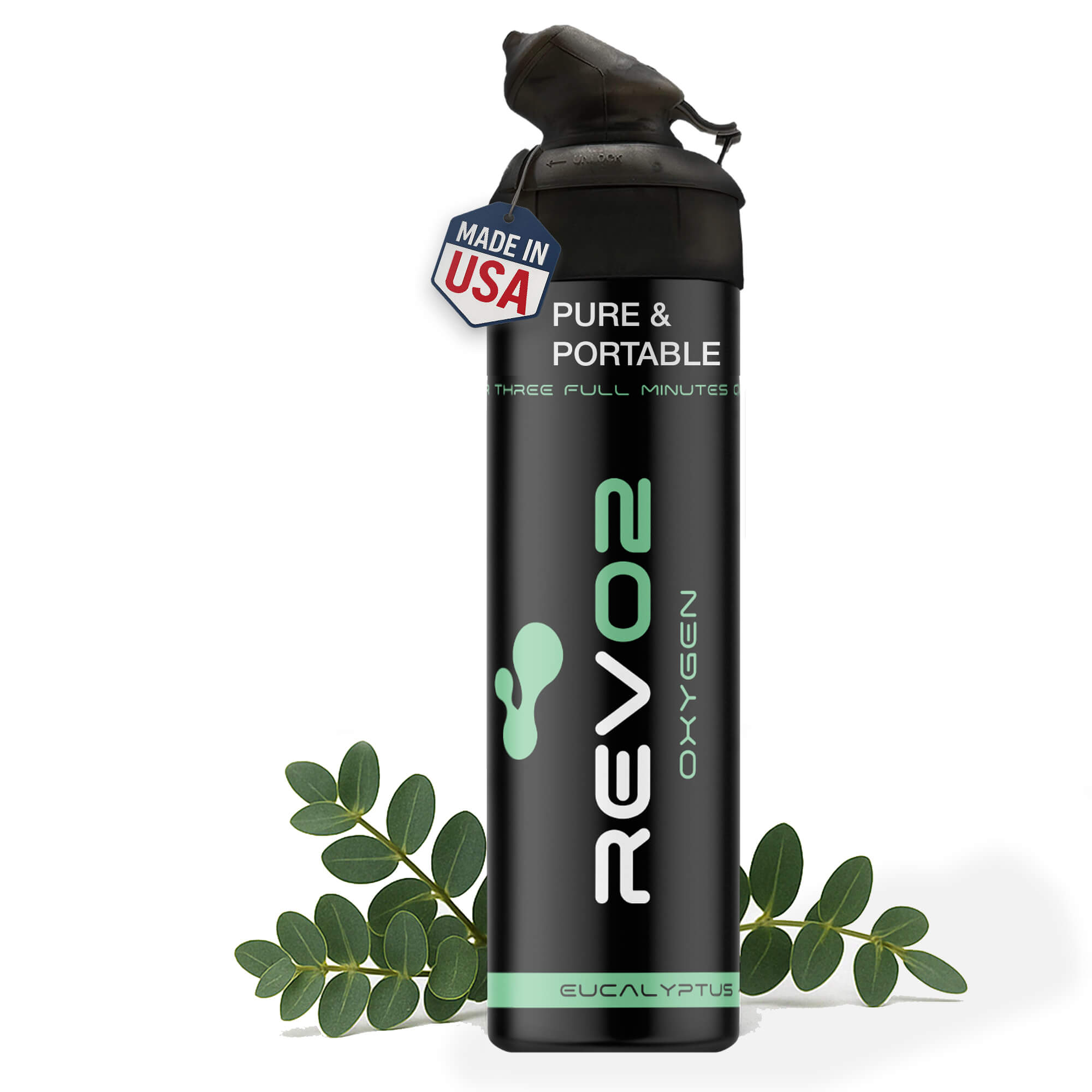
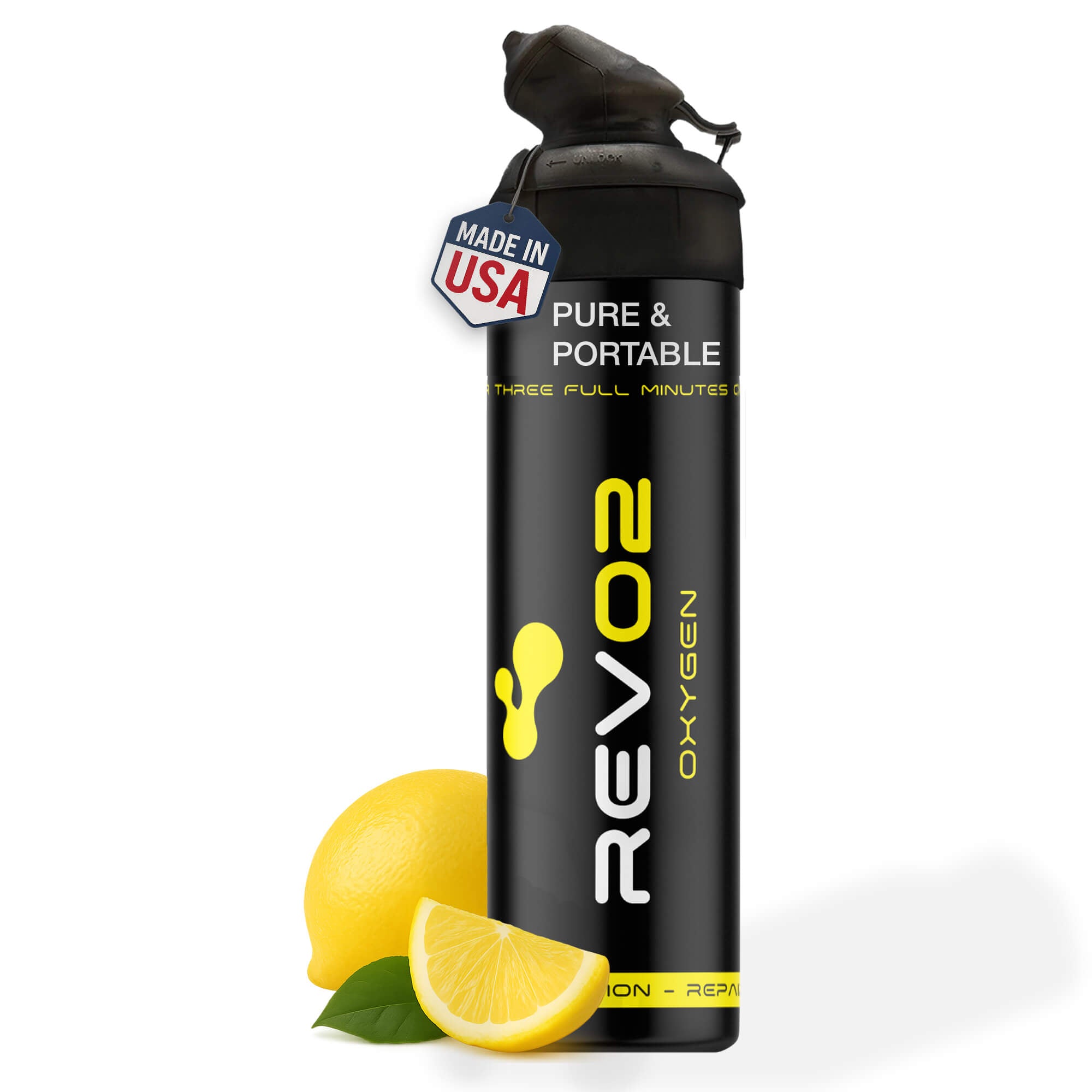
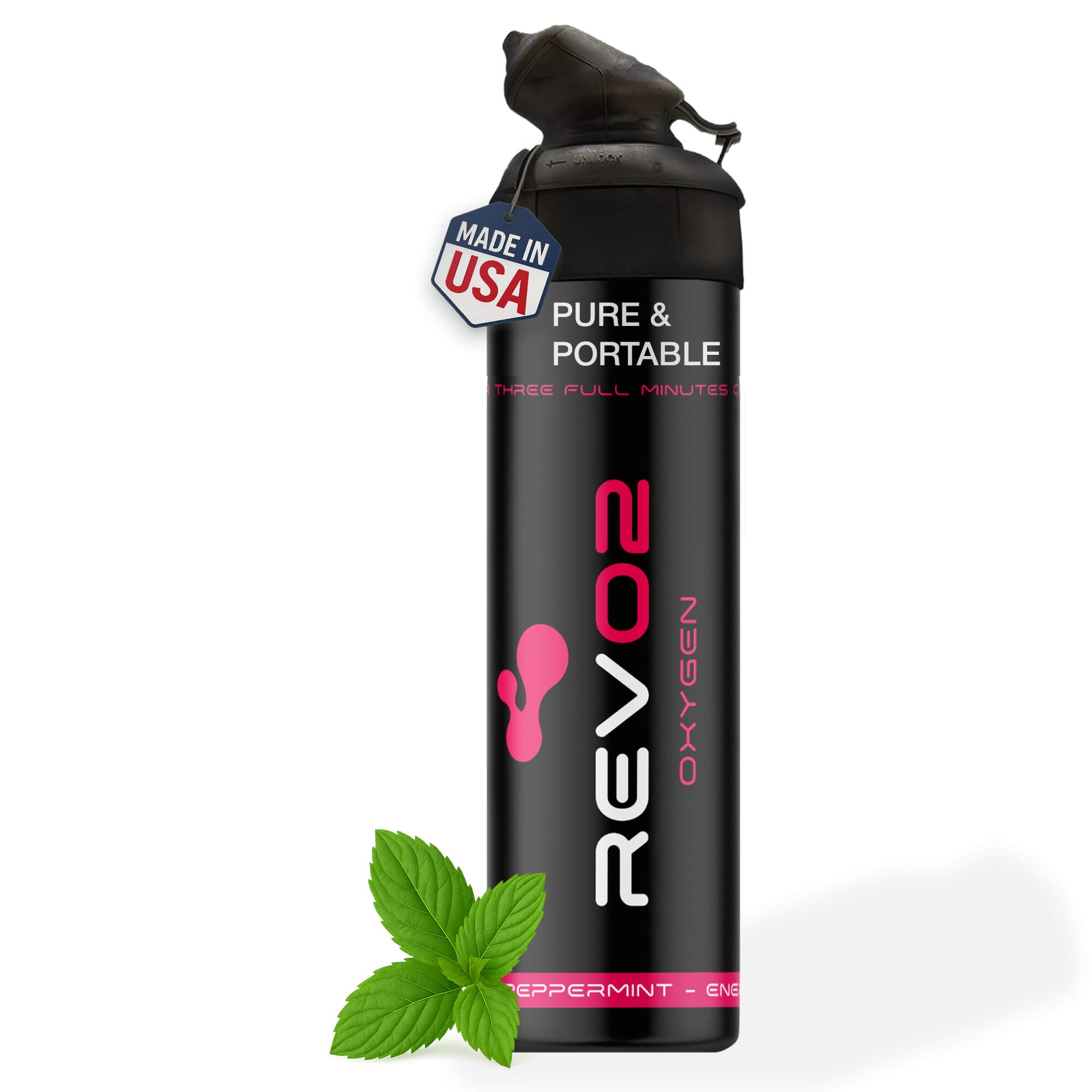
REV/O2 makes 98% pure canned oxygen with a zero-leak mouthpiece, built to avoid the ambient dilution that waters down cheaper open-nozzle products. Some products on the market feature flavors such as peppermint, lemon, and eucalyptus, which are marketed to support energy, recovery, and focus respectively.
For a team considering a trial, start small:
- Pick one practice with repeated sprint drills and test a single canister across a handful of players.
- Track RPE and sprint splits before and after, the same way the trial protocols above suggest.
- Read the usage guide before your first session so mouthpiece technique matches what the research tested.
- Loop in your medical staff first if any player has asthma or another lung condition.
If the trial looks promising, the full REV/O2 lineup and canned oxygen collection make it easy to stock up for a season without guessing on quantities.
Sources
- Recovery-Targeted Supplemental Oxygen Enhances Performance and Attenuates Perceived Fatigue During Subsequent High-Intensity Swimming
- Does oxygen in a can deliver on its altitude and energy claims? (CU Anschutz news)
FAQ
Does oxygen actually speed up recovery between basketball sets?
Brief oxygen inhalation timed to the very start of a recovery interval showed a measurable, if small, improvement in subsequent sprint performance and perceived exertion in a controlled swimming study. The effect is short-lived and works best for repeated short efforts rather than general end-of-practice fatigue.
Is canned oxygen the same as medical oxygen therapy?
No. Canned recreational oxygen is a consumer product, while medical oxygen therapy is prescribed and delivered under clinical supervision for specific conditions, according to pulmonology and sports medicine sources. Never use a canned product as a substitute for prescribed oxygen.
How long does a burst of oxygen actually help performance?
Lab studies on hyperoxia during recovery intervals show the boost in peak power fades within one to two seconds, so the practical window for benefit is very short. The swimming trial that found improved sprint times used just a five-second inhalation at the exact start of recovery, underscoring how timing-dependent the effect is.
Can basketball players use REV/O2 oxygen cans between drills?
Yes, REV/O2 offers 98% pure oxygen cans with a zero-leak mouthpiece designed for exactly this kind of short, recovery-timed use, in Peppermint, Lemon, and Eucalyptus formats. Players with asthma or other respiratory conditions should get medical clearance before trying it, and it should never replace a prescribed treatment.
Are there safety risks to using oxygen cans during practice?
The main risk is misuse, such as substituting canned oxygen for prescribed therapy or ignoring warning signs like breathlessness or chest pain, a pattern noted in consumer report reviews. Teams should set clear rules, keep medical staff informed, and treat any red flag symptom as a reason to stop and seek care.