
For most healthy adults, the conservative approach is 1 to 3 slow, deep inhalations per round, repeated for up to 3 rounds with a few minutes of rest in between. That’s it, no more. Canned oxygen brands often label this as a “one second inhalation,” but treat that phrase as packaging language, not a medical dosing unit. If you have a heart or lung condition, or you’re experiencing real breathing trouble, canned oxygen is not a substitute for prescribed oxygen. Severe shortness of breath or chest pain means calling for medical help, not reaching for a can.
TL;DR:
- Using 1 to 3 slow, deep inhalations per round with rest in between optimizes oxygen absorption, especially for healthy adults.
- Canned oxygen labeled for 100 doses in a 5-liter can is based on quick puffs, not deep breaths, so actual usage depletes faster with proper technique.
- The oxygen concentration (95 to 98%) is a purity level, not a delivery measure; effective absorption requires continuous flow over several minutes.
- Devices with sealed mouthpieces and nasal breathing improve efficiency, helping more labeled oxygen reach your lungs.
- Effects from brief inhalations are short-lived, generally fading within minutes, with no strong evidence of long-term health benefits.
Table of Contents
- What Vendors Mean by “Doses,” Liters, and 98% Oxygen
- What Do Common Can Sizes Actually Deliver?
- What’s the Right Way to Inhale Canned Oxygen?
- Who Should Avoid Canned Oxygen, and What Are the Warning Signs?
- Can You Bring Canned Oxygen on a Plane?
- How Long Do the Effects Last, and What Does the Evidence Actually Show?
- What Actually Matters When You’re Deciding How Much to Use
- Try Canned Oxygen the Way It’s Meant to Be Used
- Sources
- FAQ
What Vendors Mean by “Doses,” Liters, and 98% Oxygen
The numbers printed on a canned oxygen label look precise, but they’re built on assumptions your own lungs may not match. When a brand advertises a 5-liter can as good for 100 “one-second inhalations,” that count is an estimate based on a short, quick puff, not a full breath held for several seconds. Breathe slower and deeper than that reference puff, and you’ll use up the can faster than the label suggests.
The “95 to 98% oxygen” figure describes concentration, not delivery. A tank of medical-grade oxygen running continuously into a mask for minutes at a time changes how much oxygen actually reaches your bloodstream. A few seconds of high-concentration gas from a handheld can does not work the same way. Clinicians at CU Anschutz note that it typically takes two to three minutes of continuous flow to move a pulse oximeter reading at all. A single puff, however pure, rarely gets there.
Mouthpiece design also matters more than most people expect:
- A loose-fitting nozzle lets a portion of every puff escape into the air around your mouth instead of your lungs.
- A zero-leak mouthpiece, sealed against the lips, delivers more of the labeled dose per inhalation.
- Breathing through the nose instead of the mouth with most consumer designs wastes a meaningful share of each puff.
That’s a real difference in efficiency, not just marketing copy, and it’s worth knowing before you assume every can behaves the same way.
What Do Common Can Sizes Actually Deliver?
Canned oxygen ships in a narrow range of sizes, and bigger cans don’t always mean proportionally more usable doses. Typical retail options run from around 3 liters up to 10 liters, with dose counts scaled roughly to volume:
- 3 liter cans: commonly marketed around 50 to 60 one-second inhalations.
- 5 liter cans: commonly marketed around 100 one-second inhalations.
- 10 liter cans: commonly marketed up to about 200 doses, which consumer-health guidance from the National Council on Aging translates to roughly three minutes of total oxygen flow.
Three minutes sounds short because it is. If you inhale deeply and hold each breath for a couple of seconds, as most guides recommend, you’ll burn through those labeled “doses” faster than someone taking quick, shallow puffs. That trade off between technique and can life matters for cost as much as for effect. A frequent user doing several rounds a day, several days a week, will go through a 10 liter can much faster than the marketing math implies, which is worth factoring in before buying single cans versus a multi-pack.
What’s the Right Way to Inhale Canned Oxygen?
Technique changes outcomes here more than any other variable you control. A quick, shallow puff mostly fills your upper airway and gets exhaled again before your lungs can absorb much of it. A slower, deeper breath gives the oxygen time to reach the alveoli, where actual gas exchange with your blood happens.
A conservative, practical routine looks like this:
- Seal your lips fully around the mouthpiece to avoid losing oxygen to the surrounding air.
- Inhale slowly and deeply through the mouth rather than a quick sniff.
- Hold the breath for 2 to 3 seconds if you can do so comfortably.
- Exhale normally, then repeat for a total of 1 to 3 inhalations per round.
- Rest for 2 to 5 minutes before starting another round, and cap yourself at 3 rounds per session.
Timing matters too. Athletes tend to use canned oxygen either right before a demanding effort or during a recovery window afterward, rather than mid-exertion when a pause to inhale isn’t practical. Older adults or anyone trying canned oxygen for the first time should start at the low end, just one inhalation per round, and see how they feel before adding more.
Pro Tip: A slow four-count inhale followed by a brief hold delivers noticeably more perceived benefit than three rapid puffs in a row, even though both use roughly the same amount of gas from the can.
The REV/O2 how-to guide walks through zero-leak mouthpiece technique in more detail if you want a device-specific reference before your first use.
Who Should Avoid Canned Oxygen, and What Are the Warning Signs?
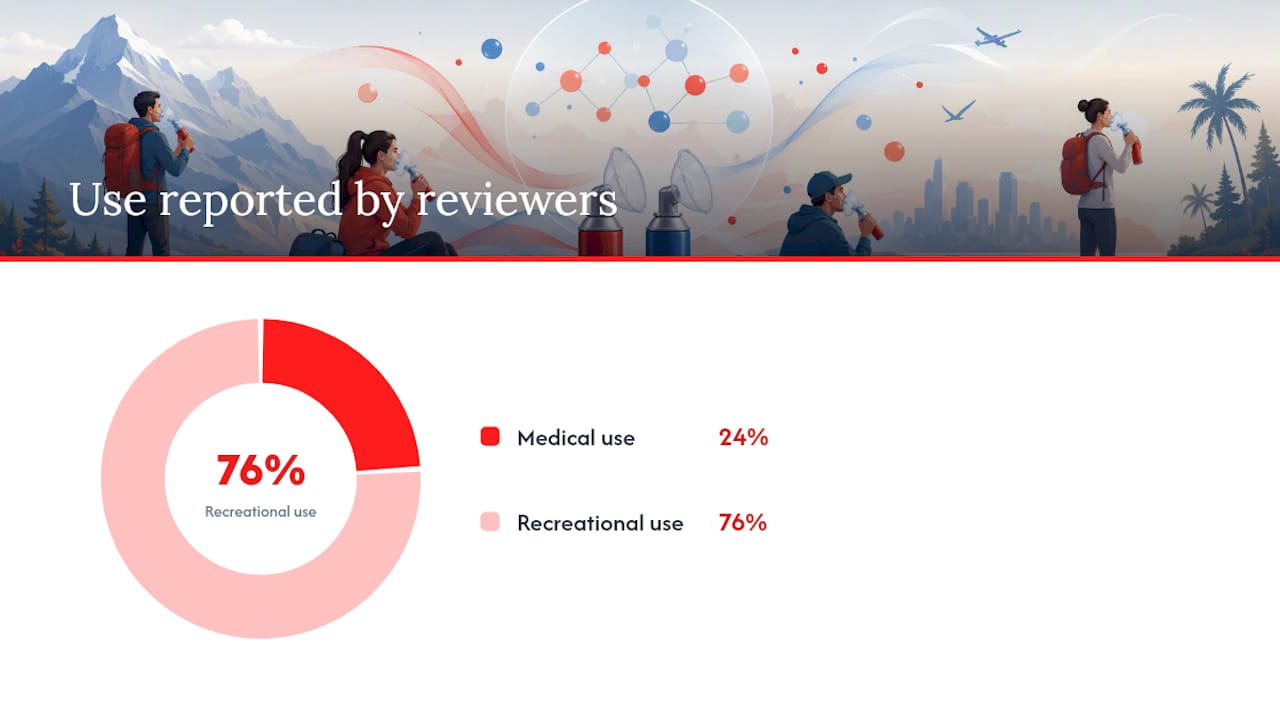
Canned oxygen is not FDA-approved as a medical device, and it should never stand in for oxygen your doctor has prescribed. That distinction gets blurred more often than you’d think. A PMC review of public product reviews found that nearly 24% of comments described using canned oxygen for a medical reason, not the recreational fatigue or altitude relief it’s actually marketed for.
Nearly a quarter of reviewers reported using canned oxygen medically, despite it carrying no FDA approval for that purpose.
If you have any of the following conditions, talk to a clinician before using canned oxygen at all, and don’t treat it as a substitute for your regular care:
- COPD or other chronic lung disease
- Asthma, especially if triggered by scents or irritants
- Heart disease or a history of cardiac events
- Any condition where your doctor already monitors your oxygen levels
Flavored blends deserve their own caution. Peppermint, lemon, and eucalyptus additives make the experience more pleasant, but inhaling any scented compound directly into the airway carries some risk of irritation or an allergic response in sensitive individuals, according to guidance from the Missouri Poison Center. If a flavored can leaves your throat feeling raw or triggers coughing, switch to an unflavored option or stop use.
Storage matters as much as inhalation. These are pressurized canisters, and they belong away from open flame, direct sun, and high heat. Never puncture or throw a can into a fire, even an empty one.
Stop using canned oxygen and seek emergency care immediately if you experience severe shortness of breath, chest pain, blue-tinged lips or fingertips, or confusion. None of those are symptoms a can of recreational oxygen is equipped to treat. For a broader look at contraindications around inhaled and physical therapies generally, this overview of therapy side effects is a useful reminder that “over the counter” doesn’t mean risk-free for everyone.
Can You Bring Canned Oxygen on a Plane?
Mostly, no, not without checking first. FAA guidance on compressed and liquid oxygen generally restricts passengers from carrying personal oxygen cylinders, including small recreational canisters, in checked or carry-on baggage without prior arrangement with the airline. Rules vary by carrier, so if you’re planning to travel with a can, call the airline directly before you pack it, rather than assuming it will clear security.
Storage and disposal at home are simpler but still worth doing right:
- Keep cans at moderate room temperature, away from radiators, direct sunlight, or car interiors in summer.
- Never store near open flame or smoking materials.
- Follow the manufacturer’s label for disposal, and check local hazardous-waste guidelines if your municipality requires special handling for pressurized containers.
A can that’s been sitting in a hot trunk for a week is not one you want to inhale from casually. Treat heat exposure as a reason to inspect the canister, not just an inconvenience.
How Long Do the Effects Last, and What Does the Evidence Actually Show?
Whatever lift you feel from a few inhalations tends to fade within minutes, not hours. That’s consistent with how the physiology works: a handful of deep breaths from a can raises the oxygen concentration in that moment, but it doesn’t sustain the kind of continuous flow that produces a measurable, lasting change in blood oxygen saturation.
That’s the core finding from CU Anschutz clinicians who’ve studied the claims behind these products. It lines up with what the PMC review found as well: plenty of anecdotal reports of feeling better, but no strong clinical evidence supporting long-term performance or health gains from occasional canned oxygen use.
None of that means the products are useless for their intended purpose, a quick, portable boost when you’re fatigued, at altitude, or feeling foggy. It means you should expect a short-lived, subjective effect rather than a measurable physiological one, and you should never let that brief lift substitute for care when your body is signaling something more serious. If you want to understand the line between a recreational product and true medical-grade equipment, this breakdown of recreational versus medical oxygen draws it out clearly.
What Actually Matters When You’re Deciding How Much to Use
Most of the confusion around canned oxygen dosage comes from treating a marketing number, “100 doses,” “98% pure,” as if it were a clinical specification. It isn’t. These figures describe how the product was tested and labeled, not how your particular lungs, breathing pattern, or health condition will respond to it. That gap between the number on the can and what actually happens in your bloodstream is the part most articles gloss over.
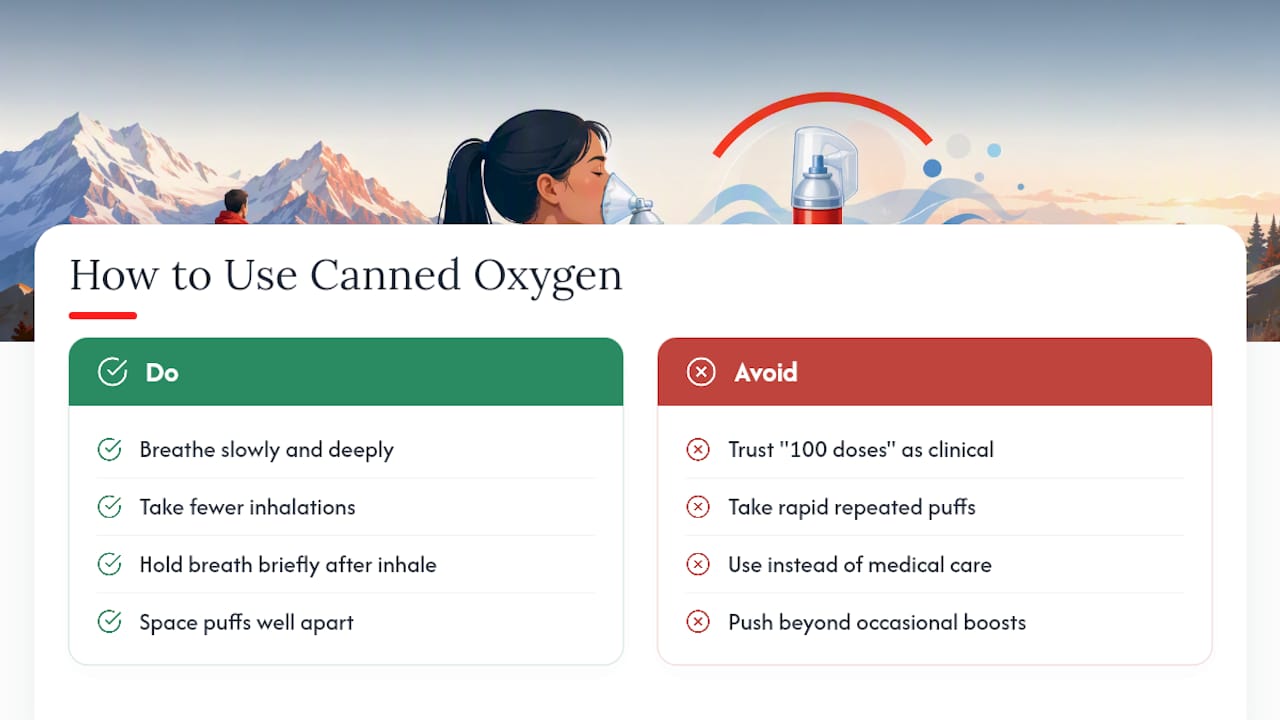
The more useful question isn’t “how many puffs are in this can,” it’s “am I breathing slowly enough, deeply enough, and infrequently enough to get any real benefit from this.” A rushed set of six quick puffs wastes more oxygen to the open air than it delivers to your lungs. A slower, more deliberate routine, fewer inhalations, held longer, spaced further apart, gets you closer to whatever the product can genuinely offer.
The other thing worth saying plainly: canned oxygen sits firmly in the recreational and wellness category, not the medical one, and that’s not a limitation to work around. It’s the entire point of the product. Anyone leaning on it to manage a diagnosed condition is using the wrong tool, and no amount of careful dosing technique changes that. Use it the way it’s built to be used, as an occasional, conservative boost, and it does what it says. Push it past that role, and you’re gambling with something a can was never designed to handle.
— Paul
Try Canned Oxygen the Way It’s Meant to Be Used
Some canned oxygen brands use a zero-leak mouthpiece design that delivers more of each labeled dose to your lungs instead of losing it to the air around your mouth. That efficiency is the practical difference between a can that runs out fast and one that actually lasts through a few weeks of occasional use.
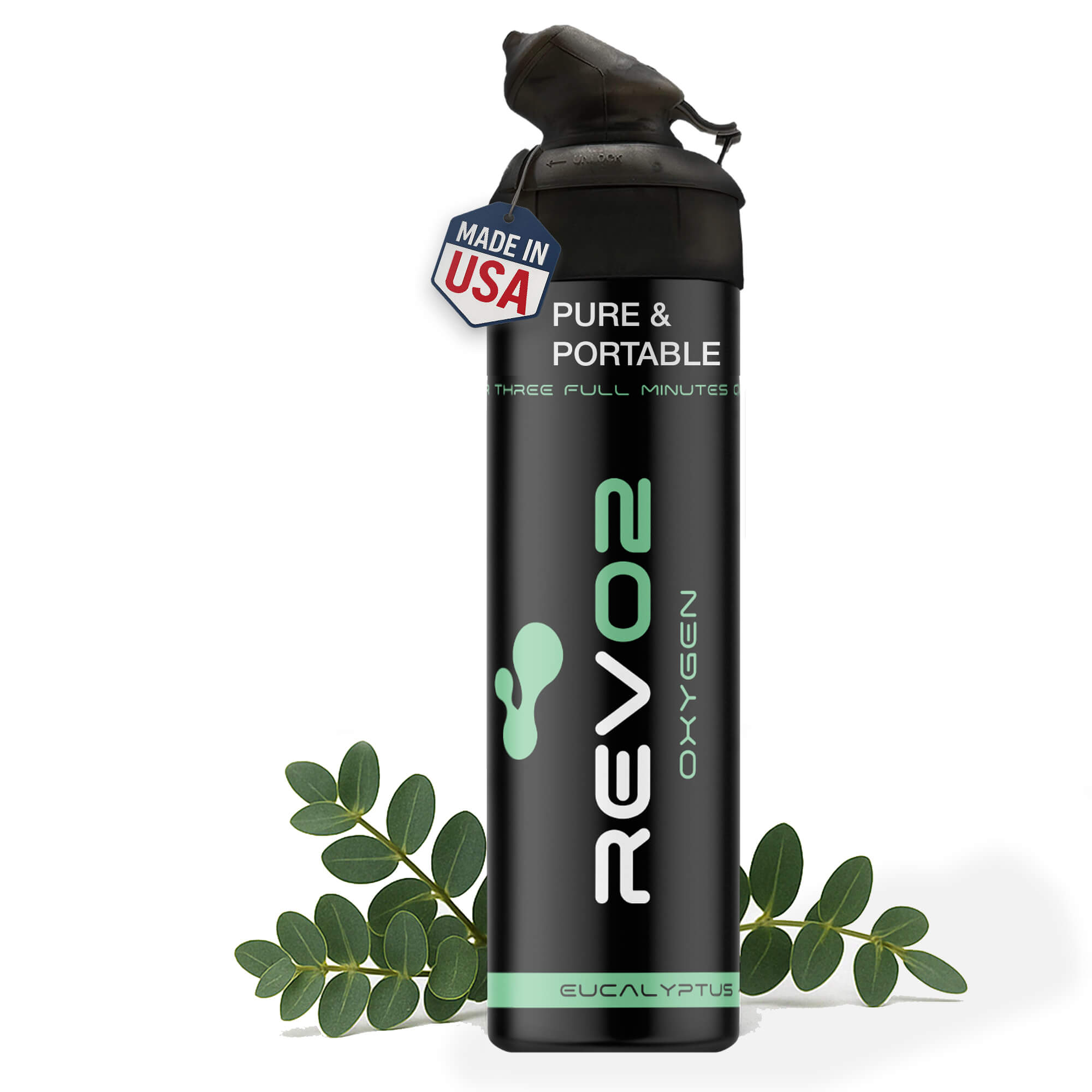
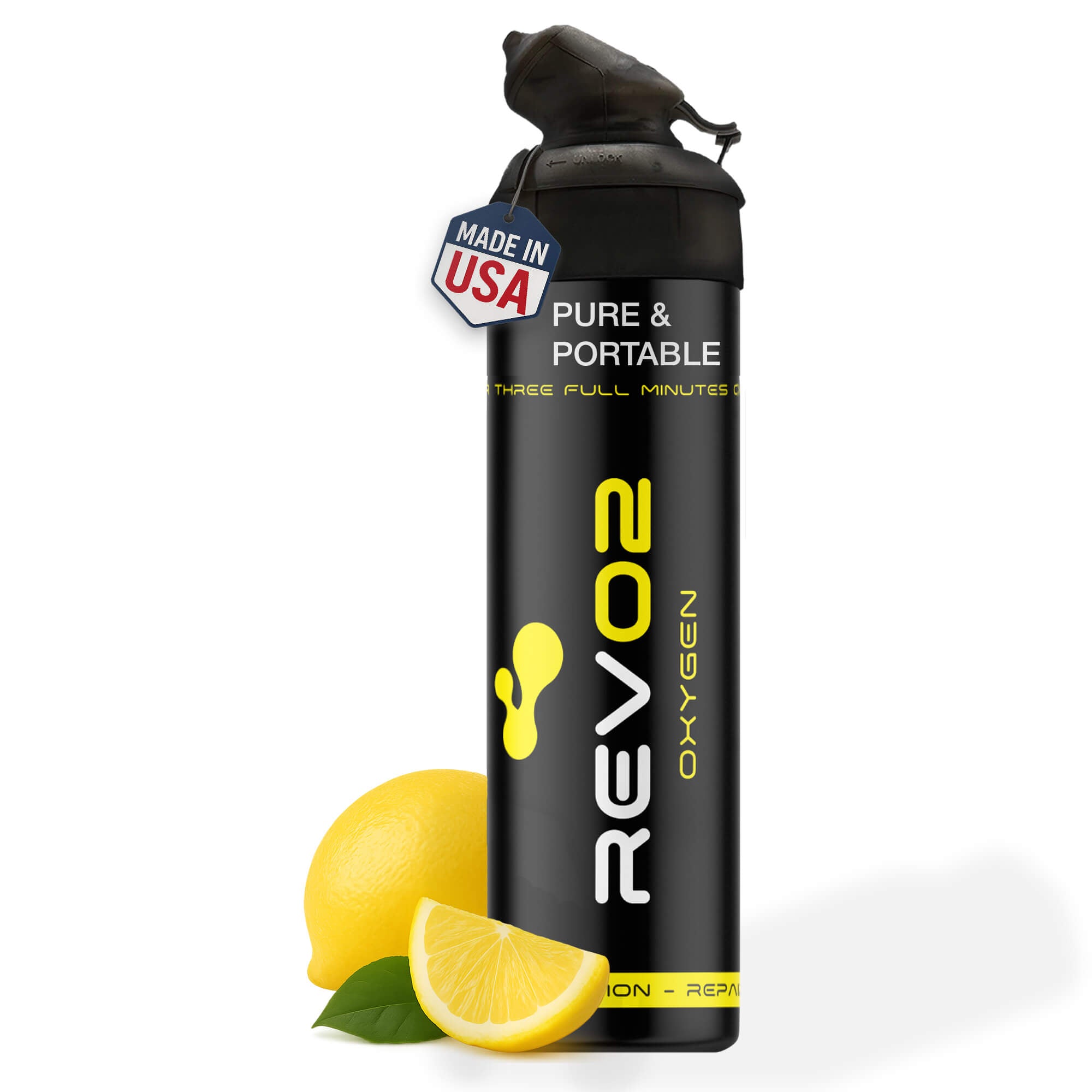
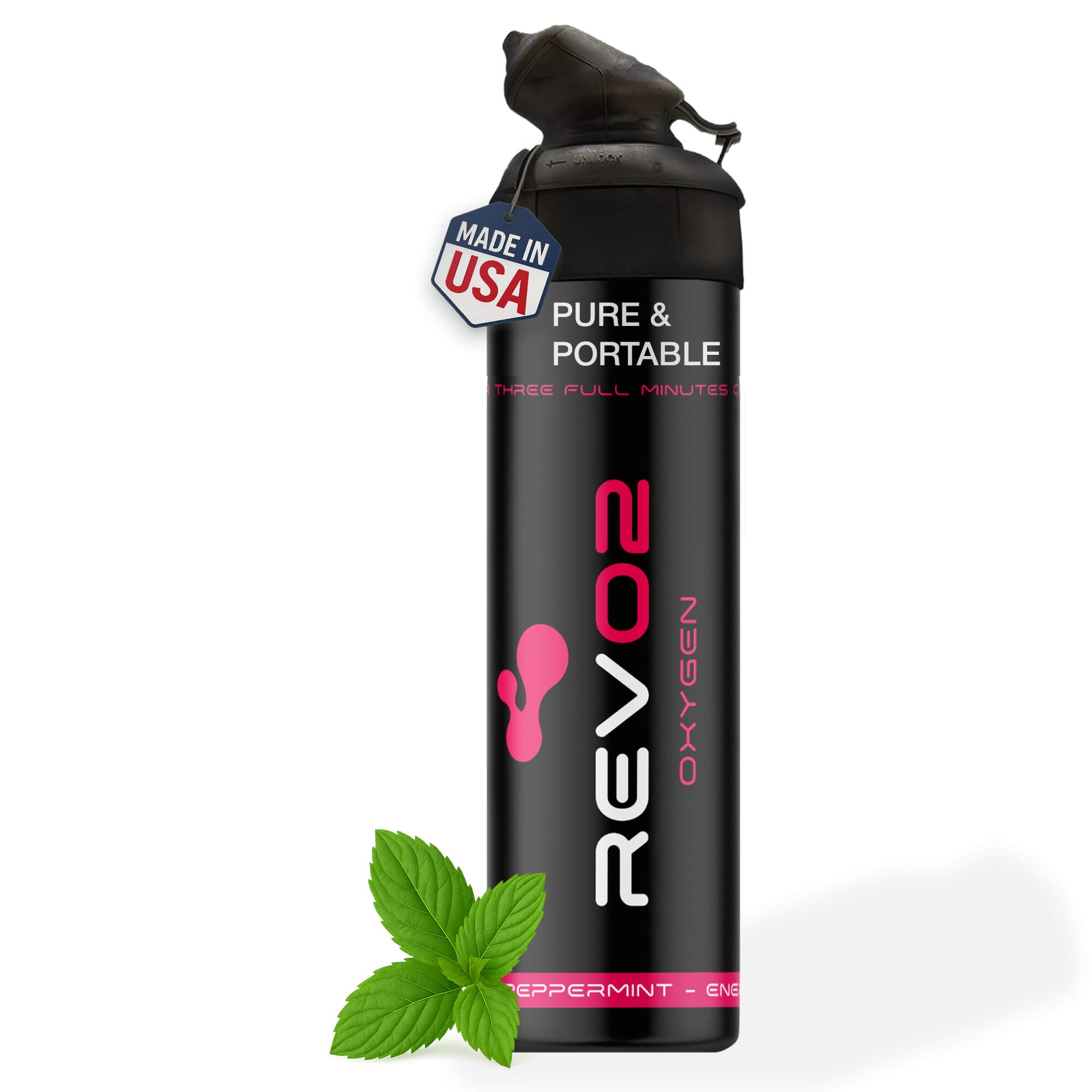
Every Revo2 can delivers 98% pure oxygen in peppermint, lemon, or eucalyptus, and it’s built for recreational use, recovery, altitude support, and an afternoon energy reset, never as a replacement for prescribed oxygen therapy. If you’re new to canned oxygen, start with the how-to guide to get the inhalation technique right before your first can arrives. Ready to try it? Browse the full canned oxygen collection, or go straight to the peppermint multi-pack if you already know it fits your routine.
Sources
- Medical Use of Over-the-Counter Canned Oxygen: A Review of Public Comments
- PackSafe - Oxygen (compressed or liquid) | Federal Aviation Administration
- What to Know about OTC Oxygen: Should You Use It? | NCOA
- Does Oxygen in a Can Deliver on Its Altitude and Energy Claims?
FAQ
How many puffs of canned oxygen should I take?
Most healthy adults can use 1 to 3 slow, deep inhalations per round, up to 3 rounds with a few minutes of rest between each, based on conservative use patterns described in product safety guidance.
Is canned oxygen the same as medical oxygen?
No. Canned oxygen is marketed as a recreational product and isn’t FDA-approved as medical oxygen, so it should never replace oxygen your doctor has prescribed.
How long does a 10 liter can of oxygen last?
Vendors typically advertise up to about 200 one-second inhalations from a 10 liter can, which the National Council on Aging translates to roughly three minutes of total oxygen flow.
Can I bring canned oxygen on an airplane?
Check with your airline first. FAA guidance generally restricts passengers from carrying personal compressed oxygen without prior arrangement.
How long do the effects of canned oxygen last?
Any perceived boost typically fades within minutes, since a short burst of high-concentration oxygen doesn’t produce the sustained flow needed for a lasting change in blood oxygen saturation.