
Canned oxygen can offer a brief sense of relief on a strenuous climb, but it is not a substitute for descent, acclimatization, or prescribed oxygen when altitude illness takes hold. If you’re heading above moderate elevations, your priorities should be monitoring your blood oxygen with a pulse oximeter, pacing your ascent, and descending if symptoms worsen. A portable option like REV/O2’s 98% oxygen cans can serve as a comfort measure between those steps, not a replacement for them.
TL;DR:
- Canned oxygen offers only brief relief and cannot meaningfully increase blood oxygen levels or replace descent and proper acclimatization.
- Most cans hold a limited volume, providing only a few breaths, making them unsuitable for ongoing treatment of altitude sickness.
- Shipping canned oxygen by air is prohibited on commercial flights, so purchase it after arriving at the trailhead or use ground shipping options.
- Monitoring oxygen saturation with a pulse oximeter is essential, and symptoms like persistent headache or breathlessness indicate the need for descent or emergency care.
- Acclimatization, pacing, hydration, and medication under medical guidance remain the most effective strategies to prevent altitude illness.
Table of Contents
- What canned oxygen actually delivers on the trail
- When you actually need supplemental oxygen at altitude
- Acclimatization and prescribed care outperform a can
- Realistic ways to use canned oxygen on a trek
- Airline rules and shipping limits for canned oxygen
- What else to pack for a high-altitude trek
- A publisher’s take on canned oxygen at altitude
- Where REV/O2 fits into a safety-first approach
- Official guidance and reporting worth reading
- Sources
- FAQ
What canned oxygen actually delivers on the trail
Recreational oxygen canisters work through short, aerosol-style bursts you inhale directly from a nozzle or mouthpiece. Most cans hold only a few liters of gas total, and a single breath draws just a fraction of that. Compare this to normal resting ventilation, where a person moves roughly 5 to 8 liters of air every minute, and the mismatch becomes clear: a canister’s total volume covers, at best, a handful of breaths before it’s empty.
Field testing from Backpacker found that canned oxygen can produce a genuine sense of relief right after use, but the volume is too small to meaningfully raise systemic oxygen levels over time. The Wilderness Medical Society echoes this: short-term over-the-counter oxygen canisters lack the studied volume and delivery method needed to treat altitude sickness, and shouldn’t be relied on for that purpose.
Packaging claims often oversell what a can can do. Common overstatements include:
- Framing a can as an “altitude sickness treatment” rather than a brief comfort aid.
- Implying that a few breaths meaningfully raise blood oxygen for an extended period.
- Suggesting the product replaces the need to descend or seek medical care.
When you actually need supplemental oxygen at altitude
A pulse oximeter gives you a practical, real-time read on how your body is coping, and it’s worth carrying one above moderate elevations. The CDC Yellow Book recommends packing a fingertip oxygen saturation monitor for high-altitude travel, since clinicians treating altitude illness often aim to keep oxygen saturation above 90% once supplemental oxygen is warranted.
Watch for these signals that call for descent or emergency care:
- A severe headache that doesn’t respond to rest or basic pain relief.
- Repeated vomiting, especially paired with headache or breathlessness.
- Ataxia or confusion, meaning you or a hiking partner can’t walk a straight line or think clearly.
- Persistent breathlessness at rest, not just during exertion.
- Pink or frothy sputum, a possible sign of fluid in the lungs that needs immediate attention.
Hypoxia risk climbs noticeably above moderate elevations and becomes more pronounced at higher altitudes, though individual tolerance varies widely based on fitness, hydration, and prior acclimatization. Two hikers at the same elevation can have very different oxygen saturation readings, so don’t assume you’re fine just because a partner feels okay.
Acclimatization and prescribed care outperform a can
The most effective tools against altitude illness aren’t canisters at all. Slowing your rate of ascent, especially above 8,000 feet, gives your body time to adjust its breathing rate and red blood cell production. Building rest days into a multi-day itinerary and choosing staged sleeping elevations, meaning you climb high during the day but sleep lower, are two of the most reliable habits for reducing symptoms.
- Limit elevation gain to a conservative daily pace once above moderate elevations, and add rest days on longer treks.
- Sleep at a lower elevation than your highest point reached that day when the route allows it.
- Stay hydrated and avoid alcohol during the first 24 to 48 hours at a new elevation, since dehydration compounds altitude stress.
- Discuss acetazolamide or dexamethasone with a physician before your trip if you have a history of altitude sickness or are traveling to elevations above 10,000 feet quickly.
Acetazolamide is commonly prescribed to help the body acclimatize faster, while dexamethasone may be used for more severe symptoms under a clinician’s direction. Neither is available without a prescription, and neither should be started without medical guidance. For more detail on pacing your ascent against relying on a canister, see this comparison of acclimatization and canned oxygen.
When descent isn’t immediately possible and symptoms point to HAPE or HACE, portable hyperbaric bags or continuous oxygen delivered by nasal cannula, mask, or concentrator are the guideline-backed stabilizing measures, not a canister. These interventions require training and, ideally, direct coordination with a wilderness medicine provider or evacuation team.
Pro Tip: Build your descent plan before you leave the trailhead, including exactly which point on the route triggers a turnaround, so the decision isn’t made mid-crisis.
Realistic ways to use canned oxygen on a trek
Canned oxygen fits best as a short-term comfort measure rather than a clinical tool, and using it that way keeps expectations honest. Take short, controlled breaths rather than one long inhalation, since a slower draw lets you get more benefit from the limited volume in the can. Treat it the way you’d treat a rest break: useful for catching your breath, not a reason to keep climbing past warning signs.
On the trail, store canisters away from direct heat and out of a pack’s exterior mesh pocket, where temperature swings are greatest. Keep the mouthpiece capped between uses to avoid contamination, and pack the can somewhere padded to prevent dents or punctures.

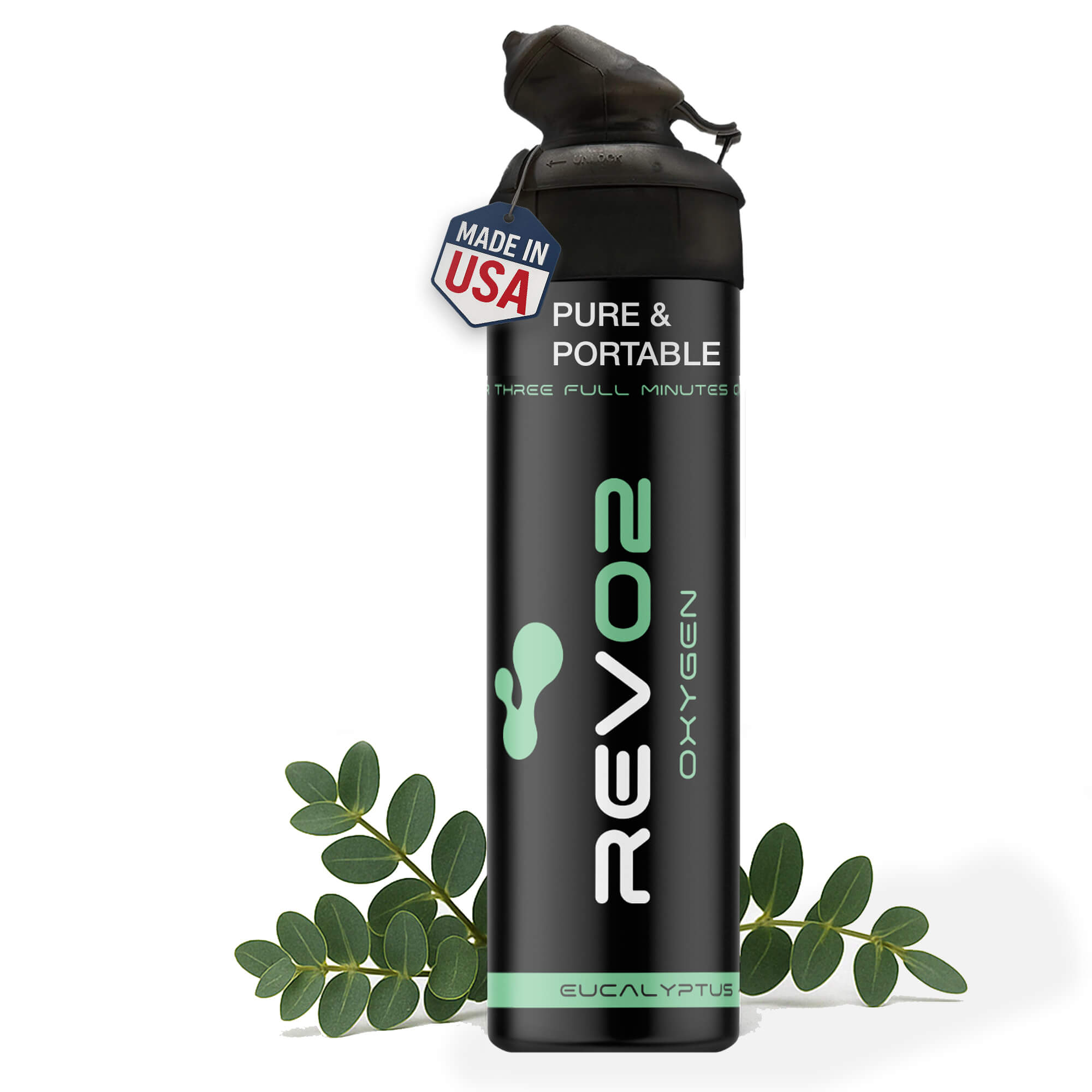
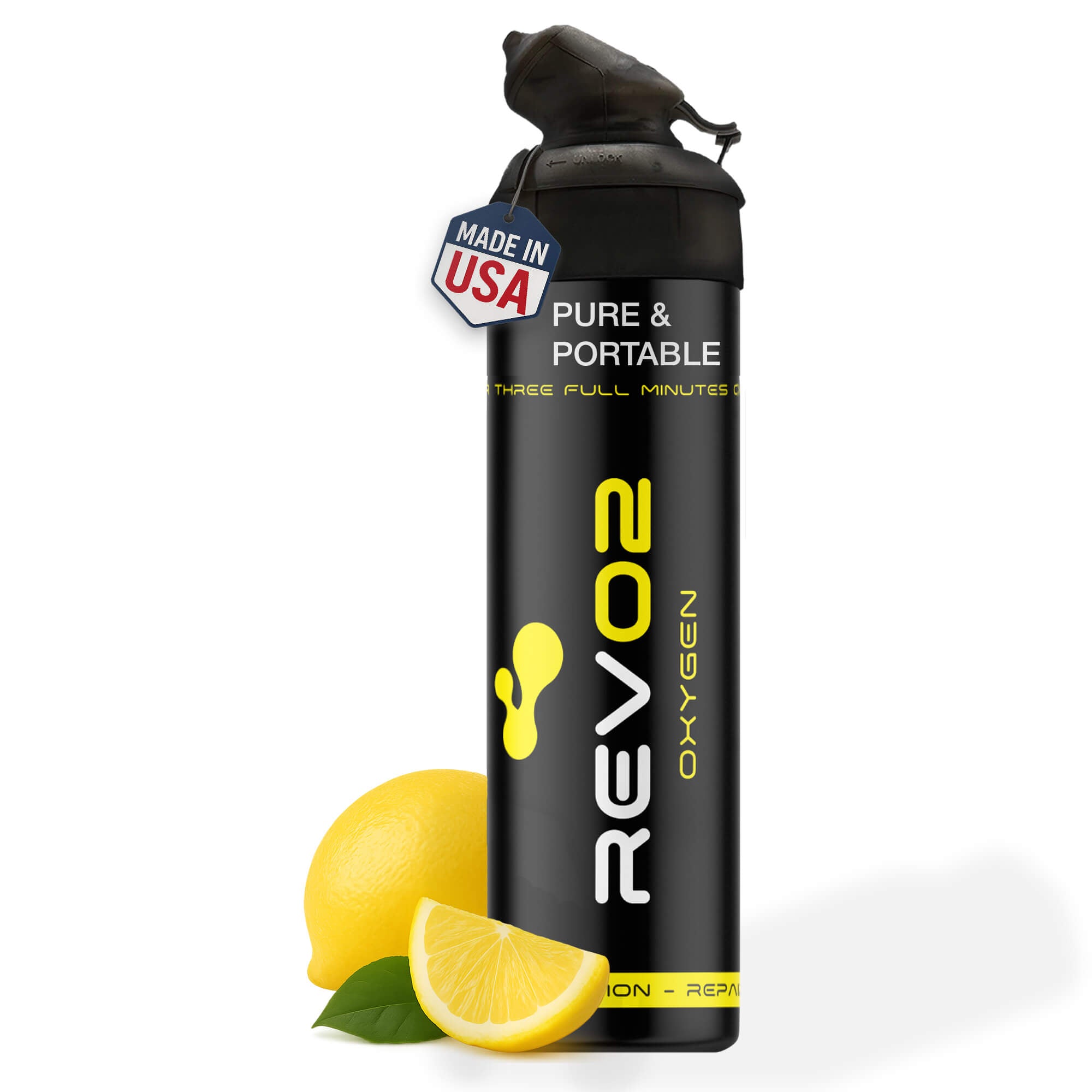
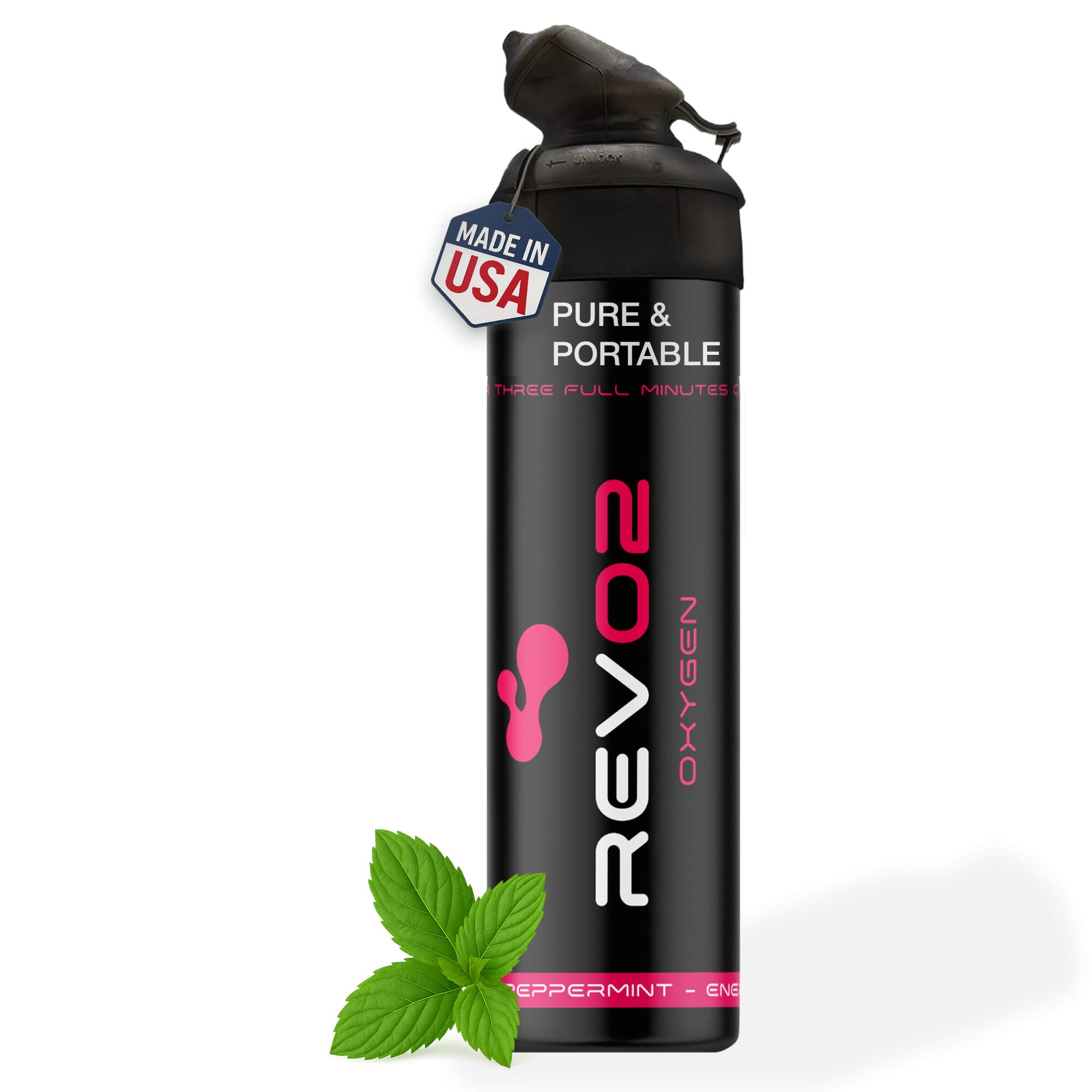
REV/O2’s cans deliver 98% pure oxygen through a zero-leak mouthpiece, available in peppermint, lemon, and eucalyptus blends, features designed for convenience rather than medical treatment. If symptoms escalate beyond mild discomfort, a prescribed portable oxygen concentrator, physician-directed oxygen therapy, or evacuation are the appropriate next steps, not another few breaths from a can. For more on realistic expectations, this guide on what 98% canned oxygen actually does covers the product’s role in plain terms.
Pro Tip: If you find yourself reaching for a can more than once or twice in a day, treat that as a signal to slow your pace or consider descending, not as a reason to pack more cans.
Airline rules and shipping limits for canned oxygen
The FAA prohibits compressed and liquid oxygen, including recreational and flavored canisters, in both carry-on and checked baggage on commercial flights. If your trip involves flying to a trailhead, plan on buying oxygen cans after you land rather than trying to bring them through security.
- Assume canned oxygen will not travel by air under any circumstances, checked or carry-on.
- Portable oxygen concentrators are generally permitted onboard but require advance coordination with the airline and compliance with battery rules.
- Many vendors ship canned oxygen ground-only within the U.S. because of these same airline restrictions, so order ahead of a trip rather than expecting overnight air shipping.
What else to pack for a high-altitude trek
A pulse oximeter belongs in every high-altitude pack, alongside a basic first-aid kit and any medications a clinician has prescribed for altitude symptoms. Bring a map with a clear evacuation route and a communication device, whether a satellite messenger or a charged phone with offline maps.
- Carry a pulse oximeter, basic first-aid supplies, and any physician-prescribed medications.
- Pack extra insulating layers, since cold stress compounds altitude symptoms.
- Bring one or two canned oxygen units for comfort use, not as an emergency reserve.
- Set a group agreement in advance on what symptoms trigger a turnaround, and hold to it.
A publisher’s take on canned oxygen at altitude
Canned oxygen has a real, if modest, place in a backpacker’s kit: a few breaths after a hard climb or during a rest stop can genuinely take the edge off exertion. What it cannot do is replace descent, acclimatization, or prescribed oxygen once symptoms move past mild discomfort. REV/O2 sells canned oxygen, and that’s worth saying plainly here, but the honest answer for anyone showing signs of altitude illness is still a clinician’s guidance, not another can. Watch your SpO2, plan your descent route before you need it, and treat canned oxygen as a brief adjunct, nothing more.
— Paul
Where REV/O2 fits into a safety-first approach
If you’re looking for a portable way to catch your breath after a steep push or during recovery at camp, REV/O2’s canned oxygen is built for exactly that moment, not as a treatment for altitude illness. Each can delivers 98% pure oxygen through a zero-leak mouthpiece designed to prevent waste, and it comes in peppermint, lemon, and eucalyptus blends depending on whether you want an energizing, recovery-focused, or calming breath.
- Peppermint supports energy and endurance during long climbing days.
- Lemon is framed around recovery and immune support after exertion.
- Eucalyptus leans toward focus and relaxation at camp or during breaks.
Buy enough cans for the comfort breaks you realistically expect, rather than stocking up as if they’re a medical reserve, and remember that shipping within the U.S. is ground-only, so order before your trip rather than counting on air delivery. For step-by-step handling guidance, see the how-to-use canned oxygen safely resource, or browse the full canned oxygen collection to find the blend that fits your trek.
Official guidance and reporting worth reading
For readers who want the primary sources behind this guidance, a few documents are worth bookmarking before your next trip.
- Wilderness Medical Society guidance on why recreational oxygen isn’t a treatment for AMS, HACE, or HAPE.
- FAA PackSafe rules on compressed and liquid oxygen in passenger baggage.
- CDC Yellow Book recommendations for travel health kits at high altitude.
- Backpacker’s field test on canned oxygen’s real-world performance.
Consult a physician or wilderness medicine specialist for prescriptions and evacuation planning specific to your route and health history.
Sources
- Wilderness Medical Society (2024) — recreational oxygen not a treatment for AMS/HACE/HAPE
- FAA PackSafe — Oxygen (compressed or liquid)
- CDC Yellow Book — Travel health kits and high-altitude considerations
- Backpacker — Is canned oxygen practical or placebo? (2026)
FAQ
What is the best portable oxygen for hikers?
There’s no single medically endorsed “best” canned oxygen for hikers, since these products are comfort aids rather than treatments. REV/O2 offers 98% pure oxygen with a zero-leak mouthpiece in several flavor options, which some hikers use for brief relief during exertion or recovery at camp.
How long will canned oxygen last?
Canned oxygen typically provides only a handful of breaths before the can is empty, since most canisters hold just a few liters of gas total. Field testing from Backpacker found this volume is too small to sustain oxygenation over time, making it better suited to short comfort breaks than ongoing use.
At what altitude do hikers need oxygen?
Hypoxia risk increases noticeably above moderate elevations, though tolerance varies by individual fitness and acclimatization. Clinicians typically consider supplemental oxygen when a hiker’s blood oxygen saturation drops and symptoms of altitude illness appear, guided by pulse oximeter readings recommended in the CDC Yellow Book.
Can I travel with canned oxygen?
No, the FAA prohibits compressed and liquid oxygen, including flavored or recreational canisters, in both carry-on and checked baggage on commercial flights. If your trip requires flying, plan to purchase canned oxygen after arrival, since many vendors also ship these products ground-only within the U.S.