
If you’d rather skip Diamox, the safest strategy is gradual, staged ascent combined with strict limits on how high you sleep each night. Stop climbing and rest the moment symptoms appear. Descend if they worsen. Supplemental oxygen, ibuprofen, and other over-the-counter tools ease discomfort, but none of them replace acclimatization or a timely retreat to lower ground.
TL;DR:
- Rest and gradual ascent are the most effective ways to prevent altitude sickness without Diamox, with strict limits on nightly sleeping elevation.
- Recognizing early symptoms like headache, nausea, or dizziness should prompt immediate stopping or descending; oxygen and medications only alleviate symptoms, not treat underlying issues.
- Moving to higher elevation should be carefully planned, with buffer days at moderate altitude, and no elevation increase greater than half a kilometer per day above 9,000 feet.
- Over-the-counter medications like ibuprofen can help mitigate mild symptoms but are less effective than acclimatization and do not replace proper pacing or descent.
- Portable oxygen helps manage symptoms short-term but cannot substitute descent in severe cases of altitude illness such as HACE or HAPE.
Table of Contents
- What Is Altitude Sickness Without Diamox and Who’s at Risk?
- How to Prevent Altitude Sickness Without Diamox
- What to Do Immediately When Mild AMS Symptoms Appear
- OTC Medication Options for Altitude Sickness Without Diamox
- What Supplemental Oxygen Can and Can’t Do at Altitude
- When to Descend: Emergency Signs You Can’t Ignore
- Pre-Trip Checklist and a Sample Itinerary Without Diamox
- Guidance on Physical Fitness and Pre-Trip Training
- Nutrition and Hydration Strategy Beyond “Drink More Water”
- Staying Mentally Steady During Ascent
- Adjusting Your Itinerary in Real Time
- Herbal and Traditional Remedies: What the Evidence Actually Shows
- A Trek Leader’s Take on Playing It Safe at Altitude
- How REV/O2 Fits Into a Non-Diamox Altitude Plan
- Sources
- FAQ
What Is Altitude Sickness Without Diamox and Who’s at Risk?
Acute mountain sickness (AMS) is your body’s protest against thinner air, and it usually shows up within 6 to 12 hours of arriving at elevation, often during that first restless night of sleep. It’s the mildest of three related conditions. High-altitude cerebral edema (HACE) involves brain swelling and confusion. High-altitude pulmonary edema (HAPE) involves fluid buildup in the lungs. Both are medical emergencies that grow out of untreated or ignored AMS.
Recognizing the difference matters because the stakes escalate fast. A pounding headache and mild nausea call for caution. Stumbling like you’ve had too much to drink, or feeling breathless while sitting still, calls for immediate descent.
Watch for these signals as you gain elevation:
- Headache, often the first and most reliable sign, especially one that worsens when lying down
- Nausea or loss of appetite, sometimes progressing to vomiting
- Dizziness or lightheadedness, particularly on standing
- Fatigue far beyond what the day’s exertion should cause
- Poor sleep, including a strange sensation of breathlessness that wakes you
- Red flags for HACE: confusion, loss of coordination (ataxia), difficulty walking a straight line
- Red flags for HAPE: shortness of breath at rest, a cough producing frothy or pink sputum, chest tightness
Risk climbs noticeably above roughly 8,200 feet (2,500 meters), and it climbs further past about 9,800 feet (3,000 meters), according to clinical guidance summarized on NCBI’s StatPearls. Age offers little protection. Fitness offers even less. The strongest predictors of trouble are how fast you climb, how high you sleep, and whether you’ve had AMS before. A previous bout is one of the clearest warning signs that your body needs a slower plan next time.
How to Prevent Altitude Sickness Without Diamox
Prevention beats treatment every time, and the physiology behind it is well understood. Your body needs time to increase red blood cell production, adjust breathing patterns, and rebalance blood chemistry. Rush that process and symptoms follow. Respect it and most travelers do fine without any medication at all.
The clearest, most citable rule comes from the CDC Yellow Book: above about 9,000 feet (2,750 meters), don’t increase your sleeping elevation by more than about half a kilometer per day, and add voluntary rest days after significant total ascent. That single guideline does more to prevent AMS than almost anything else you can control.
1. Build your itinerary around sleeping altitude, not daytime altitude. This is the idea behind “climb high, sleep low,” and it’s frequently misunderstood. The elevation where you hike during the day matters far less than the elevation where you close your eyes at night, according to trekking guidance from NOLS. A day hike to 12,000 feet followed by a descent to sleep at 9,500 feet is safer than sleeping at 11,000 feet outright, even though the daytime exposure was higher.
2. Add transit or buffer nights at moderate elevation. If you’re flying into a high-altitude city like La Paz or Lhasa, spend a night or two there before pushing toward a trailhead. Your body starts adapting before the real climbing begins.
3. Schedule rest days like they’re mandatory, because they are. A rest day isn’t a lazy day. Light activity at the same elevation actually helps acclimatization more than staying in bed. What matters is that you don’t sleep higher than the night before.
4. Keep exertion moderate during the first 48 to 72 hours. Hard cardio effort at new elevation increases oxygen demand right when your body is least equipped to meet it. Save the aggressive summit push for after you’ve acclimatized.
5. Skip alcohol and sedatives at altitude. Both suppress your breathing drive during sleep, which is exactly when AMS symptoms tend to intensify. A nightcap that seems harmless at sea level can meaningfully worsen how you feel the next morning.
6. Book flexible accommodations. Trips built around rigid, non-refundable itineraries pressure people to keep climbing even when their body is signaling otherwise. Flexible bookings remove that financial incentive to push through symptoms.
Here’s what a staged approach looks like on the ground. A trekker heading toward a lodge near 14,000 feet might spend night one at 9,500 feet, night two at 11,000 feet, take a rest day there, then move to 12,600 feet, and finally reach 14,000 feet on night five. That’s five nights to cover roughly 4,500 feet of net gain, well within the daily limits the Yellow Book outlines.

Pro Tip: Write your planned sleeping elevations into your itinerary before you leave home, then treat that list as a hard ceiling, not a suggestion. It’s much easier to stick to a limit you set with a clear head than one you’re negotiating with altitude-induced brain fog.
What to Do Immediately When Mild AMS Symptoms Appear
The single most effective non-drug intervention for AMS is also the simplest: stop going up. Halt any further ascent, cut back on exertion, and rest at your current elevation rather than pushing toward a higher camp.
Most mild cases improve within 12 to 48 hours when travelers follow this pattern, based on altitude safety guidance from Princeton University’s outdoor program. That timeline assumes you actually stop climbing. Continuing upward while symptomatic is how AMS turns into something more dangerous.
While you wait it out, a few habits speed recovery and help you catch trouble early:
- Hydrate steadily, not aggressively. Sip water throughout the day rather than chugging large volumes at once.
- Avoid sedatives and sleep aids. They blunt your breathing response overnight, worsening the very symptoms keeping you awake.
- Use a pulse oximeter to track your blood oxygen saturation and heart rate. A reading that’s stable or slowly improving is reassuring; one that’s dropping alongside worsening symptoms is not.
- Do buddy checks. Altitude confusion can make people minimize their own symptoms. A hiking partner asking direct questions (“What day is it? Walk this line for me.”) catches problems you might talk yourself out of noticing.
- Choose a lodge over a tent if you have the option. Warmth, better sleep quality, and easier monitoring all support recovery.
- Postpone further ascent until symptoms fully resolve, not just until they feel more manageable.
If symptoms plateau or worsen despite a day or more of rest, that’s your signal to descend rather than wait longer. Mild AMS that isn’t improving should be taken seriously as a sign you need to adjust your itinerary to allow more time for acclimatization.
OTC Medication Options for Altitude Sickness Without Diamox
Skipping Diamox doesn’t mean skipping every medication. It means leaning on symptom management rather than the drug that actually accelerates acclimatization.
Ibuprofen has real trial evidence behind it. A dose of 600 mg every 8 hours showed a preventive effect in clinical trials cited in the CDC Yellow Book, though it consistently underperforms acetazolamide for moderate to severe illness. Think of it as a meaningful assist for headache, not a replacement for pacing your ascent correctly.
Roughly a 600 mg dose of ibuprofen every 8 hours has demonstrated some preventive benefit against AMS in controlled research, but the same body of evidence ranks it below acetazolamide for anything beyond mild symptoms.
For symptomatic relief once AMS has already set in, a few options come up often:
- Acetaminophen works for headache in travelers who can’t tolerate NSAIDs or who have stomach sensitivity.
- Antiemetics like ondansetron (commonly 4 mg as an orally dissolving tablet) address nausea, which can otherwise discourage the fluid intake you need.
- Ginger candies or tea offer mild, low-risk nausea relief for travelers who prefer to minimize medication generally.
A handful of cautions matter here. NSAIDs like ibuprofen carry real risk for people with kidney issues, stomach ulcers, or a history of gastric bleeding, and that risk climbs with dehydration, which is already common at altitude. Pregnant travelers and older adults with existing kidney or cardiovascular conditions should talk to a clinician before relying on regular NSAID dosing. If you’re on other medications, particularly blood thinners or blood pressure drugs, a quick pre-trip conversation with your doctor is worth the ten minutes it takes.
What Supplemental Oxygen Can and Can’t Do at Altitude
Supplemental oxygen deserves a clear-eyed explanation, because it’s one of the most misunderstood tools in the non-Diamox toolkit. Used correctly, it’s genuinely helpful. Used as a substitute for good judgment, it’s a liability.
Medically supervised oxygen delivered at 1 to 2 liters per minute can noticeably improve headache within about 30 minutes, according to CDC travel health guidance. That’s meaningful relief. What it isn’t is acclimatization. Oxygen raises the amount of oxygen reaching your blood right now. It does nothing to trigger the physiological adaptations, increased red blood cell production, adjusted breathing rate, that actually protect you at elevation over the following days.
Oxygen treats the symptom, not the underlying cause. The body still needs time to adapt, and no amount of supplemental airflow substitutes for that process or for descending when illness is serious.
This distinction matters even more for small, portable canned oxygen products. Clinical literature notes that over-the-counter canisters typically hold limited volumes, often up to around 5 liters, according to a high-altitude illness overview on NCBI’s Bookshelf. That’s enough for brief symptomatic relief, a rough night, a tough final push to camp, recovery after a hard exertion, but it’s nowhere near the sustained flow that medical oxygen systems or hyperbaric chambers provide for serious illness. If you’re dealing with anything beyond mild AMS, canned oxygen is not the tool for the job. Descent and, if needed, professional medical oxygen or a portable hyperbaric bag are.
Design still matters within that limited category. Devices that leak oxygen at the seal waste a meaningful share of each can’s volume before it ever reaches your lungs. REV/O2’s zero-leak mouthpiece design addresses that specific inefficiency, and understanding how to use supplemental oxygen properly, short, controlled inhalations rather than continuous flow, helps you get more usable oxygen out of a limited-volume can.
Pro Tip: Treat canned oxygen as a bridge, not a destination. If you find yourself reaching for it repeatedly just to keep functioning at your current elevation, that’s your body telling you to stop, rest, or go down, not a signal to breathe deeper and keep pushing.

When to Descend: Emergency Signs You Can’t Ignore
Descent is the one intervention that actually reverses altitude illness rather than just managing it. For HACE and HAPE, it isn’t a helpful option among several. It’s the definitive treatment.
Follow this decision sequence when symptoms move beyond mild:
- Recognize the emergency signs immediately: loss of coordination or a staggering walk, confusion or disorientation, shortness of breath while resting, a cough producing frothy or blood-tinged sputum, or chest tightness. Any one of these warrants action now, not after “seeing how the next hour goes.”
- Begin descent without delay. A drop of roughly 1,000 to 3,300 feet (300 to 1,000 meters) often produces noticeable improvement, per guidance summarized in the Wilderness Medical Society’s 2024 altitude update. Don’t wait for symptoms to become unmanageable before starting down.
- Use oxygen or a portable hyperbaric bag only as a bridge if descent is temporarily impossible, due to weather, darkness, or terrain. These stabilize a patient; they don’t replace getting to lower elevation.
- Never let a symptomatic person descend alone. Confusion and impaired coordination make solo descent genuinely dangerous.
- Activate your evacuation plan if the person doesn’t improve with descent, or if symptoms escalate quickly. This is where trip insurance with evacuation coverage stops being a formality and starts being the reason someone gets home safely.
Every guide who’s spent real time at altitude has a version of the same rule: when in doubt, go down. Nobody has ever regretted a cautious descent. People have died from a delayed one.
Pre-Trip Checklist and a Sample Itinerary Without Diamox
Good altitude planning happens on your couch, weeks before your flight, not on the trail when symptoms have already started.
Pack these essentials:
- A pulse oximeter for objective monitoring, not just how you feel
- OTC medications: ibuprofen, acetaminophen, and an antiemetic if your clinician approves
- Electrolyte tablets or powder, not just plain water
- Layered clothing for temperature swings between daytime exertion and cold nights
- A written emergency contact and evacuation plan
- Portable supplemental oxygen as a supportive, not primary, tool
A sample 5-night itinerary for a trip climbing toward 14,000 to 16,000 feet:
- Night 1: Arrive and sleep at approximately 8,500 feet
- Night 2: Move to approximately 10,000 feet
- Night 3: Rest day at 10,000 feet, light activity only
- Night 4: Move to approximately 11,600 feet
- Night 5: Move to approximately 13,000 feet, with a final push to higher elevation only after confirming no symptoms
Book lodging that allows date changes without penalty, since forcing an itinerary to hold on a fixed schedule is exactly the pressure that leads people to ignore symptoms. Add at least one buffer day you don’t tell yourself you need, and buy evacuation insurance before you leave. It’s the cheapest safety net on the entire packing list.
Guidance on Physical Fitness and Pre-Trip Training
Cardiovascular fitness will not prevent AMS. That surprises a lot of strong athletes who assume their training gives them an edge. It doesn’t, at least not directly, because altitude illness is driven by how fast your body adapts to lower oxygen pressure, not by how efficiently your muscles use oxygen at sea level.
What fitness does buy you is margin. A well-conditioned hiker facing a tough acclimatization day has more physical reserve to handle it, recovers faster from exertion at elevation, and is less likely to compound mild AMS with simple overexertion fatigue that mimics or worsens altitude symptoms. Training also matters for judgment. Exhausted hikers make worse decisions about whether to keep climbing.
Build general aerobic capacity for six to eight weeks before a high-altitude trip: hiking with a loaded pack, stair climbing, or steady-state cardio three to four times weekly. If your trip involves technical terrain, practice on similar ground beforehand so unfamiliar movement patterns don’t add unnecessary strain once you’re managing thin air on top of it.
One caution: don’t mistake fitness for immunity. Some of the most dramatic AMS cases happen in strong, young athletes who ascend fast because their bodies feel capable of it. Your legs might be ready for 12,000 feet in a day. Your blood chemistry rarely is.
Nutrition and Hydration Strategy Beyond “Drink More Water”
Generic hydration advice undersells what your body actually needs at altitude. Thin air increases fluid loss through faster breathing and increased urination, a response called altitude diuresis, so your baseline water needs to go up before you’ve even started sweating.
Electrolyte balance deserves specific attention. Plain water alone, consumed in large volumes, can dilute your sodium levels at exactly the time your body is already losing electrolytes faster than usual. Mixing in an electrolyte tablet or powder once or twice daily helps maintain that balance, particularly on days with heavy exertion.
Carbohydrate intake matters more at altitude than most travelers expect. Your body preferentially burns carbohydrates over fat when oxygen is limited, since carbs require less oxygen per unit of energy produced. Travelers who under-eat carbs at elevation often report worse fatigue and slower recovery, independent of whether they show classic AMS symptoms.
A few practical habits:
- Favor warm fluids, tea, broth, over cold water when appetite is low, since nausea at altitude often makes cold or heavy foods less appealing.
- Eat smaller, more frequent meals rather than three large ones if appetite suppression sets in.
- Limit caffeine slightly below your normal intake; it compounds the diuretic effect already happening from the altitude itself.
- Keep alcohol off the table entirely during acclimatization nights, both for its sedative effect and its own dehydrating properties.
Staying Mentally Steady During Ascent
Altitude stress isn’t only physical. Watching your own body underperform, feeling short of breath on a slope you’d normally handle easily, triggers real anxiety, and anxiety itself raises breathing rate and heart rate in ways that can mimic or worsen mild AMS symptoms.
Building psychological preparation into your trip planning pays off. Set expectations before you leave: know that feeling winded and slow for the first two or three days is normal, not a sign that something’s wrong. Travelers who expect this transition handle it with far less alarm than those blindsided by it.
Simple in-the-moment tools help too. Slow, deliberate breathing, in through the nose, a brief hold, out through pursed lips, can reduce the anxious breathing spiral that sometimes accompanies mild symptoms. It won’t fix hypoxemia, but it interrupts the stress response that makes everything feel worse than it is.
Group dynamics matter as well. Trekking with people who understand and respect a conservative pace removes a huge source of unspoken pressure. Peer pressure to “keep up” is a genuine, underdiscussed risk factor. It pushes people to hide symptoms rather than report them. Agree on a group policy before you start climbing: anyone who calls for a rest day or a slower pace gets full support, no argument, no eye-rolling. That single agreement prevents more bad outcomes than most gear choices ever will.
Adjusting Your Itinerary in Real Time
Static itineraries fail at altitude because bodies don’t adapt on a fixed schedule. The travelers who handle high elevation well treat their plan as a draft, not a contract.
Build decision points into your trip rather than a single rigid path. Before each ascent day, ask three questions: How did everyone sleep? Is anyone showing even mild symptoms? Did yesterday’s rest day actually feel restful? A “yes” to fatigue or symptoms at any of those checkpoints is your cue to add an extra rest day rather than push forward as scheduled.
Pulse oximeter readings help make this less subjective. A downward trend in oxygen saturation over two or three mornings, even without dramatic symptoms, is a more reliable warning sign than how someone says they feel, since altitude-related brain fog can mask a person’s own perception of how unwell they are.
Descent decisions should follow the same logic in reverse. If a rest day doesn’t resolve symptoms within 24 to 48 hours, that’s a data point telling you the itinerary needs to change, not just pause. Dropping to a lower sleeping elevation for an additional night, or building in a second transit stop, costs you a day of schedule. Ignoring the signal costs considerably more.
The operational rule worth memorizing: plan optimistically, decide conservatively. Book the ambitious itinerary if you want, but hold every ascent decision loosely against how your body is actually responding each morning.
Herbal and Traditional Remedies: What the Evidence Actually Shows
Coca leaf tea in the Andes, ginkgo biloba supplements, various “altitude formula” blends sold at trailhead shops, these remedies show up constantly in traveler forums as Diamox alternatives. The honest answer is that the evidence behind most of them is thin.
The Wilderness Medical Society’s 2024 guidance specifically calls out interventions like coca and short-term oxygen bars as lacking meaningful supporting evidence. That doesn’t mean coca tea does nothing, traditional use in Andean communities long predates any clinical trial, but it means you shouldn’t plan your ascent schedule around it the way you might around a proven acclimatization protocol.
Ginkgo biloba has been studied more formally, with mixed and generally unimpressive results across trials. Some travelers report subjective benefit; the controlled evidence doesn’t consistently back a meaningful preventive effect. If you’re curious about where various supplements marketed for altitude sickness actually stand on evidence, it’s worth reading the fine print rather than the marketing copy before you rely on any of them.
The practical takeaway isn’t that traditional remedies are worthless. It’s that they belong in the “might help a little, definitely won’t hurt” category, not the “replaces acclimatization” category. Use them if you want alongside proper ascent pacing, hydration, and rest days. Don’t use them instead.
A Trek Leader’s Take on Playing It Safe at Altitude
A trip leader once described a client on a Kilimanjaro route who developed a mild headache and slight nausea on night three, right on schedule for early AMS. Rather than pushing to the next camp as planned, the group held at the same elevation for an extra night. The client felt normal by morning and summited four days later, tired but healthy.
The instinct to keep moving toward a summit deadline is powerful and almost always wrong. The travelers who succeed at altitude aren’t the fittest ones. They’re the ones willing to lose a day rather than lose the trip entirely. Build slack into your schedule before you leave, because you will need it more than you think.
— Paul
How REV/O2 Fits Into a Non-Diamox Altitude Plan
Choosing not to take Diamox means leaning harder on the fundamentals this guide covers: staged ascent, honest symptom monitoring, and a willingness to rest or descend. Within that framework, portable oxygen has a real, limited role, quick relief after a hard exertion day, a rough night’s sleep, or recovery once you’ve already descended to a safer elevation. REV/O2’s 98% pure oxygen cans use a zero-leak mouthpiece specifically so less of that limited volume gets wasted at the seal, which matters when a can only holds so much.
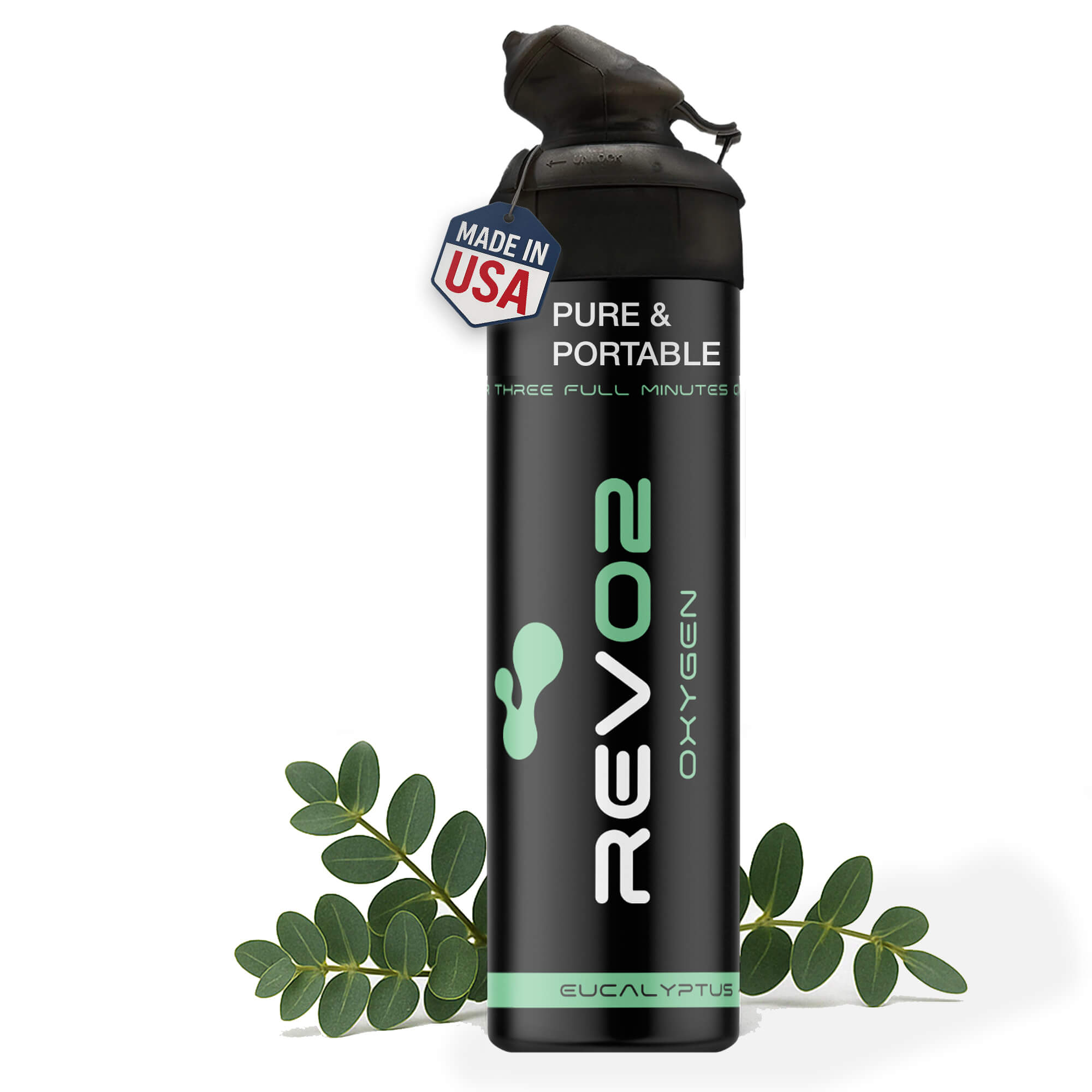
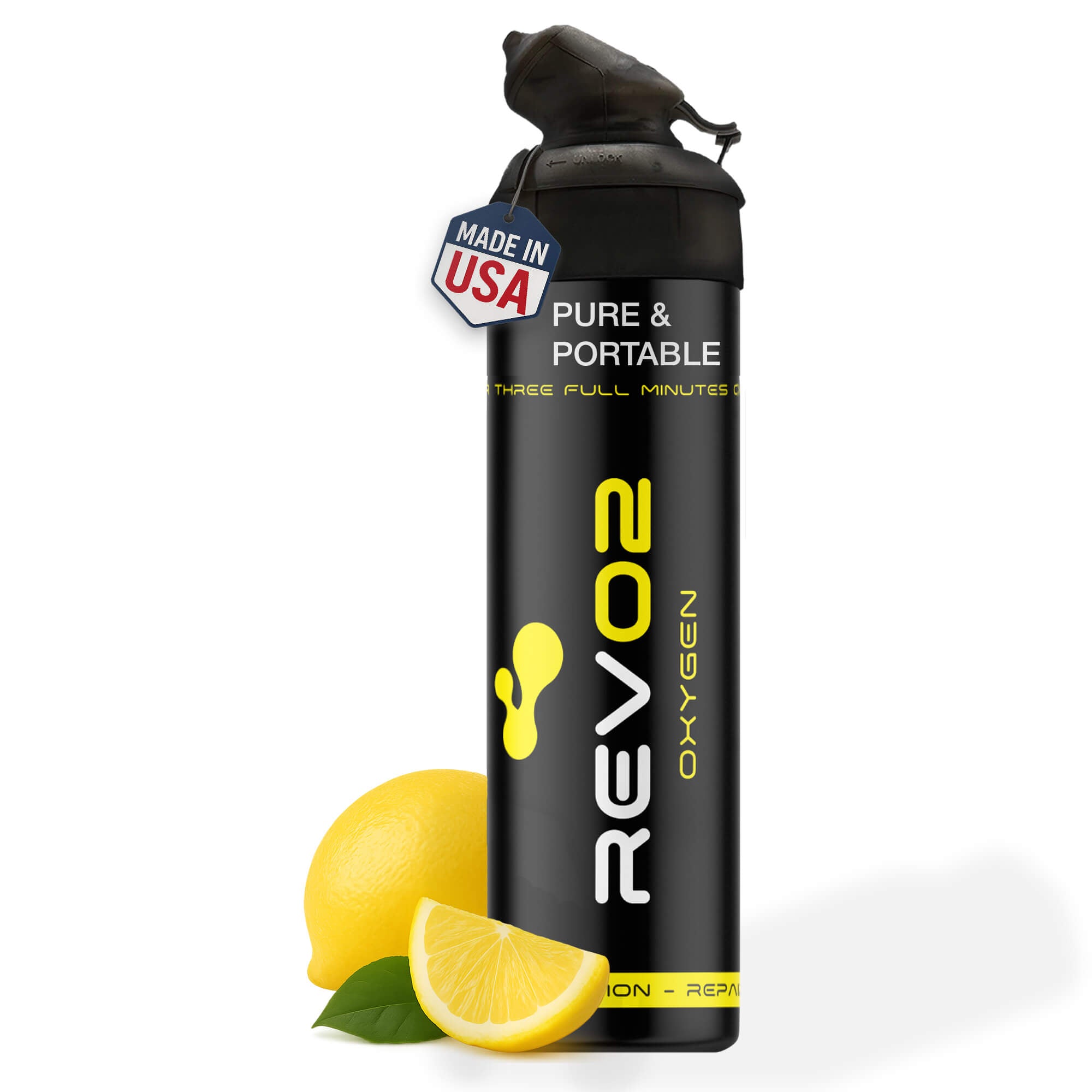
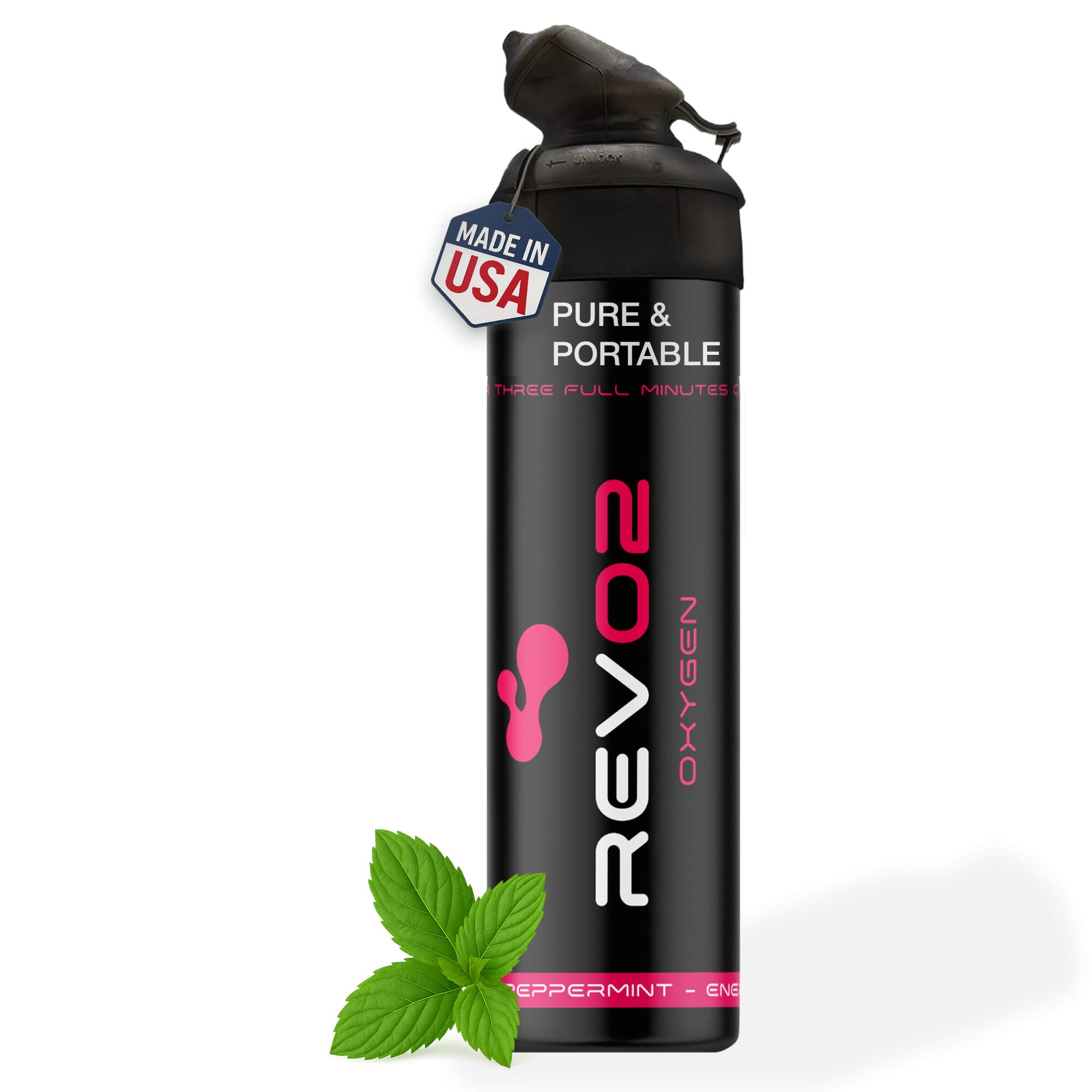
Portable oxygen products are not treatments for HACE or HAPE, nor a way to justify climbing higher while symptomatic. They can serve as supportive tools for low-risk moments such as fatigue relief, post-exertion recovery, or a mental reset during a stressful stretch of a trek. If you want the full picture of safe, effective use before you pack a can, the how-to guide for canned oxygen walks through proper inhalation technique so you get the most out of every can. Browse the Peppermint, Lemon, and Eucalyptus formulas to see which fits your trip, whether that’s an energy boost for summit day or recovery support once you’re back at camp.
This article is general information, not a substitute for advice from a qualified doctor. Consult a qualified healthcare professional about your own circumstances before acting on anything here.
Sources
- High-Altitude Travel and Altitude Illness | CDC Yellow Book™
- Travel to high altitudes | Travelers’ Health | CDC
- Acute Mountain Sickness - StatPearls - NCBI Bookshelf
- 2024 Altitude Summary | Wilderness Medical Society
FAQ
How Do You Treat Mild Altitude Sickness?
Stop ascending, rest at your current elevation, and stay well hydrated with water and electrolytes. Most mild cases improve within 12 to 48 hours if you don’t climb higher while symptomatic; descend if symptoms persist or worsen.
What Can You Take Instead of Diamox for Altitude Sickness?
Ibuprofen at 600 mg every 8 hours has shown some preventive effect in trials, along with acetaminophen for headache and antiemetics like ondansetron for nausea. None of these substitute for gradual ascent, and all are less effective than acetazolamide for moderate to severe illness. Portable supplemental oxygen, such as REV/O2’s canned oxygen, can support short-term symptom relief but doesn’t aid acclimatization.
Who Is More Prone to Altitude Sickness?
A prior history of AMS is one of the strongest predictors, regardless of age or fitness level. Risk also rises with faster ascent rates, higher sleeping elevations, and exertion above roughly 8,200 feet (2,500 meters).
Why Does Diamox Help Altitude Sickness?
Acetazolamide works by nudging your body toward the same blood chemistry changes that natural acclimatization eventually produces, which speeds up adaptation to lower oxygen levels. That’s a different mechanism from OTC options like ibuprofen or supplemental oxygen, which manage symptoms without accelerating the underlying adjustment process.
Can Portable Oxygen Replace Descent for Serious Symptoms?
No. Small canned oxygen products hold limited volume, generally enough for brief relief but not sustained treatment, as noted in NCBI’s Bookshelf. Descent remains the definitive response for HACE, HAPE, or any worsening symptoms.