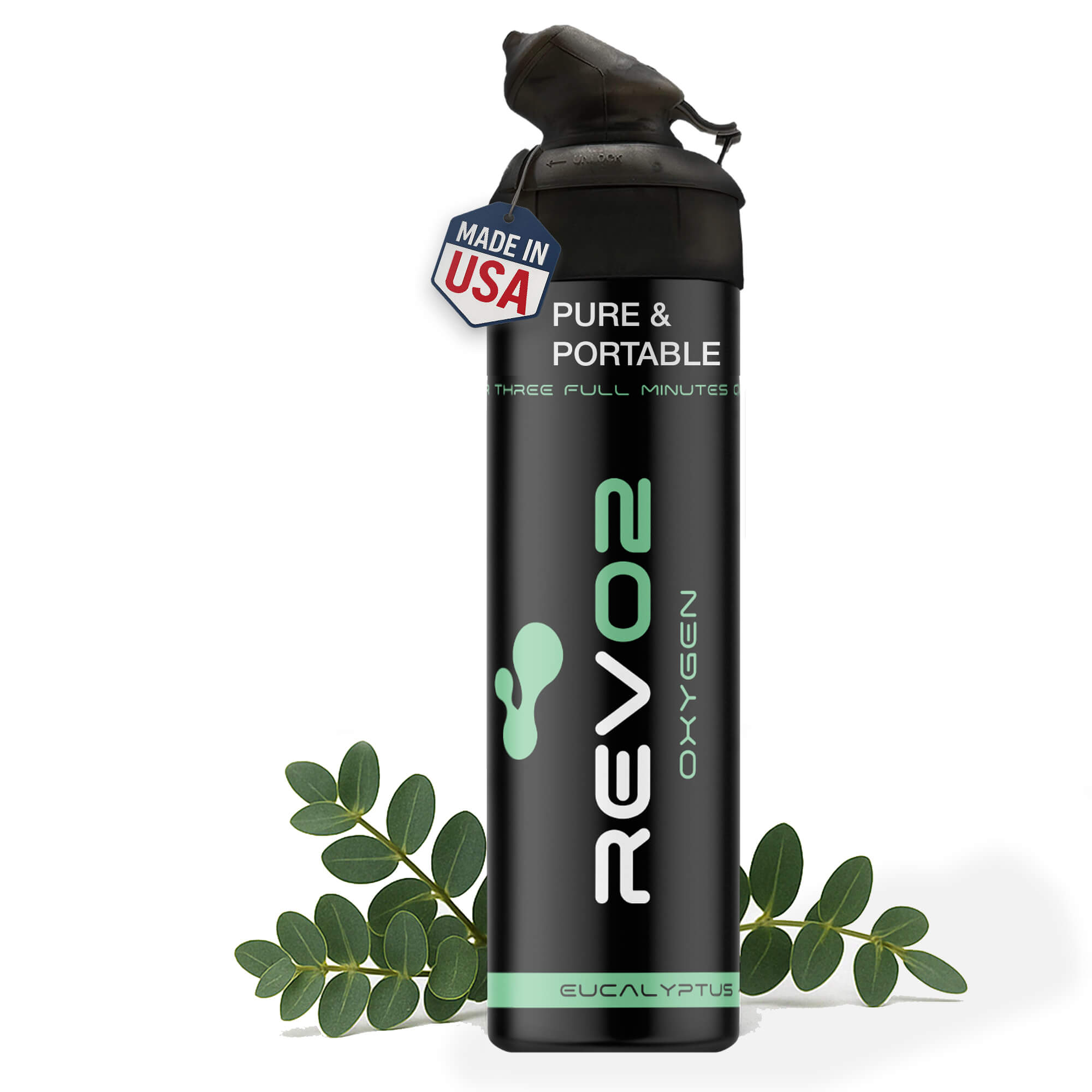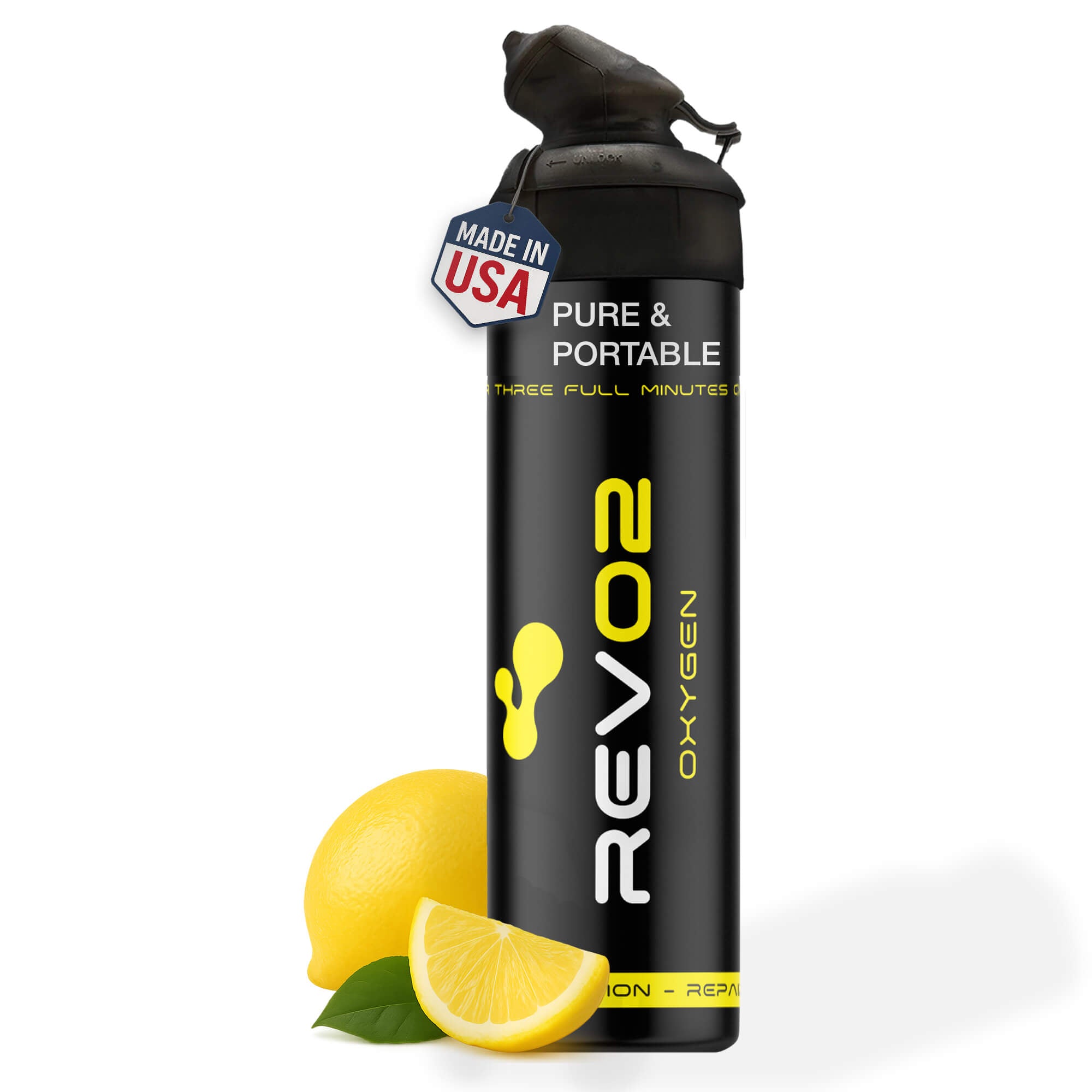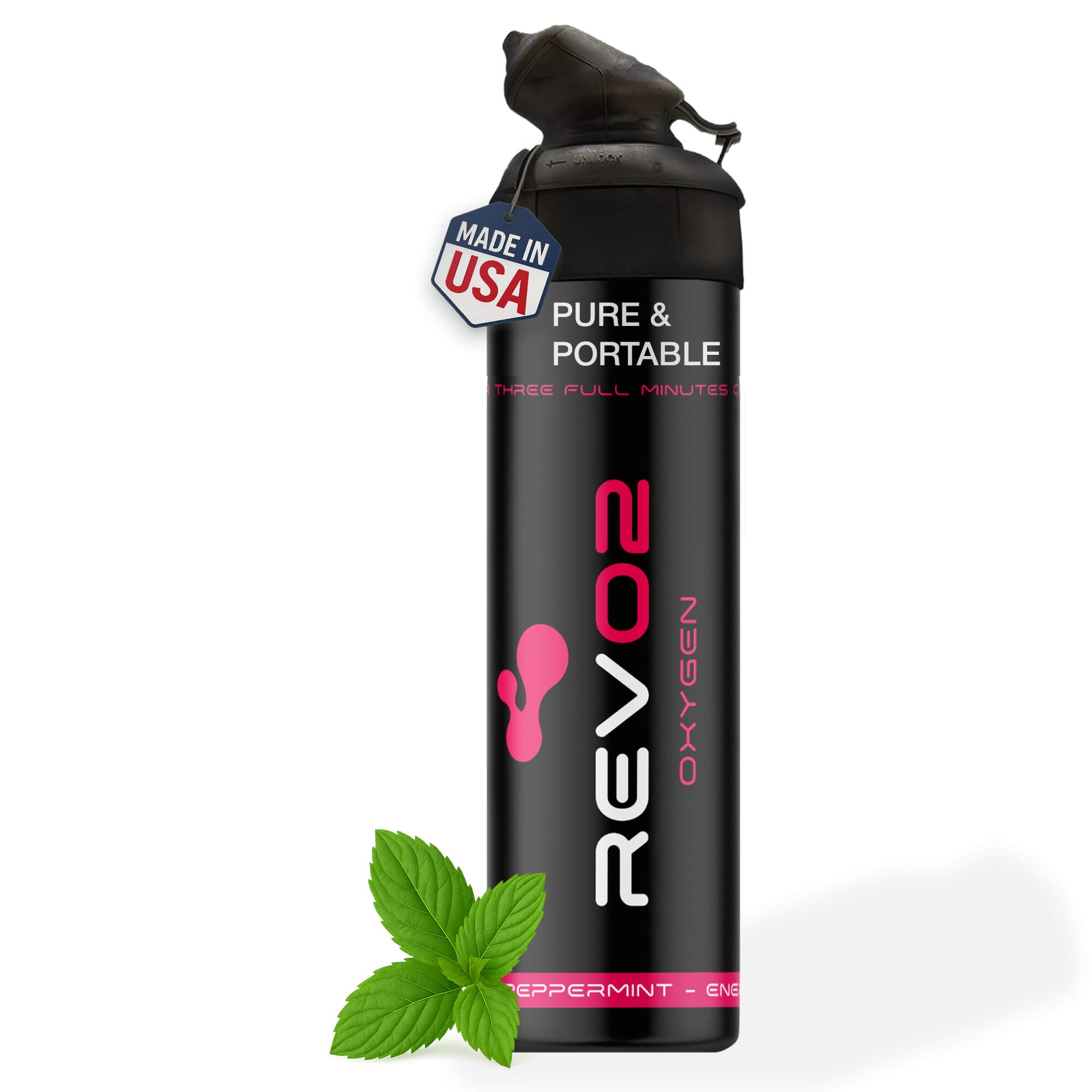

Stop climbing the moment symptoms appear, and rest at your current elevation before deciding anything else. If your headache, nausea, or breathlessness worsens, descend at least 300 meters and use supplemental oxygen if you have it. Anyone showing confusion, staggering, or coughing up frothy sputum needs immediate descent and emergency medical care.
TL;DR:
- Supplemental oxygen provides quick relief for mild altitude symptoms but does not fix the underlying oxygen deficiency caused by high elevation.
- Descending at least 1,000 feet is the most reliable method to alleviate symptoms and prevent escalation to severe altitude illness.
- Medications like acetazolamide can help prevent altitude sickness when taken before ascent, while dexamethasone is reserved for emergency treatment of severe cases.
- Hydration, carbohydrate-rich meals, and avoiding exertion are crucial for recovery, and symptoms often lag behind actual elevation changes by one to two hours.
- Severe symptoms such as confusion, severe breathlessness, or frothy sputum demand immediate descent and emergency medical care, regardless of oxygen availability.
Table of Contents
- What to Do Right Now for Altitude Recovery
- Medications for Altitude Sickness: What Actually Helps
- Does Portable Oxygen Actually Help You Recover?
- Eating and Drinking Right After Altitude Illness
- How Soon Can You Resume Hiking After Altitude Sickness?
- How Long Does Altitude Sickness Recovery Actually Take?
- Does Fitness Level Affect Altitude Recovery?
- How Do Weather and Elevation Changes Affect Recovery?
- A Practical Take on Altitude Recovery
- Keep REV/O2 On Hand for the Rough Patches
- Sources
- FAQ
What to Do Right Now for Altitude Recovery
The first hour after altitude symptoms show up matters more than anything you do afterward. Your body is telling you it can’t move oxygen fast enough to keep up with the elevation, and pushing through is how mild cases turn into medical emergencies.
Here’s the sequence clinicians and guides actually follow, in order:
- Stop ascending immediately. Don’t climb another foot, even if the summit is close. Altitude illness gets worse with continued elevation gain, not better.
- Do not sleep higher than where symptoms started. This is the rule most hikers break. You might feel okay standing around at 2 p.m., then wake up at 3 a.m. with a splitting headache because your sleeping altitude was too aggressive.
- Rest and avoid exertion. Sit down. Stop hiking, stop carrying weight, stop trying to “walk it off.” Physical exertion increases oxygen demand your body can’t currently meet.
- Descend if symptoms are moderate or worsening. Even a modest drop helps. Moving down 1,000 feet or roughly 300 meters often relieves symptoms within hours, and the CDC’s Yellow Book guidance is explicit that continued ascent to a sleeping altitude above approximately 2,750 meters (9,000 feet) in a single day is a primary driver of altitude illness in the first place.
- Use supplemental oxygen if available. Oxygen is one of the fastest ways to blunt a moderate altitude headache and general malaise while you sort out next steps.
- Tell someone. Altitude illness impairs judgment before it impairs the body. Let your group know what’s happening so someone else is tracking your condition, not just you.
- Warm up if you’re cold. Hypothermia and altitude illness share symptoms and compound each other; get into dry layers and a sleeping bag if temperatures are dropping.
One detail that surprises a lot of hikers: symptoms often lag behind the actual ascent by an hour or two. You can feel fine climbing to 11,500 feet and start feeling rough once you’ve stopped moving, because your body hasn’t caught up to the new elevation yet. Guidance from Harvard Health recommends planning your pace around your final target altitude for the day, not how you feel at the moment you arrive.
Pro Tip: Set a personal rule before you ever leave the trailhead: if a headache reaches the point where ibuprofen alone doesn’t touch it, that’s your cue to stop and reassess, not push for another 500 feet of elevation.
Supplemental oxygen deserves a specific caution here. It relieves symptoms, but it doesn’t fix the underlying problem the way descent does. Treat it as a bridge that buys you comfort and clearer thinking while you decide whether to wait it out, descend, or call for help. Anyone with severe symptoms, or symptoms that don’t improve with rest, needs to get to lower elevation regardless of how much oxygen is on hand.
Medications for Altitude Sickness: What Actually Helps
Two prescription drugs dominate altitude illness treatment, and they do different jobs. Confusing them is one of the more common mistakes hikers make when packing a trip medical kit.
Acetazolamide is primarily a prevention drug. Taken before and during ascent, it speeds up your body’s natural acclimatization process by encouraging faster, deeper breathing, which helps offset the lower oxygen availability at elevation. The CDC Yellow Book notes it’s most valuable as prophylaxis for people ascending quickly or with a history of altitude sickness, though it also modestly speeds recovery once symptoms have already started.
Dexamethasone is a different tool entirely. It’s a steroid reserved for moderate to severe acute mountain sickness or high-altitude cerebral edema (HACE), and it works by reducing swelling and inflammation rather than aiding acclimatization. It’s typically an emergency or rescue medication, not something used casually or long term, since it can mask worsening symptoms without treating the actual cause.
Beyond those two, most recovery kits include:
- Ibuprofen or acetaminophen for altitude headache. Our headache relief guide covers timing and dosing strategies specific to altitude, since standard headache advice doesn’t always translate well above 8,000 feet.
- Antiemetics like ondansetron for nausea and vomiting, which are common enough at altitude that many guides carry them by default.
- Caution with NSAIDs for anyone with a history of stomach issues or dehydration, since altitude and NSAIDs can both stress the kidneys.
Roughly a third of visitors to elevations above 8,000 feet experience some degree of acute mountain sickness, according to figures the NHS cites for altitude sickness, which is why travel clinics routinely prescribe acetazolamide preventively for anyone with a fast ascent profile or a prior bad experience at elevation.
If you’re planning a trip above 8,000 feet, a visit to a travel medicine clinic beforehand is worth the appointment. They can assess your itinerary’s ascent rate, prescribe acetazolamide if it fits your plan, and make sure you’re carrying the right rescue medications rather than guessing at a pharmacy the night before you fly out.
Does Portable Oxygen Actually Help You Recover?
Oxygen works fast on altitude symptoms. Clinical guidance from the CDC notes that supplemental oxygen frequently relieves altitude headache within about 30 minutes, with broader symptom improvement over the following hours. That’s the physiological logic behind carrying any oxygen source at elevation: you’re directly addressing the shortage your body is struggling with.
Where expectations need calibrating is around scale. A small handheld oxygen can holds a limited volume, generally in the range of a few liters, delivered over a short window of use. That’s meaningful for a rough patch on the trail. It is not the same thing as the continuous flow a hospital or a mountain clinic delivers to someone with high-altitude pulmonary edema (HAPE) or severe hypoxia, and the CDC is direct on this point: sustained correction of low blood oxygen in serious cases requires continuous medical oxygen, not brief supplementation.
That distinction shapes how canned oxygen fits into a recovery plan:
- Use it for short-term relief of mild to moderate symptoms, headache, and breathlessness during activity.
- Don’t stretch a few liters across hours expecting it to substitute for descent.
- If symptoms are severe or not improving, oxygen buys time. It doesn’t replace getting to lower elevation or professional care.
- Reserve it as a supplement to rest and pacing, not a reason to keep pushing higher.
The zero-leak delivery system matters more than it sounds. Mask-based systems lose oxygen around the seal with every breath, which wastes a resource you don’t have much of on a mountainside.
Pro Tip: Take a few slow, deep breaths from the can rather than quick shallow ones. Slower breathing gives your lungs more time to actually absorb the oxygen instead of exhaling half of it unused.
Air pressure itself is the root cause worth understanding here. At elevation, reduced air pressure means each breath delivers fewer oxygen molecules even though the air is still 21% oxygen by volume. That’s a physics problem, not a lung problem, which is why breathing harder alone doesn’t fully solve it.
Eating and Drinking Right After Altitude Illness
Dehydration compounds every altitude symptom you’re already dealing with, and it happens faster than most people expect. High elevations tend to have low humidity, and you lose fluid through faster breathing and increased urination that most hikers don’t account for. The Cleveland Clinic recommends drinking noticeably more water than you would at sea level and keeping an eye on urine color as a rough hydration gauge: pale yellow is the target.
Food choices matter almost as much as fluid intake, and this is where a lot of recovery advice misses something specific. Digestion itself costs oxygen. Carbohydrate-rich meals require less oxygen to break down than fat or protein-heavy meals do, which is exactly why Cleveland Clinic’s guidance points toward carb-focused eating during altitude recovery rather than a heavy, protein-dense dinner that feels satisfying but taxes a system already running short on oxygen.
Practical steps for the first day or two of recovery:
- Drink water steadily throughout the day rather than large amounts at once.
- Reach for electrolyte solutions if you’ve been vomiting or sweating heavily; plain water alone won’t replace lost sodium and potassium.
- Choose rice, bread, pasta, oatmeal, and fruit over fatty or protein-heavy meals while symptoms are active.
- Skip alcohol entirely until you’re fully recovered. It worsens dehydration and can mask worsening symptoms.
- Avoid large, heavy meals that demand more digestive effort than your body can spare right now.
Appetite often drops during altitude illness, which is normal, but forcing down small amounts of easily digestible carbohydrate still helps more than skipping meals until you feel like eating again.
How Soon Can You Resume Hiking After Altitude Sickness?
Recovery isn’t linear, and treating it like a switch that flips back to “normal” is how people relapse. Peer-reviewed guidance on returning to activity after high-altitude illness, reviewed in a PMC clinical analysis, consistently favors a staged, conservative reintroduction of exertion over jumping straight back into full activity.
A reasonable progression looks like this:
- First 24 to 72 hours: prioritize sleep and minimal movement. Let your body finish acclimatizing or recovering without adding new stress.
- Once symptoms ease: introduce easy, flat walking. Watch how you feel, not how you think you should feel.
- After a full day symptom-free: try short, gentle hikes with modest elevation gain, staying alert for any symptom recurrence.
- Only after 48 to 72 hours symptom-free with energy restored: return to full exertion, including elevation gain beyond where symptoms first appeared.
Gentle movement during recovery, easy walking and light stretching, supports circulation without overtaxing a system that’s still catching up on oxygen delivery. What it should never include is pushing pace or elevation to “test” whether you’ve recovered.
Here’s the part that trips people up most: feeling better is not the same as being ready to ascend further. Symptoms resolving is a floor, not a green light. If your itinerary calls for gaining elevation again, wait until you’ve had a genuinely symptom-free stretch, not just a symptom-free hour, before you climb higher than where the illness started.
How Long Does Altitude Sickness Recovery Actually Take?
Mild acute mountain sickness typically resolves within one to three days once you rest, stop ascending, and use oxygen or descend as needed, based on guidance from the NHS. That timeline assumes you actually follow the immediate steps outlined earlier rather than pushing through symptoms. High-altitude cerebral edema and high-altitude pulmonary edema don’t follow that same gentle curve. Both require immediate descent, and both can become life-threatening within hours if descent is delayed.
Know these red flags cold, because recognizing them fast is what keeps a bad day from becoming a fatality:
- Confusion, disorientation, or difficulty thinking clearly
- Inability to walk in a straight line (ataxia)
- Severe breathlessness, even at rest
- Coughing up frothy or blood-tinged sputum
- Blue or gray discoloration of the lips or skin
Any one of these means immediate descent, oxygen if available, and activating emergency evacuation or medical services without waiting to see if things improve on their own. The NHS notes that even for moderate cases without these severe signs, descending 1,000 to 3,000 feet is the recommended action when symptoms fail to improve or actively worsen.
Before any high-altitude trip, pack a checklist that covers more than boots and a headlamp: acetazolamide if prescribed, antiemetics, a written list of local evacuation and medical contact numbers, and travel insurance details that specifically cover high-altitude evacuation. Cell service is often unreliable at elevation, so having numbers written down, not just saved in a phone, is worth the extra thirty seconds it takes.
Does Fitness Level Affect Altitude Recovery?
Being in good cardiovascular shape doesn’t prevent altitude sickness, but it changes how your body handles the stress of recovery once symptoms hit. A well-conditioned cardiovascular and respiratory system recovers oxygen debt faster and tolerates the exertion of descent, evacuation, or even just walking to a lower campsite with less added strain.
Conditioning also affects margin for error. Hikers in strong aerobic shape typically have more physiological reserve when things go sideways at altitude, meaning the difference between “uncomfortable” and “dangerous” tends to be wider. That reserve doesn’t replace acclimatization schedules or turn a reckless ascent profile into a safe one, but it does mean less added risk when illness does strike.
The training that helps most isn’t altitude-specific gym work. It’s straightforward cardiovascular conditioning in the weeks before a trip: hiking with a loaded pack, stair climbing, and steady aerobic sessions that build the same muscular and cardiovascular endurance you’ll rely on if you need to move under your own power while still symptomatic. A structured lead-up, like the approach in our 12-week elevation hiking conditioning plan, builds that reserve well before you’re anywhere near thin air.
None of this is a substitute for a sane ascent schedule. A very fit hiker who ascends too fast can still develop severe AMS or HACE. Fitness buys you resilience during recovery, not immunity from the illness itself.
How Do Weather and Elevation Changes Affect Recovery?
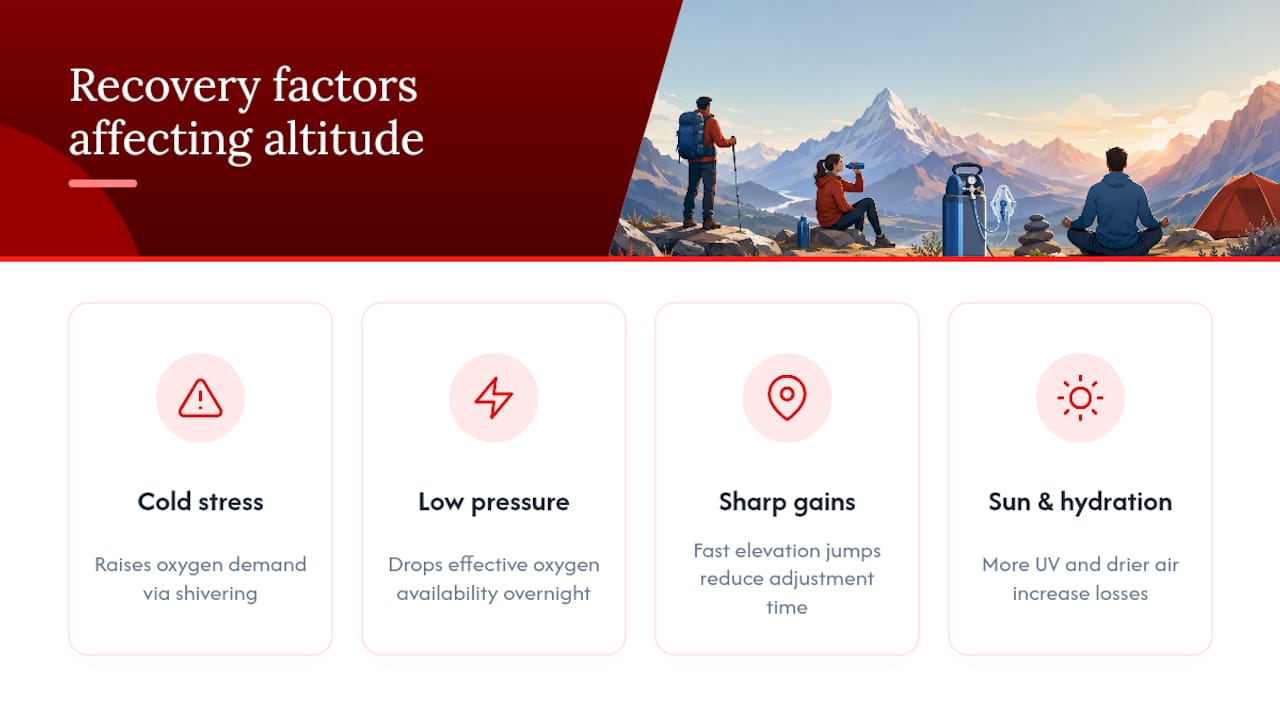
Cold temperatures make altitude recovery harder in ways that aren’t always obvious. Cold air is denser and can feel easier to breathe at first, but shivering and cold stress increase your body’s oxygen demand at exactly the moment you need to be conserving it. Hypothermia symptoms, confusion, poor coordination, and slurred speech, also overlap heavily with worsening altitude illness, which makes accurate self-assessment harder in bad weather.
Storms and low-pressure systems compound the problem further. Barometric pressure drops during storms effectively simulate a higher-altitude environment, even without gaining a single foot of elevation. Someone recovering from mild AMS at a fixed campsite can feel their symptoms worsen purely because a weather system moved through overnight, with no change in their actual elevation.
Terrain-driven elevation swings matter too, particularly in mountain ranges with steep, fast-changing trails. A route that gains 2,000 feet in a few miles gives your body far less time to adjust than the same elevation gain spread across a full day. Where your itinerary allows it, choose routes and campsites that minimize sharp elevation jumps, especially in the days right after you’ve recovered from a bout of altitude illness.
Sun exposure and hydration losses also climb with elevation regardless of temperature, since thinner atmosphere means less UV filtering and drier air even on cold days. Factor weather forecasts into your ascent and recovery planning with the same seriousness you’d give an elevation profile.
A Practical Take on Altitude Recovery
Most altitude advice online treats every symptom the same way: drink water, take it easy, you’ll be fine. That framing undersells how fast mild symptoms can tip into something serious, and it oversells how much any single product, oxygen included, can do once that shift happens.
The gap worth paying attention to is between comfort and correction. Supplemental oxygen, whether from a can or a tank, makes you feel better quickly because it directly addresses the shortage your body is fighting. That relief is real and useful. It is also not the same thing as your body actually acclimatizing or your blood oxygen returning to a safe baseline on its own. Treating symptom relief as proof you’re in the clear is where recovery plans fall apart.
What tends to actually work is boring and unglamorous: descend when symptoms say to, use oxygen to manage the rough patches, eat carbs instead of forcing a heavy dinner, and give yourself a full symptom-free stretch before climbing again. The trekkers who recover cleanly aren’t the ones with the best gear. They’re the ones willing to stop climbing at the first real warning sign instead of negotiating with their own headache.
Canned oxygen has a real, specific place in that plan: bridging the gap between “I feel rough” and “I’ve made a decision about descending.” It’s not a substitute for judgment, and it shouldn’t be marketed or used as one.
— Paul
Keep REV/O2 On Hand for the Rough Patches
Portable canned oxygen is meant for exactly the moments this article just walked through: the headache at high elevation, breathlessness on a steep switchback, or the night where oxygen might help you sleep instead of stare at the tent ceiling.
Every can is meant as an adjunct, not a replacement for descent, prescribed medication, or emergency care when symptoms turn severe. Used that way, it’s straightforward: a few slow breaths for headache or breathlessness relief, repeated as needed during the day, with a fresh can in reserve for the next rough patch. The how-to-use guide walks through timing and technique in more detail than a product label ever could.
Browse the full canned oxygen collection to find the flavor and size that fits your next trip, or grab the Essentials Bundle if you want backups for a multi-day itinerary. Order now and have oxygen support ready before your next ascent, not after symptoms already have you scrambling.
Sources
- High-Altitude Travel and Altitude Illness | CDC Yellow Book™
- Return to Activity at Altitude After High-Altitude Illness - PMC
- Understanding altitude sickness: 5 best tips for your next mountain trip | Cleveland Clinic
- Altitude sickness
FAQ
What Is the Fastest Way to Recover From Altitude Sickness?
Stop ascending, rest, and descend if symptoms are moderate or worsening; supplemental oxygen can speed relief of headache and breathlessness within about 30 minutes, according to the CDC. Descending even 1,000 feet often brings faster relief than any medication or rest alone.
Why Can’t You Shower at High Altitude While Sick?
Hot showers can drop blood pressure and worsen dizziness or fainting in someone already dealing with low oxygen levels, so it’s best to stick to lukewarm water and skip long showers until symptoms resolve. This isn’t a hard medical rule so much as a practical precaution while your body is already under stress.
How Long Does It Take to Recover From Altitude Sickness?
Mild acute mountain sickness usually improves within one to three days with rest, hydration, and descent if needed, per NHS guidance. Severe forms like HACE or HAPE don’t follow that timeline and require immediate descent and medical care.
What Helps Reverse Altitude Sickness Symptoms?
Descending to a lower elevation is the most reliable way to reverse worsening symptoms, backed by rest, hydration, carbohydrate-focused meals, and supplemental oxygen for short-term relief. Products like REV/O2 canned oxygen can ease headache and breathlessness while you decide whether descent or further rest is the right next step, though severe symptoms still call for descent and medical attention regardless of oxygen use.
Can You Use Portable Oxygen Instead of Descending?
No. Portable oxygen cans hold a limited supply and are meant for short-term symptom relief, not as a substitute for descent when symptoms are moderate to severe. The CDC is clear that continuous medical oxygen, not brief supplementation, is what’s needed for sustained correction of serious hypoxia.