
The fastest way to cut jet lag fatigue is combining timed light exposure with a shifted sleep schedule, short strategic naps, and melatonin timed to your destination bedtime. Most travelers need about one day of recovery per time zone crossed, so a major time change means several days before your body fully resets. The good news: the right sequence of actions in the first 48 hours speeds that timeline considerably.
TL;DR:
- Adjust your sleep and light exposure three days before departure to gradually align your internal clock with your destination’s time zone.
- Use short naps of 15 to 30 minutes only if needed, avoiding late-day naps that could disrupt your nighttime sleep.
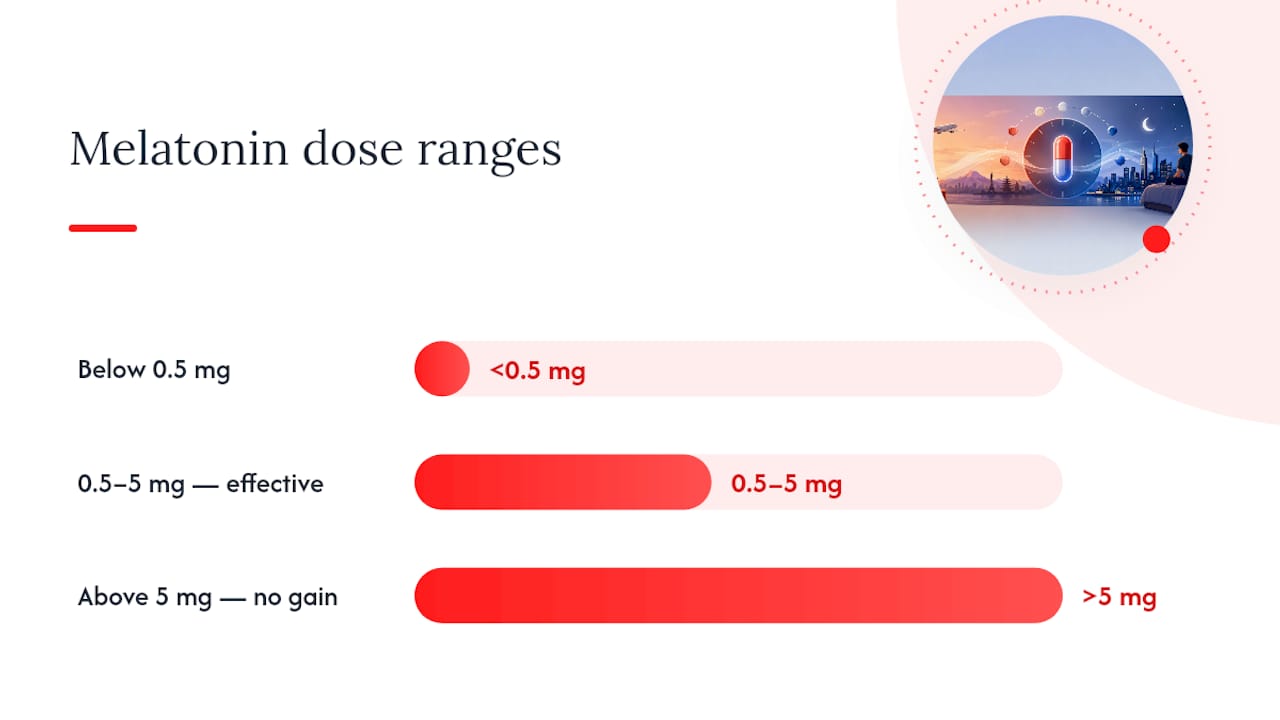
- Take melatonin one to two hours before your target bedtime in the new time zone, within effective doses of 0.5 to 5 mg, based on your travel distance.
- Hydrate well, avoid alcohol, and time caffeine consumption to promote rest and alertness both during and after your flight.
- Consider supplemental oxygen only as a temporary alertness aid and not a circadian reset, focusing primarily on light, sleep, and melatonin strategies.
Table of Contents
- Jet Lag Fatigue Remedies: What to Do in the First 24-48 Hours
- How Should You Time Light Exposure When Crossing Time Zones?
- Does Melatonin Actually Work for Jet Lag, and How Much Should You Take?
- In-Flight Habits That Determine How You Feel on Landing
- How Long Should You Nap Without Making Jet Lag Worse?
- When Does Jet Lag Need a Doctor’s Attention?
- Where Does Canned Oxygen Fit Into a Jet Lag Recovery Plan?
- What I’d Actually Tell a Tired Traveler
- A Practical Adjunct for the Rough Hours of Travel
- Sources
- FAQ
Jet Lag Fatigue Remedies: What to Do in the First 24-48 Hours
Your first two days at a new destination set the pace for everything after. The goal is to convince your body it already lives on local time, even though your internal clock disagrees.
- Eat and sleep on local time immediately, even if your body says it’s the wrong hour. Small, familiar meals timed to local mealtimes also ease the digestive upset that comes from a gut clock still running on your old schedule.
- Get outside for daylight at the time that matches your travel direction (details in the next section).
- Nap only if necessary, and keep it to 15 to 30 minutes with an alarm set. Longer naps risk deep sleep that leaves you groggier than before you lay down.
- Hydrate consistently and skip alcohol. Alcohol fragments sleep architecture even though it makes falling asleep feel easier.
- Use caffeine with a cutoff. Have it earlier in the day and stop at least six hours before your planned local bedtime.
- Consider melatonin if you’ve crossed five or more time zones or need to function fast, timed before your destination bedtime rather than whenever you happen to remember it.
Pro Tip: Set two alarms on arrival day, one for a capped nap and one for your local bedtime. The alarm matters more than the intention. Willpower fades by hour 30 without sleep; a phone doesn’t.
How Should You Time Light Exposure When Crossing Time Zones?
Light is the strongest signal your circadian clock responds to, and the direction of your travel determines whether you want it in the morning or the evening. Traveling east, morning light advances your clock, pushing your internal schedule forward to match an earlier destination time. Traveling west, evening light delays your clock, which is what you need since your body needs to run later than usual.
Here’s a simple pre-trip and arrival sequence:
- Three days before departure, shift your sleep and wake time by about one hour per day toward your destination schedule. A structured pre-travel shift is part of the guideline-backed approach for frequent travelers managing repeated time changes.
- On arrival day, wear sunglasses if you need to avoid light (evening for eastbound travel, morning for westbound), and seek sunlight deliberately when your direction calls for it.
- For itineraries crossing five or more zones, run the numbers through a dedicated jet lag calculator before you go. The math gets complicated fast once multiple layovers are involved.
Does Melatonin Actually Work for Jet Lag, and How Much Should You Take?
Melatonin is the best-supported over-the-counter option for jet lag, but more isn’t better. Clinical evidence shows effective doses range from about 0.5 mg to 5 mg, and doses above that ceiling don’t improve results. They just raise the odds of grogginess or headache the next morning.
Timing matters more than dose. Taking melatonin one to two hours before your target destination bedtime is generally effective; taking it at the wrong point in your circadian cycle can actually worsen the misalignment you’re trying to fix.
For frequent flyers or anyone managing genuinely disruptive jet lag, a randomized, placebo-controlled trial on tasimelteon (the JET8 study) found the prescription melatonin receptor agonist improved total sleep time and next-day alertness compared with placebo in a laboratory jet lag model. That’s a clinician-managed option, not a swap-in for OTC melatonin.
- Melatonin supplements aren’t regulated with the same consistency as prescription drugs, so potency can vary between brands.
- Skip melatonin if you’re pregnant, on blood thinners, or managing a seizure disorder, without talking to a doctor first.
In-Flight Habits That Determine How You Feel on Landing
What you do at 35,000 feet shapes how rough your arrival feels. Hydration comes first: cabin air is dry, and dehydration compounds the grogginess jet lag already causes. Skip the alcohol, even the free glass of wine. It fragments sleep and adds to fluid loss at exactly the wrong time.
- Time caffeine for daytime alertness on the plane, not for the hours leading into your destination’s nighttime.
- Pack an eye mask, earplugs, and a neck pillow, and recline when the cabin allows it to protect whatever sleep you can get.
- Get up and move every couple of hours. Stiffness and fatigue build fast on flights over six hours.
How Long Should You Nap Without Making Jet Lag Worse?
Cap naps at 30 minutes. Longer naps let you slip into deep, slow-wave sleep, and waking from that stage produces sleep inertia, the groggy, disoriented feeling that can outlast the nap’s benefit. Brief naps under 30 minutes boost alertness with less grogginess and don’t meaningfully steal from your nighttime sleep drive.
Pro Tip: Nap before 3 p.m. local time if you nap at all. Anything later competes directly with the nighttime sleep you’re trying to protect.
- Keep your bedroom cool, dark, and quiet, and wake at a consistent time even if you went to bed later than planned.
- Sequence it as: short nap if truly needed, then push through to a full night on local time. Two consecutive full nights on schedule usually resets you faster than repeated daytime naps.
When Does Jet Lag Need a Doctor’s Attention?
Most people feel meaningfully better within days, and the general rule of thumb, about one day of recovery per time zone crossed, holds for the majority of trips. If symptoms drag on past two or three weeks, or if you’re dealing with severe daytime impairment that affects driving or operating machinery, that’s a signal to talk to a clinician rather than wait it out. A sleep specialist may discuss prescription melatonin receptor agonists for cases that don’t resolve on their own.
Where Does Canned Oxygen Fit Into a Jet Lag Recovery Plan?
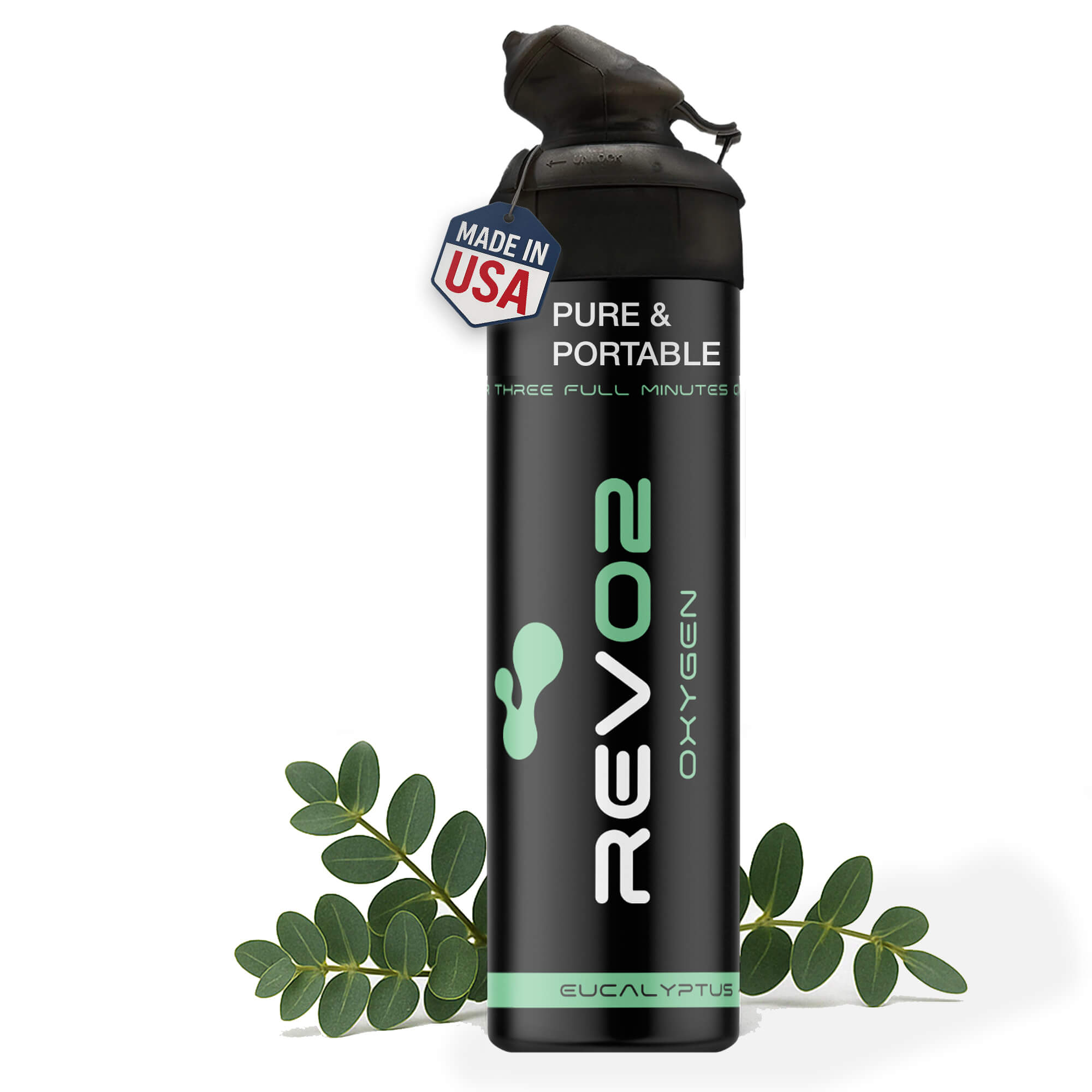
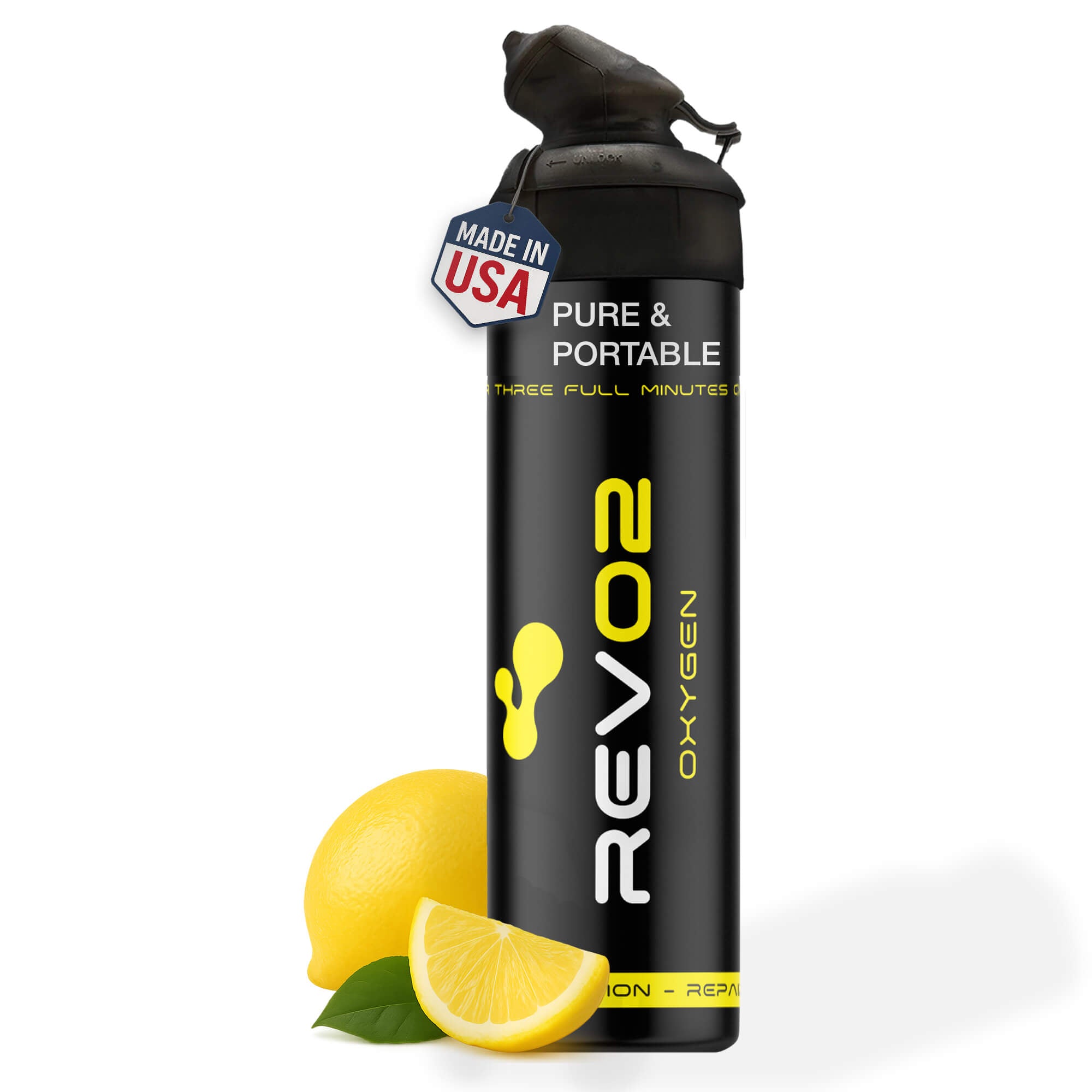
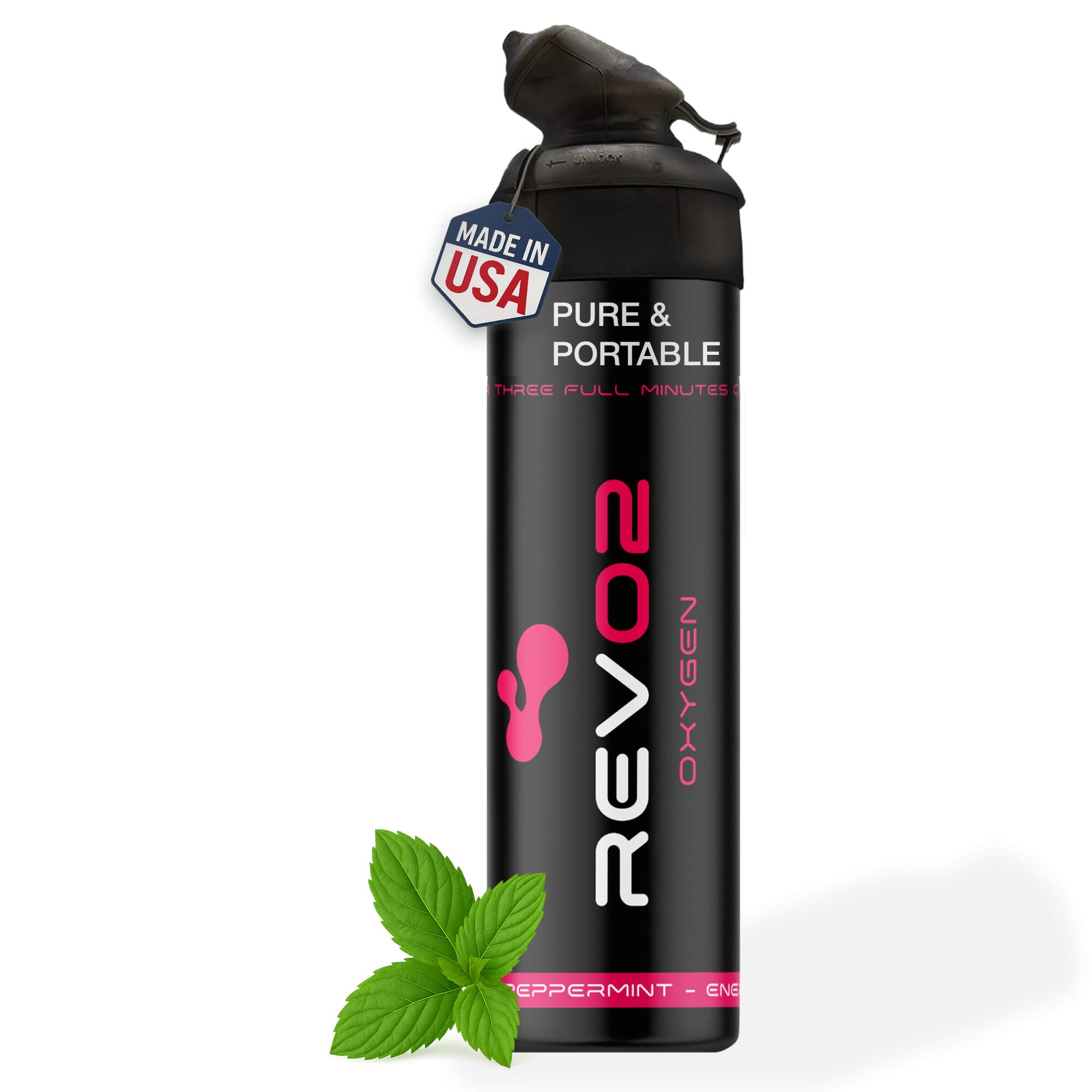
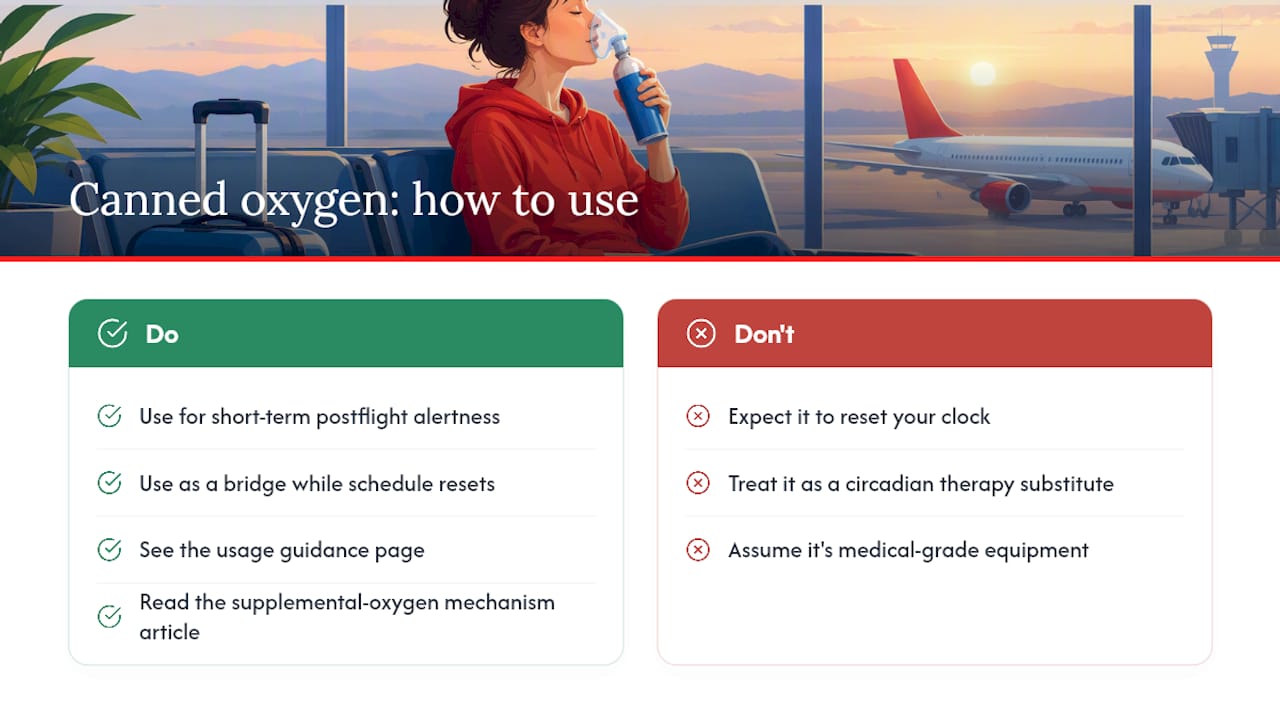
Supplemental oxygen isn’t a circadian therapy, and it won’t reset your internal clock the way timed light or melatonin does. What travelers report is a short-term lift in alertness after a rough flight, useful as a bridge while your schedule catches up. REV/O2’s 98% pure canned oxygen isn’t medical-grade equipment, and it’s not a substitute for the steps above. Full safe-use details live on the usage guidance page, and travelers curious about the broader mechanism can read more on how supplemental oxygen supports travel recovery.
What I’d Actually Tell a Tired Traveler
Most jet lag advice overcomplicates a short list of things that work. Light timing and a disciplined schedule do the heavy lifting; melatonin and naps are useful supporting players, not headline acts. If you take one thing from this: protect your sleep pressure for nighttime, and treat every supplement or adjunct, including a can of oxygen, as a small assist, not a fix.
— Paul
A Practical Adjunct for the Rough Hours of Travel
REV/O2 isn’t a jet lag cure, and it doesn’t pretend to be one. What it offers is a fast, portable way to feel sharper during the hours when your schedule and your body clock are still arguing, without a prescription, a mask, or a bulky tank. The zero-leak mouthpiece design means every inhale counts, which matters when you’re running on four hours of sleep and don’t have patience for fumbling equipment.

Several flavor variations target different moments of a trip: options for energy and endurance during a packed travel day, for recovery and immune support once you land, and for focus and relaxation when you need to settle into a new time zone calmly. Browse the full canned oxygen collection and check the usage guide before your next trip so you know exactly how to use it the moment you land.
Sources
FAQ
How Long Does It Take to Get Over Jet Lag?
Recovery generally takes about one day per time zone crossed, so a flight spanning six time zones typically means roughly six days to feel fully adjusted. Timed light exposure and a shifted sleep schedule can shorten that window.
Can Taking a Nap Help With Jet Lag?
Yes, short naps of 15 to 30 minutes can boost alertness without triggering sleep inertia, the grogginess that follows deeper sleep. Keep naps capped and set an alarm so they don’t interfere with nighttime sleep.
What Is the Best Sleep Aid for Flying?
Melatonin is the most evidence-supported over-the-counter option, with effective doses ranging from 0.5 mg to 5 mg taken one to two hours before target bedtime. An eye mask, earplugs, and avoiding alcohol also meaningfully improve in-flight sleep quality.
Can Jet Lag Cause Me to Wake Up at 2 AM?
Yes, waking in the early morning hours is a common jet lag symptom because your internal clock is still running on your origin time zone. Getting daylight at the right time for your travel direction and keeping a consistent local wake time usually resolves this within a few days.