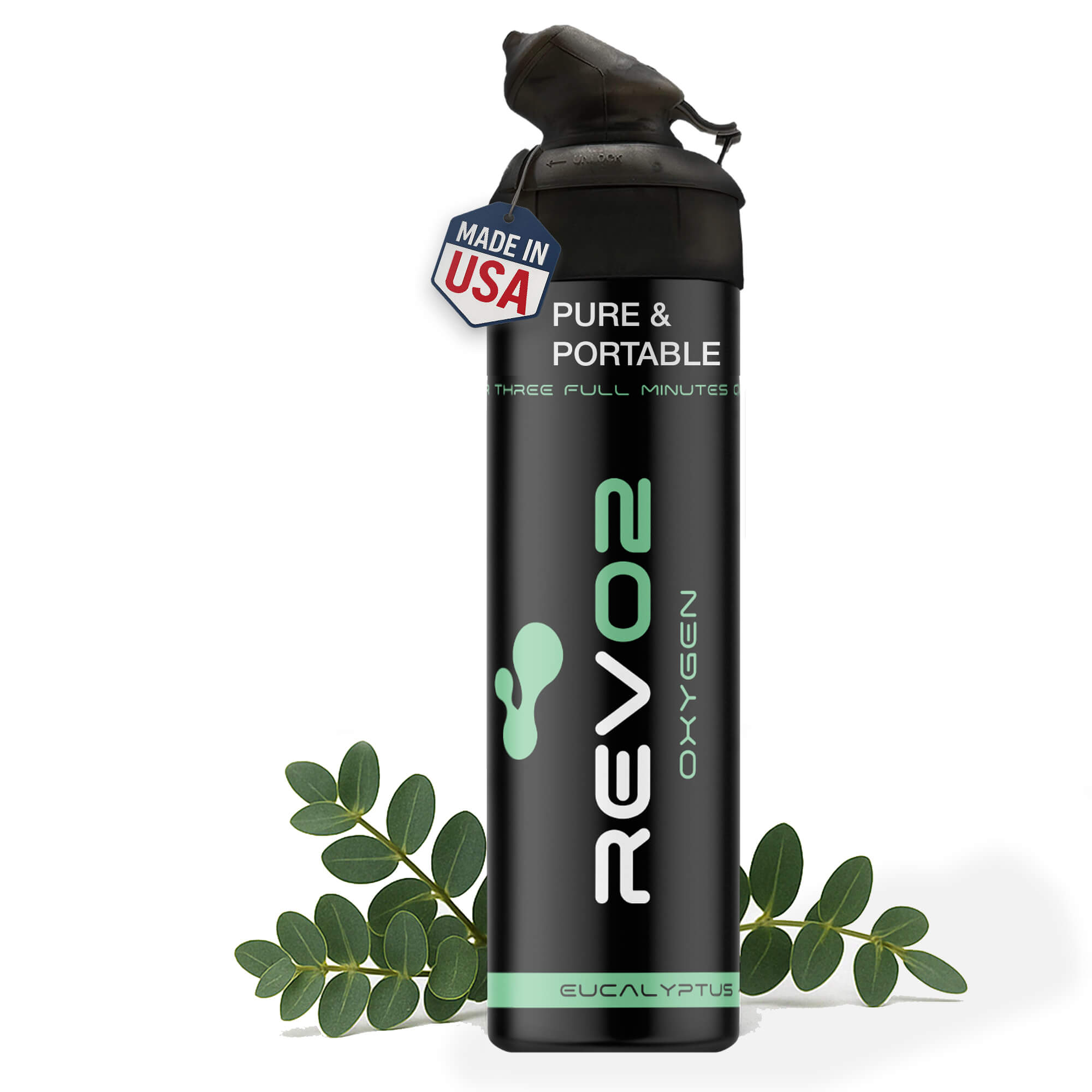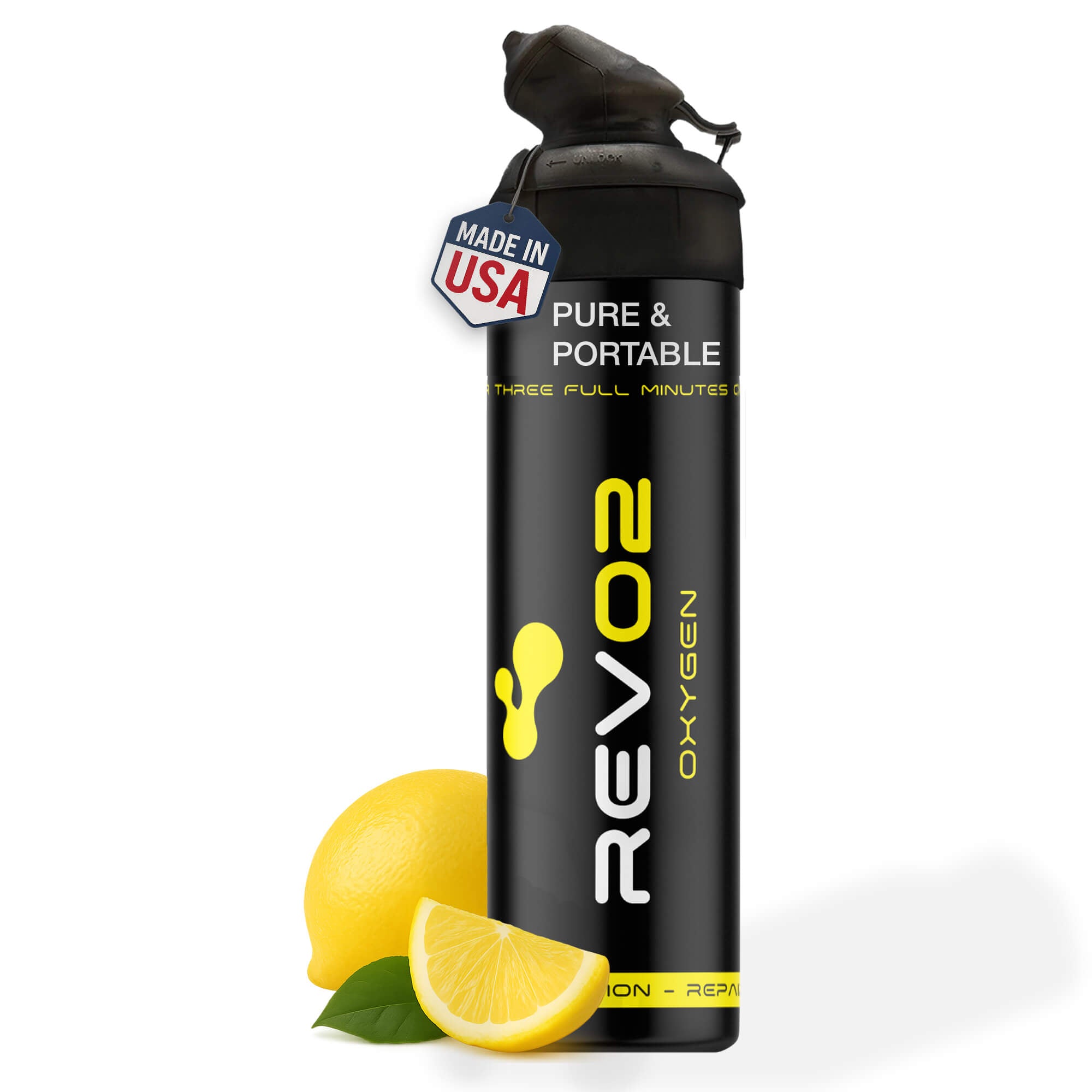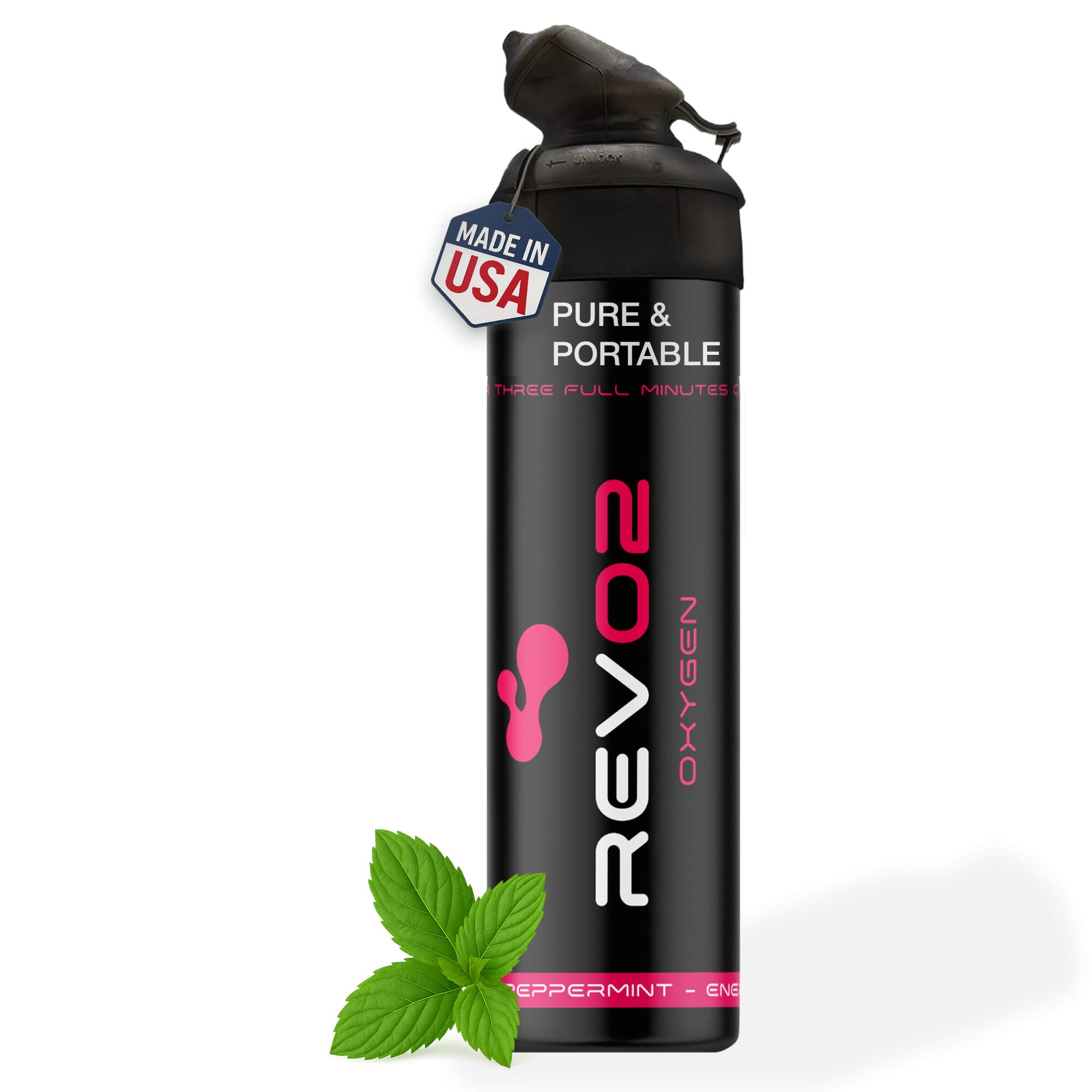

Performance recovery science is the study and application of strategies that restore and optimize human performance after physiological or psychological stress. Put simply, it answers the question of what your body needs after hard effort, and how to give it that systematically. The 2018 consensus statement in the International Journal of Sports Physiology and Performance established that balancing training load with adequate recovery is non-negotiable for avoiding performance decline and injury. For consumers evaluating portable recovery tools like Revo2 canned oxygen, understanding this science helps you spend wisely and recover smarter.
Table of Contents
- Why recovery outcomes matter more than most athletes realize
- The three categories of recovery strategies you should know
- How recovery is measured and why one size never fits all
- What the evidence actually says about recovery modalities
- A practical recovery plan you can start this week
- Safety, limits, and when to see a clinician
- Key studies and expert sources worth reading
- Key Takeaways
- Recovery science in practice: a consumer’s perspective
- Revo2 portable oxygen: a practical option for post-exertion recovery
- Selected references and further reading
Why recovery outcomes matter more than most athletes realize
Effective recovery does three things: it returns your body to baseline faster, it preserves your ability to adapt to training, and it reduces your risk of illness and injury. Skip it consistently, and the consequences compound. The 2018 consensus specifically flags nonfunctional overreaching and overtraining syndrome as the two most serious outcomes of chronic under-recovery, both of which can sideline an athlete for weeks or months.
A 2022 survey of 264 endurance athletes found that hydration, nutrition, and sleep were the most used and most trusted recovery methods, yet many athletes still chose strategies based on coach or peer advice rather than evidence (coaches (nearly half), fellow athletes (nearly half)). That gap between what works and what people actually do is exactly why recovery science matters to everyday athletes, not just professionals.
For someone considering a portable oxygen product, this context is grounding. A tool like Revo2 fits into a broader recovery system. It does not replace the fundamentals, but it can complement them when used at the right moment.
The three categories of recovery strategies you should know
Recovery strategies fall into three broad categories, and knowing which one to reach for depends on your training phase and how your body feels.
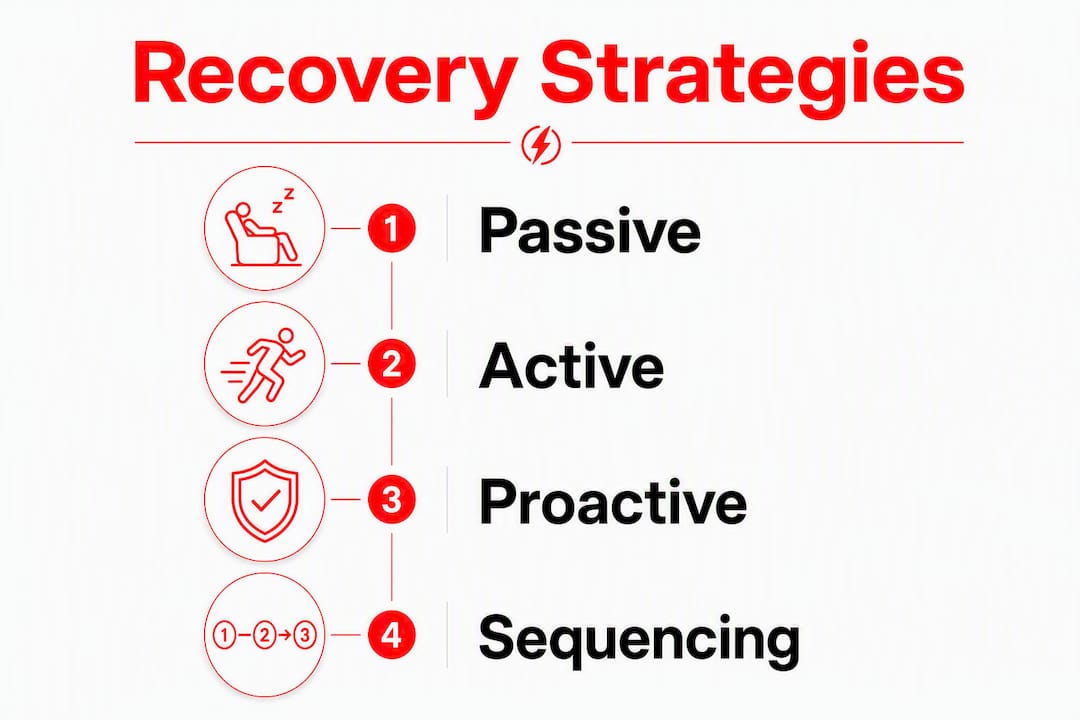
Passive recovery involves minimal physical activity: rest, sleep, cold or hot water immersion, and massage. These approaches work best in the 24–48 hours after high-intensity effort, when the body needs low-demand time to repair muscle tissue and clear metabolic byproducts.

Active recovery uses low-intensity movement, such as a light walk, easy cycling, or gentle yoga, to promote circulation without adding meaningful training stress. It tends to be more effective than complete rest for clearing lactate after intense bouts and for maintaining movement quality between sessions.
Proactive recovery is the most underused category. It includes sleep hygiene protocols, periodization planning, prehabilitation exercises, and deliberately scheduled active-rest days. Rather than reacting to fatigue, proactive recovery builds rest into the training structure before the body signals distress. The Australian Sports Commission clearinghouse describes recovery as multidimensional, covering physiological, psychological, and behavioral dimensions, which is why proactive planning tends to outperform reactive rest.
- Passive: ice baths, hot/cold contrast showers, massage, full rest days
- Active: 20–30 minute easy walk or cycle, foam rolling, light swimming
- Proactive: consistent sleep schedule, planned deload weeks, prehab mobility work, breathwork sessions
Pro Tip: Sequence your strategies across the week rather than stacking them all after one hard session. A proactive approach on easy days, active recovery the day after hard effort, and passive tools reserved for the hardest training blocks will give you better cumulative results than any single intervention.
How recovery is measured and why one size never fits all
Coaches and sports scientists use both objective and subjective tools to track recovery status. Neither category alone tells the full story.
| Metric | Type | What it signals | Practical threshold |
|---|---|---|---|
| Heart rate variability (HRV) | Objective | Autonomic nervous system readiness | Sustained drop below personal baseline warrants reduced load |
| Resting heart rate | Objective | Cardiovascular fatigue | elevated bpm above baseline suggests incomplete recovery |
| Sleep duration and quality | Objective/Subjective | Tissue repair and CNS restoration | Below 7 hours consistently impairs adaptation |
| Training load (RPE × duration) | Objective | Cumulative stress | Spike above 10% weekly increase raises injury risk |
| Wellness questionnaire score | Subjective | Mood, soreness, energy, motivation | Scores trending down 2+ days signal need for recovery day |
The 2018 consensus is explicit that inter- and intraindividual variability in recovery responses means no universal protocol works for everyone. Two athletes doing the same workout can need very different recovery windows. Age, training history, sleep quality, nutrition status, and life stress all shift the equation.
GSSI practitioners recommend keeping a simple personal log to identify patterns over time, because what works for a training partner may not work for you.
Pro Tip: Start your recovery log with just three daily entries: subjective energy (1–10), muscle soreness (1–10), and sleep hours. After two weeks, patterns emerge that no wearable alone will show you.
What the evidence actually says about recovery modalities
Not all recovery tools are created equal. Here is how common modalities stack up by evidence strength.
| Modality | Evidence level | Primary benefit | Key limitation |
|---|---|---|---|
| Sleep (7–9 hours) | Strong | Tissue repair, hormonal restoration | Consistency required; can’t be “caught up” acutely |
| Nutrition (protein + carbs post-effort) | Strong | Glycogen resynthesis, muscle protein synthesis | Timing and quality matter |
| Hydration | Strong | Cardiovascular function, thermoregulation | Needs to be ongoing, not just post-effort |
| Active recovery movement | Moderate | Lactate clearance, circulation | Intensity must stay genuinely low |
| Cold water immersion | Moderate | Acute soreness reduction | May blunt long-term hypertrophy adaptation |
| Massage | Moderate | Perceived soreness, relaxation | Minimal effect on functional performance markers |
| Cryotherapy / photobiomodulation | Mixed | Modality-specific metrics | Limited high-quality evidence for broad performance gains |
| Portable supplemental oxygen | Emerging | Transient O2 boost, altitude support | Short-duration effect; not a substitute for medical oxygen |
Sleep, nutrition, and hydration consistently show the largest and most durable effects. The 2022 endurance athlete survey confirmed these three as the most used and most trusted methods among 264 athletes surveyed.
Portable supplemental oxygen, such as Revo2’s 98% pure canned oxygen, works by transiently raising the inspired oxygen fraction during or immediately after exertion. The plausible mechanisms include a brief increase in arterial oxygen saturation and faster clearance of the subjective breathlessness that follows hard effort. Practical use cases include post-sprint recovery, altitude exposure during hiking or travel, and short-term energy refresh during long events. The effect is real but time-limited, and it does not substitute for the foundational habits above. For a deeper look at oxygen’s role in muscle recovery, the physiology is worth understanding before you buy.
Pro Tip: Build your recovery foundation first: consistent sleep, post-workout nutrition within 30–60 minutes, and daily hydration. Add devices and supplements only after those habits are solid, so you can actually measure whether the tool is adding value.
Evidence note: Cryotherapy and photobiomodulation show plausible benefits for specific metrics, but the evidence base for broad performance improvements remains mixed. Prioritize modalities with strong mechanistic and trial support before investing in advanced therapies.
A practical recovery plan you can start this week
A structured weekly approach does more than any single intervention.
Daily non-negotiables:
- Sleep 7–9 hours in a cool, dark room with a consistent wake time.
- Consume protein and carbohydrates within 60 minutes of finishing a hard session.
- Drink enough fluid to maintain pale yellow urine throughout the day.
- Log your energy, soreness, and sleep quality each morning (takes 60 seconds).
Weekly structure:
- Hard training days: plan passive recovery tools (cold shower, massage, full rest) for the following evening.
- Day after hard effort: 20–30 minutes of active recovery movement at conversational pace.
- One full proactive rest day per week: mobility work, breathwork, and no structured training.
- Deload week every 3–4 weeks: reduce training volume by roughly 30–40% while maintaining intensity.
When to add a recovery device:
- You have the foundational habits above consistently in place.
- The device addresses a specific, measurable gap (altitude exposure, acute breathlessness, travel fatigue).
- You can trial it during a low-stakes session before relying on it in competition.
For portable oxygen specifically, Revo2 is designed for use immediately post-exertion, during altitude exposure, or as a short-term refresh during travel. The how-to-use guide covers timing, dosage, and safe technique. Pairing it with a hydration and oxygen recovery routine gives you a practical protocol rather than ad-hoc use.
Pro Tip: Trial any new recovery device during a regular training week, not before a race or key event. That way you can assess your personal response without performance pressure.
Safety, limits, and when to see a clinician
Portable supplemental oxygen is safe for healthy adults when used as directed, but several situations call for medical guidance first.
Safety first: Consumer-grade canned oxygen is not a substitute for prescription medical oxygen. If you experience unexpected breathlessness at rest, chest tightness, persistent low oxygen saturation, or symptoms of overtraining (prolonged fatigue, mood disturbance, declining performance over weeks), consult a physician before adding any supplemental oxygen product to your routine.
Seek medical evaluation if you notice:
- Breathlessness that occurs at rest or with minimal exertion
- Recovery taking significantly longer than your normal baseline
- Symptoms consistent with overtraining syndrome: persistent fatigue, sleep disruption, mood changes, and declining performance despite reduced load
- A recent cardiac, pulmonary, or respiratory diagnosis
The BASES expert statement also cautions that chronic overuse of some recovery interventions can blunt the body’s adaptive response, a hormesis trade-off worth understanding. Recovery tools work best when matched to the stressor and used periodically, not as a daily crutch.
This article provides general information about performance recovery science and is not a substitute for professional medical or sports medicine advice. Confirm any recovery protocol with a qualified clinician for your specific situation.
Key studies and expert sources worth reading
- Recovery and Performance in Sport: Consensus Statement (2018) — the primary evidence anchor for balancing training load and recovery; essential reading for any serious athlete.
- Recovery strategies in endurance athletes (2022) — survey of 264 athletes showing real-world recovery behaviors and the education gap.
- Recovery Techniques for Athletes, Mass General Brigham — practical overview of advanced therapies and access barriers, with commentary from Brian George.
- Frontiers in Physiology: Recovery techniques review (2026) — current taxonomy of passive, active, and proactive strategies with updated evidence.
- GSSI Sports Science Exchange: Recovery techniques — practitioner-level guidance on logging, personalization, and protocol selection.
- Australian Sports Commission clearinghouse — multidimensional recovery model and evidence-based strategy selection.
Key Takeaways
Performance recovery science gives athletes and active adults a structured, evidence-based framework for restoring performance, preventing injury, and deciding when consumer tools like portable oxygen genuinely add value.
| Point | Details |
|---|---|
| Definition | Recovery science studies how to restore performance after stress, covering physiological, psychological, and behavioral dimensions. |
| Foundational habits first | Sleep, nutrition, and hydration have the strongest evidence; build these before adding devices or supplements. |
| Individualization matters | The 2018 consensus confirms no universal protocol works; track your own HRV, sleep, and soreness to personalize your approach. |
| Portable oxygen’s role | Canned oxygen can transiently raise inspired O2 and support post-exertion refresh or altitude exposure, but it complements, not replaces, foundational habits. |
| Revo2 | Revo2’s 98% pure canned oxygen with a zero-leak mouthpiece is designed for post-exertion use, altitude support, and travel recovery as part of a complete routine. |
Recovery science in practice: a consumer’s perspective
The most common mistake in recovery is treating it as optional, something you do when you have time rather than a planned part of training. The science is clear that recovery is where adaptation actually happens. Hard sessions create the stimulus; sleep, nutrition, and structured rest create the result.
What often gets lost in consumer conversations about recovery tools is the sequencing problem. Athletes reach for ice baths, compression boots, or canned oxygen before they have consistent sleep or post-workout nutrition in place. Those tools are not useless, but their marginal benefit is small compared to the foundational habits they are meant to supplement. The stress management research for high-performing professionals makes the same point: systemic habits outperform reactive interventions every time.
Portable supplemental oxygen sits in the “emerging, plausible benefit” category, which is honest and worth saying plainly. For altitude exposure, post-sprint breathlessness, or travel fatigue, there is a real physiological rationale for a transient oxygen boost. Revo2 is a well-designed consumer option in that category, with a zero-leak mouthpiece and 98% purity that makes it practical to use correctly. The key is using it as a complement to a recovery system, not as a shortcut past one.
Revo2 portable oxygen: a practical option for post-exertion recovery
If you have your recovery fundamentals in place and want a portable tool for the moments when breathlessness, altitude, or travel fatigue hits hardest, Revo2 is worth considering.
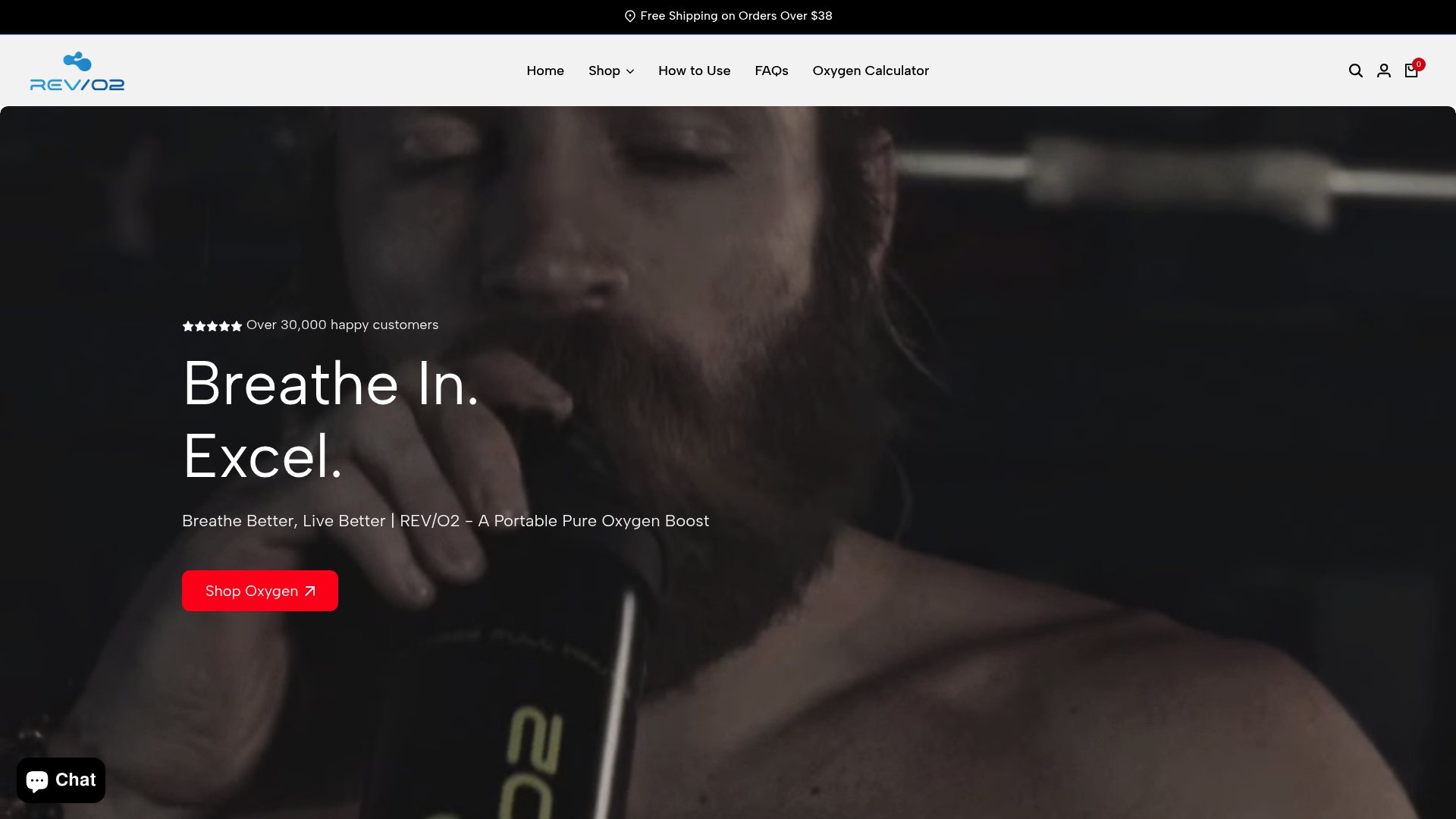
Revo2 delivers 98% pure oxygen through a zero-leak mouthpiece, available in peppermint, lemon, and eucalyptus blends. It is designed for immediate post-exertion use, altitude support during hiking or travel, and short-term energy refresh during long training days or demanding schedules. Unlike bulky medical oxygen systems, each can is portable and ready to use without a mask or setup.
Browse the full canned oxygen collection to find the right size and flavor for your routine, or check the safe use guide to understand timing, technique, and contraindications before your first session.
Selected references and further reading
- Recovery and Performance in Sport: Consensus Statement (2018) — foundational consensus on training load balance and recovery monitoring
- Recovery Techniques for Athletes, Mass General Brigham — accessible clinical overview with expert commentary
- BASES expert statement on recovery strategies — practitioner guidance on matching interventions to stressors and avoiding adaptation trade-offs