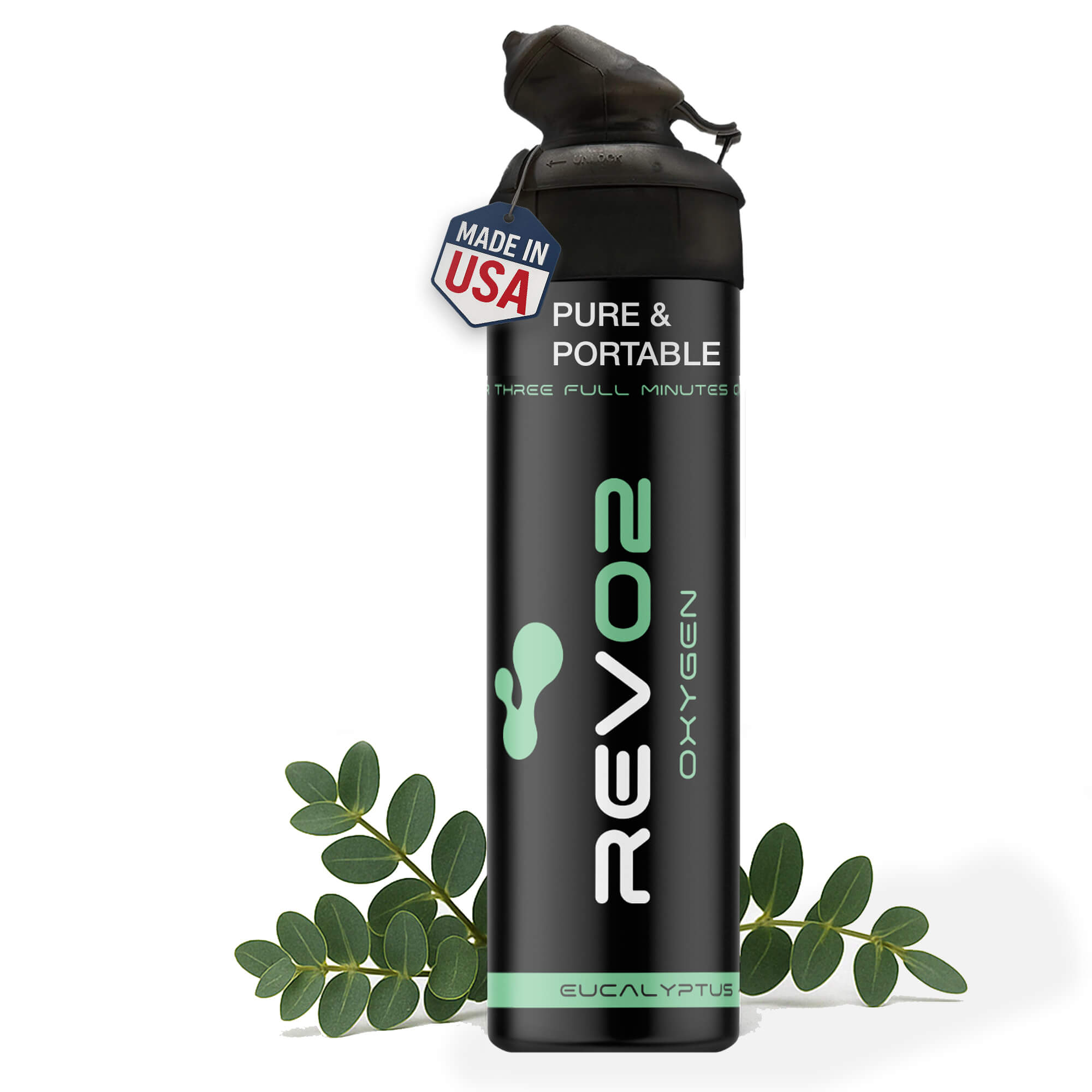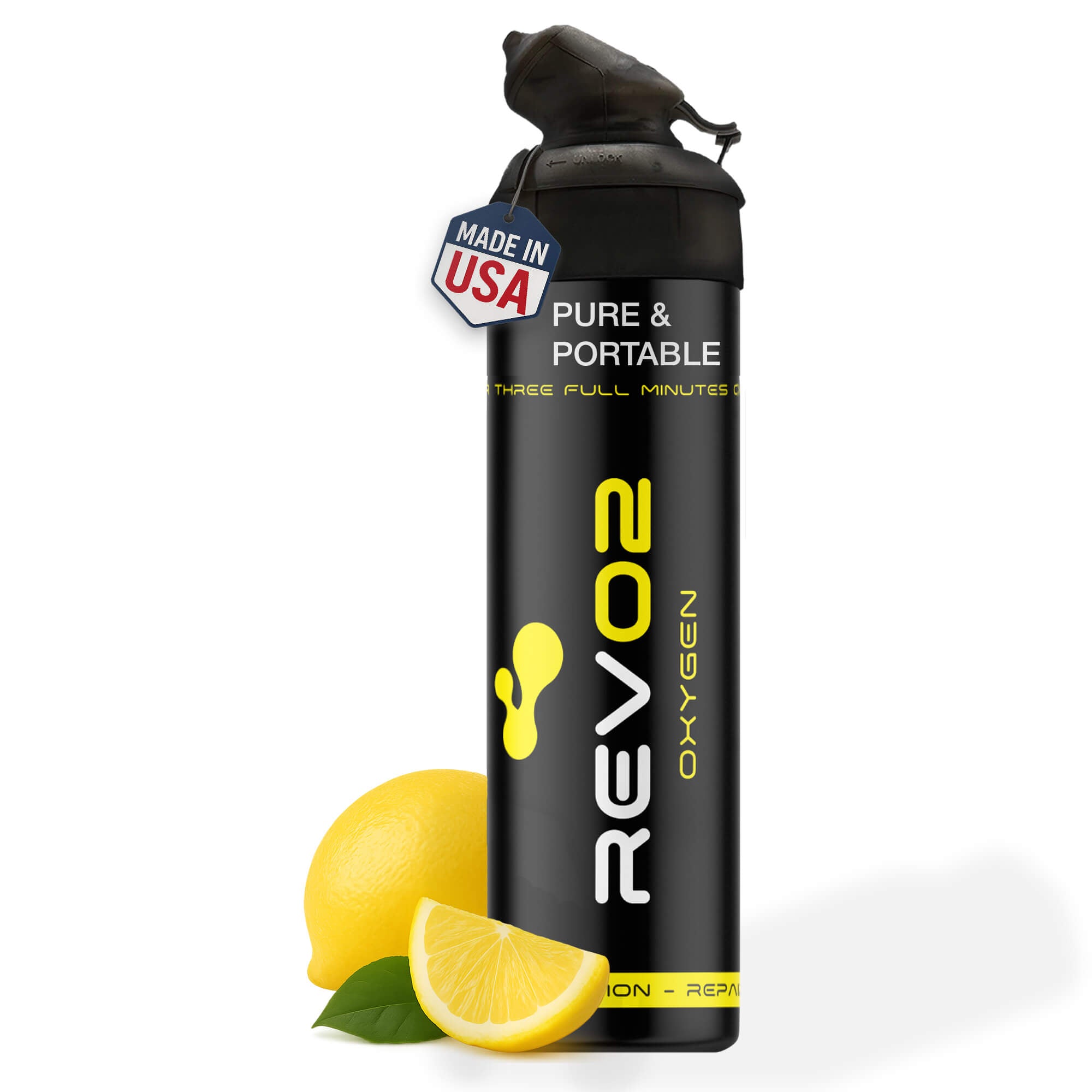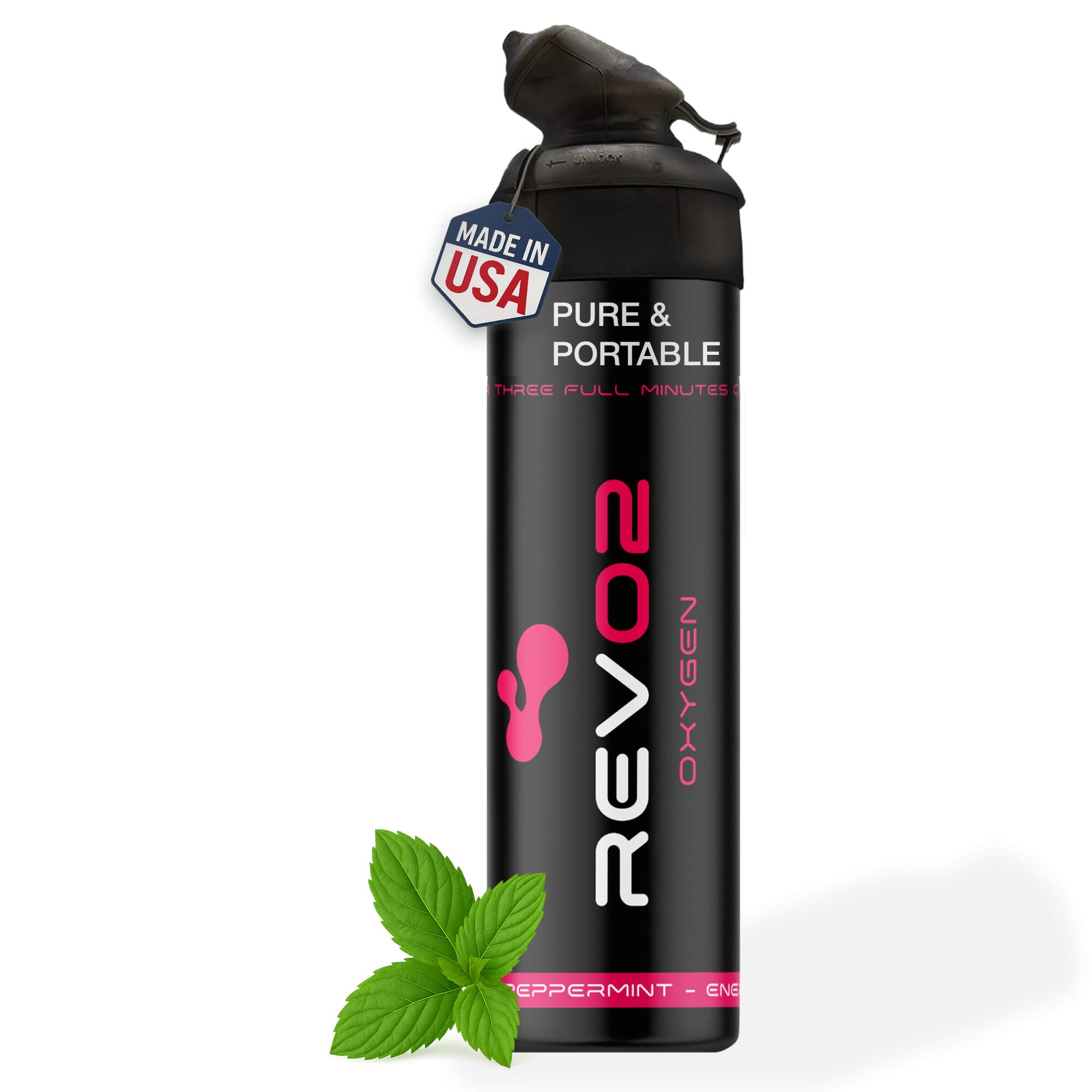

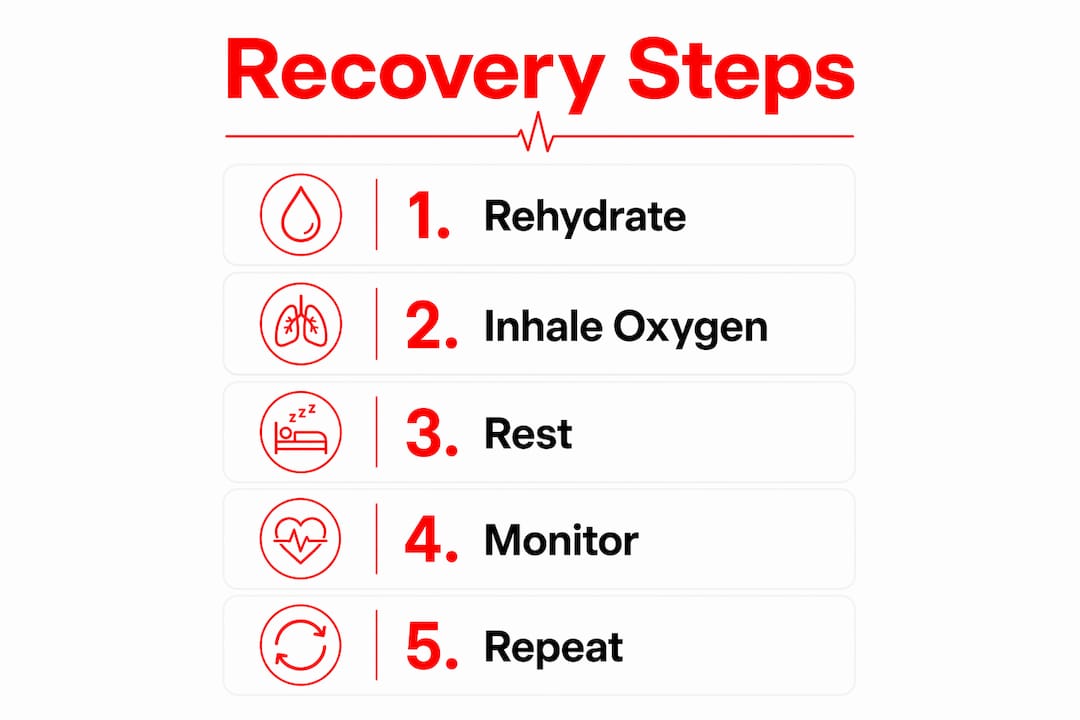
Your most effective post-workout recovery starts within the first 10–20 minutes: drink an appropriate amount of fluid immediately after training, adding electrolytes if your session was prolonged, and take a short inhalation session with a portable supplemental oxygen source like Revo2’s REV/O2 to support aerobic recovery while your body begins clearing metabolic byproducts.
Quick-start checklist:
- Rehydrate: Drink 16–24 oz of fluid within the first 30–60 minutes post-workout
- Electrolytes: Add a sports drink with sodium and potassium if your session lasted more than 45 minutes
- Oxygen session: Begin REV/O2 inhalations within 30–60 minutes of finishing — the zero-leak mouthpiece delivers 98% oxygen without waste
- Cool down: Keep moving lightly (walking, gentle stretching) for 5–10 minutes alongside your fluid intake
Revo2’s REV/O2 portable canned oxygen (98% purity, zero-leak mouthpiece) is a practical option for athletes who want to integrate supplemental oxygen into this routine without carrying bulky equipment.
Table of Contents
- What does a step-by-step post-workout hydration and oxygen routine look like?
- Why combine hydration and supplemental oxygen for recovery?
- What are the safety rules and contraindications for portable oxygen use?
- How do you customize the routine for your sweat rate and recovery window?
- How do you use REV/O2 canned oxygen safely and effectively?
- Sample routines by session length and scenario
- Key Takeaways
- Why the routine matters more than the product
- Revo2 REV/O2: portable oxygen built for this routine
- Selected sources and further reading
What does a step-by-step post-workout hydration and oxygen routine look like?
- Minutes 0–5: Active cooldown. Walk or perform light movement to bring your heart rate down gradually. Sipping fluid during this phase is fine; do not chug large volumes immediately.
- Minutes 5–10: Assess and rehydrate. Drink water or a sports drink. Choose a sports drink if your session ran longer than 45 minutes, since plain water alone may not replace the sodium and potassium lost through sweat.
- Minutes 10–15: First oxygen session. Attach the REV/O2 mouthpiece, inhale slowly and deeply, hold briefly, then exhale fully. A session of several inhalations is a reasonable starting point; follow the device labeling for specific dose guidance. Starting within 30–60 minutes of finishing exercise captures the critical recovery window.
- Minutes 15–20: Breathing and movement pairing. Combine diaphragmatic breathing with light stretching or foam rolling. Slow, controlled exhales help your nervous system shift from a high-arousal state toward parasympathetic recovery, which supports oxygen uptake from each inhalation.
- Post-routine: Continue fluid replacement. If you lost significant sweat, keep drinking over the next hour. Weigh yourself before and after training when precision matters.
Pro Tip: Inhale through the REV/O2 mouthpiece during the expansion phase of a diaphragmatic breath — belly out first, then chest — to maximize lung volume and oxygen uptake per breath.
Why combine hydration and supplemental oxygen for recovery?
Hydration is the foundation. Blood volume drops when you sweat, and lower blood volume means less efficient delivery of oxygen and nutrients to fatigued muscle tissue. Replacing fluid quickly restores circulation, which is why the timing of your first drink matters as much as the volume.
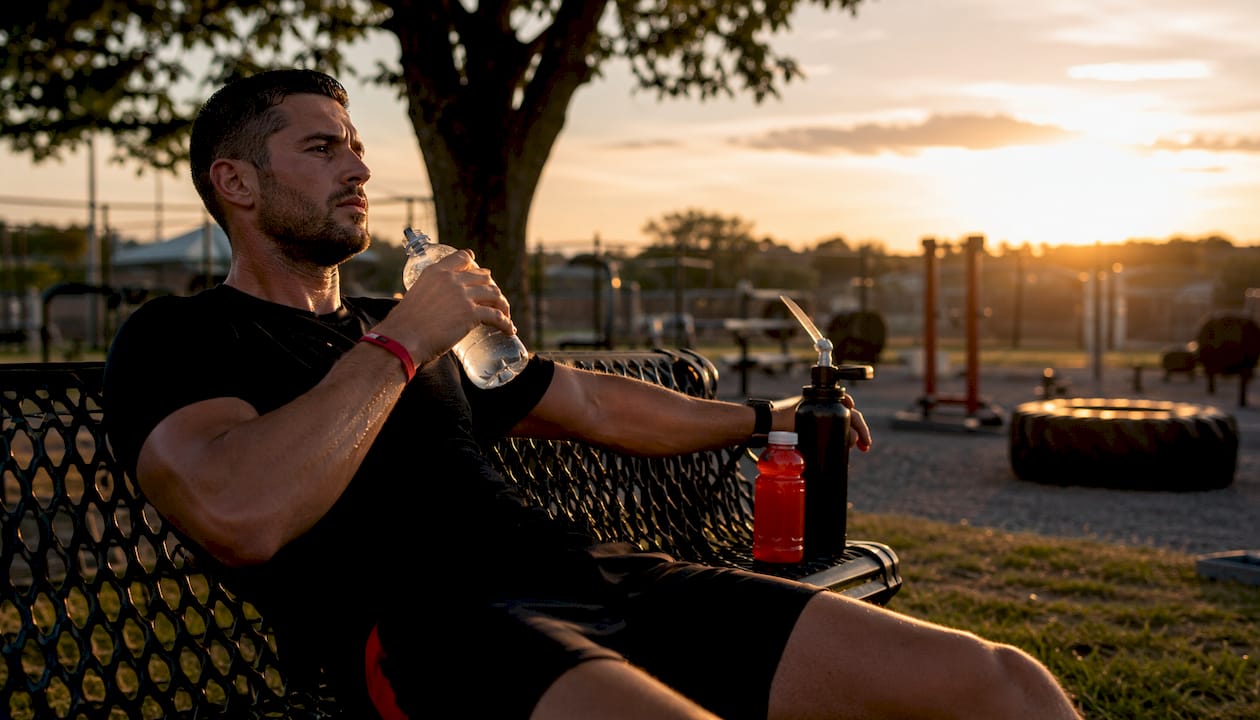
Supplemental oxygen works alongside that restored circulation. Oxygenated water raises dissolved oxygen well above atmospheric levels, and inhaled supplemental oxygen at 98% purity delivers a concentrated dose directly to the lungs. Both approaches aim to support aerobic recovery and lactate clearance, though the evidence base for inhaled supplemental oxygen in healthy athletes is still developing. Laboratory techniques that rely on oxygen replenishment methods demonstrate the physiological basis for manipulating inspired oxygen, and device evaluations confirm acceptable accuracy in controlled settings.
The honest framing: supplemental oxygen is an adjunct, not a cure. It works best when stacked with quality sleep, whole-food nutrition, and a periodized training plan. Athletes who treat it as one layer in a broader recovery system tend to get the most out of it.
Sweat loss reality check: Athletes can lose up to 2 quarts of fluid per hour during intense activity. That volume deficit directly limits how well any recovery intervention — oxygen included — can perform.
What are the safety rules and contraindications for portable oxygen use?
Consumer portable oxygen is not a medical treatment for chronic respiratory disease. If you have an underlying pulmonary or cardiovascular condition, talk to your healthcare provider before adding supplemental oxygen to your routine.
Stop use and seek medical attention if you experience:
- Chest tightness, shortness of breath, or dizziness during or after inhalation
- Rapid or irregular heartbeat
- Confusion, tingling in the extremities, or visual disturbances
- Any worsening of a known respiratory condition
Practical field safety checklist:
- Use in a well-ventilated space; avoid enclosed, poorly aired rooms
- Keep the canister away from open flames, heat sources, and smoking areas
- Do not puncture or expose the can to temperatures above those listed on the label
- Store upright and away from direct sunlight
- Follow all device labeling instructions for inhalation cadence and session length
Pro Tip: Portable supplemental oxygen is appropriate as a short-term performance adjunct for healthy athletes. If you are managing a chronic respiratory condition, consult a clinician before use — oxygen therapy vs. supplemental oxygen are meaningfully different categories with different oversight requirements.
How do you customize the routine for your sweat rate and recovery window?
The simplest field method for measuring sweat loss: weigh yourself immediately before and after training in minimal clothing. Every pound lost approximates 16 oz of fluid. From there, the math is straightforward.
Sweat-rate replacement table:
| Weight lost (lbs) | Fluid to replace (oz) | Fluid to replace at 150% (oz) |
|---|---|---|
| — | 8 | — |
| — | 16 | 24 |
| — | 24 | — |
When your recovery window is under four hours, replace 100–150% of calculated fluid losses to maximize retained volume. Plain water works for short, lower-intensity sessions. For sessions over 45 minutes or in hot conditions, electrolyte-containing drinks retain fluid more effectively than water alone.
Adapting oxygen session timing:
- Same-day second session: move your oxygen inhalation earlier, within 15–20 minutes of finishing.
- Next-day training: a standard 30–60 minute post-workout window is sufficient.
- High-heat or high-altitude conditions: prioritize fluid replacement first; oxygen is secondary.
- Subjective fatigue is high: extend your cooldown and add a second brief oxygen session before sleep.
Hyponatremia warning: Drinking excessive plain water after prolonged, heavy sweating can dilute blood sodium to dangerous levels. Signs include nausea, headache, confusion, and swelling. If you are exercising for more than 90 minutes in heat, sodium replacement is not optional.
Effective hydration protocols are individualized — sweat rate, environment, and next-session timing should drive your beverage and oxygen scheduling, not a one-size-fits-all formula.
How do you use REV/O2 canned oxygen safely and effectively?
Step-by-step REV/O2 safe-use checklist:
- Remove the cap and attach the zero-leak mouthpiece securely before your first inhalation.
- Exhale fully to clear residual air from your lungs.
- Press the actuator and inhale slowly and deeply through the mouthpiece — the zero-leak design means no oxygen escapes between presses.
- Hold the breath for 1–2 seconds, then exhale through your nose or mouth.
- Repeat for the number of inhalations indicated on the device label; do not exceed the recommended session length.
- Replace the cap after use and store the canister upright away from heat.
Pairing REV/O2 with cooldown movements:
- Combine each inhalation with a diaphragmatic breathing pattern for fuller lung expansion
- Perform light active recovery movements — walking, hip circles, shoulder rolls — between inhalation sets to keep circulation moving
- Avoid breath-holding exercises that cause dizziness; if lightheadedness occurs, stop and breathe normally
Common mistakes to avoid:
- Shallow chest breathing instead of diaphragmatic breathing reduces oxygen uptake per inhalation
- Using the canister in a hot car or near a heat source creates a pressure hazard
- Treating REV/O2 as a substitute for medical oxygen therapy if you have a diagnosed respiratory condition
Always follow the device labeling. Consult a healthcare provider for any underlying cardiovascular or respiratory condition before use.
Sample routines by session length and scenario
Short session (30 minutes or less): Drink 8–16 oz of water immediately after. A brief oxygen micro-session of 3–5 inhalations within 30 minutes is sufficient. No electrolyte drink needed unless the environment was unusually hot.
Moderate session (30–75 minutes): Switch to a sports drink with sodium and potassium. Begin your REV/O2 session within 30 minutes, pairing inhalations with 5–10 minutes of light stretching. A small carbohydrate snack (banana, rice cake) within 30 minutes supports glycogen replenishment alongside rehydration.
Long or high-sweat session (more than 75 minutes): Calculate your sweat loss using the weigh-in/weigh-out method and target 100–150% replacement over the next 1–4 hours. Use a carbohydrate-electrolyte drink rather than plain water. Stage your oxygen use: one session immediately post-workout, and a second shorter session 60–90 minutes later if fatigue remains high. For altitude or travel scenarios, the same staged approach applies.
Back-to-back sessions (same day): Accelerate rehydration by starting fluids within 5 minutes of finishing the first session. Aim for at least 24 oz before the second session begins. Move your oxygen inhalation to the 10–15 minute mark rather than waiting the full 30–60 minutes, and prioritize a sodium-containing drink to support rapid fluid retention.
Key Takeaways
A combined hydration and oxygen recovery routine works best when you start fluids and supplemental oxygen within 30–60 minutes of finishing exercise, choose electrolytes for sessions over 45 minutes, and treat portable oxygen as one layer in a broader recovery plan that includes sleep and nutrition.
| Point | Details |
|---|---|
| Start within 30–60 minutes | Begin rehydration and your first REV/O2 oxygen session within this window for best effect. |
| Electrolytes for longer sessions | Use a sports drink with sodium and potassium for any session exceeding 45 minutes. |
| Replace 100–150% of sweat losses | Weigh in/out and replace more than your raw loss when recovery time is under four hours. |
| Oxygen is an adjunct | Supplemental oxygen supports recovery; it does not replace sleep, nutrition, or periodization. |
| Revo2 REV/O2 fits this routine | The 98% oxygen, zero-leak mouthpiece design makes it practical for immediate post-workout use. |
Why the routine matters more than the product
Most athletes underestimate how much the sequence of recovery actions matters. Taking supplemental oxygen before rehydrating, for example, misses the point: blood volume needs to be partially restored before circulation can carry that oxygen to fatigued tissue efficiently. The routine is the intervention.
What often gets overlooked is that portable supplemental oxygen is most useful for athletes who are already doing the basics well — sleeping consistently, eating enough protein, and managing training load. For someone running on poor sleep and skipped meals, no amount of inhaled oxygen will compensate. The athletes who report the clearest improvements in readiness and mental clarity are typically those who use oxygen as a finishing layer on an otherwise solid recovery foundation, not as a shortcut.
Tracking your response is straightforward: note your subjective readiness score (1–10) each morning, log muscle soreness, and track training consistency over 2–4 weeks. Those three markers, tracked honestly, will tell you more about whether the routine is working than any single session will.
Revo2 REV/O2: portable oxygen built for this routine
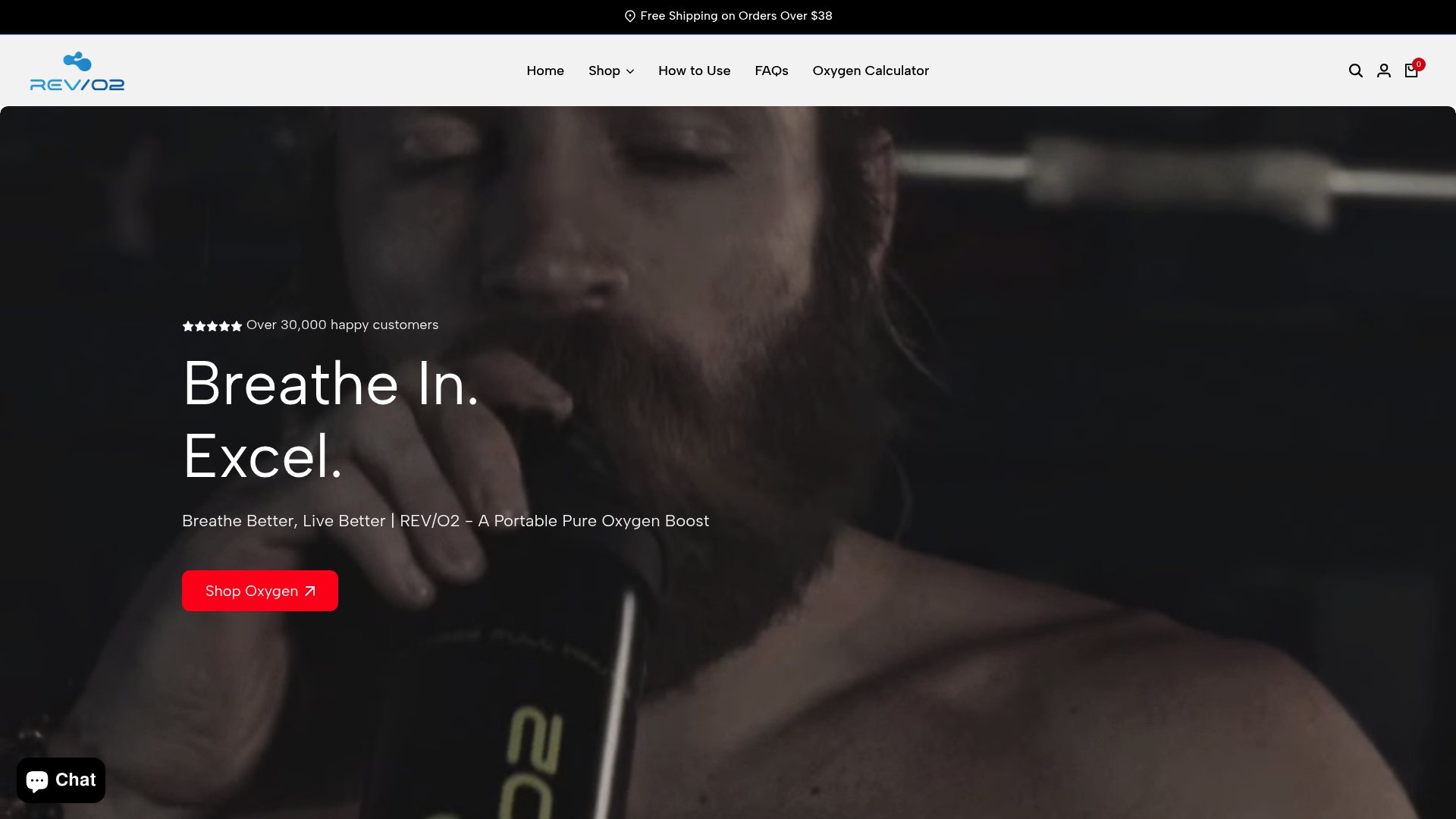
Revo2’s REV/O2 delivers 98% pure oxygen in a portable can with a zero-leak mouthpiece, which means every inhalation counts. There is no mask, no bulky equipment, and no wasted gas between presses. Athletes who have added it to their post-workout routine report improvements in energy levels, recovery times, and mental clarity — and the design reflects direct input from athletes who needed something they could actually carry to a track, gym, or trail.
If you are ready to add portable supplemental oxygen to your recovery stack, the sports oxygen for athletes page covers product specifics, and the full canned oxygen collection lets you choose the format and quantity that fits your training schedule. For step-by-step safety and usage guidance, Revo2’s how-to page walks you through the process before your first session.
Selected sources and further reading
- Johns Hopkins Medicine — Sports and Hydration for Athletes: Dietitian Q&A covering fluid volume targets, electrolyte timing, and the 45-minute rule; used throughout the routine and customization sections.
- ClinicalGate — Oxygenated Water: Performance Recovery and Workplace Wellness: Covers oxygenated water characteristics and the 30–60 minute post-exercise recovery window; cited in the educational and timing sections.
- Dr. Antti — Rehydration After Exercise: Why Precision Beats Guesswork: Explains the 100–150% replacement target and why electrolyte solutions retain fluid better than plain water; used in the customization section and table.
- ACSM — American College of Sports Medicine: Foundational guidance on individualized hydration protocols based on sweat rate and environment.
- POPLINE — Oxygen Replenishment Technique for Monitoring Oxygen Uptake Rate: Technical background on oxygen replenishment methods and their physiological basis; used in the educational section.
This article is general information for healthy athletes and does not constitute medical advice. If you have a respiratory, cardiovascular, or other medical condition, confirm the suitability of any supplemental oxygen use with a qualified healthcare provider before starting.