
Why deep breathing speeds recovery faster than you think
Your breath is one of the most direct levers you have over your own physiology. Deep breathing speeds recovery by activating the parasympathetic nervous system, improving oxygen delivery to fatigued tissues, and reducing the stress hormones that keep your body locked in a repair-resistant state. The science behind this is both well-established and, thanks to recent research, increasingly precise.
Here is what the evidence shows:
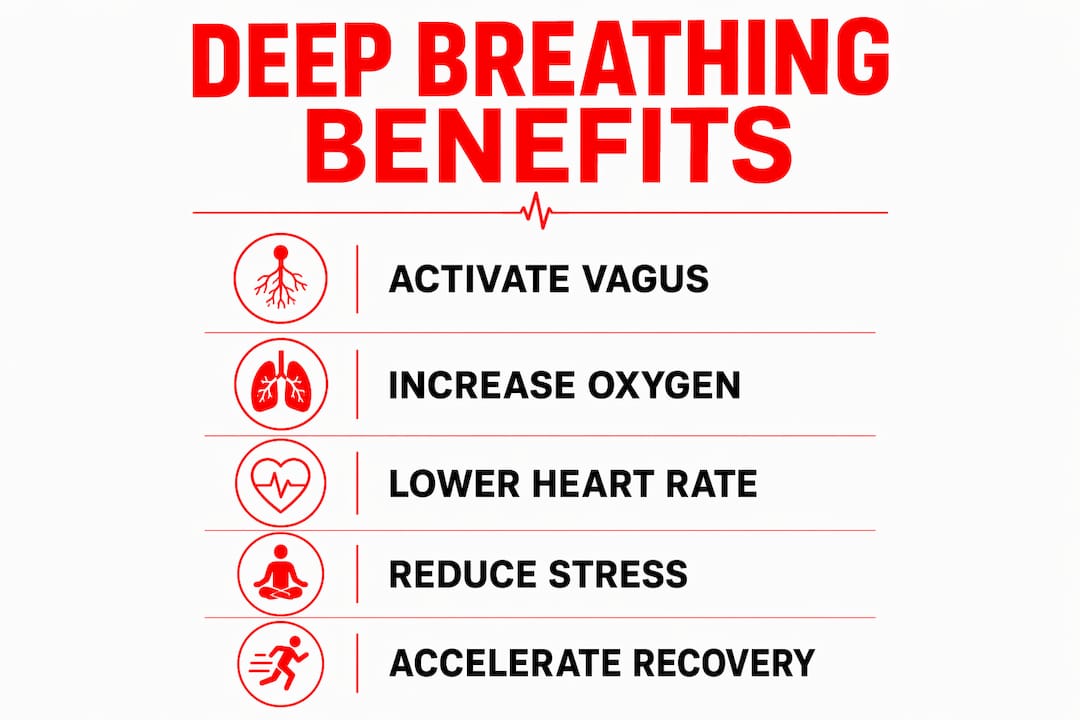
- Vagus nerve activation: Slow, controlled breathing with a prolonged exhale directly stimulates the vagus nerve, shifting the nervous system from sympathetic “fight-or-flight” mode into parasympathetic “rest-and-digest” mode where cellular repair actually happens.
- Improved oxygen delivery: Diaphragmatic breathing increases tidal volume per breath, delivering more oxygen to muscles and organs without increasing respiratory rate or metabolic cost.
- Stress hormone reduction: Controlled breathing lowers cortisol and other stress hormones post-exercise, reducing the inflammatory burden that slows tissue repair.
- Cardiovascular recovery: Deep breathing accelerates heart rate recovery—controlled breathing between sets reduces recovery time by 10–20% compared to free breathing—and improves heart rate variability (HRV), two reliable markers of how quickly your body rebounds between efforts.
- Metabolic restoration: Better oxygenation supports phosphocreatine resynthesis and lactate clearance, the biochemical processes that restore muscle readiness after intense exertion.
- Scientific backing: Harvard Health’s 2026 findings confirm measurable cardiovascular benefits from daily breathing practice, and a 20-study meta-analysis supports the role of controlled breathing in autonomic recovery.
Table of Contents
- How your body actually responds to deep breathing
- Breathing techniques that actually accelerate recovery
- Why breathing efficiency matters for athletes and daily recovery
- Breathing stability is the foundation, not an optional add-on
- How Revo2 portable oxygen supports your breathing recovery
- Key Takeaways
How your body actually responds to deep breathing
The physiological chain reaction triggered by deep breathing is more specific than most people realize. It starts with the autonomic nervous system, which governs the balance between your sympathetic (stress) and parasympathetic (recovery) states. After hard exercise, your sympathetic system is dominant. Heart rate is elevated, blood pressure is up, and stress hormones are circulating. Deep breathing is one of the fastest ways to interrupt that state.
The vagus nerve is the key pathway. Slow, controlled breathing with a longer exhale than inhale increases vagal tone, which directly suppresses sympathetic activity and promotes parasympathetic dominance. This is sometimes called respiratory sinus arrhythmia: your heart rate naturally rises slightly on the inhale and drops on the exhale, and a longer exhale amplifies that drop.
Diaphragmatic breathing adds another layer of benefit. When the diaphragm does its job properly, it accounts for roughly 75% of each breath’s volume, reducing the workload on accessory muscles in the neck and chest. That efficiency matters for recovery because it lowers the metabolic cost of breathing itself.
On the cardiovascular side, the effects are measurable. Practicing slow, deep breathing for 15 minutes daily can lower systolic blood pressure by up to 10 points in people with hypertension, with an average reduction of 9 points within 6 weeks. HRV improves, arterial oxygenation stabilizes, and heart rate recovery between exercise sets accelerates. Controlled breathing between sets has been shown to reduce heart rate recovery time compared to free breathing, which can be beneficial for athletes training at high intensity.
Metabolically, better-oxygenated muscle tissue clears lactate more efficiently and restores phosphocreatine faster. These are not small gains. They translate directly into how quickly you can perform again at full capacity.

Breathing techniques that actually accelerate recovery
Knowing that deep breathing helps is one thing. Knowing exactly how to do it is another. These methods are grounded in research and practical use.
1. Slow diaphragmatic breathing at 6 breaths per minute
Maintaining 6 breaths per minute for 5 minutes activates the parasympathetic nervous system and restores autonomic balance after exertion. Inhale for 5 seconds, exhale for 5 seconds, using your belly rather than your chest. This is the most research-supported protocol for post-exercise recovery.
2. Box breathing (4-4-4-4)
Inhale for 4 counts, hold for 4, exhale for 4, hold for 4. Box breathing is widely used by military and athletic populations for its ability to calm the nervous system quickly without requiring a prolonged session. It works well during rest intervals between sets.
3. 4-7-8 breathing
Inhale for 4 counts, hold for 7, exhale for 8. The extended exhale is the active ingredient here. A longer exhale relative to the inhale is the primary driver of vagal stimulation and parasympathetic activation, making this pattern particularly effective before sleep or after high-stress training.
4. Nasal breathing for nitric oxide production
Breathing through your nose during recovery, rather than your mouth, triggers the release of nitric oxide, a potent vasodilator that widens blood vessels and improves coronary artery blood flow. Nasal breathing also slows the respiratory cycle naturally, helping maintain the even rhythm that supports recovery.
Pro Tip: During rest intervals between exercise sets, spend 60–90 seconds on slow diaphragmatic breathing with a 1:2 inhale-to-exhale ratio. This actively drives parasympathetic recovery rather than letting your nervous system idle in a partially stressed state.
Key principles to keep in mind:
- Always prioritize the exhale: make it longer than the inhale for maximum parasympathetic effect.
- Breathe through your nose when possible, especially at rest and during active recovery.
- Practice consistently. The more automatic these patterns become, the more effective they are under physical stress.
- Posture matters: sit or lie with your spine neutral so the diaphragm can move freely.
Why breathing efficiency matters for athletes and daily recovery
Diaphragmatic breathing reduces the metabolic demand of the respiratory muscles, lowers blood pressure and heart rate, and improves how efficiently your body uses the oxygen it takes in. For athletes, that efficiency is a performance variable, not just a wellness concept.
When breathing is inefficient, accessory muscles in the neck and shoulders compensate. That compensation costs energy and creates tension that compounds fatigue. Efficient breathing frees that energy for physical output and recovery processes instead.
The cardiovascular benefits extend beyond the workout. Improved HRV from consistent deep breathing practice reflects a more resilient autonomic nervous system, one that recovers faster between sessions and adapts better to training load over time. Deep breathing before sleep also improves sleep quality and sustained attention the following day, which matters because sleep is when the majority of hormonal repair and neural restoration actually occurs.
For daily recovery outside of sport, the same principles apply. Lower resting cortisol, better sleep architecture, and reduced cardiovascular strain all compound over weeks of consistent practice.
Breathing stability is the foundation, not an optional add-on
There is an important distinction between breathing as a recovery tool and breathing as a prerequisite for recovery. The nervous system uses breath as a primary safety signal. Stable, rhythmic breathing tells the brain that the body is safe, which is the condition required for the parasympathetic system to take over and allow repair. Shallow, erratic, or effortful breathing does the opposite: it keeps the sympathetic system partially engaged, which impedes the hormonal and cellular processes that constitute real recovery.
This means that no external recovery aid, whether that is nutrition, cold therapy, or supplemental oxygen, can fully compensate for a nervous system that remains in stress mode due to poor respiratory control. Recovery requires respiratory stability as a baseline condition.
That said, deep breathing has physiological limits. It supports parasympathetic activation but cannot replace the biochemical time requirements of recovery, such as phosphocreatine resynthesis, which follows its own timeline regardless of breathing quality. External aids like supplemental oxygen increase the oxygen available to tissues and can accelerate metabolic recovery processes, but they work best when the nervous system is already in a state that allows recovery to proceed. Breathing stability and oxygen availability are complementary, not interchangeable.
- Unstable or shallow breathing keeps the sympathetic nervous system active, blocking repair.
- Respiratory control is a prerequisite, not a supplement, to effective recovery.
- Supplemental oxygen enhances oxygen availability but does not replace the need for nervous system downregulation.
- Rest, nutrition, and sleep remain essential alongside any breathing or oxygen protocol.
How Revo2 portable oxygen supports your breathing recovery

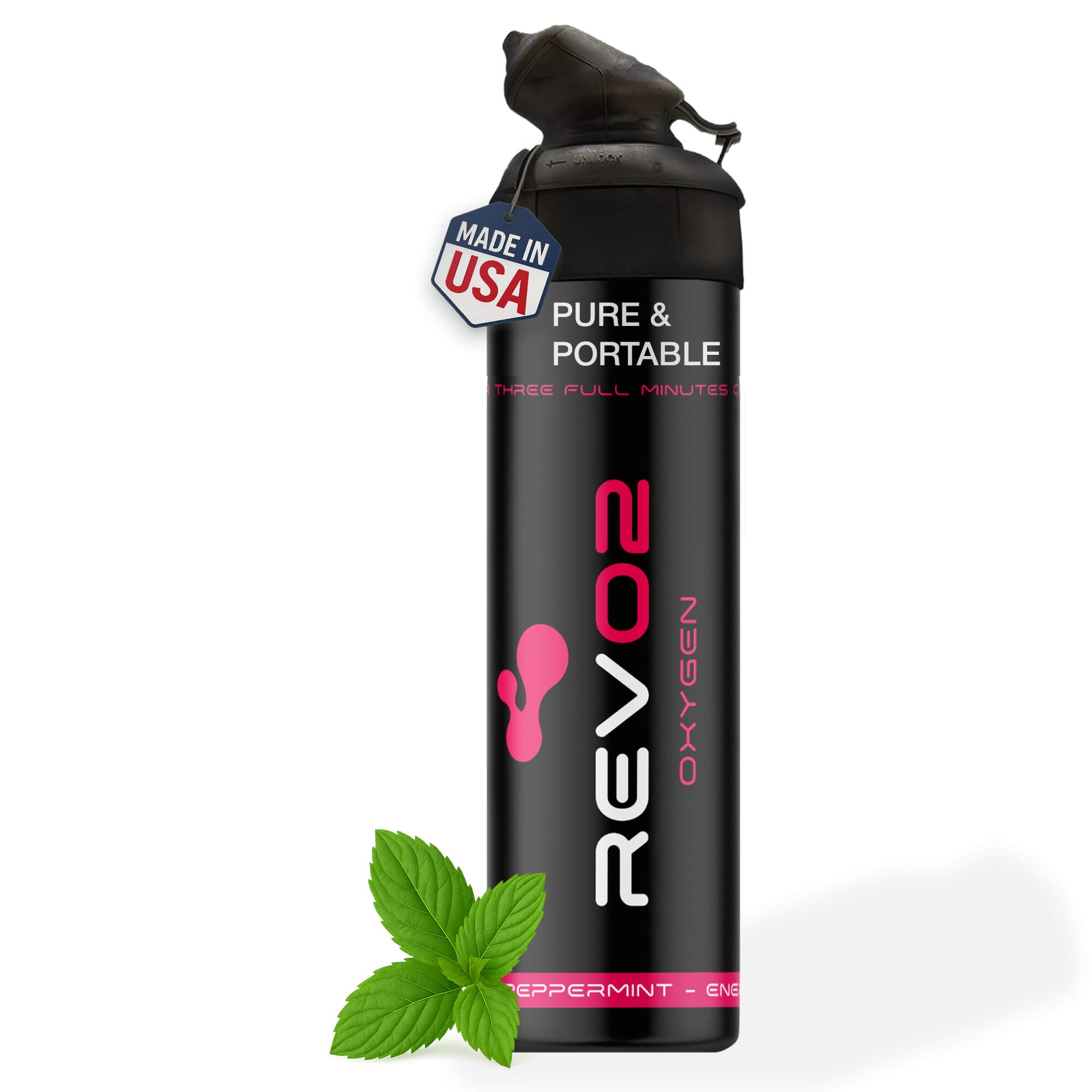
Revo2’s 98% pure canned oxygen is designed to work alongside the breathing techniques described above, not instead of them. When your tissues are oxygen-depleted after intense exertion or at altitude, supplemental oxygen raises arterial oxygen saturation and supports the metabolic recovery processes that deep breathing alone cannot fully accelerate.
The zero-leak mouthpiece design means you get the full benefit of each breath without waste, which matters when you are already working to optimize respiratory efficiency. Athletes and active consumers report improved energy levels, shorter recovery windows, and sharper mental clarity when pairing controlled breathing protocols with Revo2 supplemental oxygen.
Pro Tip: After a hard training session, spend 5 minutes on slow diaphragmatic breathing at 6 breaths per minute, then take a few controlled breaths from a Revo2 can. The breathing protocol primes your parasympathetic system; the supplemental oxygen gives your tissues the raw material to complete the recovery process.
For athletes managing high training loads, or anyone dealing with fatigue at elevation, Revo2’s sports oxygen provides a practical, portable way to support recovery without the complexity of clinical oxygen systems. Learn more about how to use canned oxygen safely to get the most from every session.
Key Takeaways
Deep breathing speeds recovery by activating the vagus nerve to shift the nervous system into parasympathetic mode, improving oxygen delivery, and reducing the stress hormones that block cellular repair.
| Point | Details |
|---|---|
| Vagus nerve is the mechanism | Prolonged exhale stimulates the vagus nerve, driving the shift from stress to recovery mode. |
| 6 breaths per minute is the target | Breathing at 6 breaths per minute for 5 minutes restores autonomic balance after exercise. |
| Exhale longer than inhale | A longer exhale relative to inhale is the primary driver of parasympathetic activation. |
| Breathing stability comes first | Without stable breathing, the nervous system stays in stress mode and repair is incomplete. |
| Supplemental oxygen complements breathing | Revo2 raises tissue oxygen levels, supporting metabolic recovery when paired with controlled breathing. |