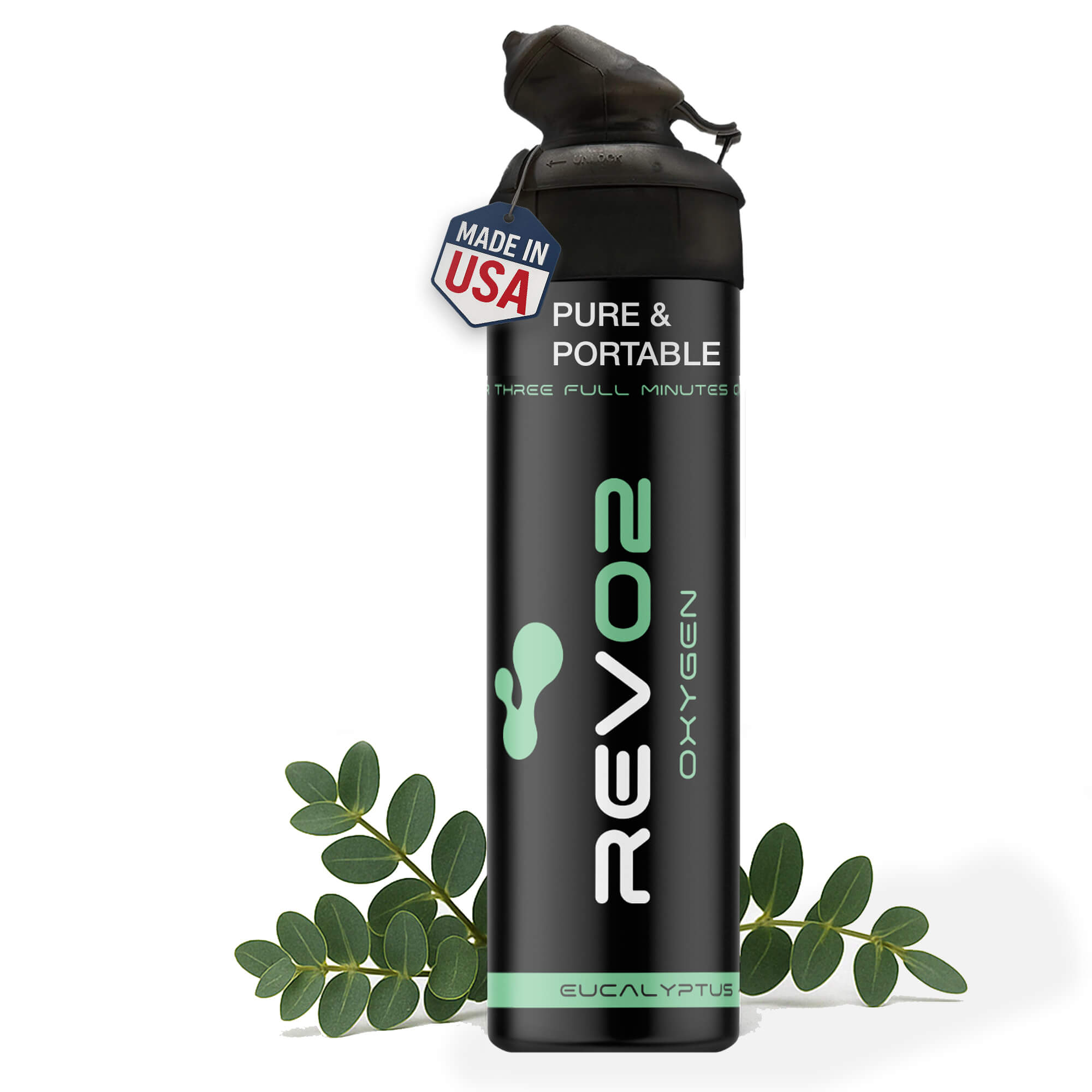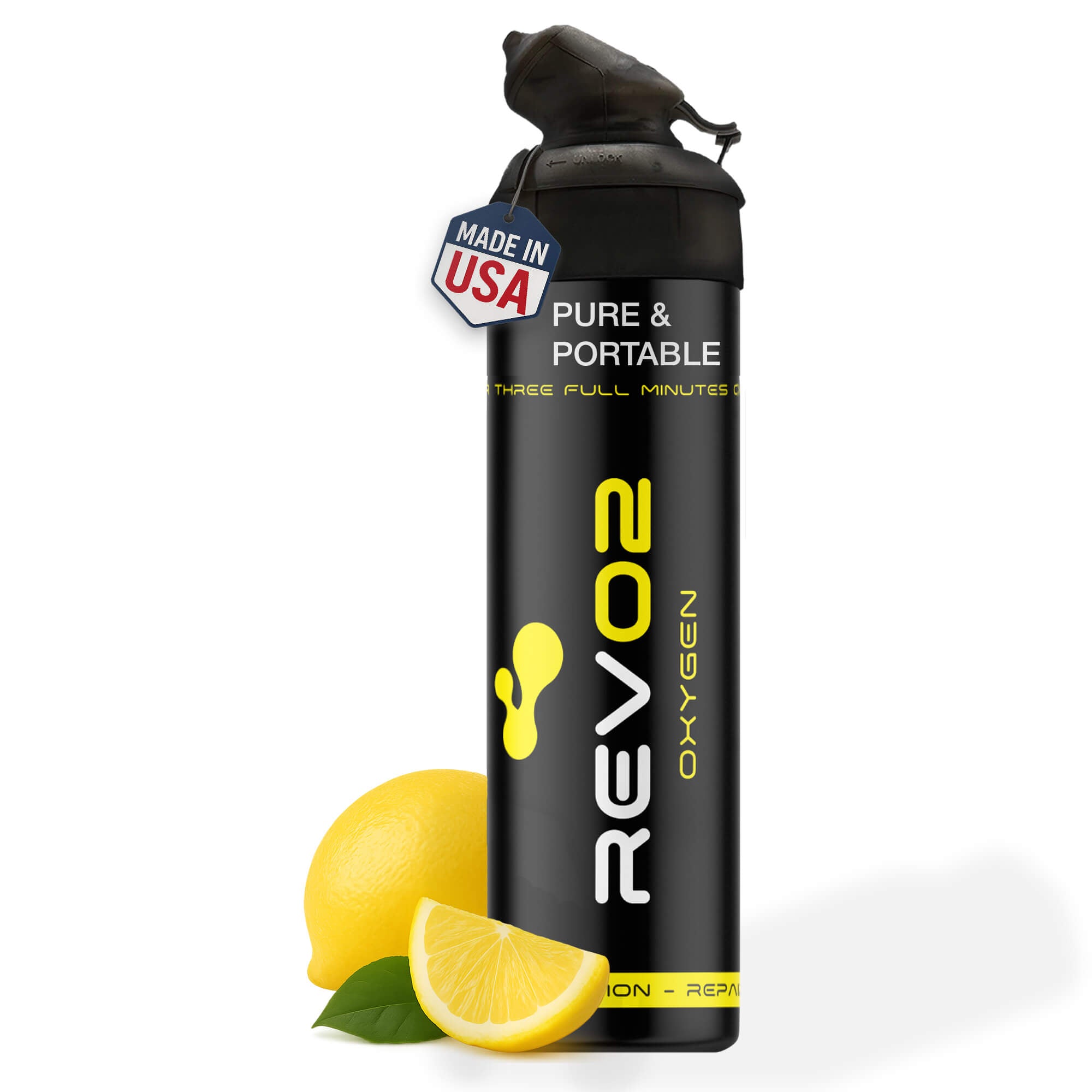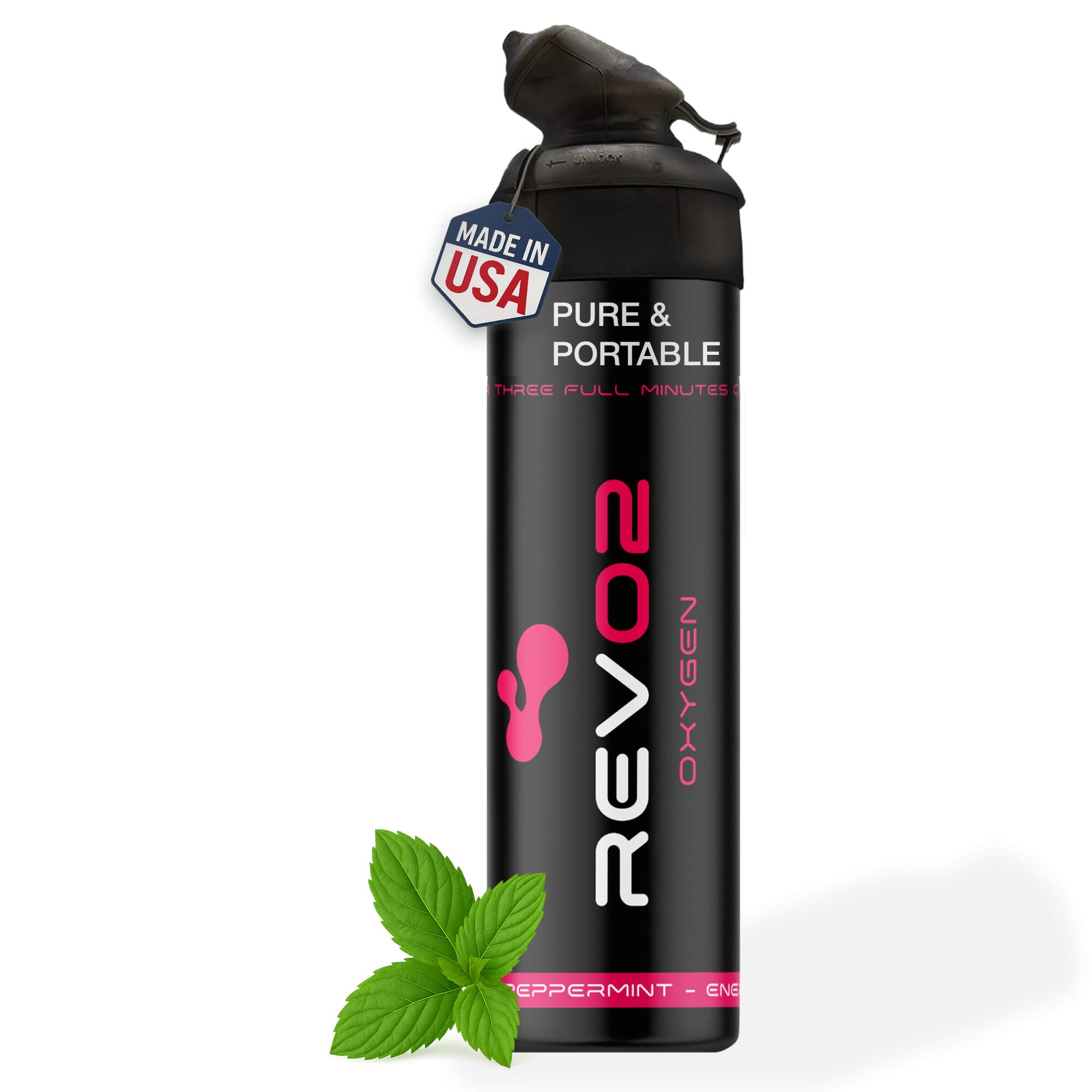

You can preserve and meaningfully strengthen the muscles and habits that support breathing as you age. The core strategy combines daily aerobic movement, targeted breathing exercises, medical prevention (vaccinations, smoking cessation, spirometry monitoring), and home air quality improvements. Lung function naturally declines at roughly 1–2% per year after age 25, and structural lung volume cannot be reversed in adulthood. What you can change is breathing efficiency, respiratory muscle strength, and how much breathlessness you experience day to day.
Start here this week:
- Begin a 20-minute daily walk or seated aerobic session at a comfortable pace.
- Practice diaphragmatic breathing for 5–10 minutes each morning.
- Schedule your annual flu shot and confirm your pneumococcal and COVID-19 vaccines are current.
- Test your home for radon if you have not done so in the past two years.
- If you smoke or vape, contact the National Cancer Institute’s Smoking Quitline at 1-877-448-7848.
The honest bottom line: consistent exercise and breathing training typically produce noticeable symptom improvements within 4–12 weeks. Structural lung capacity will not grow back, but you have far more control over how your lungs perform than most people realize.
Table of Contents
- How does aging change your lungs and breathing muscles?
- What daily habits and exercises strengthen your breathing muscles?
- Which medical safeguards protect your lungs as you age?
- How does nutrition and weight management support your breathing?
- How can you reduce indoor air risks that harm your lungs?
- What structured therapies can further improve your respiratory function?
- What improvements can you realistically expect, and how long do they take?
- Key Takeaways
- The part most respiratory advice gets wrong
- How Revo2 portable oxygen fits into your respiratory care plan
- Useful sources and further reading
How does aging change your lungs and breathing muscles?
The lungs undergo a gradual but measurable transformation after middle age. Lung tissue loses elasticity, much like an aging rubber band that no longer snaps back fully. The chest wall stiffens as rib cartilage calcifies, and the diaphragm weakens over time, reducing the force it can generate with each breath. Together, these changes mean that older adults often feel breathless sooner during exertion because breathing frequency rises to compensate for reduced tidal volume efficiency.
Two measurements capture this decline most clearly in the clinic:
- FEV1 (forced expiratory volume in one second): the amount of air you can forcefully exhale in the first second of a breath test.
- FVC (forced vital capacity): the total volume of air exhaled after a maximum inhalation.
| Measurement | Typical age-related change | Clinical significance |
|---|---|---|
| FEV1 | Declines ~1–2% per year after age 25 | Signals airflow obstruction when disproportionately low |
| FVC | Falls approximately 0.2 liters per decade | Reflects total usable lung volume |
| FEV1/FVC ratio | Gradually decreases with age | Ratio below 0.70 may indicate COPD or obstruction |
| Respiratory muscle strength | Measurably weaker in older age | Contributes to exertional breathlessness and fatigue |
One European Respiratory Society review found roughly a 40% decline in pulmonary function and aerobic capacity between ages 25 and 80. That figure sounds alarming, but it spans 55 years and includes people who were sedentary throughout. Highly active older adults consistently show slower rates of decline, which is the most important clinical takeaway from that data.
The structural changes in your ribcage and diaphragm also explain a subtler symptom: the sense of working harder to breathe even at rest. Increased chest wall rigidity means the respiratory muscles must exert more effort to move the same volume of air. Recognizing this mechanism helps you understand why the interventions below target muscle strength and efficiency rather than lung tissue itself.
What daily habits and exercises strengthen your breathing muscles?
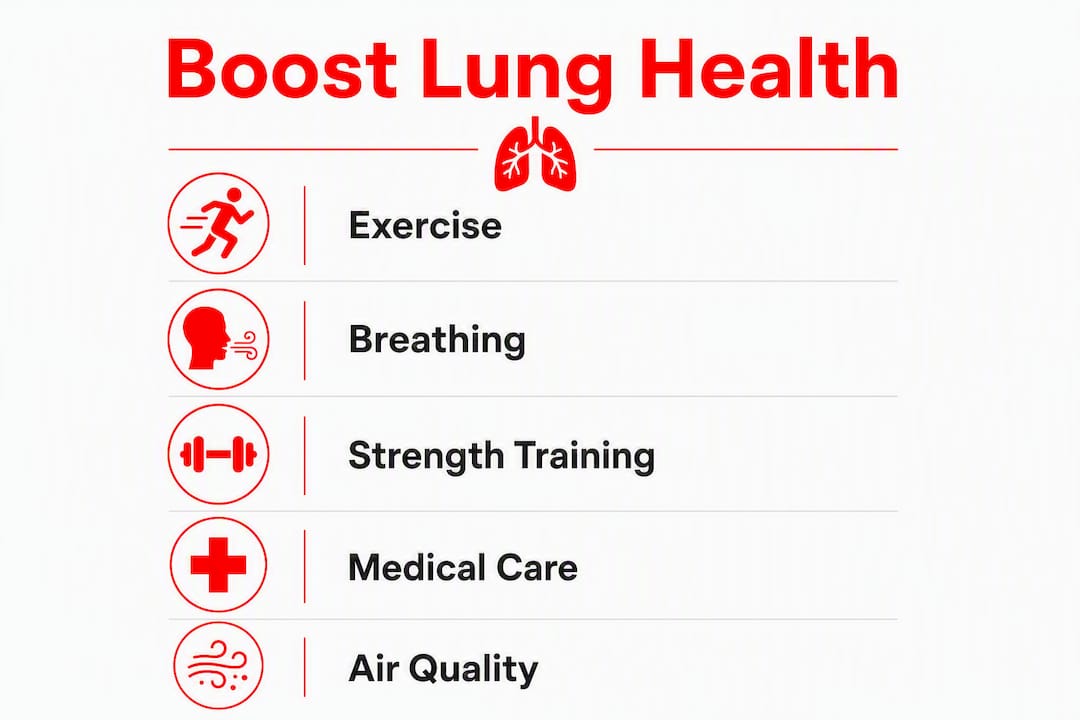
You cannot grow new lung tissue, but you can train the muscles that drive breathing and build the cardiovascular reserve that makes every breath more efficient. Cleveland Clinic clinicians confirm that aerobic exercise and breathing techniques improve efficiency and reduce symptoms, even when structural lung size stays fixed.
Aerobic exercise: the foundation
Walking, swimming, and stationary cycling all increase the demand on your respiratory system in a controlled, progressive way. Over weeks, your body adapts by using oxygen more efficiently, which means less breathlessness for the same effort. Research published in Today’s Geriatric Medicine shows that regular physical activity correlates with better FEV1 and FVC in older adults, with strength training showing additional benefit, particularly for older smokers.
Respiratory-specific exercises
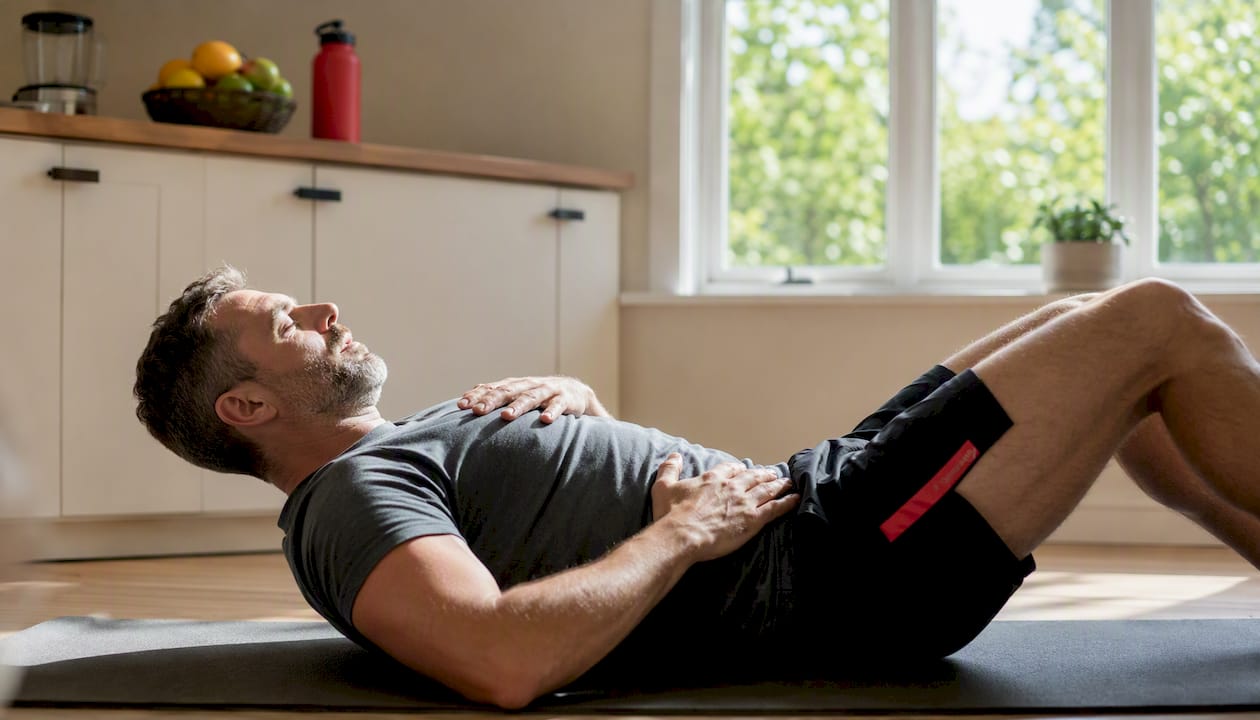
Three techniques are worth practicing daily:
Diaphragmatic breathing trains the diaphragm to do more of the work. Lie on your back with one hand on your chest and one on your abdomen. Inhale slowly through your nose, letting your abdomen rise while your chest stays relatively still. Exhale through pursed lips. Aim for 5–10 minutes each morning.
Pursed-lips breathing slows exhalation, keeps small airways open longer, and reduces the sensation of breathlessness during activity. Inhale for 2 counts through your nose, then exhale slowly for 4 counts through slightly pursed lips, as if cooling a spoonful of soup.
Paced breathing coordinates your breath with movement. During a walk, inhale for 2 steps and exhale for 3. This rhythm prevents the breath-holding pattern many older adults unconsciously adopt when exerting themselves.
For more structured breathing improvement techniques, including video-style drill progressions, Revo2’s practical guide offers a useful companion resource.
Strength training
Two days per week of resistance training supports breathing by improving posture, strengthening the core muscles that stabilize the ribcage, and reducing the forward-slumped position that mechanically restricts lung expansion. Exercises like seated rows, chest openers, and core stabilization work are particularly relevant. If you are new to resistance training, a physical therapist or certified trainer can help you start safely. Pilates is another option worth considering; improving your Pilates technique specifically for breath coordination can reinforce the diaphragmatic patterns you are building.
A 4-week starter plan
- Week 1: Walk 15–20 minutes daily at a comfortable pace. Practice diaphragmatic breathing for 5 minutes each morning. Rest one day.
- Week 2: Extend walks to 25 minutes. Add pursed-lips breathing during the last 5 minutes of each walk. Begin 1 day of light resistance training (2 sets of 8–10 reps per exercise).
- Week 3: Walk 30 minutes, 5 days per week. Practice paced breathing during walks. Add a second strength session. Increase diaphragmatic breathing to 10 minutes daily.
- Week 4: Aim for 150 minutes of moderate aerobic activity across the week. Combine all three breathing techniques fluidly. Assess your perceived exertion and note any changes in breathlessness.
Stop and consult your clinician if you experience: sudden or severe shortness of breath, chest pain or tightness, dizziness, heart palpitations, or any symptom that feels new or alarming during exercise.
Pro Tip: Set a phone reminder for your morning breathing session at the same time you take any morning medications. Habit stacking like this dramatically improves long-term adherence.
Which medical safeguards protect your lungs as you age?
Vaccinations
Respiratory infections cause acute lung damage that can accelerate the underlying decline already underway with age. The American Lung Association and the CDC both recommend that older adults stay current on annual influenza vaccination, COVID-19 boosters per current CDC guidance, the pneumococcal vaccine series (PCV15 or PCV20 followed by PPSV23 when indicated), and RSV vaccination for adults 60 and older. Each of these infections can trigger pneumonia, exacerbations of COPD, or lasting reductions in lung function that are difficult to recover from.
Smoking and vaping cessation
No single intervention does more to slow lung function decline than stopping smoking. The damage from cigarette smoke is cumulative and partially irreversible, but cessation at any age slows the accelerated rate of FEV1 decline that smokers experience. Vaping carries its own set of airway irritants and inflammatory risks, and the long-term pulmonary effects are still being studied. The NHLBI recommends quitting smoking as the most protective step you can take for your lungs, regardless of your current age or smoking history.
Spirometry and clinical monitoring
“Spirometry is the gold standard for measuring lung function. It quantifies FEV1 and FVC, identifies obstructive and restrictive patterns, and helps clinicians decide when a specialist referral is warranted — often before symptoms become disabling.” — Cleveland Clinic
Spirometry is a simple, non-invasive breath test performed in a clinic or pulmonologist’s office. Your clinician will likely order it if you have a persistent cough, unexplained breathlessness, or a history of smoking. An FEV1/FVC ratio below 0.70 on spirometry, combined with symptoms, typically warrants referral to a pulmonologist for further evaluation.
Seek evaluation promptly if you notice:
- Sudden or rapidly worsening shortness of breath
- A new, persistent cough lasting more than 3 weeks
- Coughing up blood (hemoptysis)
- Wheezing that is new or worsening
- Unexplained fatigue with minimal exertion
Routine spirometry is not universally recommended for asymptomatic adults, but if you are over 65 with a smoking history or known respiratory risk factors, asking your primary care physician about baseline spirometry is a reasonable step.
How does nutrition and weight management support your breathing?
Carrying excess weight places direct mechanical pressure on the diaphragm, reducing the space available for lung expansion and increasing the effort required to breathe. The NHLBI specifically lists maintaining a healthy weight as a core lung-protective strategy, and the effect is most pronounced when excess weight is carried in the abdomen.
Foods and nutrients with evidence for respiratory support:
- Antioxidant-rich fruits and vegetables (berries, leafy greens, bell peppers, citrus): help reduce oxidative stress in airway tissue.
- Omega-3 fatty acids (fatty fish like salmon and mackerel, walnuts, flaxseed): associated with lower airway inflammation in observational studies.
- Adequate hydration: keeps mucus in the airways thin and easier to clear; aim for water as the primary fluid source.
- Magnesium-rich foods (nuts, seeds, legumes, whole grains): magnesium plays a role in bronchial smooth muscle relaxation, though evidence for supplementation is mixed.
On the supplement side, the picture is more complicated. Vitamin D deficiency is common in older adults and has been linked to impaired respiratory muscle function in some studies, but supplementation trials have shown inconsistent results. Antioxidant supplements like vitamins C and E have not consistently replicated the benefits seen with whole-food sources in clinical trials.
Pro Tip: Before adding any respiratory-support supplement, review your full medication list with your pharmacist or physician. Some supplements interact with blood thinners, diuretics, and cardiac medications that many older adults take regularly.
How can you reduce indoor air risks that harm your lungs?
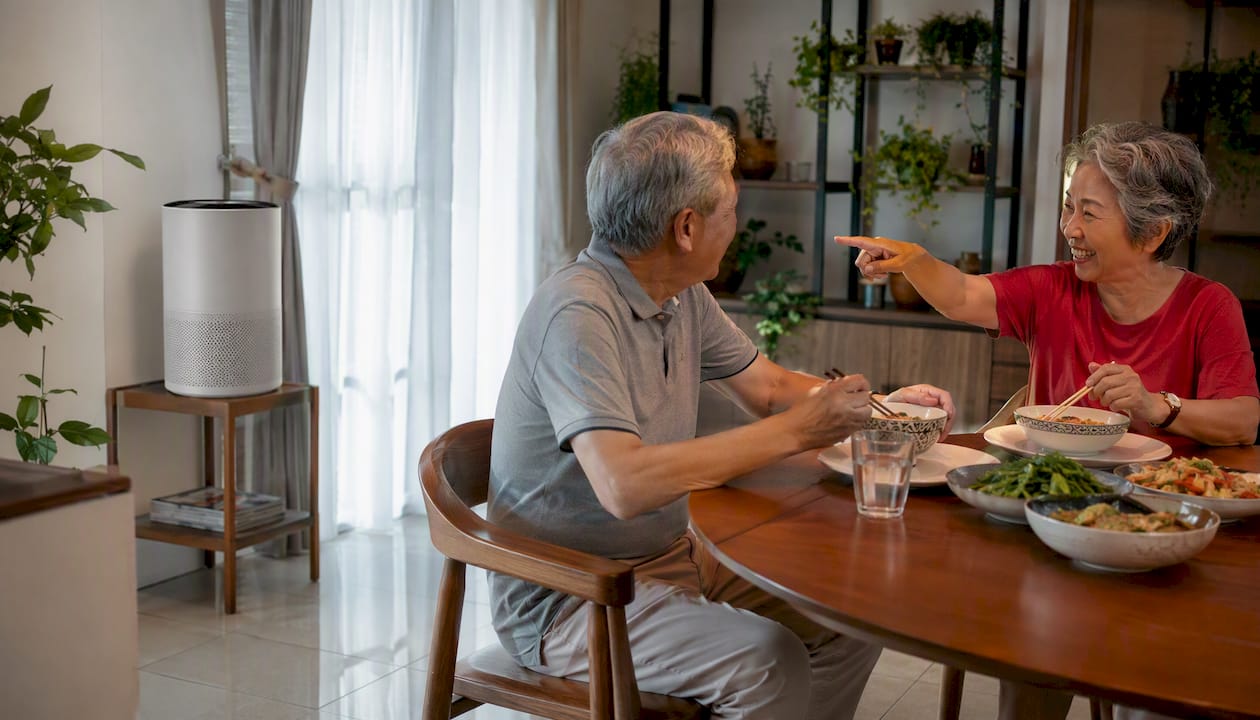
Older adults typically spend more time indoors than younger people, making home air quality a higher-priority concern than most people recognize. Clinicians at Florida Atlantic University’s Schmidt College of Medicine highlight HEPA filtration and radon testing as two of the highest-impact home interventions for long-term lung protection.
HEPA filtration and ventilation
A true HEPA air purifier captures particles as small as 0.3 microns, including dust, pet dander, mold spores, and fine particulate matter. Place one in the bedroom (where you spend the most continuous hours) and in any room where you exercise indoors. Open windows when outdoor air quality is good; the EPA’s AirNow app provides real-time air quality index data by zip code so you can time ventilation wisely.
Radon testing
Radon is a naturally occurring radioactive gas that seeps from soil and rock into homes through foundation cracks. It is the leading cause of lung cancer in non-smokers in the United States. The EPA recommends testing every home and taking mitigation action when levels reach 4 picocuries per liter (pCi/L) or higher. Short-term test kits cost under $30 at most hardware stores; long-term kits provide a more accurate annual average. If your result exceeds the EPA action level, a certified radon mitigation contractor can install a sub-slab depressurization system that typically reduces levels by 90% or more.
Practical low-cost improvements
- Use your kitchen exhaust fan every time you cook; gas stoves release nitrogen dioxide and fine particles even during normal use.
- Keep indoor humidity between 30–50% to discourage mold and dust mite growth; a basic hygrometer costs under $15.
- Avoid aerosol sprays, scented candles, and synthetic air fresheners, which release volatile organic compounds (VOCs) that irritate airways.
- Houseplants improve mood but do not meaningfully filter indoor air at typical room densities; mechanical filtration is the evidence-based choice.
What structured therapies can further improve your respiratory function?
Pulmonary rehabilitation
Pulmonary rehabilitation (PR) is a supervised, multidisciplinary program combining exercise training, education, and breathing strategies. It delivers the largest and most consistent functional gains for older adults with established respiratory disease, including COPD, pulmonary fibrosis, and post-COVID breathlessness. A typical program runs 6–12 weeks, meeting 2–3 times per week, and includes supervised aerobic and strength training, breathing technique instruction, and education on managing symptoms. Your primary care physician or pulmonologist can provide a referral; Medicare covers PR for qualifying diagnoses.
Respiratory muscle training devices
Devices like inspiratory muscle trainers (IMTs) provide calibrated inhalation resistance to specifically load the diaphragm and intercostal muscles. PMC research confirms that respiratory muscle training improves respiratory muscle strength and submaximal functional capacity in older adults, with home-use devices available at various resistance levels. These devices do not change lung tissue volume, but stronger respiratory muscles translate to better walking distance and reduced dyspnea during daily activities. Starting under the guidance of a respiratory therapist or physical therapist helps you set the right resistance level and avoid overloading fatigued muscles.
Nontraditional adjuncts
Group singing, tai chi, and chair yoga each offer respiratory benefits through different mechanisms, and all three are accessible to older adults with limited mobility or those who cannot access formal rehabilitation.
- Group singing programs combine sustained vocalization with deep-breathing practice. Pilot studies referenced in Today’s Geriatric Medicine report respiratory muscle improvements and social benefits in frail older adults after 12 weeks of weekly sessions. Many community centers, senior centers, and churches offer free or low-cost choral programs.
- Tai chi incorporates slow, coordinated movement with deliberate breath control, improving balance, posture, and respiratory efficiency simultaneously.
- Chair yoga adapts traditional yoga postures for seated participants, with particular benefit for chest-opening movements that counteract the forward-slumped posture that restricts breathing.
Pro Tip: Search the American Lung Association’s Better Breathers Club directory or your local Area Agency on Aging to find community breathing and exercise programs near you. Many are free and include transportation assistance.
A realistic benefit trajectory for a frail older adult completing a 12-week program looks like this: reduced breathlessness during routine activities (climbing stairs, carrying groceries) by weeks 6–8, measurable improvement in 6-minute walk distance by week 12, and improved confidence in managing breathlessness. Structural lung capacity will not change, but functional capacity and quality of life consistently improve with this timeline.
What improvements can you realistically expect, and how long do they take?
Setting honest expectations is one of the most clinically useful things you can do for yourself. Here is what the evidence actually supports:
- Breathing technique improvements: — Noticeable reduction in breathlessness during familiar activities within 2–4 weeks of daily practice.
- Respiratory muscle strength: — Measurable gains from targeted training (IMT devices, singing, PR) within 6–12 weeks.
The ERS review data showing roughly a 40% decline in pulmonary function across adulthood also demonstrates that highly active older adults consistently outperform sedentary peers on functional measures, even when their absolute lung volumes are similar. The gap is explained by efficiency, not anatomy.
Measuring your own progress matters. Three practical tools: the 6-minute walk test (how far you can walk in 6 minutes on a flat surface), a perceived exertion scale (noting how hard a familiar activity feels on a scale of 1–10), and a symptom diary tracking cough frequency, breathlessness episodes, and sleep quality. Bring these records to your next clinical appointment. If you are not seeing improvement after 8–12 weeks of consistent effort, that is a signal to re-evaluate with your clinician rather than simply push harder.
Key Takeaways
Consistent aerobic exercise, daily breathing practice, medical prevention, and home air quality improvements are the four pillars that allow older adults to meaningfully strengthen respiratory health as they age.
| Point | Details |
|---|---|
| Lung decline is real but manageable | FEV1 falls ~1–2% per year, but exercise and breathing training improve efficiency and reduce breathlessness. |
| Breathing exercises work quickly | Diaphragmatic and pursed-lips breathing produce noticeable symptom relief within 2–4 weeks of daily practice. |
| Medical prevention is non-negotiable | Annual flu vaccine, pneumococcal series, COVID-19 boosters, and smoking cessation slow irreversible lung damage. |
| Home air quality matters more indoors | HEPA filtration and radon testing (EPA action level: 4 pCi/L) are high-impact, low-cost home interventions. |
| Revo2 portable oxygen as an adjunct | Revo2’s 98% pure canned oxygen can support short-term exertional energy for older adults, not as a medical substitute but as a discretionary performance aid. |
The part most respiratory advice gets wrong
Most articles about lung health for older adults focus almost entirely on what you have lost. The framing is deficit-based: your FEV1 is declining, your diaphragm is weakening, your chest wall is stiffening. All of that is true, and none of it is the most useful thing to know.
The more useful framing is this: the gap between how your lungs could perform and how they do perform is largely determined by habits, not anatomy. Two 70-year-olds with identical spirometry results can have radically different functional lives depending on whether they walk daily, practice breathing technique, avoid smoke exposure, and manage their indoor environment. The structural decline is roughly the same. The functional experience is not.
What gets underestimated is the speed of improvement. Many older adults assume that because structural change is slow, all respiratory improvement is slow. That is not accurate. Breathing technique changes how you use the lung capacity you already have, and those changes can be felt within days to weeks. The 4-week plan in this article is not a long-term commitment before you see results; it is a realistic window to feel meaningfully different during a walk or a flight of stairs.
The other thing worth saying plainly: anxiety about breathlessness makes breathlessness worse. The “fight or flight” stress response increases respiratory rate and reduces the depth of each breath, creating a vicious cycle where fear of breathlessness triggers the very pattern that causes it. Breathing exercises break that cycle directly. That is not a soft benefit; it is a physiological mechanism worth taking seriously.
How Revo2 portable oxygen fits into your respiratory care plan

Revo2’s portable canned oxygen is not a replacement for medical oxygen therapy prescribed for hypoxemia, and it is not a treatment for COPD, asthma, or any diagnosed respiratory condition. What it is: a discretionary, short-term adjunct that some older adults find genuinely useful for specific situations.
The use cases where canned oxygen makes practical sense include short bursts of exertion that temporarily outpace your aerobic conditioning (a steep hill, a long airport terminal), travel to high-altitude destinations where ambient oxygen is lower, and moments of acute fatigue or stress when you want a quick, clean breath of 98% pure oxygen. Revo2’s zero-leak mouthpiece design means none of the oxygen is wasted between inhalations, which matters when you are using it on the move.
A few safety notes: if you experience chronic breathlessness at rest, low oxygen saturation readings on a pulse oximeter, or any diagnosed respiratory disease, discuss supplemental oxygen needs with your physician before using any over-the-counter product. Canned oxygen is not a substitute for prescribed medical-grade oxygen systems. For guidance on how to use canned oxygen safely, including contraindications and practical tips, Revo2’s usage guide covers the specifics clearly.
For older adults who are already following the exercise, breathing, and prevention plan in this article, Revo2’s pure oxygen cans for seniors offer a portable, on-demand option to support exertional moments without the bulk of traditional oxygen equipment. Browse the full range and find the right fit for your activity level.
Useful sources and further reading
These organizations and publications provide the most reliable, up-to-date information on respiratory health for older adults. Share relevant links with your clinician or pulmonologist.
- American Lung Association — Patient education on lung capacity, aging, and prevention strategies, including the Better Breathers Club directory for community programs.
- Centers for Disease Control and Prevention (CDC) — Vaccine schedules and respiratory infection prevention guidance for older adults.
- NIH / NHLBI — How the Lungs Work — Plain-language overview of lung health protection steps from the National Heart, Lung, and Blood Institute.
- NIH News in Health — Keep Your Lungs Healthy — Current NIH guidance on preventing and managing chronic lung disease.
- Cleveland Clinic — Spirometry — Clear patient explanation of what spirometry measures and when it is ordered.
- Cleveland Clinic — How To Increase Lung Capacity — Clinical guidance on realistic expectations for exercise and breathing training.
- National Jewish Health — How Aging Affects Lung Capacity — Expert pulmonology perspective on age-related changes and protective habits.
- European Respiratory Society — Exercise, Ageing and the Lung — Peer-reviewed review of pulmonary function decline across adulthood and the limits of training.
- PMC — Respiratory Muscle Training in Older Adults — Research summary on IMT devices and functional outcomes.
- Florida Atlantic University — Breathe Easy: Expert Tips — Practical clinician advice on indoor air quality, radon, and lifestyle habits.
- EPA Radon Information — Official action levels, testing guidance, and certified mitigation contractor resources.
To find a pulmonary rehabilitation program near you, ask your primary care physician for a referral or search the American Association of Cardiovascular and Pulmonary Rehabilitation (AACVPR) program directory at aacvpr.org.
This article provides general health information and is not a substitute for professional medical advice. Confirm current vaccine schedules, medication interactions, and exercise recommendations with your physician or a qualified respiratory specialist.