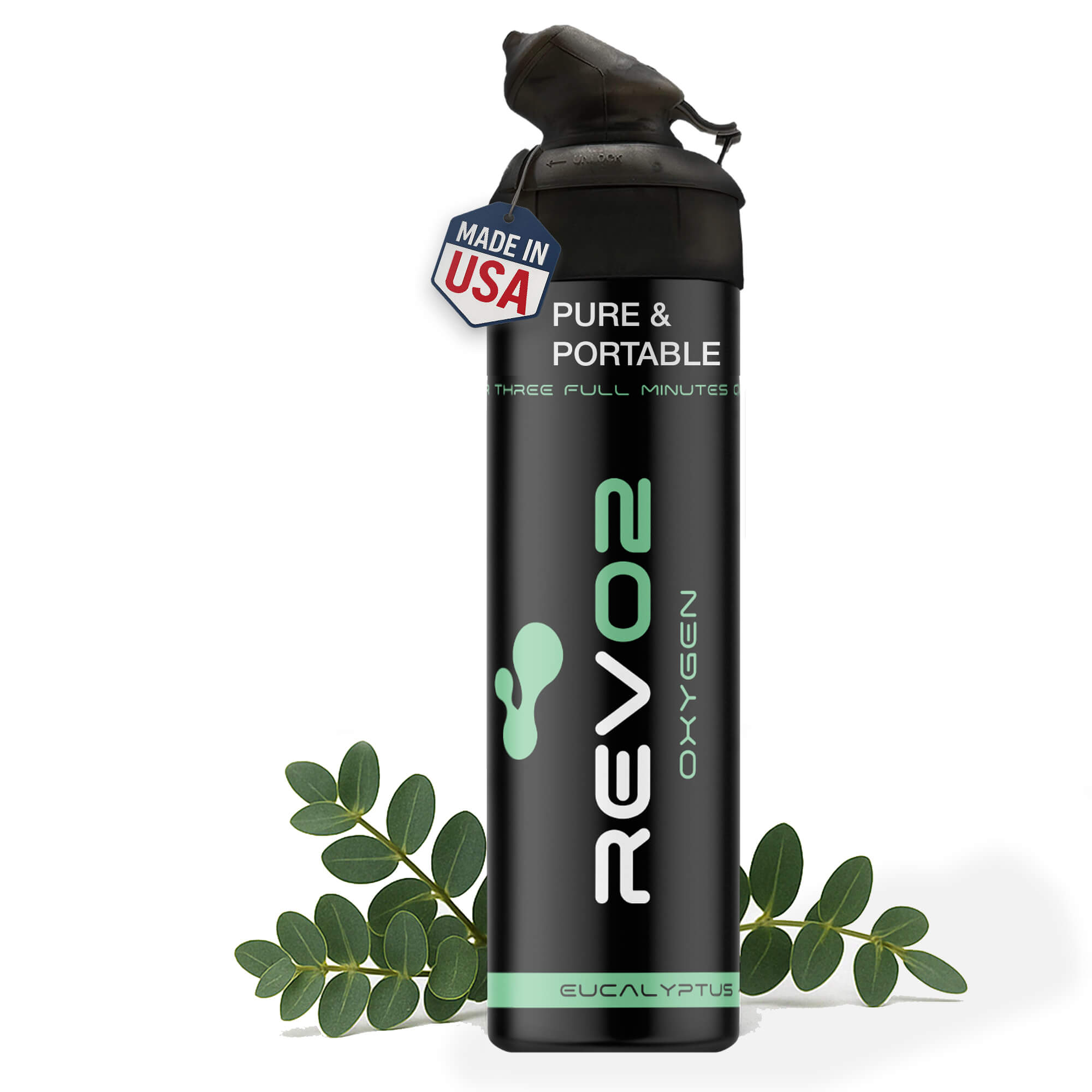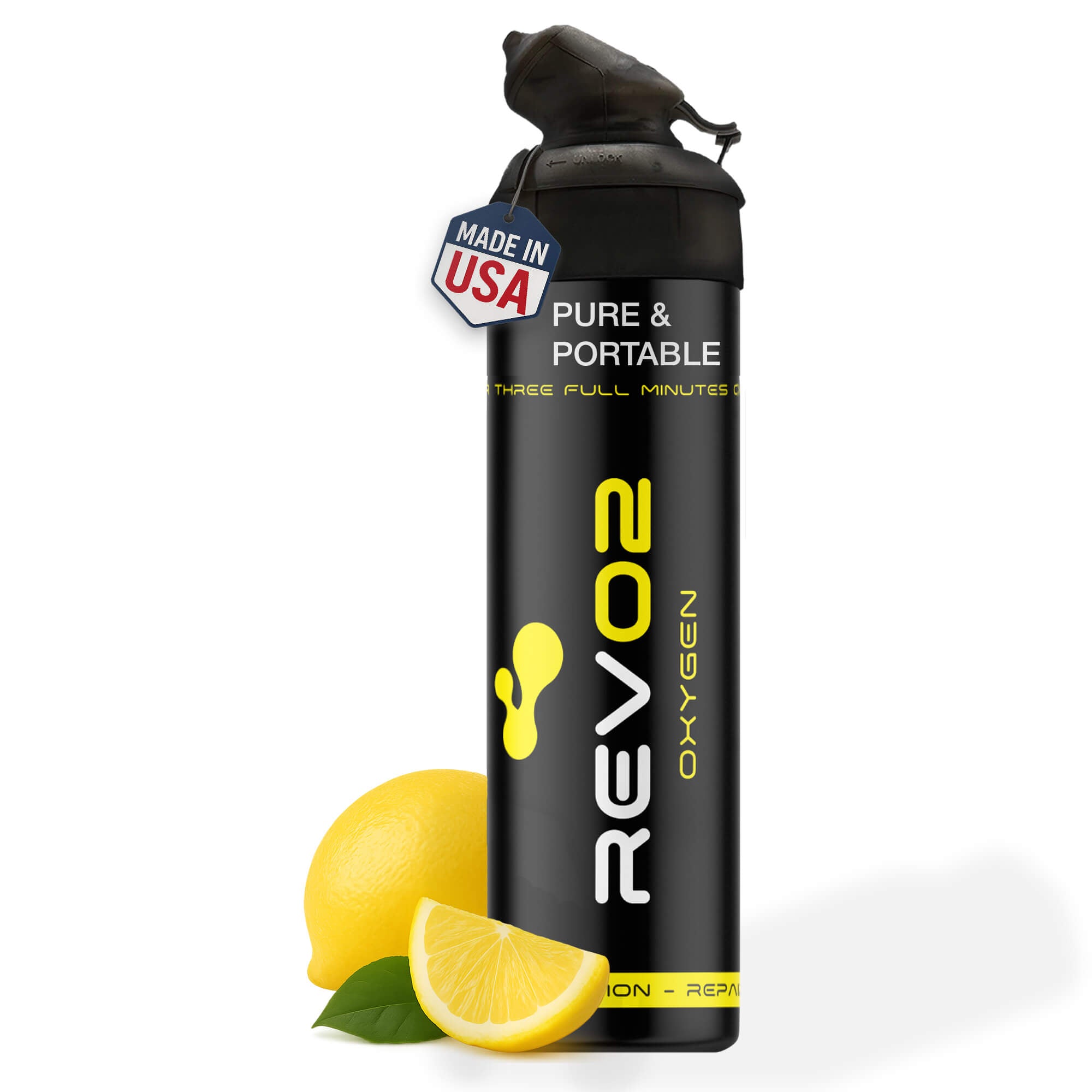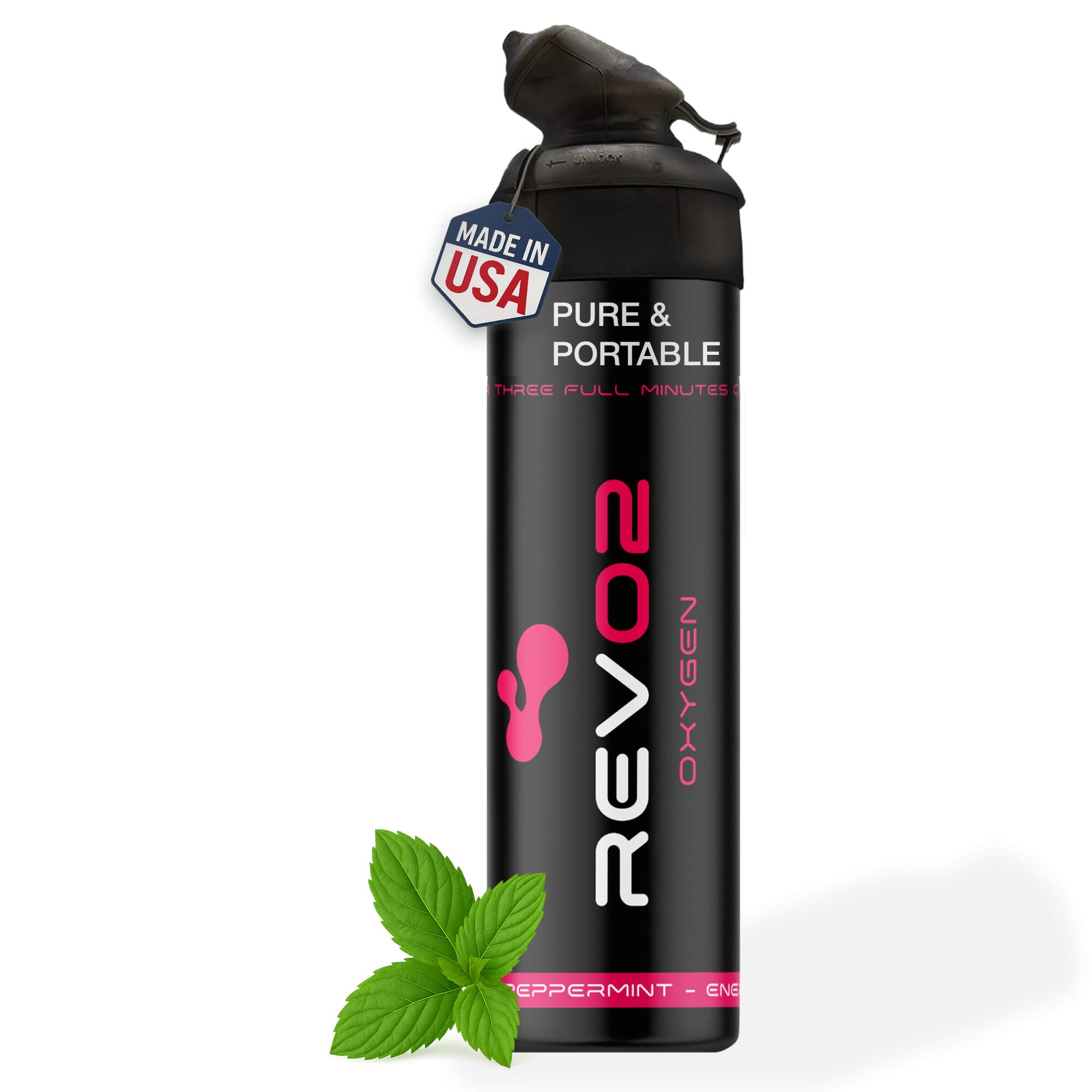

The highest-leverage recovery tools for competitive athletes are, in priority order: consistent sleep, adequate daily protein, hydration, heat acclimation via sauna, targeted cold or contrast hydrotherapy, compression and percussive therapy, and portable supplemental oxygen as an adjunct for altitude exposure or acute between-bout recovery.
Here is why that order matters. Sleep and nutrition are physiological prerequisites, not preferences. Without them, no device or protocol closes the gap. Once that foundation is solid, heat and cold modalities address plasma volume, inflammation, and soreness through well-documented mechanisms. Compression and percussion target circulation and trigger-point release. Portable supplemental oxygen, such as REV/O2, fits in as a practical adjunct when oxygen availability is genuinely reduced, such as at altitude, or when you need a fast perceived-energy reset between efforts.
What you can do in the next 24 hours:
- Set a consistent sleep and wake time and protect 8+ hours of opportunity
- Calculate your protein target (1.6–2.2 g/kg of body weight) and hit it today
- Drink at least half your body weight in ounces of water
- After your next hard session, adopt the bent-forward, hands-on-knees posture for 60–90 seconds between bouts
Pro Tip: Before spending on any recovery gadget, run a 7-day “floor reset”: fix sleep, protein, and hydration first. Most athletes see measurable improvement before adding a single piece of equipment.
Table of Contents
- What recovery tools for competitive athletes actually start with
- Which evidence-backed tools actually move the needle?
- How does breathing work and portable oxygen fit your recovery plan?
- How do you make recovery data-driven and personal?
- Short protocols you can try this week
- Safety, contraindications, and when to seek medical care
- Key Takeaways
- What competitive athletes actually get wrong about recovery
- Revo2 for athletes who train at altitude or compete across multiple days
- Research and sources
What recovery tools for competitive athletes actually start with
Sleep, protein, and hydration are not background details. They are the primary recovery tools, and they outperform every modality layered on top of them when they are inconsistent. Recovery experts place sleep, protein intake, and consistent training load management at the top of any evidence-based stack, with technology serving as an amplifier, not a substitute.
Stat to know: Protein intake in an evidence-supported range is important for muscle repair and adaptation in competitive athletes. Falling below it consistently limits recovery regardless of what else you do.
Your non-negotiable checklist:
- Sleep: 8+ hours of opportunity nightly, consistent schedule (same bedtime and wake time, even on off days)
- Protein: 1.6–2.2 g/kg/day, distributed across meals; prioritize a serving within 30–60 minutes post-session
- Hydration: Minimum 40–80 oz of water daily depending on body weight, more on heavy training days
- Refueling timing: Consume protein and carbohydrates before the resting stage after travel or late games so bathroom needs do not interrupt REM sleep
Pro Tip: Track protein for just 5 days using any food-logging app. Most athletes discover they are hitting 60–70% of their target, which explains persistent soreness and slow adaptation better than any missing gadget does.
Which evidence-backed tools actually move the needle?
Once the floor is solid, several modalities have meaningful research support. The key is matching the tool to your primary bottleneck.
A network meta-analysis of 23 RCTs with 388 participants found that far-infrared therapy ranked highest for countermovement jump recovery, intermittent negative pressure therapy led for creatine kinase reduction, and portable cold compression (PCMcold) was strongest for reducing muscle soreness. No single modality won every outcome, which is exactly why matching the tool to the bottleneck matters.
| Modality | Primary benefit | Best timing |
|---|---|---|
| Sauna / heat acclimation improves plasma volume and red cell volume measurably with regular post-session exposure. | ||
| Cold water immersion helps reduce soreness and improve perceived recovery; timing relative to hypertrophy sessions matters. | ||
| Portable cold compression | Muscle soreness (strongest NMA ranking) | Immediately post-session |
| Compression garments/boots | Circulation, edema reduction | Post-session or overnight |
| Percussive therapy | Trigger-point release, blood flow | Pre- or post-session |
| Red/near-infrared light | Cellular repair, mobility | Post-session or recovery days |
Sauna heat acclimation is particularly valuable for endurance athletes: plasma volume can expand by approximately 7.1% and red cell volume by approximately 3% with repeated exposure at 30-minute sessions, 4–7 times per week. That is a measurable performance edge that carries over to race day.
Percussive tools and sequential compression systems deliver the most value when they address the athlete’s specific bottleneck. Percussive massagers like the Hyperice Hypervolt 2 Pro target trigger points and release lactic acid from muscle tissue. Compression boots address circulation and edema through rhythmic squeezing and releasing. Photobiomodulation and cryotherapy are available at clinical and performance centers, though individual response varies and access is not universal.
How does breathing work and portable oxygen fit your recovery plan?
Breathing exercises are free, require no equipment, and have an immediate effect on the autonomic nervous system. Slow, diaphragmatic breathing after a hard session shifts the body from sympathetic activation toward parasympathetic recovery, which supports heart rate normalization and perceived calm. That alone is worth building into every cooldown.
Portable supplemental oxygen, including REV/O2’s sports oxygen, is a different tool with a specific use-case. It delivers 98% oxygen through a zero-leak mouthpiece engineered for inhalation efficiency, making it practical between high-intensity bouts or during altitude exposure where ambient oxygen is genuinely reduced. Athletes and high-altitude users report improved energy, faster perceived recovery, and greater mental clarity when using it as an adjunct. Understanding your oxygen saturation during exercise helps clarify when a supplemental boost is physiologically relevant versus when the recovery floor is the real gap.
When portable supplemental oxygen is appropriate:
- Between efforts at altitude (above 8,000 feet), where ambient oxygen is measurably lower
- Acute between-bout recovery during tournaments or multi-event days
- Travel recovery when fatigue and mild hypoxemia overlap
When it is not a substitute:
- Chronic conditioning or long-term adaptation (training at altitude builds adaptation; canned oxygen does not replicate that)
- Replacement for sleep, nutrition, or hydration deficits
Safety checklist for portable supplemental oxygen:
- Keep away from open flames and heat sources; oxygen accelerates combustion
- Follow the product label for dosage and duration
- Do not use if you have a diagnosed lung condition or nocturnal oxygen requirement without medical clearance
- Consult a physician before use if you have cardiovascular disease or are pregnant
Pro Tip: For altitude events, use REV/O2 between bouts rather than during sustained effort. Short inhalations of 3–5 breaths at the mouthpiece, repeated as needed, give you a practical acute boost without disrupting your breathing rhythm.
How do you make recovery data-driven and personal?
The GSSI Sports Science Exchange recommends that athletes experiment with modalities and track individual response rather than copy a one-size-fits-all protocol. That advice holds. Recovery research is still evolving, and what works for one athlete’s physiology and training load may not transfer to another.
High-value metrics to track:
- Sleep duration and efficiency: Use a wearable or sleep tracker; aim for 8+ hours of opportunity with consistent timing
- HRV rolling average: A 7-day trend is more meaningful than any single morning reading; a sustained drop signals accumulated fatigue
- Resting heart rate: Elevated by 5+ beats above baseline often precedes illness or overreaching
- Training load: Acute-to-chronic workload ratio helps identify when recovery demand outpaces capacity
- Biomarkers: Ferritin and iron status are particularly relevant for endurance athletes; Orreco’s data-driven approach uses AI and biomarker surveillance to adjust sleep, nutrition, and training load in real time
A simple personalization framework:
- Baseline (week 1–2): Track sleep, HRV, and resting HR without changing anything
- Introduce one modality: Add a single recovery tool (e.g., sauna 4×/week or nightly compression)
- Evaluate over 2–4 weeks: Did HRV trend improve? Did soreness ratings drop? Did training quality hold?
- Keep or swap: If the signal is neutral after 4 weeks, try a different modality
Pro Tip: Never change two recovery variables at once. You will not know which one moved the needle, and you will waste weeks of data.
Short protocols you can try this week
These are time-boxed, specific, and measurable. Pick one or two to test.
- Between-bout posture (immediate, zero cost): After each high-intensity effort, stand bent forward with hands on knees for 60–90 seconds. This posture supports faster heart rate recovery than standing upright.
- Cold immersion for tournament recovery: 12–15 minutes in cold water (or contrast: alternate 2–3 minutes cold, 2–3 minutes hot for a total of 12–15 minutes) after the final session of a competition day.
- Sauna heat-acclimation block (endurance athletes): 30 minutes post-session, 4–7 times per week for 3–4 weeks. Plasma volume can expand by approximately 7.1% and red cell volume by approximately 3% over the block.
- Morning breathing reset (3 minutes): Five slow diaphragmatic breaths in through the nose (4 counts), hold (4 counts), out through the mouth (6 counts). Repeat for 3 minutes before checking your phone.
- Portable oxygen acute boost: 3–5 breaths from REV/O2 between bouts at altitude or during multi-event days. Use the zero-leak mouthpiece for full inhalation efficiency.
- 7-day floor reset: Hit your protein target (1.6–2.2 g/kg), sleep 8+ hours, and hydrate to at least half your body weight in ounces every day for 7 consecutive days. Measure HRV and soreness before and after.
Pro Tip: Sequence matters. Run the sauna block in your build phase, not the week before a major competition. And never schedule cold immersion within 4 hours of a hypertrophy session — save contrast therapy for endurance and in-season recovery blocks.
Safety, contraindications, and when to seek medical care
Most recovery tools are low-risk when used correctly. A few carry meaningful contraindications that are worth knowing before you start.
Oxygen-specific warnings:
- Oxygen is highly flammable. Never use near an open flame, candles, or smoking areas
- Do not use canned supplemental oxygen if you have a chronic lung condition (COPD, emphysema) or require nocturnal oxygen therapy without explicit medical clearance
- Follow the product label for inhalation duration; more is not always better
Sauna and heat:
- Avoid prolonged heat exposure if you have uncontrolled hypertension, a recent cardiac event, or are pregnant
- Exit immediately if you feel dizzy, nauseated, or experience chest tightness
Cryotherapy and cold immersion:
- Not appropriate for individuals with Raynaud’s disease, peripheral vascular disease, or open wounds in the treatment area
- Limit cold immersion to 15 minutes maximum; monitor for numbness or skin color changes
When to stop and see a clinician immediately: Shortness of breath that does not resolve with rest, chest pain or pressure, fainting or near-fainting, a resting heart rate that is severely elevated without explanation, or any neurological symptom (confusion, vision changes) during or after a recovery session. These are not signs to push through.
This article is general information, not medical advice. Confirm any recovery protocol with a qualified healthcare professional for your specific situation.
Key Takeaways
The most effective recovery strategy for competitive athletes builds on sleep, protein, and hydration first, then layers targeted modalities matched to the athlete’s primary bottleneck.
| Point | Details |
|---|---|
| Fix the floor first | Hit 8+ hours of sleep, 1.6–2.2 g/kg protein, and daily hydration before adding any recovery tech. |
| Match modality to bottleneck | Sauna expands plasma volume; cold compression reduces soreness; percussion targets trigger points. |
| Sauna heat acclimation | Plasma volume can expand by approximately 7.1% and red cell volume by approximately 3% with 30-minute sessions, 4–7 times per week. |
| Personalize with data | Track HRV rolling averages and resting HR trends; introduce one new modality at a time over 2–4 weeks. |
| Revo2 as a tactical adjunct | REV/O2’s 98% oxygen and zero-leak mouthpiece make it a practical between-bout tool at altitude or during multi-event days. |
What competitive athletes actually get wrong about recovery
Most athletes I see in the data are not under-equipped. They are under-slept, under-fueled, and over-invested in gadgets. The “pit crew” mentality that elite teams use, monitoring sleep, nutrition, and training load in real time, is not about the technology. It is about the discipline of treating recovery as a system with a hierarchy.
The conventional wisdom says to buy the best recovery tools. The more useful framing is: fix the floor, then run small experiments. A sauna block in your build phase, contrast therapy during a tournament week, and a portable oxygen adjunct at altitude are all defensible choices when the foundation is solid. Without it, they are expensive distractions.
In-season, prioritize cold and contrast therapy for between-game recovery and protect sleep above everything. In a build phase, the sauna heat-acclimation block and biomarker monitoring give you the most durable performance return. Tech amplifies good habits. It rarely substitutes for them, and the athletes who understand that distinction tend to stay healthier and perform more consistently across a full season.
Revo2 for athletes who train at altitude or compete across multiple days
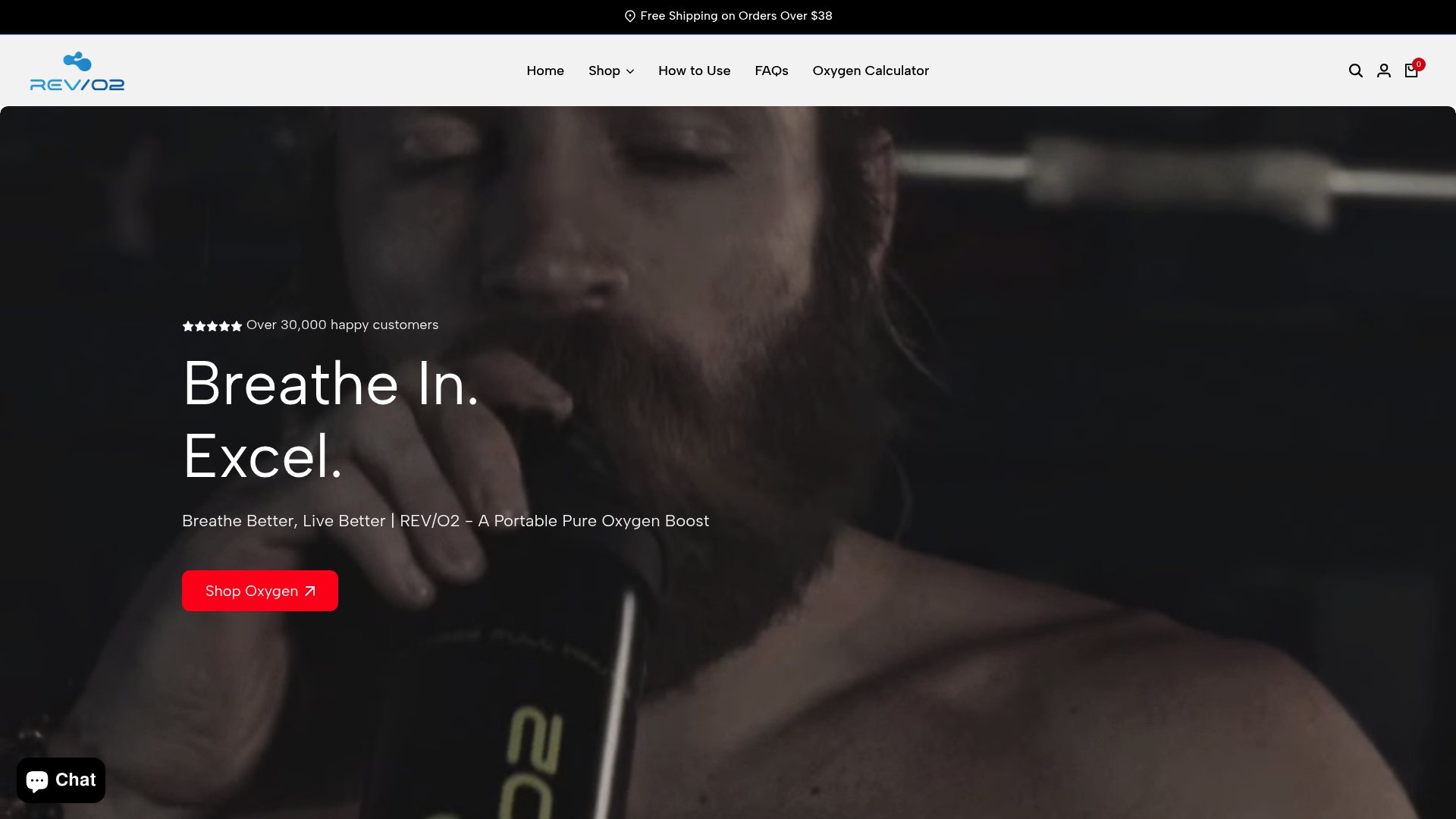
For athletes who train or compete at altitude, or who face back-to-back efforts in a single day, Revo2’s REV/O2 delivers 98% pure oxygen through a zero-leak mouthpiece designed for efficient inhalation without waste. That matters when you need a fast, practical boost between bouts and cannot afford a slow or leaky delivery system. Users report improved energy, faster perceived recovery, and sharper mental clarity, particularly in situations where ambient oxygen is genuinely reduced.
REV/O2 is not a replacement for sleep or nutrition. It is a targeted adjunct for specific moments: altitude exposure, acute multi-event recovery, and travel fatigue. Keep it in your kit for those situations, use it as directed, and keep it away from heat and open flames.
Ready to add it to your recovery stack? Explore REV/O2 for athletes and find the right option for your training schedule.
Research and sources
| Source | What it contributes |
|---|---|
| Frontiers NMA | 23-RCT network meta-analysis ranking recovery modalities by outcome |
| RecoveryStack | Sauna plasma volume data; recovery floor prioritization framework |
| GSSI Sports Science Exchange | Evidence summary for hydrotherapy, compression, massage, and active recovery |
| Mass General Brigham | Between-bout posture; cryotherapy and photobiomodulation clinical context |
| Orreco | AI and biomarker-driven individualized recovery monitoring |