
Sleep, post-event protein and carbohydrate, sodium-rich rehydration, an active cooldown with controlled breathing, and selective cold-water immersion are the highest-leverage ways to recover faster from competition. Everything else, from massage guns to float tanks, is situational support around those five pillars.
Do these in the first two hours:
- Eat protein plus carbohydrate within 30 to 45 minutes.
- Rehydrate with fluids and sodium, not just water.
- Walk or spin lightly for 5 to 15 minutes to cool down.
- Run one round of slow, extended-exhale breathing.
- Apply compression if you have another event within 24 to 72 hours.
The verdict: sleep and nutrition are mandatory; hydrotherapy, compression, and massage are optional accelerants layered on top, not substitutes.
Key Takeaways
Recovering faster from competition depends on stacking sleep, immediate nutrition, and active cooldown as non-negotiables, then layering hydrotherapy, compression, and massage based on your competition schedule.
| Point | Details |
|---|---|
| Sleep 8 to 10 hours | Athletes in heavy competition blocks need more sleep, with a bedroom near 65 to 68°F (18 to 20°C). |
| Eat within 45 minutes | Combine protein and carbohydrate plus sodium-rich fluids. |
| Use CWI strategically | Cold water immersion at 10 to 15°C for 10 to 15 minutes helps acute readiness but can blunt strength gains if overused. |
| Track objective markers | Watch for a countermovement jump drop or elevated resting heart rate to catch incomplete recovery early. |
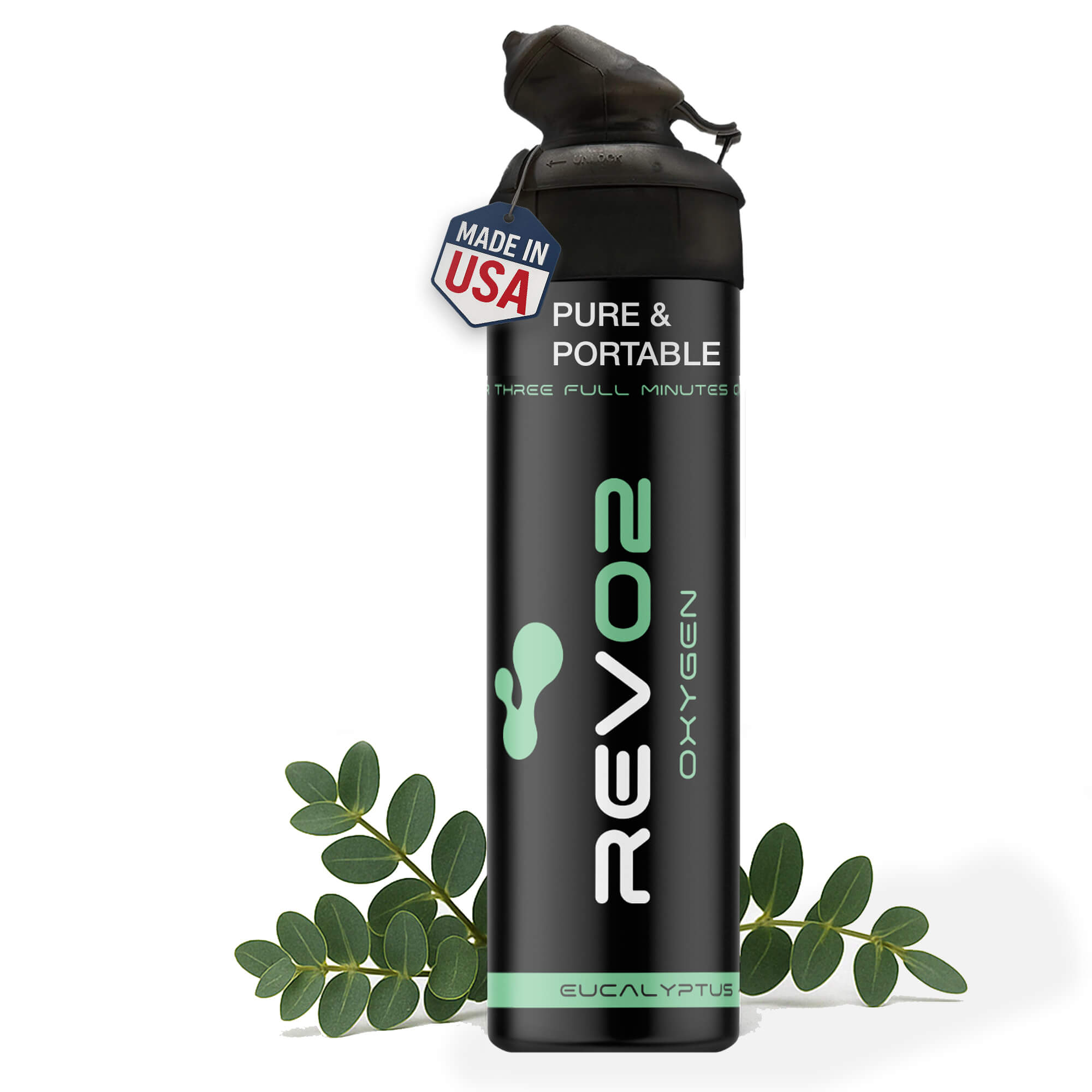
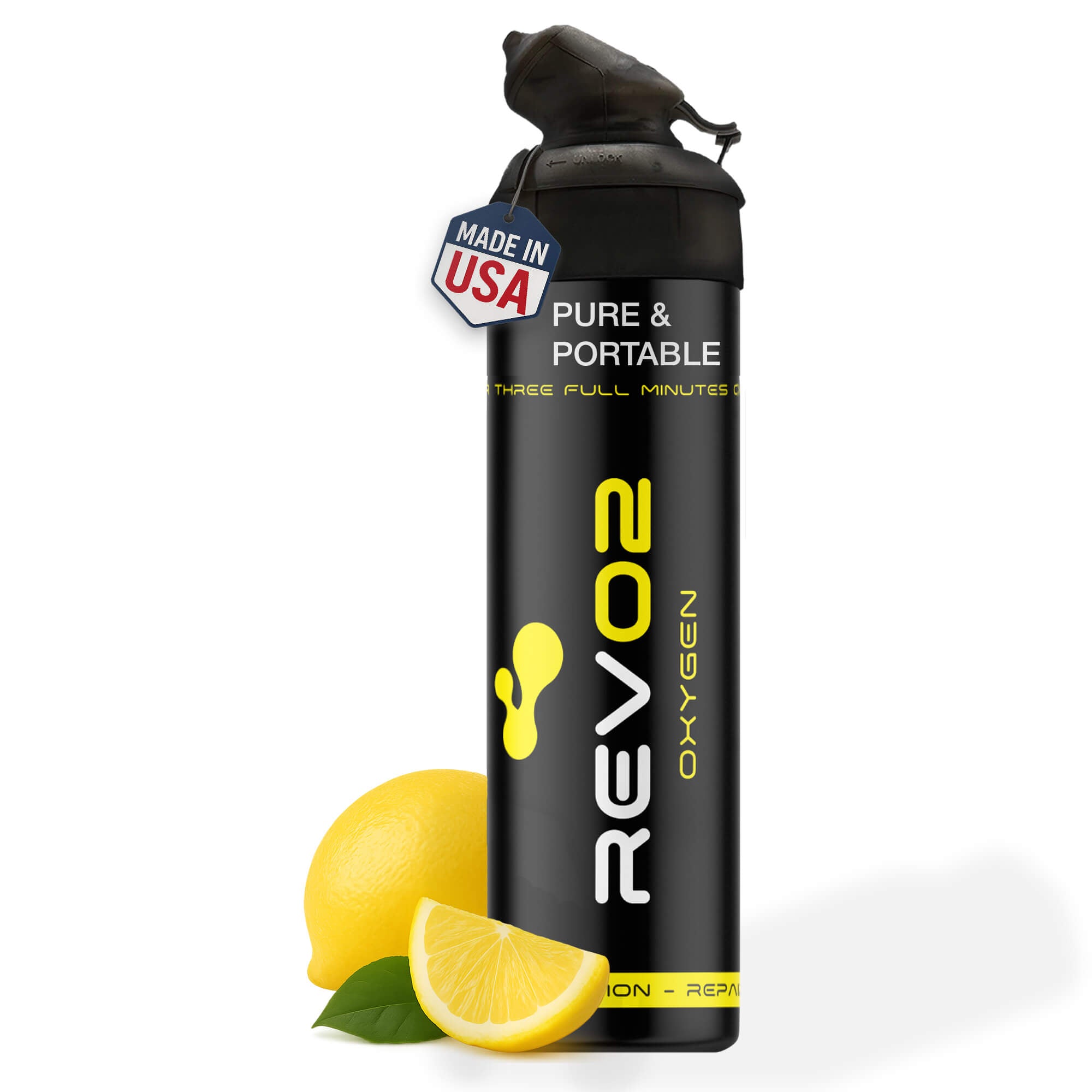
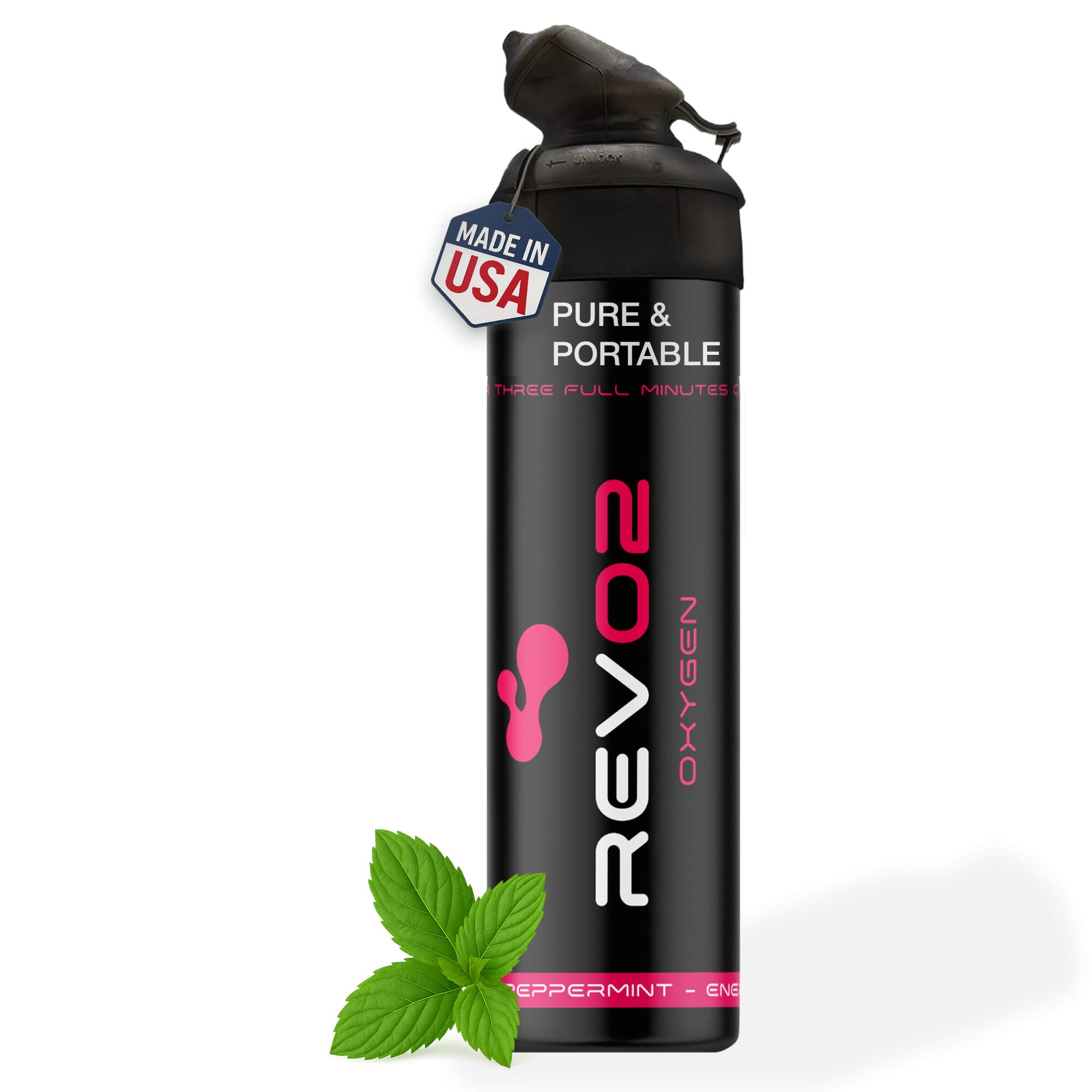
| Consider portable oxygen | Revo2’s canned oxygen offers a quick, mask-free option for alertness support alongside core recovery habits. |
Table of Contents
- Rest and Sleep: Why It’s the First Recovery Lever
- Nutrition and Hydration in the First Two Hours
- Active Cooldown and Breathing to Calm Your Nervous System
- Cold Water Immersion and Contrast Therapy: Temperatures That Work
- Compression and Massage for Everyday Soreness
- Stretching and Mobility: A Supporting Role, Not the Main Event
- Cryotherapy, Red Light, and Float Tanks: Worth the Cost?
- Supplements That Actually Help Recovery
- Choosing Recovery Tactics: Acute Readiness vs. Long-Term Adaptation
- Your 0 to 72 Hour Recovery Checklist
- The Science Behind the Numbers: Breathing and Monitoring
- A Recovery Tool Worth Considering: Portable Oxygen
- Sources
Rest and Sleep: Why It’s the First Recovery Lever
Sleep does more physiological repair work in a single night than any device or supplement you can buy. Growth hormone release, glycogen replenishment, and neuromuscular restoration all concentrate during deep sleep stages, which is why one poor night after a hard competition shows up as sluggish legs and slower reaction time two days later.
Athletes in heavy competition blocks need 8 to 10 hours of sleep per night, noticeably more than the general adult recommendation. A bedroom held at roughly 65 to 68°F (18 to 20°C) supports the deeper sleep stages where most repair happens.
For the night right after competition:
- Dim lights and stop screens 60 minutes before bed.
- Keep the room cool and dark, even in a hotel.
- Avoid caffeine within 6 hours of your planned bedtime.
- If a full night isn’t possible after travel, take a 20 to 30 minute nap plus extend sleep the following night.
Sleep extension studies show measurable gains in [sprint speed and reaction time](https://trainright.com/ranking-workout-recovery methods/) that outperform any single-session recovery modality. For hands-on routines, see this guide to improving sleep quality for muscle repair.
Pro Tip: If you land late from an away competition, set your bedroom temperature before you even unpack. A cold room primes sleep onset faster than any wind-down ritual.
Nutrition and Hydration in the First Two Hours
Your muscles are most receptive to glycogen resynthesis in the 30 to 45 minutes right after you stop competing, which makes that window worth planning for in advance rather than figuring out on the fly.
Target protein and carbohydrate intake in the first 30 to 45 minutes post-exercise to optimize muscle recovery, adjusting amounts to body weight rather than fixed numbers.
- A protein shake blended with a banana and oats.
- Chocolate milk plus a turkey sandwich.
- Greek yogurt with granola and fruit.
Rehydrate thoroughly after sweating and include sodium to restore electrolyte balance, as plain water alone is insufficient. Skip NSAIDs and alcohol in this window. Both interfere with the repair signaling your body is trying to run, and alcohol also blunts rehydration. For low-sugar options, this guide to sports recovery drinks is a useful reference.
Active Cooldown and Breathing to Calm Your Nervous System
An active cooldown, not a park bench, is what clears blood pooling in your legs and supports lactate clearance after hard effort. A 5 to 15 minute cooldown at low intensity, easy jogging, spinning, or walking, keeps blood moving back to the heart instead of stalling in your extremities.
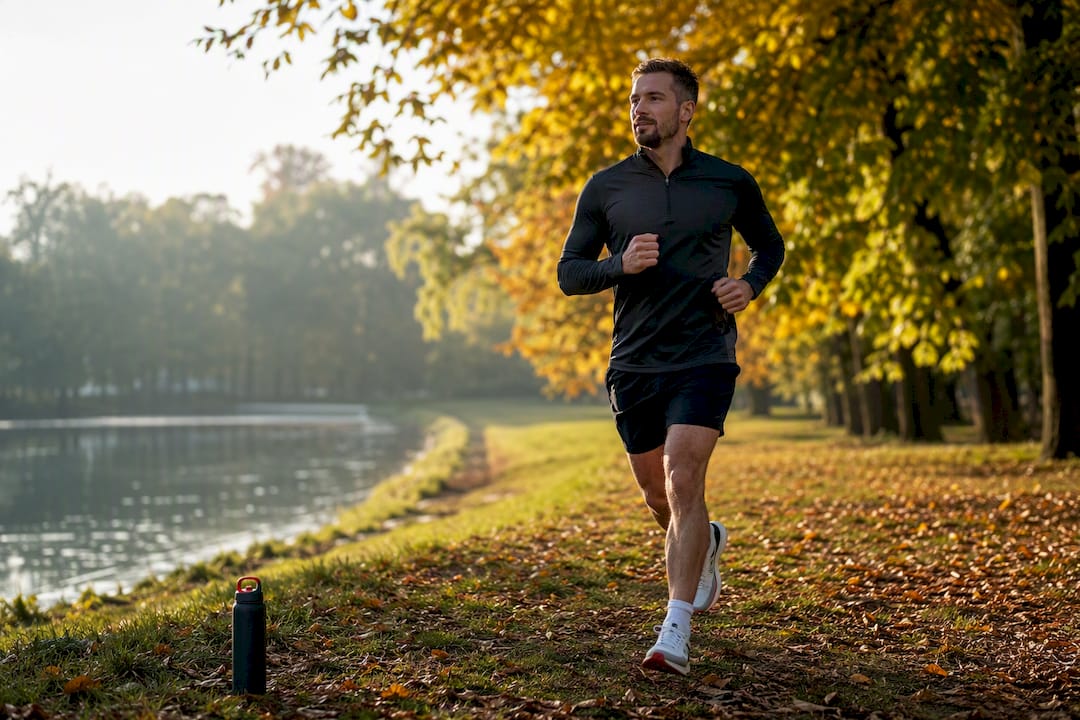
Use this simple rule: if you can hold a conversation, active recovery helps. If you have an acute injury or sharp pain, stay passive and rest the area instead.
A short breathing protocol shifts your body out of competition mode fast:
- Inhale through your nose for 4 counts.
- Hold for 4 counts.
- Exhale slowly through your mouth for 6 to 8 counts.
- Repeat for 5 minutes.
This extended-exhale pattern helps activate the vagus nerve and nudge your system toward parasympathetic repair mode. Pair it with the cooldown described in this active recovery guide, or read more on why deep breathing speeds recovery.
Cold Water Immersion and Contrast Therapy: Temperatures That Work
Cold water immersion at 10 to 15°C (50 to 59°F) for 10 to 15 minutes, done within 30 to 60 minutes after competing, is the most commonly cited protocol for reducing soreness and restoring readiness quickly.
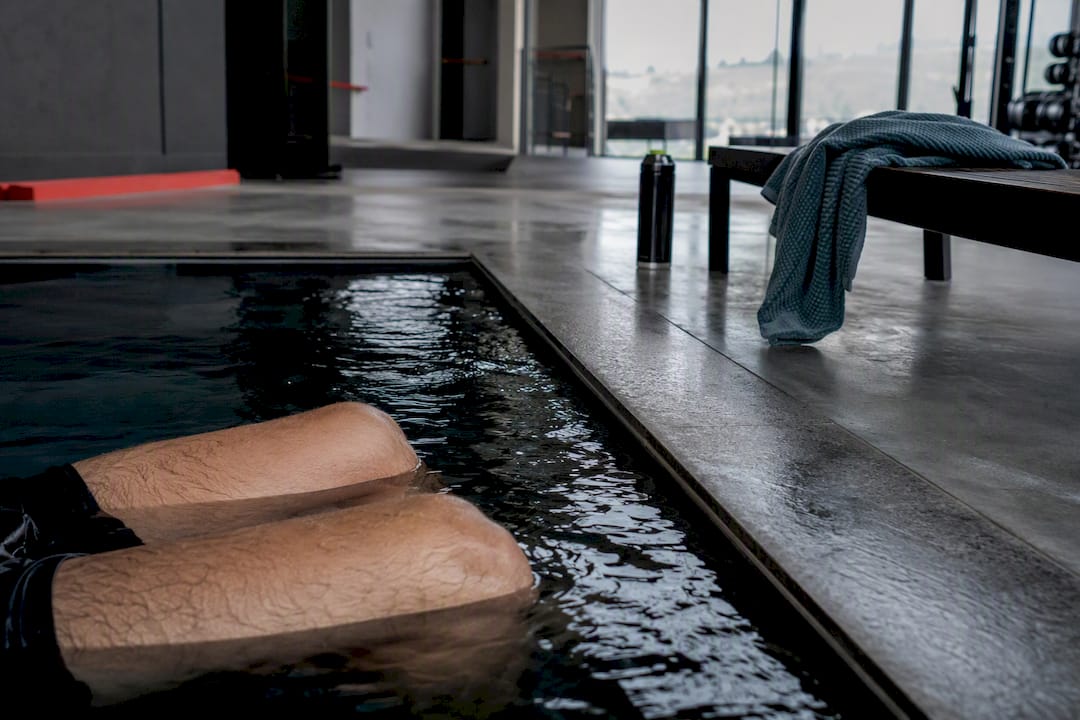
Contrast therapy alternates hot water at 38 to 40°C with cold at 10 to 15°C, typically in 1 to 3 minute cycles for 15 to 20 minutes total. It’s a practical option when a full cold plunge setup isn’t available.
The trade-off matters: cold water immersion is excellent when you need to perform again within a day or two, but frequent use during strength or hypertrophy blocks can blunt the muscle-building adaptations you’re training for.
Pro Tip: Cap cold immersion at 15 minutes and skip it more than a few times a week outside of tournament stretches. Numb, waxy skin afterward is a sign you’ve gone too cold or too long.
Compression and Massage for Everyday Soreness
Compression garments worn for 12 to 24 hours after competition modestly reduce soreness and swelling without interfering with long-term training adaptations, which makes them one of the few tools you can use constantly without a trade-off.
Massage carries the largest effect size among common recovery methods for reducing soreness and perceived fatigue, particularly when scheduled 24 to 48 hours after the event.
- Foam roll each major muscle group for 30 to 60 seconds, slowly, never at painful pressure.
- Use a massage gun gently. Aggressive pressure can cause more trauma than it relieves.
- Expect improved perceived soreness and range of motion, not faster tissue repair itself.
Stretching and Mobility: A Supporting Role, Not the Main Event
Static stretching does little to reduce delayed-onset muscle soreness, despite decades of locker-room habit suggesting otherwise. Mobility work earns its place by restoring movement patterns and protecting joints, not by speeding tissue repair.
A short 10 to 20 minute routine covers most needs:
- Hip openers and 90/90 stretches.
- Thoracic rotations.
- Ankle dorsiflexion drills.
- Slow, controlled leg swings.
Pro Tip: Treat mobility work as maintenance for how you move, not as a recovery accelerant. Save your recovery time budget for sleep and nutrition first.
Cryotherapy, Red Light, and Float Tanks: Worth the Cost?
Whole-body cryotherapy, photobiomodulation (red light), and float tanks show real but modest acute benefits in facility-based studies, mostly around perceived soreness and relaxation rather than measurable performance restoration.
- Cryotherapy sessions run 2 to 4 minutes at extreme cold, requiring specialized facility access.
- Red light therapy needs 10 to 20 minute sessions and consistent use to show any signal.
- Float tanks support relaxation and stress reduction more than muscle repair directly.
Clinical guidance on elite athlete recovery notes these are used as adjuncts in high-performance settings, layered on top of sleep and nutrition, not instead of them. If access or cost is a barrier, prioritize the free levers first. For a broader rundown, see this recovery tools overview.
Supplements That Actually Help Recovery
A handful of supplements have real evidence behind them for specific recovery contexts, which is more than most product labels can honestly claim.
- Creatine supports recovery between repeated sprint or strength efforts, typically 3 to 5 grams daily.
- Tart cherry shows benefits for inflammation markers and sleep quality in athlete studies.
- Protein (20 to 40 grams post-event) supports muscle repair directly, as covered above.
Avoid leaning on aggressive anti-inflammatories like high-dose NSAIDs regularly. They can blunt the same adaptation signaling you’re trying to build over a season. Always check any supplement against your sport’s anti-doping list and buy from third-party tested brands.
Choosing Recovery Tactics: Acute Readiness vs. Long-Term Adaptation
Every recovery decision comes down to one question: do you need to perform again in 24 to 72 hours, or are you building toward a training goal weeks out? Those two goals sometimes pull in opposite directions.
Acute readiness (tournament play, stage racing, back-to-back heats) calls for aggressive recovery: cold water immersion, frequent massage, compression, and prioritized sleep.
Chronic adaptation (a strength or hypertrophy block) calls for restraint: skip frequent cold immersion and heavy massage so the inflammation that drives muscle growth isn’t suppressed.
Quick rules:
- Multi-day tournament? Use CWI and massage freely between rounds.
- Mid-strength-block training week? Save CWI for genuine emergencies only.
- Single-day event with weeks until the next one? Let soreness run its course; skip aggressive intervention.
Your 0 to 72 Hour Recovery Checklist
Following a clear sequence beats guessing in the moment, especially when you’re depleted and decision fatigue has already set in.
0 to 2 hours:
- Eat protein and carbohydrate, rehydrate with sodium.
- Do a 5 to 15 minute active cooldown.
- Run one breathing cycle to downshift your nervous system.
- Apply compression if you’re competing again soon.
2 to 24 hours:
- Protect a full night of sleep in a cool, dark room.
- Add 20 to 45 minutes of low-intensity active recovery the next morning.
- Use cold water immersion if you have another event within 72 hours.
- Keep compression garments on for up to 24 hours total.
24 to 72 hours:
- Check readiness with a simple jump test or resting heart rate check.
- Schedule massage if soreness is high.
- Escalate recovery focus if you notice a sharp performance drop, elevated resting heart rate, or soreness that isn’t easing.
For endurance-specific sequencing, see this step-by-step recovery guide.
The Science Behind the Numbers: Breathing and Monitoring
The sleep and hydrotherapy ranges above aren’t arbitrary. They come from sleep-duration research in elite athletes and repeated testing of immersion temperatures across sports-science reviews.
Extended-exhale breathing works because a longer exhale relative to inhale activates the vagus nerve, shifting your body from sympathetic (fight-or-flight) to parasympathetic (rest-and-repair) state within minutes, not hours.
To know if your recovery plan is actually working, track one simple marker: countermovement jump height or resting heart rate each morning.
A Coach’s Perspective on Making This Practical
In practice, athletes rarely fail because the science is unclear. They fail because they skip sleep for one more scroll session or eat nothing for two hours after finishing. The checklist above works precisely because it removes decisions from a tired brain. I’ve seen it change outcomes most in back-to-back tournament weekends, less so for a single Saturday race with weeks of recovery ahead.
A Recovery Tool Worth Considering: Portable Oxygen
Once sleep, nutrition, and hydration are locked in, some athletes look for an extra edge in mental clarity and alertness during the hours right after competing, especially when travel, altitude, or a same-day rematch is involved.
Revo2’s canned oxygen delivers 98% pure oxygen through a zero-leak mouthpiece, no mask, no setup, just a few inhales between events or during the drive home. Athletes use it as a quick pick-me-up for alertness and perceived energy, particularly at altitude or after a draining performance. It’s not a substitute for sleep, hydration, or medical-grade oxygen, and if you compete under a governing body with anti-doping rules, confirm any supplemental product against your sport’s regulations first. For safe use, start with the how-to-use guide, then check out the sports oxygen can built for athletes or browse the full canned oxygen collection to find a flavor that fits your routine.
Sources
- PMC article on sleep requirements for athletes
- Recovery Techniques for Athletes — Gatorade Sports Science Institute
- Recovery Modalities Compared: Evidence-Based Guide — PoinT GO Research
- Recovery for athletes — Mass General Brigham newsroom article